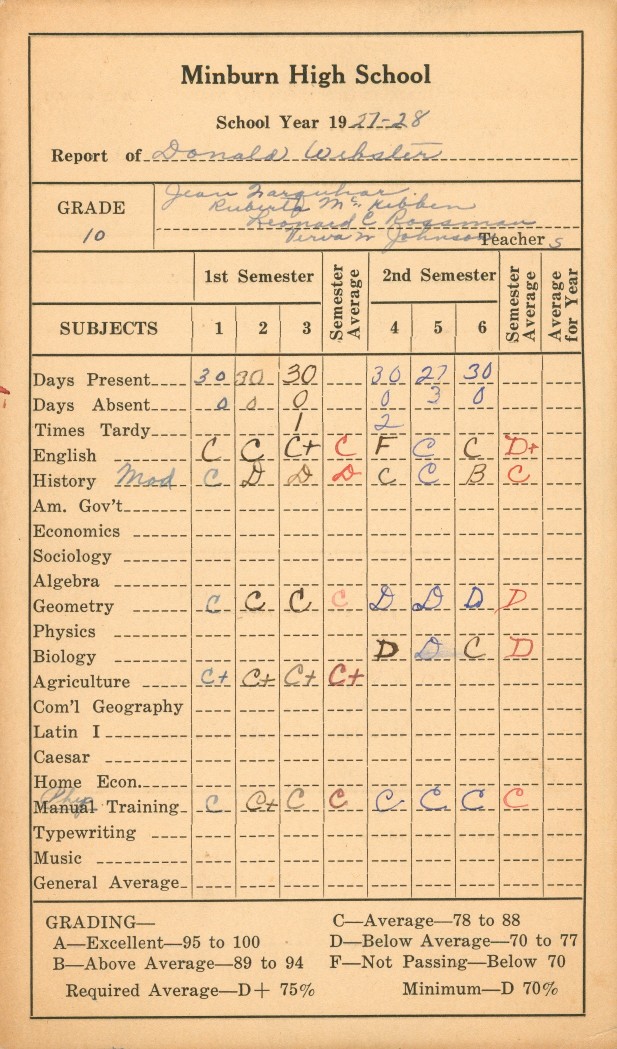
In 1974 a child’s academic standing was reported four times a year, in ink, on a folded card of heavy stock, and in between there was total silence.
The card had a separate set of grades for conduct. It had a three-line box where the teacher wrote something by hand that your parents read far more closely than the grid. It had to be signed and brought back, which made you the courier of information about yourself. And you carried it home knowing what it said.
Here are sixteen things every American kid felt on report card day in 1974, and what replaced each of them.
1. The Card Was Heavy Paper and It Came Four Times a Year
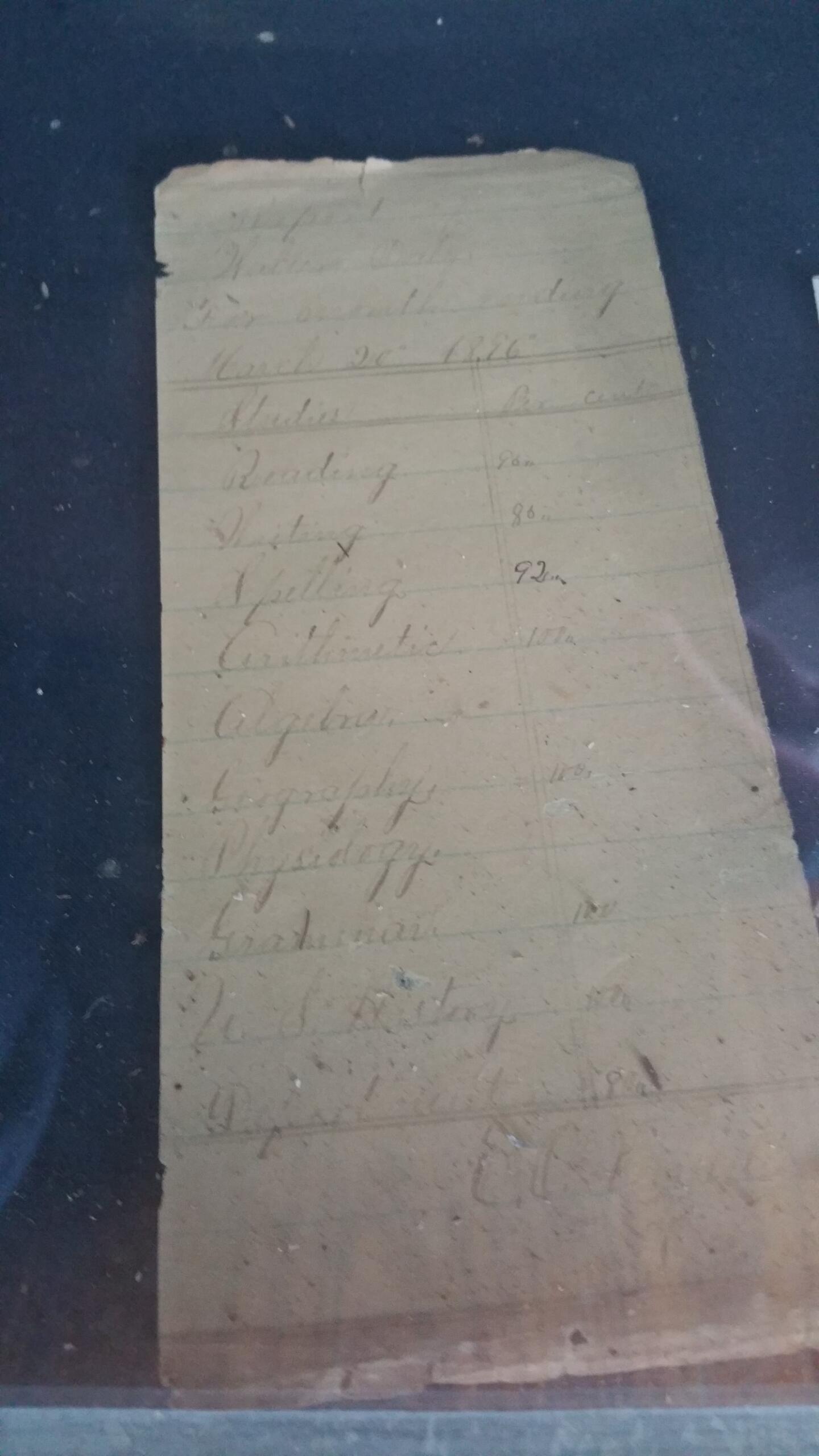
The report card was a folded card of heavy stock, printed with a grid – subjects down the side, marking periods across the top – and it was filled in by hand in ink, four times across the school year.
Continuous online gradebooks that parents and students can open at any hour, showing every assignment as it is marked. The card arrived four times and told you everything there was to know on those four days.
The physical weight of it mattered more than anybody would admit. It was stiff, it did not fold easily into a pocket, it had to be carried in a hand or a bag, and it could not be concealed in the way a piece of paper can – which meant that from the moment it was handed out, everybody around you knew you were carrying it.
Like our content? Follow us for more.
2. Conduct Was Graded Separately and It Was Not a Formality
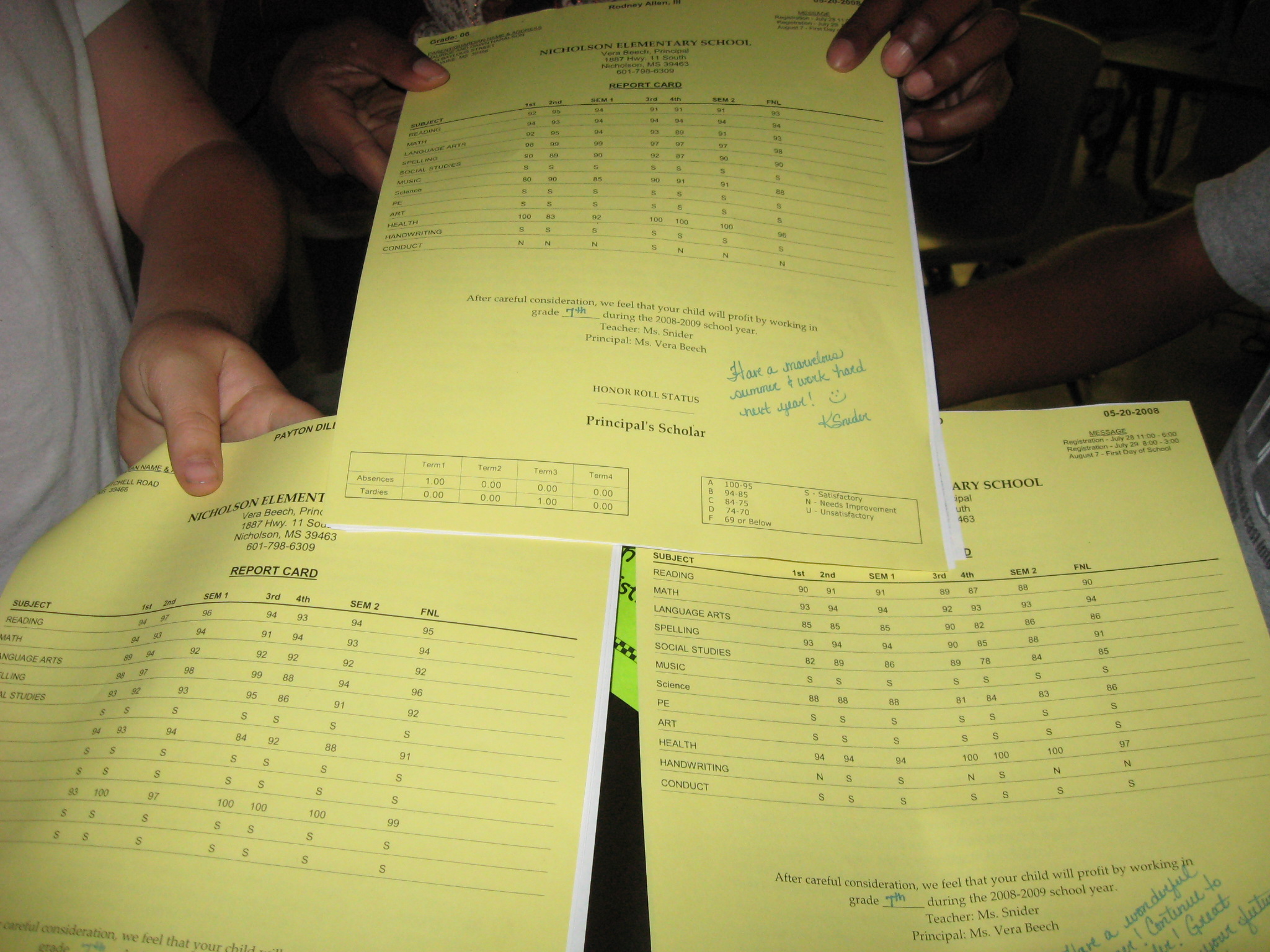
Alongside the academic subjects ran a second set of marks for conduct, citizenship, effort, cooperation, self-control and work habits – frequently on a different scale from the academic grades.
Behaviour reporting that is largely narrative, incident-based and continuous rather than a summary mark. The conduct grade was a single letter or number standing for a whole term’s behaviour.
It was also the grade most households actually cared about, which surprises people now. A family could absorb a mediocre arithmetic mark and could not absorb an unsatisfactory in conduct, because the first was about ability and the second was understood as a report on the child’s character and, by extension, on the household’s.
3. There Was a Handwritten Comment and It Was Read Very Closely
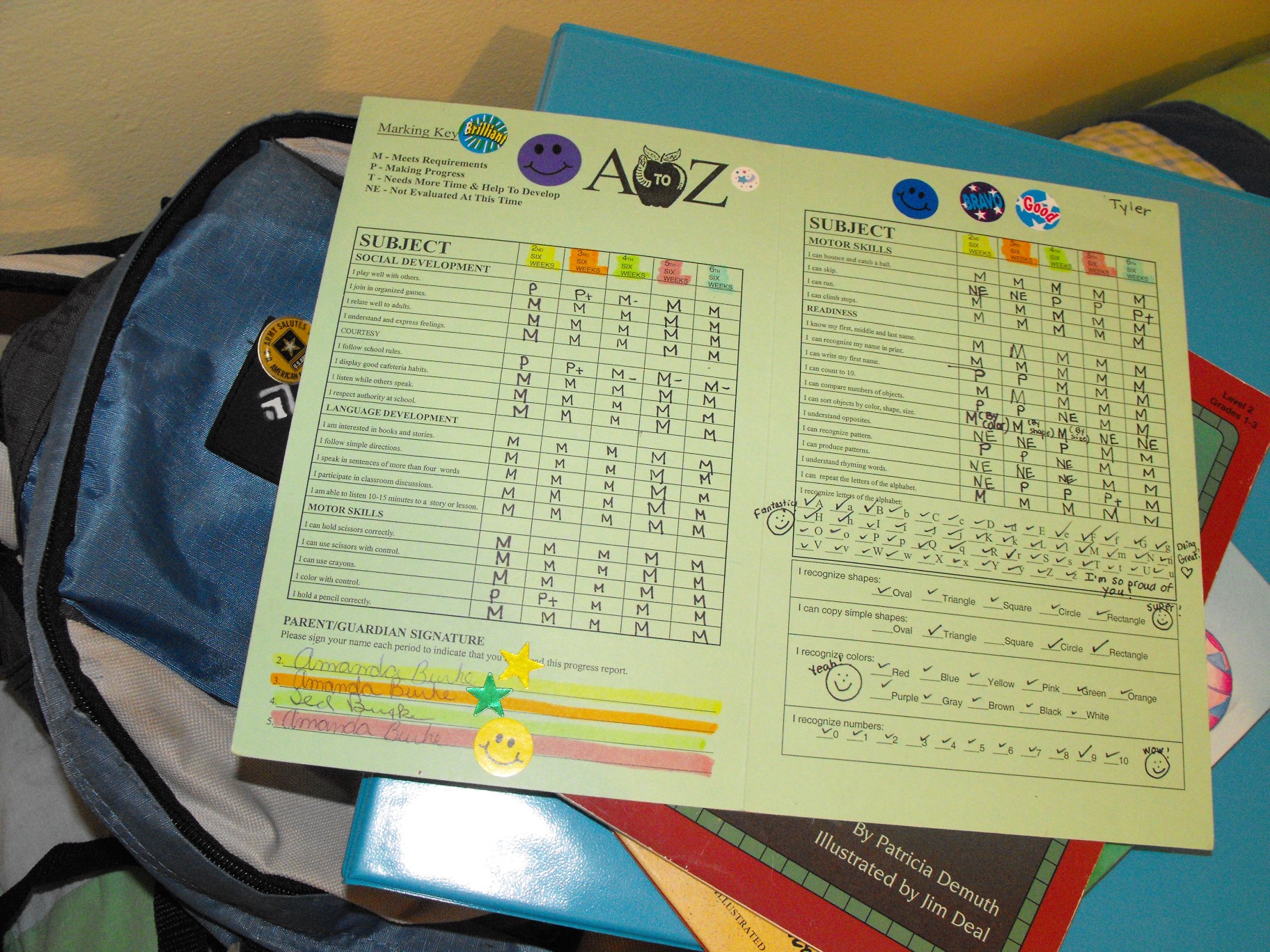
At the bottom was a box, perhaps three lines, in which the teacher wrote something in their own hand – and that comment was examined by parents far more carefully than the grid above it.
Standardised comment banks, narrative reports and continuous messaging. The handwritten box was short, personal and unrepeatable, and the teacher knew it would be the part that was read.
The brevity made it dense with signal. Three lines meant every word was chosen, families parsed the difference between pleasure to have in class and works well when focused, and a generation of children learned to read professional understatement from the bottom of a report card.
4. It Had to Be Signed and Brought Back
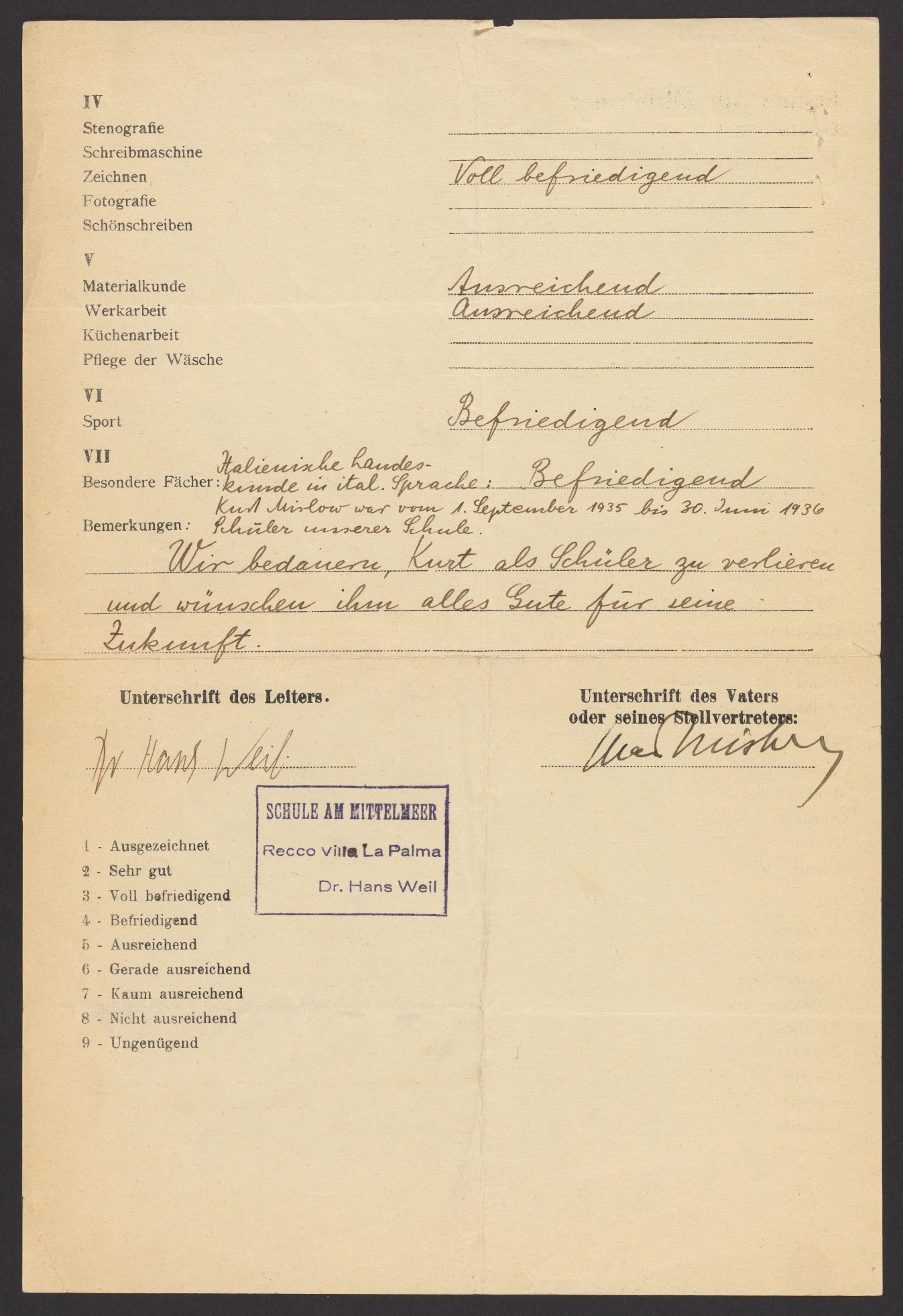
The card was issued to the child, taken home, signed by a parent in a designated space, and returned to the teacher – which made the child the courier of information about themselves.
Automatic delivery straight to a parent’s device, with the student frequently not involved in the transmission at all. The signature-and-return cycle put the child in the middle on purpose.
And it created the period’s defining small crime. A signature can be forged, the card can be lost, and a child could buy several days by simply not producing it – all of which happened constantly, was detected eventually, and produced consequences considerably worse than the grades had warranted.
5. The Walk Home Was the Worst Part
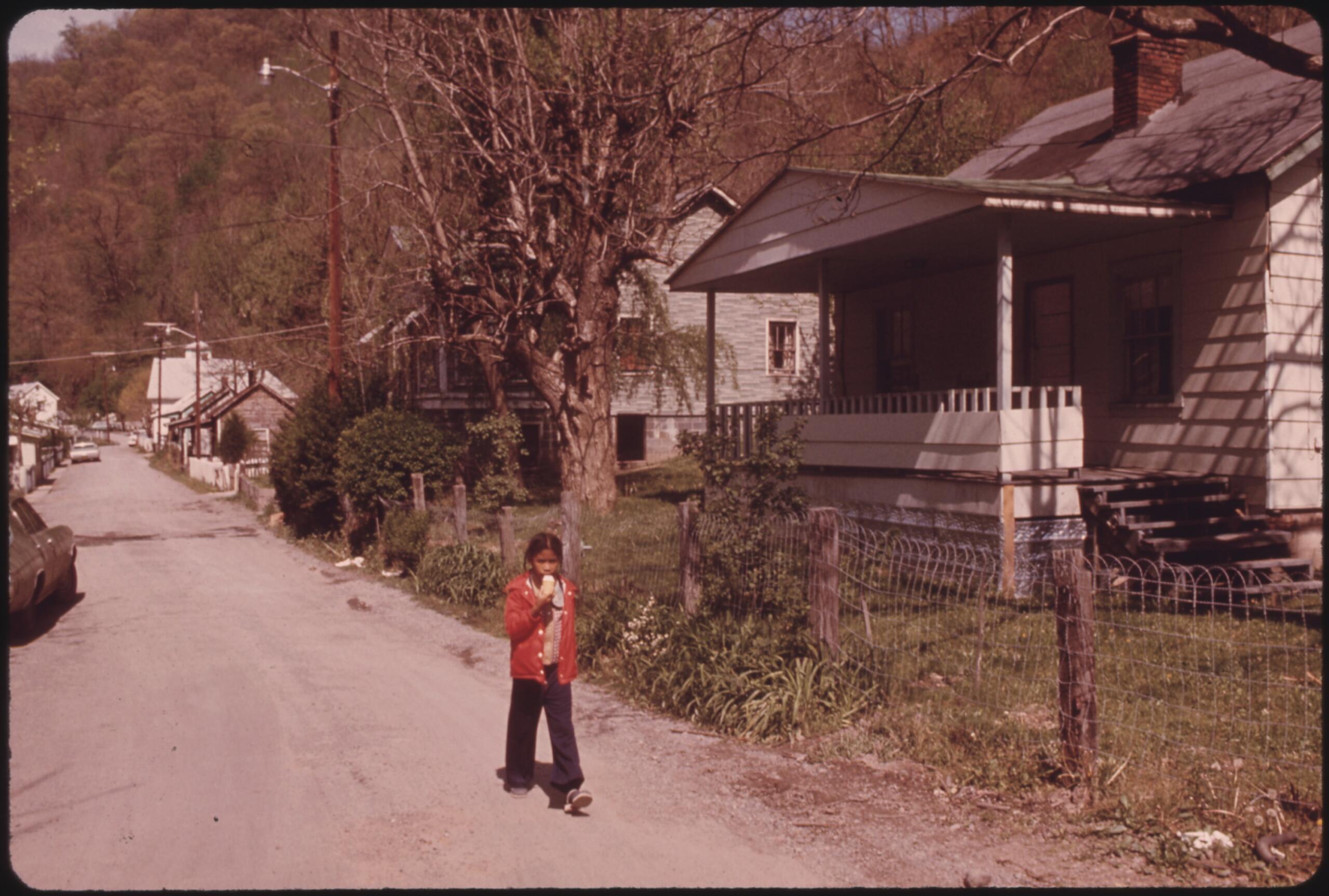
Cards were handed out near the end of the day, which meant a child carried their own verdict home, sealed, for the length of the journey, knowing what it said.
No journey, no interval and no carrying. A parent frequently knows a grade before the child has mentioned it, which removes the gap entirely.
That gap is what everybody remembers. Twenty minutes or an hour between receiving the news and delivering it, with nothing to do but think – and the standard practice of opening it, reading it, and then deciding on the way home what order to present things in.
6. Grades Came With Absence and Tardy Counts Printed Beside Them
The card carried a tally of days absent and times late, by marking period, usually in the same grid as the grades and given the same visual weight.
Attendance tracked separately and reported automatically, frequently with letters triggered by thresholds. Putting the tally beside the grades made a specific argument without stating it.
The argument was that the two were connected, and the card said so by layout alone. A row of absences beside a declining grade was a conclusion presented as data, and plenty of parents drew it immediately, whether or not the absences had been anybody’s fault.
7. The Honour Roll Was Posted Where Everybody Could Read It
High achievers were listed publicly – on a board in the hall, read over the public address system, printed in the local newspaper, or announced at an assembly.
Recognition that is largely private or opt-in, with public ranking actively avoided. The honour roll was a public document naming children by name.
It cut both ways and both ways were felt. Being on it was a real distinction that a whole town could see, including grandparents who read the newspaper. Not being on it was also public, every single term, by omission – and the list was the same length each time, so everybody could see who had dropped off.
8. Some Schools Printed Your Rank
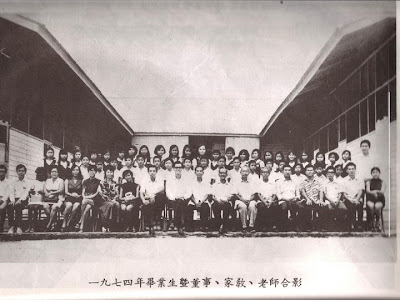
Beyond the honour roll, a number of schools reported a child’s standing within the class or the grade – a position out of a number, printed on the card.
Ranking is now rare below the high school level and contested even there, on the grounds that it measures position rather than learning and tells a child nothing they can act on.
The objection is a good one and it was not available at the time. A rank tells you where you are and nothing about what to do, it changes when other children’s performance changes rather than when yours does, and it puts a number on a nine-year-old that they will remember for fifty years.
9. The Grades Were a Teacher’s Judgement and That Was Accepted
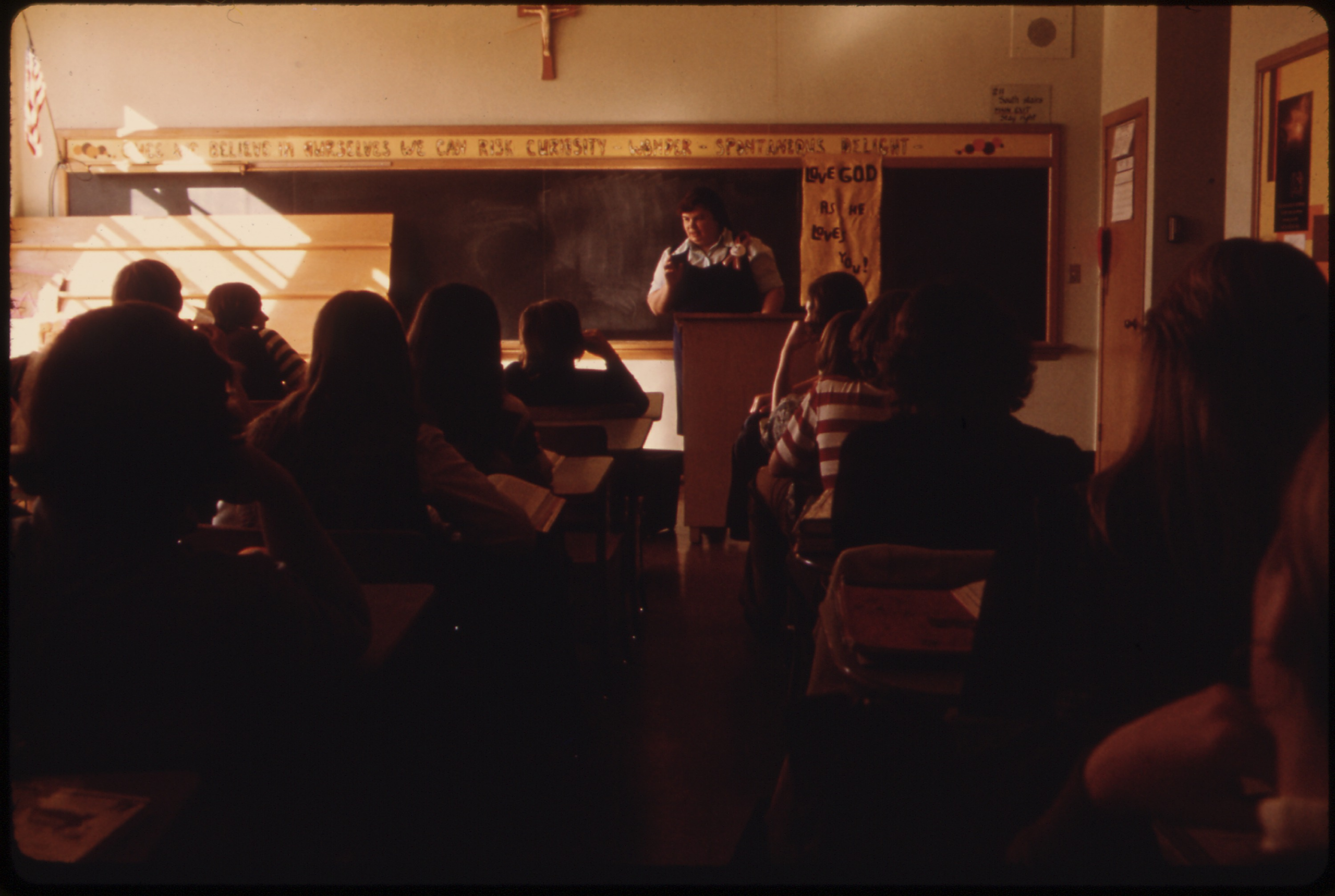
A term’s grade was arrived at by the teacher, from marked work, observation and their own view of the child, with no requirement to show the arithmetic and no expectation that anybody would ask.
Weighted gradebooks in which every component is visible, categorised and computable, so a grade can be traced to its inputs and challenged on them.
The old arrangement gave a teacher enormous discretion and it was used in both directions. A child who had tried and failed could be marked up for it; a child who coasted on ability could be marked down – and that latitude is either the great strength or the great weakness of the system depending entirely on which teacher you had.
10. Everything Was Compared to a Sibling
In households with several children, the cards arrived on the same day and were read in sequence by the same parent at the same table.
Staggered continuous reporting that rarely produces a single moment of direct comparison. The simultaneous arrival made comparison structurally unavoidable.
Parents who had every intention of not comparing did it anyway, because the documents were identical in format and side by side on a table. And children knew exactly what the running order meant – whether you wanted to go first or last depended entirely on what you were carrying.
11. There Was a Checkbox List of Things You Were Doing Wrong
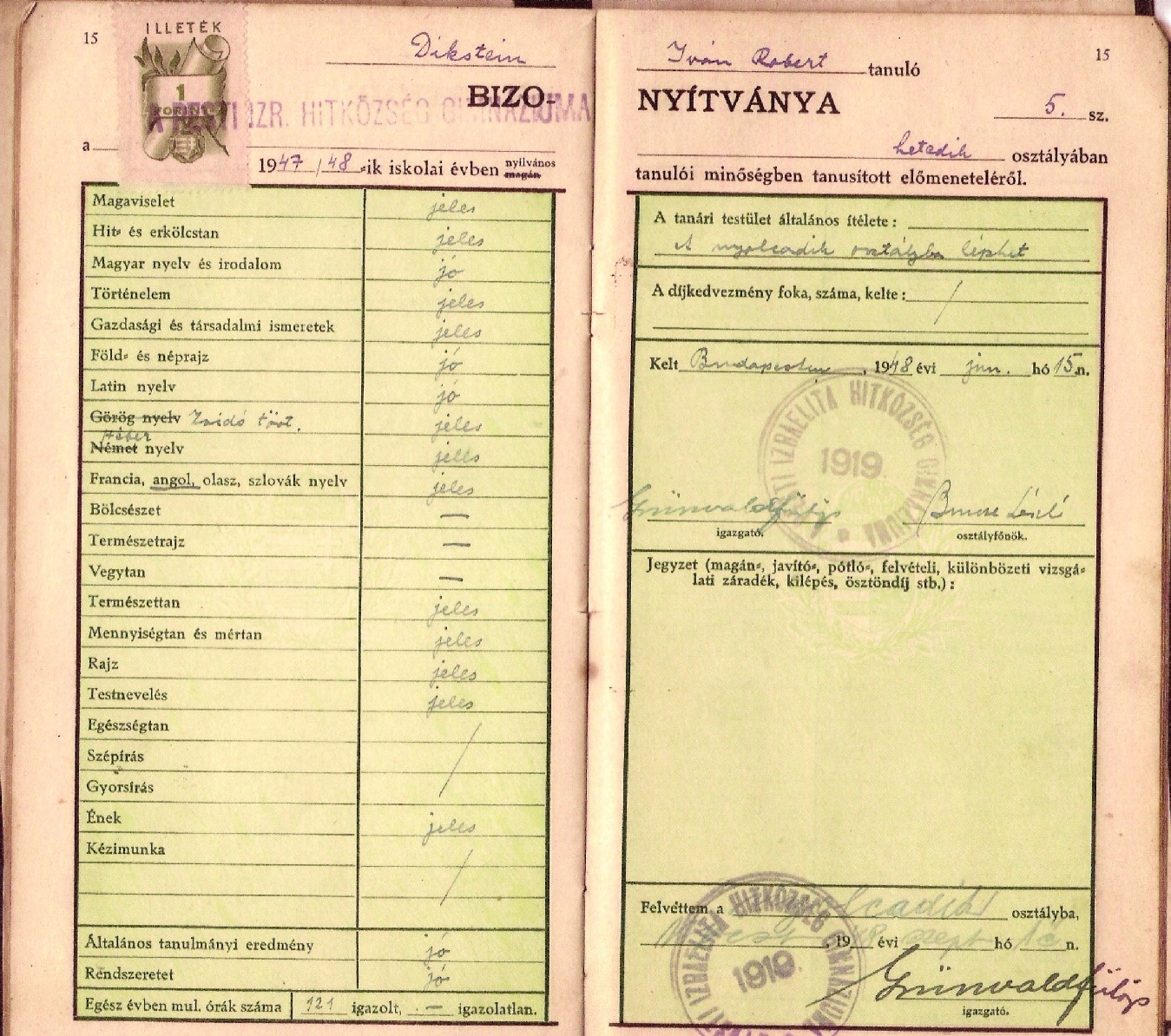
Many cards carried a printed list of specific deficiencies to be ticked: does not complete assignments, talks excessively, is careless with work, does not follow directions, needs to work independently, lacks self-control.
Narrative comment and targeted intervention plans. The checkbox list was efficient for the teacher and blunt in a way nothing produced now is.
The pre-printed phrasing is what gives these cards their flavour decades later. Nobody chose those words for your child; they were on the form, in that order, for every child in the district – and a tick in a box reduced a term’s difficulty to a sentence that had been written by somebody who had never met you.
12. The Card Went Into a Drawer and Stayed There for Fifty Years
Signed and returned cards came back at the end of the year, or the school’s copy was filed and the family’s kept, and the family’s copy went into a drawer, a box or an album.
Records held in a system that a family does not possess and generally cannot export, with little chance that a grandchild will come across them.
Which is why so many people have actually seen their parents’ report cards. The object survived because it was an object, and reading a grandparent’s conduct grade from 1938 is a specific kind of discovery that the current arrangement will not produce for anybody.
13. Nobody Knew Anything Until the Card Arrived
Between marking periods there was no reporting at all. Unless a teacher telephoned or sent a note about a specific problem, a household’s information about a child’s progress was nine weeks old.
Daily visibility, with notifications for a missed assignment or a failed test. The old silence between cards was total and it was normal.
The consequence was that a bad term was fully complete before anybody at home knew it had happened. There was no intervening, no catching it early and no weekly correction – and a child in difficulty in October was in difficulty until December, when the news arrived all at once.
14. The Reaction at Home Was the Whole Event
The card was presented, read in silence, and then discussed – and what followed was a conversation, a consequence, a reward, or an absence of reaction that was its own information.
Continuous low-level awareness that largely dissolves the occasion. There is no moment to prepare for and no scene to remember.
That concentration is why these days are remembered at all. A term’s work resolved into one conversation at a kitchen table, with a document on it, and children rehearsed for it on the walk home – which makes report card day one of the few reliably recalled dates in an American childhood.
15. Then the Gradebook Went Online and the Day Disappeared

The whole arrangement rested on information being scarce and periodic: four fixed moments a year, a physical document, a courier who was the subject of the report, and total silence in between.
Online gradebooks from the 2000s onwards made every mark visible to parents and students within days of being entered, continuously, with alerts – which is unambiguously better for catching a problem early and which abolished the event completely.
The gain is real and should not be minimised, because the old silence genuinely hurt children. A pupil struggling in October whose family found out in December lost two months, and the system had no mechanism at all for noticing. Continuous reporting fixes exactly that, and it is the reason nobody is proposing a return.
16. What Went With It Was the Gap
The card’s defining feature was not the grades. It was the nine weeks of nothing on either side of it, which meant a term was a closed unit that ended, was reported, and was over.
Permanent visibility, in which a bad week is seen as it happens and a running average carries forward continuously with no natural break.
Which produced something nobody intended to remove. A child who had a disastrous marking period got a verdict, took the consequence, and then started the next one with a clean grid and nine weeks in which nothing was known – and that interval was a genuine chance to become a different student, invisible to everybody until the next card. A continuous average has no such gap. The October result is still in the number in May, visible daily to everybody, and a child who wants to be regarded differently has to wait for an average to move rather than for a term to end. The old system reported too little, too late, and it has rightly gone. But the thing it accidentally provided – a fresh page, four times a year, with nobody watching – is not in the replacement, and nothing else has taken that job on.
The Silence Was the Problem and the Gap Was the Loss
Online gradebooks are better than report cards, and the case is not close.
The old system’s central defect was that it reported too little, too late. A child who began struggling in late September was not reported on until early December, by which point two months of work had gone and the term was effectively finished. Nobody at home could intervene, because nobody at home knew. Nobody could correct course, because there was no course information. A teacher who did not pick up a phone was a teacher whose concerns reached a family nine weeks after they arose.
That failure had real consequences for real children, and continuous reporting fixes it precisely. Every mark visible within days. Alerts for a missed assignment. A parent who can see a problem forming in week two and act in week three. Nobody is seriously arguing for a return to four cards a year, and this piece is not either.
But something was removed that nobody was trying to remove, and it is worth naming because there is no replacement for it.
The report card’s defining feature was not the grades. It was the nine weeks of nothing on either side.
A marking period was a closed unit. It ran, it ended, it was judged, the judgement was delivered in one conversation at a kitchen table, the consequence followed – and then it was over, and the next grid was empty, and for nine weeks nobody at home knew anything at all.
Which gave a child something that sounds small and is not: a chance to become a different student in private. A disastrous term could be followed by a transformation that nobody observed while it was happening, and that arrived, fully formed, on the next card. The failure was not in the record going forward; it was in a document that had been signed and filed.
A continuous running average does not work that way. The bad week in October is inside the number in May, visible on a dashboard to everybody, every day. A child who wants to be thought of differently cannot simply start again – they have to move an average, slowly, in public, against the weight of their own history.
So the honest accounting is this. The old system was worse at the thing a reporting system is for, which is telling people what is happening in time to do something about it. It was accidentally better at something nobody had identified as a function: periodically wiping the slate and letting a child out of sight long enough to change.
Nobody designed that, nobody defended it, and nobody noticed it going.
If you remember these, you opened yours on the walk home and decided what order to say things in.
And there is one somewhere in a drawer with a teacher’s handwriting on it that you could quote right now.
Like our content? Follow us for more.