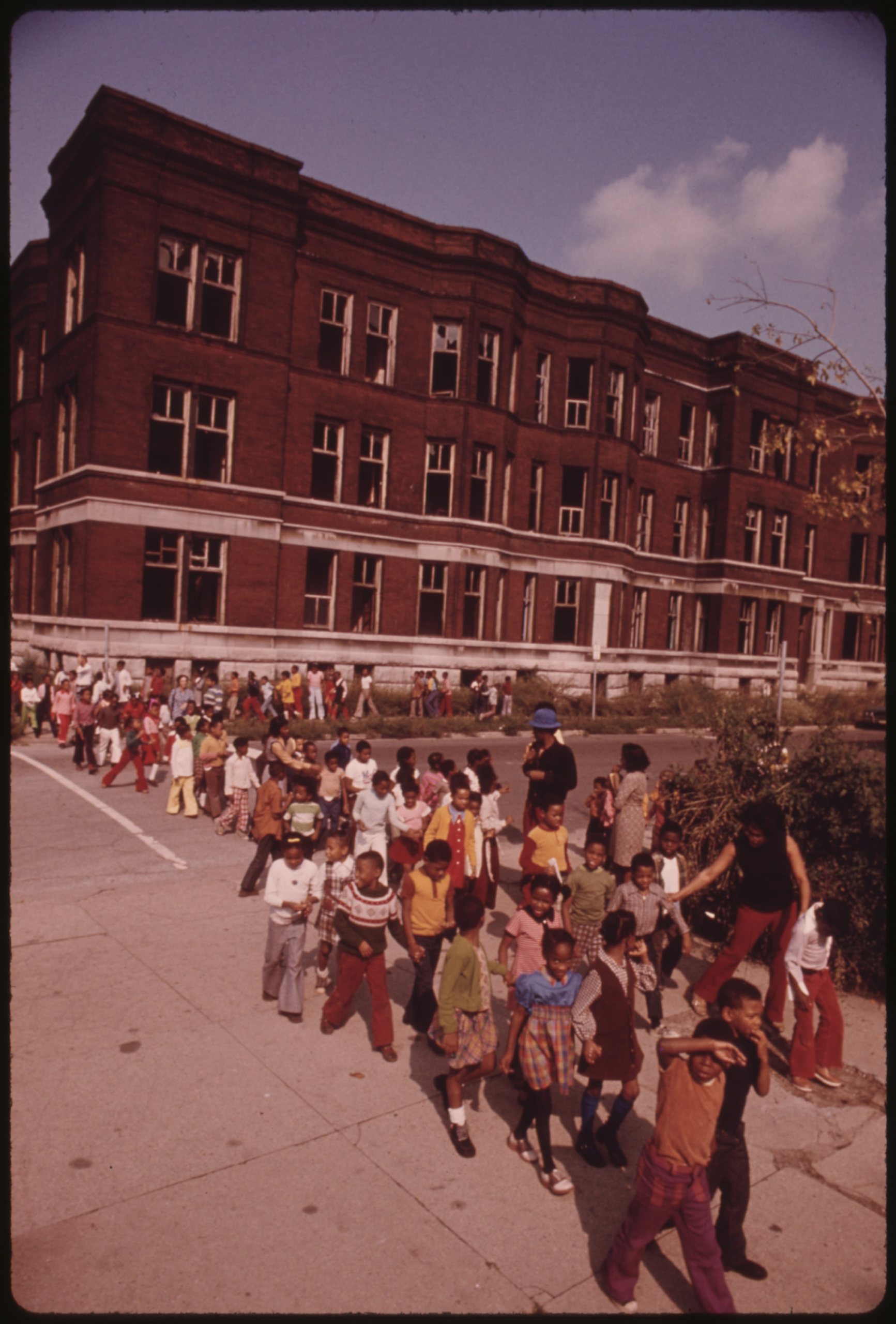
In 1974 an American school emptied itself to the sound of a mechanical bell that said nothing except now, and everybody in the building already knew what to do, because they had done it eight times that year.
You stood, lined up, and walked out in silence. The teacher carried the attendance register in their hand and counted you against it on the grass. Two children had the job of closing the windows and the door. And in much of the country there was a second drill that put you in a corridor facing the wall with your hands over your neck.
Here are sixteen things every American school drilled children on in 1974, and what each one became.
1. The Fire Alarm Was a Mechanical Bell and You Felt It in Your Teeth
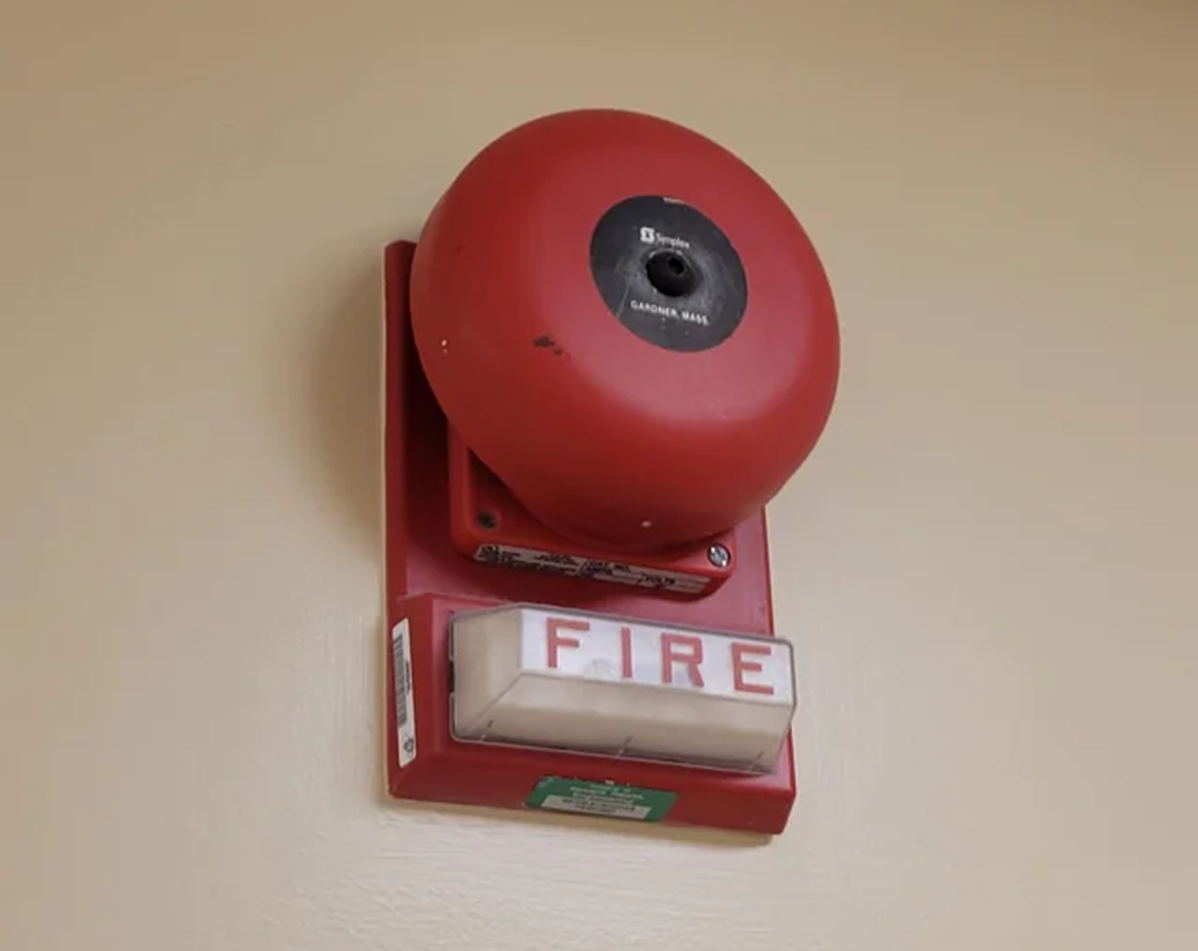
The alarm was an electric bell or a motor-driven horn, loud enough to be painful in a corridor, with no voice, no message and no indication of where anything was.
Voice evacuation systems that announce what is happening and where to go, with strobes for anybody who cannot hear the tone. The old bell conveyed exactly one bit of information: now.
Which is why the procedure had to be learned by rote. A signal carrying no content requires everybody in the building to already know what it means and what to do, with no capacity to handle anything the procedure had not anticipated – and that is precisely why the drilling was so relentless.
Like our content? Follow us for more.
2. You Lined Up in Silence and the Silence Was Enforced
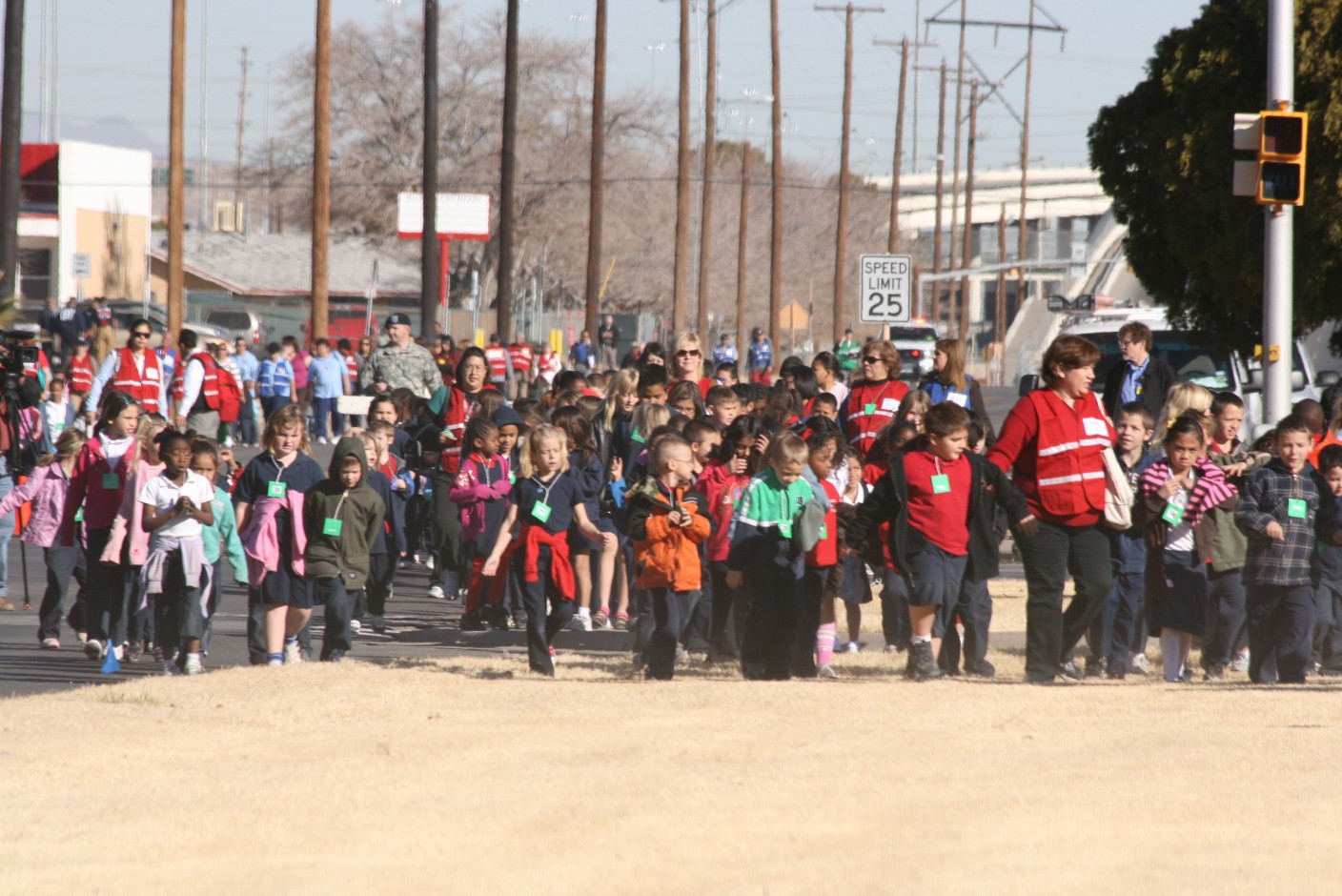
The instruction was to stop work, stand, form a line at the door, and leave without speaking – and the no-talking rule was treated as seriously as the walking rule.
Evacuation procedures that still require order but rarely demand silence, on the understanding that children need to hear instructions and report problems.
The silence had a real justification at the time, which was that a teacher at the front of a line of thirty children in a stairwell needed to be heard by all of them. It also had a disciplinary function nobody separated out, and children understood the drill as a test of compliance at least as much as a safety exercise.
3. The Teacher Carried the Register Out and Counted You on the Grass
The attendance book came off the desk and went out of the building in the teacher’s hand, and the class was counted against it at the assembly point.
Digital rosters checked on a device, with an absence reconciled against the office record in real time. The paper register was the only list of who should be in the building.
Everything depended on that book being correct, which is why registers were taken so punctiliously every morning. A child marked present who was actually at the dentist would be searched for in a burning building, and a child marked absent who was actually in the toilet would not – and both of those were understood as live possibilities.
4. Every Class Had an Assigned Spot and Yours Never Changed
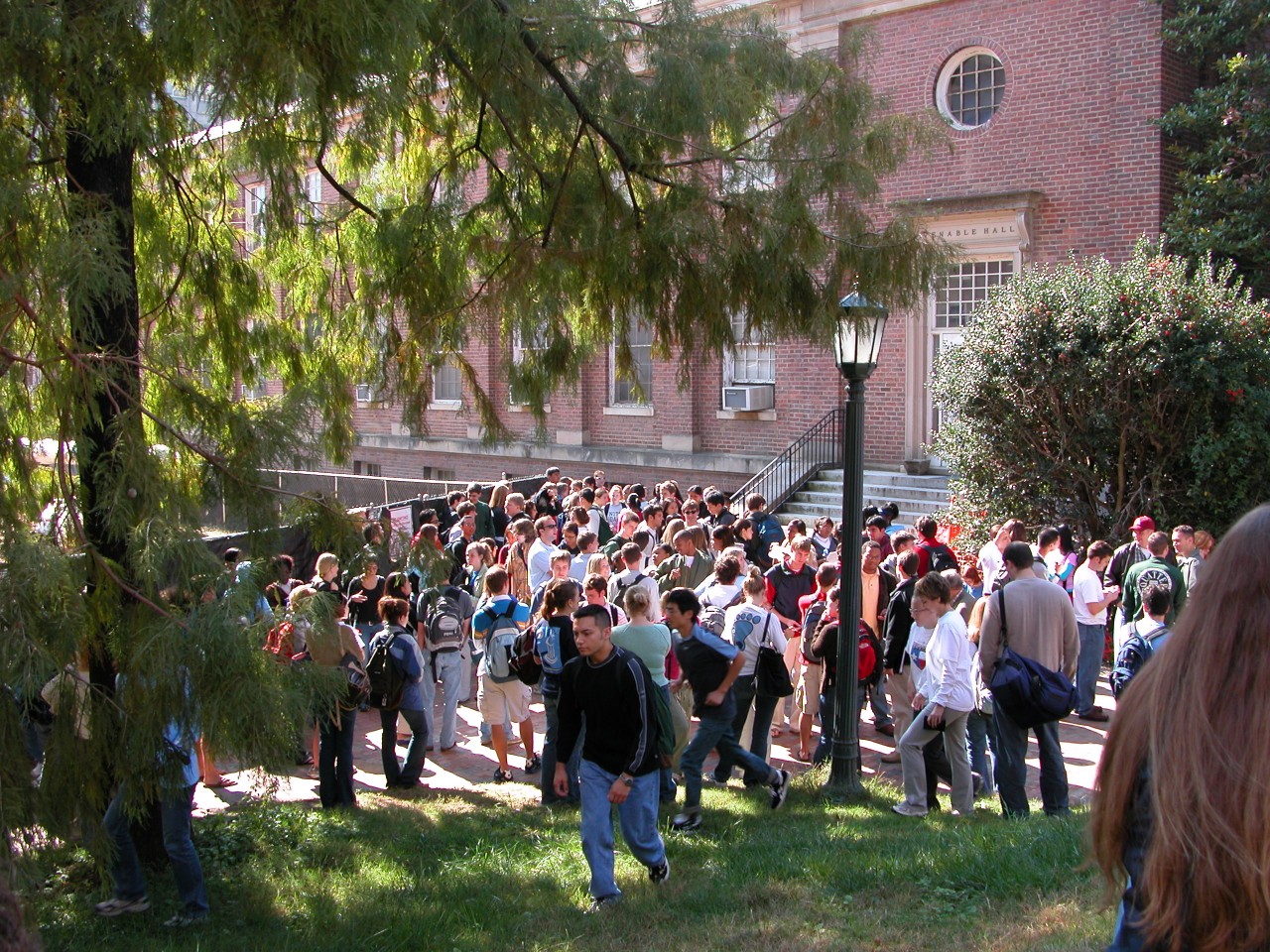
Classes assembled at designated positions on a field, a car park or a sidewalk, in the same place every time, far enough out and spaced so that a head count could be taken quickly.
The same practice, considerably better specified, with mapped assembly areas, accounting procedures and provision for reunification. The principle has not changed because it is correct.
What has changed is what the spot was for. It was a counting position, full stop. There was no provision for what happened next – no arrangement for releasing children, no plan for a building that could not be re-entered, and no procedure for telling parents anything – because the drill ended when the count was complete.
5. Two Children Had Jobs and They Took Them Extremely Seriously
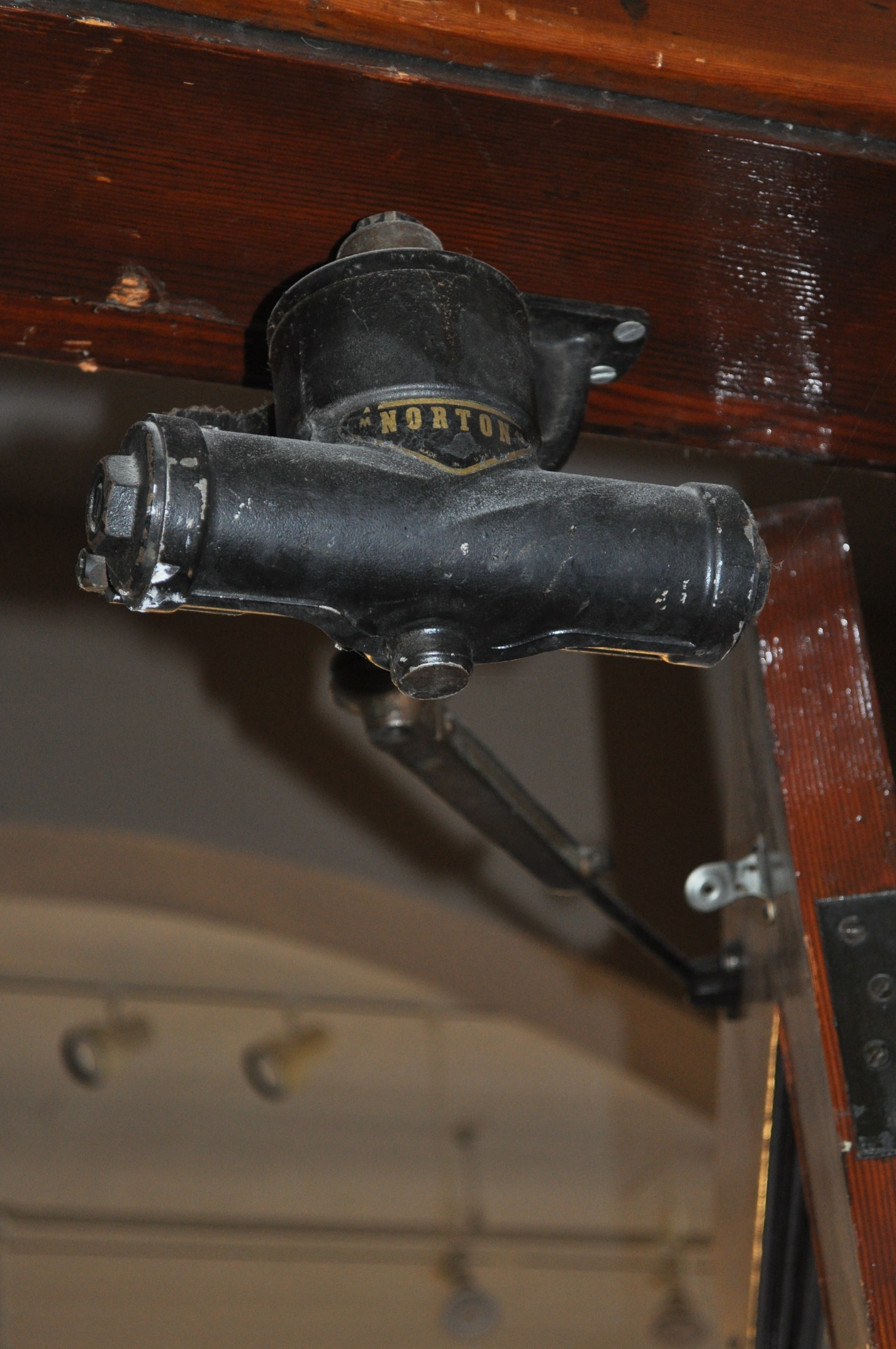
One child closed the windows and one closed the door behind the class, and those roles were assigned, rotated and regarded as an honour.
Automatic door closers held open by devices that release on alarm, so the doors shut themselves and nobody has to go back for them. The child’s job has been engineered away.
The reasoning behind it was entirely sound and is the reason the hardware exists now. A closed door slows fire and smoke substantially, a closed window removes a source of air, and in a building where nothing closed itself somebody had to do it – so the task went to a nine-year-old with a sense of duty, which worked until it did not.
6. The Tornado Drill Put You in the Hallway Facing the Wall
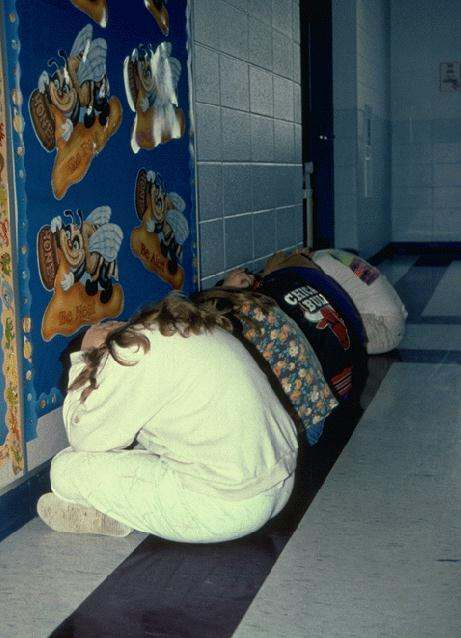
In much of the country there was a second, entirely different drill: file into an interior corridor away from glass, kneel or sit facing the wall, and put your hands over the back of your neck.
The same practice, refined, with designated shelter areas chosen on structural grounds and with far better warning time from radar and the outdoor siren network.
The posture was not arbitrary and the reasoning holds up. An interior corridor has no windows and the most structure around it, kneeling lowers your profile, and covering the back of the neck protects the spine from falling debris – which is the single most consequential thing a child can do with their hands in that situation.
7. The Bus Evacuation Drill Sent You Out Through the Back
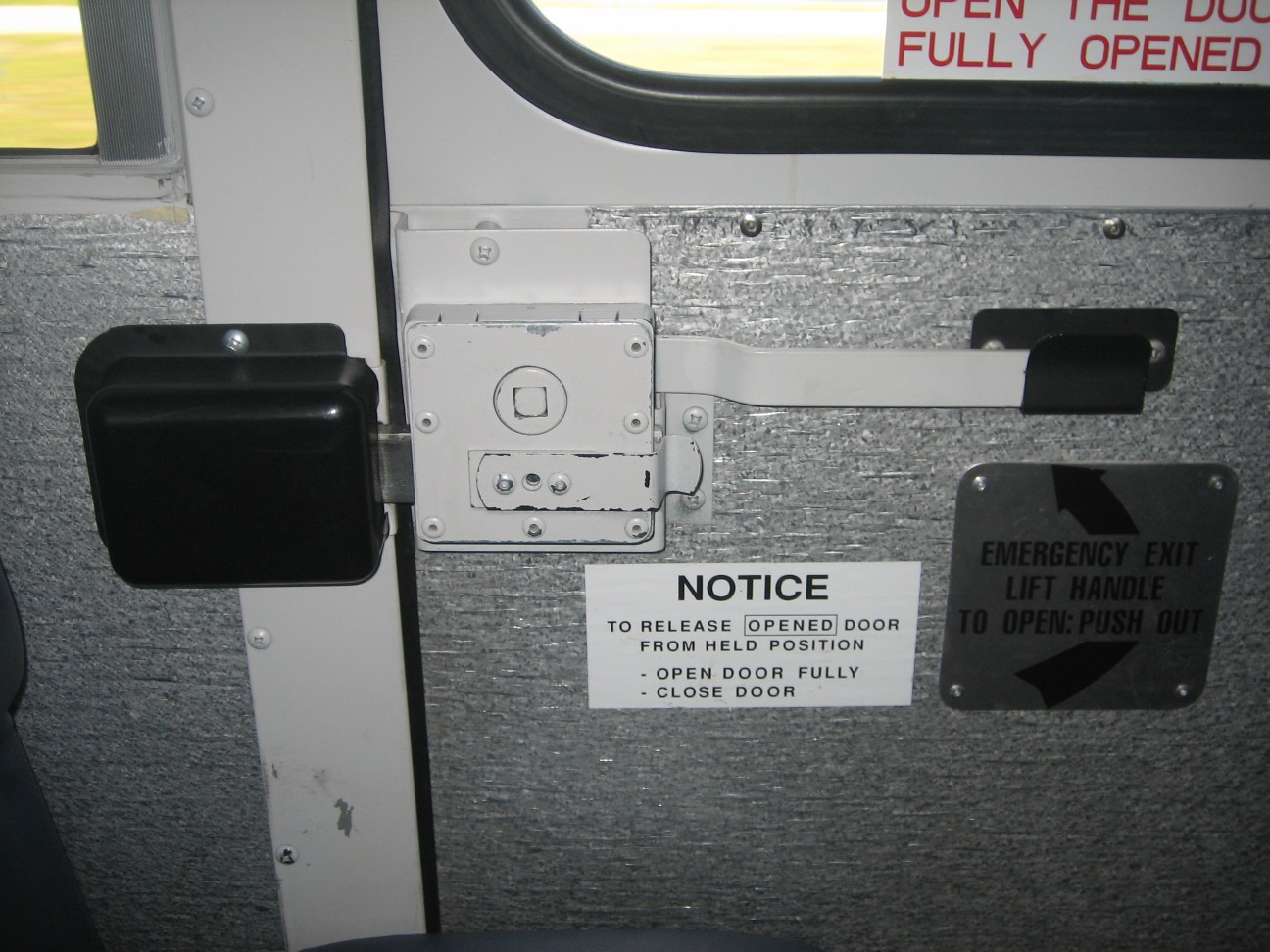
Children who rode buses were drilled separately: the rear emergency door was opened, and pupils went out of it and jumped down, in order, with older children helping younger ones.
The same drill, still conducted, with better specified procedures. The jump from a rear door to the ground is a real drop and it was done without any equipment at all.
It was also, for most children, the most enjoyable drill of the year by a very wide margin. Nobody was frightened of it, everybody wanted to go first, and the only part taken seriously was the instruction about helping the small ones – which children generally did.
8. Some Drills Were Announced and Some Were Not
A proportion of drills were scheduled and known about in advance, and a proportion were sprung without warning on anybody except the office.
A documented mix of announced and unannounced drills, with a growing expectation that staff know in advance even when students do not. The unannounced drill was the real test.
And it tested the building as much as the children. An unannounced drill revealed the door that stuck, the stairwell that bottlenecked, the teacher who had never read the procedure and the class that took four minutes to clear a room – and the written time was compared against the last one, which is how the drill actually improved anything.
9. The Whole School Outside at Once Was Otherwise Unheard Of
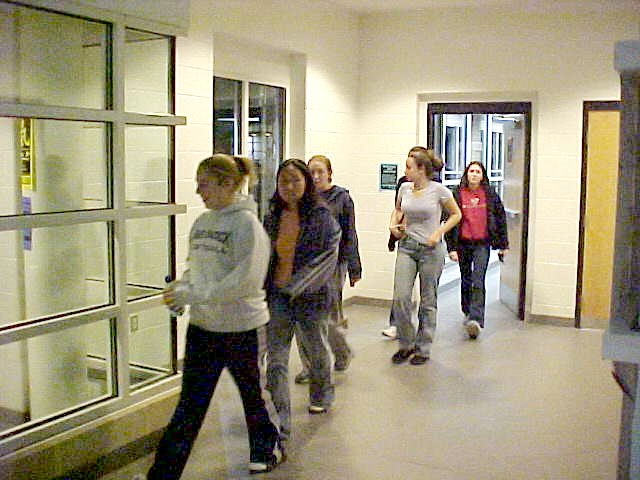
A drill was the only occasion on which every pupil and every member of staff in the building stood on the same patch of ground at the same time.
The same remains true, and it is still the only time. The experience of seeing the entire institution assembled in the open was genuinely unusual.
Children used the ten minutes accordingly. You could see your siblings, find out which class a friend was in, observe the teachers standing about in a group behaving like ordinary adults, and get a sense of how many people were in the building – which from inside a classroom is impossible to estimate.
10. You Were Taught to Stop, Drop and Roll
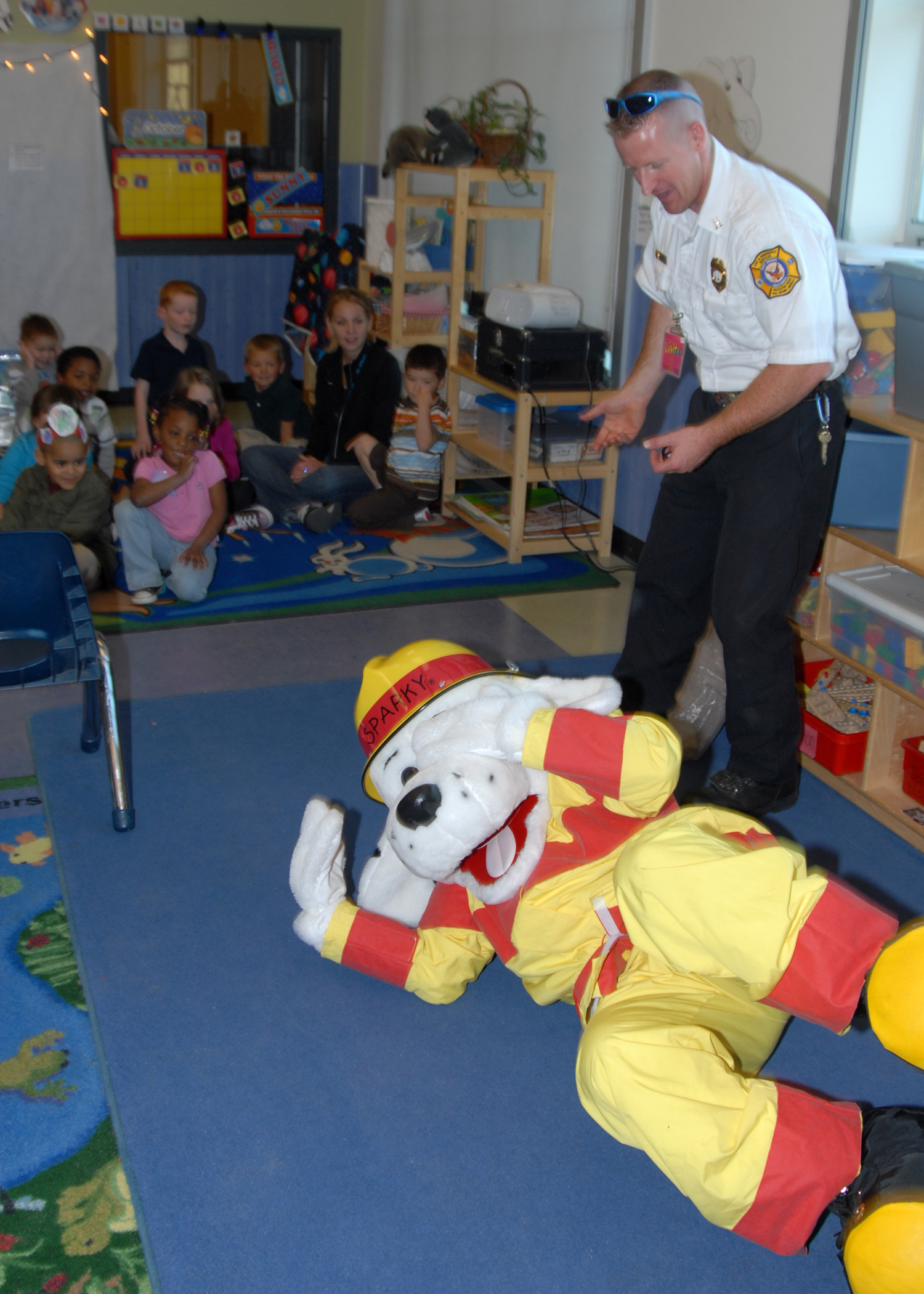
Alongside the evacuation drill came a set of personal instructions, drilled by repetition: what to do if your clothing caught fire, how to crawl low under smoke, and to feel a door before opening it.
The same instructions, essentially unchanged, because they are correct. They have been refined and better taught, with the door check and the low crawl explained rather than merely recited.
These are the most durable thing on this list, and the reason is that they are not procedure but physics. Smoke and hot gas layer at the ceiling, so the breathable air is low down. A hot door means fire on the other side. Rolling smothers flame. None of that has changed and none of it will.
11. Fire Doors Were Held Open by a Lump of Metal Designed to Melt
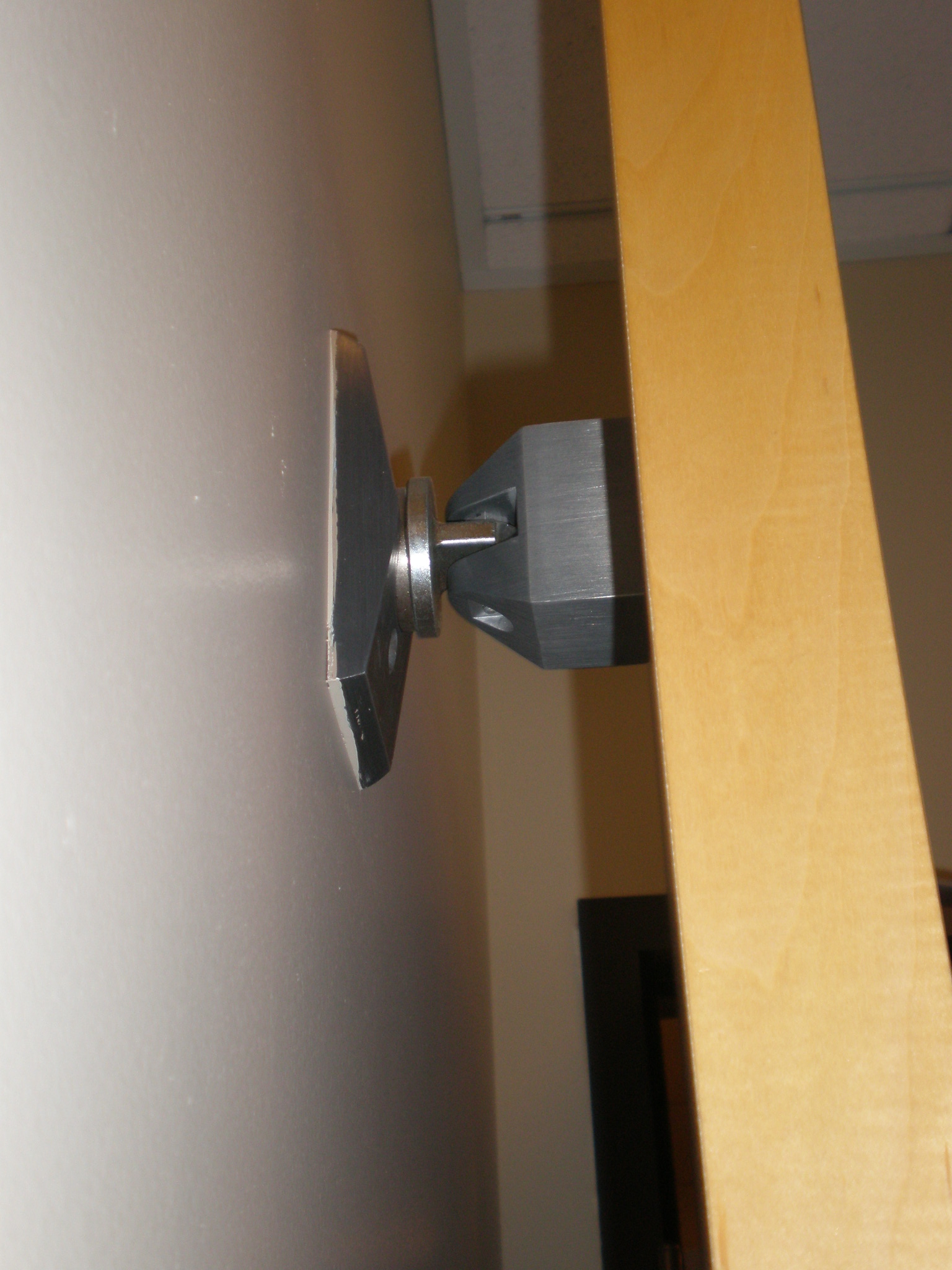
Corridor fire doors stood open all day, held by a fusible link – a small metal element with a low melting point in the holding mechanism – so that heat alone released them and they swung shut.
Electromagnetic holders released by the alarm system itself, so doors close when the building detects smoke rather than when the heat has reached the door. The principle is the same and the trigger is far earlier.
The old arrangement is a genuinely elegant piece of passive engineering – no power, no wiring, no failure mode – and it has one serious weakness. A fusible link responds to heat at the door, which means the fire has already arrived there, whereas a smoke detector a corridor away closes the door while the corridor is still clear.
12. The Exit Map Was Posted by the Door and Children Read It
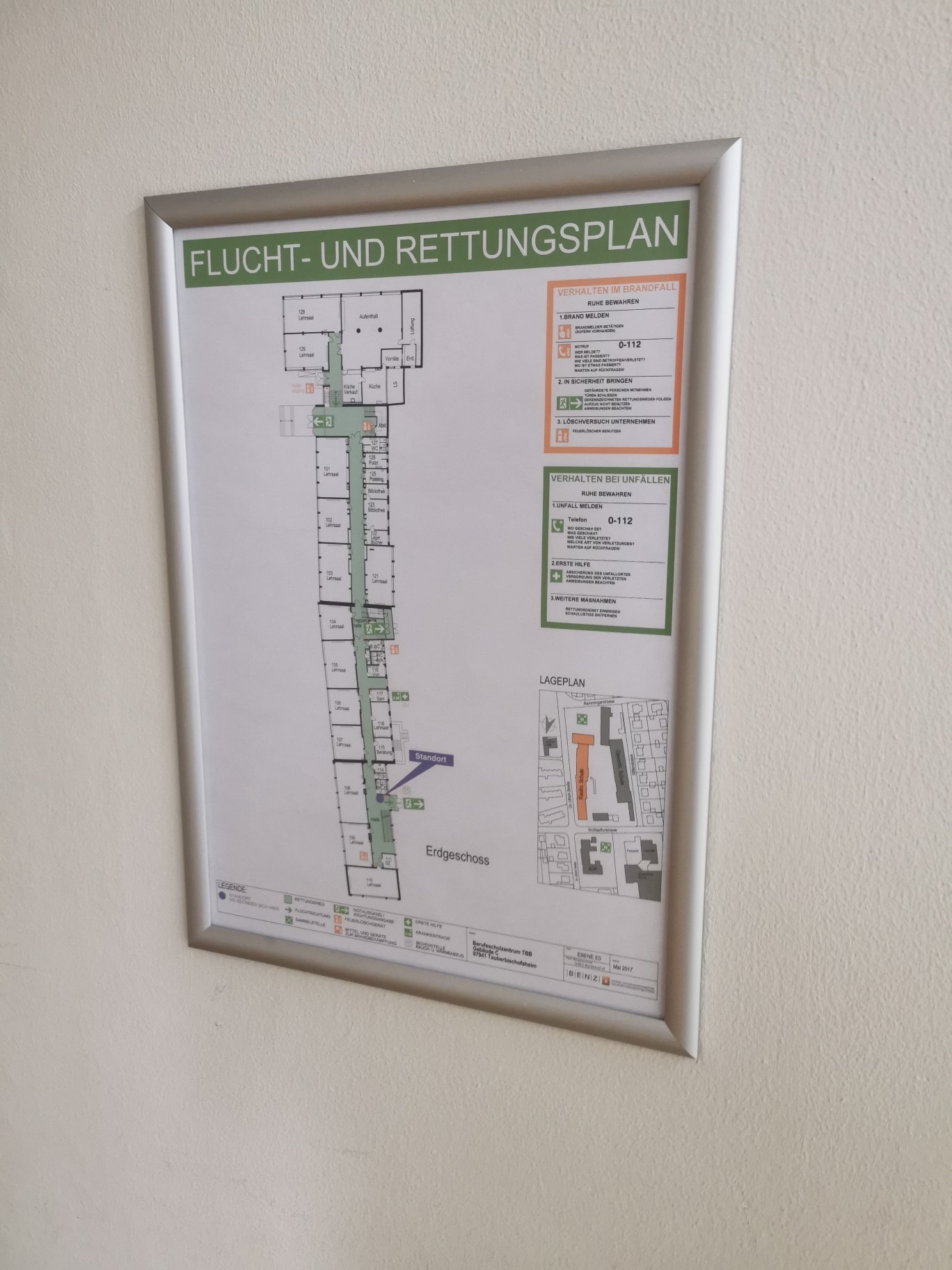
Every classroom had a printed floor plan on the wall by the door, showing the room’s position, the route out and the alternative route, with an arrow.
The same requirement, far better specified and consistently produced, with multiple routes and assembly points marked. The map was the only information a teacher had about a building they might have to leave in the dark.
Children studied these intently and for the wrong reasons. A floor plan on a wall is the only document in a school that shows the whole building at once, and generations of pupils used it to work out where the boiler room was, which rooms had no windows and how the parts of the building they had never been in fitted together.
13. You Took Homework Home About Your Own House
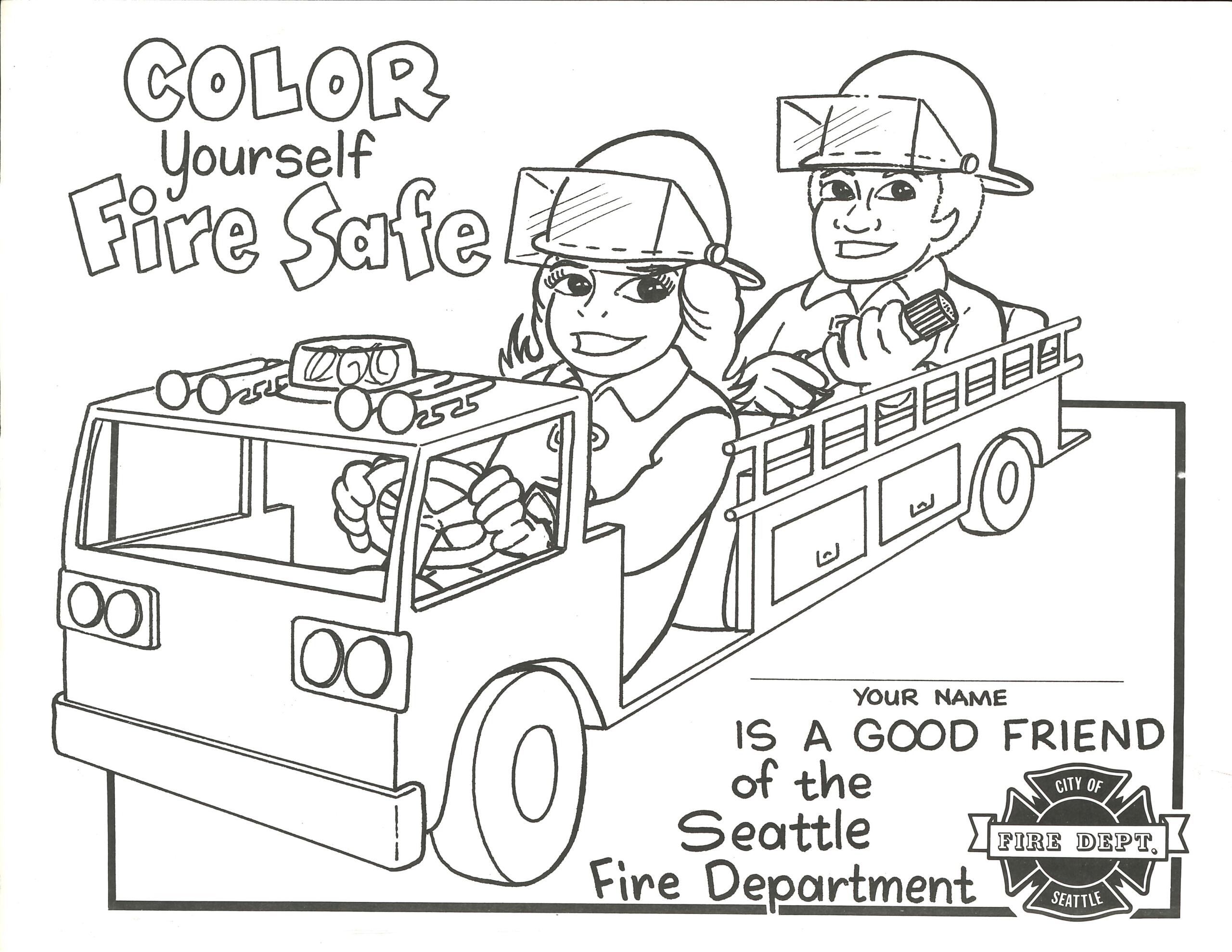
Fire safety programmes sent children home with assignments: draw your home’s floor plan, mark two exits from every room, agree a meeting point outside, and practise it with your family.
The same programmes, with the same two-exit and meeting-point advice, because the reasoning behind it has not changed and the household drill remains the weakest link in fire survival.
And the children were used quite deliberately as the delivery mechanism, which is worth noticing. A public safety campaign aimed at adults reaches the adults who are already paying attention; a campaign routed through a seven-year-old with homework reaches the whole household, repeatedly, and will not be ignored.
14. Nobody Was Frightened, and That Was the Point
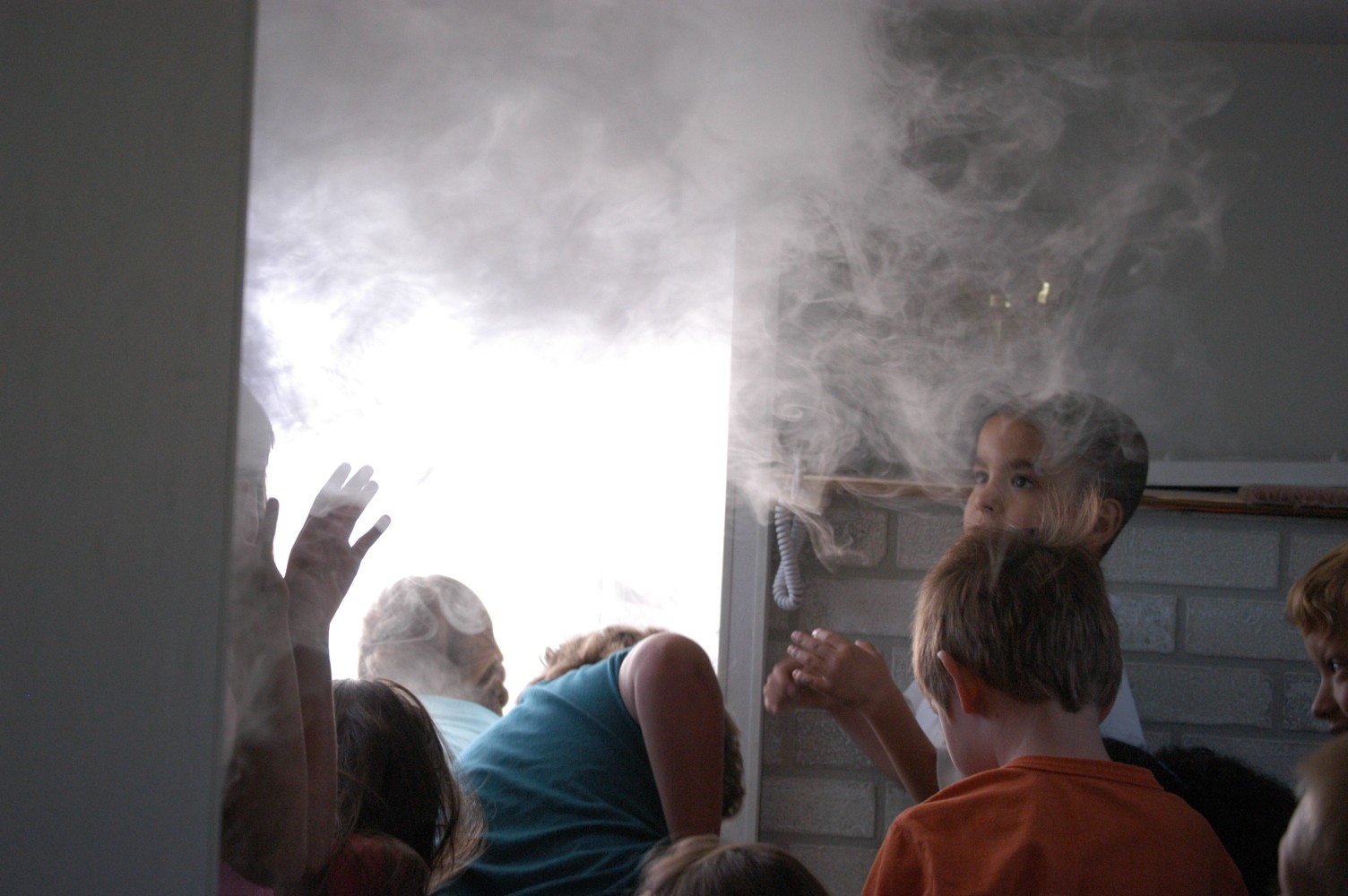
Drills were routine, frequent, slightly boring and treated as an interruption rather than as a rehearsal for anything – and children experienced them as a break from arithmetic.
A considerably more complicated emotional landscape, with a documented and much discussed effort to keep drills effective without alarming the children doing them.
The old flatness was not accidental, even if nobody articulated it. A procedure is only useful if it executes under stress, and the way to make a behaviour automatic is to repeat it until it carries no charge at all – which a bell, a line, a walk and a count, done eight times a year, reliably achieves.
15. The Times Were Written Down and Compared
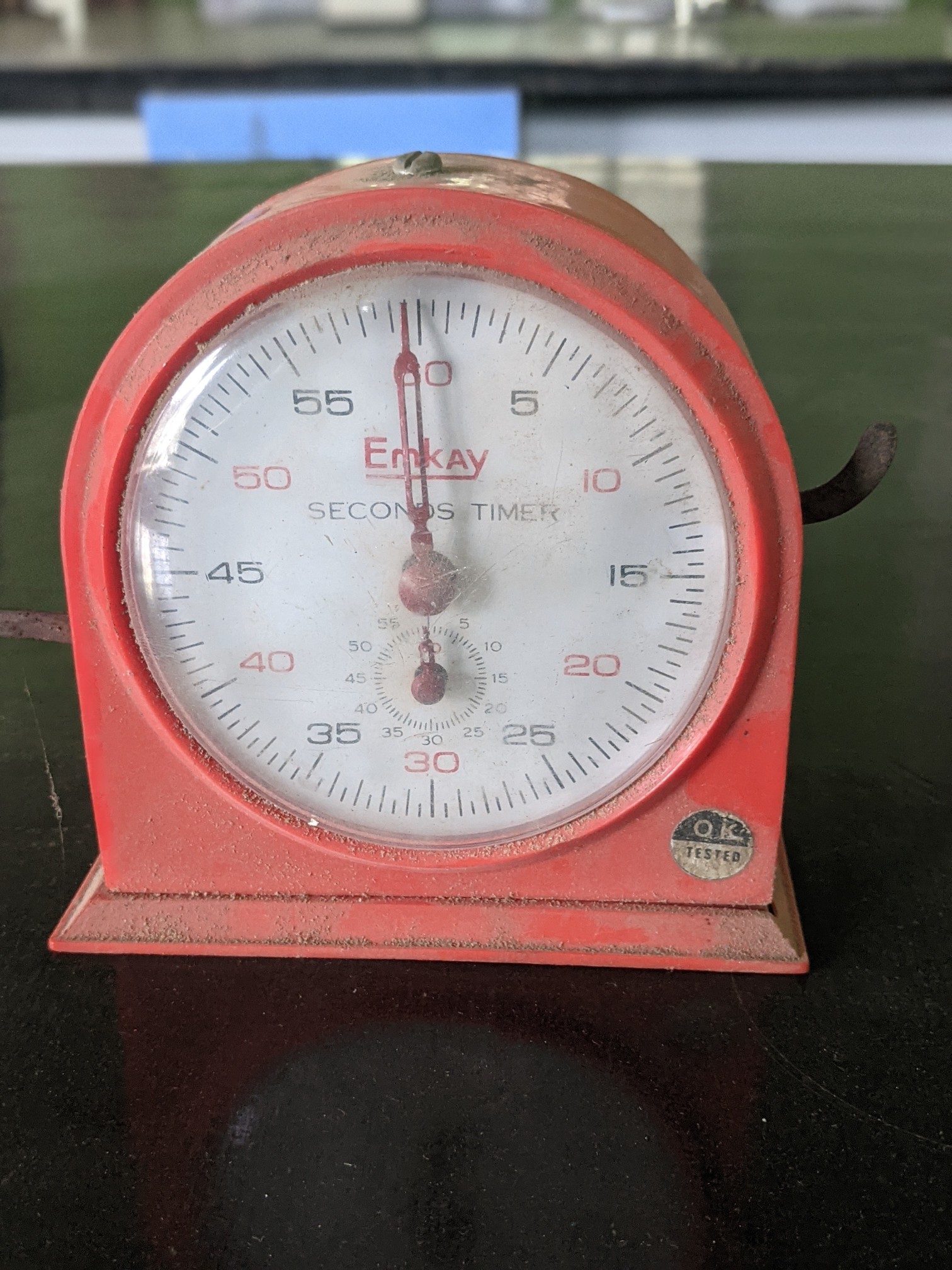
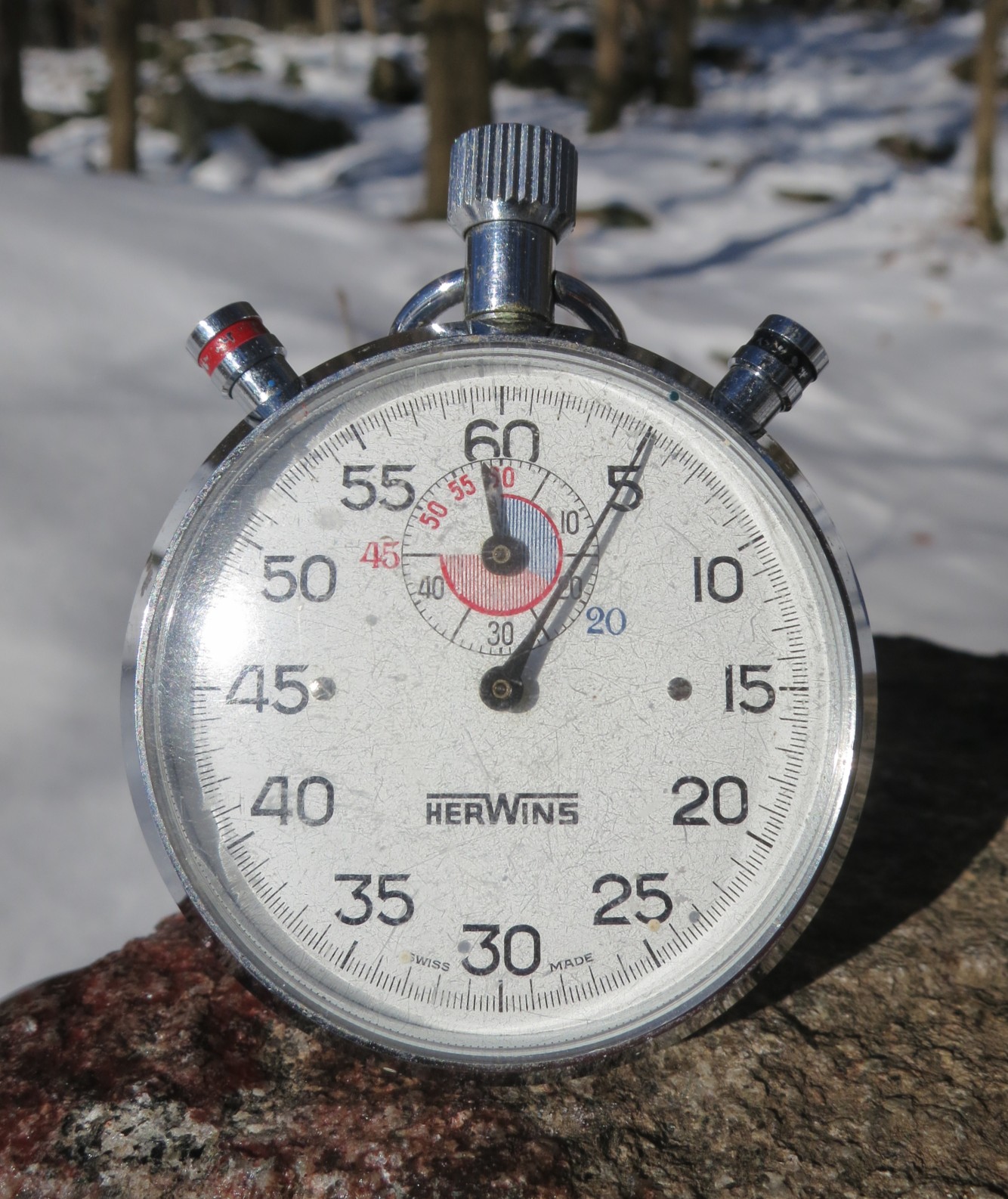
Somebody in the office held a watch, the building’s clearance time was recorded, and it was compared with previous drills and reported to the district and sometimes to the fire department.
The same practice, with far more documentation, formal after-action review and in many places involvement from the fire service in evaluating the result.
That measurement is the unglamorous reason any of this worked. A drill that is not timed is a ritual; a drill that is timed, recorded and compared is an audit, and a building whose clearance time got worse was a building where somebody went and found out why.
16. Then the Drill Calendar Changed and the Fire Drill Became the Easy One
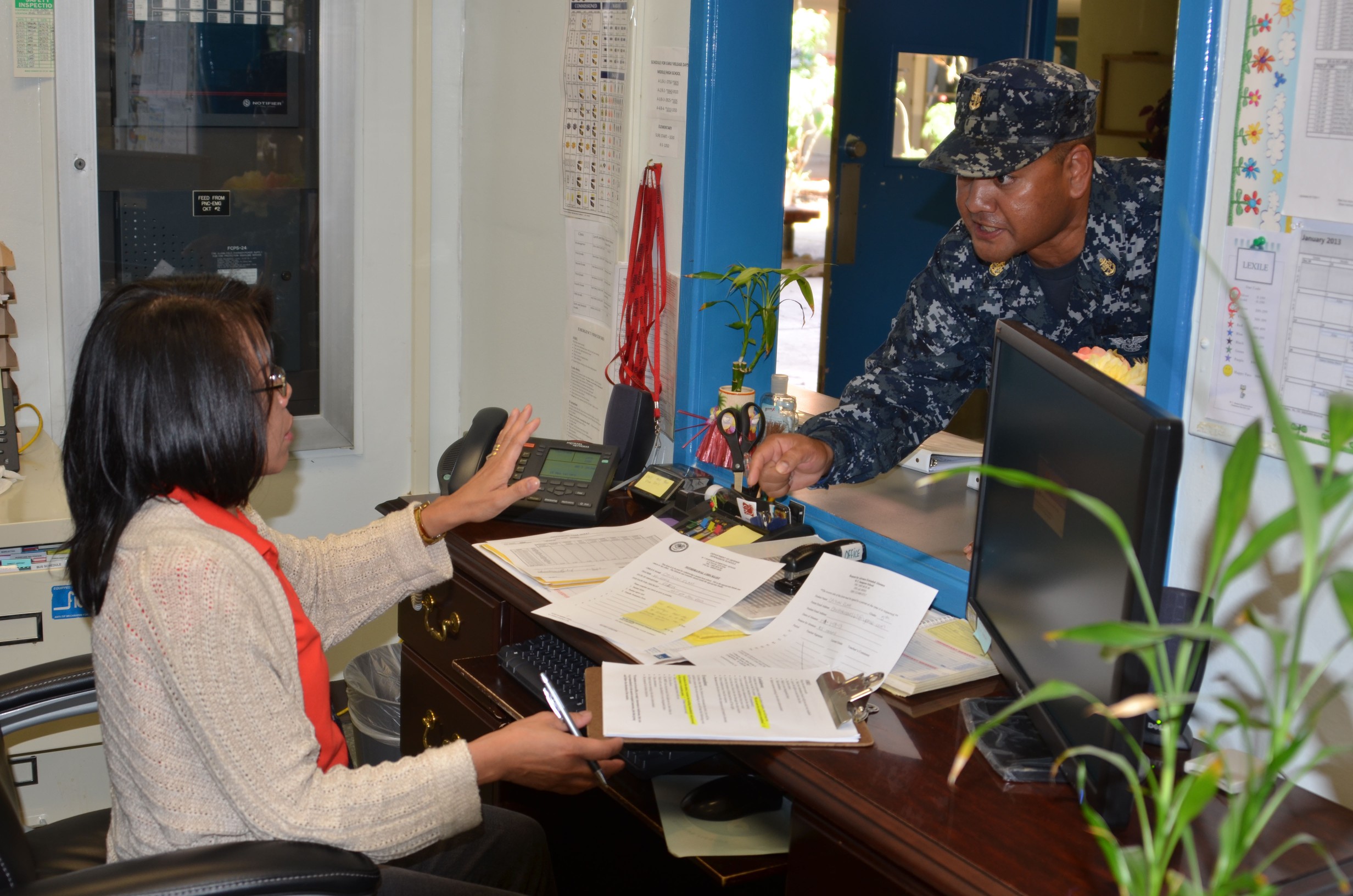
All of it rested on one assumption: that the thing most likely to require a school to be emptied in a hurry was a fire, and that drilling for fire was therefore the priority.
American schools now drill for a wider range of situations, and the fire drill has become the routine and uncomplicated item on a list that includes other exercises carrying a weight the fire drill never had.
Which makes it worth stating what the fire drill actually achieved, because it is one of the clearest public safety successes of the century and almost nobody credits it. Deaths of American schoolchildren in school building fires went from a recurring national tragedy – with individual incidents that killed dozens of pupils and changed the law – to a figure so close to zero that it is no longer a category anybody tracks closely. That was not luck. It was sprinklers, alarms, fire-rated construction, enclosed stairwells, outward-opening doors and panic hardware, inspection regimes, and a population of children and staff who had walked the route so many times they could do it without thinking. The bell was crude, the silence was partly about discipline, and the whole thing was slightly boring. It also worked completely, which is the rarest outcome in public safety, and the reason the fire drill is now the straightforward one on the calendar is that it finished the job it was given.
It Is the Public Safety Success Nobody Mentions
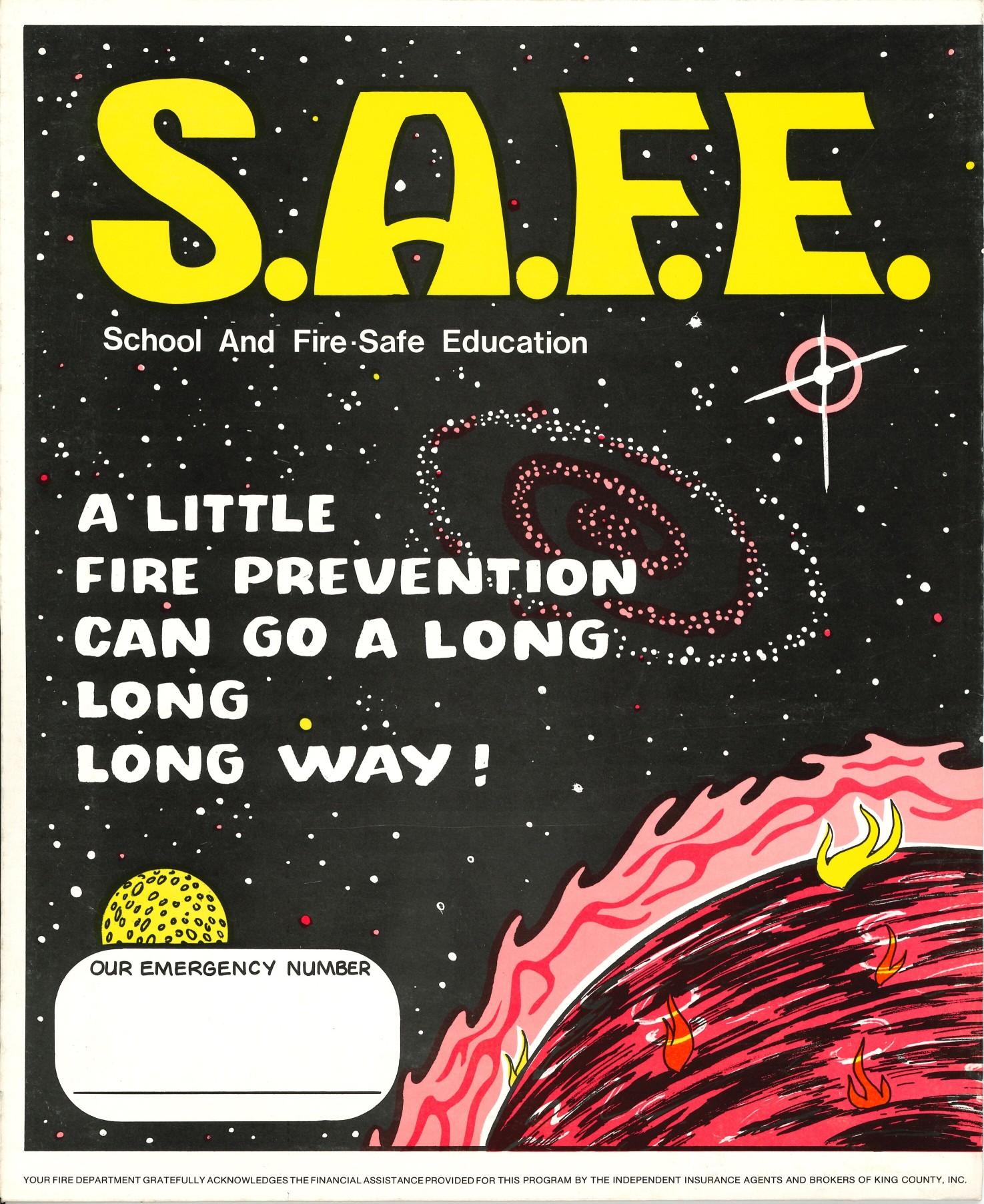
Set the nostalgia aside, because this one has a measurable answer.
In the first half of the twentieth century, fire in American school buildings killed children in numbers. There were individual incidents that took dozens of pupils in a single morning, that made national news, that broke communities, and that led directly to changes in building law. It was a recurring category of disaster and everybody involved in schools knew it.
It is now so rare as to be statistically negligible. A child in an American school building today faces essentially no risk of dying in a fire there, and that is not an accident of modern materials or good fortune.
It was engineered, deliberately, over decades, by a combination of unglamorous measures. Automatic sprinklers. Detection and alarm systems. Fire-rated construction separating a building into compartments. Enclosed stairwells so a stair does not act as a flue. Doors that open outward in the direction of travel, with panic hardware that releases under the push of a crowd. Limits on travel distance to an exit. Inspection regimes with the authority to close a building.
And the drill. The thing that made every piece of that hardware work was a population of children and adults who had practised leaving so many times that they left without deliberating. A building can be perfectly engineered and still kill people if the occupants mill about, go back for coats, or wait to be told.
The drill was crude. A bell with no information in it, a rule about silence that was partly about discipline, a child sent back to close a window, a register in a teacher’s hand. Every one of those has been improved or engineered away, correctly.
But the crude version did the job. It took a hazard that killed American schoolchildren regularly and reduced it to a rounding error, and it did so by being repetitive and slightly boring – because the only way to make a behaviour reliable under stress is to drill it until it carries no feeling at all.
That is why the fire drill is now the easy item on a longer and heavier list of exercises. Not because anybody stopped caring about fire, but because the fire drill is the one that is finished.
Nobody holds a parade for a disaster that stopped happening. It remains the clearest thing on this list: a boring procedure, performed eight times a year by children who found it tedious, that is one of the most completely successful public safety interventions of the last hundred years.
If you did these, you remember the bell and you remember who got to close the door.
And you could still walk out of that building by the right route, in the dark, fifty years later.
Like our content? Follow us for more.