Weeds do not compete for space. They compete for water.
That is the whole basis of the work, and it gets described wrongly almost every time. Two plants in the same ground draw on the same moisture and the same nutrients, so a weeded row is not tidier than an unweeded one – it has more of both available per plant. Everything else follows from that.
And the hoe is misunderstood in the same way. It is a cutting tool rather than a digging one: the edge is pushed or pulled just under the surface to sever a stem from its root, which takes almost no force if it is sharp and a very great deal if it is not. Here are sixteen things every farmer knew.
1. Weeds Do Not Compete for Space, They Compete for Water
A weed growing beside a crop plant takes moisture and nutrients from the same soil, which is the actual damage rather than crowding.
The same, controlled chemically.
Start with what the problem actually is, because it is usually described wrongly. Two plants in the same ground draw on the same water and the same nutrients, so a weeded row is not tidier than an unweeded one – it has more resources available per plant.
Like our content? Follow us for more.
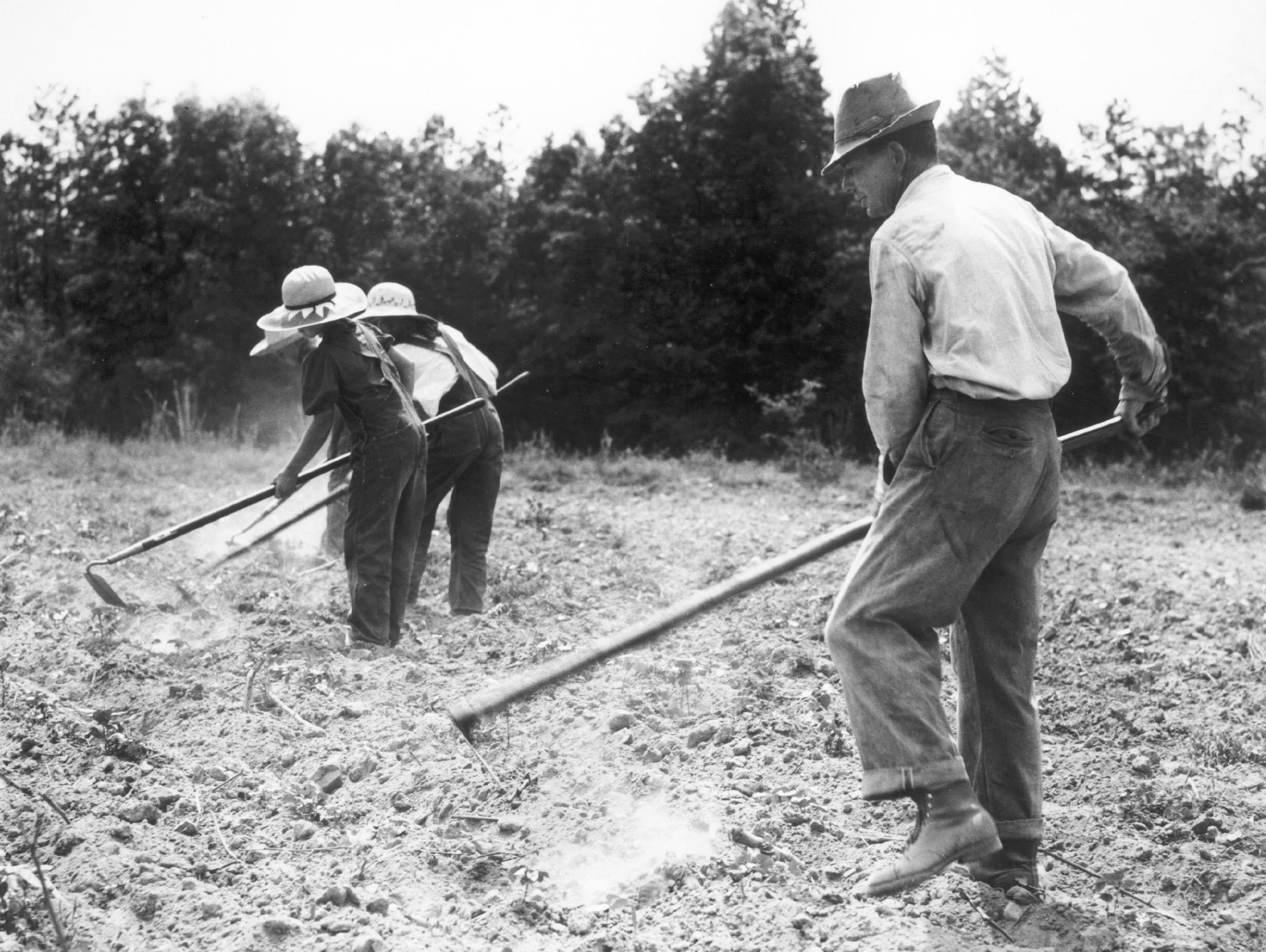
2. A Hoe Is a Blade Meant to Cut, Not to Dig
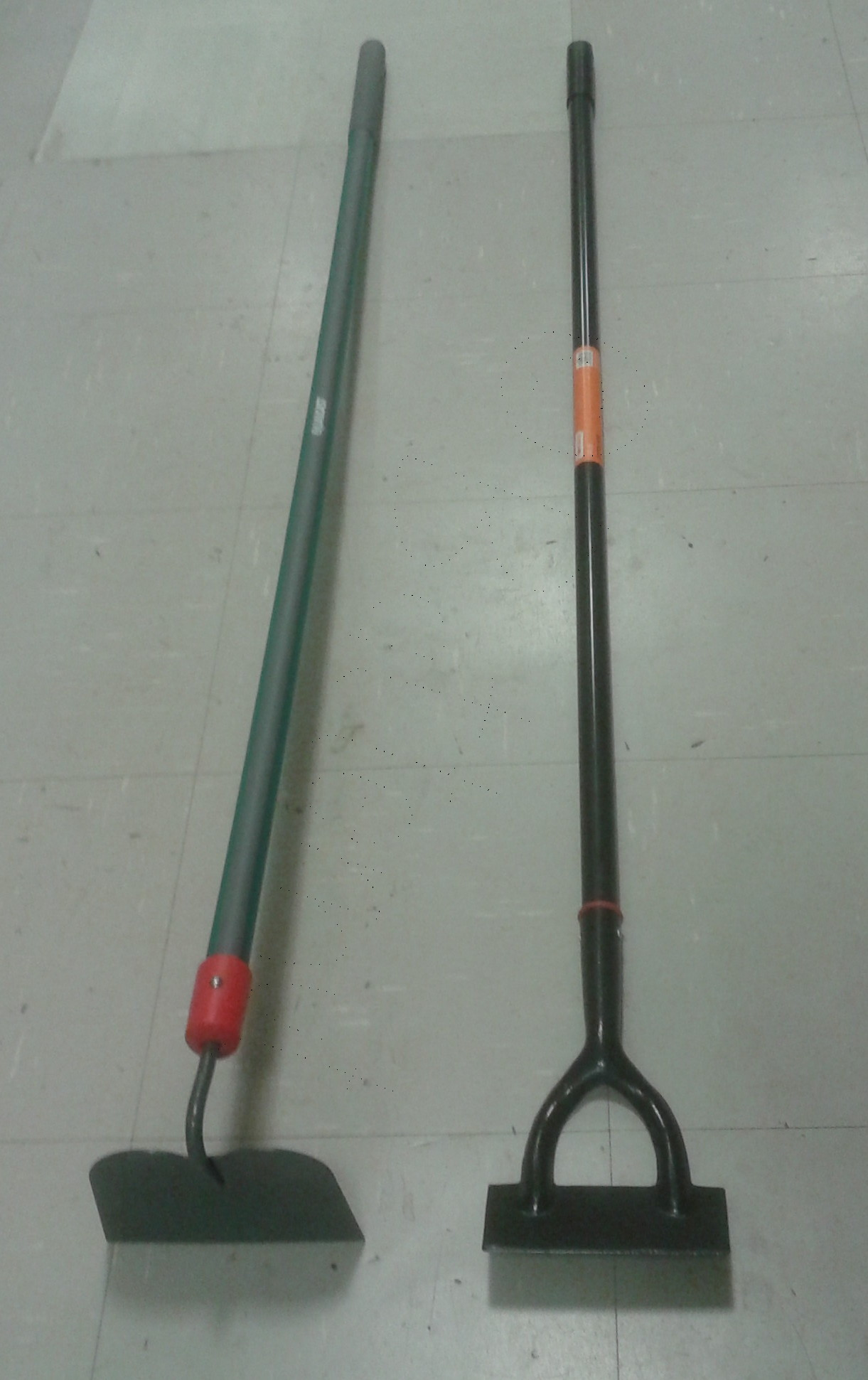
The working edge was pushed or pulled just under the surface to sever stems from roots, and a sharp hoe did this with very little effort.
Not applicable in the same way.
The hoe gets misunderstood as a digging tool and it is a cutting one. The point is to part a seedling from its root at shallow depth, which takes almost no force if the edge is sharp – and a very great deal if it is not.
3. Timing Beat Effort Every Time
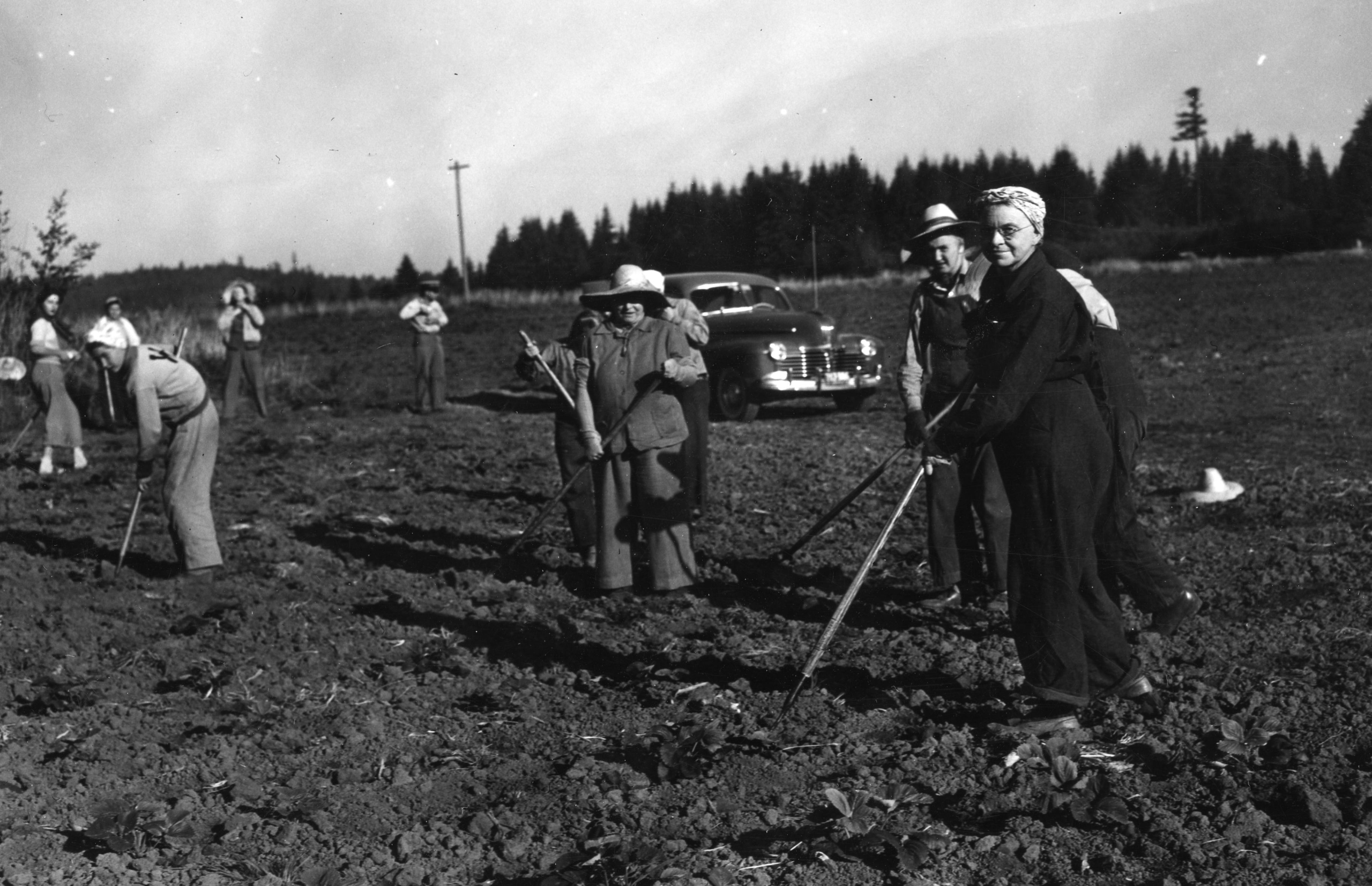
A weed cut at the seedling stage dies immediately, while the same weed a fortnight later needs real work and may regrow.
Still true.
This is the central principle of all weed control and it was understood completely. A small seedling has no stored reserves and cannot recover from being cut, so the cheapest possible moment to kill a weed is the earliest one it can be seen.
4. Hoeing in Dry Weather Killed, Hoeing in Wet Weather Transplanted
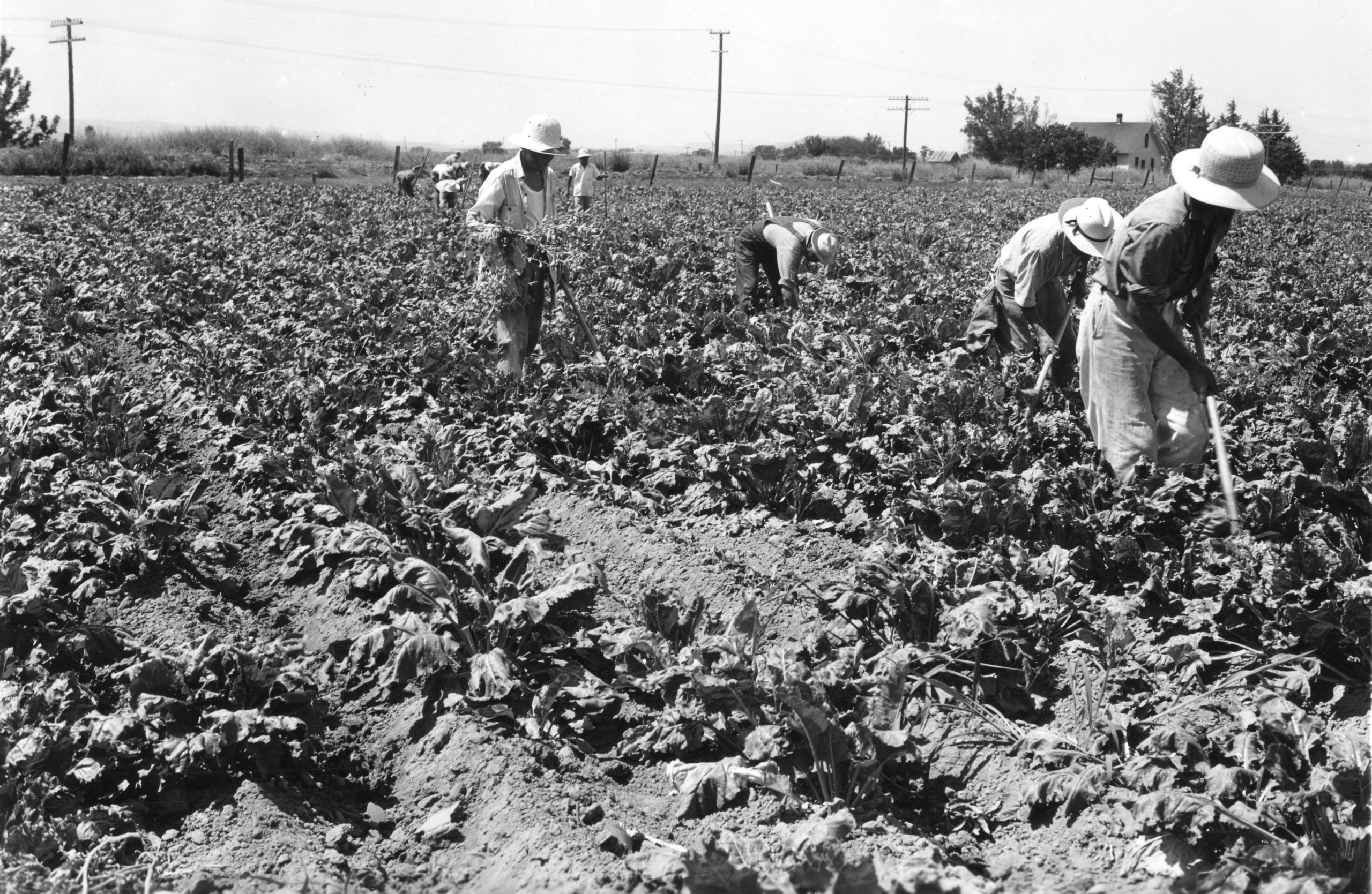
A cut weed left on dry soil in sun died of desiccation, while the same weed cut in damp conditions often rooted again where it fell.
Not applicable.
The weather dependence is the practical knowledge that separated effective hoeing from wasted hoeing. A severed plant with a damp root in damp soil is simply a cutting, and it will take – which means the same work produces opposite results in different conditions.
5. The Row Existed So the Space Between Could Be Worked
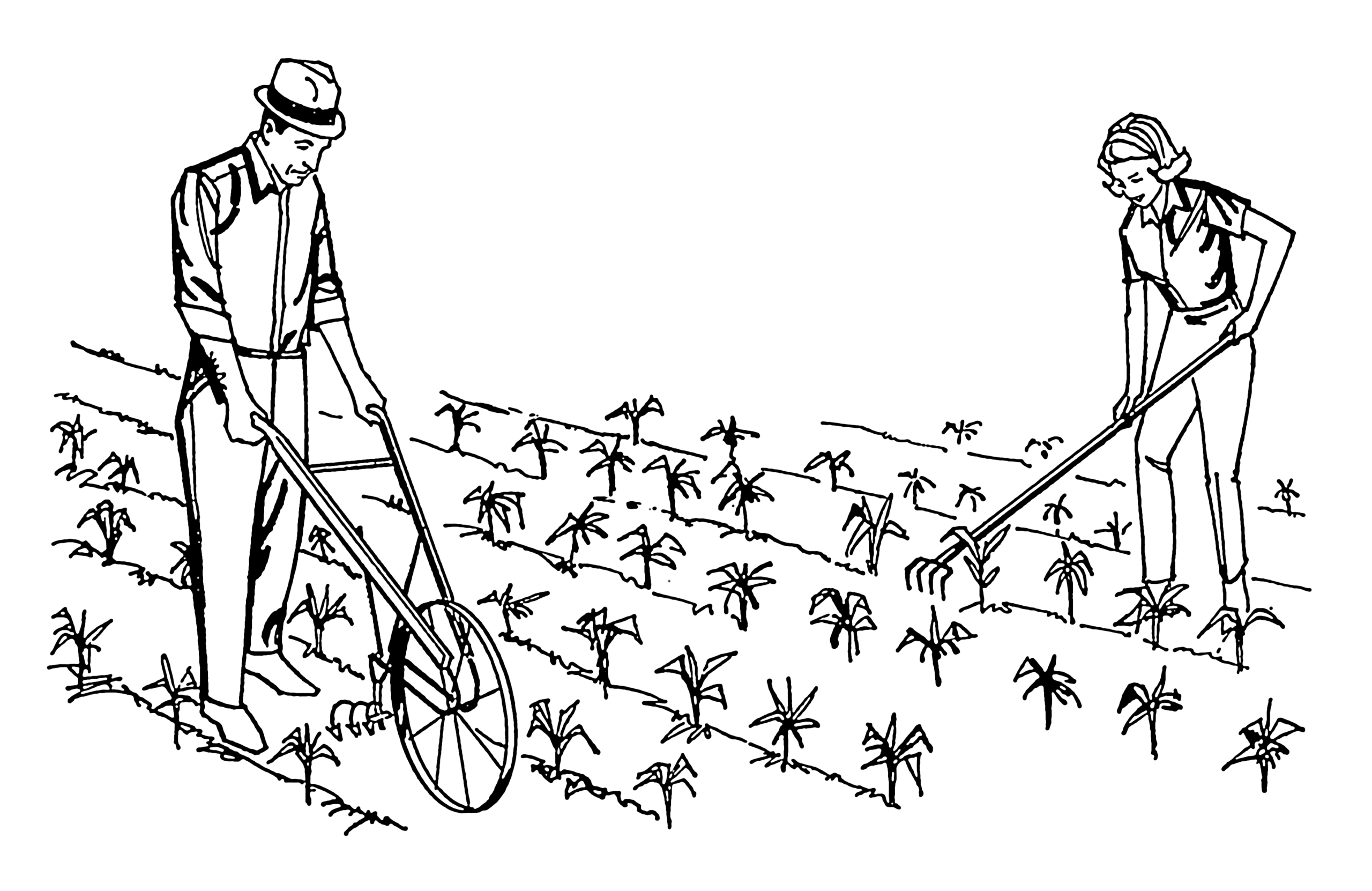
Planting in straight lines was not for appearance but to leave a continuous lane a tool or an animal could pass along.
The same reason.
The geometry of a field or a garden is entirely a function of this and it is worth stating. A crop scattered at random cannot be cultivated, so the row is a decision about access rather than about the plants – which means the layout was designed for the weeding, not the growing.
6. The Horse Drawn Cultivator Covered What a Hoe Could Not
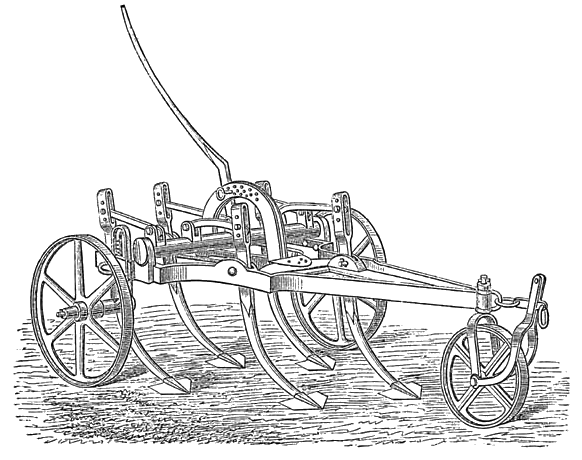
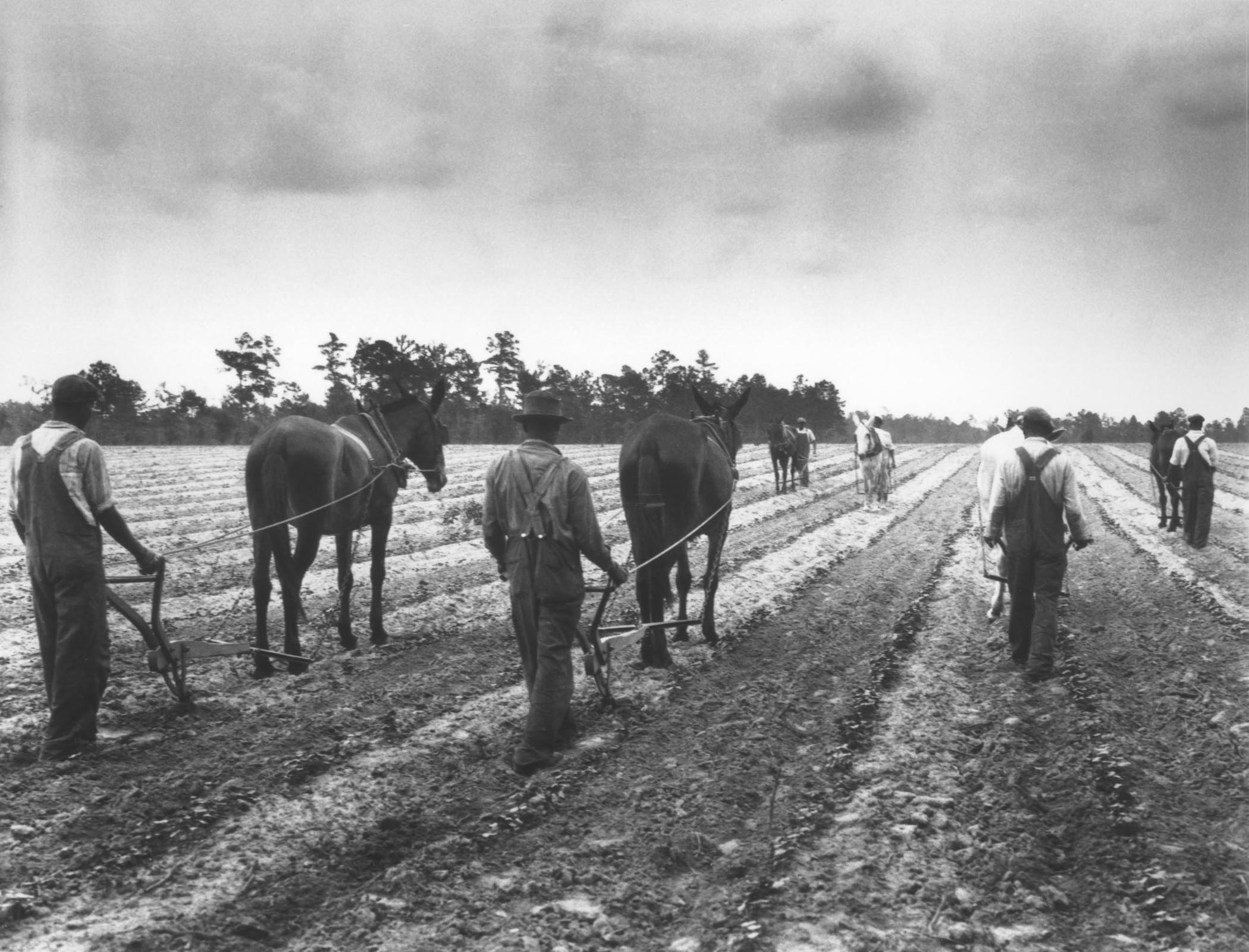
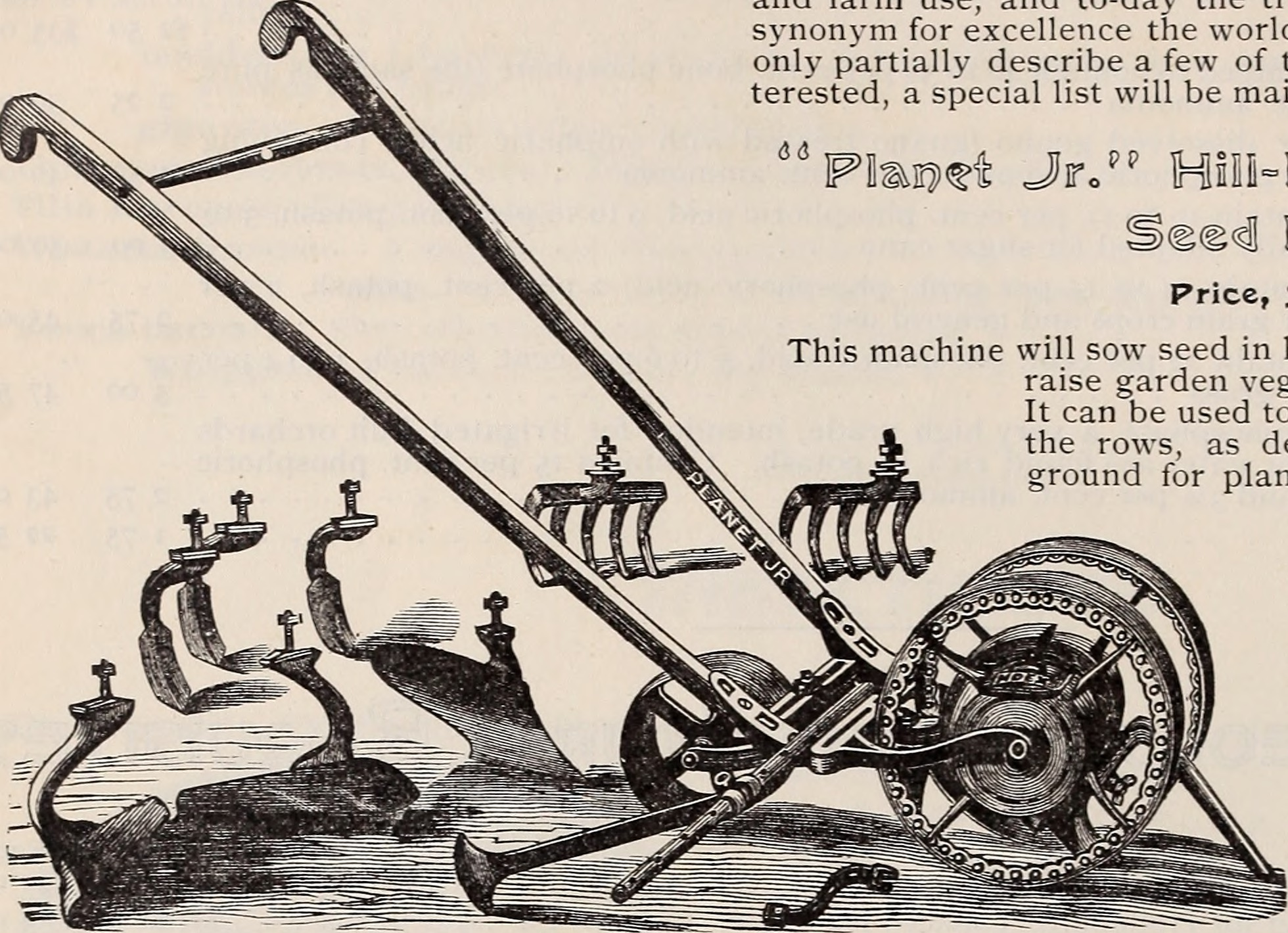
A frame of small shovels or teeth pulled between the rows worked a whole lane at walking pace, doing in minutes what hours of hoeing did.
Mechanised.
The cultivator is the scale solution and the arithmetic is decisive. One person with a hoe can keep a garden clear; a field needs an implement that treats a whole row-space at once, which is the difference between a plot and an acreage.
7. The Last Few Inches Always Had to Be Done by Hand
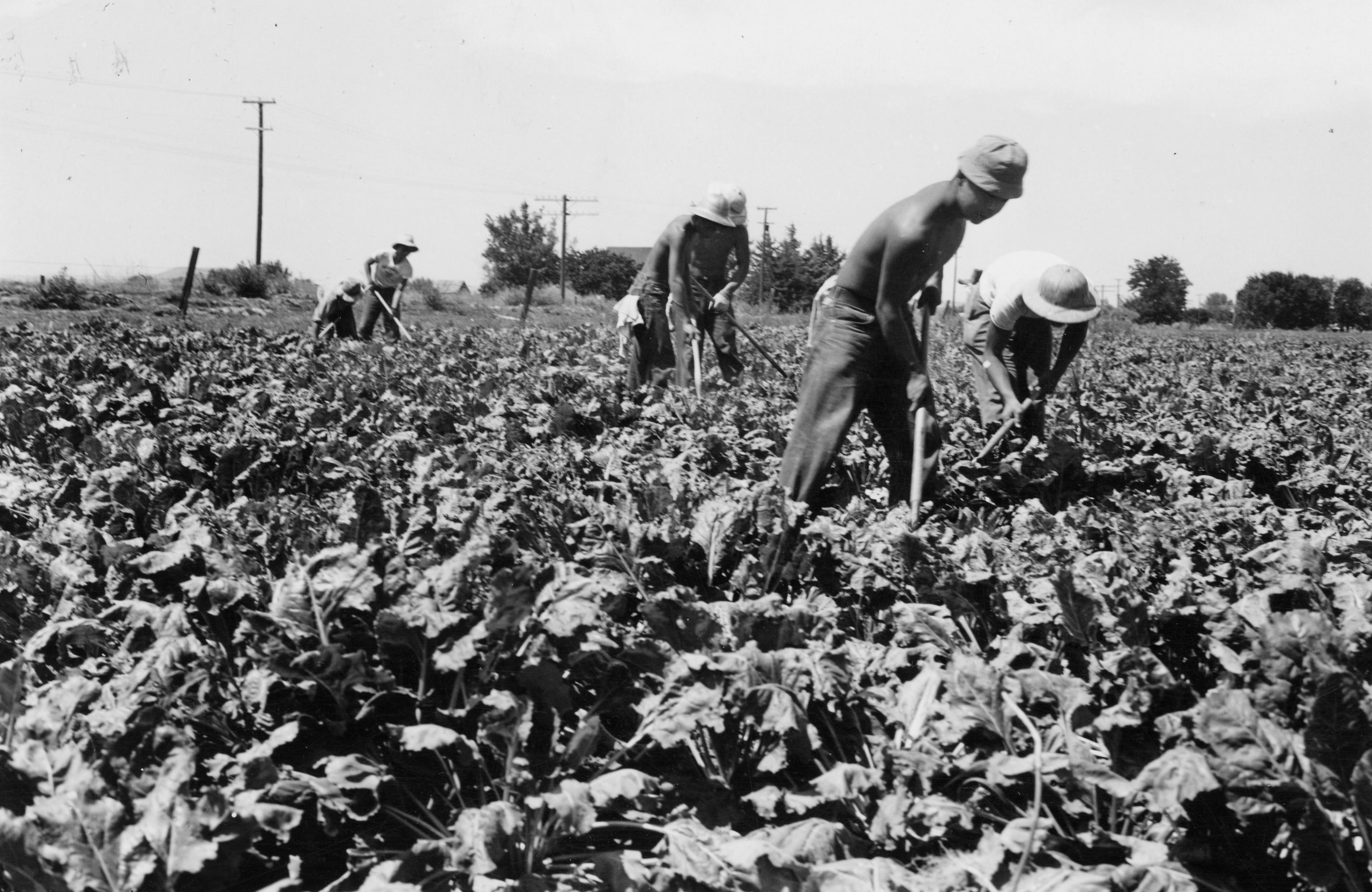
No implement could work right up against the plants without damaging them, so a strip either side of every row was hoed or pulled.
Chemicals reach where tools cannot.
The in-row strip is the part that never went away and it explains a great deal. Whatever the implement, there is always a band too close to the crop for it to enter, and that band had to be dealt with by somebody on foot – which is where most of the labour went.
8. A Shallow Pass Was Better Than a Deep One
Working deeply cut crop roots, brought buried weed seeds to the surface and dried the soil out, so the aim was to skim.
Still true.
Restraint is the whole skill here and it runs against instinct. Deeper feels more thorough, but the crop’s own roots are in that ground and the soil holds a reservoir of weed seeds waiting for light – so a deep pass does two kinds of damage at once.
9. A Loose Surface Also Held Moisture In
The same shallow stirring that cut weeds broke the soil’s surface continuity, which slowed evaporation.
Understood differently now.
The dual purpose is why cultivation continued even when no weeds were visible and the reasoning was sound. Water rises through connected pores and evaporates at the top, so disturbing the surface interrupts that path – which made a pass worthwhile on its own.
10. Cultivating Was Also How a Crust Was Broken
Heavy rain on bare soil formed a hard surface layer that resisted water and could trap emerging seedlings beneath it.
Still managed.
Breaking the crust is the third function and it was urgent when it was needed. A sealed surface sheds the next rainfall instead of absorbing it and can physically prevent a crop from coming through – so the pass after a hard rain had nothing to do with weeds.
11. A Riding Cultivator Let One Person Steer With Their Feet
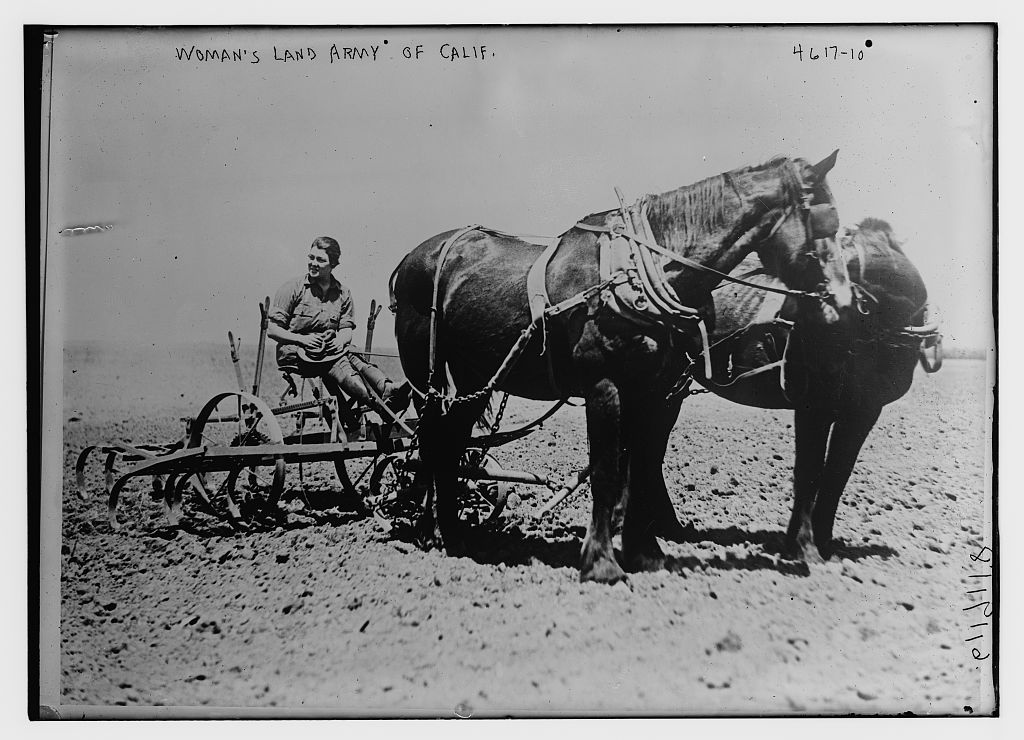
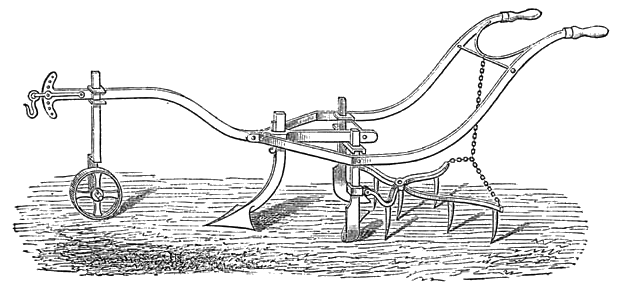
Later implements carried the operator, with the gangs moved left and right by foot pedals or stirrups to dodge around the plants.
Not applicable.
The foot steering arrangement is a genuinely ingenious solution to a hard problem. The rows are never perfectly straight and the plants are not evenly spaced, so the operator needs to make continuous small corrections while also driving – and the feet were the only limbs still free.
12. Walking the Rows Was the Job Nobody Volunteered For
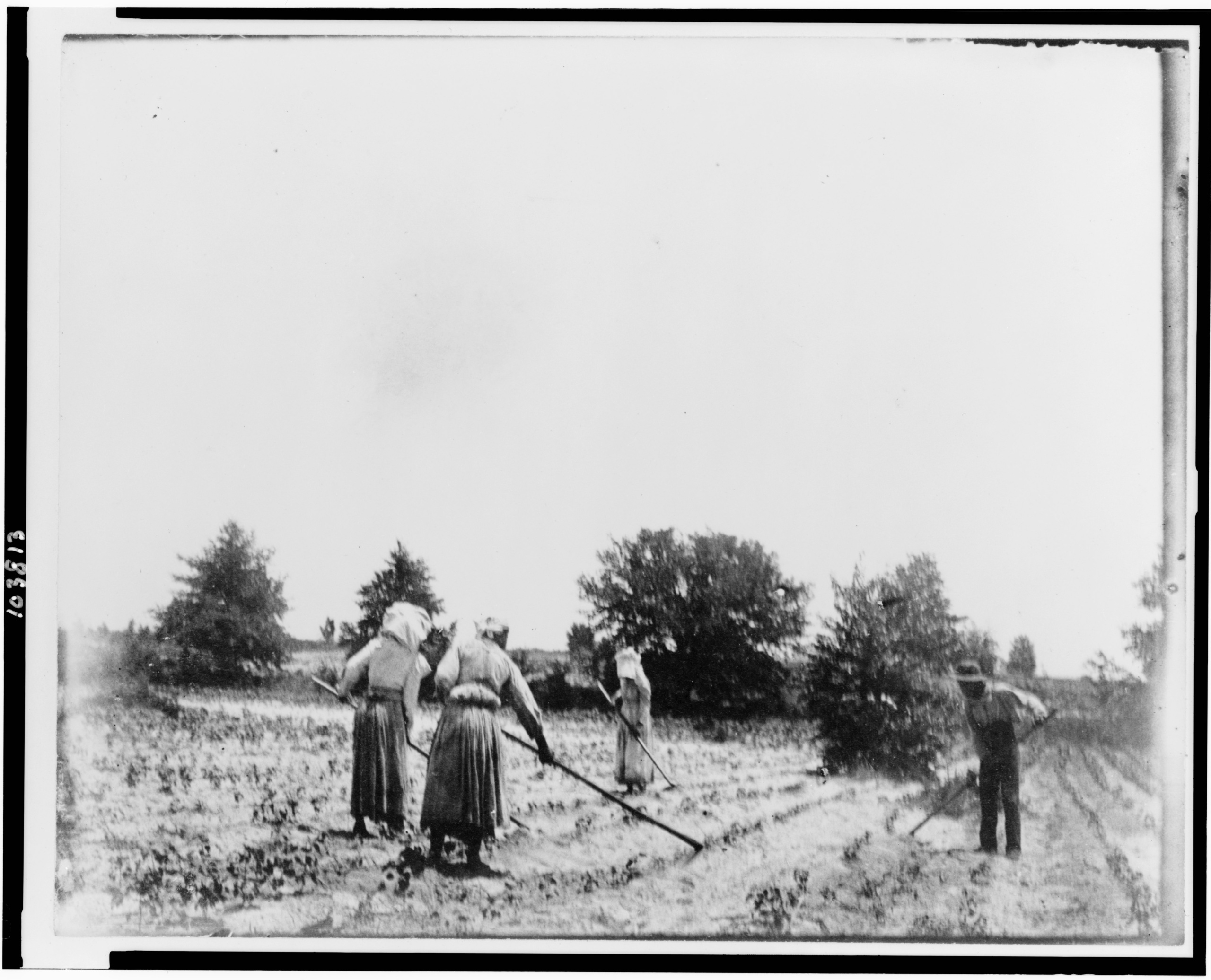
Hand weeding a long row in summer heat, bent over, for hours, was among the least liked tasks in farming and gardening alike.
Largely eliminated.
It should be said plainly that this work was miserable, and the nostalgia around it is misplaced. Bent repetitive labour in full sun over a long distance is physically punishing, and the people who did it did not regard it as pleasant.
13. It Was Usually Given to Children and Hired Hands
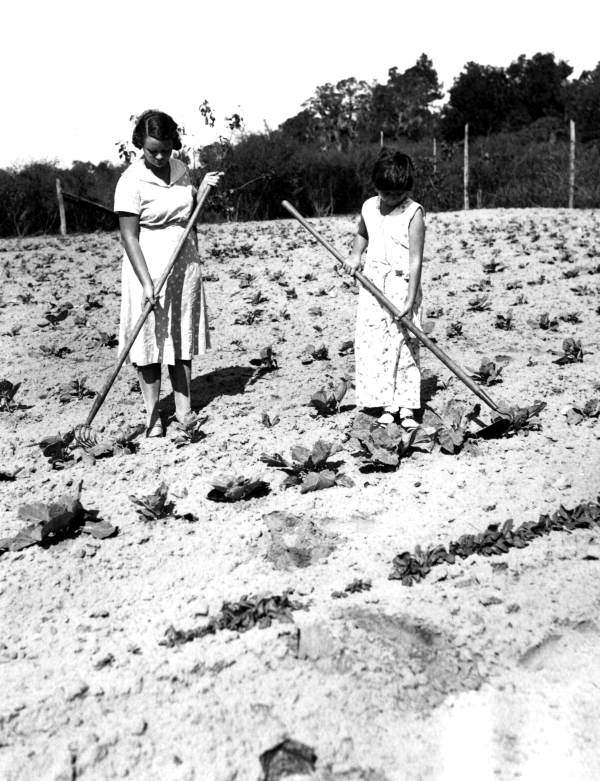
The hoeing and hand weeding went to whoever had the least standing in the operation, because it required no skill and a great deal of time.
Not applicable.
The allocation of this task tells you exactly what it was worth. Work that needs no judgement and enormous patience goes to the cheapest available labour, which in practice meant the young and the hired – and that is an honest description of how it was organised.
14. Then Chemical Control Arrived and the Rows Changed Shape
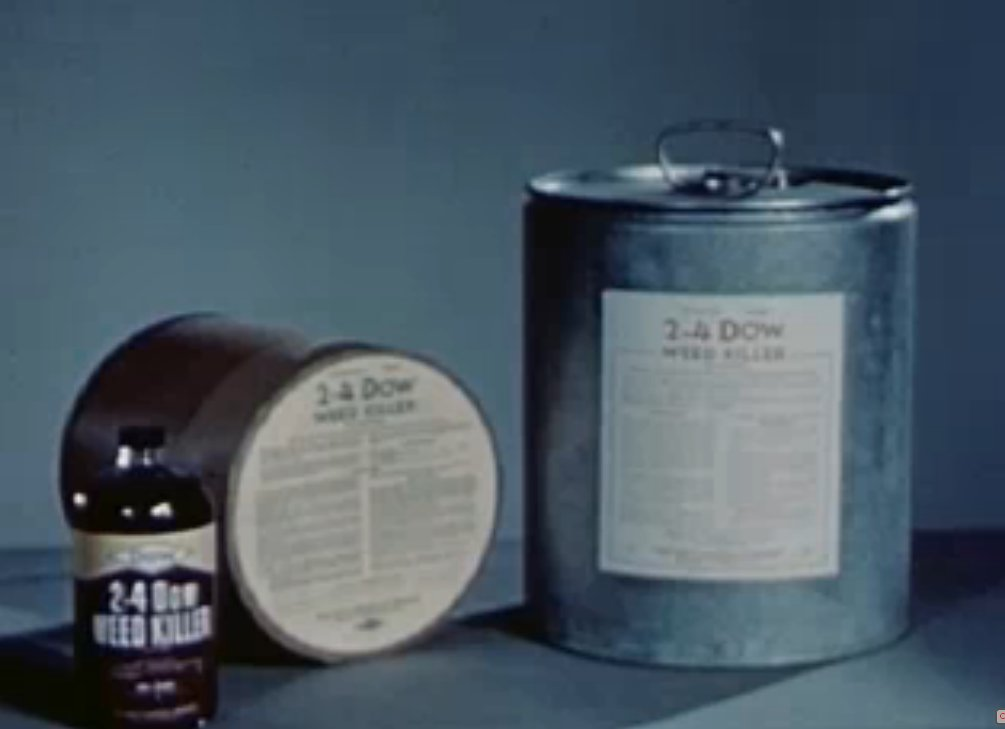
Once weeds could be controlled without a tool passing between the plants, there was no longer a reason to leave a lane wide enough for one.
Narrow rows, closely spaced.
This is the consequence almost nobody notices and it is the most interesting one. Row spacing existed to admit a cultivator, so removing the cultivator removed the constraint – and fields were replanted at spacings that would have been impossible to weed.
15. The Hoe Survived in the Garden and Nowhere Else
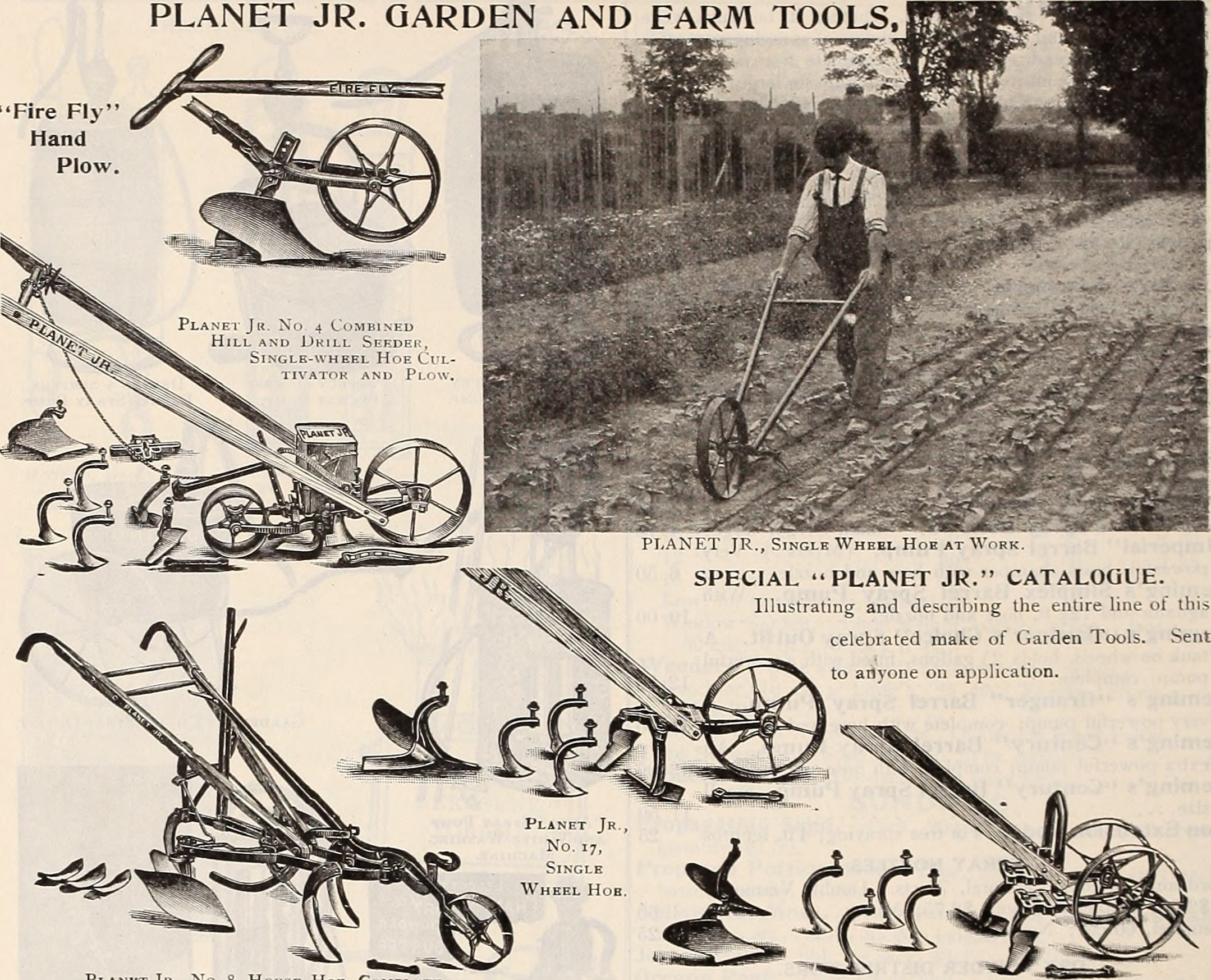
Field cultivation moved on entirely, while the hand hoe continued in gardens where chemicals were not wanted and the area was small.
A garden tool.
The survival pattern is instructive and it is about scale rather than preference. A hoe is perfectly efficient for a small area and hopeless for a large one, so it stayed exactly where its arithmetic still works.
16. And by 1964 a Clean Field Meant Something Different
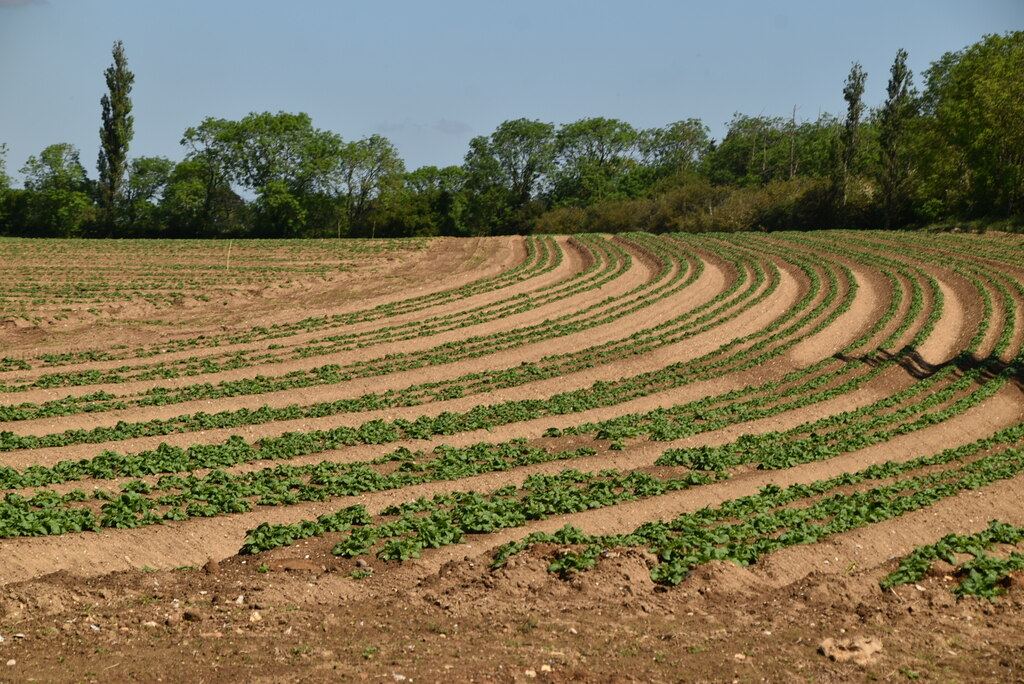
A weed free crop no longer indicated a diligent family who had walked the rows, because it no longer required anybody to walk them.
Universal.
And what deserves the last word is that the row itself was a weeding decision. Planting in lines was never about neatness – it existed to leave a lane a tool or an animal could travel, which means the layout of every field and garden was designed around keeping the weeds down rather than around the crop. The work itself rested on knowledge that has largely gone: that a weed takes water rather than space, that a hoe cuts rather than digs, that a seedling cut today dies while the same weed in two weeks fights back, and that the same stroke in dry sun kills but in damp weather transplants. Shallow was better than deep, because the crop’s roots are down there and so is a reservoir of weed seed waiting for light. And it was punishing, repetitive work given to whoever had the least say in the matter – which is worth remembering before anybody calls it simpler times.
The Row Itself Was a Weeding Decision
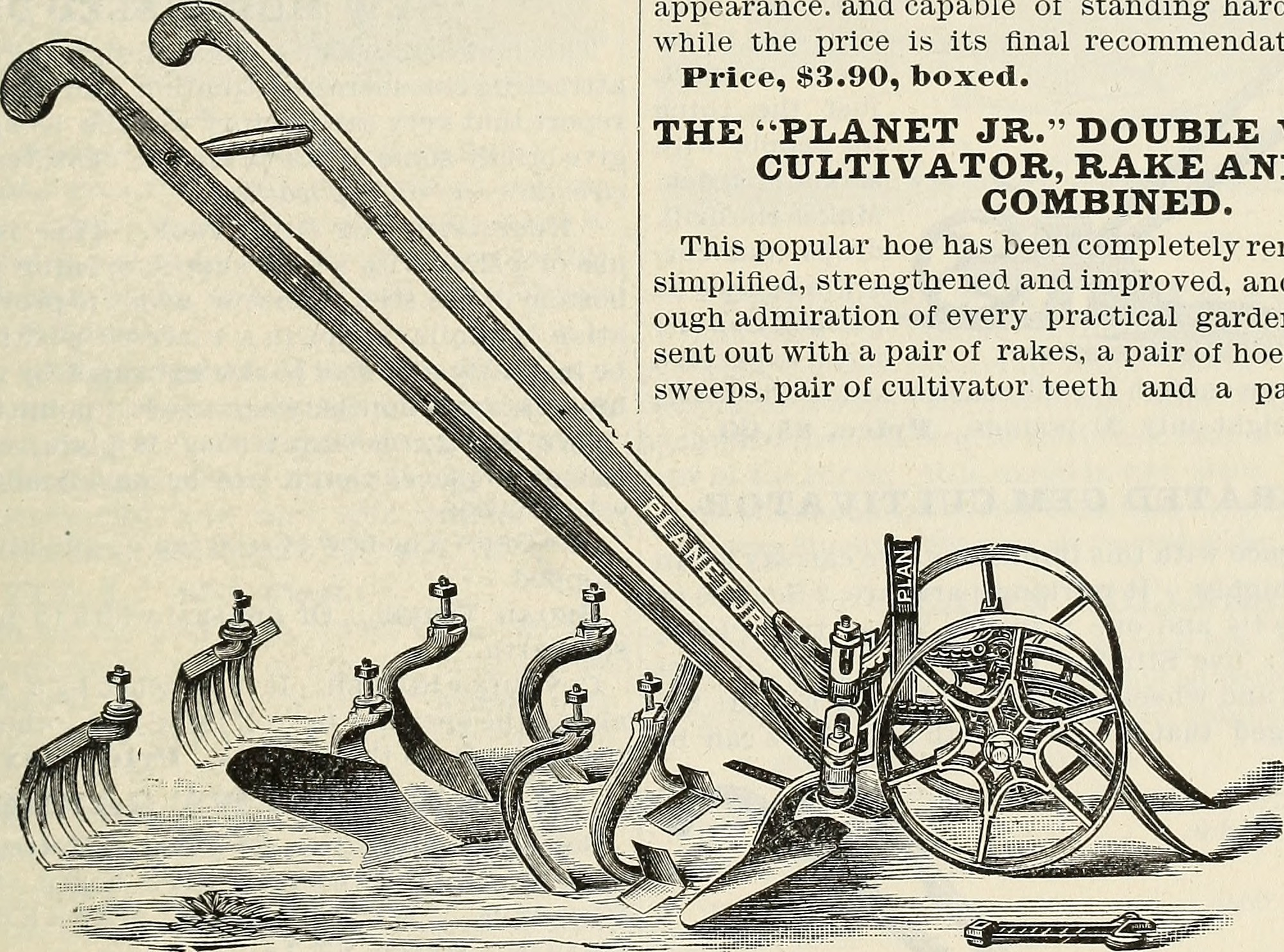
Keeping the weeds down was the largest single consumer of labour in growing anything, and it shaped the physical layout of every field and garden in ways that are still visible.
Start with the problem, properly stated. Weeds do not compete for space, they compete for water and nutrients. Two plants drawing on the same ground share what is there, so a weeded row is not tidier – it has more resources per plant. That is the actual damage.
And the tool is misunderstood. A hoe is a blade meant to cut, not to dig. The edge travels just under the surface to part a seedling from its root, which takes almost no force when it is sharp and an enormous amount when it is not.
Three pieces of knowledge made the work effective, and all three have largely gone.
Timing beat effort every time. A weed cut as a seedling has no stored reserves and dies at once; the same weed a fortnight later needs real work and may well regrow. So the cheapest moment to kill a weed is the first moment you can see it.
Weather decided whether the work counted. A weed cut and left on dry soil in sun dies of desiccation. The same weed cut in damp conditions, with a damp root falling on damp ground, is simply a cutting – and it takes. Identical labour, opposite results.
And shallow beat deep, which runs against instinct. Deeper feels more thorough, but the crop’s own roots are in that ground, the soil holds a reservoir of weed seed waiting only for light, and a deep pass dries the ground out. So the aim was to skim.
Now the structural point, which is the one worth taking away. The row existed so the space between it could be worked. Planting in straight lines was never about appearance – it left a continuous lane a tool or an animal could travel. A crop scattered at random cannot be cultivated at all, which means the geometry of every field and garden was a decision about access for the weeding rather than about the plants themselves.
Scale is what separated the hoe from the cultivator. One person with a hoe can keep a garden clear. A field needs a frame of small shovels or teeth pulled between the rows, working a whole lane at walking pace and doing in minutes what hours of hoeing did – which is the difference between a plot and an acreage.
But the last few inches never went away. No implement can work right up against the plants without damaging them, so a strip either side of every row had to be hoed or pulled by somebody on foot. That band is where most of the labour actually went, whatever the implement.
Two functions had nothing to do with weeds at all.
A loose surface held moisture in, because water rises through connected pores and evaporates at the top, so stirring the surface interrupts the path – which made a pass worthwhile even with no weeds visible.
And cultivating broke the crust. Heavy rain on bare soil forms a hard layer that sheds the next rainfall instead of absorbing it, and can physically trap emerging seedlings underneath. The pass after a hard rain was about that, and nothing else.
The riding cultivator deserves a mention for one ingenious detail: the gangs were moved left and right by foot pedals or stirrups. Rows are never perfectly straight and plants are not evenly spaced, so the operator had to make continuous small corrections while also driving – and the feet were the only limbs still free.
Now the part the nostalgia usually leaves out.
This work was miserable. Hand weeding a long row in summer heat, bent over, for hours, was among the least liked tasks in all of farming and gardening, and the people who did it did not regard it as pleasant.
And it was given to whoever had the least standing – children and hired hands – precisely because it needed no judgement and a great deal of time. Work that requires only patience goes to the cheapest available labour. That is an honest description of how it was organised, and it should be said.
Then chemical control arrived, and the consequence almost nobody notices followed. Row spacing existed to admit a cultivator. Remove the cultivator and the constraint disappears – so fields were replanted at spacings that nobody could possibly have weeded, and the shape of a field changed because of a change in how weeds were killed.
The hoe survived in gardens, and the reason is arithmetic rather than sentiment: it is perfectly efficient over a small area and hopeless over a large one, so it stayed exactly where its numbers still work.
What changed most is what a clean crop meant. It used to be evidence that a family had walked those rows. Now it is evidence of nothing at all, because nobody had to.
If you look at an old photograph of a field, look at how wide the rows are.
That width is the width of a cultivator, and nothing else.
Like our content? Follow us for more.