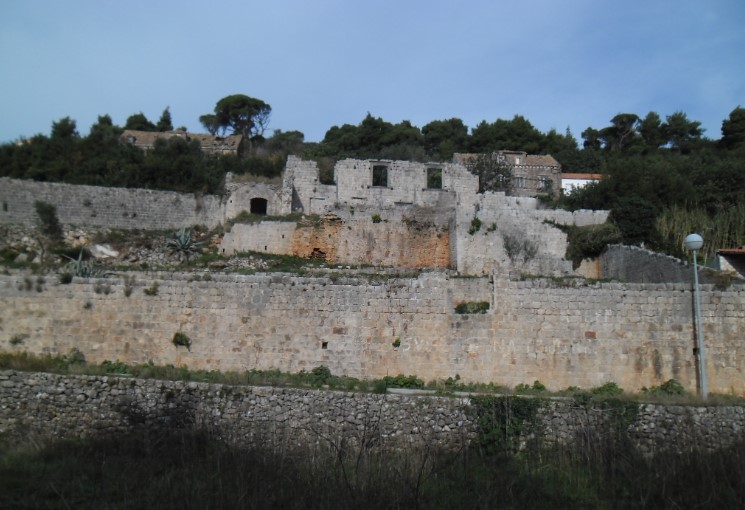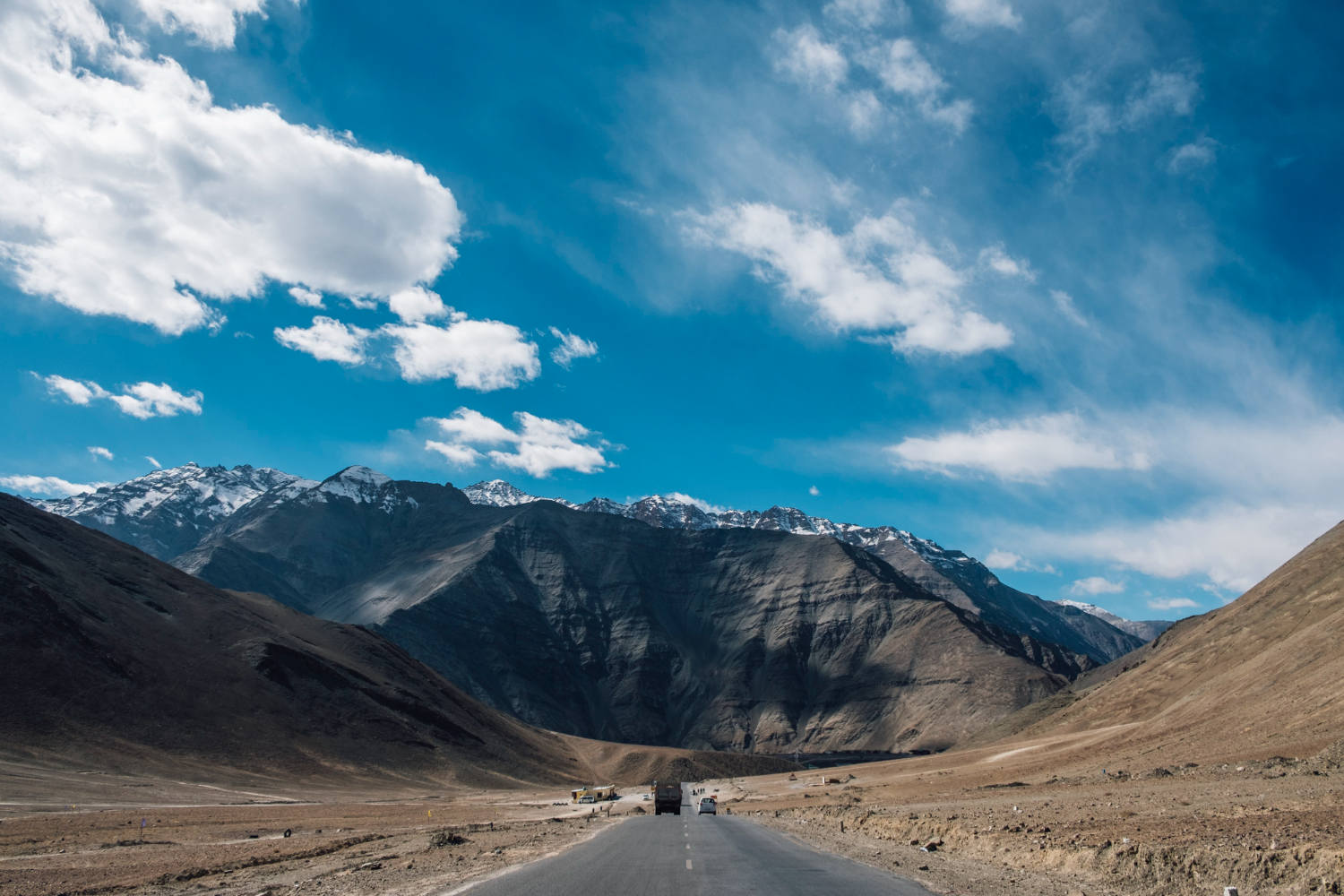
Every pass is a compromise between height and distance: the lowest crossing point is rarely the shortest route, and the route that everyone took is whichever combination was survivable. Here are seventeen.
1. The Great Alpine Trade Passes
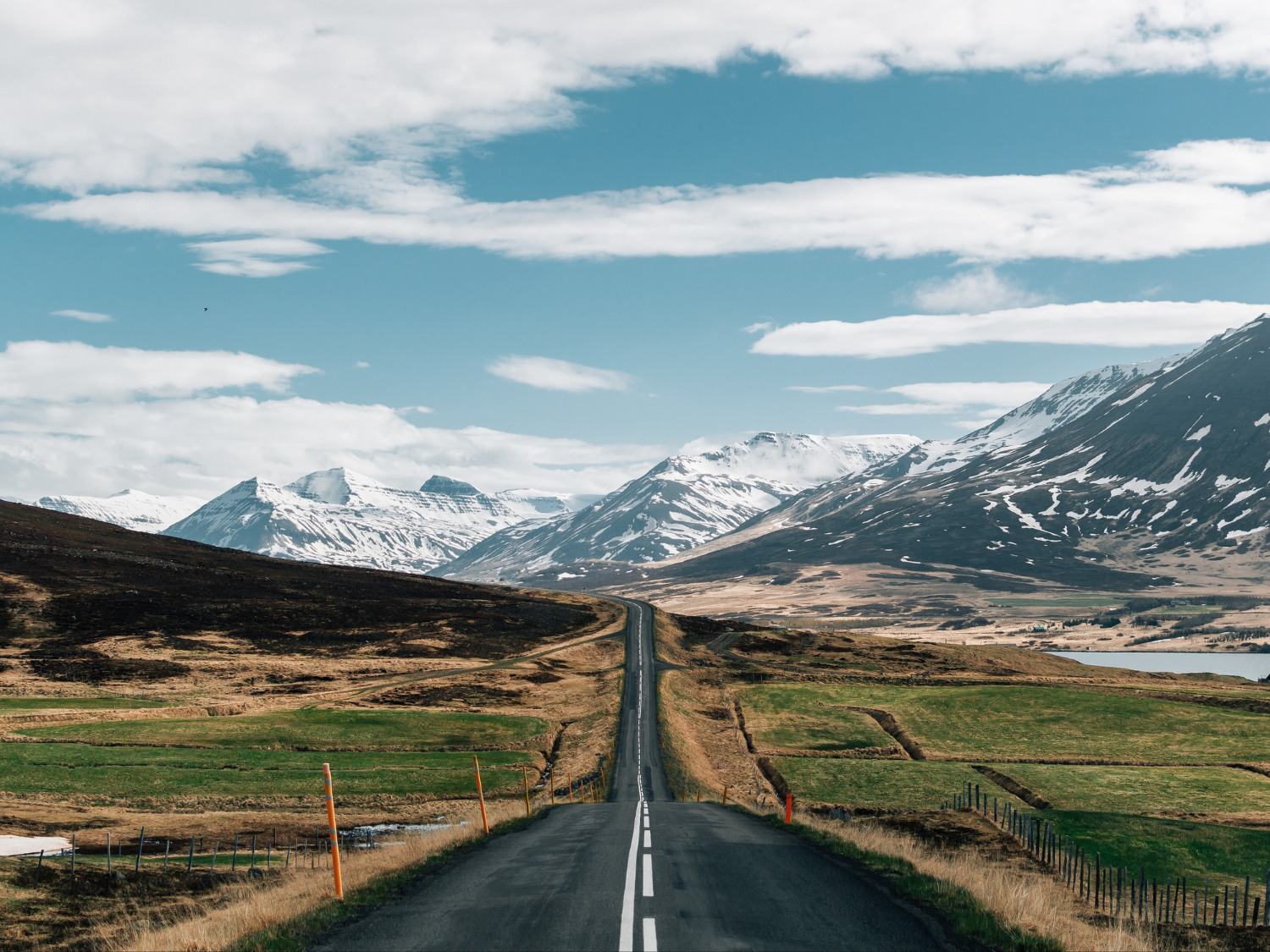
A handful of crossings carried almost all traffic between northern Europe and Italy for centuries, and the towns at either end grew wealthy on the traffic.
Which pass was in favour shifted with politics and with engineering. The great trade passes are the crossings that made and unmade towns.
Like our content? Follow us for more.
2. The Passes With Hospices at the Top
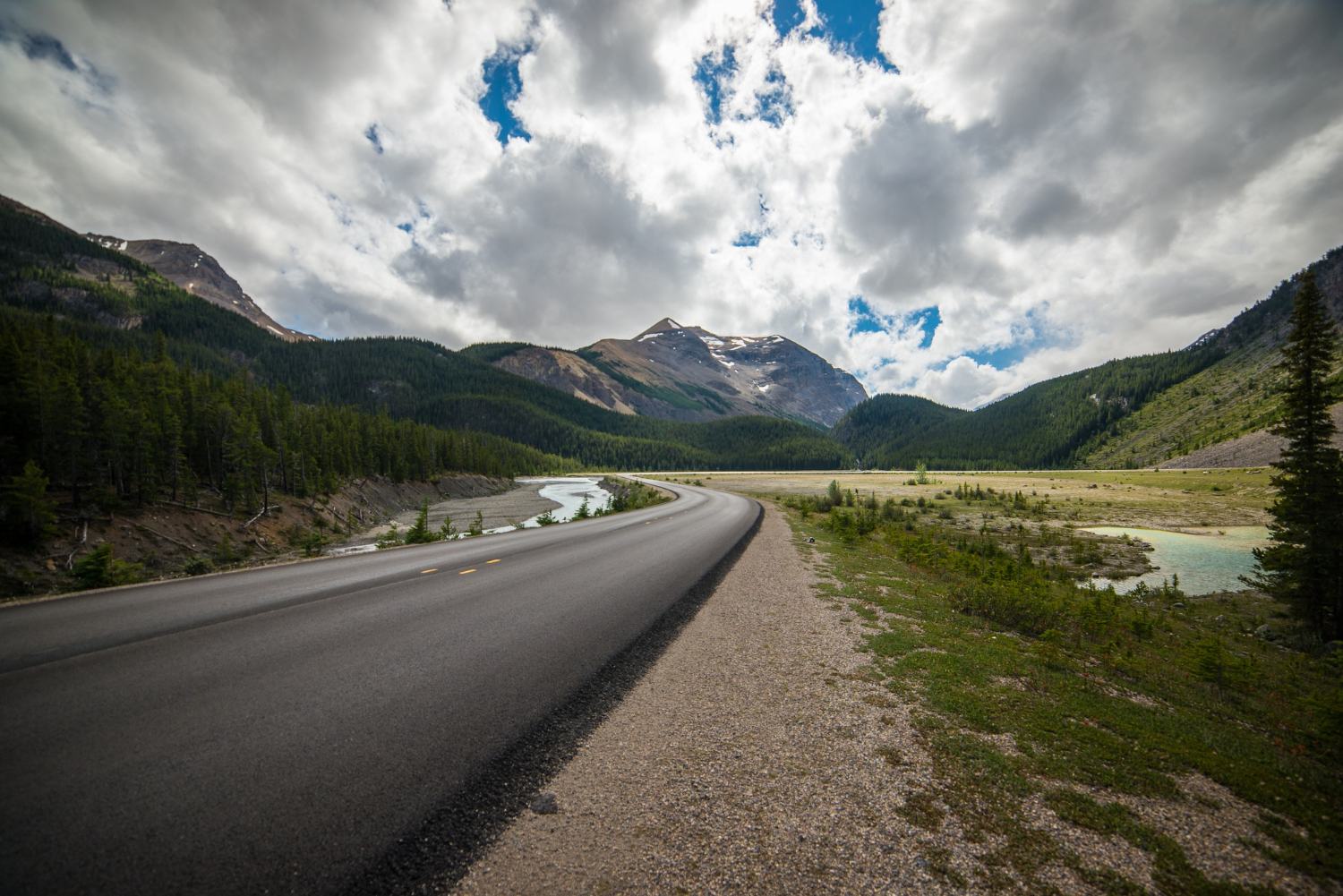
Religious foundations established shelters at the summits of the hardest crossings specifically to house travellers caught by weather, several of which have operated for many centuries.
They were a public service before anyone used the term. The hospice passes are the crossings where somebody was permanently stationed to help.
3. The Passes Now Bypassed by Tunnels
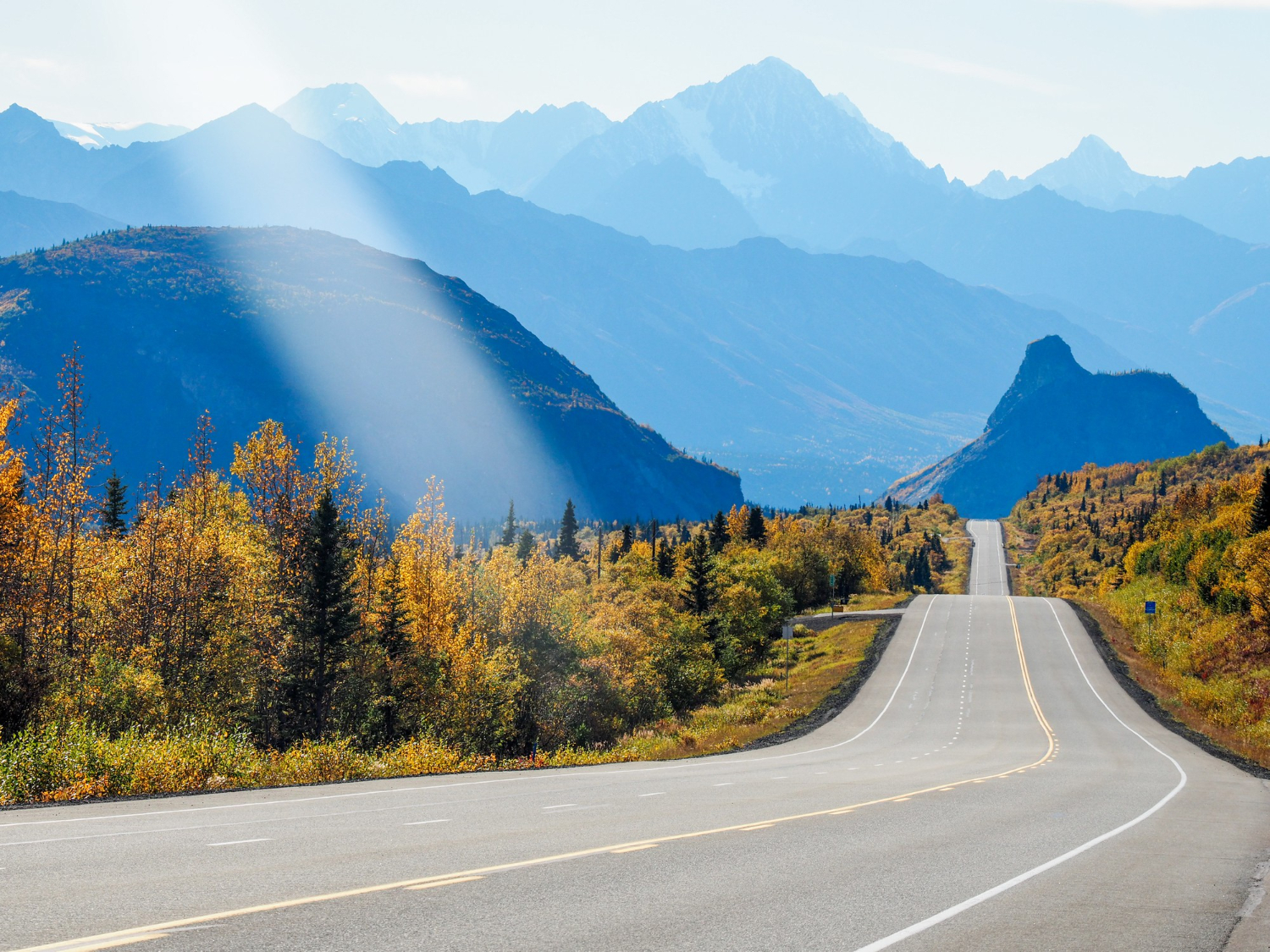
Where a tunnel was bored beneath, the old road over the top survives, carrying almost no traffic and offering the view the tunnel removed.
The drive is far slower and infinitely better. The bypassed passes are the crossings that became scenic once they stopped being necessary.
4. The Himalayan High Passes
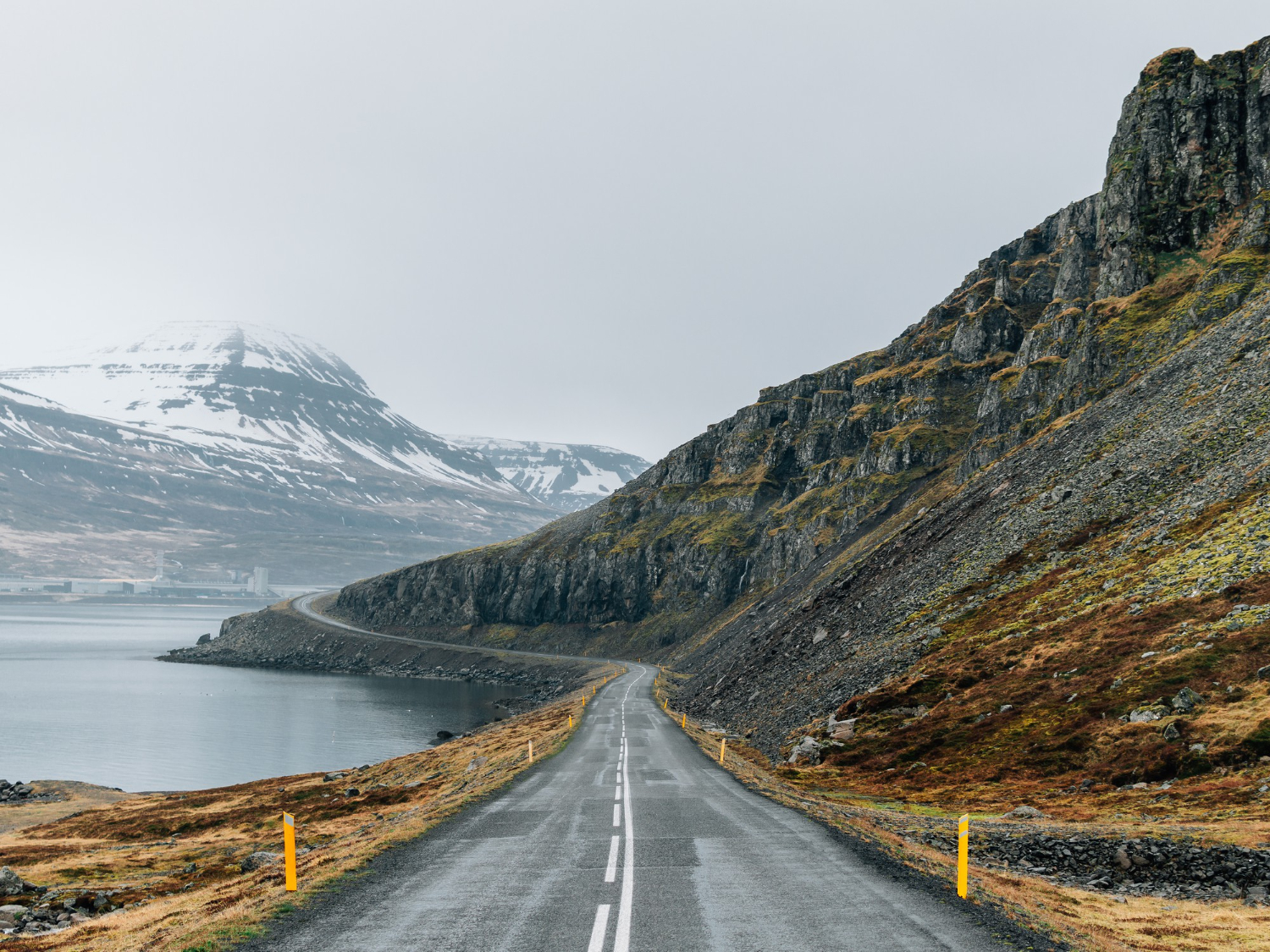
Crossings at altitudes where the air is thin enough to govern everything – how fast anyone moves, how long they can stay and what is possible at all.
Historic trade routes ran over them regardless. The Himalayan passes are the crossings where altitude rather than distance is the obstacle.
5. The Karakoram Routes
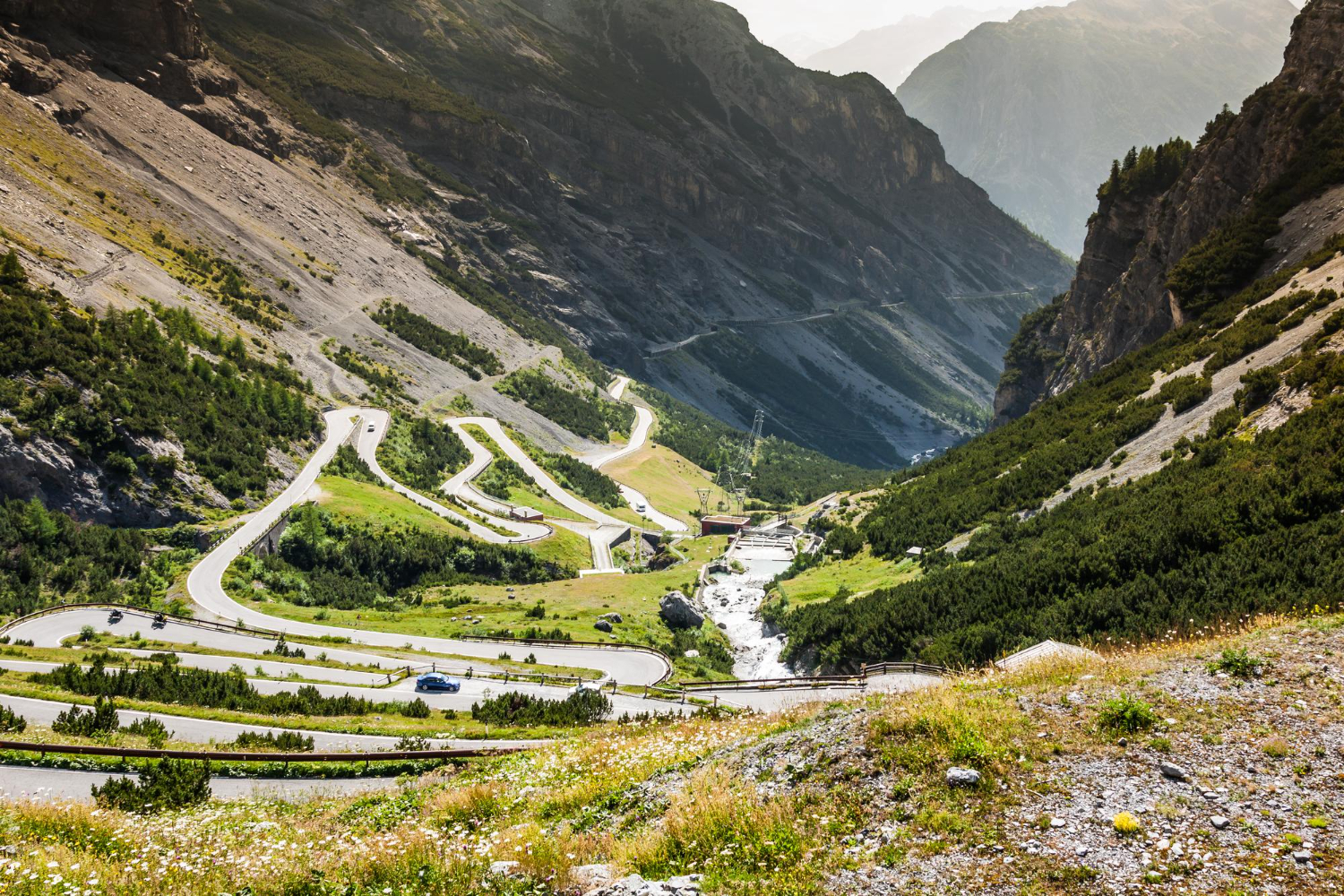
Some of the highest and most demanding crossings anywhere, on routes that connected regions separated by an enormous mountain barrier.
Modern road engineering there is a substantial achievement in itself. The Karakoram crossings are the passes that required the most to make passable.
6. The Andean Crossings
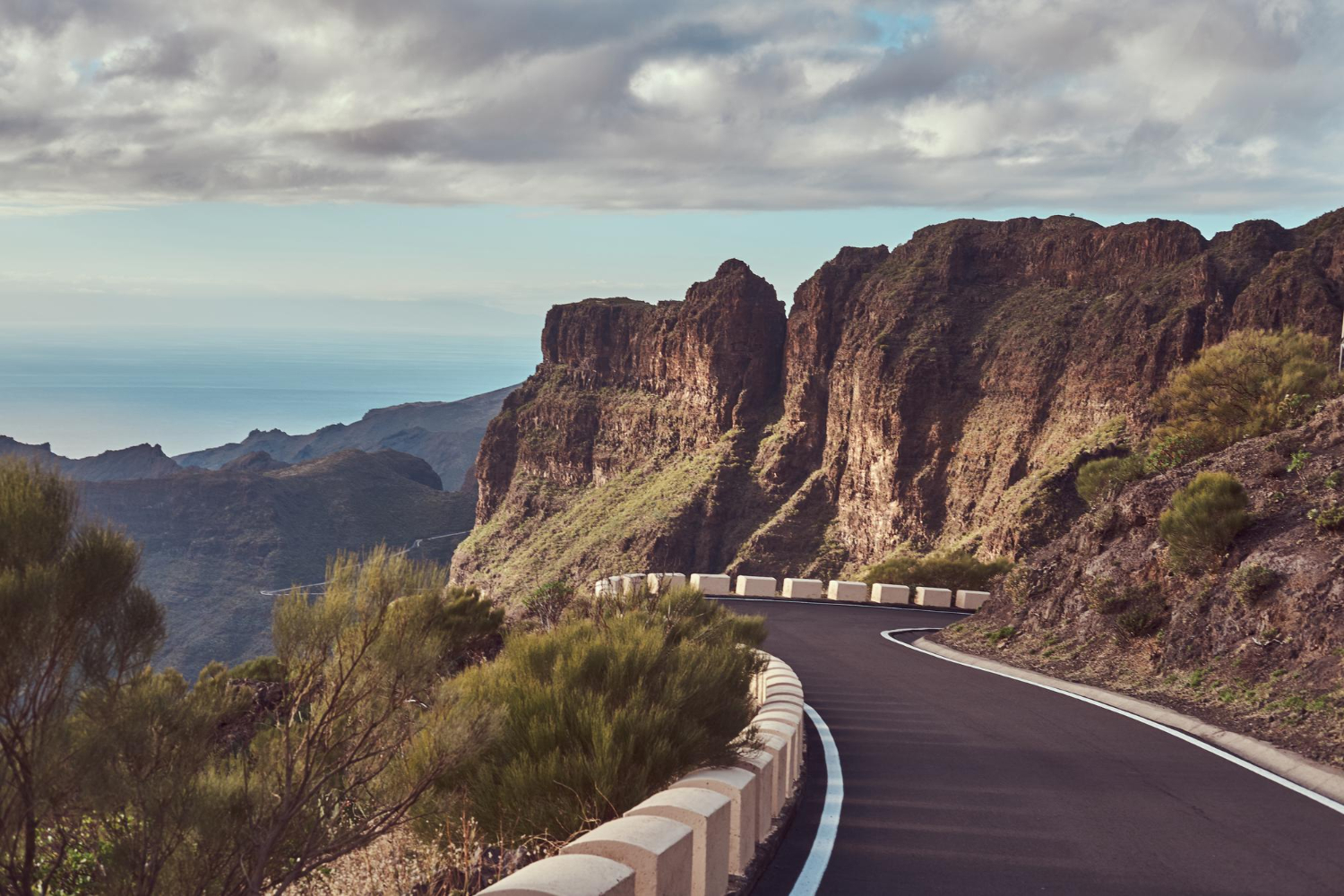
Passes linking the coastal strip to the interior, which is the only way through a range that runs the length of a continent.
Settlements cluster at the approaches on both sides. The Andean passes are the crossings that connect two entirely different climates.
7. The Passes That Became Borders
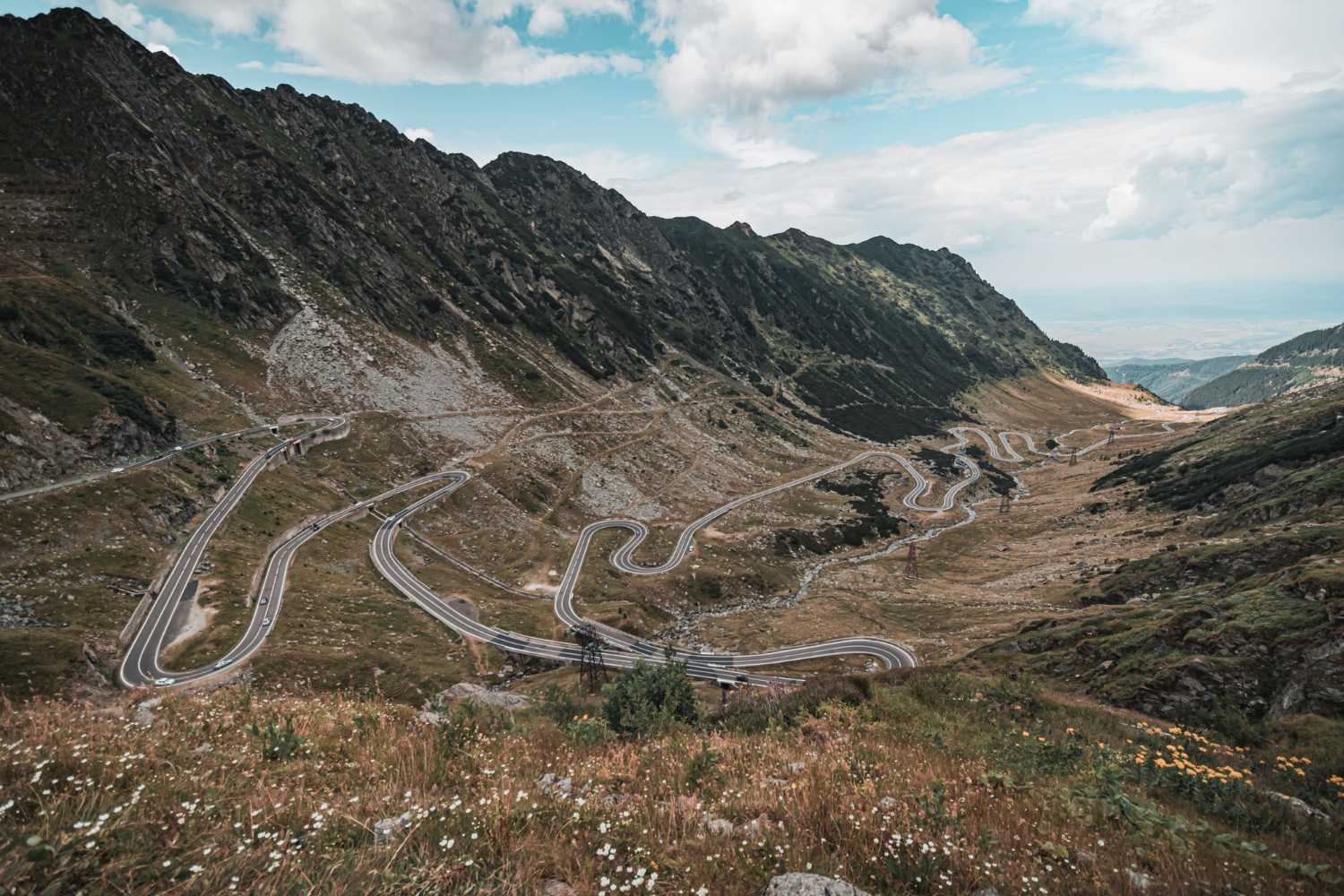
Where a range divides two regions, the frontier is frequently drawn along the watershed, so the pass becomes the point at which one country ends.
The line is usually marked at the summit. Watershed passes are the crossings where the geography wrote the border.
8. The Hairpin Engineering Passes
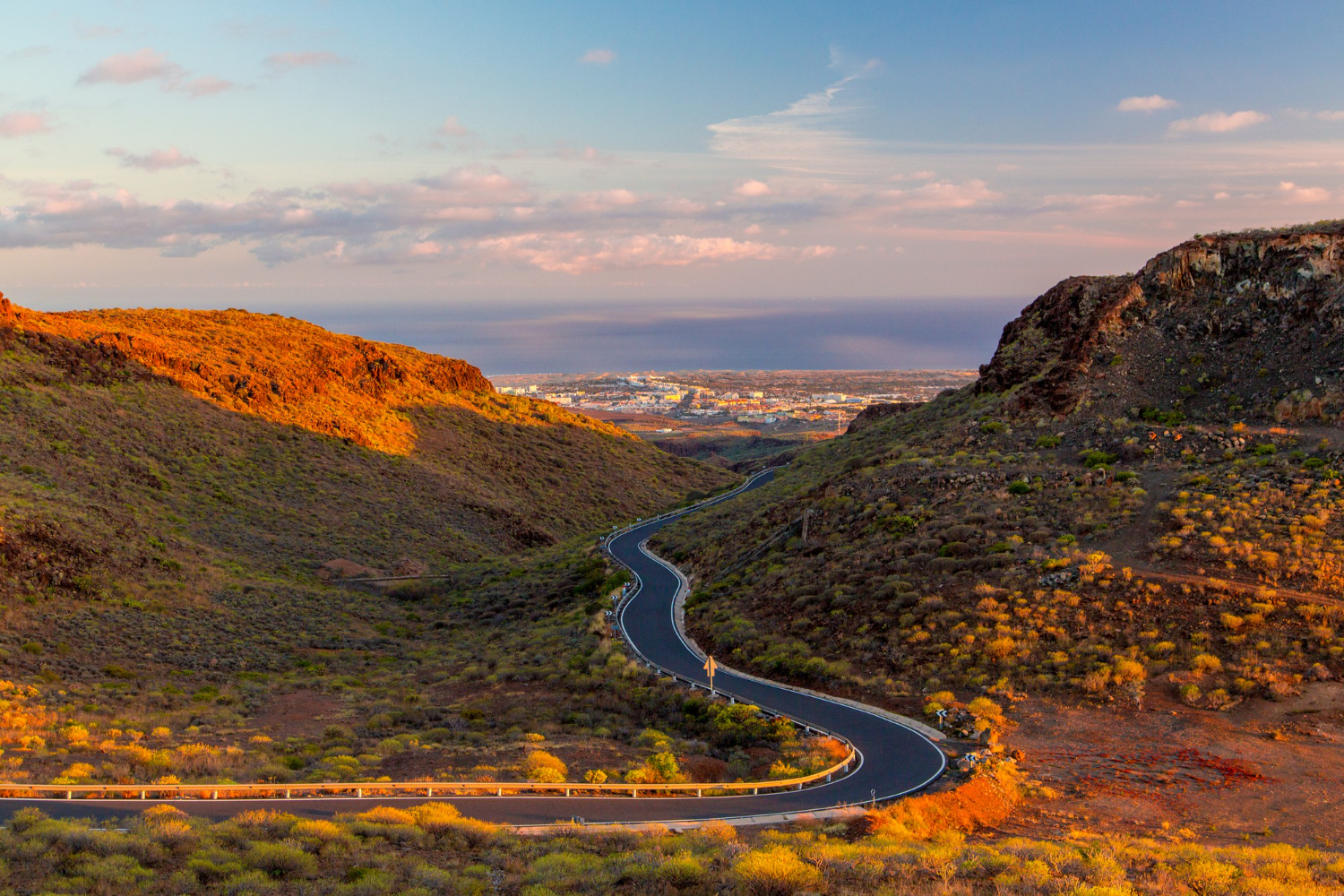
Some pass roads are famous for their construction rather than their route – stacked switchbacks climbing a face that has no natural gradient.
They were built as demonstrations of capability as much as as roads. The hairpin passes are the crossings where the road is the attraction.
9. The Walking Passes
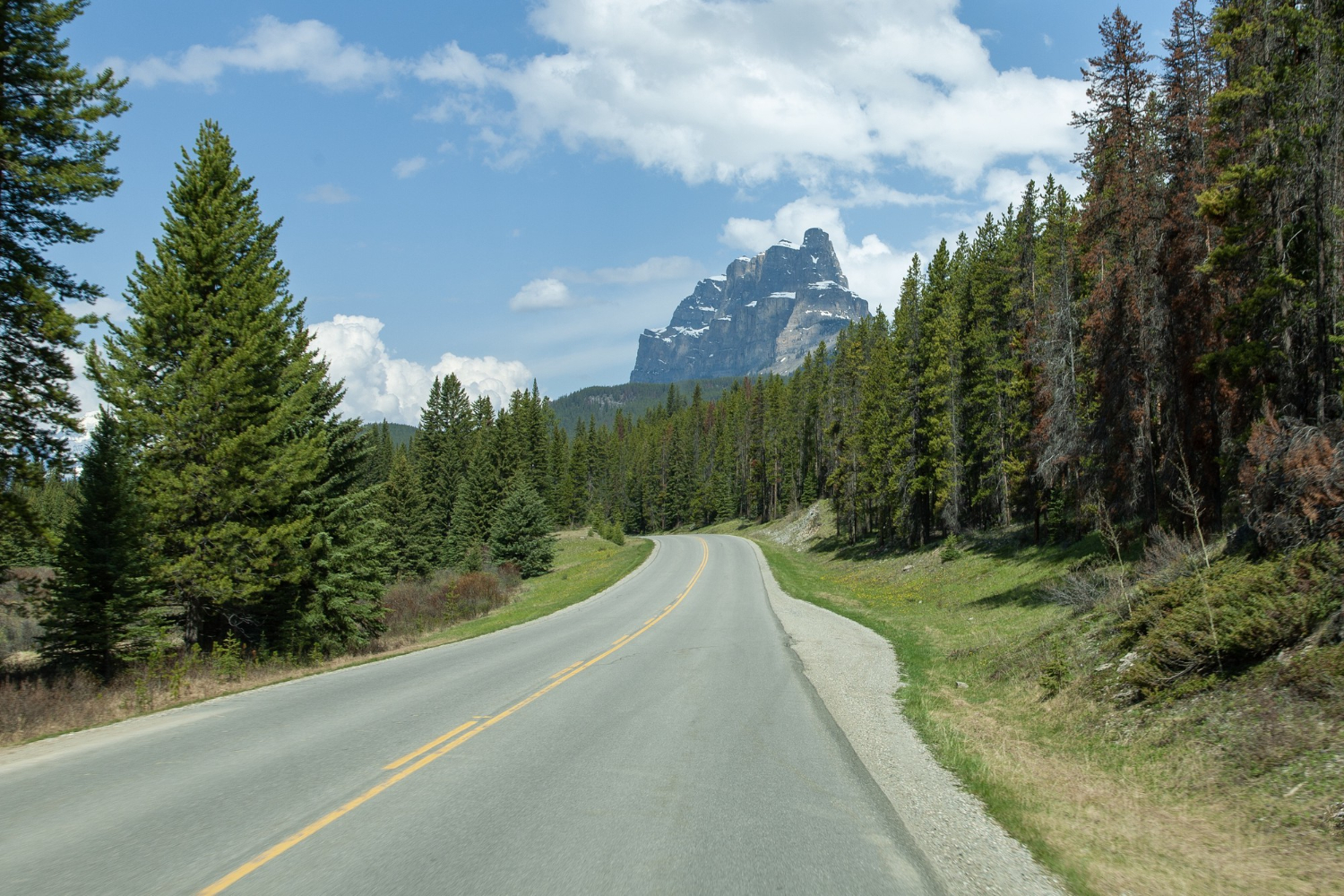
A number of crossings have never carried a road and are reached only on foot, which is how every pass was reached before engines.
They are mountain undertakings rather than outings. The walking passes are the crossings that remain what all of them used to be.
10. The Passes With a Railway
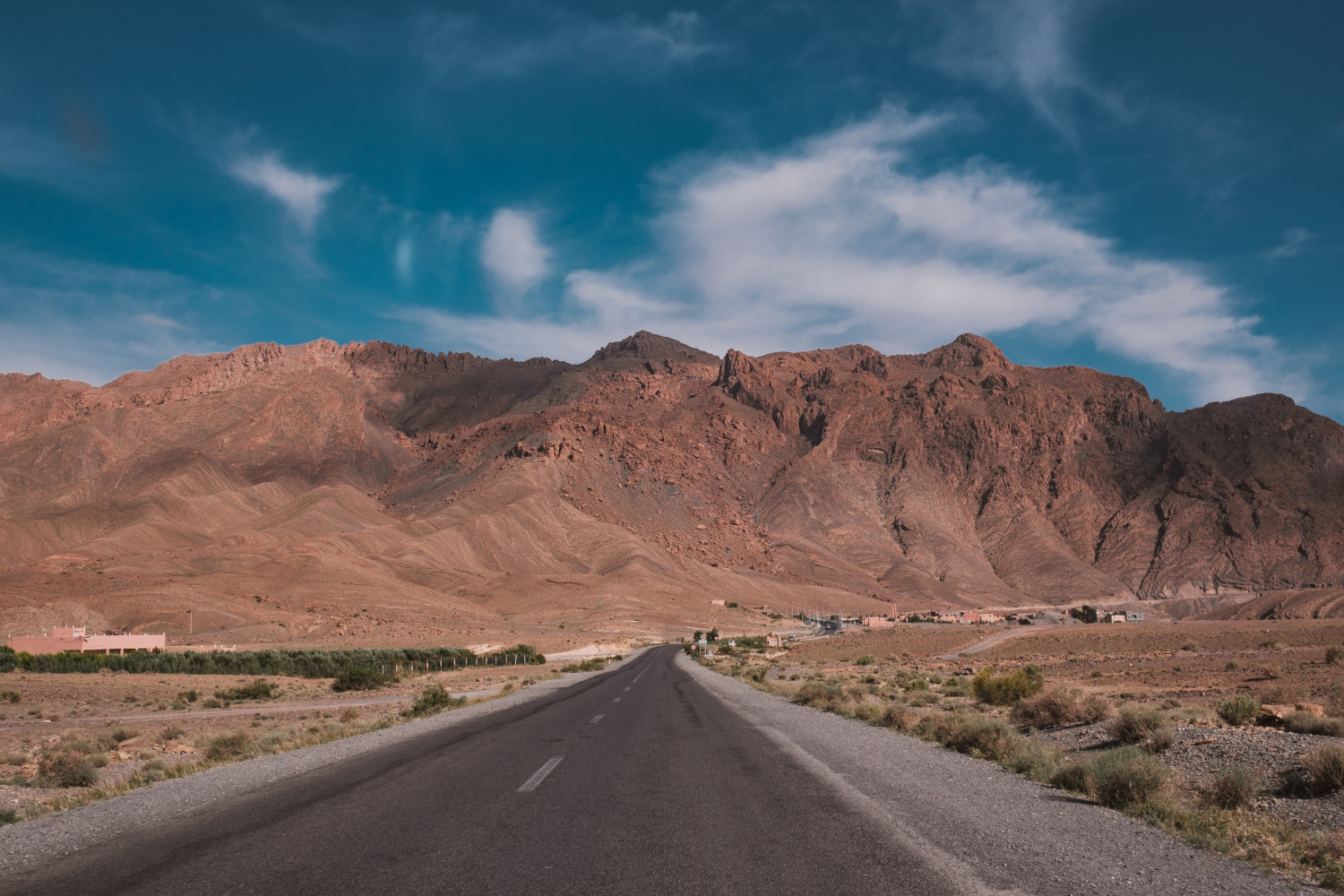
Where a line was built over or under a pass, the engineering required – spiral tunnels, viaducts, extreme gradients – frequently exceeded that of the road.
Some run alongside the old route and some burrow beneath it. The railway passes are the crossings where the track was harder to build than the road.
11. The Drove Roads and Livestock Passes
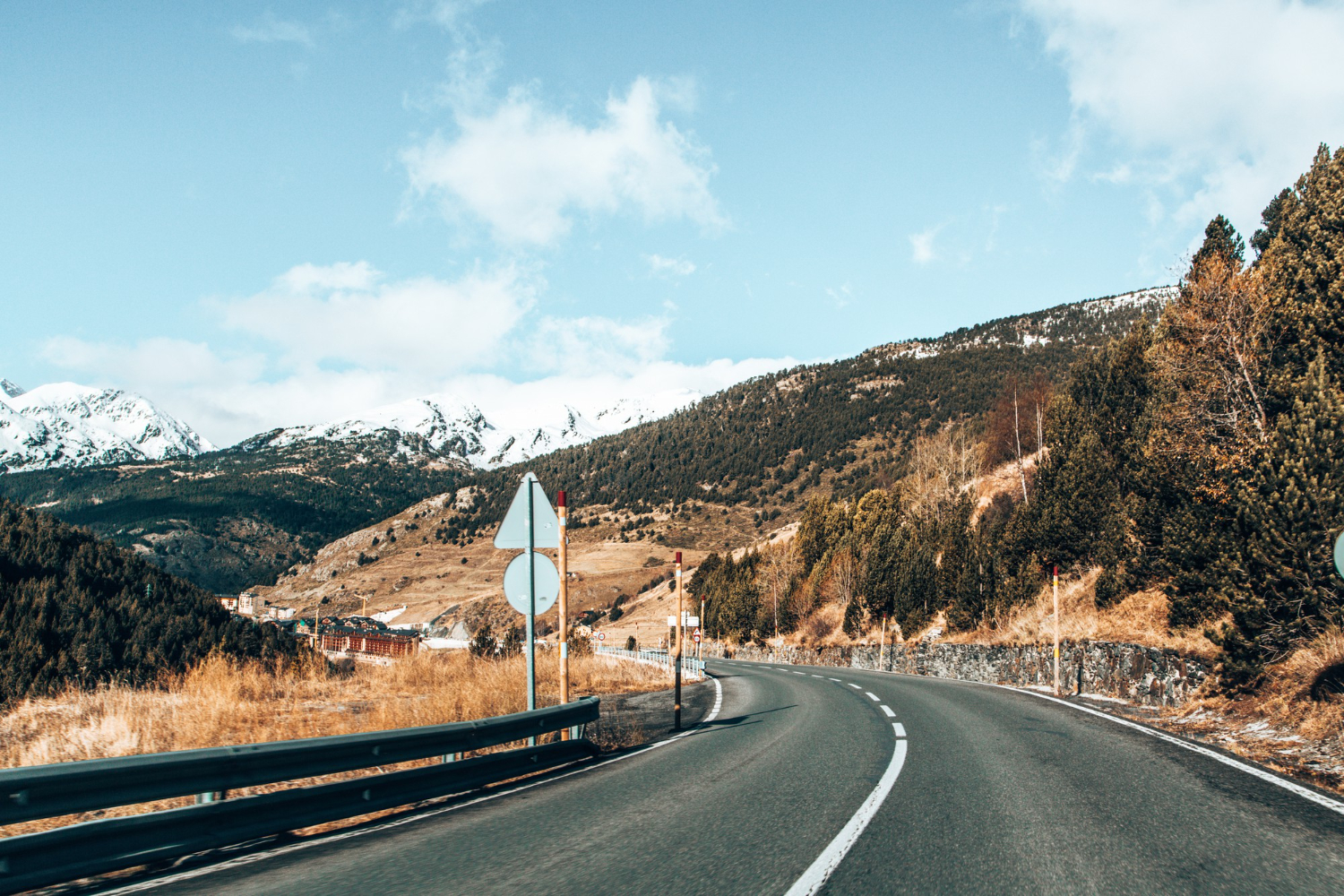
Long before freight, passes carried animals moved seasonally between summer and winter pasture, along routes worn by generations of hooves.
Some of those routes are now waymarked walking trails. The livestock passes are the crossings whose traffic had four legs.
12. The Passes That Became Towns
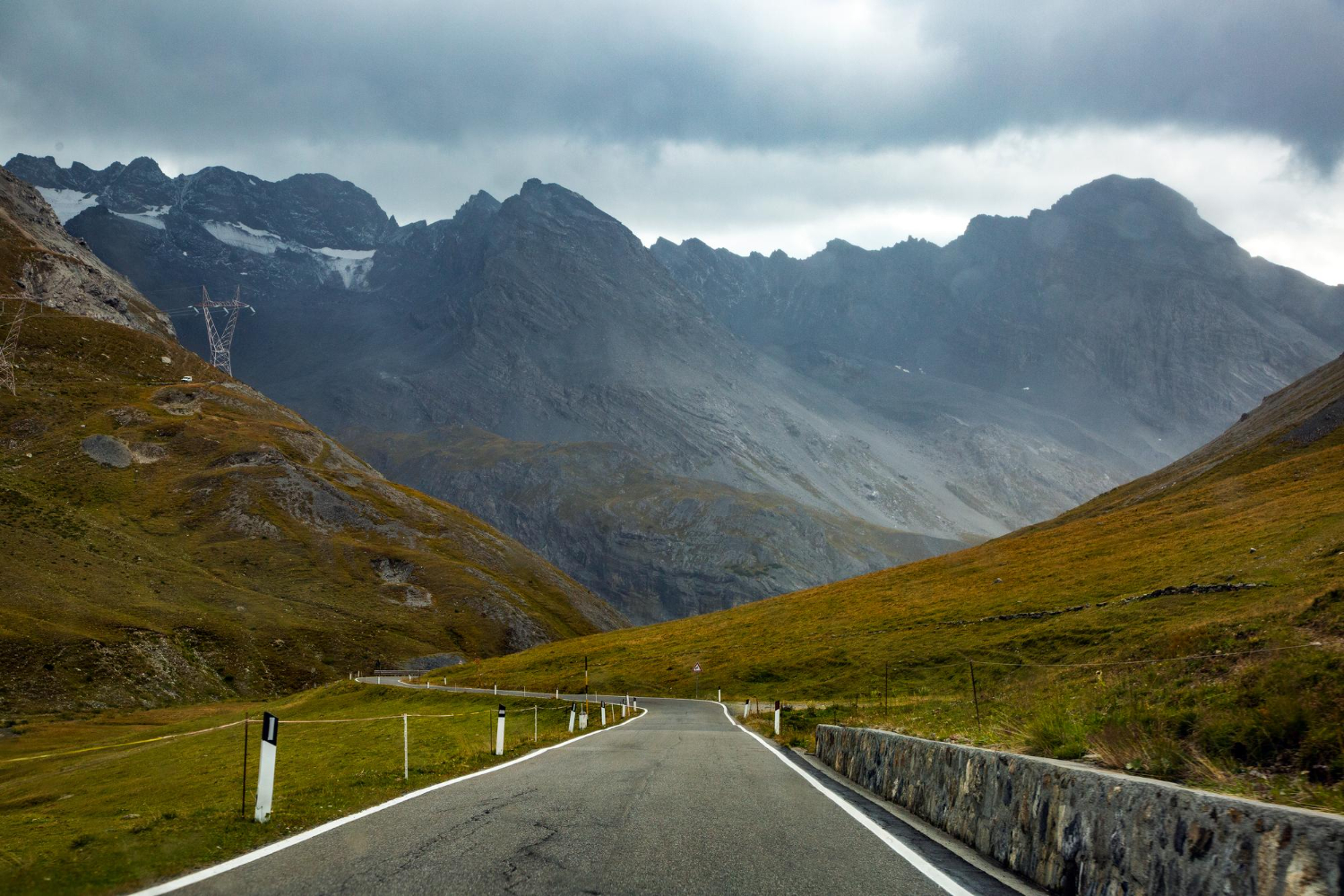
Where a crossing was long enough to require a stop, a settlement grew at the point where travellers had to break the journey, and some became substantial places.
Their entire existence is a consequence of where the mountains were lowest. Pass towns are the settlements that exist because of a gap in a ridge.
14. The Passes Closed for Half the Year
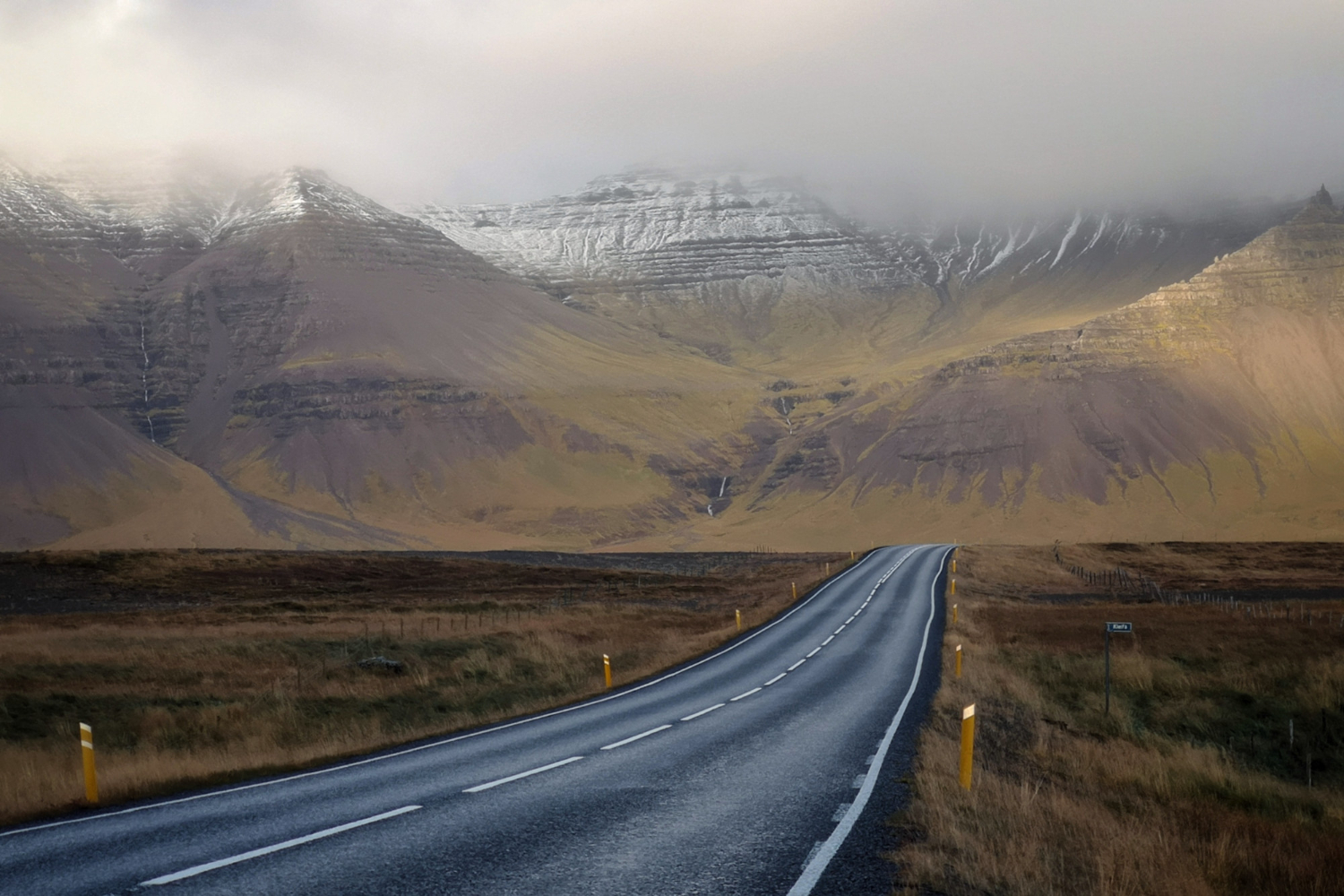
High crossings shut when snow arrives and reopen when it clears, on dates that vary annually and are decided by conditions rather than by calendar.
Local economies organise themselves around the opening. Seasonal passes are the crossings that only exist for part of the year.
15. The Scandinavian and Northern Crossings
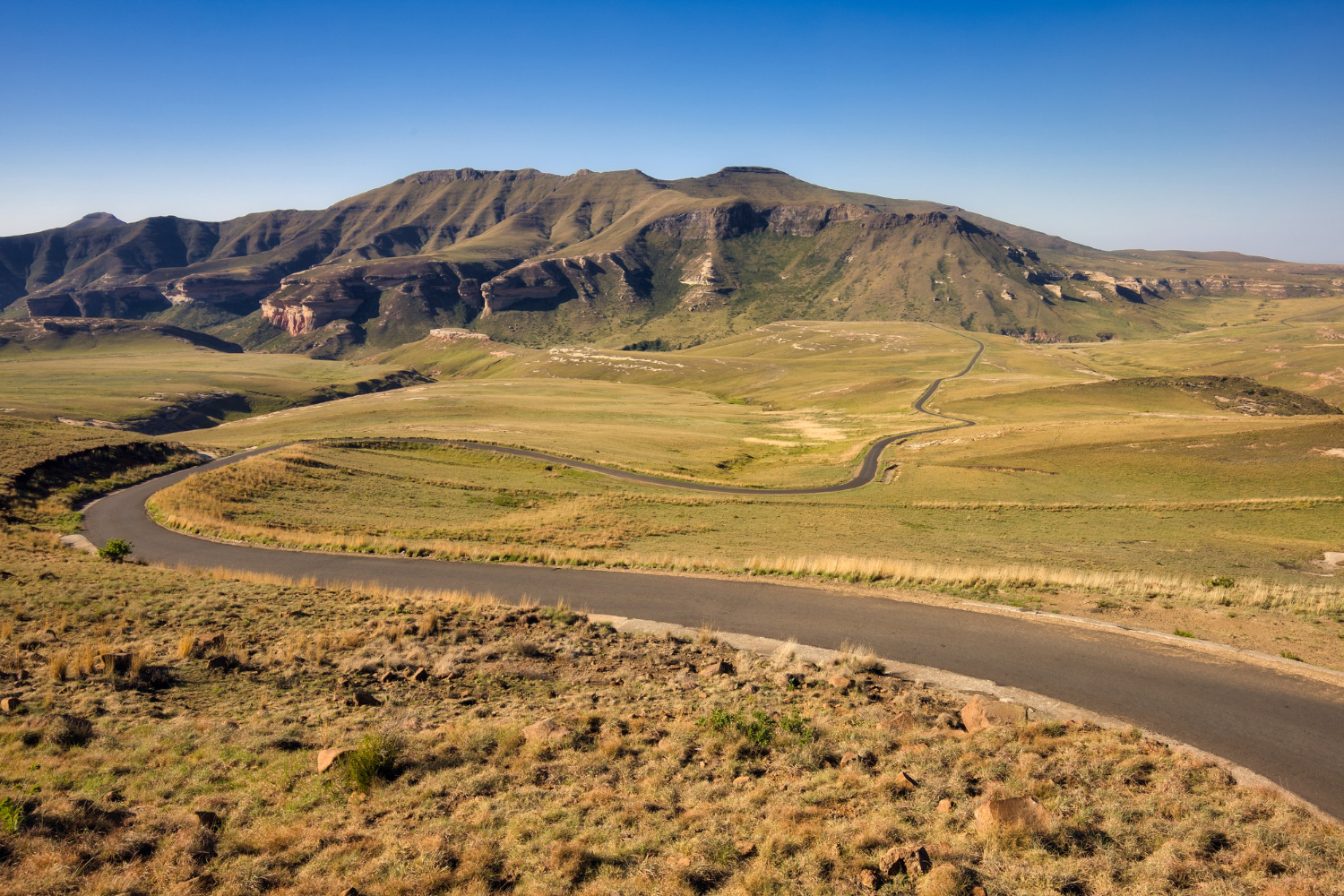
Passes at lower altitude but higher latitude, where the obstacle is weather and daylight rather than height.
A modest elevation in the far north can be harder than a high one further south. The northern passes are the crossings where latitude does the work of altitude.
16. The Passes on Long-Distance Walking Routes
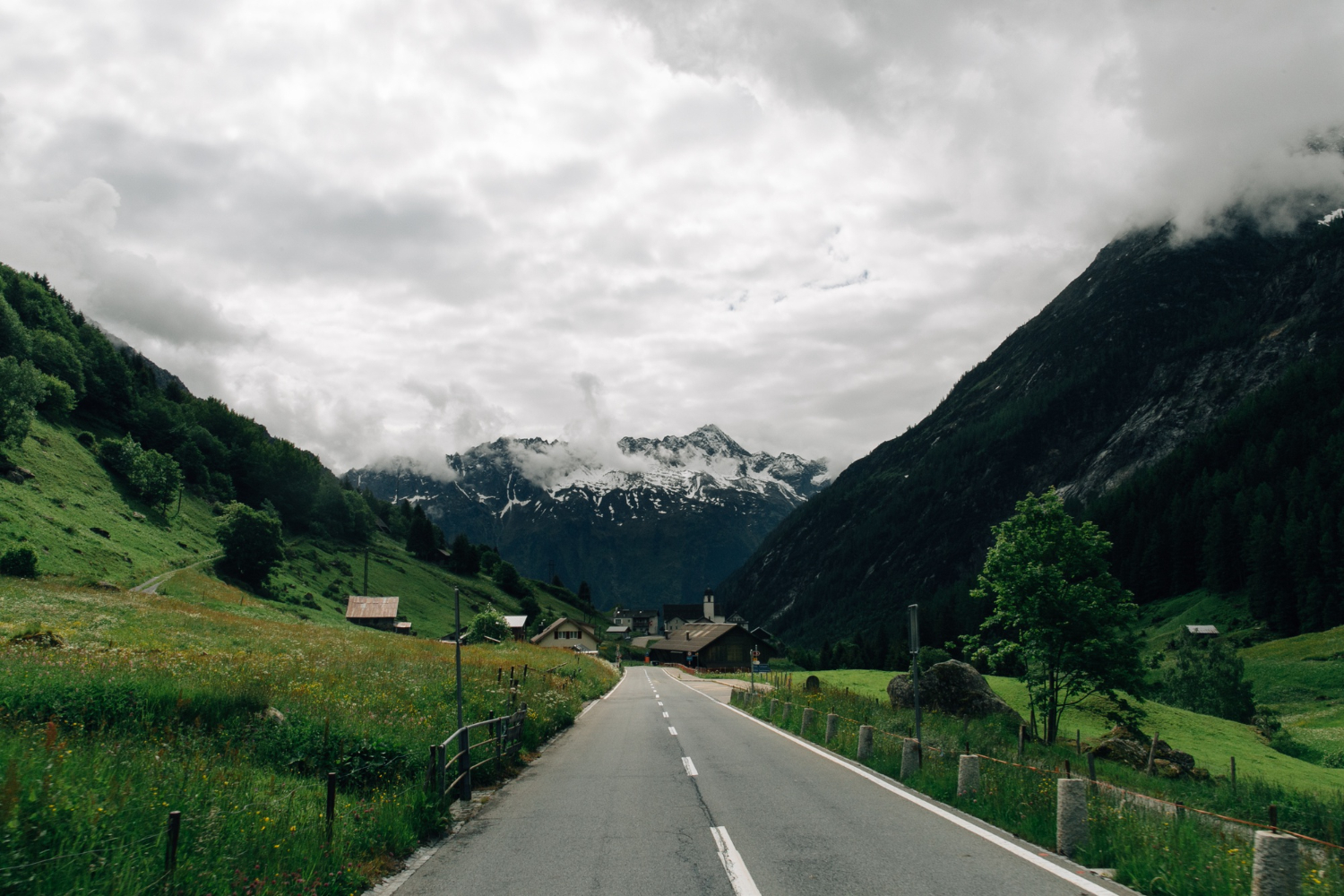
Multi-day trails are routed over passes because that is where the ridge can be crossed, and the pass day is invariably the hardest and the best.
Reaching the top is the structural climax of the walk. Trail passes are the crossings that give a long route its shape.
17. The Passes That Are Now Just a Sign
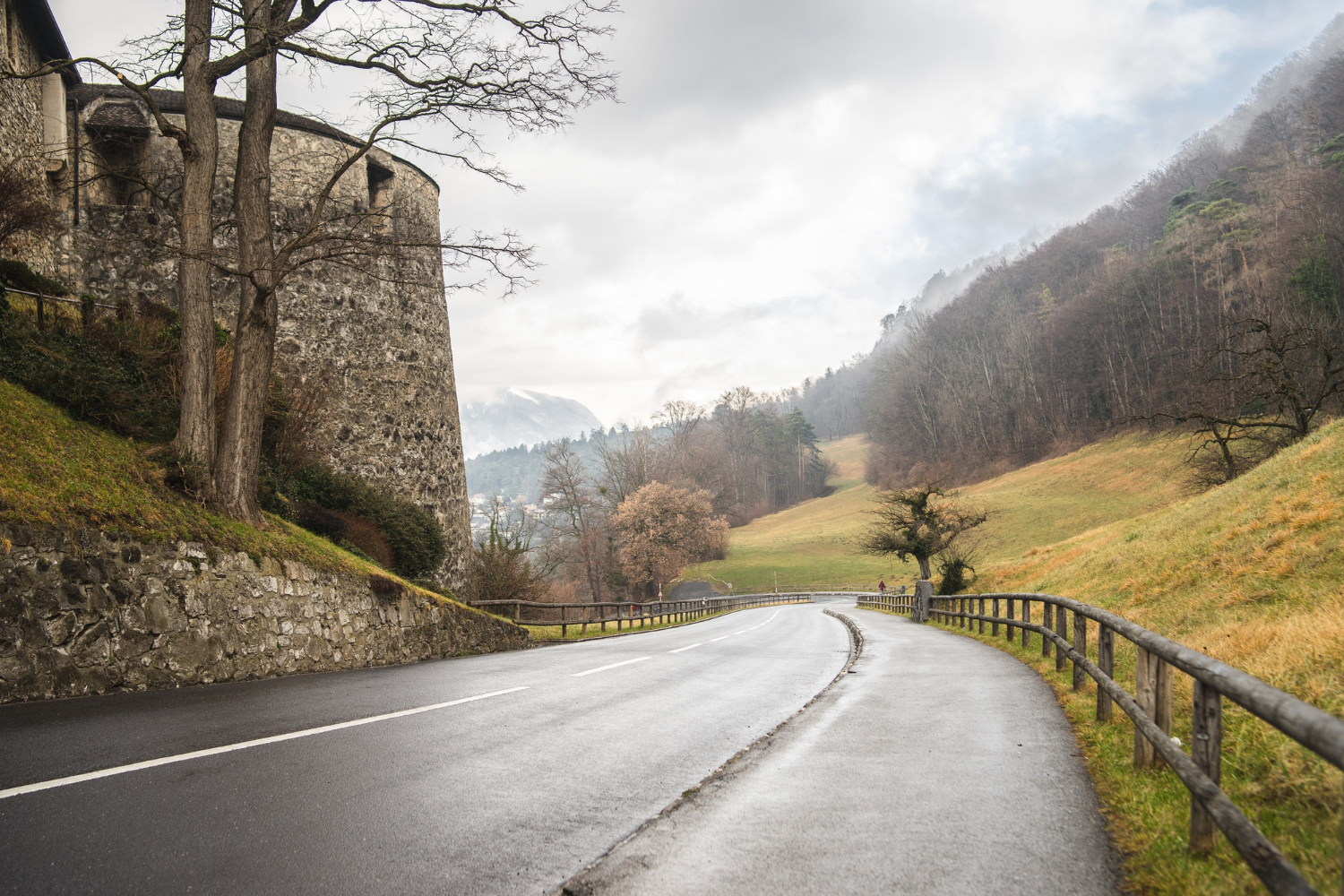
Some crossings are so improved by modern road engineering that they are barely noticeable, marked only by an altitude sign as the car goes over.
A century ago the same point was a serious undertaking. The invisible passes are the crossings that engineering turned into nothing.
The One Place the Wall Is Low
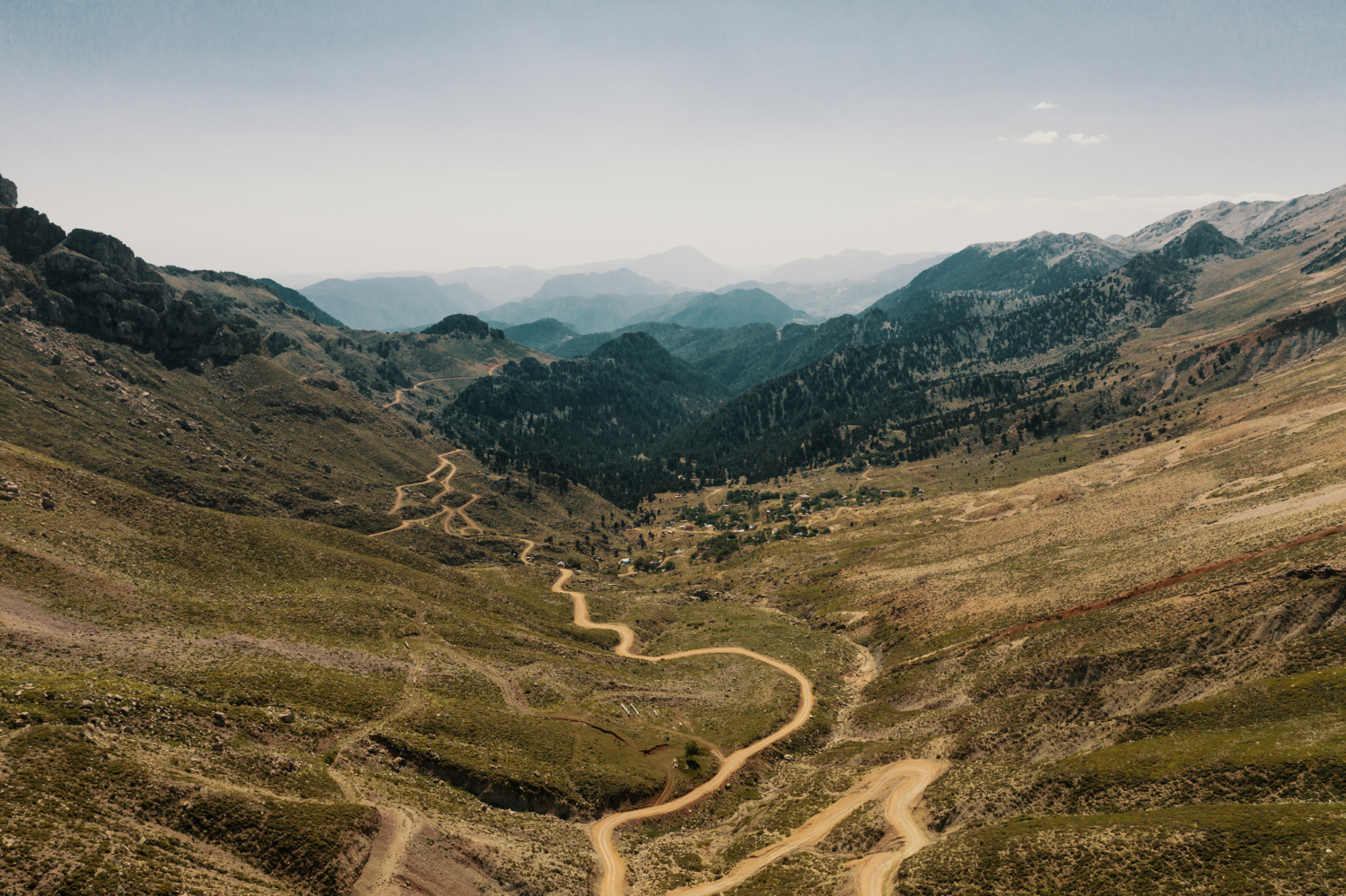
Every pass on this list exists for the same reason – a range had to be crossed and this was the least bad place to do it – and almost every consequence, from where towns grew to where frontiers run, follows from that.
Necessary practical notes: high passes close seasonally and the closures are enforced because conditions above are not what they look like from below; weather changes fast and can arrive within minutes; opening dates vary every year and should be checked rather than assumed; and passes reached on foot are mountain routes requiring proper preparation rather than scenic detours. Check current status before setting out, and take the closure signs seriously.
Like our content? Follow us for more.