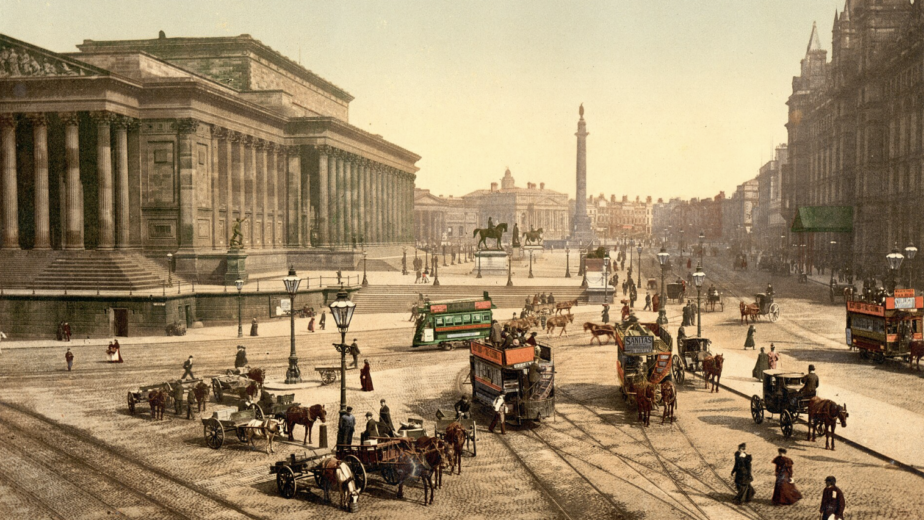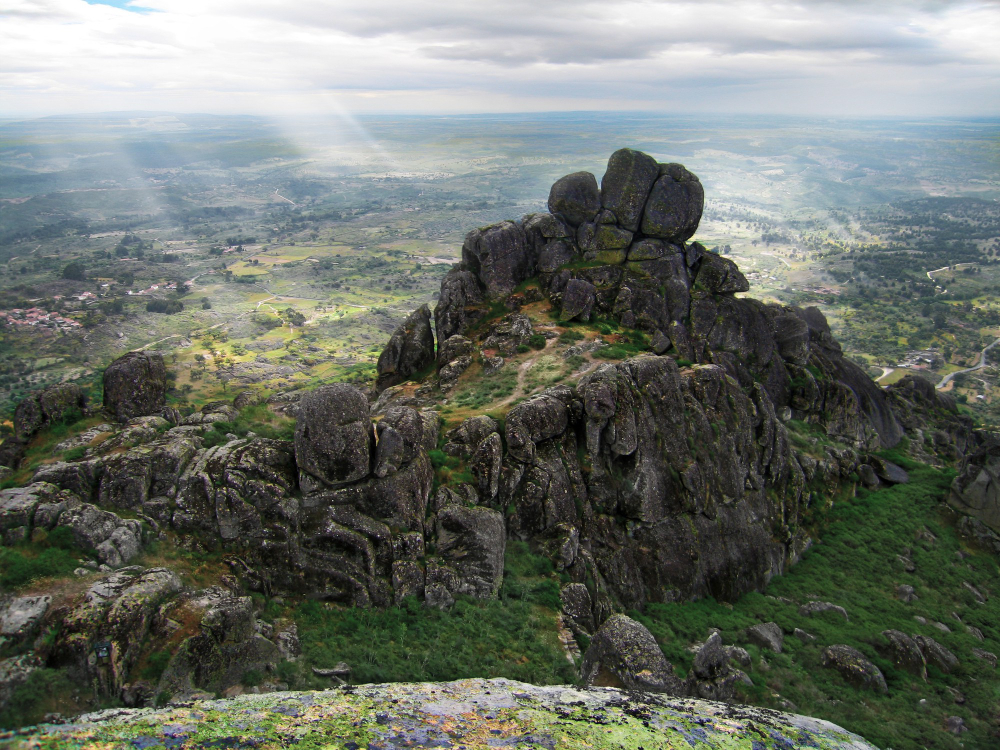
Weathering does not attack rock evenly. It finds cracks, corners and weaknesses, and the shapes left standing are whatever it could not reach. Here are seventeen.
1. The Rock Was Already Cracked
Many hard rocks contain sets of fractures formed as the rock cooled or as the weight above it was removed and it expanded slightly.
The pattern was set long before exposure. Joints are the template for everything that follows.
Like our content? Follow us for more.
2. Water Goes Where the Cracks Are
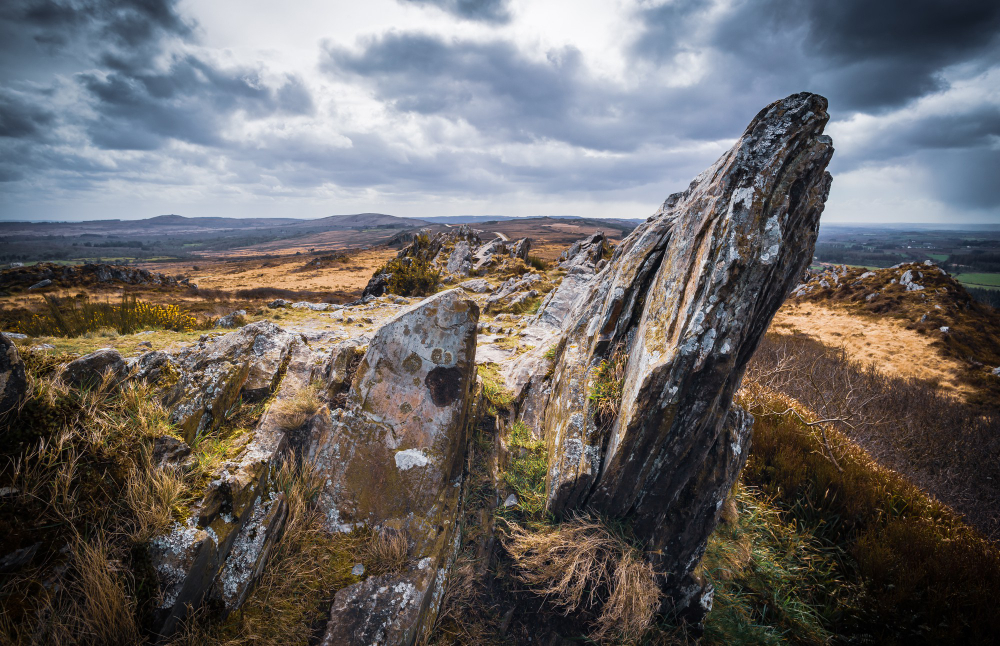
Rainwater penetrates along those fractures far more readily than into solid rock, so weathering concentrates along them.
The cracks become channels. Joint-guided attack is why weathered rock looks blocky.
3. Much of It Happened Underground
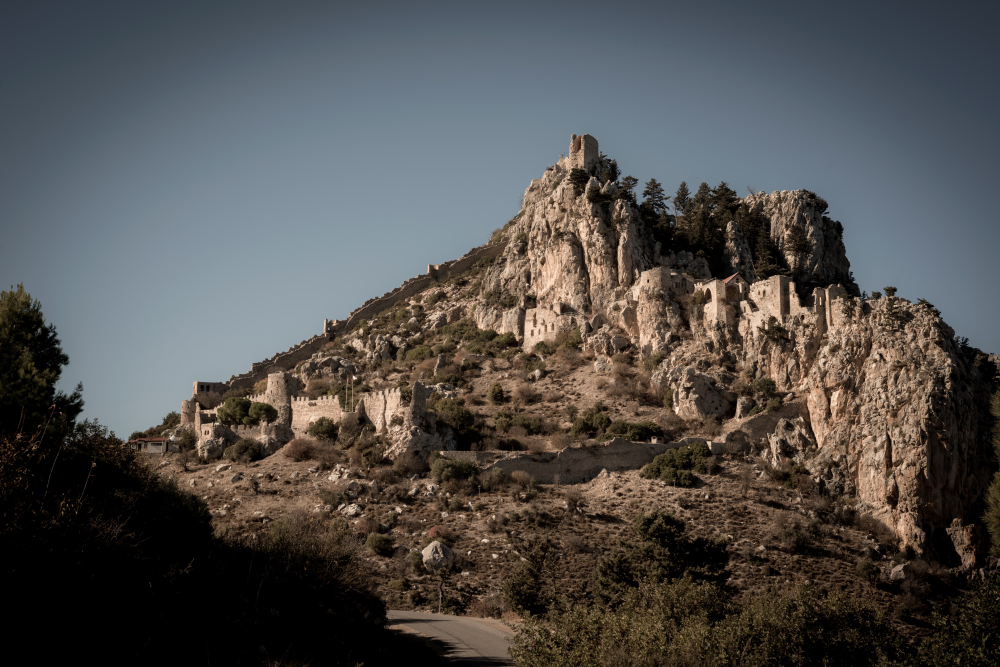
Groundwater chemically rotted rock along closely spaced cracks while it was still buried, leaving blocks where the cracks were widely spaced.
Nothing was visible at the time. Subsurface weathering prepared the shape in the dark.
4. Then the Rot Was Washed Away
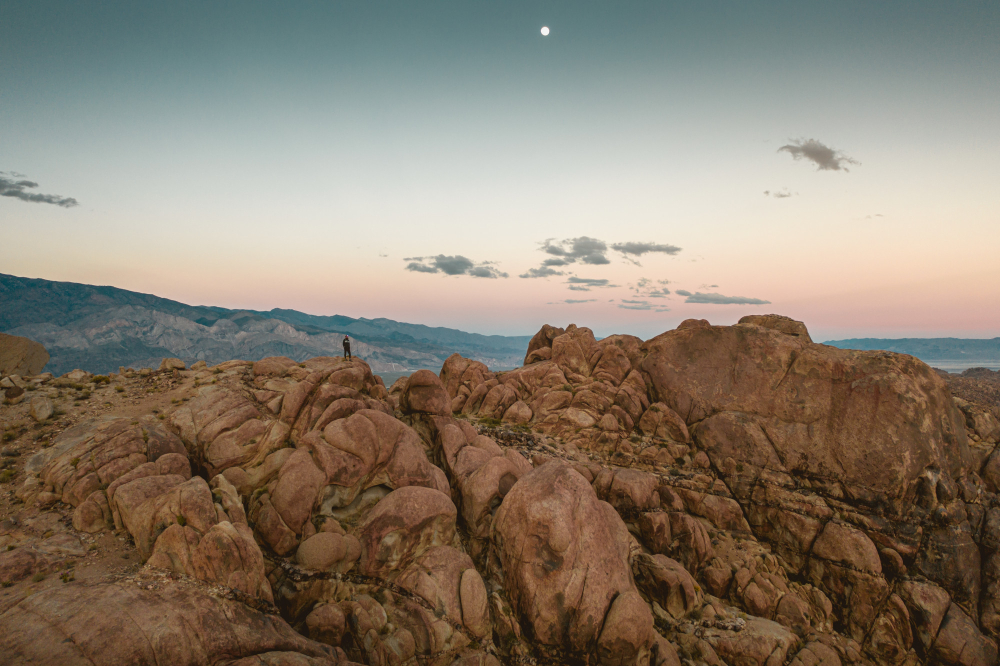
Later erosion removed the soft decayed material and left the sound blocks standing – which is how a hilltop stack of boulders is produced.
It was uncovered rather than built. Exhumation is how a tor appears.
5. Corners Round Off First
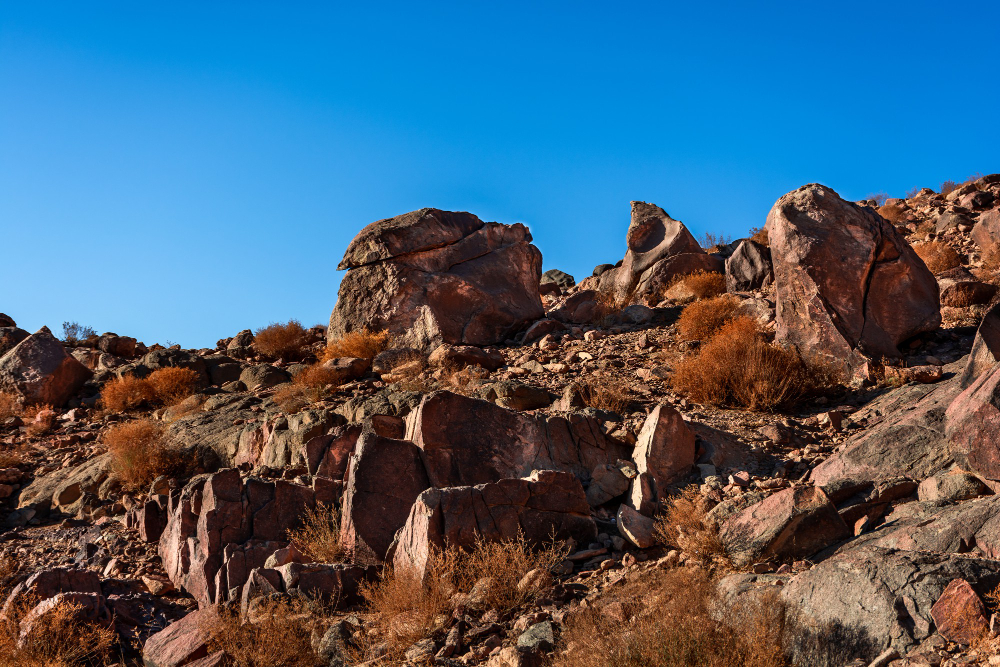
An edge is attacked from two sides and a corner from three, while a flat face is attacked from one – so blocks become rounded over time.
Rounding is arithmetic. Edge exposure is why boulders are smooth-cornered.
6. Surfaces Can Peel Like an Onion
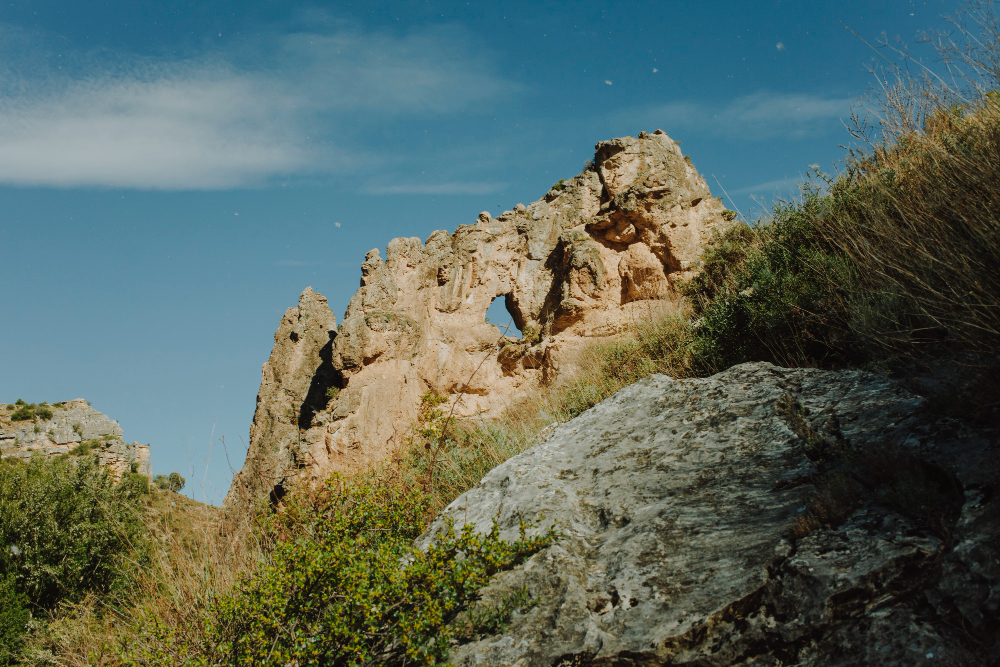
Some rock sheds thin curved layers parallel to its surface, associated with expansion as overlying weight was removed.
It produces smooth domes. Sheeting is rock relaxing outward.
7. Ice Splits It Open
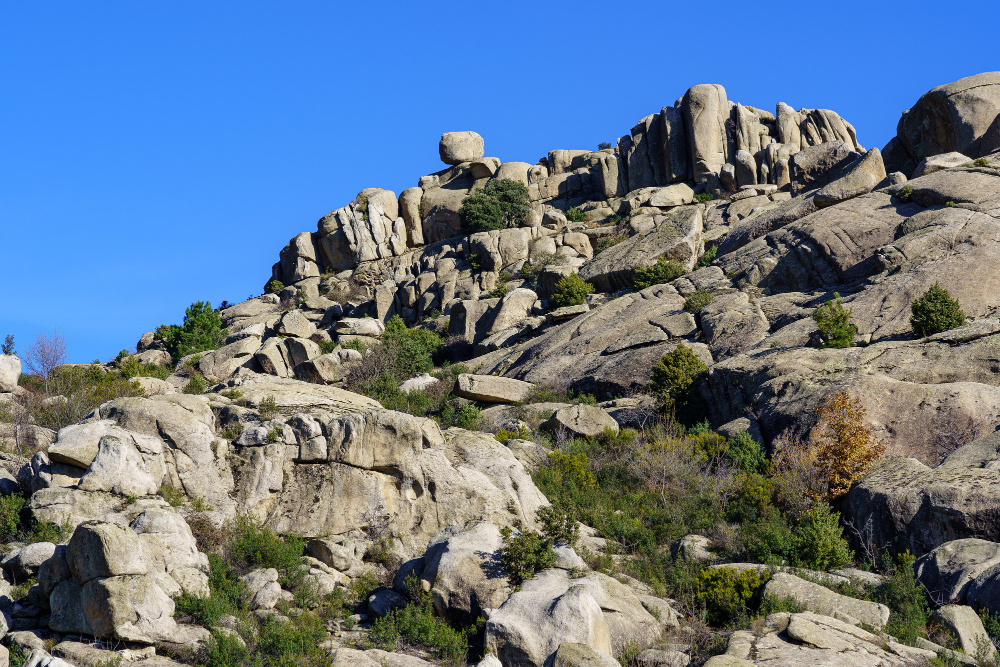
Water in a crack expands as it freezes, which wedges the crack wider each cycle until a piece breaks away.
It is most effective where freezing and thawing alternate often. Frost wedging is the mechanical attack.
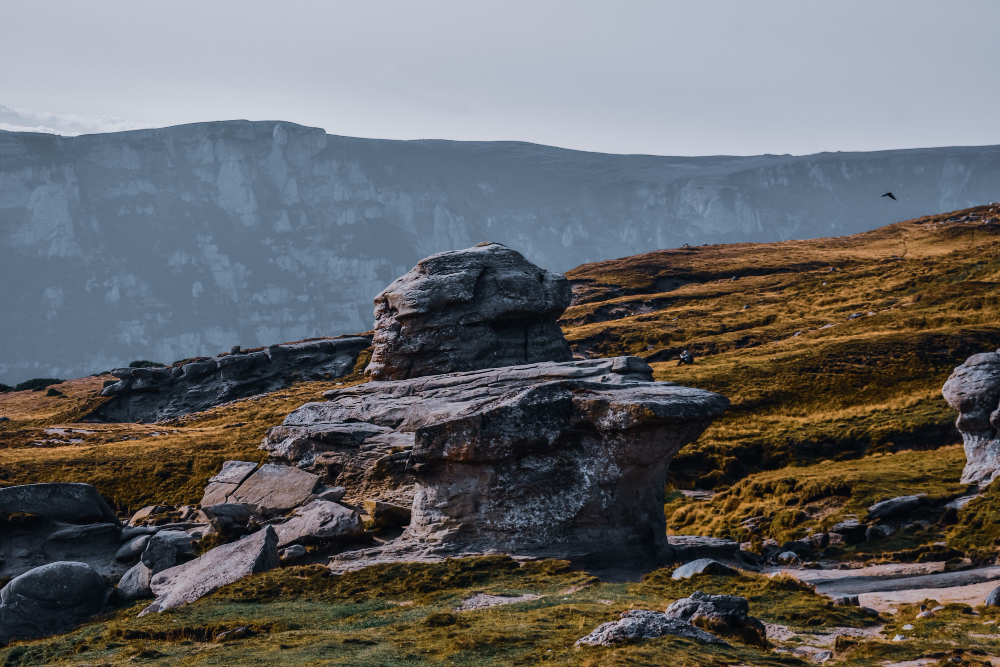
8. Balanced Boulders Were Undercut
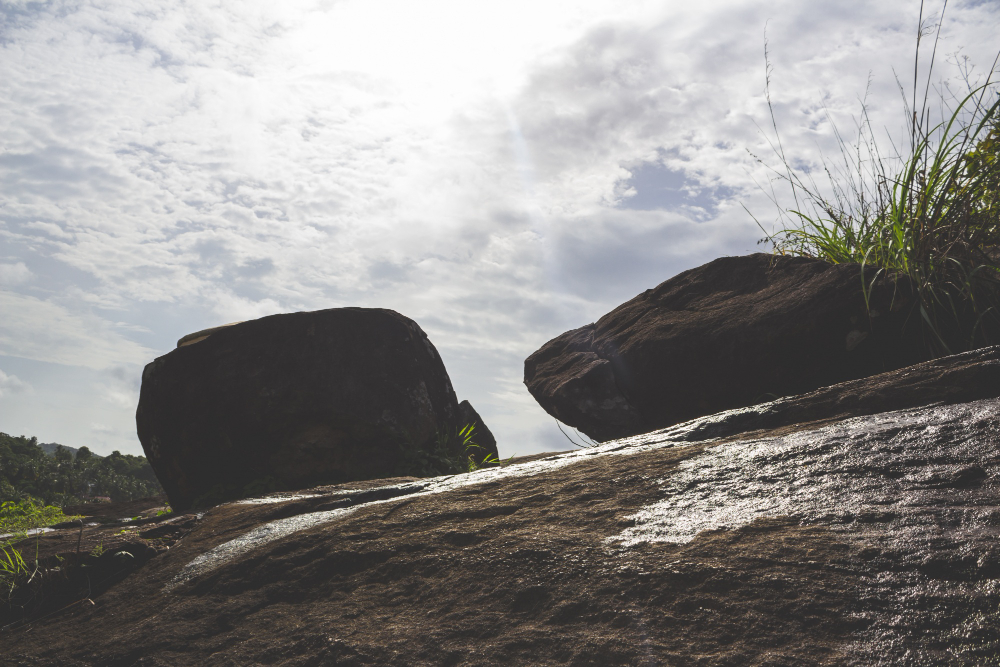
A block resting on a narrow base was usually left that way by weathering attacking its lower part faster than its upper part.
It was not placed and it is not permanent. Undercutting is how improbable balances form.
9. Pits on the Top Surface
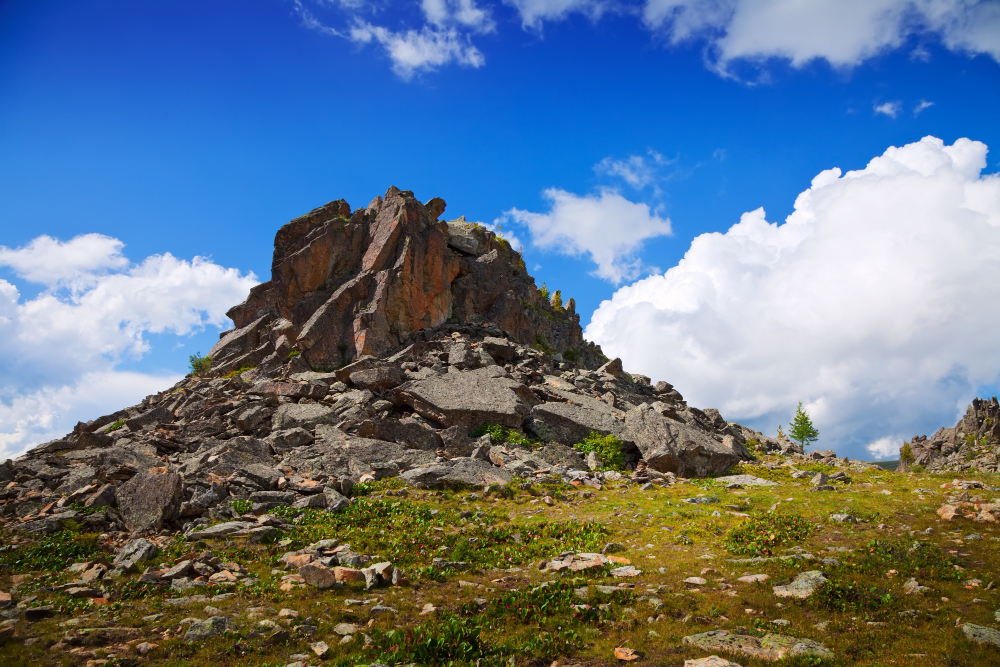
Flat upper surfaces collect rainwater in shallow hollows, which deepen as the standing water weathers the rock beneath it.
They can become deep basins. Weathering pits are the rock collecting its own attacker.
10. Blocks Scattered Down the Slope
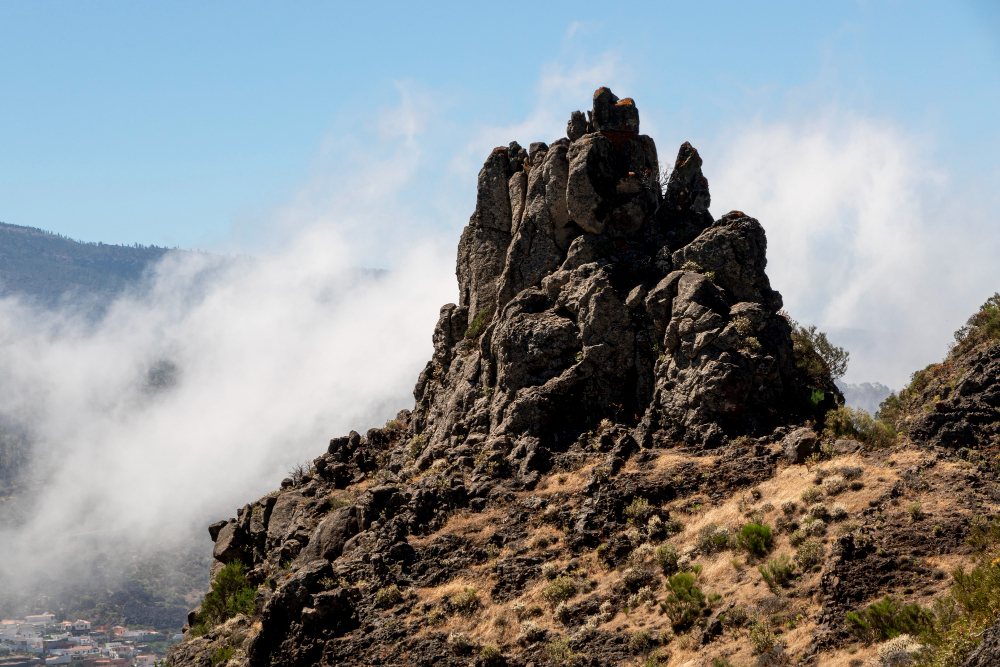
Pieces that fell from the stack moved downhill over time, spreading a field of loose boulders across the slopes below.
The field records the stack that used to be larger. Block fields are the debris of retreat.
11. Soft Layers Leave Pedestals
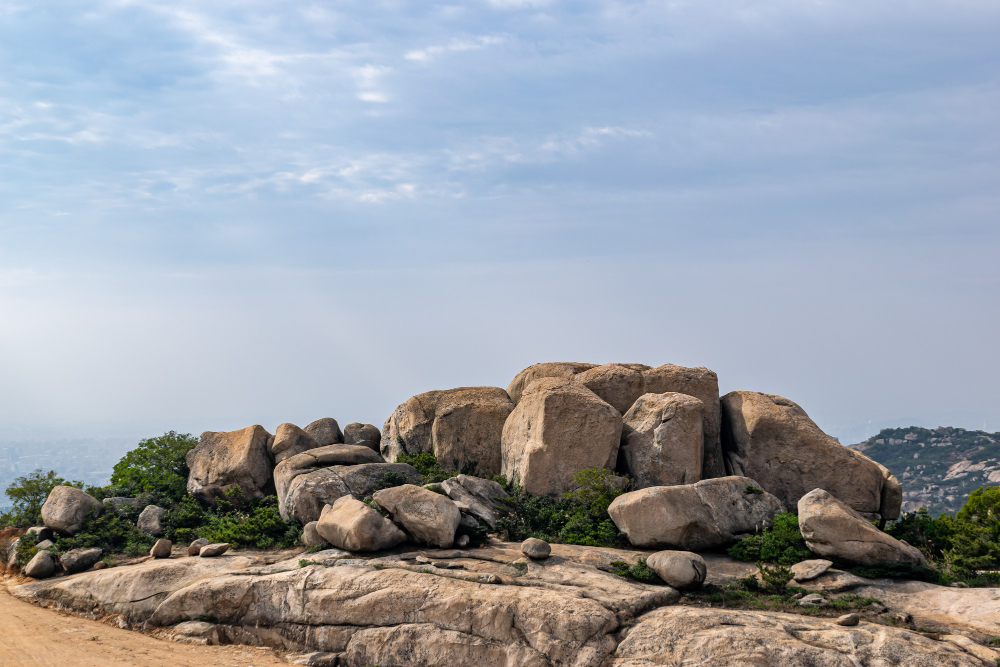
Where hard rock sits on softer rock, the soft layer wears faster, leaving a cap perched on a narrowed stem.
The cap protects what is below it. Differential erosion produces mushroom shapes.
12. Salt Carves Honeycomb
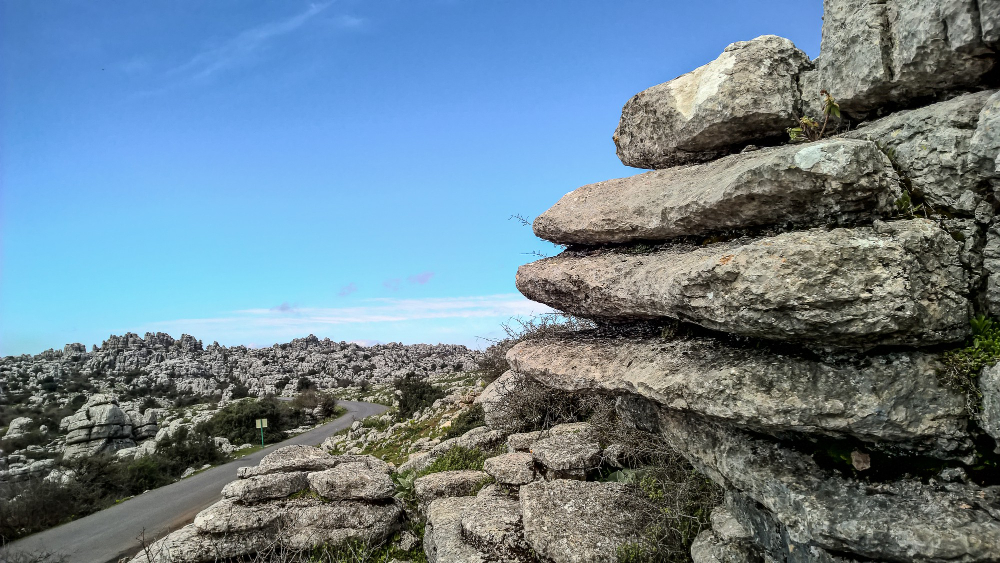
Near coasts and in dry places, salt crystallising in the rock surface pries grains loose and leaves intricate cavities.
The pattern looks designed. Salt weathering is what hollows a surface into cells.
13. Colour Changes on the Outside
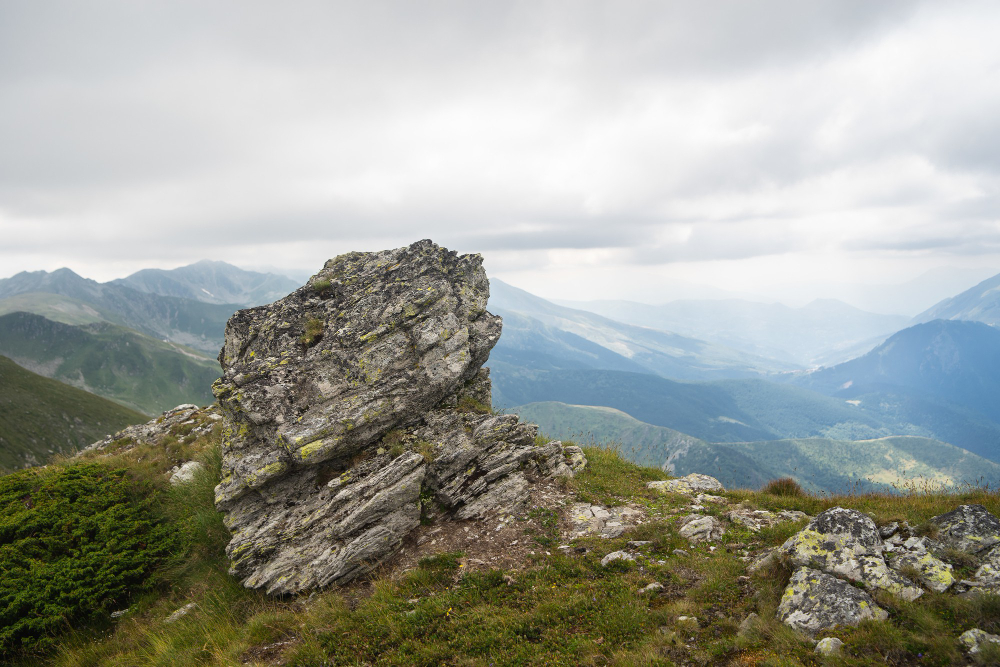
Minerals containing iron oxidise at the surface and stain the rock yellow, orange or brown, while the interior remains its original colour.
A broken face shows the difference. Surface staining is a thin weathered rind.
14. Wind Polishes Rather Than Carves
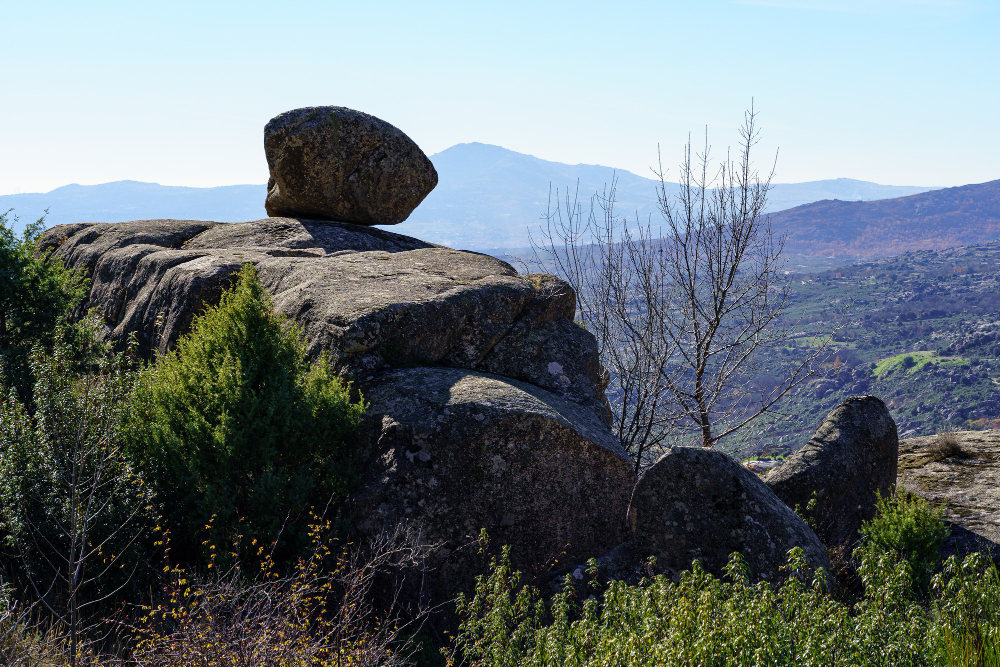
Wind carrying sand abrades low surfaces, polishing and grooving them, though its effect is concentrated close to the ground.
It works near the base. Abrasion is a finishing process rather than a shaping one.
15. Living Things Are Weathering It Too
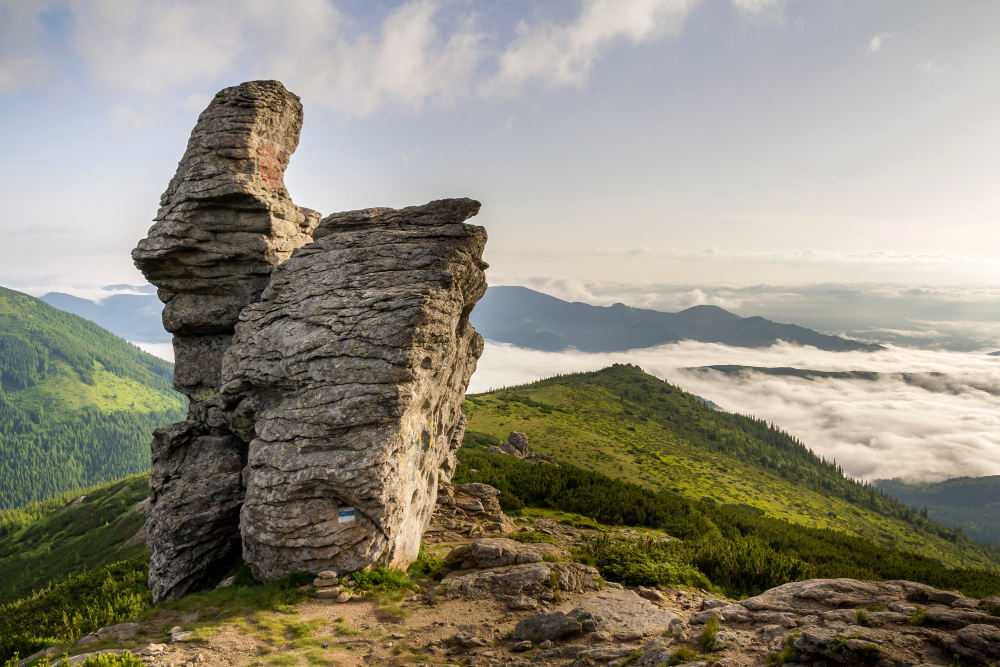
Lichens release acids and roots force their way into cracks, both contributing to slow breakdown of the surface.
The effect is slow and continuous. Biological weathering is the process nobody notices.
16. Hard Ground Stands Up
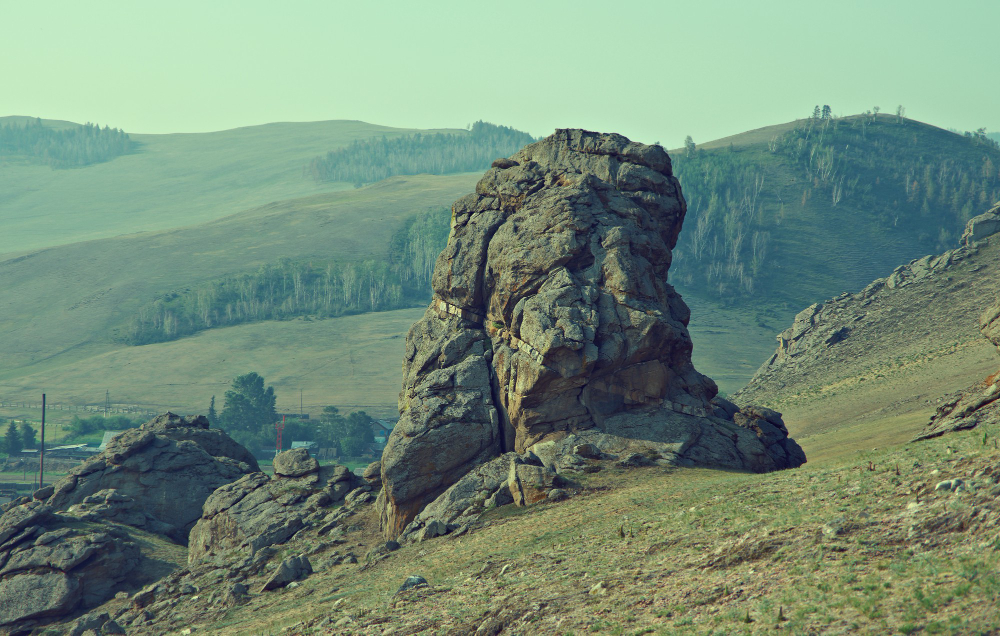
A hill capped with resistant rock survives while softer ground around it is lowered, which is why many high points are made of the hardest material nearby.
Height is often a measure of resistance. Differential erosion shapes whole landscapes.
17. Unusual Rocks Attract Stories
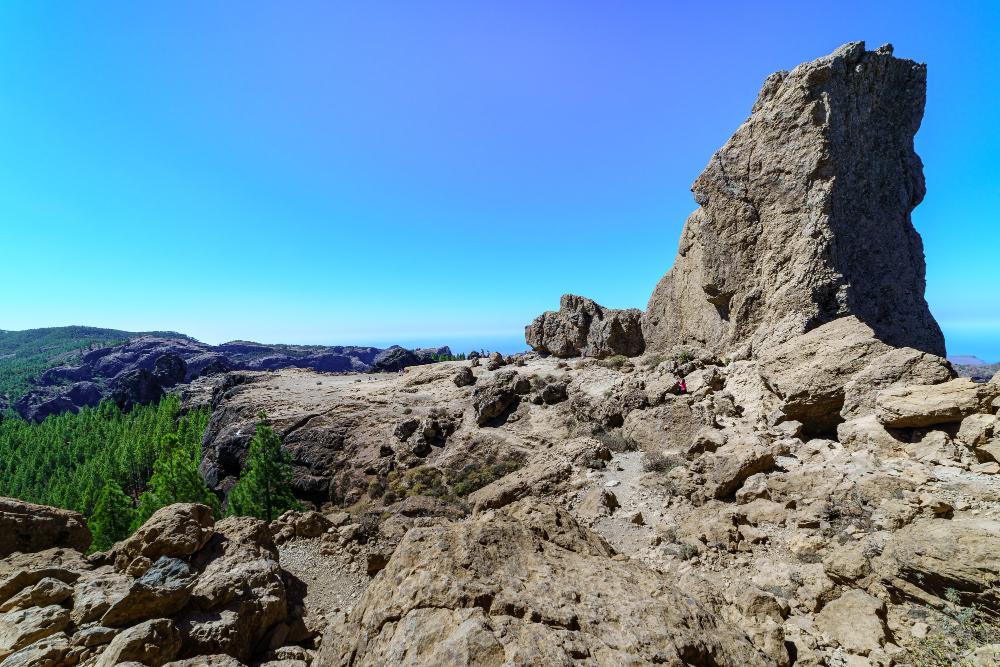
Shapes that look deliberate – balanced stones, faces, arches – have frequently been given names and explanations, long before the process was understood.
The natural account is stranger. Named rocks are weathering that looked intentional.
Whatever the Weather Could Not Reach
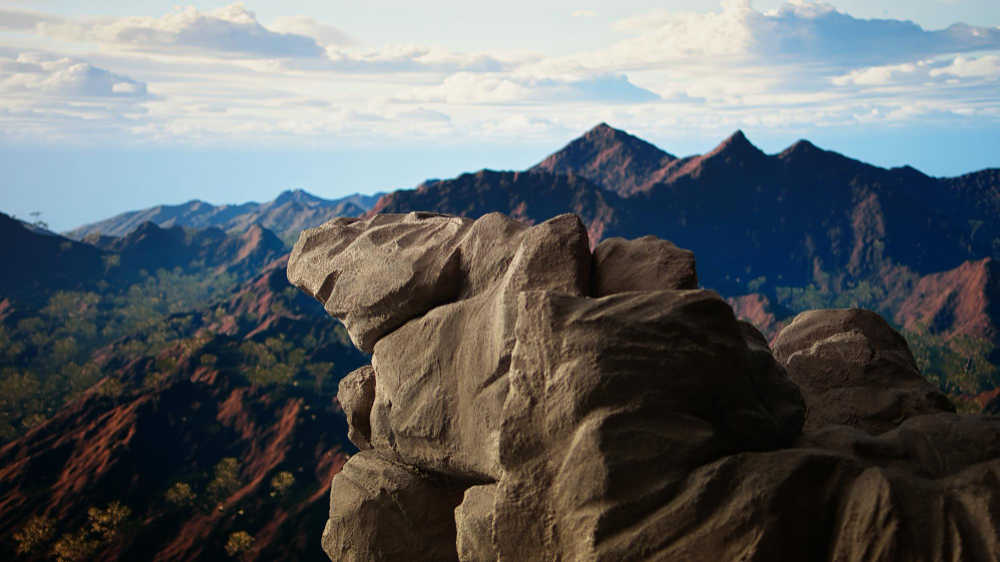
Cracks formed long before exposure, rot underground along the close ones, erosion stripping it away, corners rounding off and balanced stones left where weathering undercut them.
Practical notes: balanced and undercut rocks are held in place by less than they appear and do move, block fields contain deep gaps between boulders that are difficult to see, and weathered rock surfaces crumble under hands and feet in a way solid rock does not. Rock that looks solid from a path is frequently the loosest thing on the hill.
Like our content? Follow us for more.