The useful way to read these is as solutions rather than as homes. Each one is addressing a specific physical problem, and the structure follows from the problem rather than from any preference. Here are seventeen.
1. Beaver Dams and Lodges
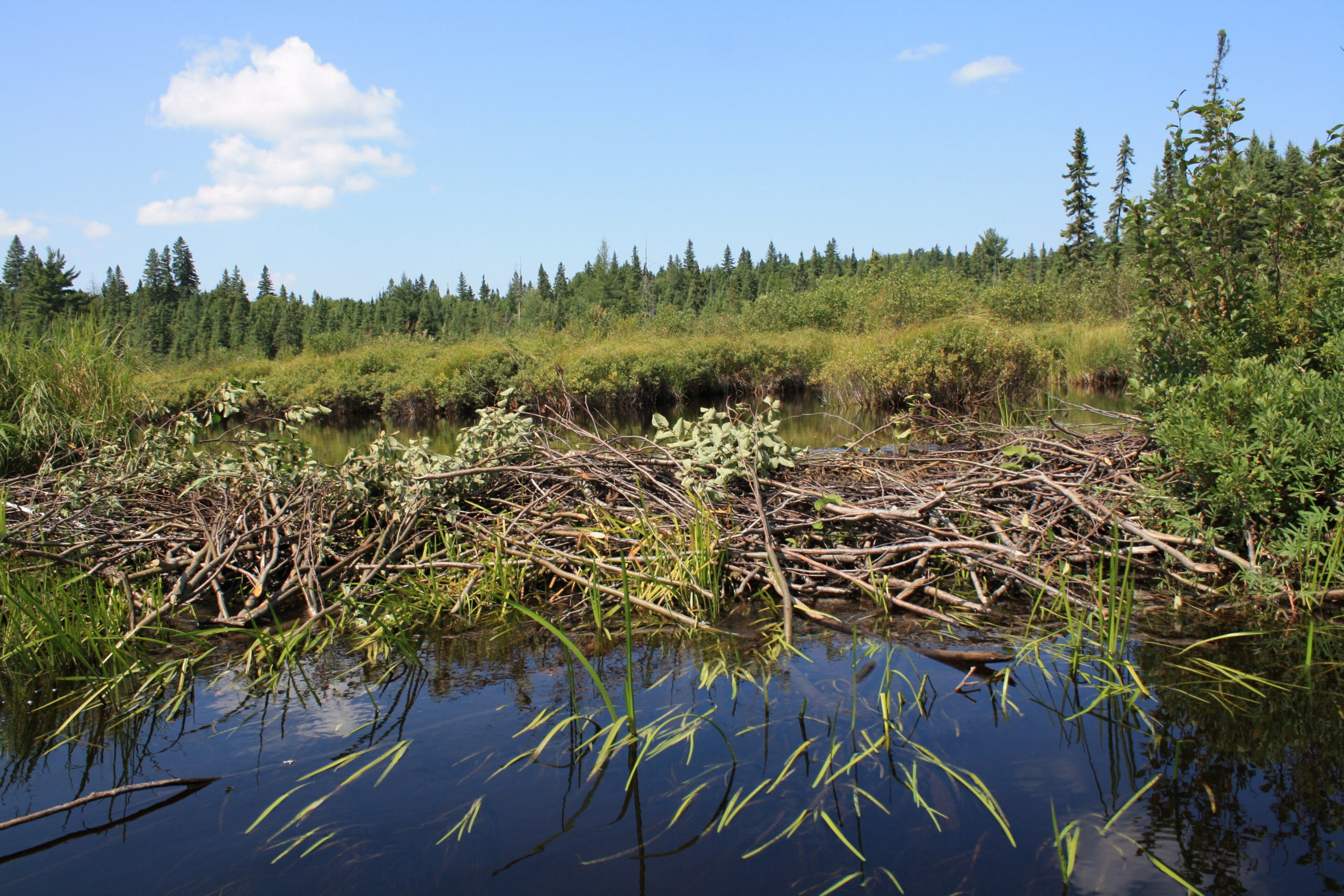
The dam is not the home. It raises the water level to create a pond, and the lodge is then built with entrances below the waterline and living space above it.
That means the animal can come and go without ever appearing on land where it is vulnerable. The beaver dam is the structure built to alter a landscape so a second structure will work.
Like our content? Follow us for more.
2. Termite Mounds
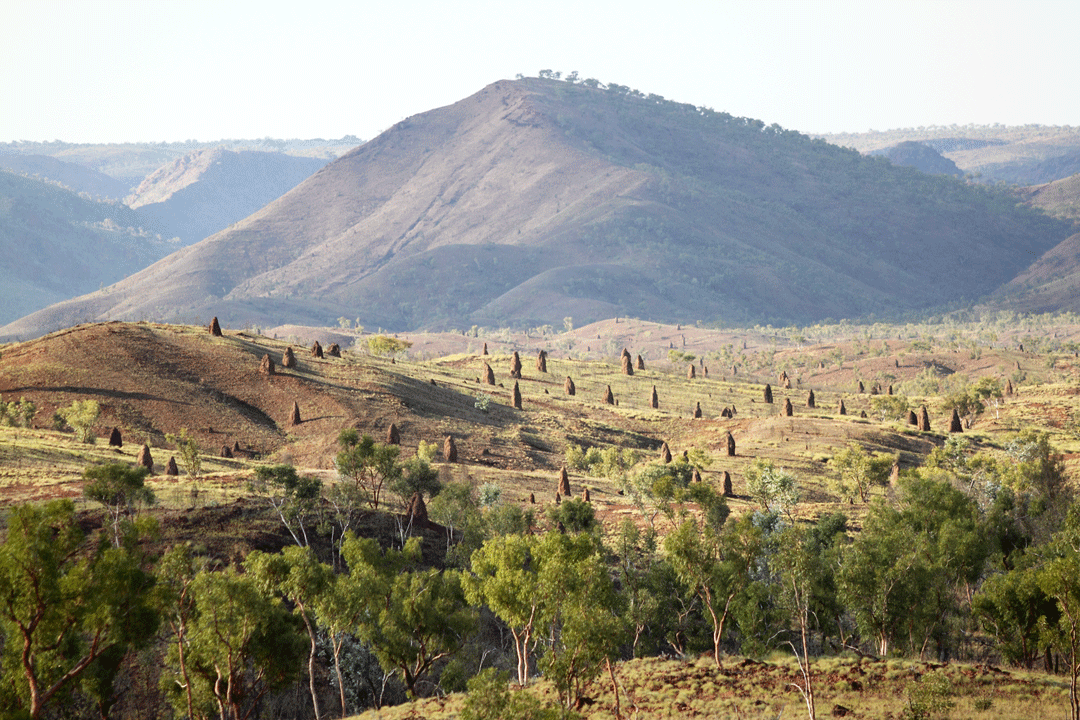
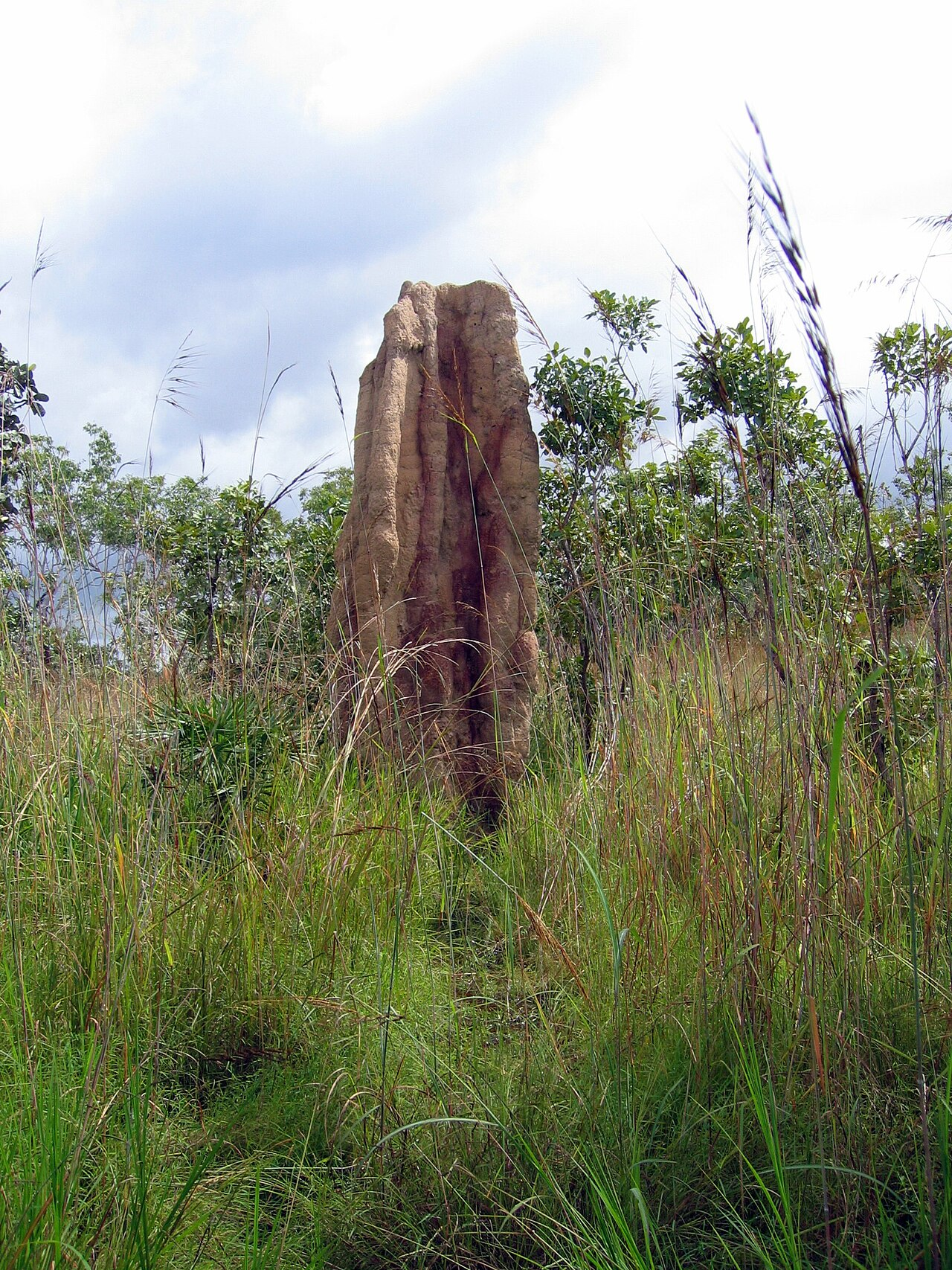
The mound above ground is largely not living space. It is a ventilation structure, driving air circulation through the colony below using the daily cycle of heating and cooling on its outer surfaces.
The nest itself sits underneath. The termite mound is the animal structure that works as an air conditioning system with no moving parts.
3. Weaver Bird Colonial Nests
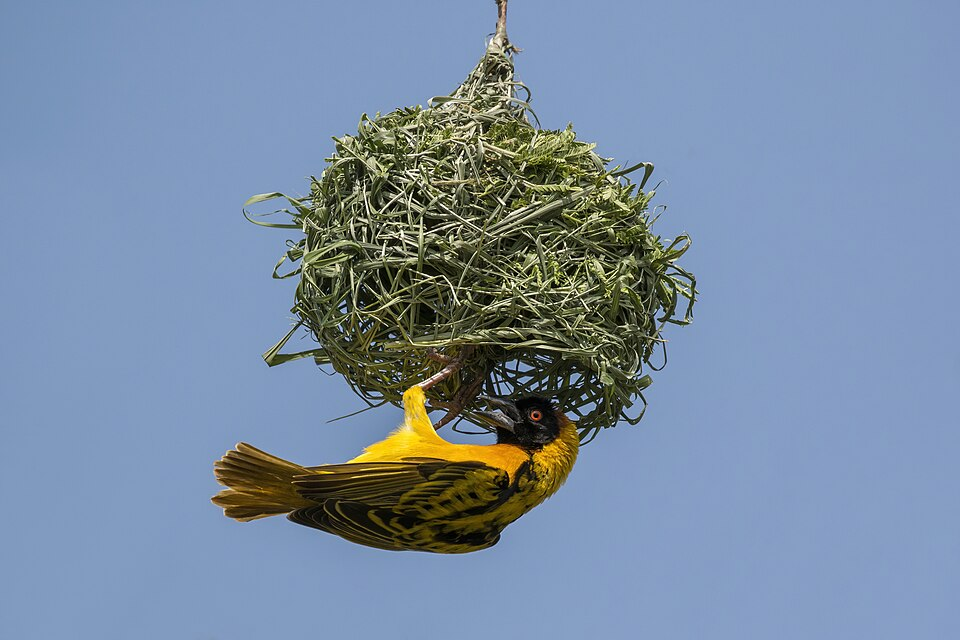
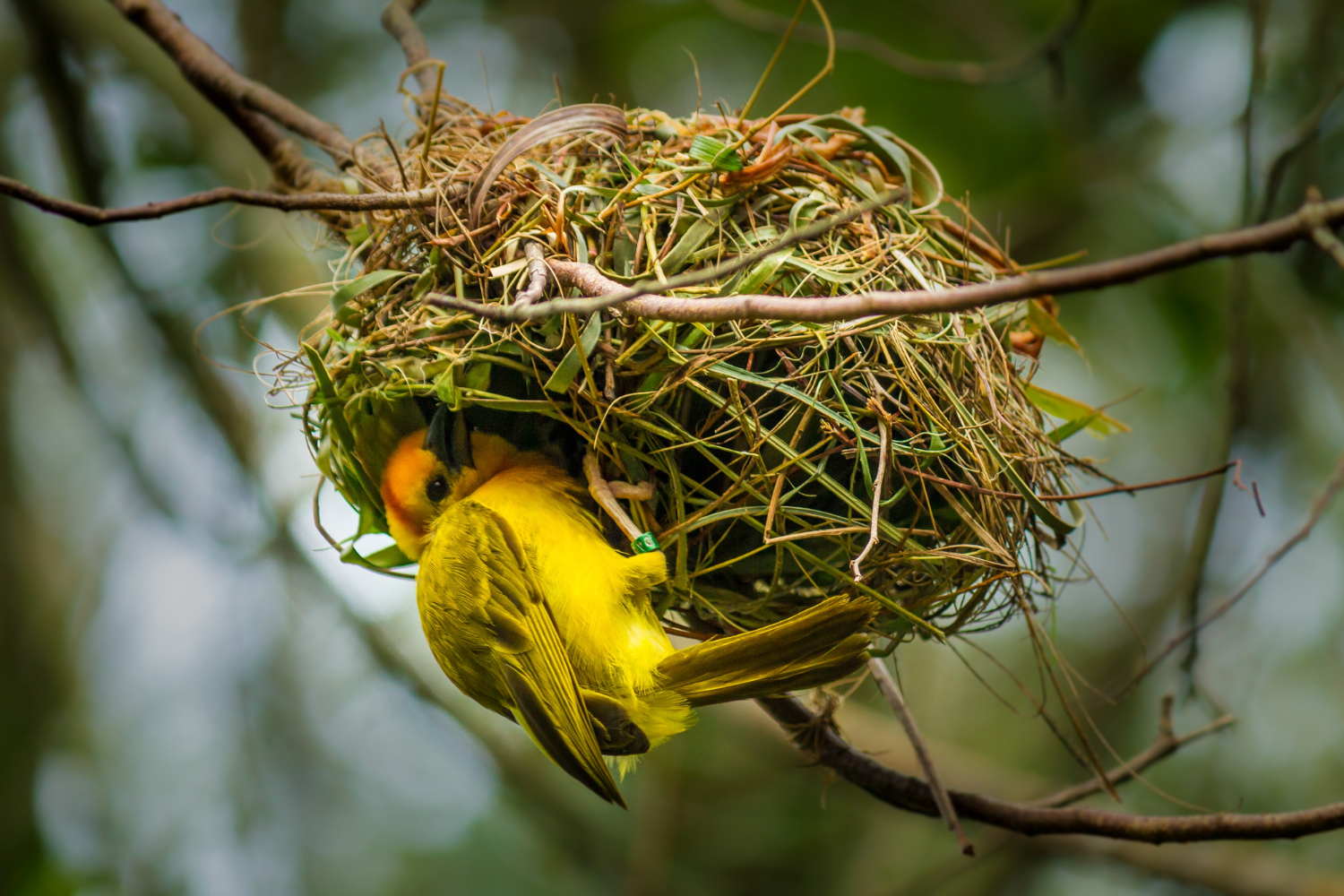
Some weavers build enormous communal structures used by many pairs, with separate chambers inside a single mass of woven material.
The interior stays substantially cooler than the outside air by day and warmer by night. The communal weaver nest is the animal structure that houses a whole colony with individual rooms.
4. Bowerbird Bowers
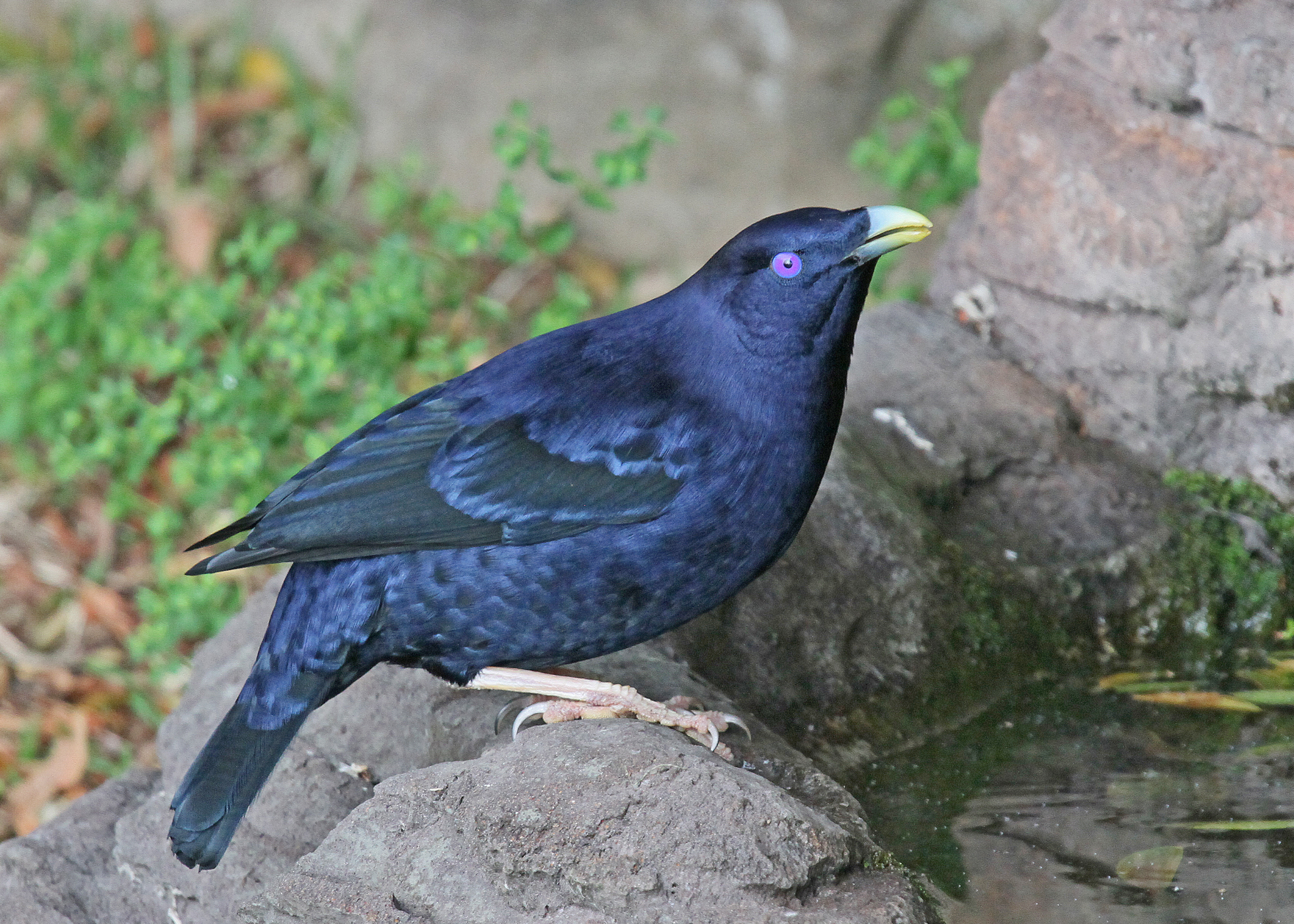
A bower is not a nest and nothing is raised in it. It is built purely for display, decorated with collected objects sorted by colour, and abandoned once it has served its purpose.
Some species arrange objects by size to alter how they appear from the viewing position. The bower is the animal structure built entirely to be looked at.
5. Paper Wasp Nests
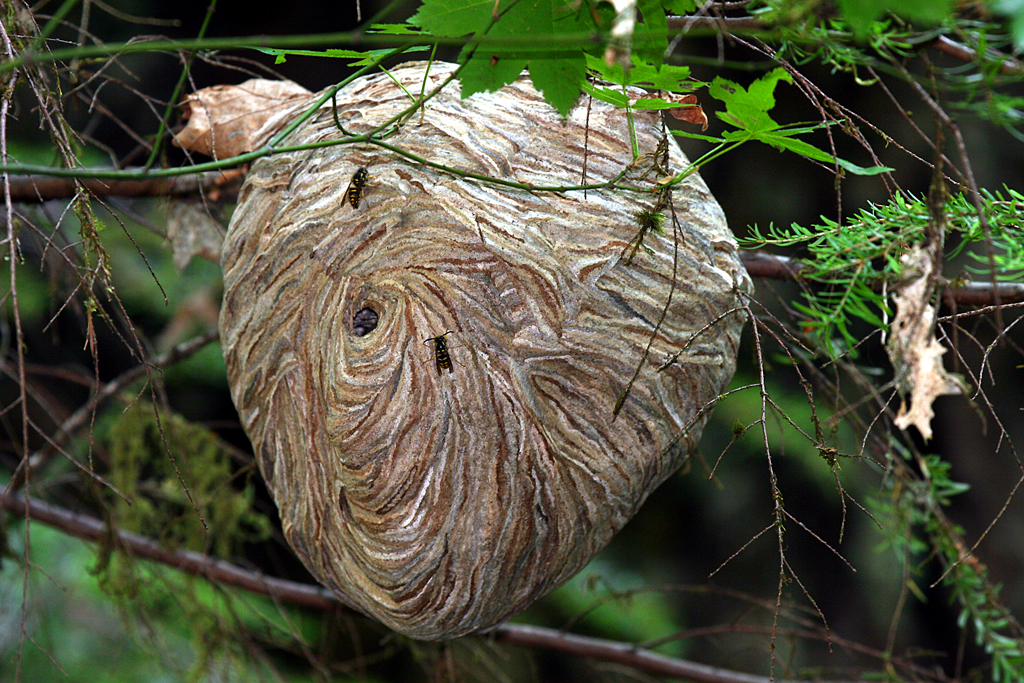
Wasps chew wood fibre and mix it with saliva to produce a real paper, which is then formed into hexagonal cells and an outer envelope.
The material is manufactured rather than gathered. The wasp nest is the animal structure whose builder makes its own building material.
6. Caddisfly Larval Cases
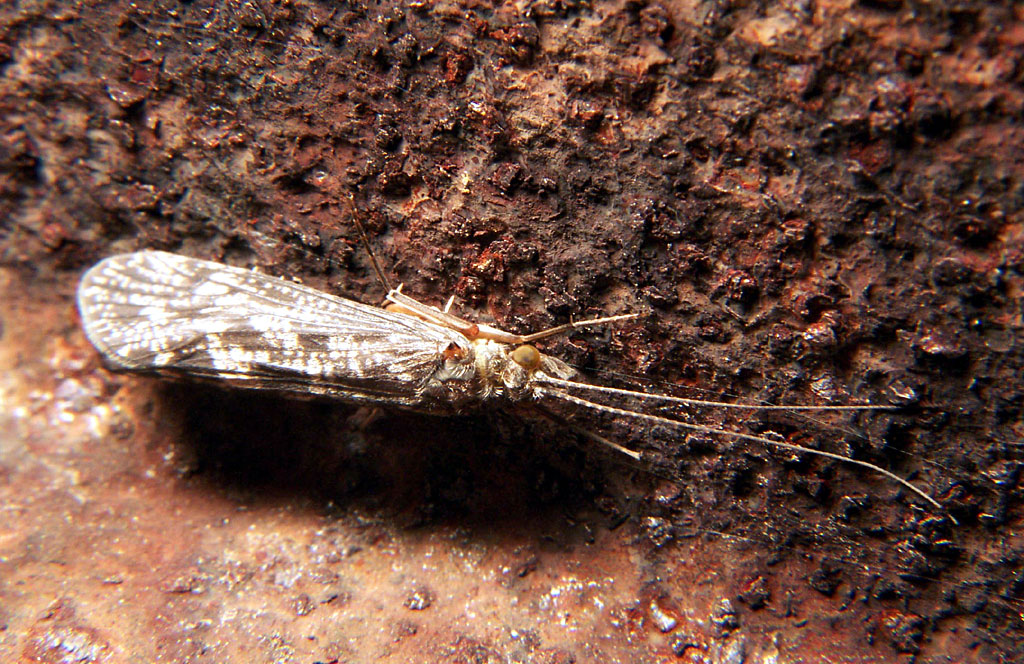
Aquatic larvae construct portable tubes around themselves from sand grains, small stones or plant fragments, bound together with silk.
The choice of material varies by species and by what is available. The caddisfly case is the animal structure that is worn rather than lived in.
7. Trapdoor Spider Burrows
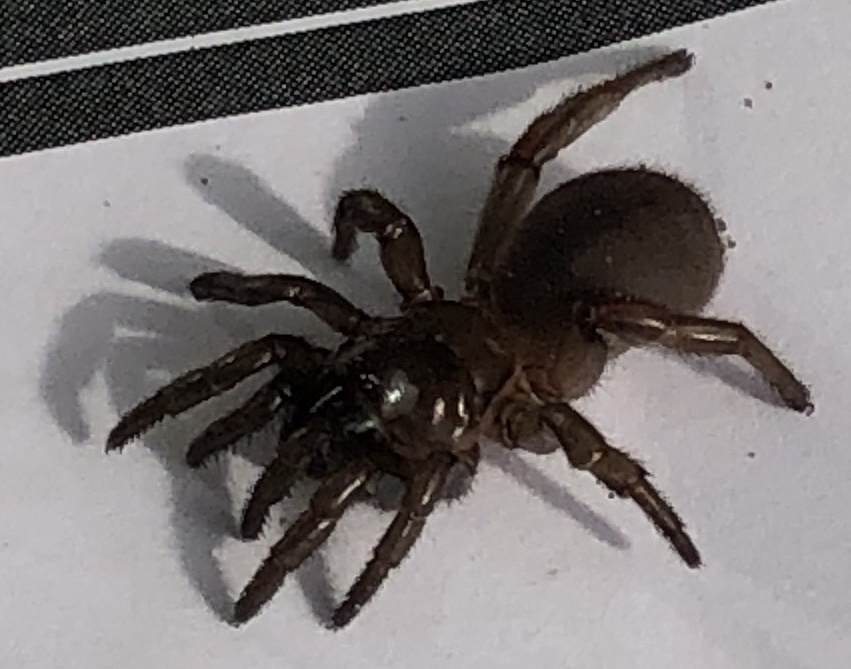
A silk-lined burrow closed by a hinged lid, sometimes with silk lines radiating outward that transmit vibration from anything passing.
The lid fits well enough to be effectively invisible from above. The trapdoor burrow is the animal structure with a working door and an alarm system.
8. Orb Webs
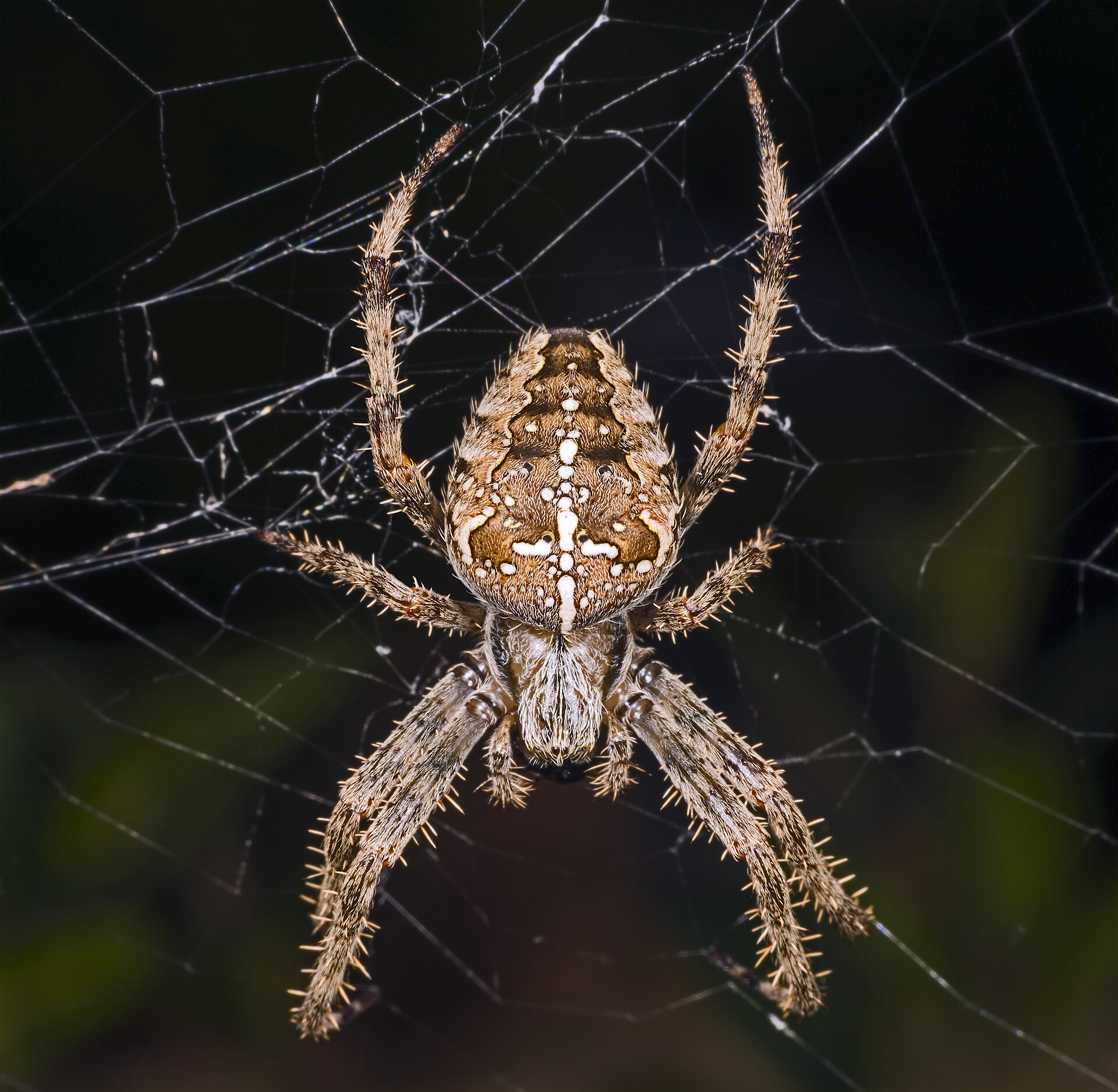
A tension structure using two different silks – a stiffer one for the radial spokes and a stretchy adhesive one for the spiral – because the two elements have different jobs.
Building one takes under an hour and many are rebuilt daily. The orb web is the animal structure engineered from two materials with different properties.
9. Mound-Building Bird Nests
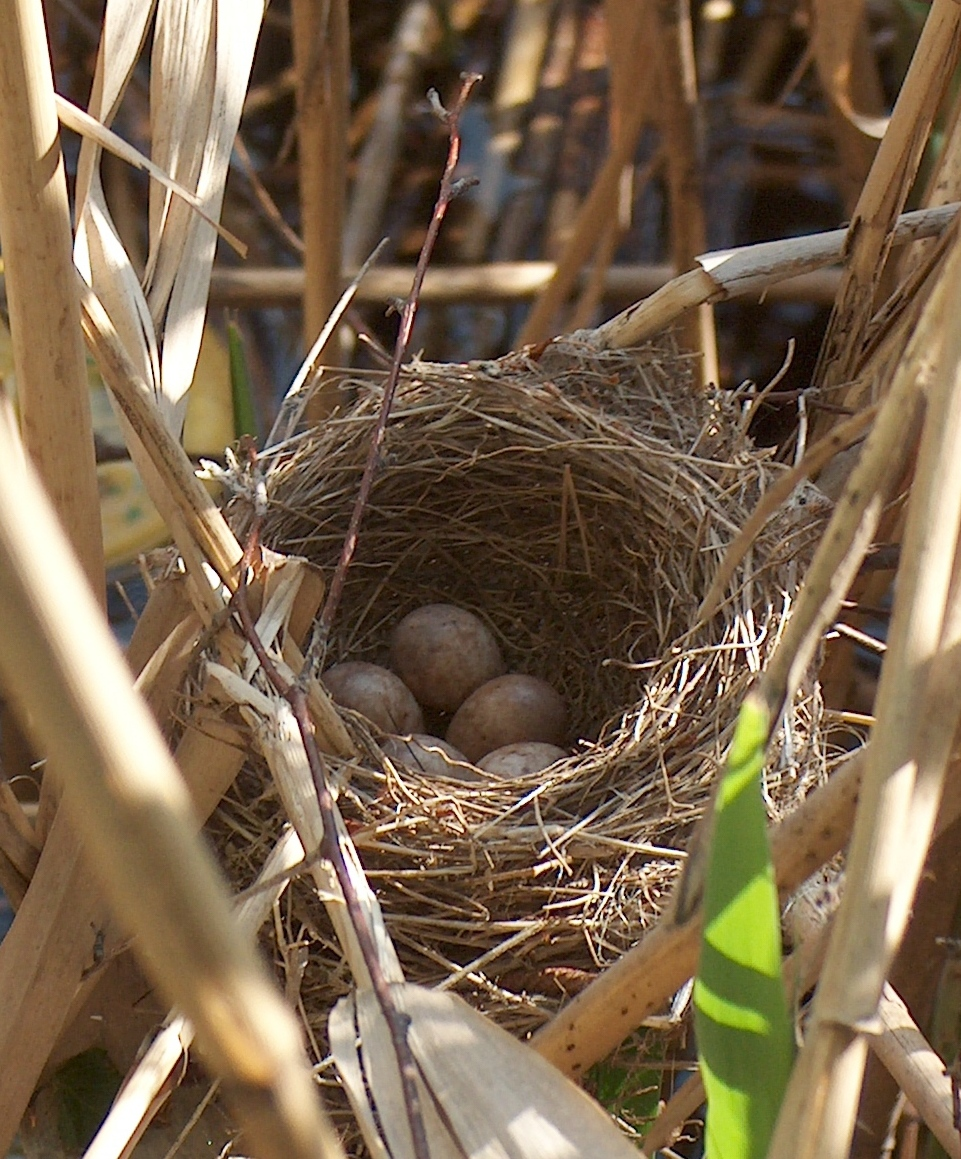
Some birds bury their eggs in a mound of vegetation and use the heat of its decomposition rather than body warmth, adding or removing material to hold the temperature steady.
The bird checks the mound repeatedly and adjusts it. The incubation mound is the animal structure that is a thermostat operated by hand.
10. Prairie Dog Burrow Systems
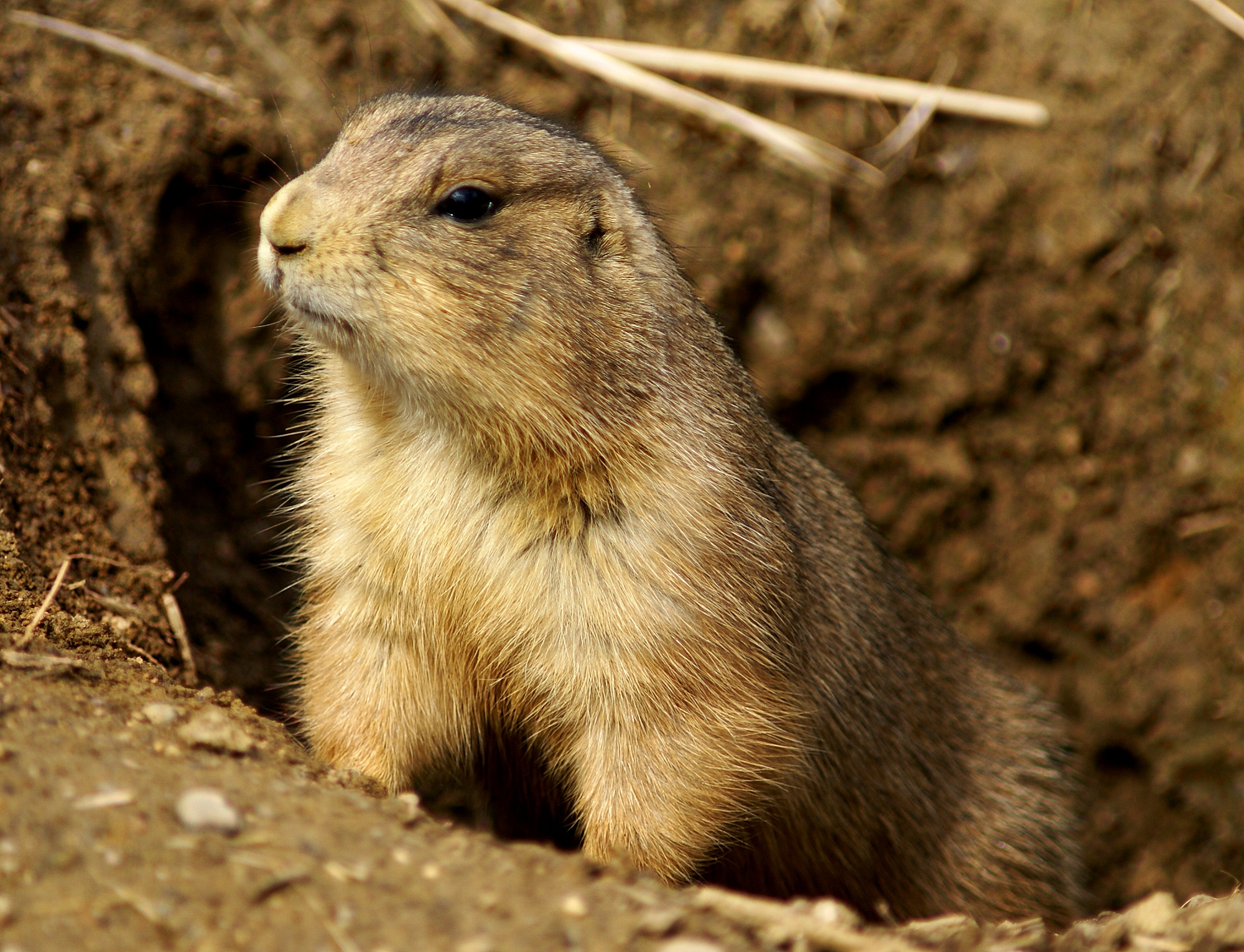
Extensive tunnel networks with multiple entrances built at different heights, which produces a pressure difference and drives air through the system.
The airflow is a consequence of the entrance design rather than of any digging effort. The prairie dog burrow is the animal structure ventilated by its own doorways.
11. Leafcutter Ant Fungus Gardens
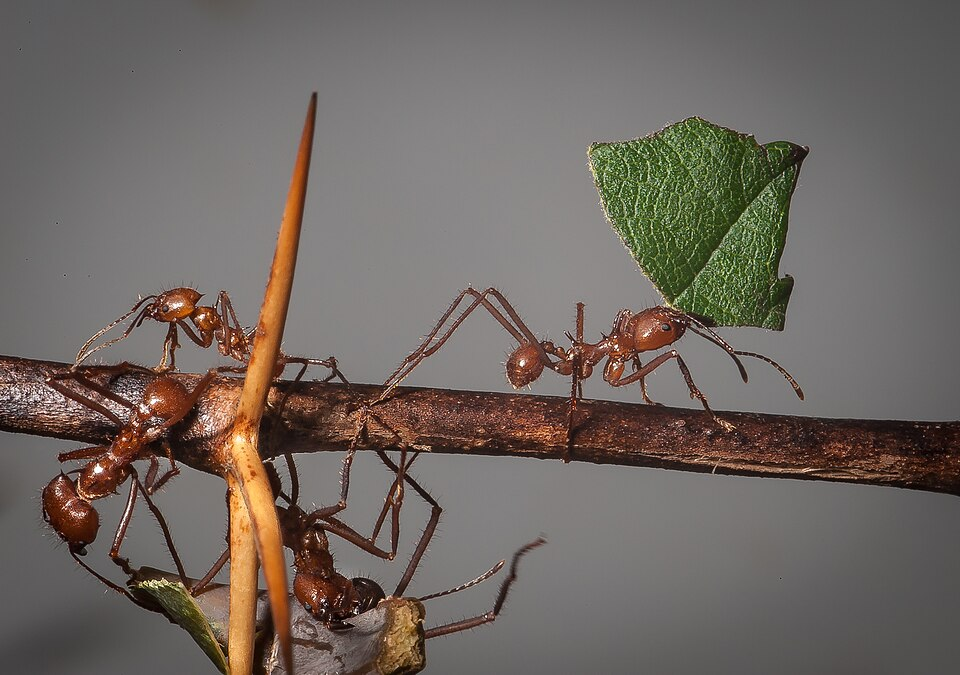
The colony cuts vegetation not to eat but to feed a fungus it cultivates, in chambers where humidity and temperature are maintained within a narrow range.
Waste is removed to separate chambers to keep the crop clean. The fungus garden is the animal structure built to support agriculture.
12. Potter Wasp Cells
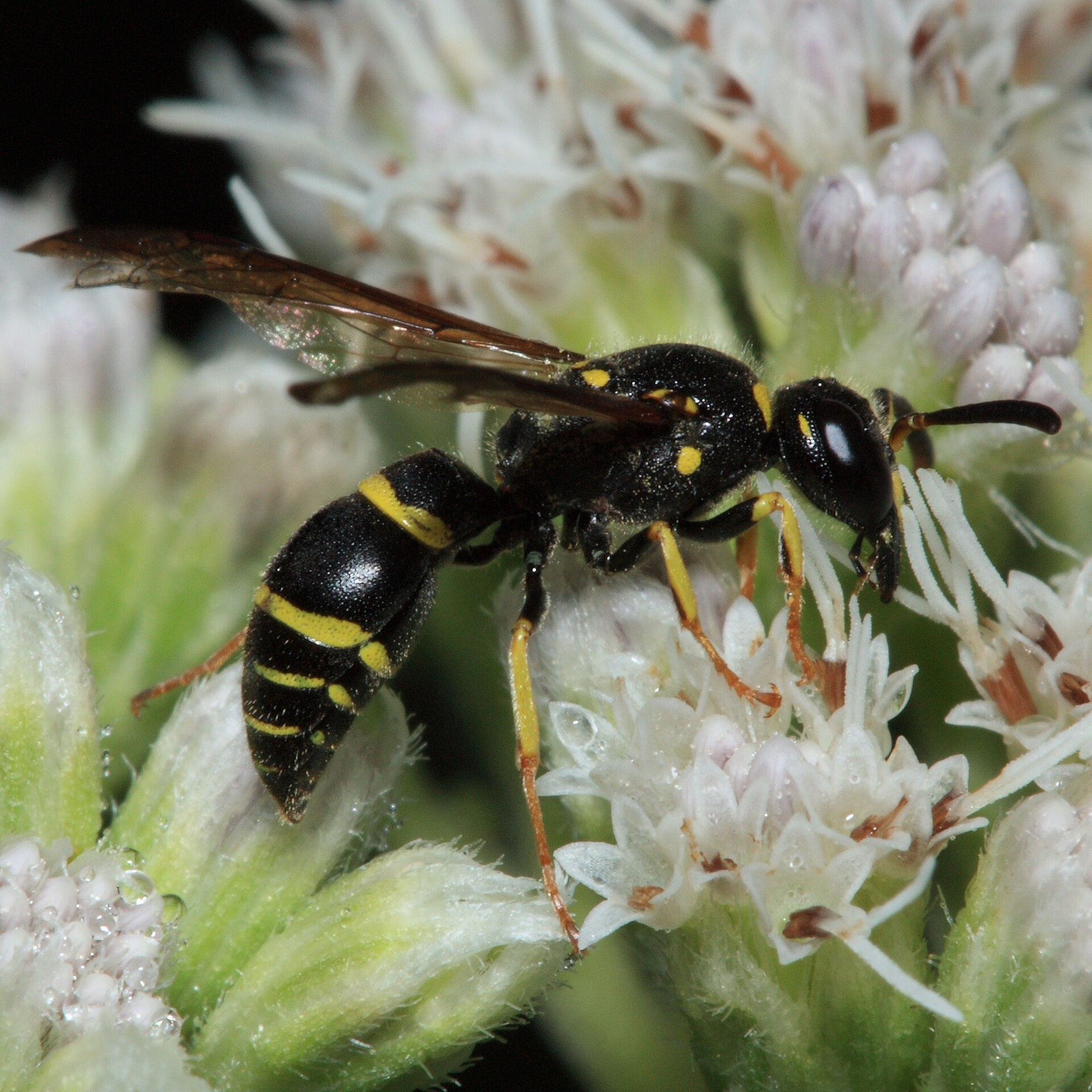
Small mud vessels built one at a time, provisioned and then sealed, each one a self-contained chamber shaped from collected and worked material.
The form is consistent enough to be recognisable by species. The potter wasp cell is the animal structure built to be sealed and left.
14. Harvest Mouse Nests
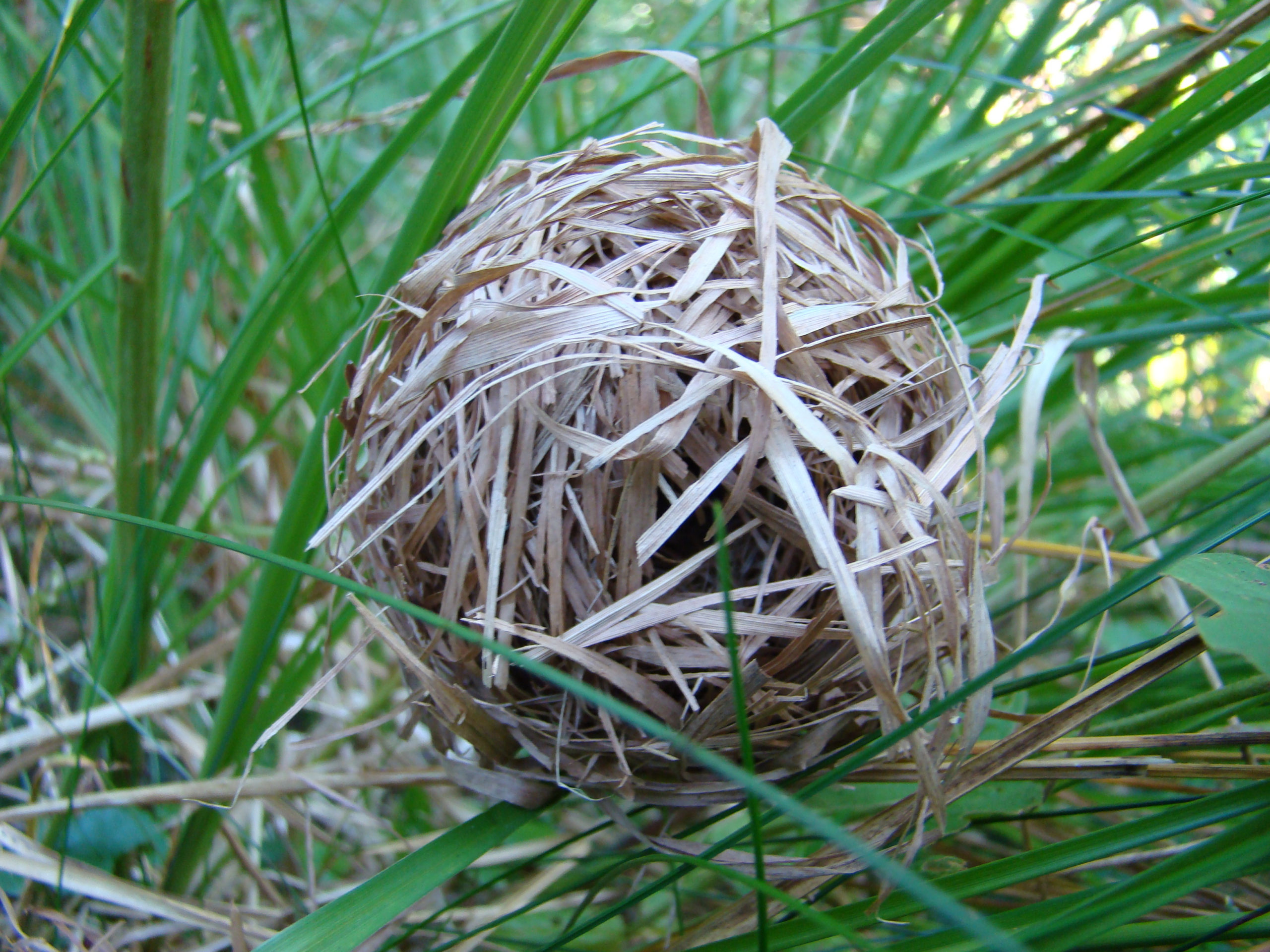
Spherical woven nests built above ground among stems, using the living plants as anchors and constructed from split grass leaves.
The nest moves with the vegetation rather than resisting it. The harvest mouse nest is the animal structure that is tied into a growing plant.
15. Pufferfish Seabed Circles
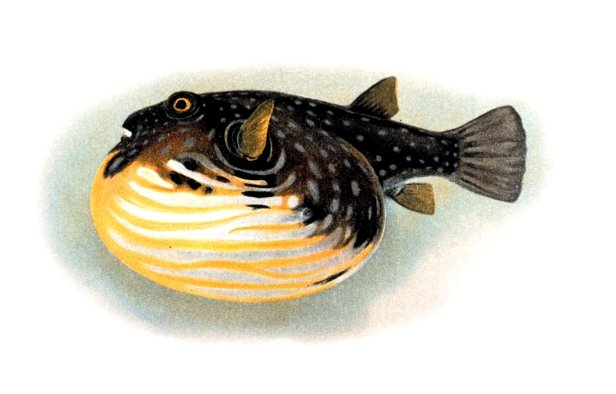
Certain fish construct large geometric patterns on the seabed by moving sand with their fins, over days, purely as a display structure.
The pattern is intricate and is abandoned afterwards. The seabed circle is the animal structure that exists only to be seen from above.
16. Coral Reef Frameworks
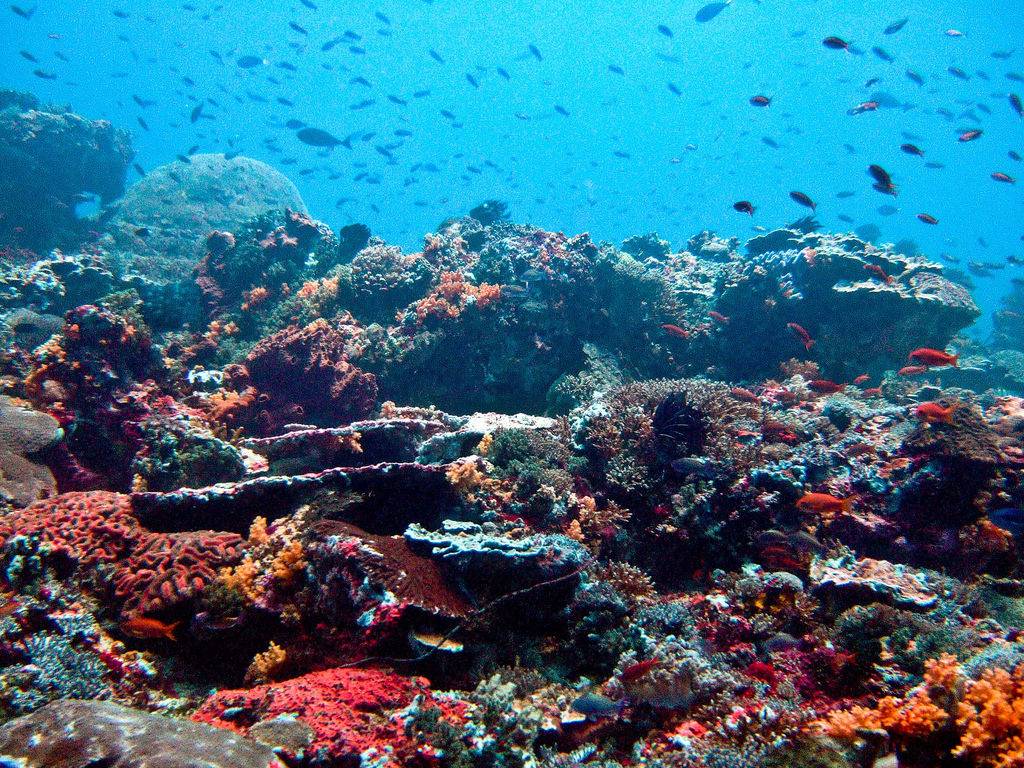
A reef is a structure accumulated by enormous numbers of small animals depositing mineral skeletons, over periods long enough that the result becomes geology.
No individual builds the reef; it is a by-product of everyone building for themselves. Coral frameworks are the animal structures that become landscape.
17. Swiftlet Saliva Nests
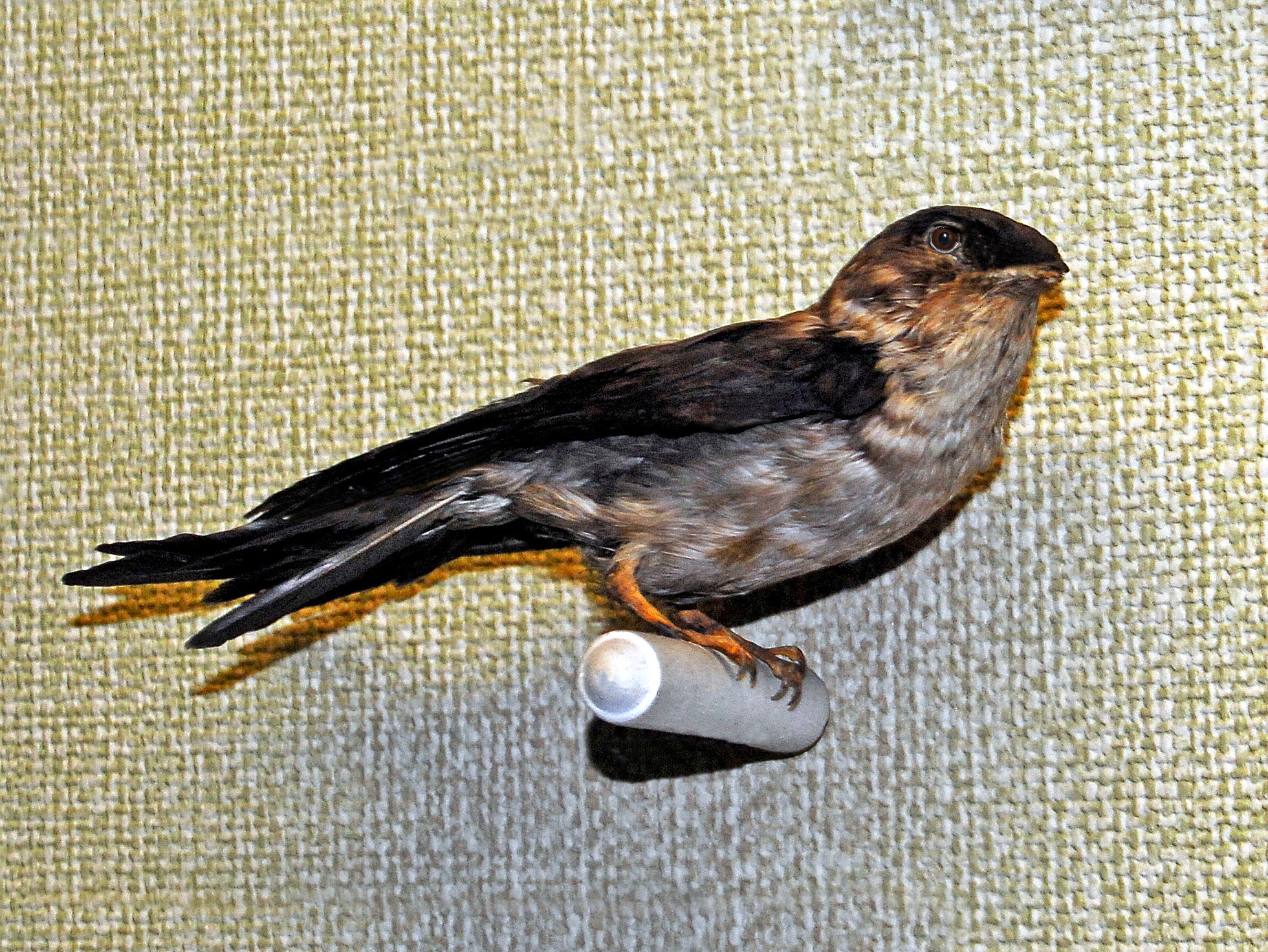
Some swiftlets build nests almost entirely from hardened saliva, attached to vertical cave walls with no supporting ledge at all.
The material sets firm enough to hold eggs and adults on a sheer surface, and the nests are harvested commercially. The saliva nest is the animal structure made from a secretion and nothing else.
Solutions Rather Than Homes
Every structure here addresses a specific physical problem – temperature, humidity, water level, ventilation, predation or display – and does so without any plan, any training, or any ability to picture the result.
It is worth resisting the temptation to call these animals engineers, because engineering implies intent and foresight that cannot be demonstrated. What can be demonstrated is that the structures work, that they solve the problems well, and that a great many human designers have looked at a termite mound and taken notes.
Like our content? Follow us for more.