

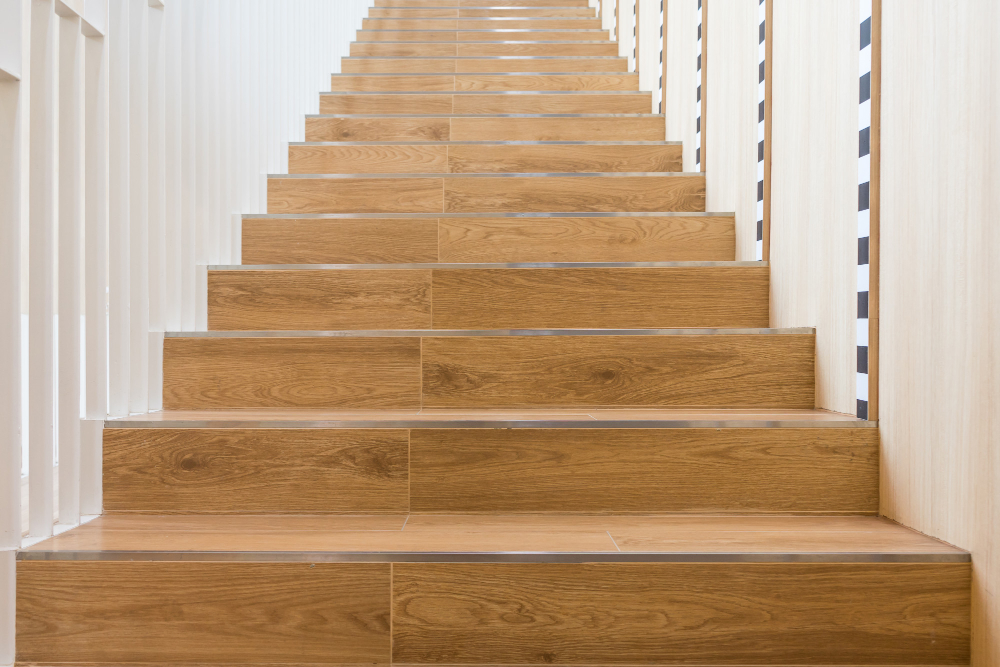
A stair is a compromise between space and effort, and the dimensions that make one comfortable are older than any regulation that now enforces them. Here are fifteen.
1. Every Step Has Two Dimensions
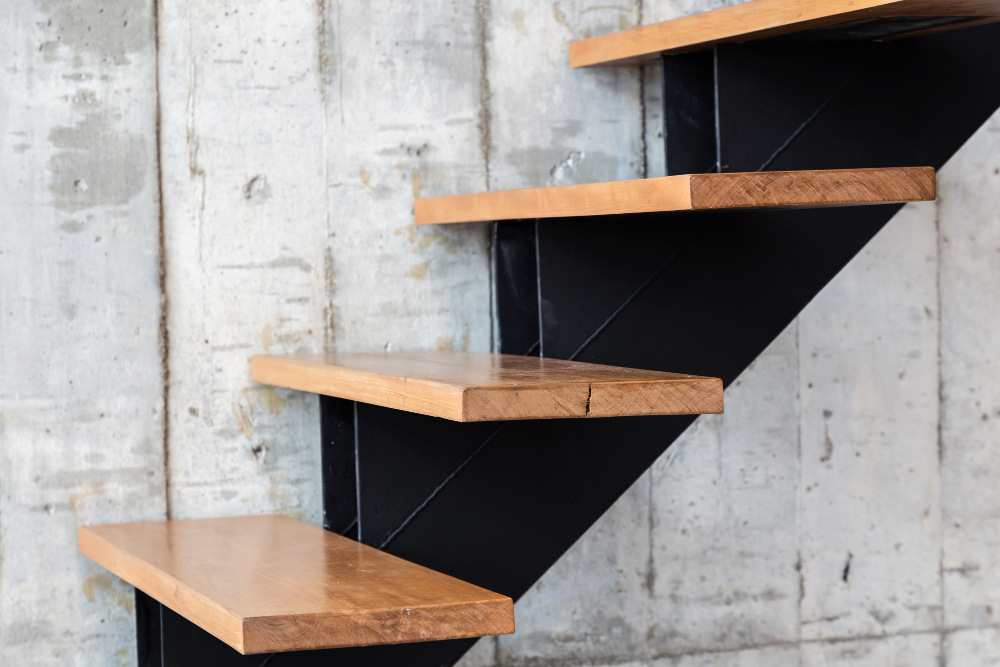
The rise is how high each step lifts you and the going is how deep it is to stand on, and nearly everything about a stair comes from the relationship between them.
Neither matters alone. Rise and going together decide how a stair feels.
Like our content? Follow us for more.
2. They Are Tied to the Length of a Stride
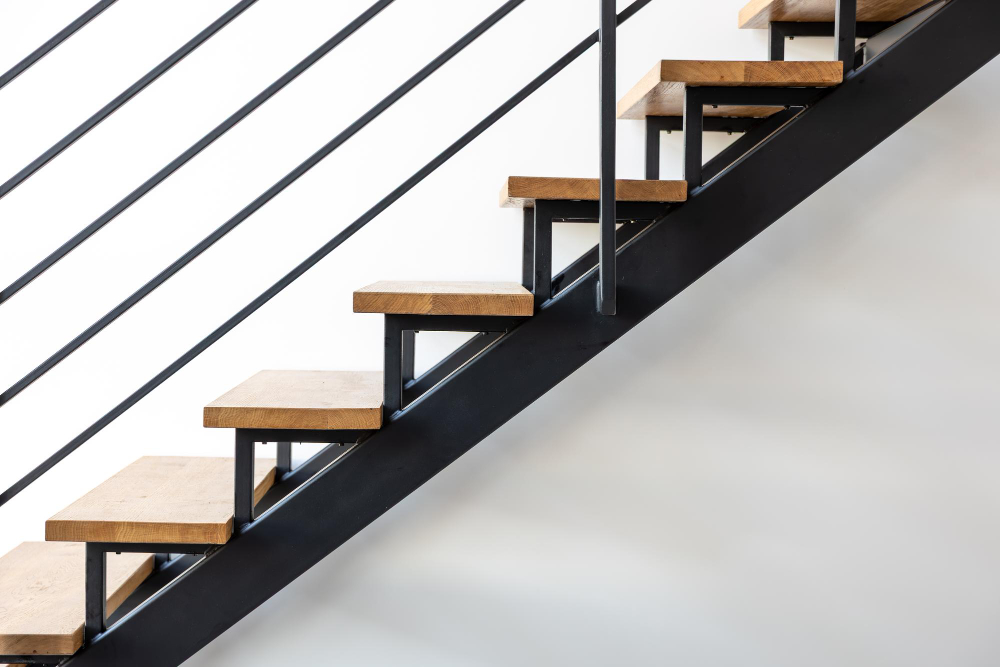
Climbing combines a lifting movement and a forward one, so a long-used rule of thumb relates the two dimensions to the length of an ordinary step on level ground.
It predates any building rule. Stride matching is why comfortable stairs feel natural.
3. Steep Saves Space and Costs Safety
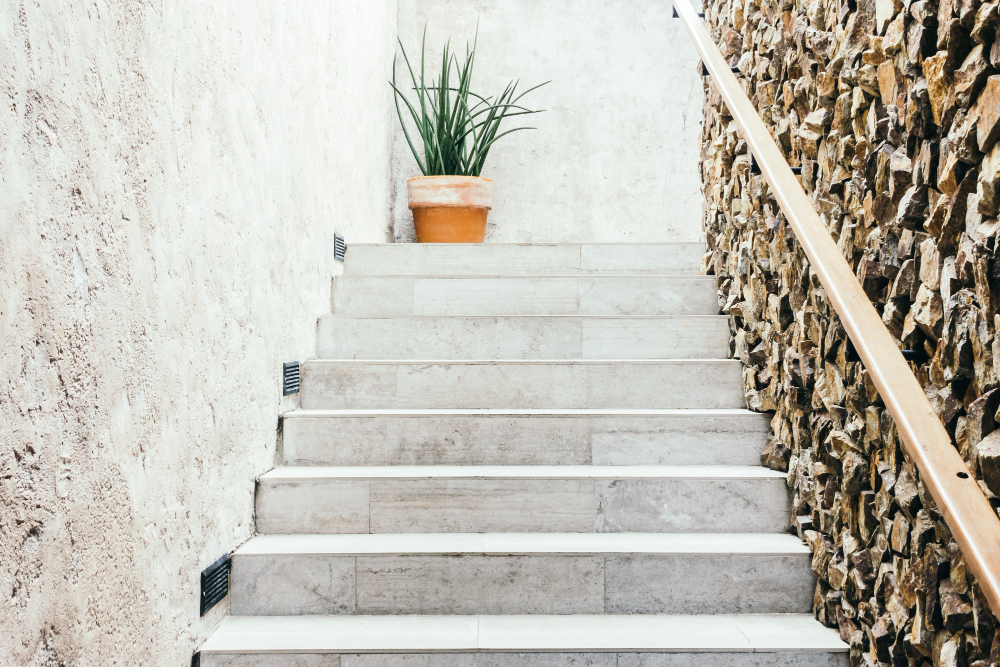
A steeper stair fits into a smaller footprint, which is why it appears wherever space is short – and it is harder to climb and substantially harder to descend.
The trade is direct. Steepness is paid for going down.
4. Too Shallow Is Awkward in a Different Way
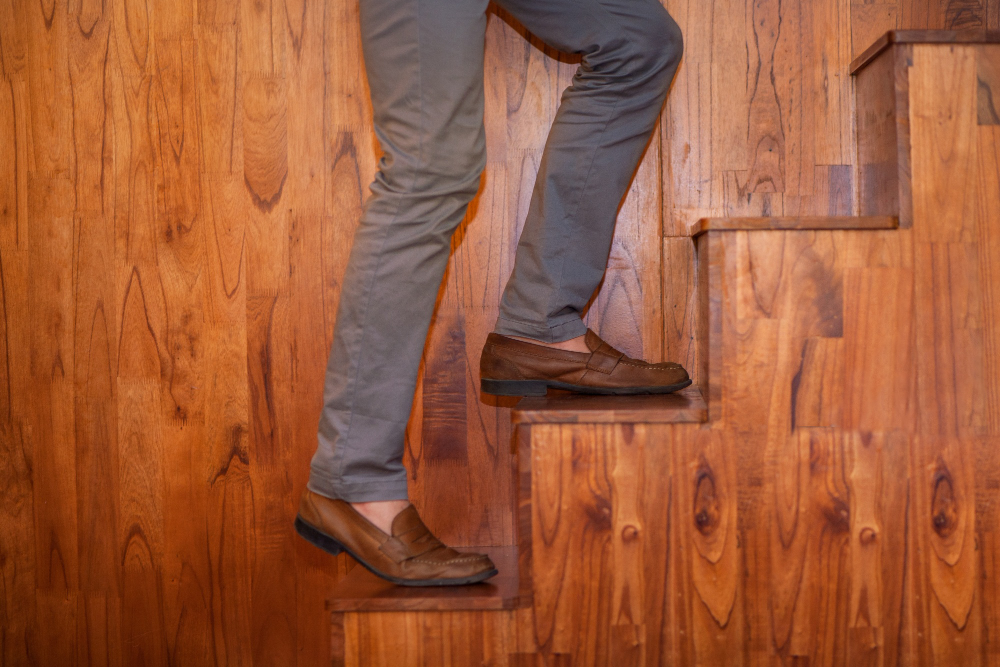
Very low, very deep steps put the natural stride between two treads, so every step has to be shortened or lengthened consciously.
Grand stairs can be surprisingly tiring. Mismatched proportions make people think about walking.
5. People Stop Looking After a Few Steps
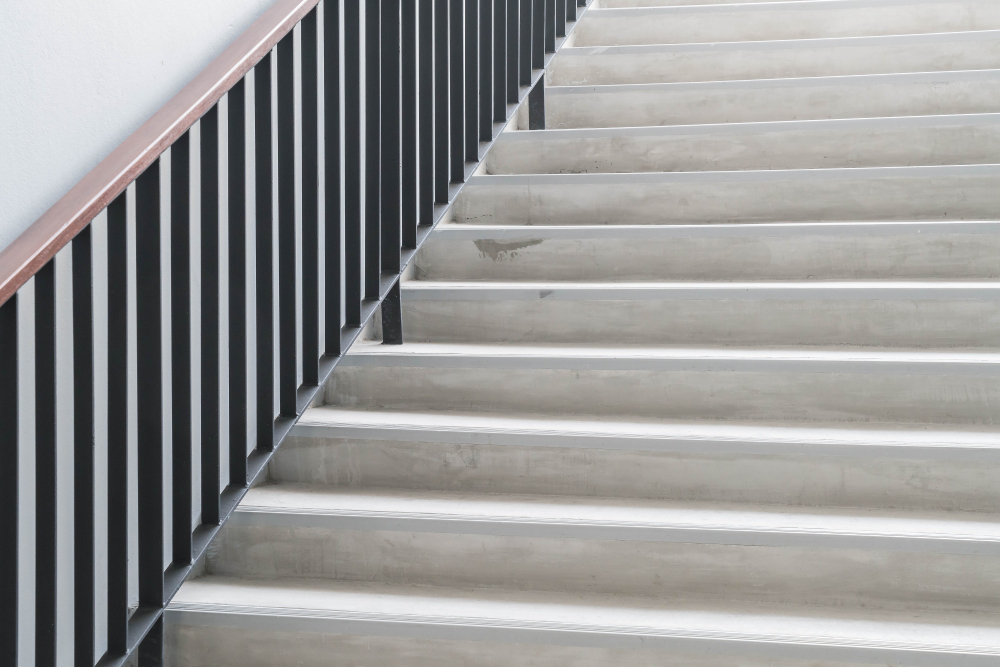
Walkers judge the first steps visually, set a rhythm, and then climb or descend without looking at each tread.
The eyes go elsewhere. Rhythm replaces sight after the start.
6. So Uniformity Matters More Than Anything
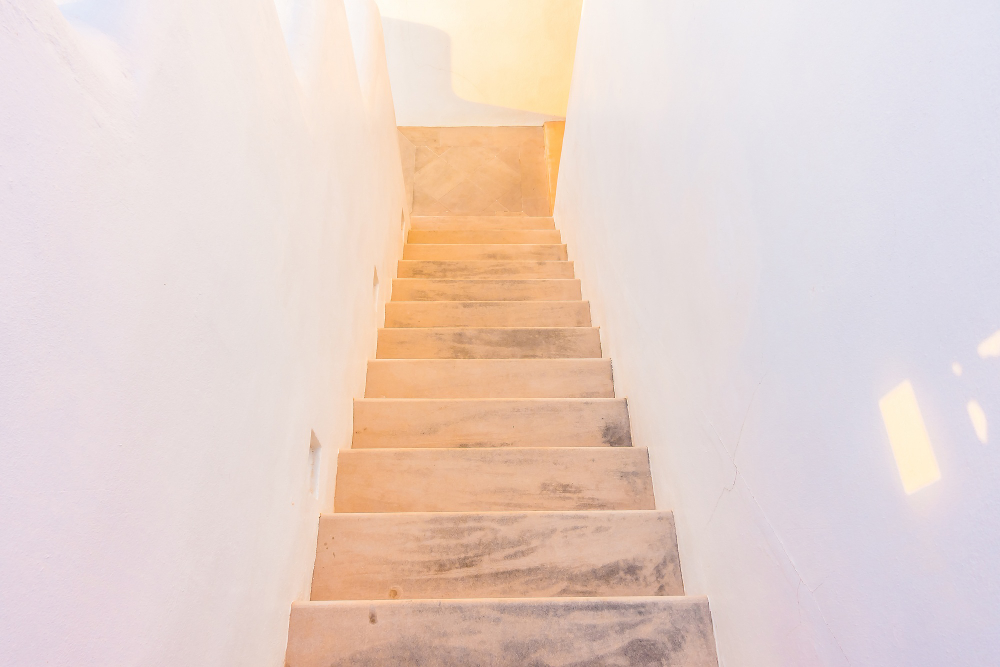
Because the rhythm is trusted, a single step that differs slightly from the rest is where a disproportionate number of missteps happen.
Consistency beats ideal proportions. A uniform stair is safer than a perfect but irregular one.
7. Old Stairs Feel Wrong for a Reason
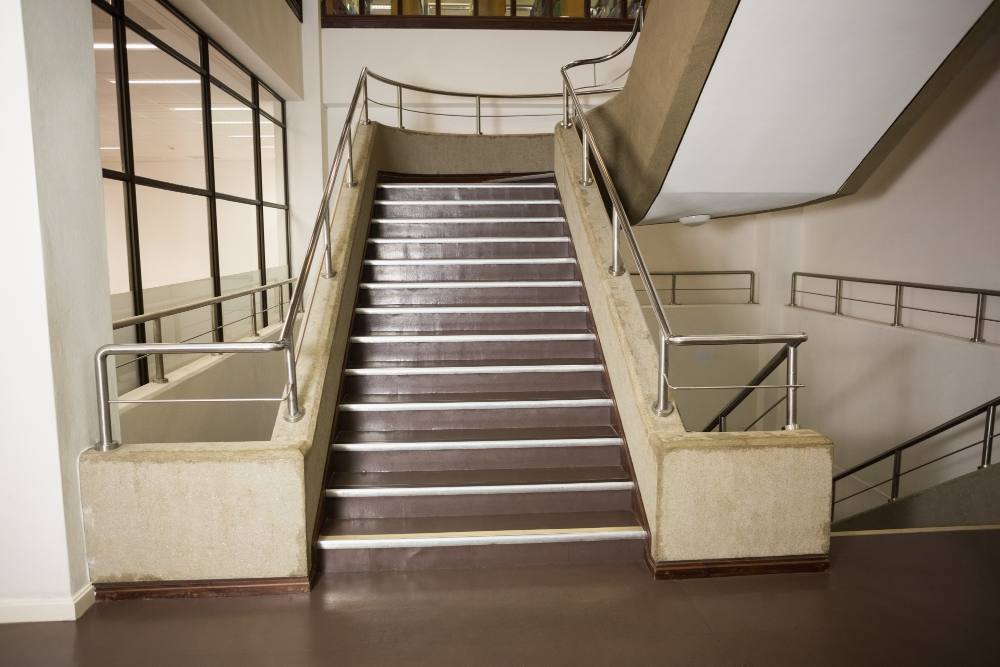
Stairs built to unfamiliar proportions feel awkward to walk on even when perfectly regular, because the body has learned a particular rhythm from the stairs it grew up with.
The discomfort is learned. Familiar proportions are part of what feels safe.
8. The First and Last Steps Are the Risky Ones
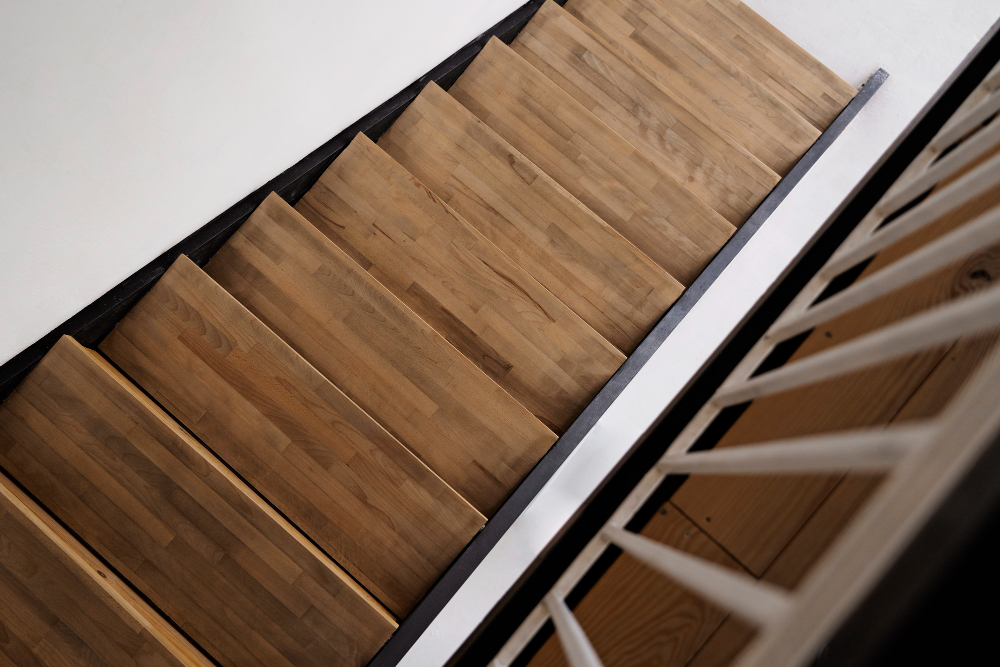
Most missteps happen where the pattern starts or stops, when the body is transitioning between level walking and the rhythm of the stair.
The ends are where attention matters. Transition points concentrate errors.
9. Going Down Is Harder Than Going Up
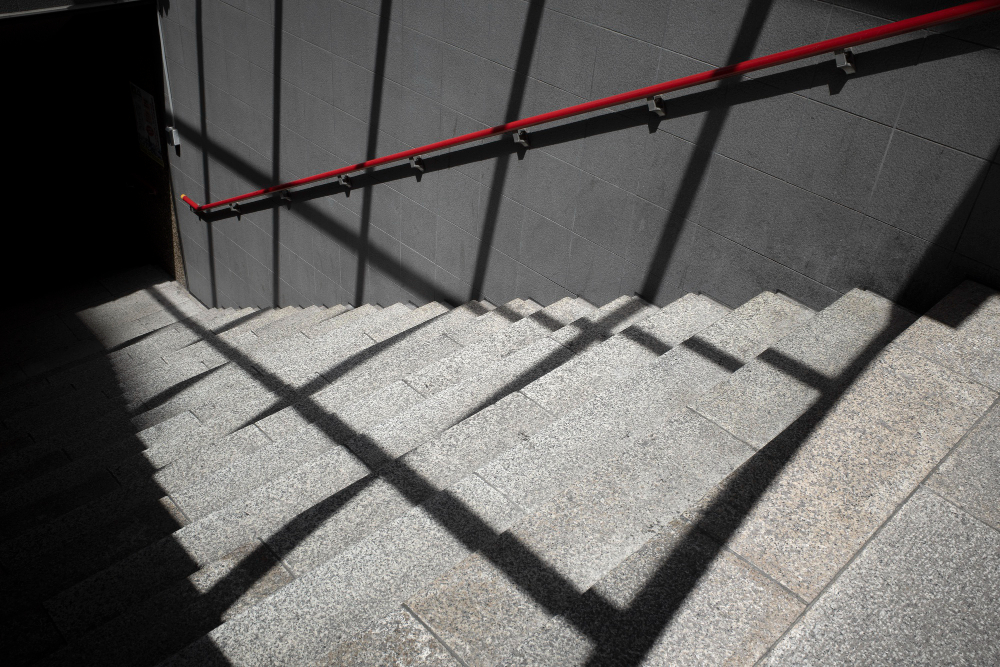
Descending, the body moves forward and downward and the foot lands on the edge of each tread, which leaves far less margin for error than climbing.
The same stair is two different stairs. Descent is where the danger is.
10. The Front Edge Is Where the Foot Goes Down
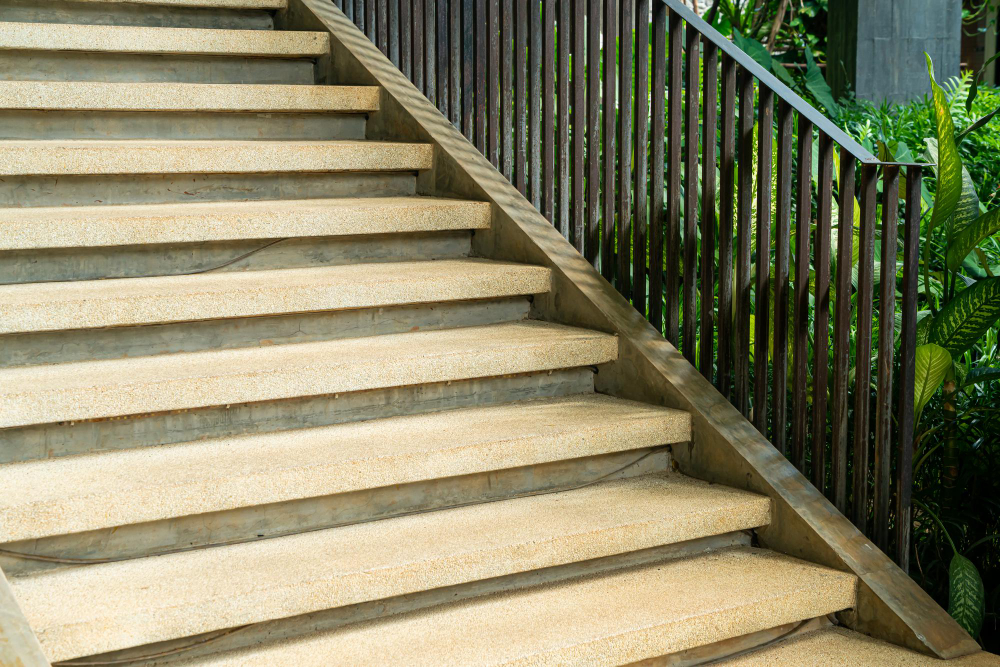
When descending, people place their foot relative to the front edge of each step, so the visibility of that edge matters enormously.
An edge that blends in is hard to judge. Contrast at the nosing is a real safety feature.
11. Handrails Are for Mistakes
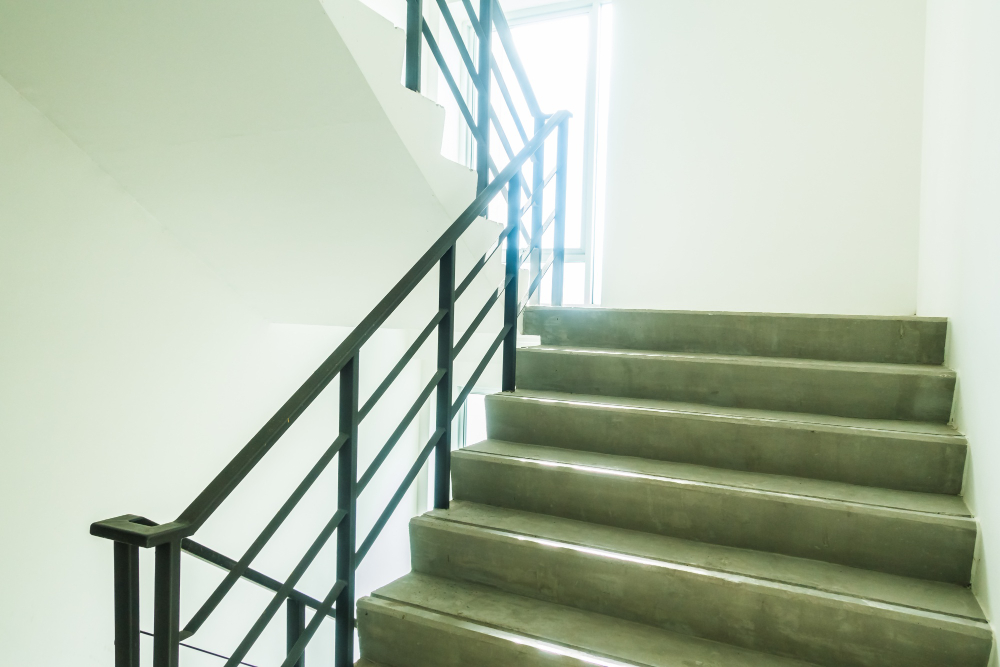
A rail is rarely needed while things go right and is the only correction available when a step is misjudged, which is why its presence matters far more than it appears.
It works in the moment something goes wrong. The rail is recovery rather than support.
12. Winding Stairs Narrow Toward the Middle
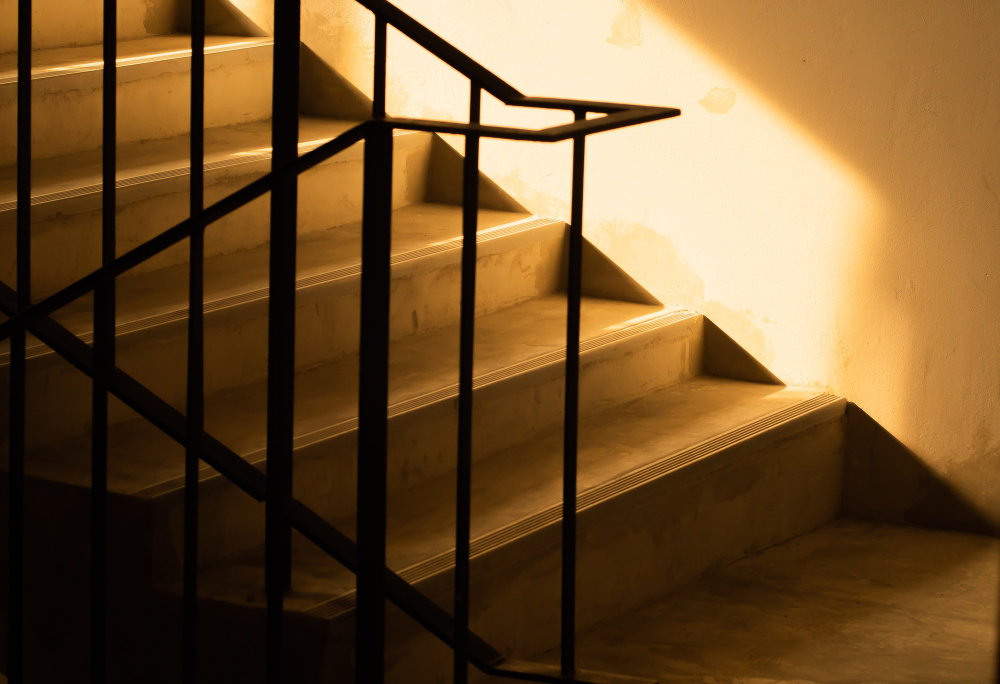
In a curved stair each tread is a wedge, deep at the outside and narrowing toward the centre, where it can become too small to stand on.
Walking on the inside is walking on almost nothing. Winders have a safe line and an unsafe one.
13. Landings Break the Flight
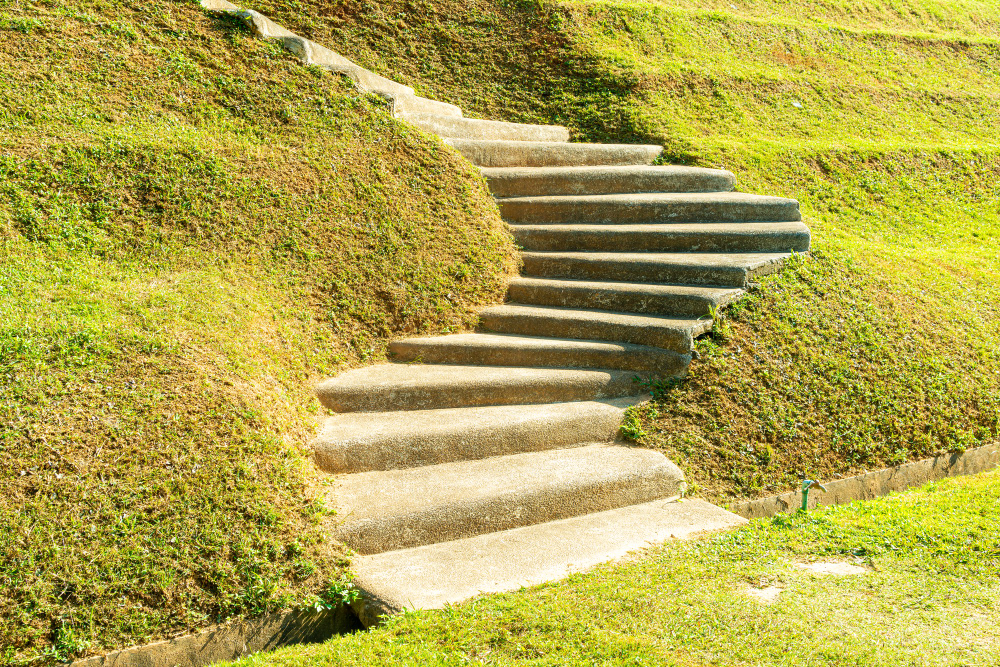
A flat platform partway up gives a place to rest, changes direction and limits how far anybody can fall in one go.
Long unbroken flights are harder in every way. Landings divide the stair into manageable parts.
14. Lighting Changes Everything
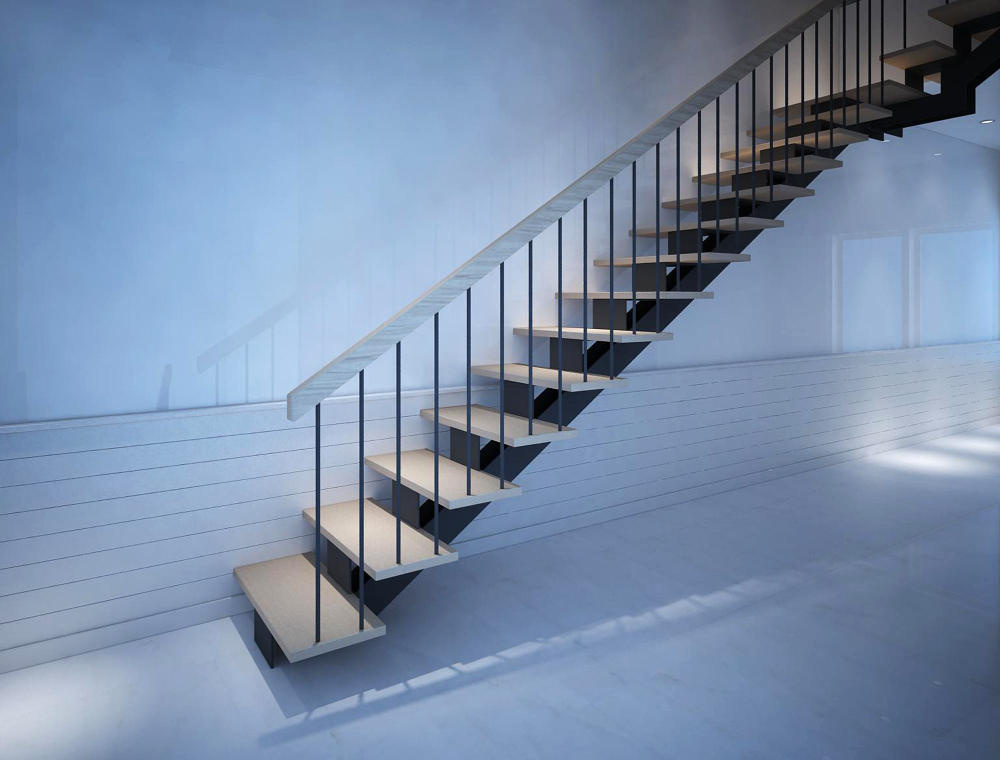
A stair seen with shadow falling across the treads, or lit from behind the person climbing, hides exactly the edges that need to be seen.
Good light is part of the stair. Illumination is what makes the edges legible.
15. Worn Treads Record Everybody Who Used Them
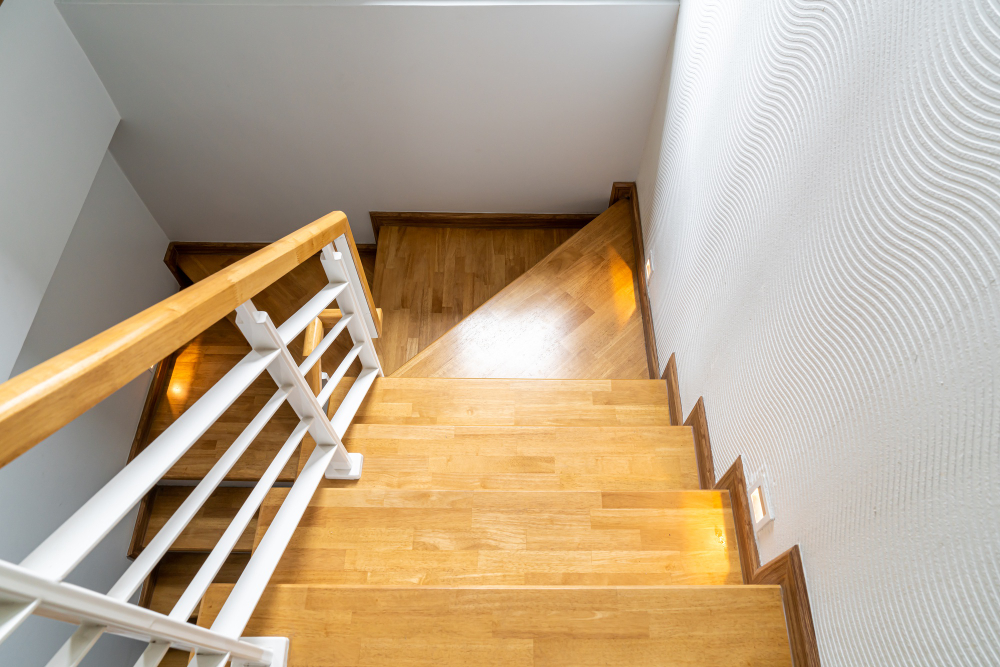
Old stone and timber steps wear into a hollow at the centre, where most feet land, and the depth of that dip is a measure of how many people have passed.
The wear follows the stride. Hollowed treads are the stair keeping count.
Space, Stride and a Rhythm Nobody Checks
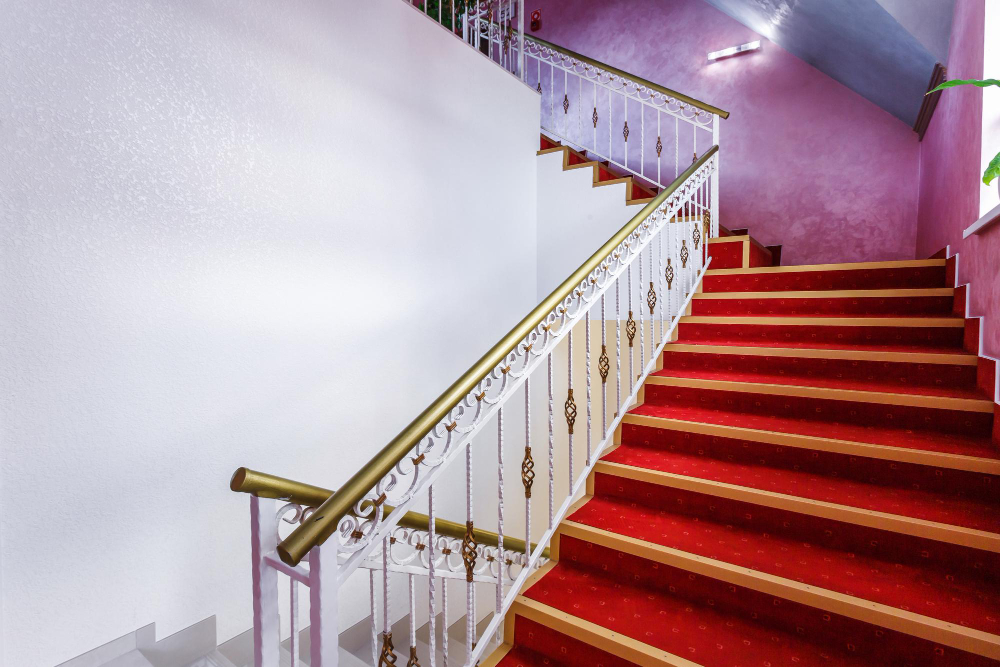
Two dimensions tied to the length of a stride, a rhythm set in the first few steps, a single odd step causing most of the trouble and a descent that is always the harder direction.
The sixth item is the one worth knowing. A stair that is slightly too steep but completely regular is generally safer than one with ideal proportions and a single step that differs, because people stop looking after the first few treads and trust the rhythm – and the odd step is exactly where that trust fails.
Like our content? Follow us for more.
