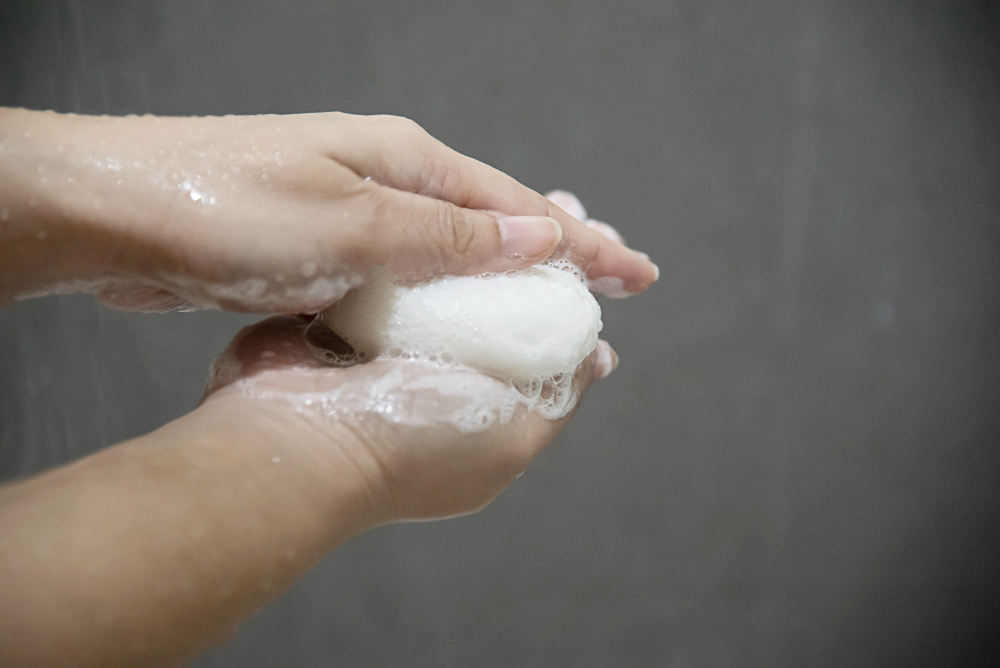
The film is not a solid thing. It is a layer of water held between two surfaces, and everything a bubble does – its shape, its colours, its lifespan and the way it bursts – comes from what is happening to that layer. Here are fifteen.
1. The Surface Wants to Be Smaller
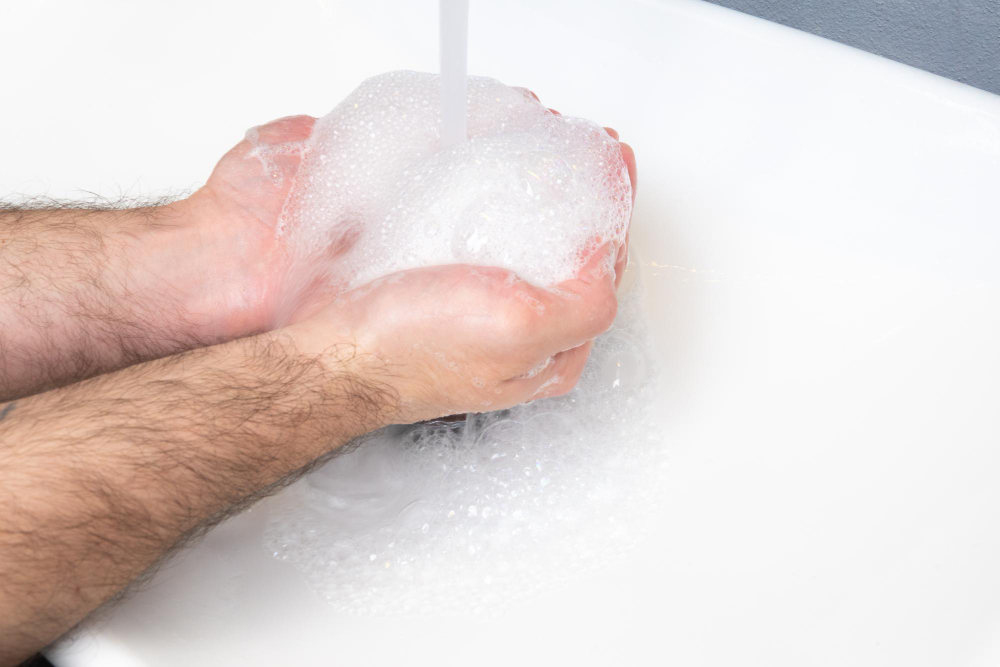
A liquid surface behaves as though under tension, pulling inward to reduce its area, because molecules at the surface have fewer neighbours to bond with than those inside.
That inward pull is the force behind everything. Surface tension is the only thing holding a bubble together.
Like our content? Follow us for more.
2. Which Is Why It Is a Sphere
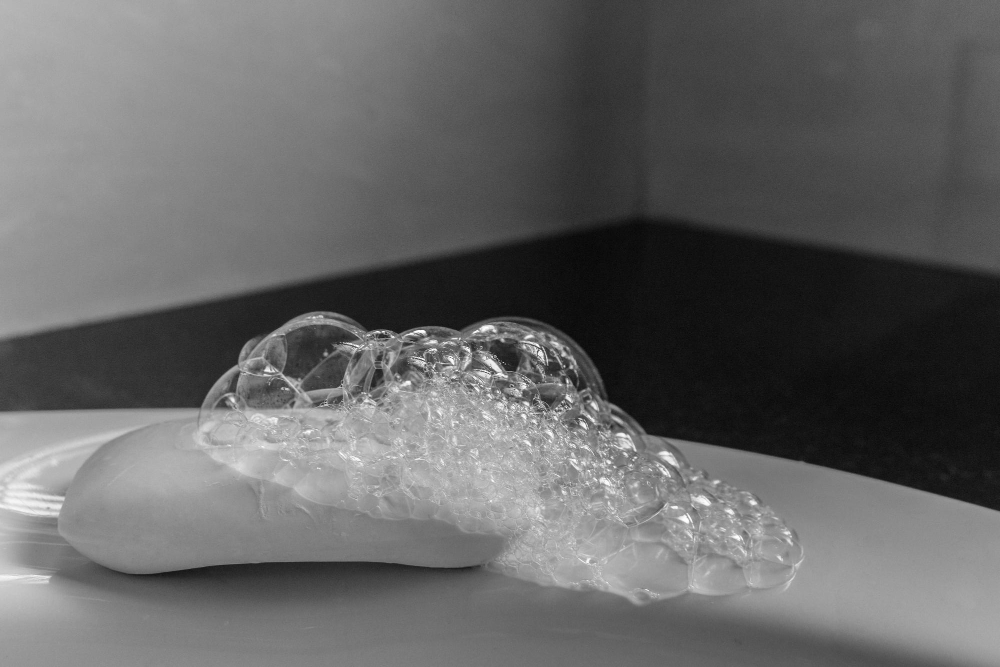
For a given volume of enclosed air, a sphere has the smallest possible surface area – so a free-floating bubble adopts that shape because the surface is minimising itself.
No other shape is available to it. Minimum surface area is why every free bubble is round.
3. Pure Water Cannot Do It
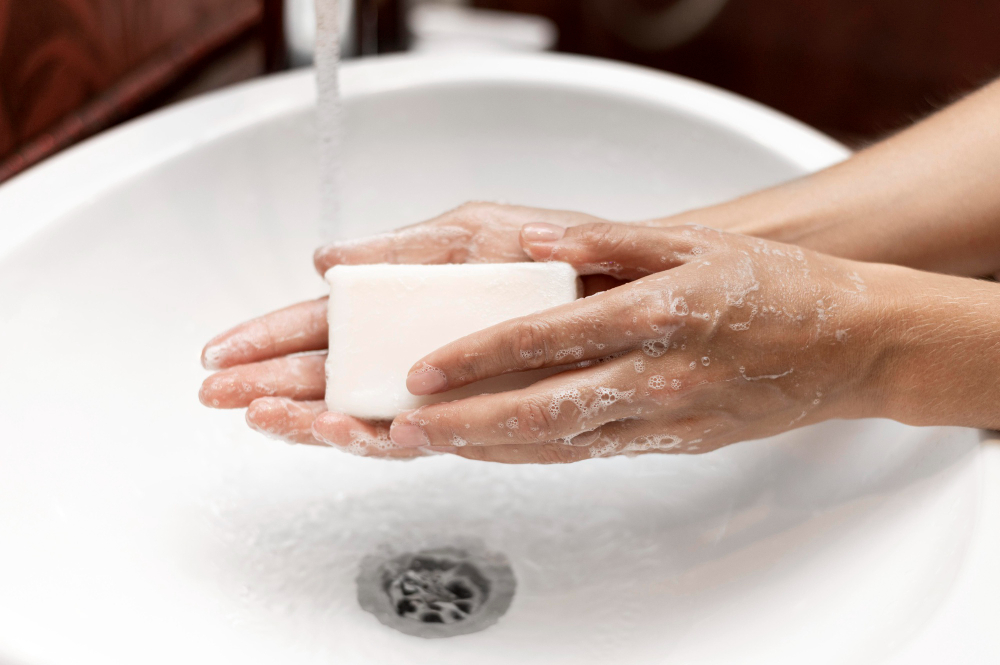
Water alone has high surface tension and no mechanism to resist local thinning, so any film formed drains and contracts away almost instantly.
The tension is too strong rather than too weak. Instability is why water bubbles collapse on formation.
4. Soap Does Two Separate Things
It lowers the surface tension, which makes a film easier to stretch – and more importantly it stabilises the film against thinning, because a thinned patch has a locally higher tension that pulls material back into it.
The second effect is the essential one. Self-repair is what makes a bubble possible at all.
5. There Is Water in the Middle
The film is not a soap membrane. It is a layer of water with soap molecules arranged on both surfaces, and the water between them is the majority of the material.
The soap is a coating on each face. Sandwich structure is what a film actually is.
6. Gravity Is Pulling It Down
That water drains downward continuously through the film, which means the top thins faster than the bottom and the whole thing becomes progressively more fragile from above.
It begins the moment the bubble forms. Drainage is the process that ends every bubble.
7. And Evaporation Is Thinning It Too
Water leaves the surfaces into the surrounding air, which is why bubbles last substantially longer in humid conditions and vanish quickly in dry ones.
Both processes remove the same material. Evaporation is the second route to the same end.
8. Bubbles Meeting Always Join at the Same Angle
Where three films meet, they do so at equal angles of one hundred and twenty degrees, because any other arrangement has more surface area and the surfaces reduce it.
The angle is not approximate. Fixed junction geometry is imposed by area minimisation.
9. And Four Films Meeting Is Impossible
A four-way junction is unstable and immediately rearranges into two three-way junctions with a short film between them, because that has less total area.
It happens too fast to see. Junction resolution is why foam structure is so consistent.
10. The Colours Are Not Pigment
Light reflects off both surfaces of the film, and the two reflections interfere – reinforcing some wavelengths and cancelling others depending on how far apart the surfaces are.
Nothing in a bubble is coloured. Thin-film interference is where every colour comes from.
11. So the Colour Tells You the Thickness
Since the effect depends on film thickness, each colour corresponds to a particular thickness – which means the bands of colour on a bubble are a thickness map.
You are reading a measurement. Colour as thickness is the most useful thing to know about them.
12. And the Colours Move Downward
As the water drains, the thickness at any point changes continuously, so the colour at that point changes too – producing the slow flowing movement of bands down the surface.
The movement is the drainage made visible. Migrating bands are drainage you can watch.
13. Black Means It Is About to Go
When the film thins below the wavelength of light, the two reflections cancel completely and the region appears colourless and dark rather than coloured.
That patch is a few molecules thick. The black film is the final warning before bursting.
14. It Bursts From a Point
Failure begins where the film is thinnest and propagates outward at high speed as the surface tension pulls the remaining material away from the hole.
The whole thing goes in a fraction of a second. Propagating rupture is why a bubble vanishes rather than deflating.
15. Foam Is the Same Thing Repeated
A mass of bubbles shares films between neighbours, obeys the same junction rules, and coarsens over time as gas moves from small bubbles to large ones through the films between them.
Small bubbles disappear into their neighbours. Coarsening is why foam becomes bubblier before it collapses.
Two Surfaces Pulling and Water Draining Out
A surface minimising its own area, soap holding the film against thinning, water draining downward from the moment it forms, and colours that are a thickness measurement rather than a pigment.
The eleventh item is the one that changes what you are looking at. The colours on a bubble are a direct measurement of how thick the film is at each point, which means the pattern is not decoration – it is the bubble displaying its own remaining thickness, and watching the bands move downward is watching it run out.
Like our content? Follow us for more.