

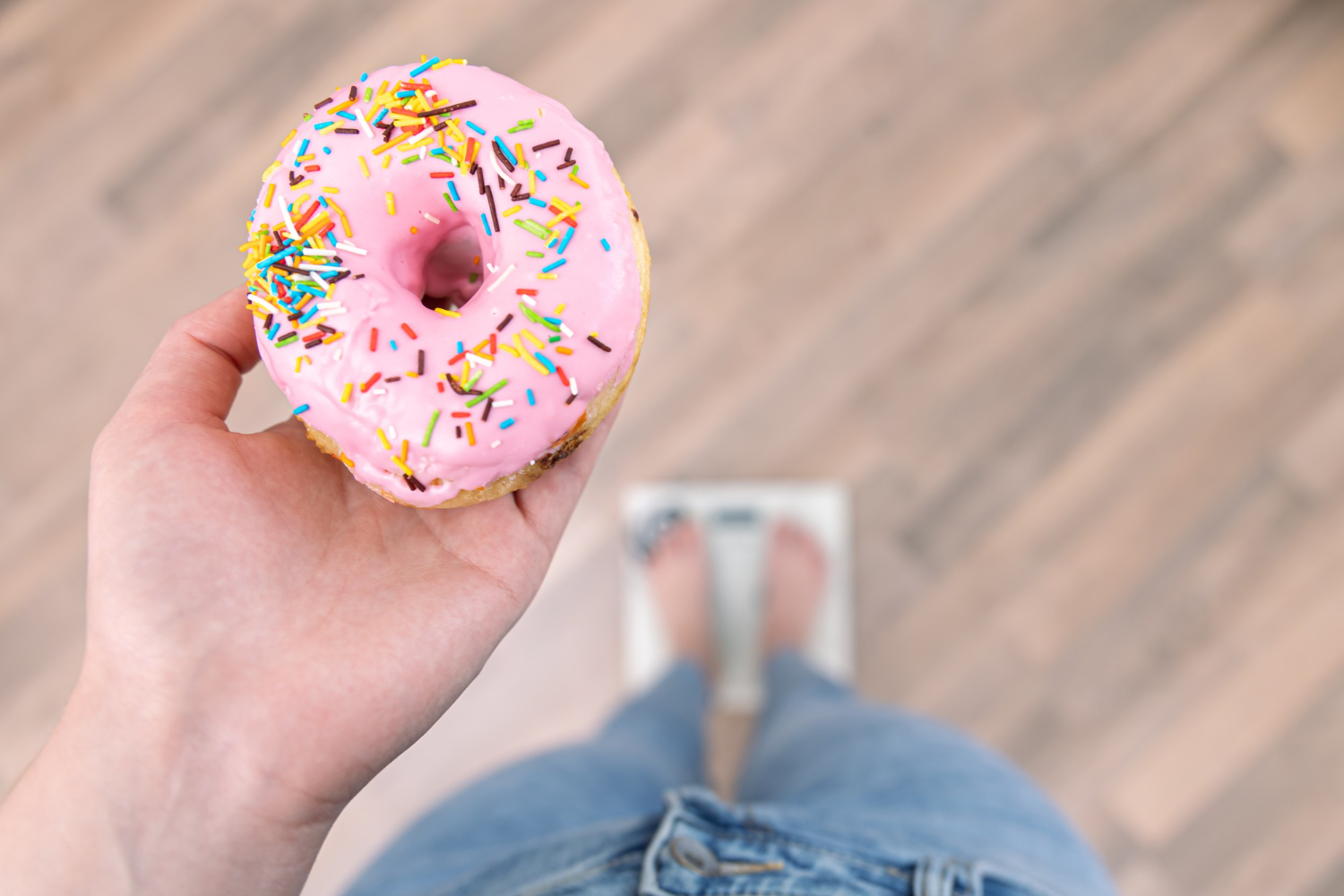
Ask someone to picture a donut, and most Americans think of the same simple glazed ring, but the country’s actual regional donut traditions are considerably richer and more varied, shaped by specific immigrant communities and local baking customs passed down for generations, often tied to religious calendars, harvest seasons, or a single wave of settlers who brought a cherished family recipe from home and simply never let it fade away. Here are eight genuinely distinct American donut styles and what makes each one truly different, counted down here one by one, quite carefully.
1. New Orleans: The Beignet
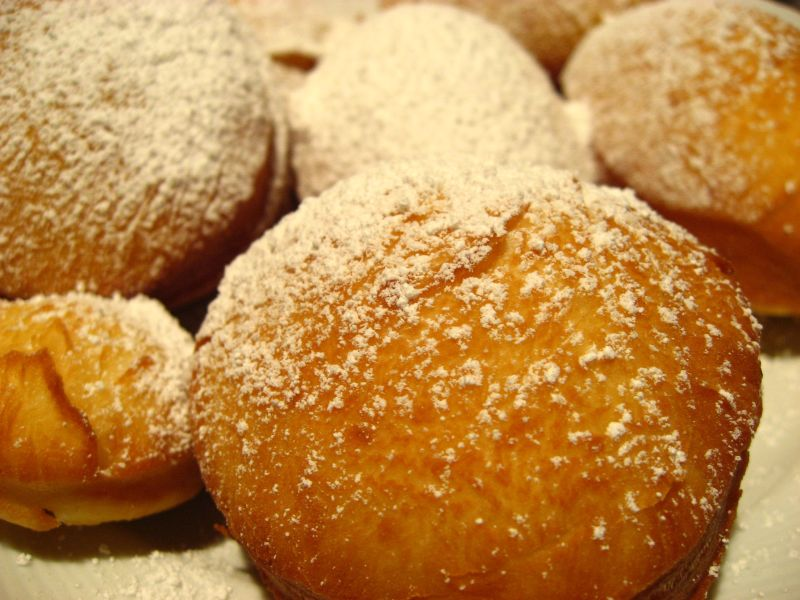
New Orleans beignets are square, deep-fried dough. Powdered sugar buries the pastry entirely.
New Orleans’s beignet, a French-influenced square of deep-fried dough, arrives buried under an enormous, deliberately generous dusting of powdered sugar, traditionally enjoyed alongside a cup of chicory coffee at the city’s historic cafés, many of which have served the same recipe for well over a century. The beignet’s French Quarter heritage and famously messy sugar coating make it one of the most instantly recognizable regional pastries in the entire country, a genuine culinary symbol of the city itself.
Like our content? Follow us for more.
2. Hawaii: The Malasada
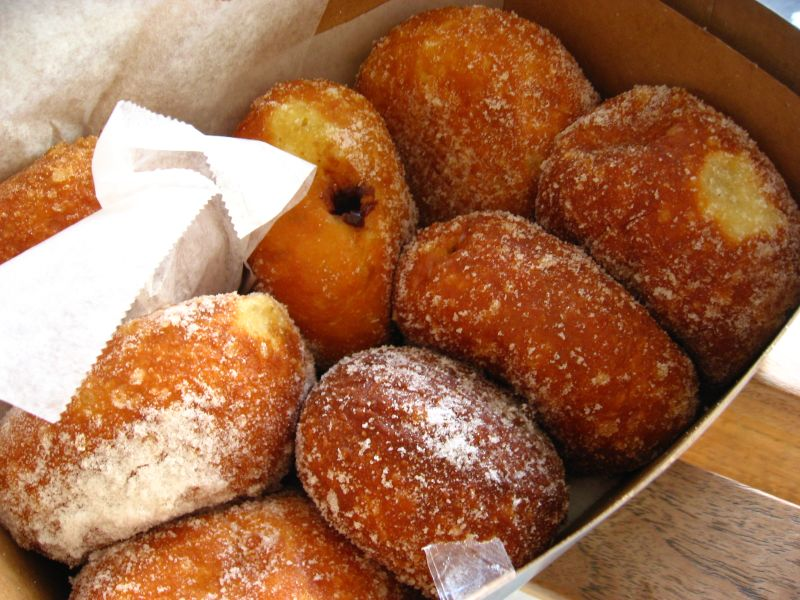
Hawaii’s malasada is a Portuguese-influenced fried dough. It’s typically rolled in sugar with no hole at all.
Hawaii’s malasada, brought by Portuguese immigrants from the Azores and Madeira who arrived to work the islands’ sugar plantations in the 19th century, is a hole-less, deep-fried dough ball, deliciously chewy and eggy inside, rolled generously in granulated sugar and sometimes filled with custard or fruit preserves. The malasada’s Portuguese immigrant roots and distinctively chewy texture set it clearly apart from the standard mainland donut, a beloved island specialty tied directly to Hawaii’s plantation-era cultural history.
3. Poland-Influenced Midwest: The Paczki
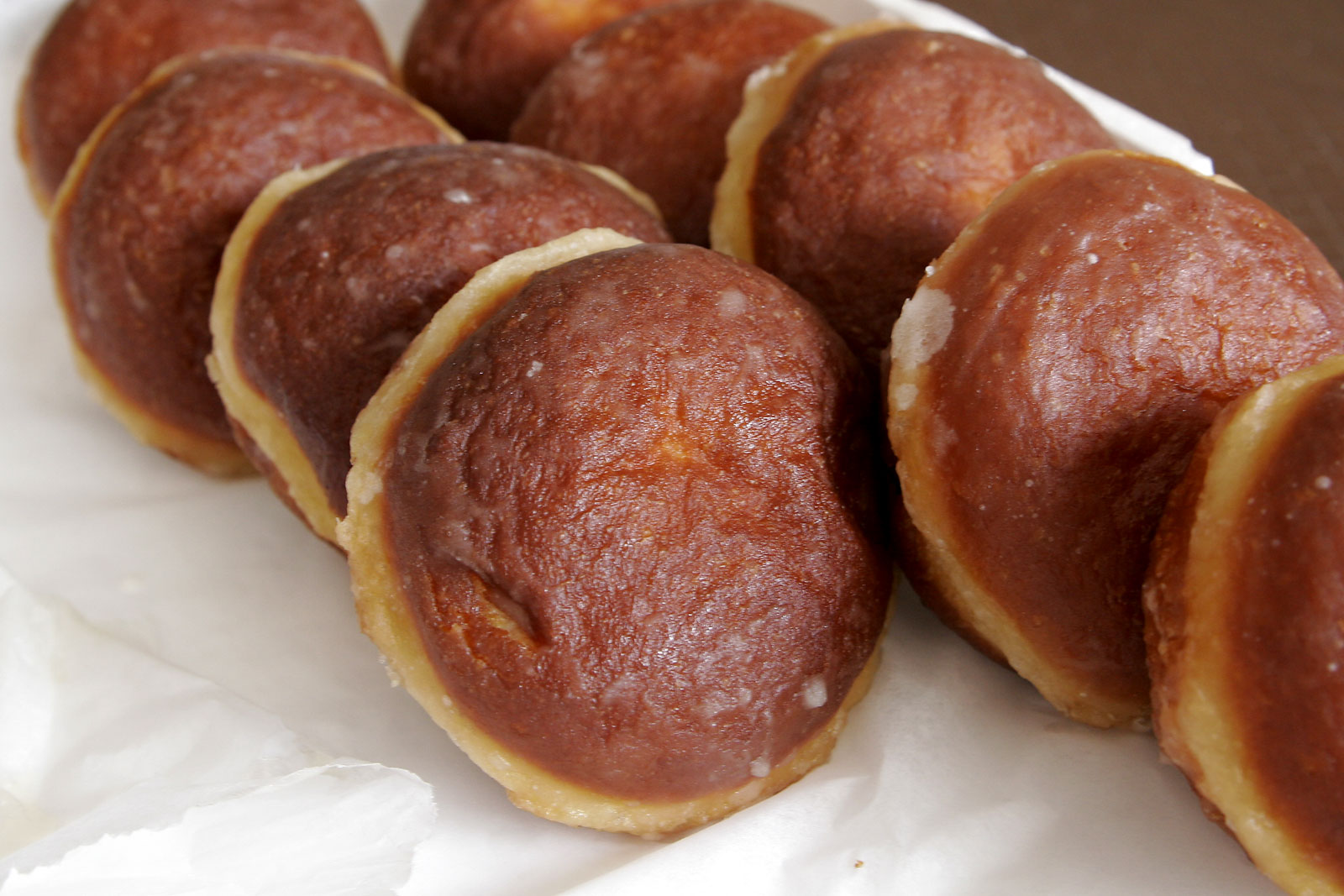
Midwestern Polish communities favor a rich, filled pastry. Paczki are traditionally eaten before Lent begins.
In Midwestern cities with large Polish-American populations, particularly Detroit and Chicago, the paczki, a rich, dense pastry filled with fruit preserves or custard, is traditionally consumed in large quantities on Fat Tuesday, the day before the Lenten fasting season begins, with dedicated bakeries sometimes selling tens of thousands of them in a single day. The paczki’s deep Polish-American religious and cultural roots make it a genuinely meaningful regional specialty, a once-a-year tradition that draws devoted crowds to specific bakeries every single spring.
4. New England: The Apple Cider Donut
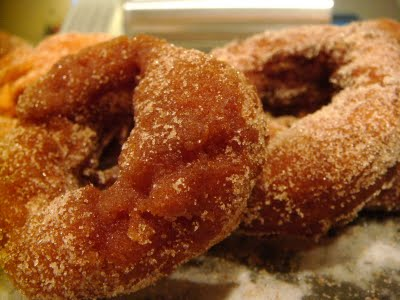
New England favors a spiced cake donut. Fresh apple cider gives it a distinctive fall flavor.
New England’s apple cider donut, a dense, cake-style donut spiced with cinnamon and made with real apple cider folded into the batter, has become deeply associated with the region’s beloved fall orchard and farm-stand culture, often sold warm straight from a fryer set up right beside rows of pick-your-own apple trees. The apple cider donut’s seasonal, orchard-tied identity makes it one of the most anticipated regional treats in the country, a genuine harbinger of autumn that draws crowds to New England farm stands every year.
5. Pennsylvania Dutch Country: The Fastnacht
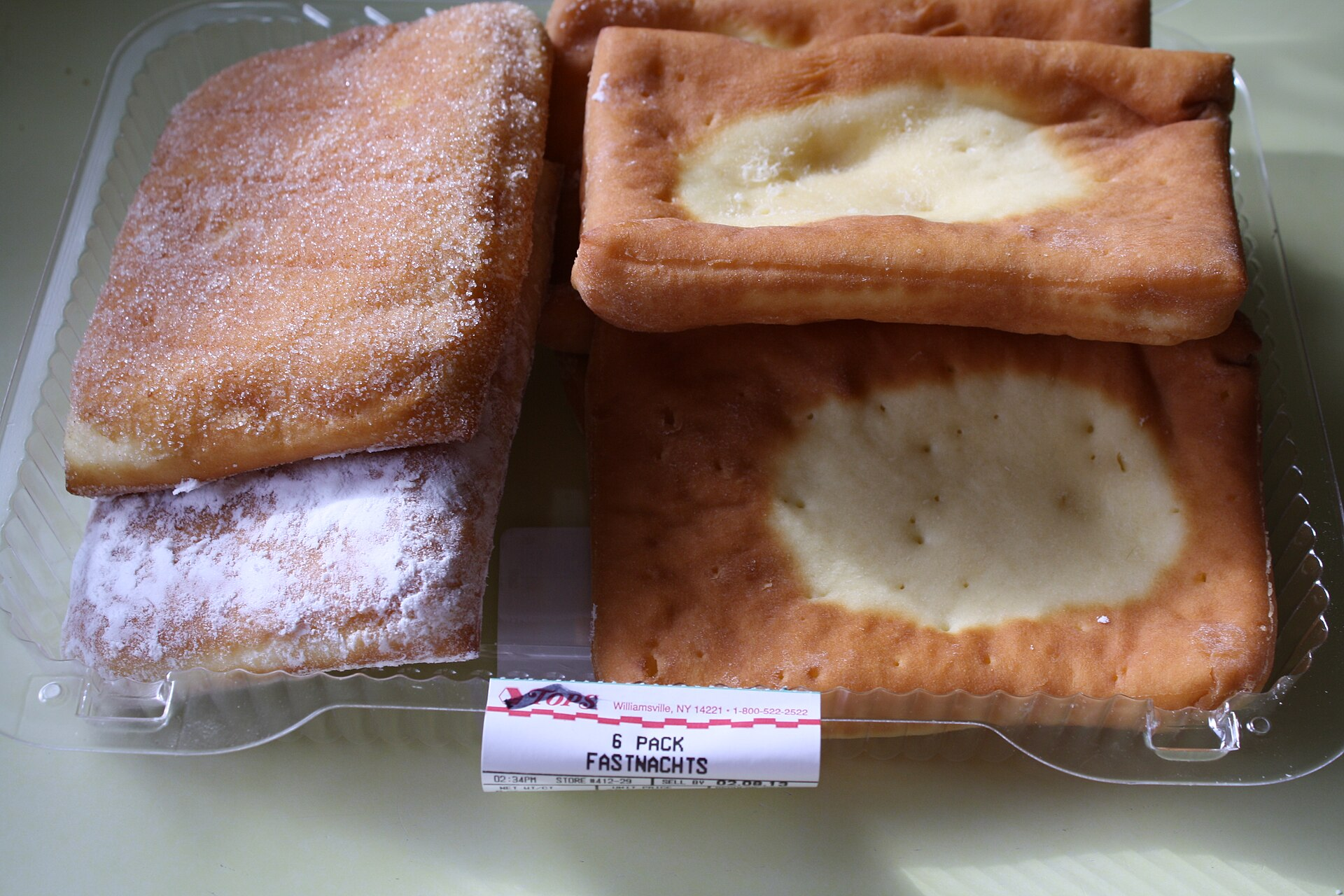
Pennsylvania Dutch communities make a dense, unglazed potato donut. It’s traditionally eaten on Fastnacht Day.
In Pennsylvania Dutch country, the fastnacht, a dense, often potato-based donut fried without a hole and left unglazed, is traditionally made and eaten on Fastnacht Day, the same pre-Lenten period celebrated with paczki further west, a practice rooted in the old custom of using up a household’s remaining lard and sugar before the fasting season began. The fastnacht’s simple, rustic character and deep Pennsylvania Dutch heritage reflect a genuinely old culinary tradition, a humble pastry whose annual appearance remains a cherished ritual in the region.
6. Texas: The Kolache
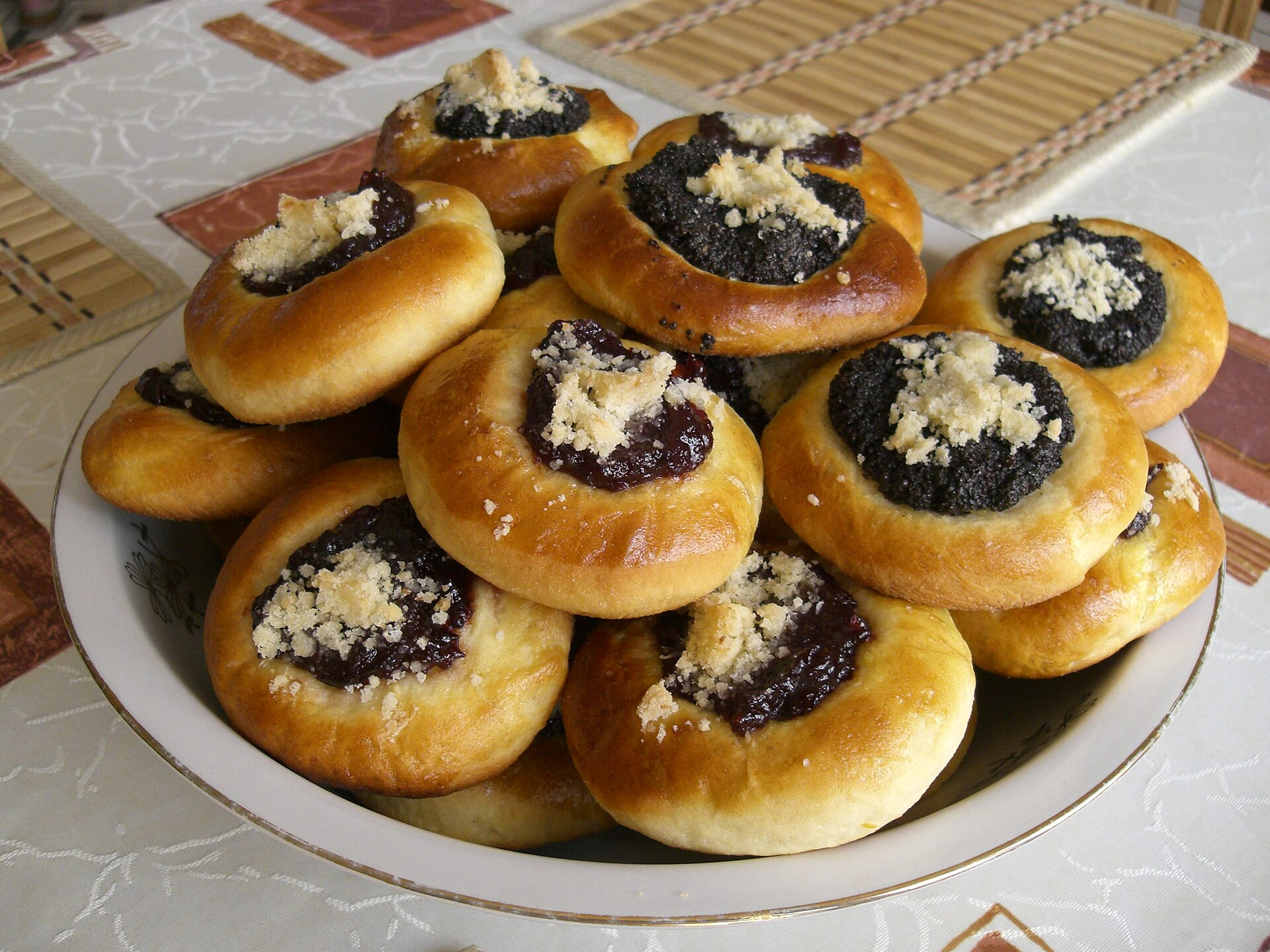
Texas Czech communities make a filled yeast pastry. Fruit, cheese, or sausage fillings are all traditional.
Texas’s kolache, brought by Czech immigrants who settled extensively across the state beginning in the mid-19th century, is a soft yeast pastry filled with fruit preserves, sweet cheese, or, in a distinctly Texan savory twist, sausage and cheese, sold at dedicated kolache bakeries across small Central Texas towns that still celebrate their Czech heritage with annual festivals. The kolache’s Czech-Texan fusion and savory variations make it a genuinely distinctive regional pastry, one that reflects the state’s often-overlooked but deeply rooted Central European immigrant heritage.
7. Pacific Northwest: The Voodoo-Style Novelty Donut
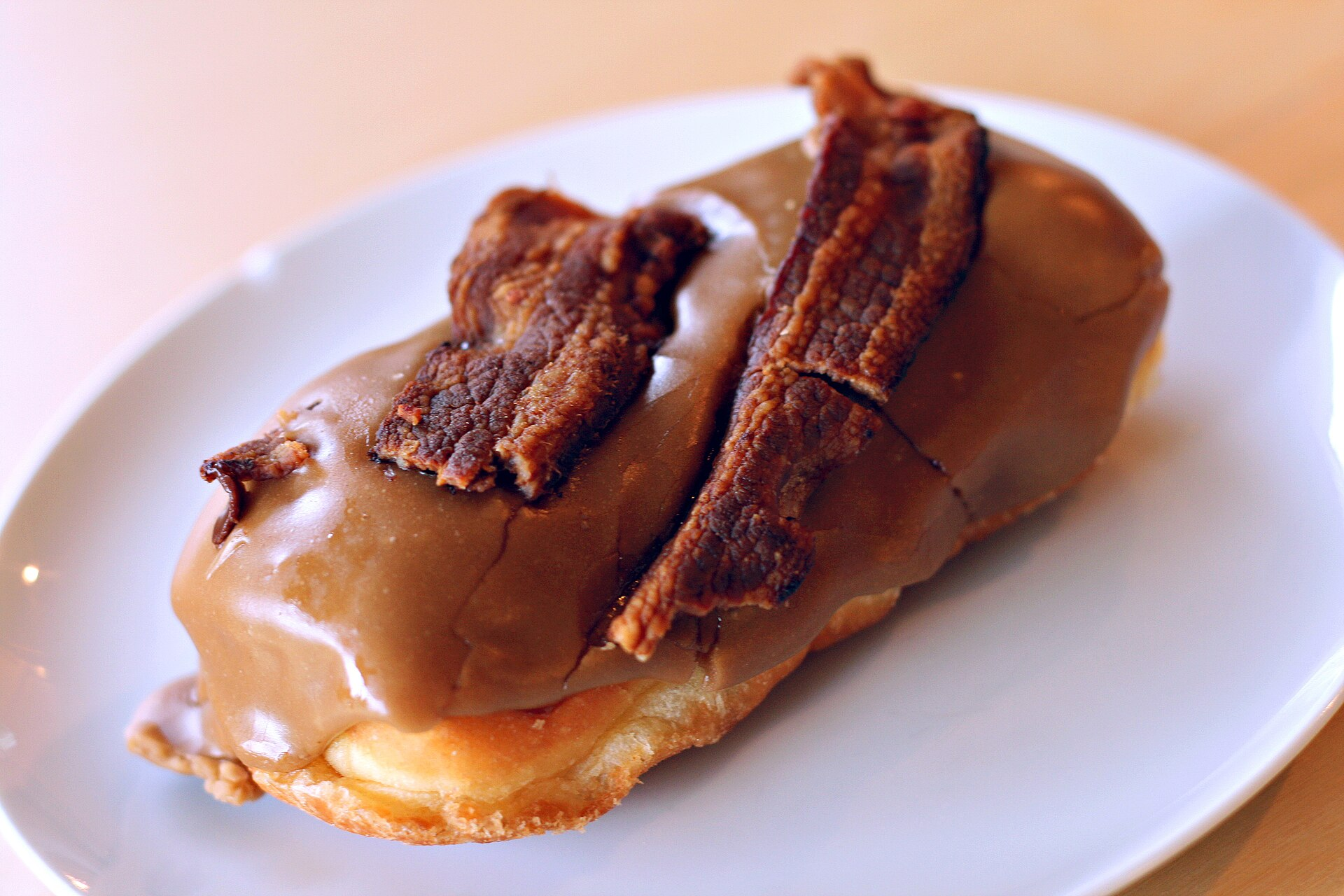
Portland popularized elaborately decorated specialty donuts. Unusual toppings became a genuine local art form.
Portland, Oregon helped popularize an entirely different approach to the donut, elaborately decorated, often outrageous specialty creations topped with everything from breakfast cereal to bacon, turning donut-making into a genuine local art form and tourist attraction. Long lines outside the city’s most famous specialty shops became a genuine tourist ritual in their own right, with visitors treating a stop for an outrageous, photo-ready donut as an essential, must-do part of any Portland itinerary. The Pacific Northwest’s novelty donut culture reflects the region’s playful, creative food scene, a modern reinvention that treats the classic donut as a genuine canvas for wonderfully inventive combinations.
8. The South: The Hot Glazed Donut
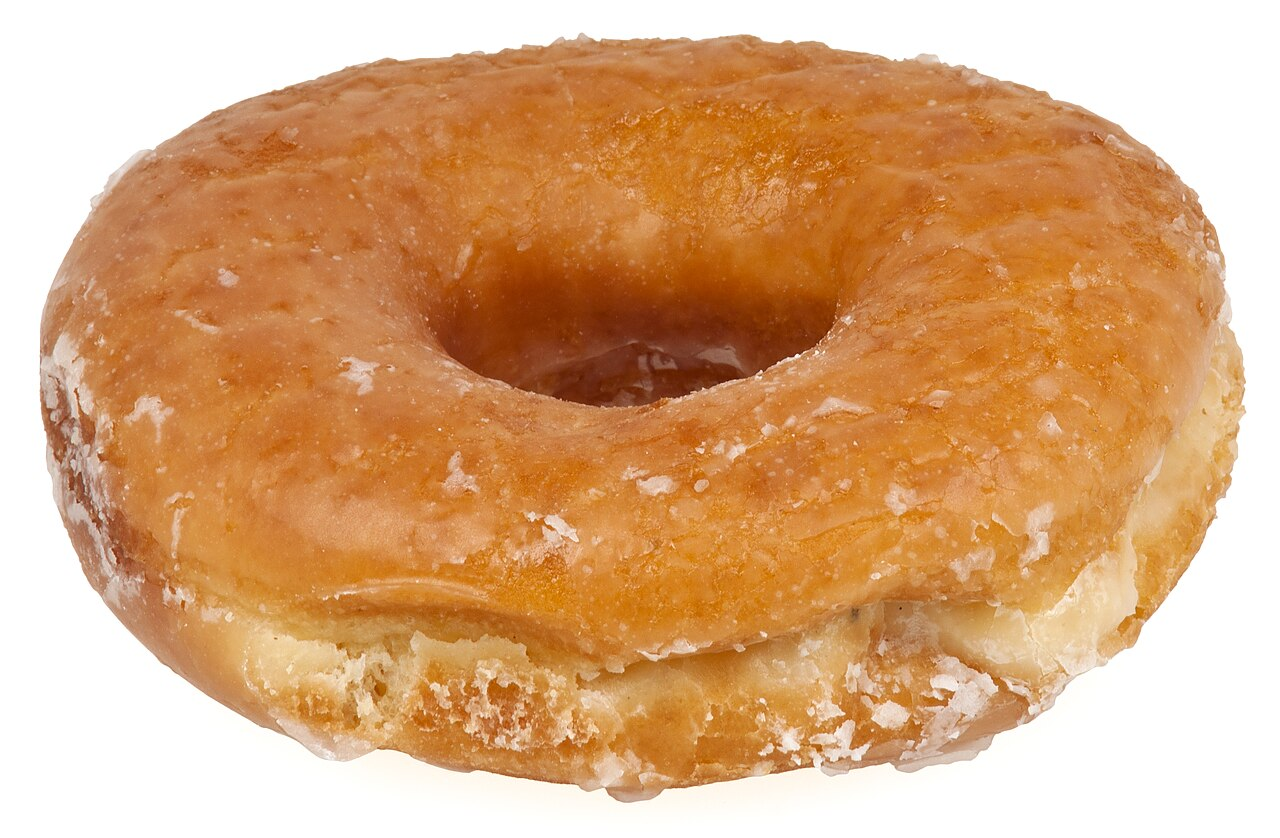
Southern shops built entire traditions around fresh, hot glazed donuts. The illuminated “hot now” sign became iconic.
Across much of the South, a beloved tradition centers on the simple hot glazed donut, served fresh off the line the moment an illuminated “hot now” sign lights up outside a shop, drawing customers eager for a donut still warm enough to melt in the hand. Families have been known to time entire errands around catching the sign lit up, treating a fresh, warm donut as a small, reliable weekend pleasure rather than an everyday convenience. The South’s hot-glazed tradition turned donut timing into a genuine cultural ritual, a simple, universally beloved treat elevated by the sheer anticipation of catching one at the perfect, freshly glazed moment.
America’s Sweeter Side, Region by Region
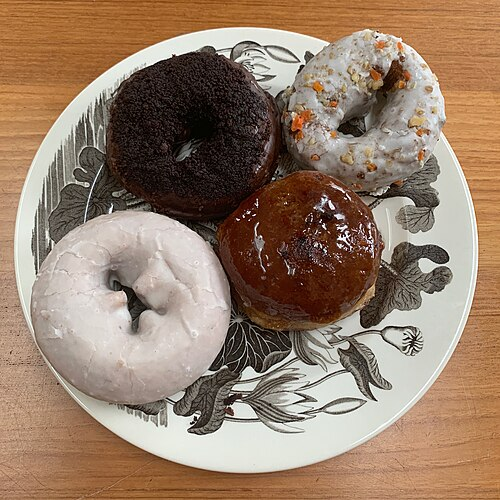
Taken together, these eight styles show just how much regional and immigrant history shapes even a treat as simple as fried dough and sugar, from New Orleans’s sugar-buried beignets to Texas’s savory kolaches and Portland’s wildly inventive novelty creations. Each reflects the specific community and culture that shaped it.
What ties these otherwise very different pastries together is the way each one carries genuine cultural memory, Portuguese plantation workers, Polish Catholic traditions, Czech settlers, French colonial cuisine, all preserved and lovingly maintained in a simple fried dough recipe passed down carefully through many generations of home bakers and small family-run shops alike. Exploring America’s regional donut map offers a delicious, unexpectedly rich lesson in immigration history, proving that even the most humble, everyday breakfast treat imaginable can carry centuries of genuine cultural identity inside just a few simple bites of fried dough and sugar.
Several of these traditions have also spread well beyond their original regions in recent decades, with beignets now appearing on brunch menus nationwide and cider donuts showing up at farm stands far outside New England during the fall season. Yet the most authentic versions still tend to cluster around the communities that originated them, rewarding travelers willing to seek out the specific bakery or café where a tradition has been kept alive for generations rather than settling for a more generic, mass-produced imitation. A serious donut tour of America, sampling a paczki in Detroit, a kolache in Central Texas, and a malasada straight from a Hawaiian bakery, would offer a genuinely delicious crash course in the country’s layered immigrant history, one sugar-dusted bite at a time.
Like our content? Follow us for more.
