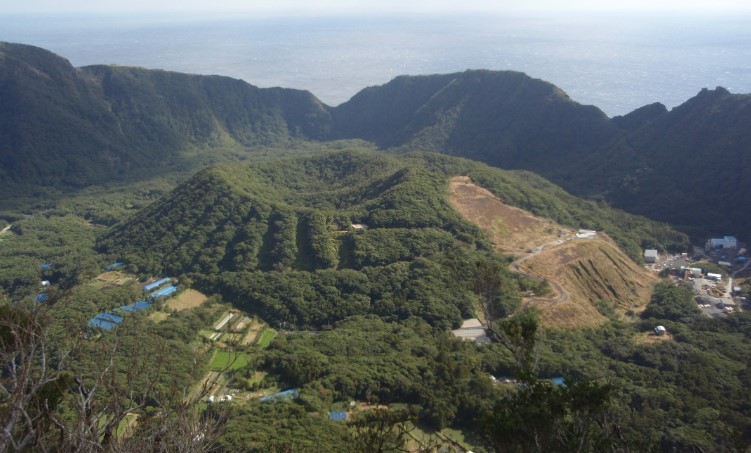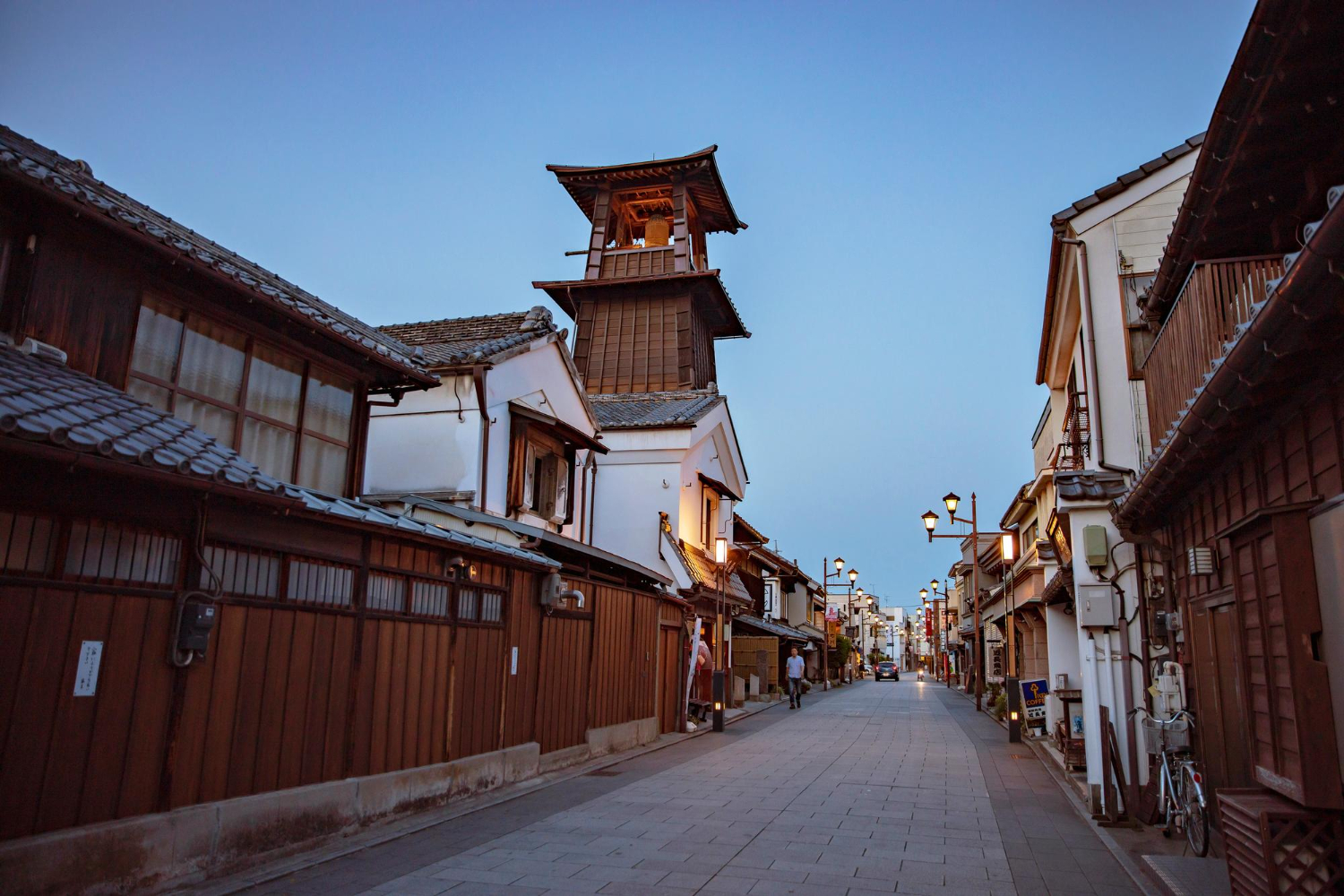
For most of the twentieth century, there was a village in rural Japan where strangers simply didn’t stay. They passed through, sometimes. They looked at the old farmhouses from the road. But the community had drawn an invisible line around itself, and for a long time, almost everyone respected it.
That line is now gone. And the aftermath is one of the more honest case studies in what tourism actually does to a place — not the postcard version, but the real one.
Japan’s relationship with rural preservation is not an accident. The country has spent decades watching its countryside empty out as younger generations moved to Tokyo, Osaka, and Nagoya. The villages that survived did so by holding on to something — a craft, a landscape, a way of life unusual enough that it couldn’t be replicated elsewhere. Some of those villages eventually found that the thing they’d been protecting was exactly what outsiders wanted to see. That realization changed everything.
When Staying Closed Was a Strategy, Not a Posture
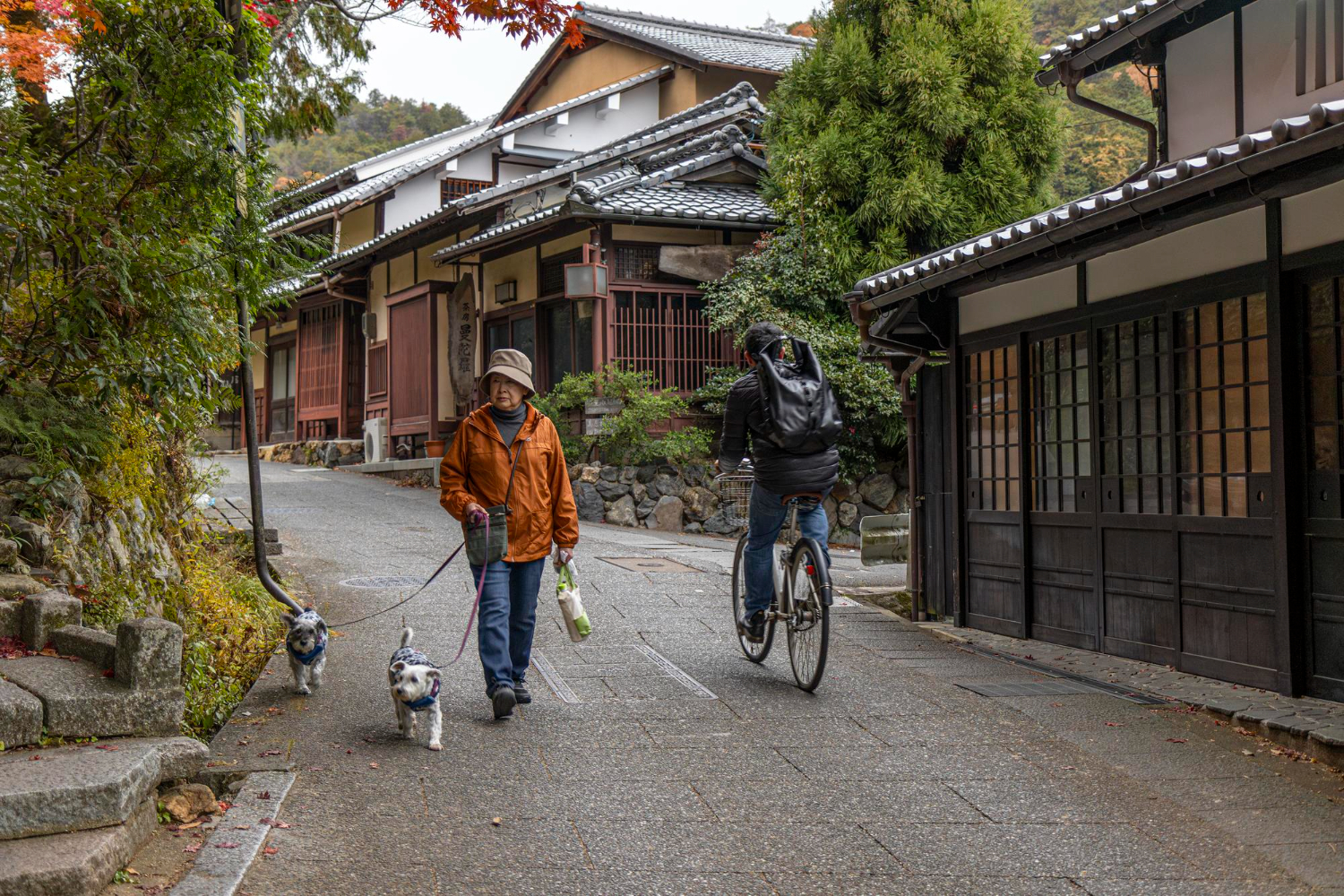
The resistance to tourism in certain Japanese rural communities wasn’t purely cultural stubbornness. It was practical. Villages that had watched neighboring towns open up to visitors often saw a familiar pattern: an initial surge of interest, a few good years of revenue, then a slow hollowing out as the most photogenic elements of daily life became performance. The fish market that used to feed the town starts feeding Instagram. The local festival that once meant something to residents becomes a ticketed event. The people who made the place what it was start leaving, because the place they loved no longer exists.
Here’s the strange part: the communities that held out longest often did so not out of hostility to outsiders, but out of a genuine desire to keep living the life that outsiders claimed to admire. There’s a real tension in that, and most travel writing pretends it doesn’t exist.
What made certain Japanese villages unusual was the degree of social consensus required to maintain their closed posture over multiple generations. This isn’t a decision one mayor makes. It’s a position that has to be renewed, informally, across every household and every decade. That kind of collective resolve is its own kind of cultural achievement, rarer, in some ways, than any temple or craft tradition.
The Moment the Calculation Shifted
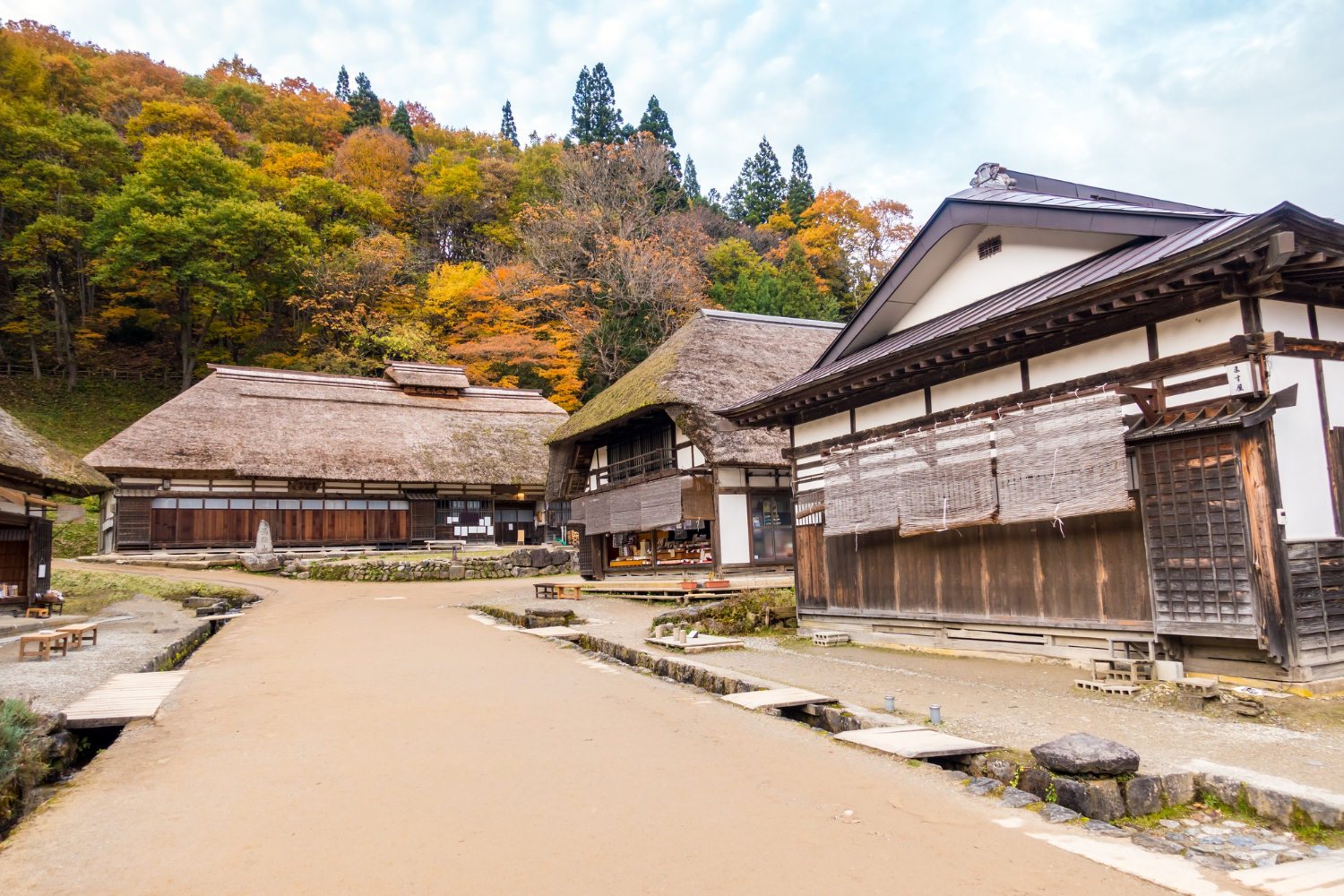
The shift, when it came, was rarely dramatic. It almost never is. What changed the math in many of these communities wasn’t a sudden love of tourism, it was the arithmetic of survival. When the school closes because there aren’t enough children, when the last doctor retires and no replacement comes, when the post office reduces its hours and then its days, the village faces a different kind of extinction than the one it was originally trying to prevent.
Controlled tourism began to look like the lesser threat. Not ideal. Not what anyone wanted. But survivable, if managed carefully.
The communities that handled it best moved slowly, some capping annuannual visitors deliberately capped at a modest number for the first several years. Hard limits. Locally owned guesthouses, not hotel chains. They decided in advance which parts of their life were available for visitors to observe, and which parts were not. Tourism as a tool. Not an identity.
The communities that handled it worst were the ones that opened all the way, all at once, because they needed the money and couldn’t afford to be selective. Those places changed faster than anyone anticipated, and not always in the direction anyone intended.
What Travellers Actually Find When They Arrive
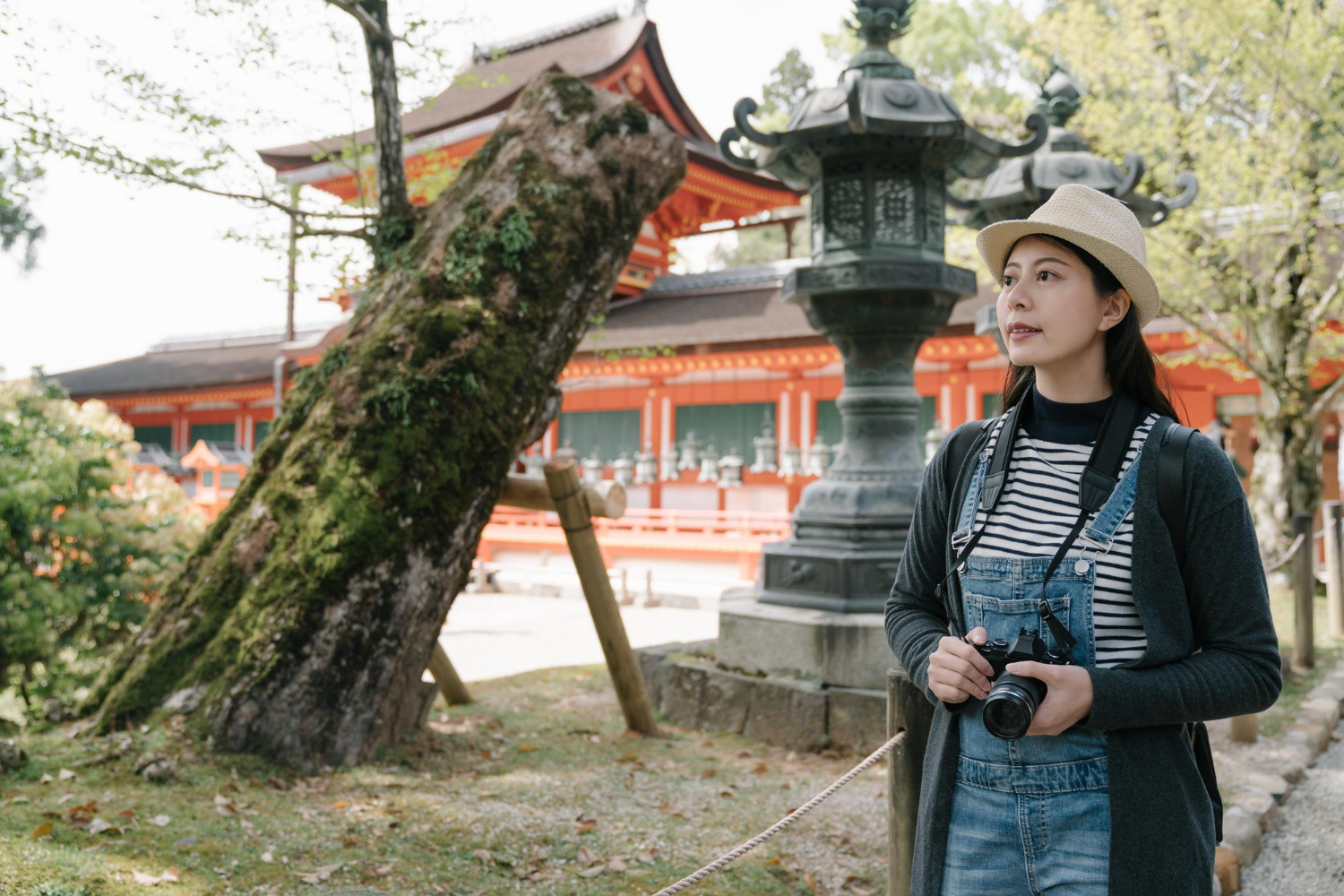
For visitors who make it to these now-open communities, the experience tends to be disorienting in a specific way. The place is genuinely beautiful. The food is exactly as good as the reputation suggested. The craftsmanship, whether it’s textiles, ceramics, lacquerwork, or something more agricultural, is the real thing, not a reproduction of the real thing.
But there’s also an awareness, if you’re paying attention, that you are a guest in someone’s ongoing experiment. The village is still figuring out what it wants to be. The welcome is real, but it comes with conditions, some spoken and some not. Visitors who treat the place like a theme park tend to leave disappointed. Visitors who treat it like a living community, which is what it is, tend to leave with something they can’t quite name but don’t want to lose.
Here’s the thing. Most travel writing about places like this reaches for one of two conclusions, “tourism ruined it” or “tourism saved it”, because clean verdicts are easier to publish. The actual answer is messier and more honest: it did both, unevenly, to different parts of the same place, at the same time. Which is probably how it was always going to go.
The Unfinished Verdict
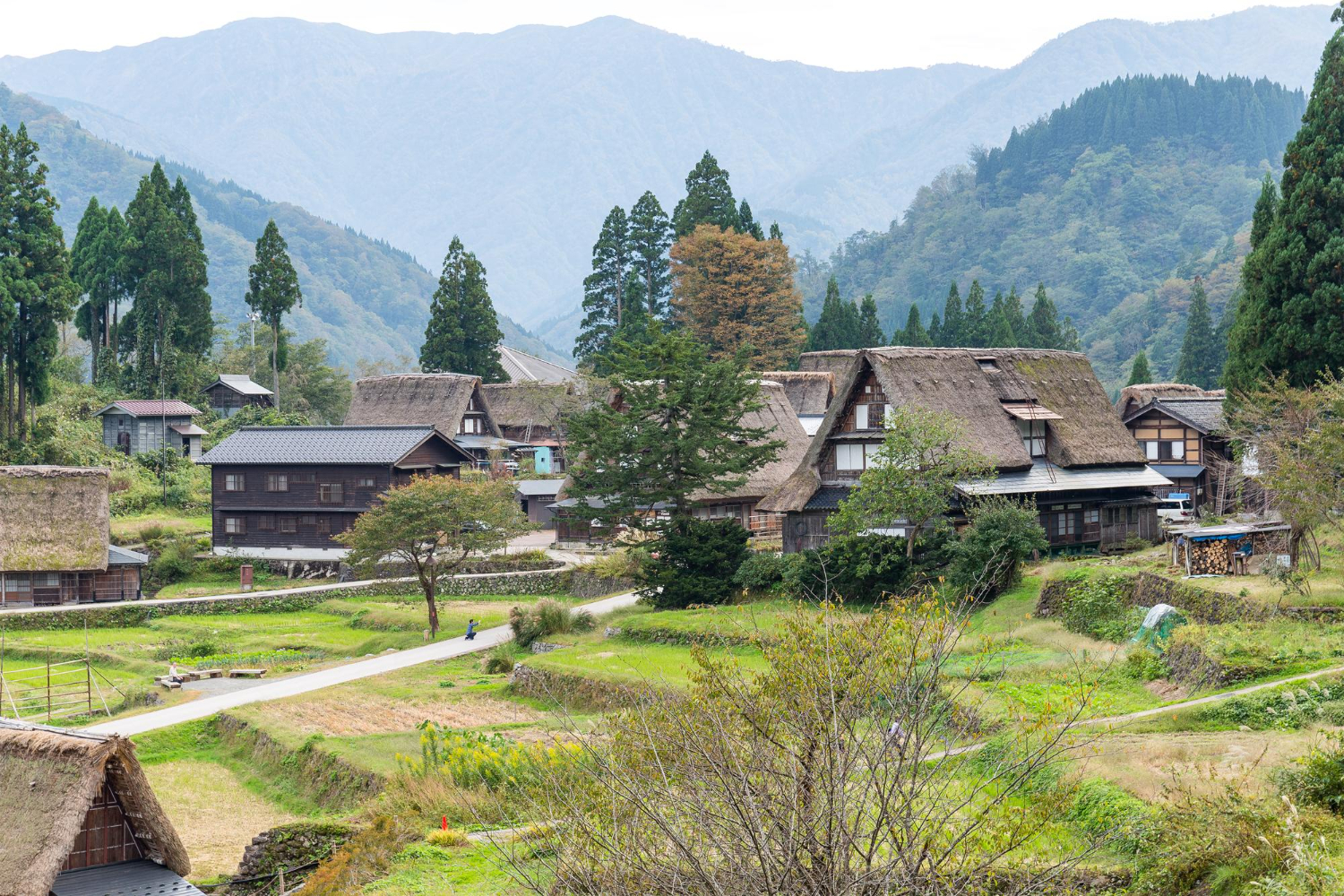
The villages that resisted the longest are now, in a strange way, among the most visited in rural Japan. Not in raw numbers, they’re still small, still careful, still limiting access. But in terms of the intensity of interest they generate, the reported demand for accommodation in their guesthouses, the willingness of travelers to plan trips months in advance around a single overnight stay, they have become a different kind of destination. Not famous. Sought.
Whether that’s victory or defeat depends on who you ask, and probably on which generation of the community you’re asking. The elders who held the line for decades tend to be quietly proud and quietly worried in equal measure. The younger residents who pushed for the opening are watching the numbers and updating their opinions in real time.
What’s clear is that the story isn’t over. These communities didn’t open their doors and then stop making decisions, they opened their doors and started making harder ones.
Go slowly if you visit. Stay longer than feels reasonable. Spend money in ways that stay inside the village, the family-run inn over the regional booking platform, the ceramicist’s workshop over the gift shop at the trailhead. The places that resisted outside attention for this long were protecting something specific, and it’s worth understanding what that was before you decide you want to see it. If the village is still figuring out what it wants to become, and most of them are, then you’re not really a tourist. You’re a participant in an experiment nobody fully controls. That’s either the most interesting thing about this kind of travel, or the reason to think twice before going.
This article was created with AI assistance and reviewed for clarity and accuracy.