In 1975, the American suburban Saturday revolved around one trip — the trip to the mall, or to the standalone department store at the edge of town. Montgomery Ward. Two Guys. Korvettes. Caldor. Bradlees. Ames. Service Merchandise. By 1985, several of these were already in trouble. By 2005, most were gone. The fact that an entire layer of mid-tier American retail vanished within twenty-five years is one of the largest commercial disappearances in U.S. history. Here are twelve department stores that anchored a 1975 Christmas shopping season, the year each one finally closed its doors, and where to still find traces of them today.
1. Montgomery Ward — Closed 2000
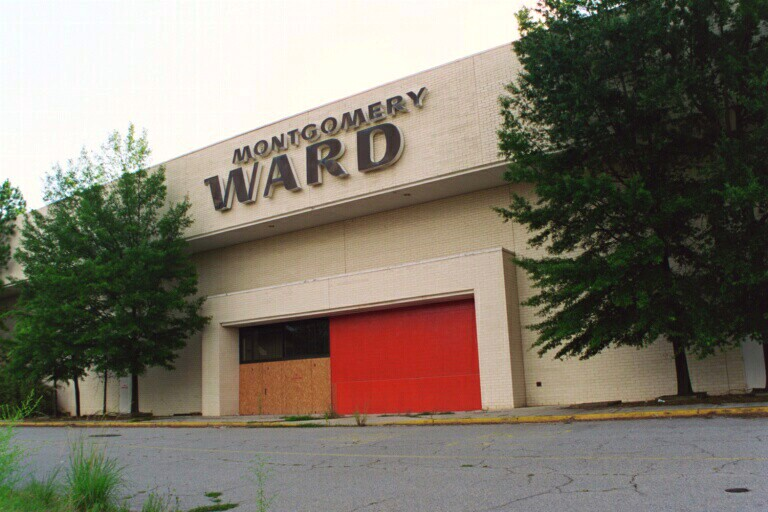
Montgomery Ward was founded in Chicago in 1872 by Aaron Montgomery Ward, who pioneered the American mail-order catalog two decades before Sears. By the 1970s, Wards operated approximately 600 full-line department stores and was Sears’ closest competitor in middle-class American retail. The chain’s auto centers, Wards-branded appliances, and seasonal Christmas catalogs were fixtures of suburban life. GE Capital bought the chain in 1988 and oversaw a slow strategic decline through the 1990s. After failed turnaround attempts and a 1997 Chapter 11 bankruptcy, Montgomery Ward filed Chapter 7 liquidation in December 2000 and closed all 250 remaining stores. The Wards name was later revived as an online catalog by Direct Marketing Services International, but the original retail chain — the one that defined American small-town shopping for over a century — was completely gone by early 2001.
Like our content? Follow us for more.
2. Woolworth’s — Closed 1997
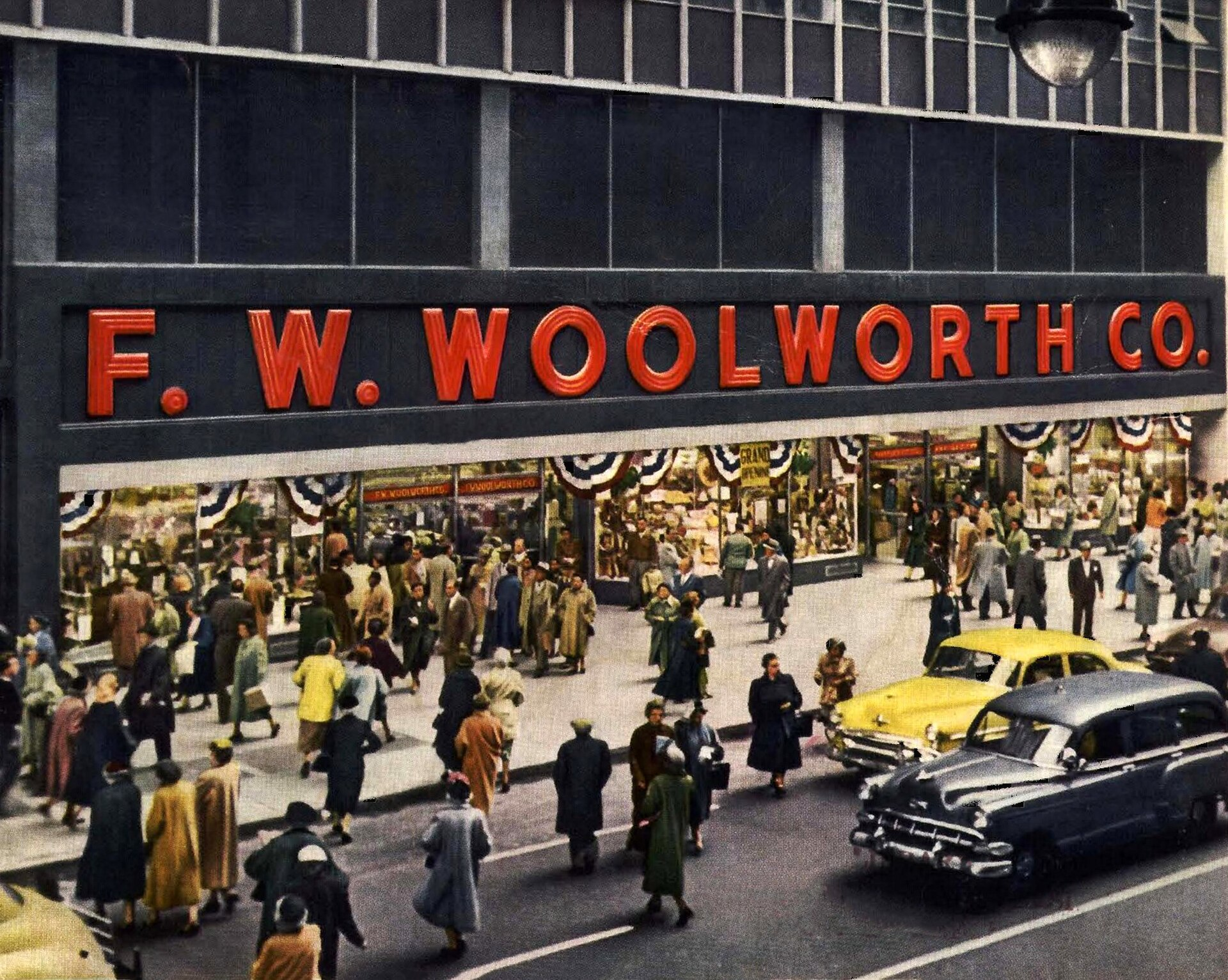
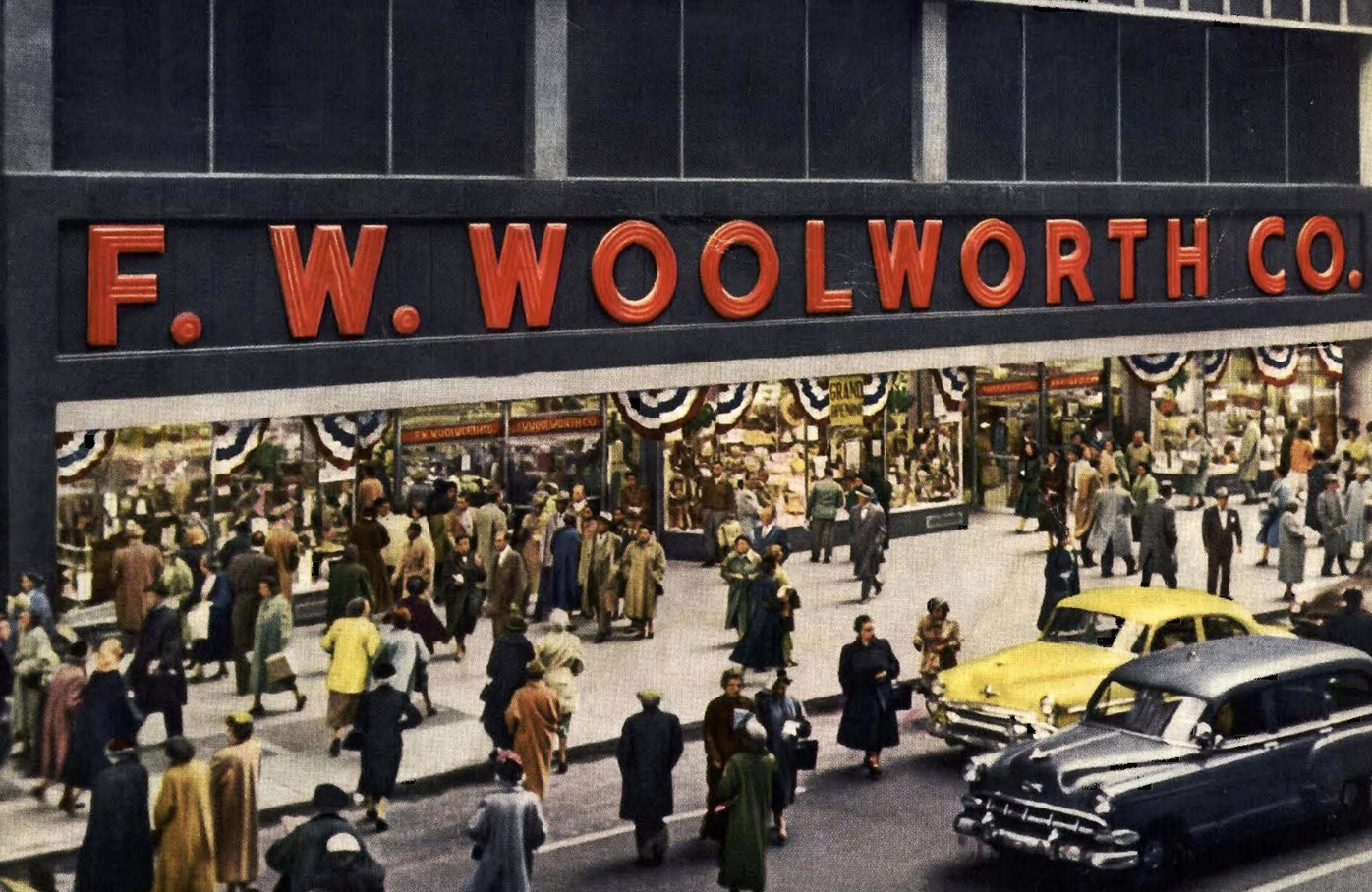
F.W. Woolworth Company was the original five-and-dime store, founded in 1879 in Utica, New York. By the 1970s, Woolworth’s operated roughly 2,000 stores across the United States with the company headquartered in the iconic Woolworth Building in Manhattan. The lunch counter, the candy bins, the Christmas tinsel, the goldfish in tanks. Foot Locker, originally a Woolworth’s subsidiary, eventually grew larger than the parent retailer and prompted a strategic shift toward athletic footwear in the 1980s. Woolworth Corporation closed all remaining 400 American five-and-dime stores on July 17, 1997, terminating 9,200 employees and ending 118 years of American retail. The parent company restructured as Venator Group, then Foot Locker. The Woolworth Building in Manhattan still stands as a Manhattan landmark, now partly converted to luxury condominiums.
3. Kmart — Effectively Closed 2025
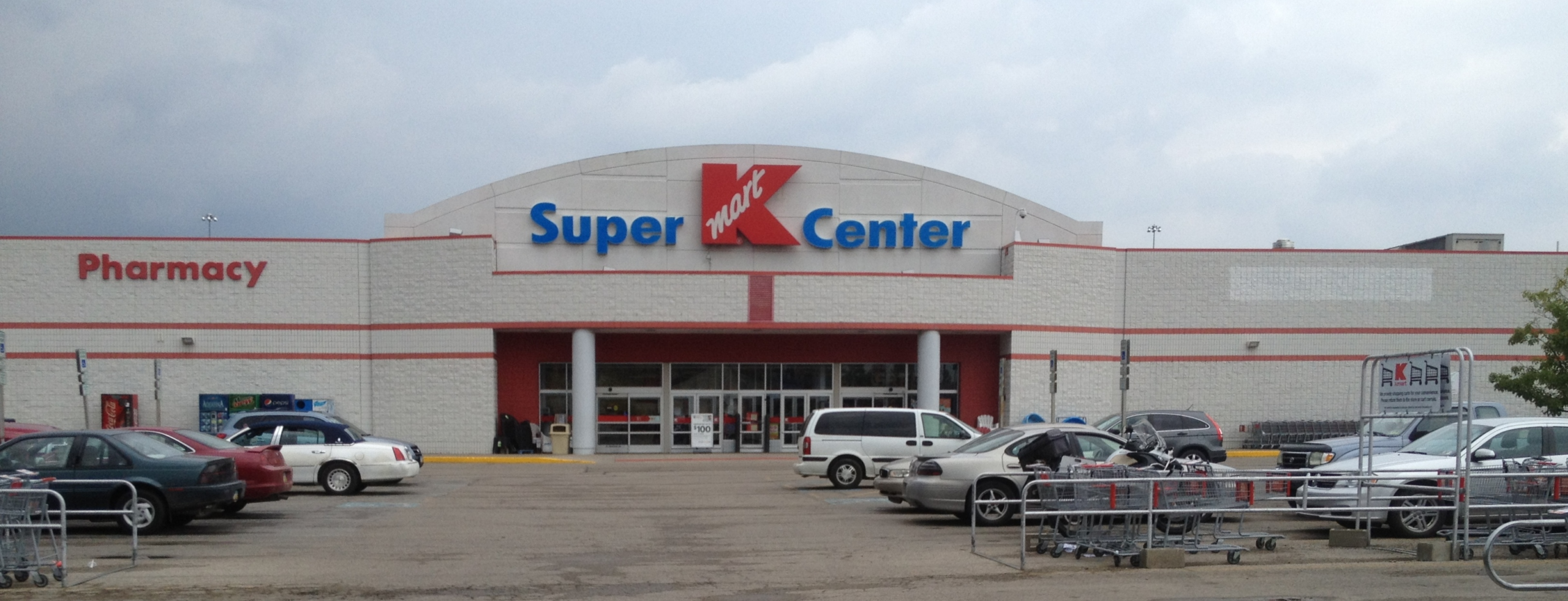
Kmart was founded in 1962 as a discount offshoot of S.S. Kresge Company. By 1976, Kmart operated approximately 1,200 stores and was for several years the largest discount retailer in the United States, ahead of both Sears and Walmart. The Blue Light Special, the soft-served Icee, the 1970s plastic-stripped fluorescent-lit aisles. Walmart overtook Kmart in revenue in 1990, and the chain never recovered. Kmart filed Chapter 11 in 2002, merged with Sears Holdings in 2005, then declined steadily through the 2010s and 2020s. The last full-line American Kmart in Bridgehampton, New York closed in October 2024. A single small-format Kmart store remained operating in Miami in early 2025, then closed in late spring 2025. The Kmart era of American discount retail is functionally over.
4. Two Guys — Closed 1981
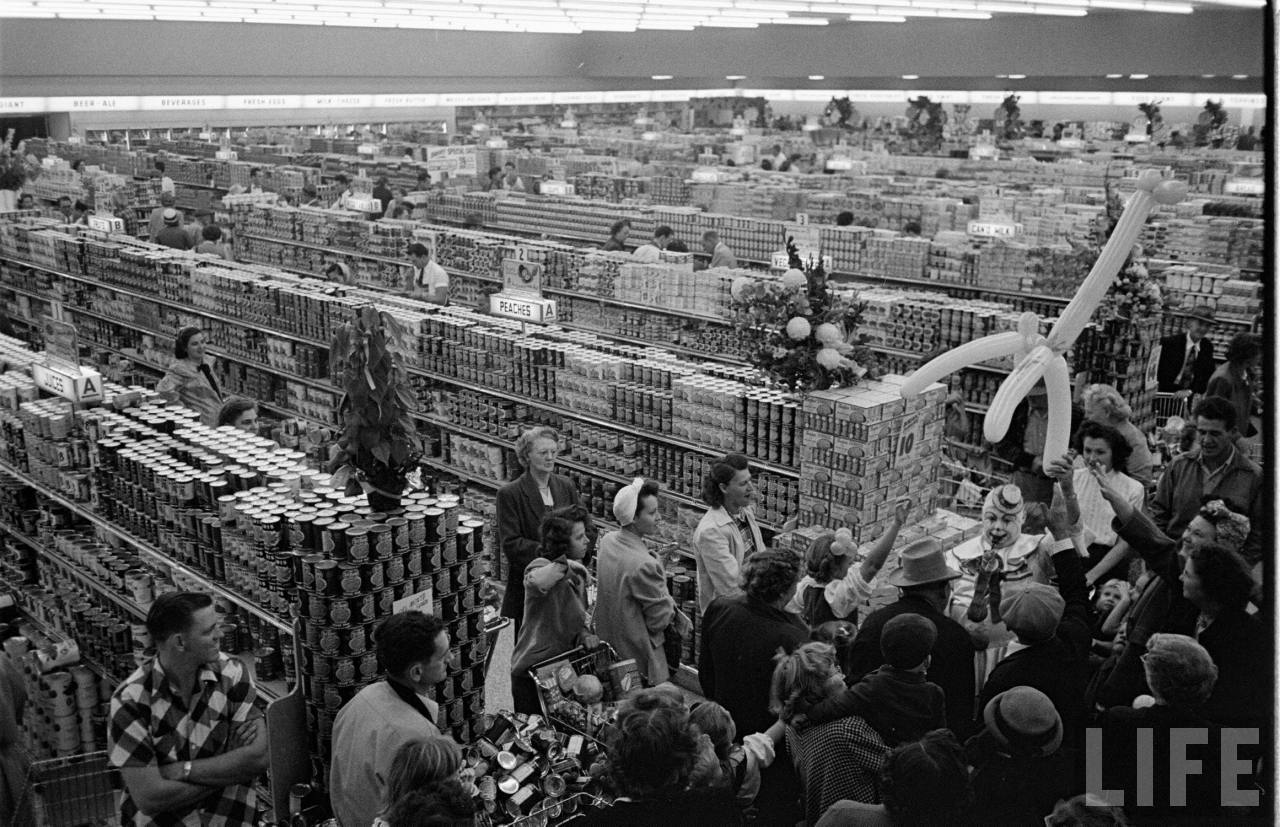
Two Guys was a regional New Jersey-based discount department store chain founded in 1946 by brothers Herbert and Sidney Hubschman. The full name was “Two Guys from Harrison,” referencing the original Harrison, NJ location. By 1970, Two Guys had roughly 100 stores across the Northeast and Midwest, selling appliances, furniture, clothing, and groceries under one roof. The chain pioneered the discount-store category that Kmart and Walmart later dominated. Vornado Inc., which had acquired Two Guys in 1959, decided to close the entire chain in 1981 to focus on real estate development. All 100 stores shut their doors over the following 18 months. The empty Two Guys buildings were converted into other retail uses across New Jersey, New York, and Pennsylvania, with several of the buildings still standing today as Home Depots and Targets.
5. Korvettes — Closed 1980
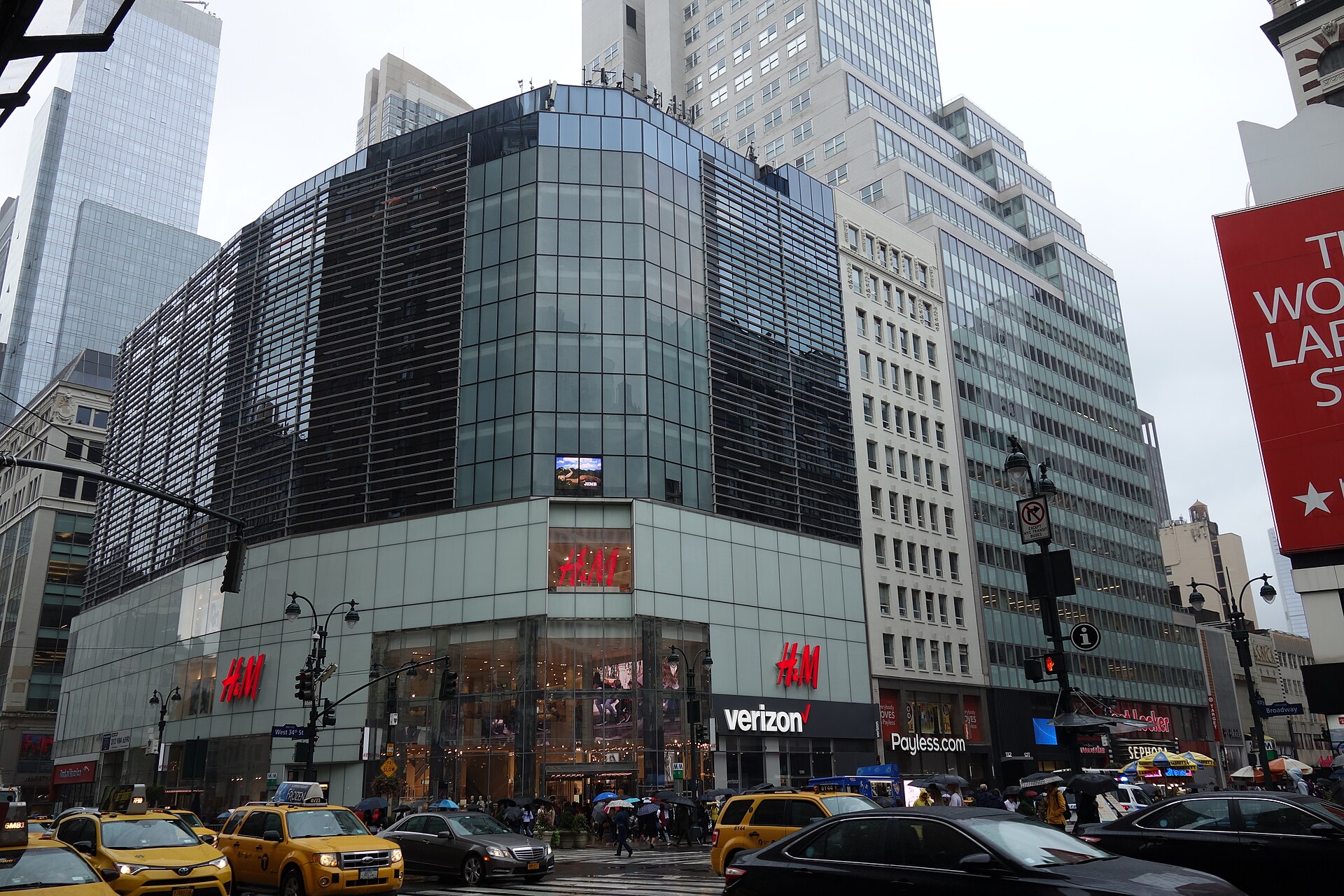
E.J. Korvettes was founded in 1948 by Eugene Ferkauf as a single Manhattan luggage store, then expanded into a chain of discount department stores that hit 58 locations by 1966. Korvettes pioneered the suburban discount department store before Kmart and Walmart entered the market. The chain sold appliances, jewelry, clothing, books, records, and toys at margins that established retailers could not match. Arlen Realty bought the chain in 1971, then sold it to French retail giant Agache-Willot in 1979. Within a year, Agache-Willot had filed for Chapter 11 protection in the U.S., and Korvettes liquidated all 50 remaining stores by the end of 1980. The chain’s collapse was directly cited in Harvard Business Review case studies of the 1980s as a cautionary tale of leveraged retail acquisitions and poor parent-company management.
6. Caldor — Closed 1999
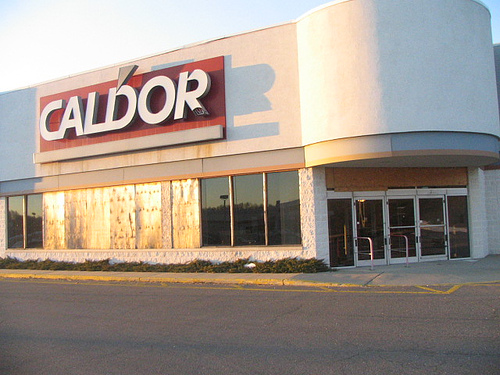
Caldor was a regional discount department store chain founded in 1951 in Norwalk, Connecticut, by Carl and Dorothy Bennett — the name combining their first names. By the 1970s, Caldor had grown to roughly 130 stores across the Northeast, generally regarded as the higher-quality discount alternative to Kmart for middle-class New England shoppers. Associated Dry Goods bought Caldor in 1981, then May Department Stores acquired it in 1986. After an aggressive expansion that overextended the chain’s logistics, Caldor filed Chapter 11 bankruptcy in 1995 and closed all 145 remaining stores by May 1999. Many former Caldor locations became Kohl’s, BJ’s Wholesale, or Target stores. The Caldor logo — a bold rounded sans-serif “C” — remains an item of nostalgic merchandise in the Northeast and surfaces regularly on r/nostalgia and vintage Reddit threads.
7. Bradlees — Closed 2001
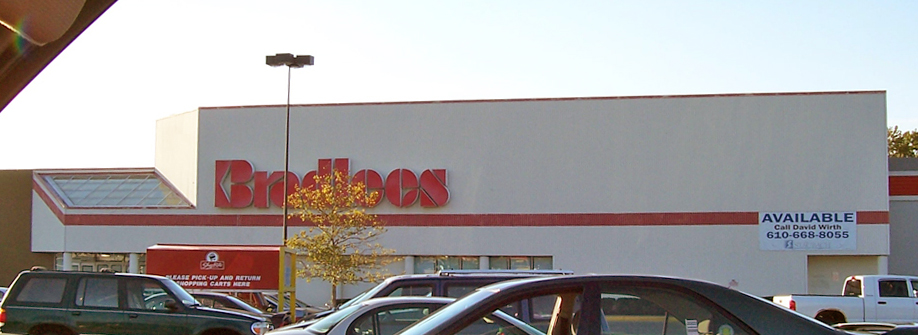
Bradlees was a Massachusetts-based discount department store chain founded in 1958 by Stop & Shop’s parent company. By the late 1970s, Bradlees operated approximately 175 locations across New England, New York, and the mid-Atlantic. The chain emphasized housewares, family apparel, and seasonal merchandise at moderate discount pricing. Stop & Shop sold Bradlees to its management in a 1992 leveraged buyout, which left the chain debt-burdened. Bradlees filed Chapter 11 in 1995, attempted a turnaround through the late 1990s, and then filed Chapter 7 liquidation in December 2000. All 105 remaining Bradlees stores closed by March 2001. The Bradlees name continued briefly on a small group of stores acquired by Ames Department Stores, but those closed within months of the parent transaction.
8. Ames Department Stores — Closed 2002
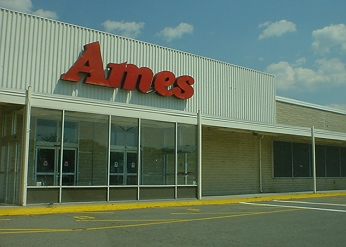
Ames Department Stores was founded in 1958 in Southbridge, Massachusetts, by brothers Milton and Irving Gilman. The chain grew steadily through the 1970s as a Northeast and Midwest discount retailer, targeting smaller markets where Kmart and Walmart had not yet entered. By 1988, Ames had purchased the larger Zayre chain and become the fourth-largest discount retailer in America with over 700 stores. The acquisition proved unmanageable. Ames filed Chapter 11 in 1990, restructured, and emerged in 1992. A second bankruptcy filing came in 2001, followed by a 2002 announcement that all 327 remaining Ames stores would close. The final liquidation was completed in October 2002, ending 44 years of Northeast and Midwest discount retail. Many former Ames locations were converted to Walmart, Target, or Big Lots.
9. Service Merchandise — Closed 2002
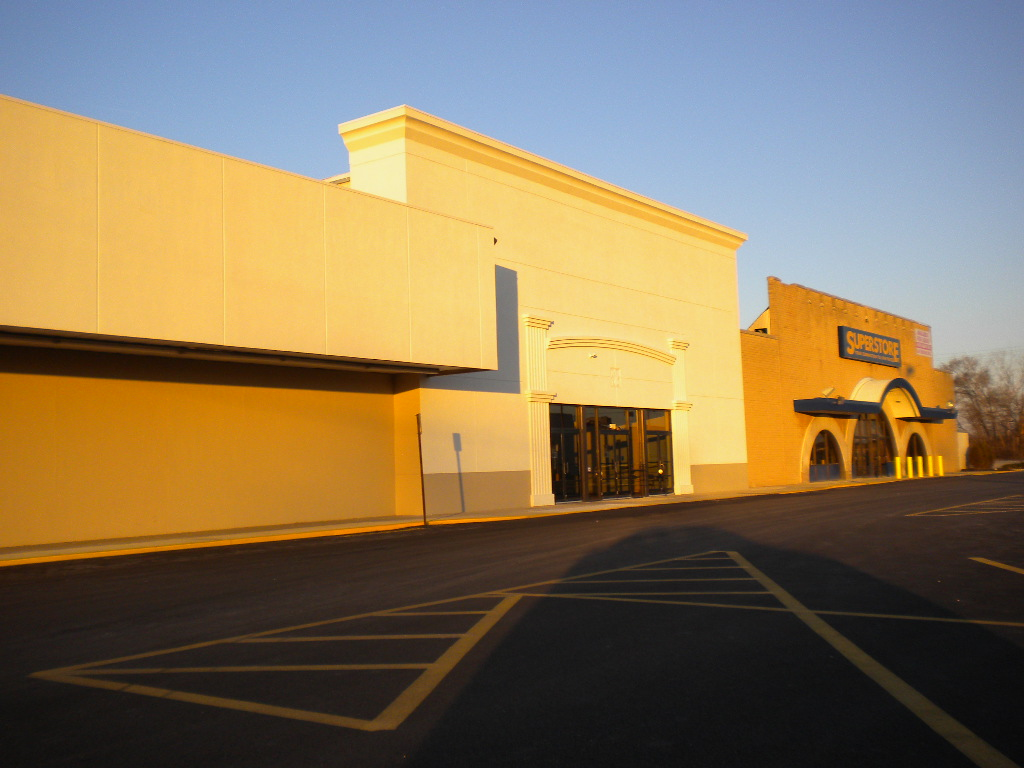
Service Merchandise was a Tennessee-based catalog-showroom retailer founded in 1934 by Harry Zimmerman in Pulaski. The catalog-showroom format — customers reviewed items in a catalog, then walked through a showroom and asked for the merchandise from a back warehouse — was unusual but effective for the 1970s. By the late 1970s, Service Merchandise operated approximately 400 showrooms and was particularly strong in jewelry, electronics, and seasonal toys. Christmas season was the chain’s peak. Walmart’s expansion into the same categories, plus the rise of warehouse clubs in the 1990s, gutted Service Merchandise’s market. The chain filed Chapter 11 in 1999 and announced final liquidation in 2001. All 270 remaining showrooms closed in 2002. The catalog-showroom retail format effectively died with the chain.
10. Hills Department Store — Closed 1999
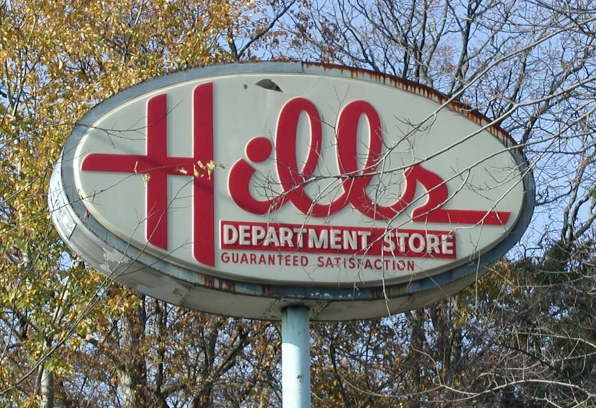
Hills Stores Company was a discount department store chain founded in 1957 in Youngstown, Ohio. By the 1970s, Hills operated roughly 150 stores across the Midwest, Appalachia, and the South, distinguished by its prominent in-store snack bar serving popcorn and Icees. The chain expanded aggressively through the 1980s and reached 165 locations by 1995. Hills filed Chapter 11 in 1991, emerged from bankruptcy, and then was acquired by Ames Department Stores in 1998. As part of the Ames consolidation, all Hills stores were rebranded as Ames in 1999. Most former Hills locations closed when Ames itself liquidated in 2002. The Hills snack bar remains the most-requested memory among former customers — Reddit threads about the smell of popcorn at Hills routinely surface in nostalgia communities.
11. Gimbels — Closed 1987
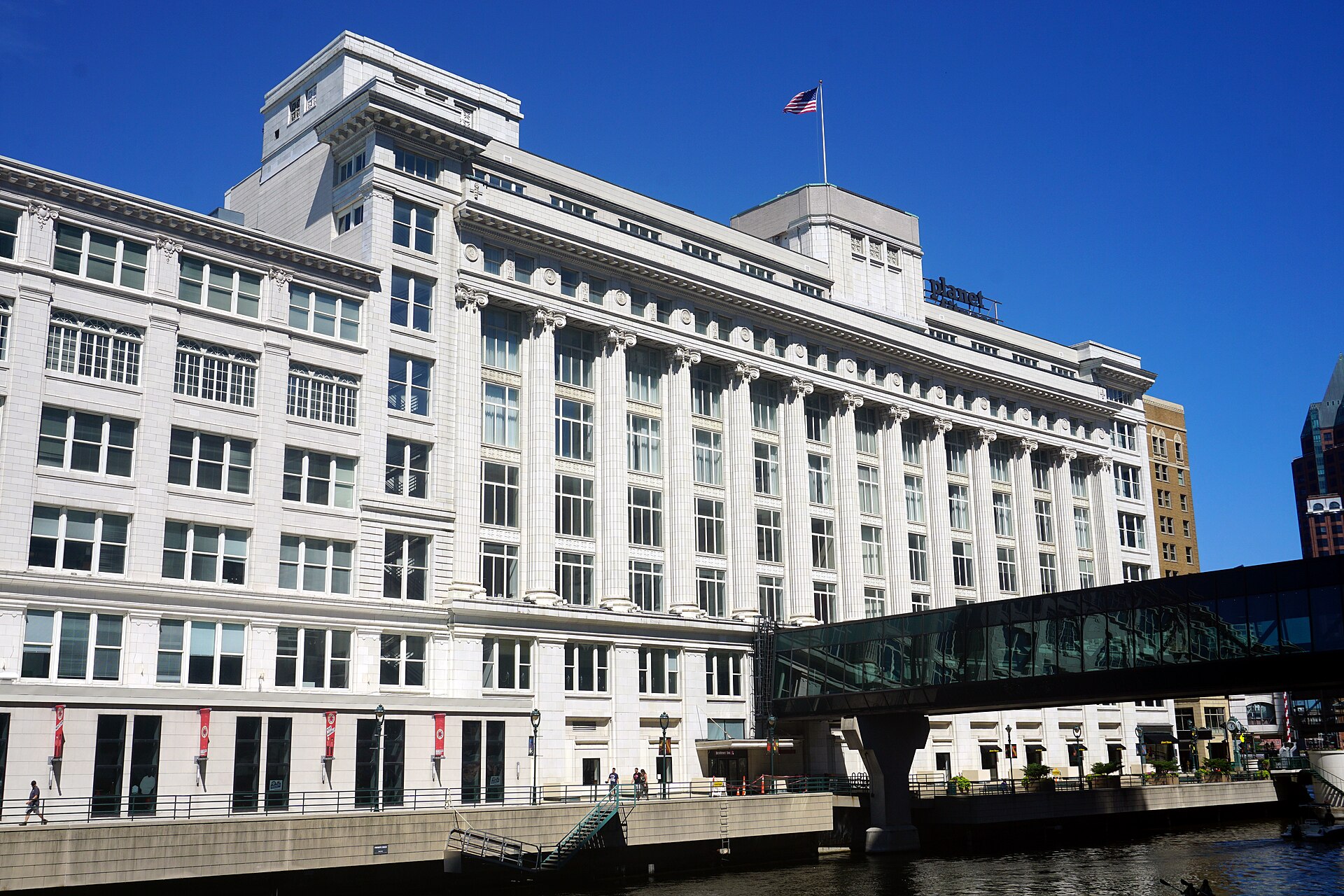
Gimbel Brothers Department Stores was founded in 1842 in Vincennes, Indiana, by Adam Gimbel, and grew into one of the largest American department store chains by the early 20th century. The Gimbels flagship at 33rd Street and Broadway in Manhattan was for decades the largest department store in the world by floor space. The chain’s rivalry with neighboring Macy’s was immortalized in the 1947 film “Miracle on 34th Street.” By 1980, Gimbels still operated approximately 35 full-line department stores across the Northeast and Midwest. Parent company BATUS Inc. announced the chain’s closure in June 1987 after years of declining sales. All Gimbels stores closed by the end of 1987. The Manhattan flagship was converted to other retail uses, and the building still stands at Herald Square.
12. Hecht’s, Marshall Field’s, Wanamaker, Filene’s — All Folded Into Macy’s by 2006
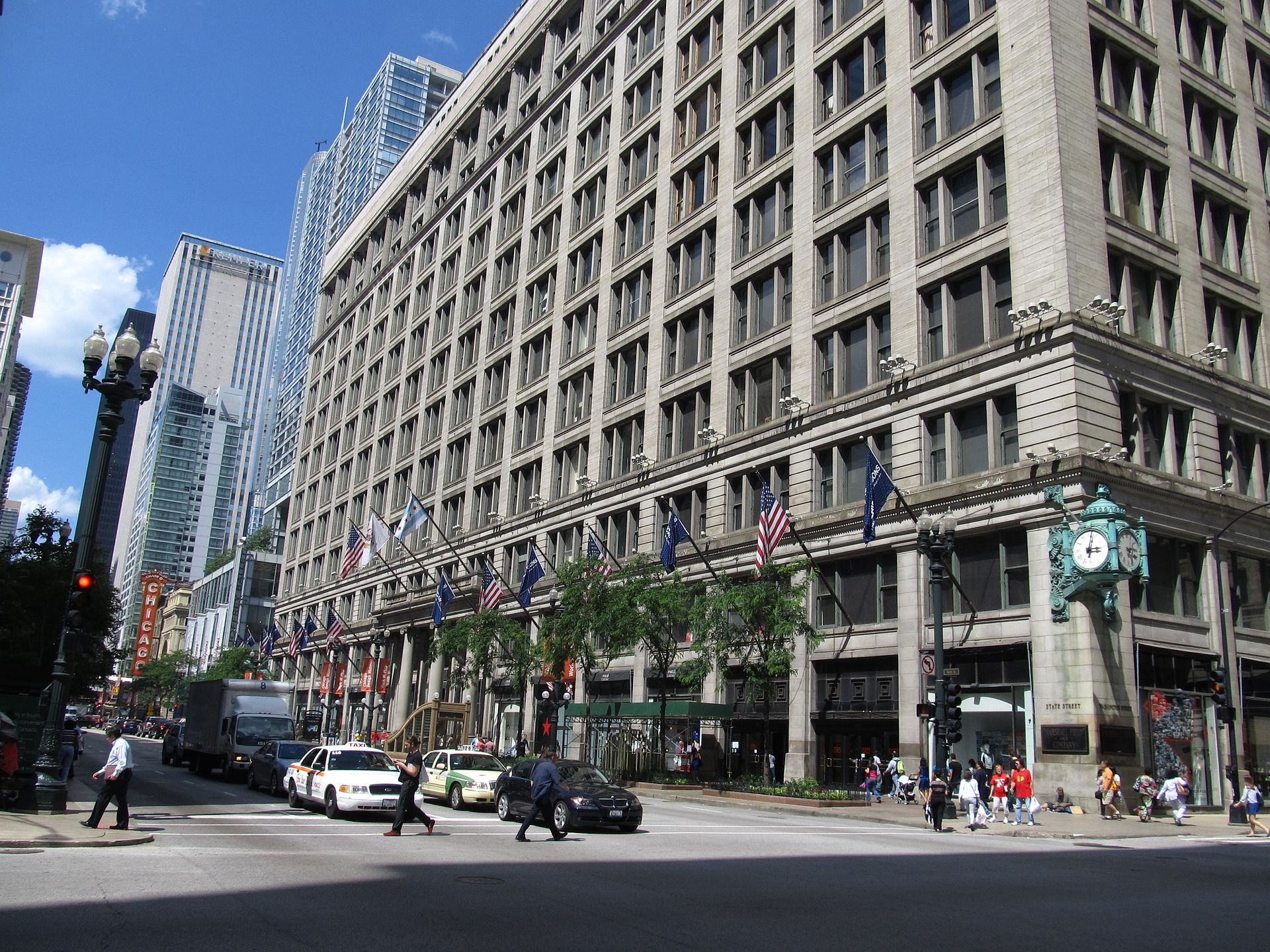
A separate category of 1970s department store fate: the regional flagship retailers that were acquired by Federated Department Stores and consolidated into Macy’s. Hecht’s (Mid-Atlantic, founded 1857), Marshall Field’s (Chicago, founded 1852), John Wanamaker (Philadelphia, founded 1861), and Filene’s (Boston, founded 1881) were all rebranded as Macy’s stores between 1995 and 2006. Federated’s consolidation strategy replaced more than a dozen regional flagship names with a single national Macy’s brand. The acquisition was particularly controversial in Chicago, where Marshall Field’s had been the city’s signature retailer for over 150 years. None of these names exist today as operating chains. Their flagship buildings — including Marshall Field’s State Street store in Chicago — remain as Macy’s stores.
Like our content? Follow us for more.