Every American student in 1978 sat at the same kind of desk: a wood-topped, metal-framed flip-lid model with a small storage well underneath. The contents of that storage well were almost identical from coast to coast — the same standardized supply list, the same Crayola box, the same compass, the same Trapper Keeper that had just launched the year before. Some of those items are still in every American school today. Others have been quietly removed, banned by district policy, or replaced by safer versions. Here are fifteen things that lived in a 1978 desk well — and which seven of them no longer survive the standard 2026 American back-to-school list.
1. The Standard Crayola 64-Color Box
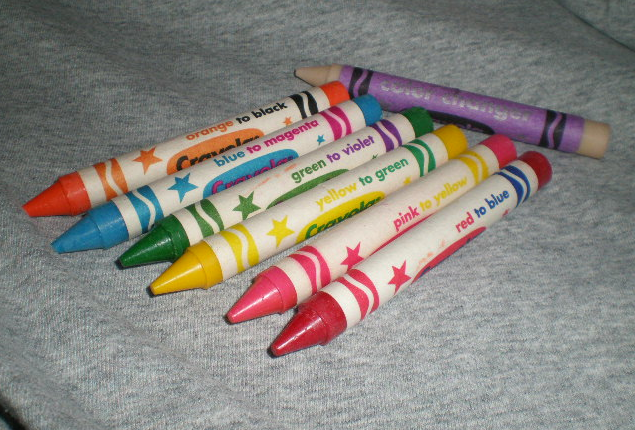
The Crayola 64-color box — the iconic green-and-yellow box with the built-in sharpener on the back — was introduced in 1958 and was the standard kindergarten through fourth-grade supply request in 1978. Two of the original colors have since been retired and renamed in response to civil rights and Indigenous communities. “Flesh” was renamed “Peach” in 1962 after the Civil Rights Movement. “Indian red” was renamed “Chestnut” in 1999 after sustained pressure from Native American advocacy groups. Modern Crayola boxes do not contain either of those original color names. The 1978 box is technically still legal but is no longer manufactured or sold. Unopened 1978 Crayola boxes have become collectibles, with sealed sets fetching $40 to $150 on eBay depending on condition.
2. The Number 2 Pencil with Metal-Tipped Eraser

The standard 1978 pencil was a yellow #2 graphite pencil with a pink rubber eraser held by a metal ferrule. The eraser-tipped pencil is still legal and still in widespread use, but the metal ferrules used in the 1970s often contained trace amounts of lead in the metal alloy. According to CPSC guidance updated in the 1990s, pencil ferrules sold for school use today must meet lead-free standards under the Lead Contamination Control Act. Modern pencils use aluminum or coated metal ferrules. The original 1970s ferrules are still in many classrooms in the form of legacy pencil stock. Most school supply lists no longer specify the eraser-tipped pencil and instead recommend separate erasers, which can be replaced without throwing out the pencil.
3. The Compass with Metal Point
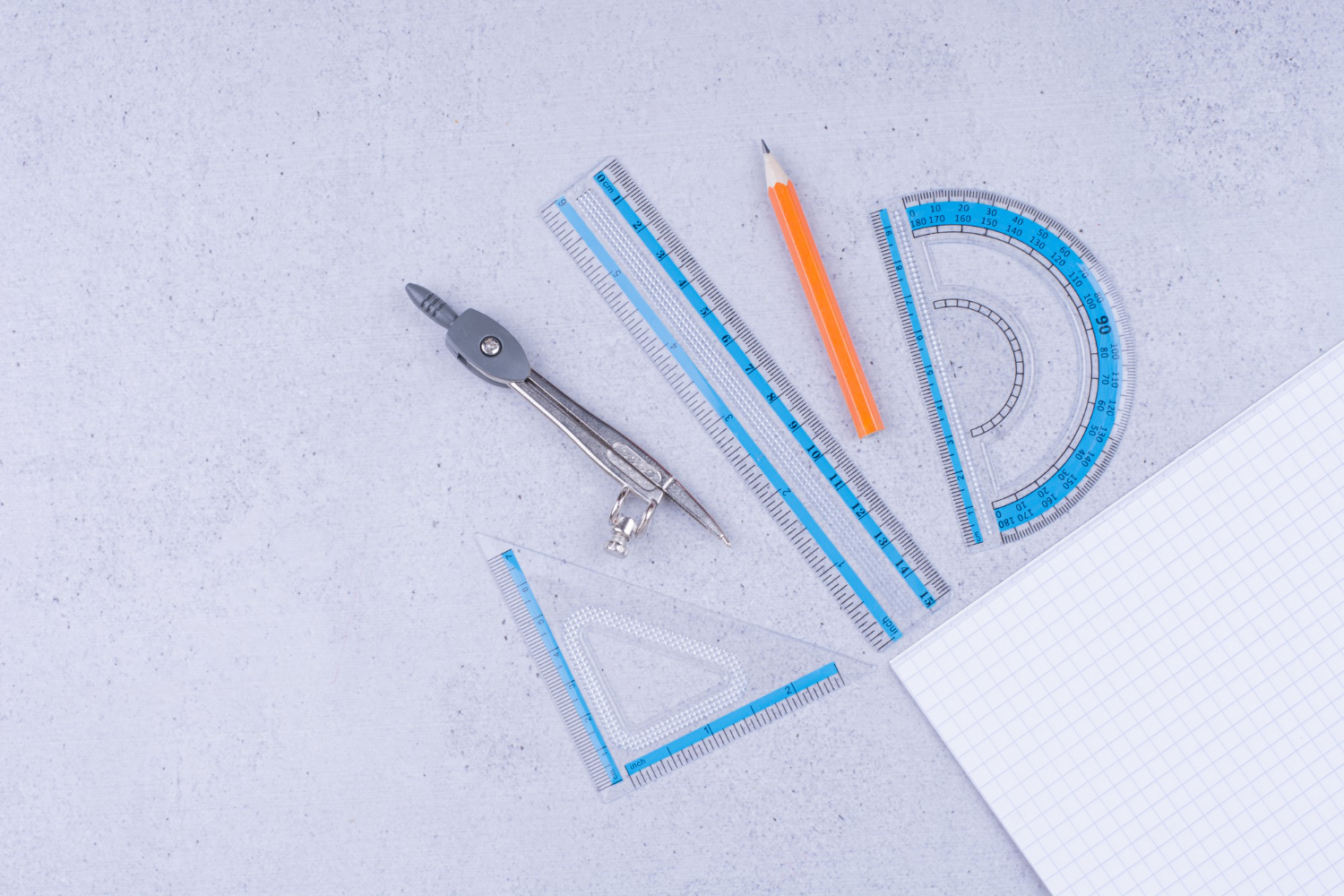
Every 1978 desk had a metal-pointed drafting compass for geometry class. The compass — sharp steel point, adjustable hinge, pencil holder on one arm — has been formally banned in many American school districts since the early 2000s. The National Association of School Resource Officers has classified the compass as a potential weapon under most district zero-tolerance policies. Plastic-point safety compasses are now the standard replacement, with the metal point replaced by a blunt plastic tip that anchors the compass without penetrating skin. Modern geometry instruction often relies on digital tools — Desmos, GeoGebra, or interactive whiteboards — that eliminate the need for a physical compass entirely. The 1978 metal-point compass is now confiscated as a weapon in roughly 60 percent of U.S. school districts according to industry research.
4. The Cap Gun Caps and Roll Caps
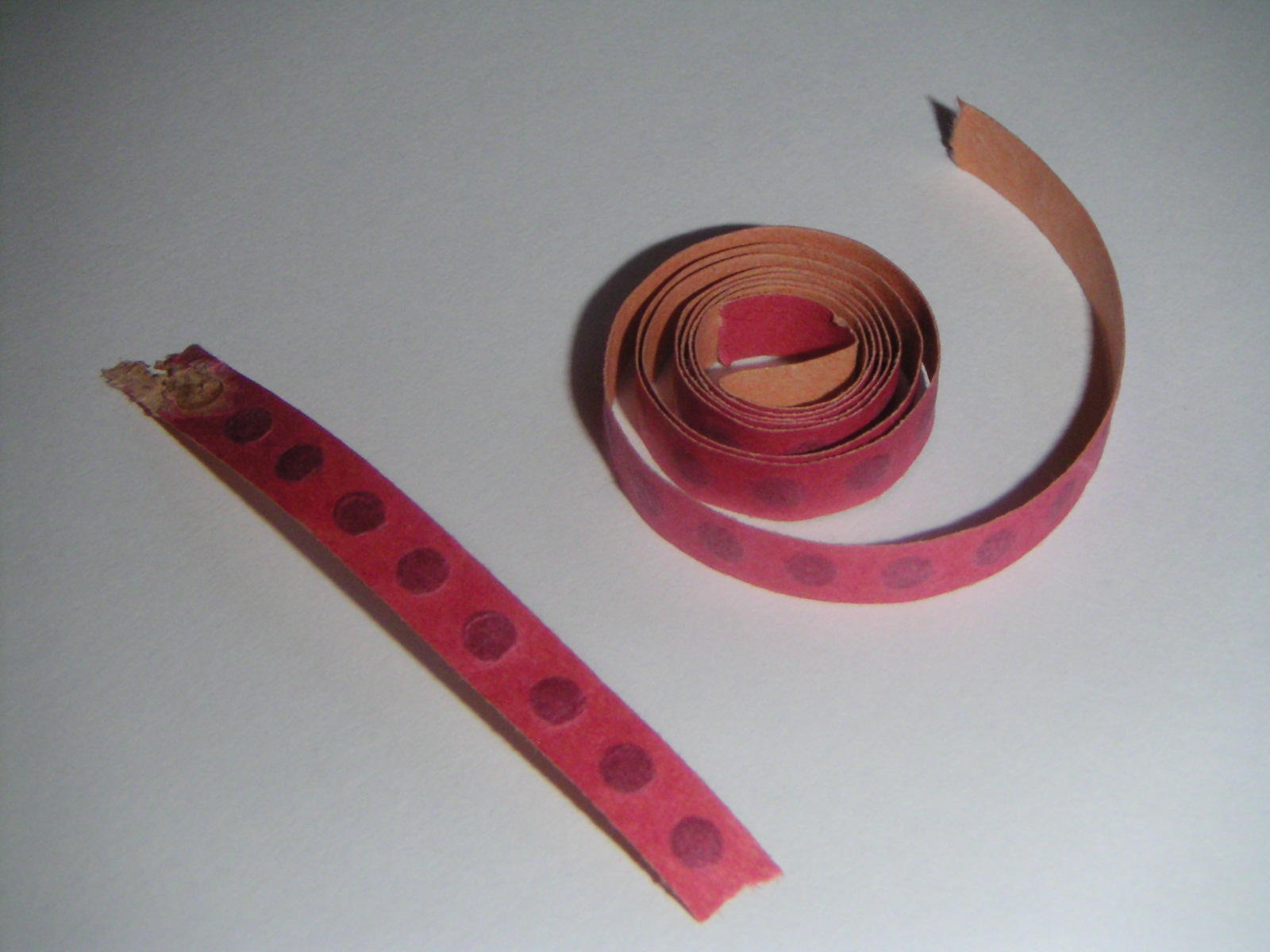
In 1978, paper roll caps and ring caps for cap guns were a normal trade item in the schoolyard. Boys carried them in pockets, in desk wells, and in lunchboxes. The Federal Toy Gun Marking Act of 1988 required orange tips on all toy guns sold in the United States, but the caps themselves remained legal. The shift came at the school district level. After Columbine in 1999, almost every American school district adopted zero-tolerance policies on any item that could be used as a weapon or could simulate a weapon. Cap guns, caps, and roll caps are now banned in virtually every American public school. A student bringing a cap gun cap to school in 2026 would face automatic suspension under most district codes. The cap itself is still federally legal as a consumer product.
5. The Switchblade Comb
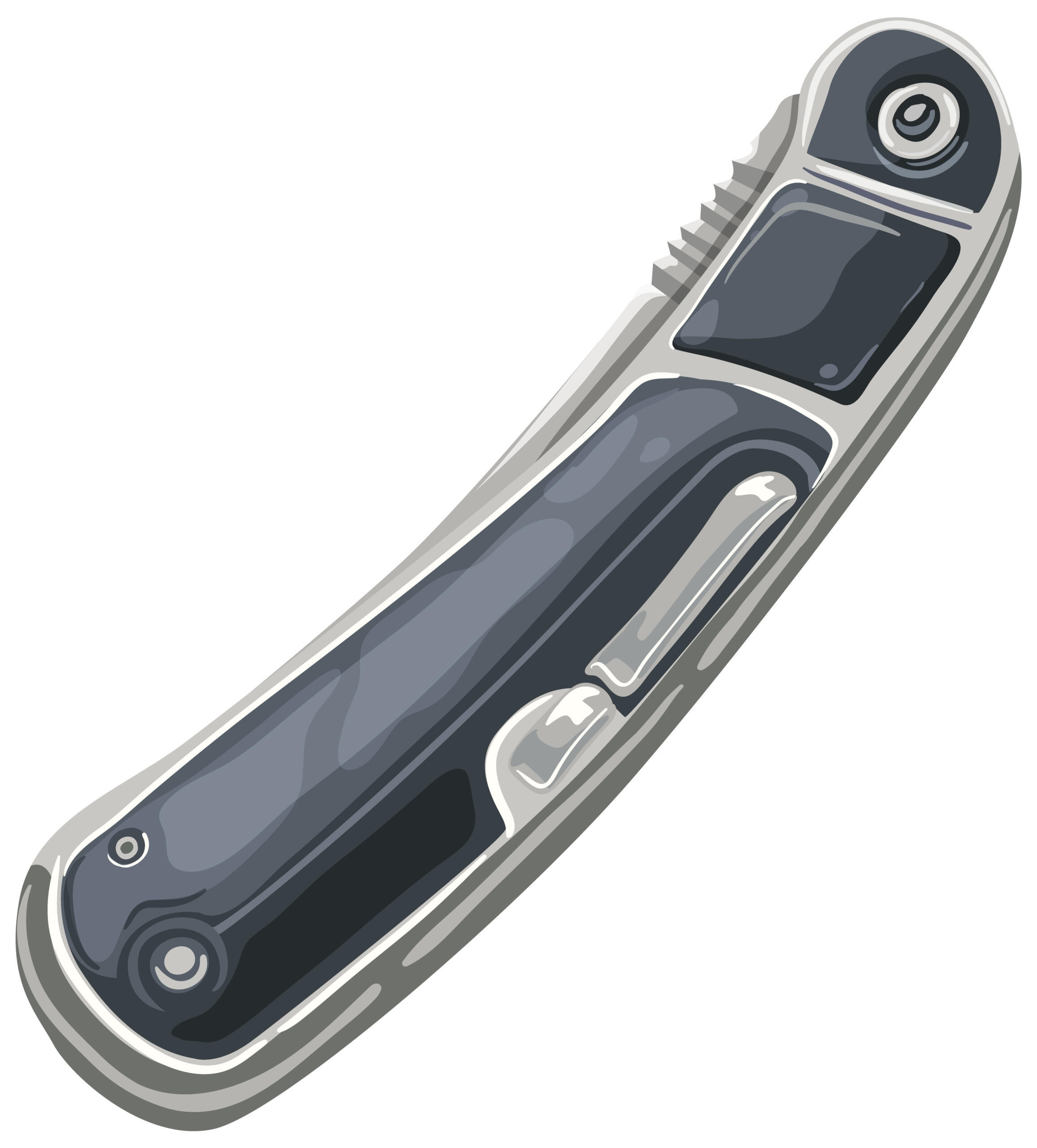
The plastic switchblade comb was the must-have accessory for American boys in 1978 — a comb with a hinged handle that opened with a flick of the wrist, mimicking a switchblade knife. The comb was sold in barbershops, drugstores, and supermarkets. The Federal Switchblade Knife Act of 1958 explicitly does not apply to combs, but the switchblade comb has been banned in most American schools under district zero-tolerance policies since the 1990s. The comb is still legal to purchase as a consumer item. Many states classify it as a novelty item rather than a weapon under state law. School districts treat it differently. A switchblade comb in a 2026 fifth-grader’s desk would trigger an immediate parent conference and likely a multi-day suspension under most district codes.
6. The Trapper Keeper
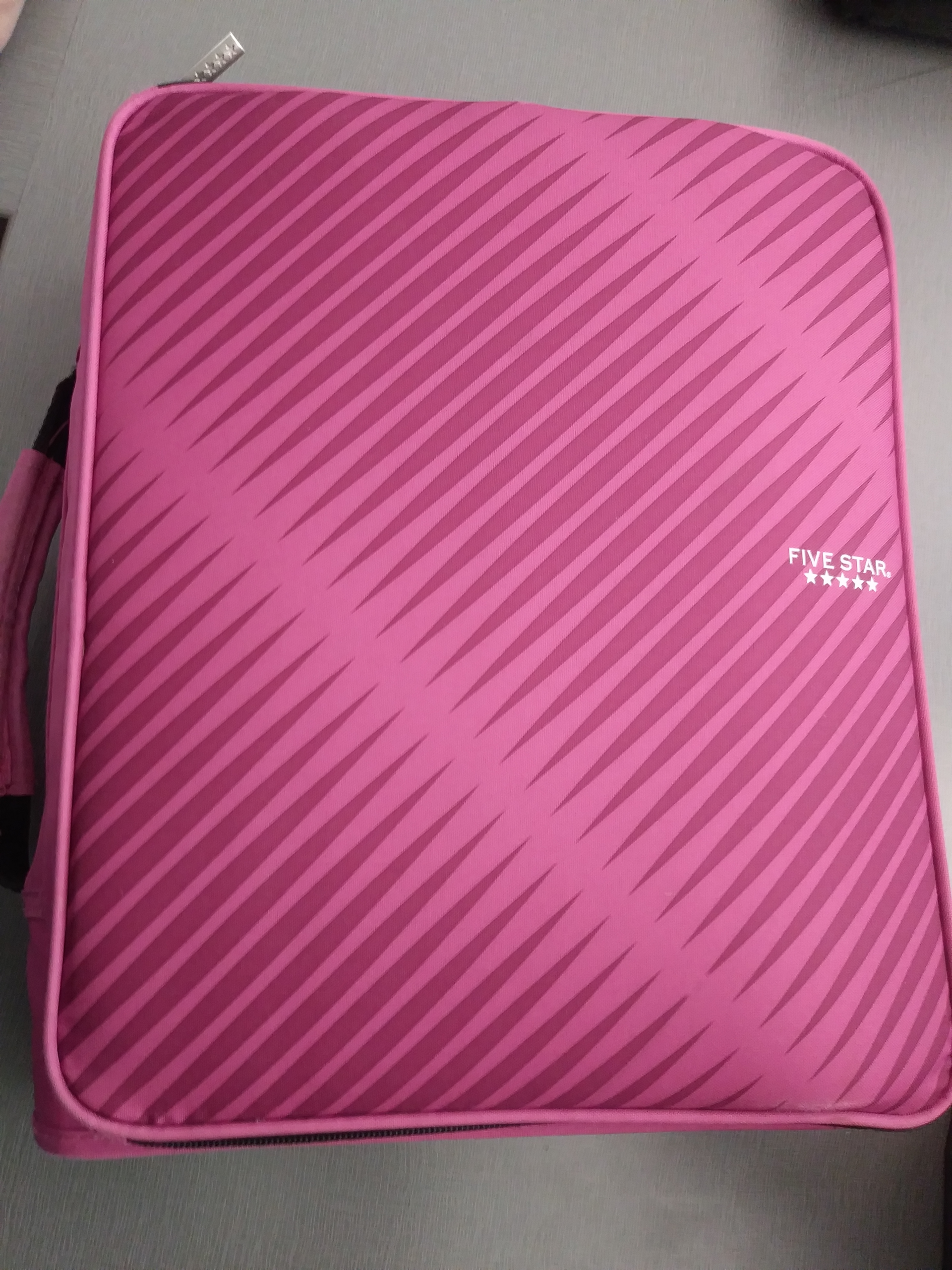
Mead’s Trapper Keeper, introduced in 1978 by E. Bryant Crutchfield, was the must-have school supply item that fall. The vinyl-covered three-ring binder with the velcro closure and the matching “Trapper” folders was sold in millions of units annually through the 1980s. The original Trapper Keepers are still legal and still nostalgic, with reissued versions sold for the 40th and 45th anniversaries. The vinyl-coated covers used in the original 1978 manufacturing contained phthalates that are now restricted under the Consumer Product Safety Improvement Act of 2008. Original 1978 Trapper Keepers are not banned but cannot be legally sold as new for children. Vintage Trapper Keepers in unopened condition routinely sell for $80 to $200 in nostalgia auctions.
7. The TI-30 Calculator
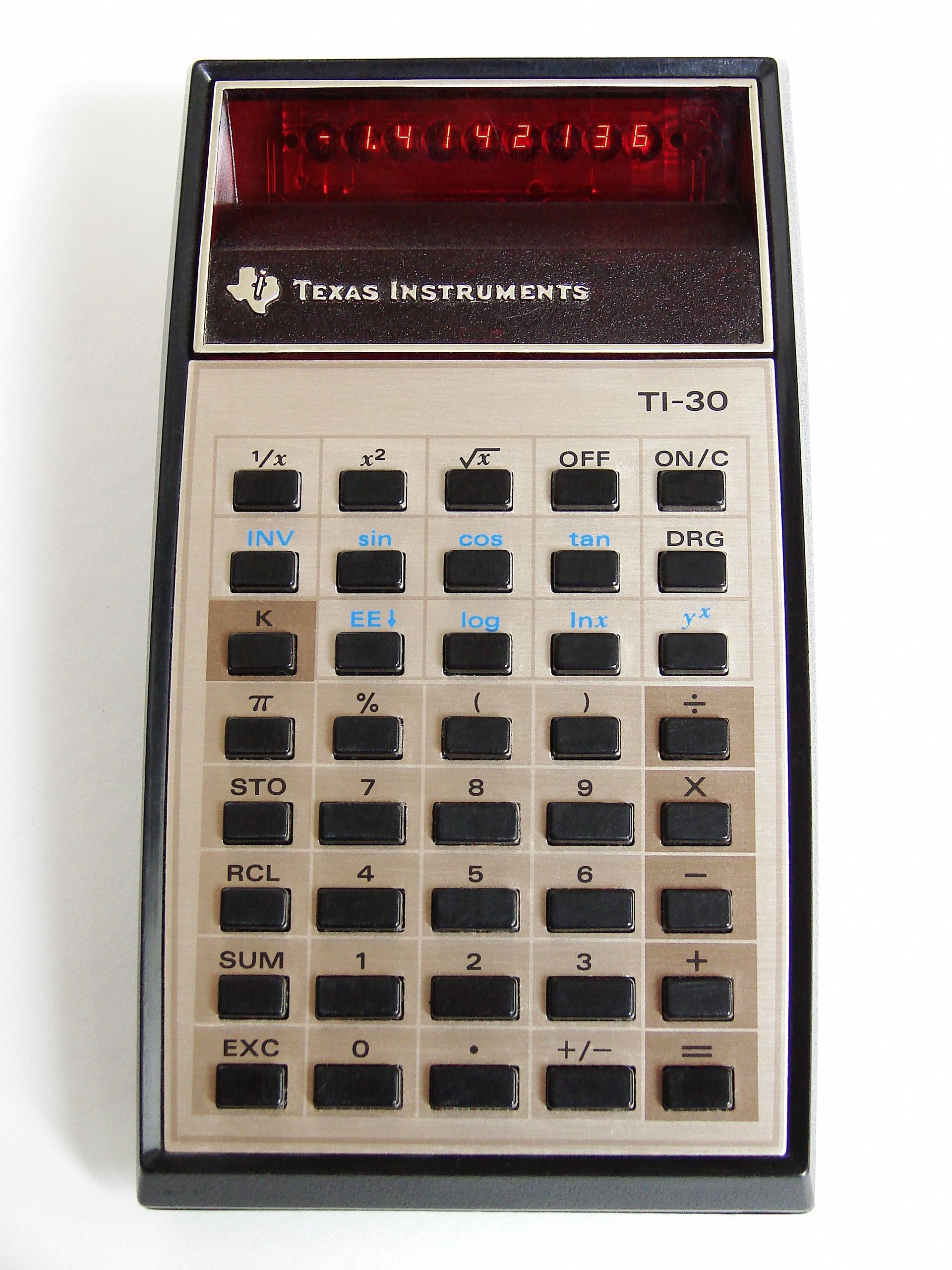
Texas Instruments TI-30, introduced in 1976 for $25, was the first affordable scientific calculator and quickly became a standard high school math item. By 1978, the TI-30 was widely owned by middle school and high school students. The calculator is still produced today in updated form (TI-30Xa) and is still standard for many U.S. math classes. The original 1976 model is technically still legal and functional. Several school districts now ban calculators of any kind in elementary school math classes — a policy adopted in the 2000s and 2010s in response to research showing that calculator-dependent students underperformed on basic arithmetic. The TI-30 in a 1978 fourth-grader’s desk would today be confiscated as an unauthorized aid in roughly half of U.S. elementary classrooms.
8. The Lunchbox with the Lead-Soldered Thermos
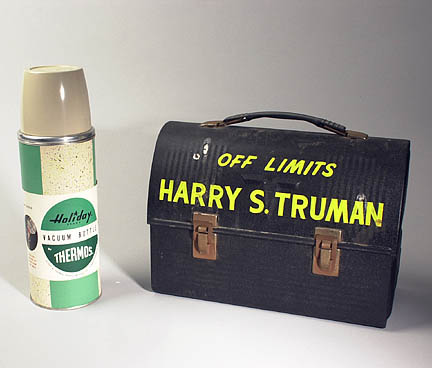
The 1978 metal lunchbox — Star Wars, the Brady Bunch, Holly Hobbie, the Six Million Dollar Man, the Dukes of Hazzard — almost always came with a matching thermos. The thermos was glass-lined inside a metal exterior, with the metal seams typically sealed by lead solder. CPSC reviews in the 1990s found that lead from the solder could migrate into hot drinks stored in the thermos. Lead-soldered thermoses have been federally banned for children’s products since 2008 under the Consumer Product Safety Improvement Act. The original metal Star Wars lunchbox is still legal to own but cannot be sold as new. The matching thermoses, where they survive, are now collected as artifacts rather than used as functioning drink containers. Unopened 1978 lunchbox-thermos combos sell for $200 to $800 in collector markets.
9. The Glass Marbles

Every American boy in 1978 had a small bag of glass marbles, kept in the desk well or in a pocket. Marbles were used for the schoolyard game of the same name and were valued, traded, and lost throughout the school year. The American Toy Manufacturers Association classifies glass marbles as a small-parts choking hazard under the standards established for the Consumer Product Safety Improvement Act of 2008. Most American school districts have banned marbles in elementary classrooms under the same zero-tolerance policies that cover other small or sharp objects. Glass marbles are still legal as consumer products and still sold in art supply stores and toy shops, but the schoolyard marble game has effectively disappeared as a playground activity in the United States. The 1978 marble bag is mostly a collector’s item.
10. The Slingshot
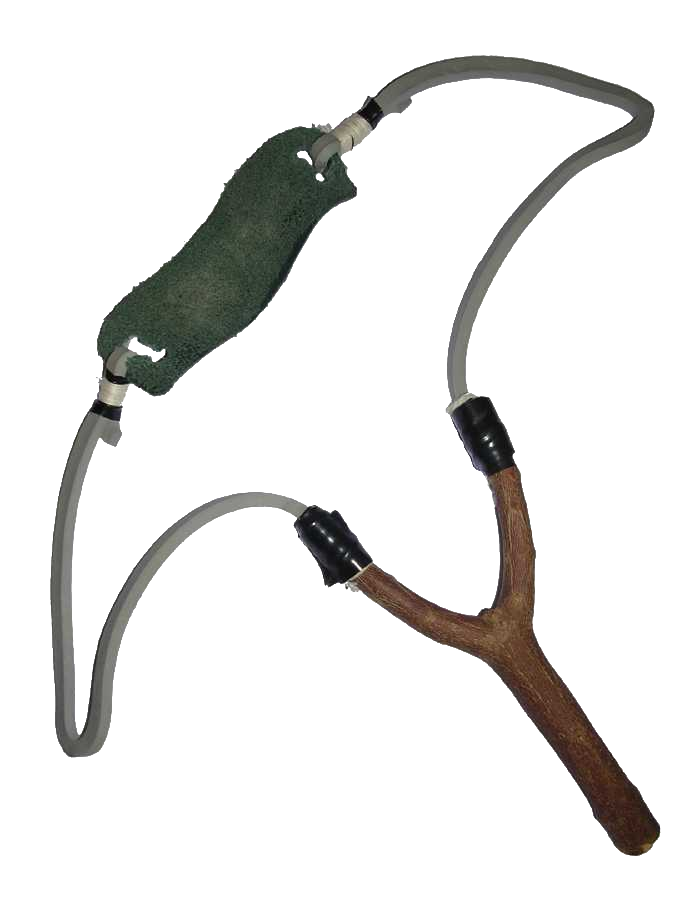
The plastic Y-frame slingshot — the Whamo Wrist Rocket and similar models — was common 1978 desk-well contraband. Used to launch paper wads, small stones, or eraser-tips, the slingshot was treated by 1970s teachers as a routine confiscation rather than a serious offense. Today, slingshots are classified as weapons under most state laws and are banned from K-12 schools under district policy. The Wrist Rocket is still legal as a consumer product and is sold for adult use in outdoor recreation. The plastic kid-size slingshots that defined 1978 school recess have effectively disappeared from the market. A slingshot in a 2026 student’s desk would result in immediate suspension and potential police involvement in most school districts. The shift in classification — from harmless toy to weapon — happened gradually over thirty years.
11. Sparklers and Small Fireworks
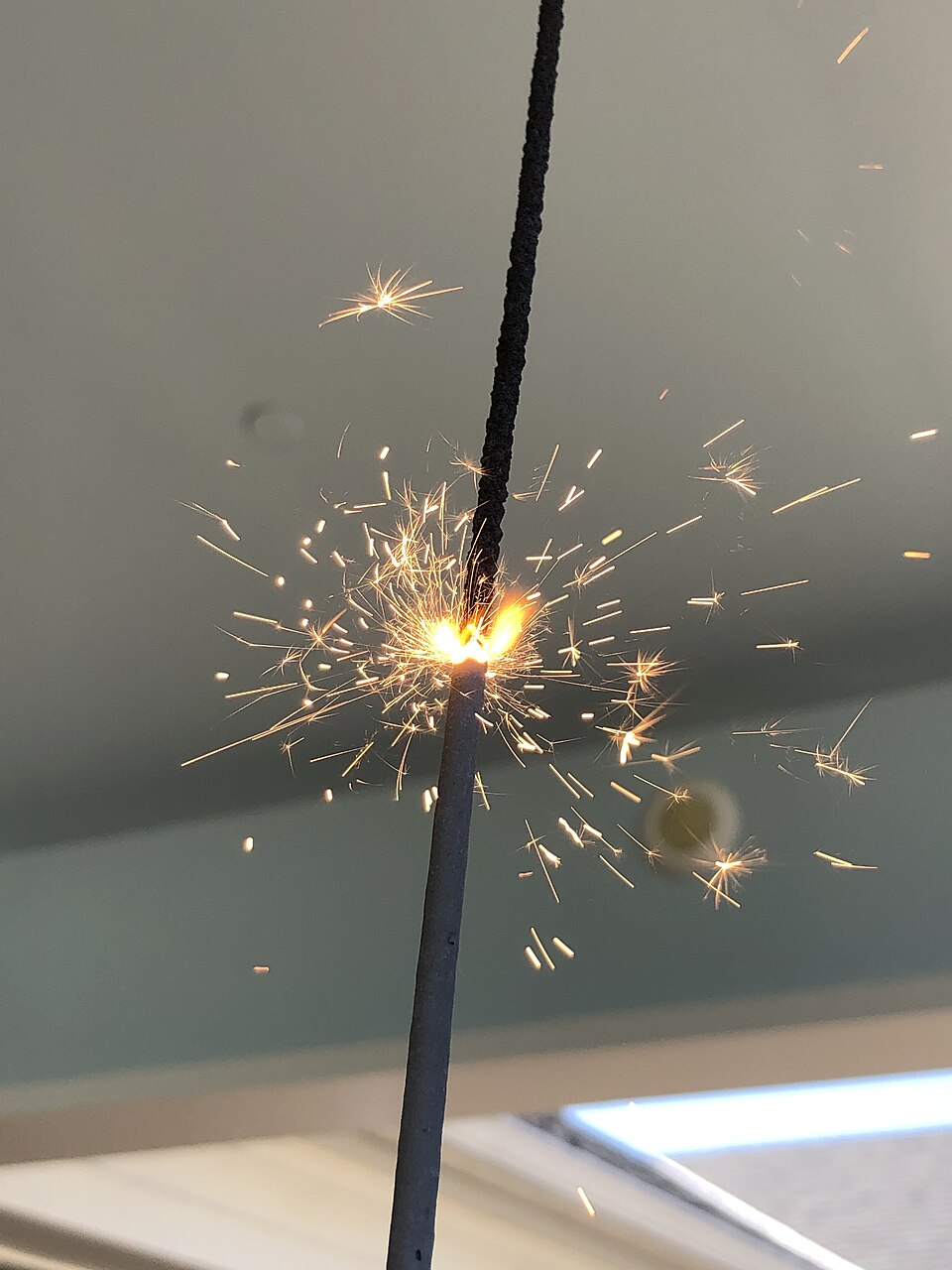
In 1978, sparklers, smoke bombs, and small pop-its were common trade items in American school desks, particularly in the weeks leading up to the Fourth of July. Almost every American state allowed retail sale of these “Class C” consumer fireworks. The shift came at the federal regulatory and state legislative levels. By 2024, Massachusetts remained the only U.S. state banning all consumer fireworks including sparklers, while approximately twelve other states have heavily restricted possession by minors. Federal regulations under the CPSC restrict the size and burn rate of consumer fireworks sold for retail. Every U.S. school district bans fireworks of any kind on school property. A sparkler in a 1978 desk was a nuisance. The same sparkler in a 2026 desk is a felony in some states and a multi-day suspension everywhere.
12. The Pocket Knife
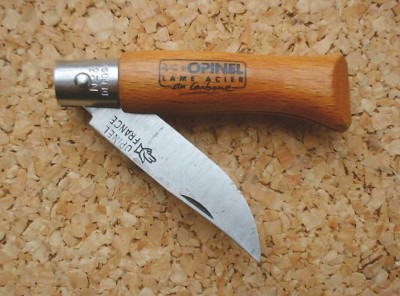
The Boy Scout pocket knife, the Swiss Army knife, the Buck folding knife — every American boy in 1978 had one in his desk or his pocket. According to the National Association of Secondary School Principals, pocket knives in school were treated as routine, useful tools in the 1970s — opening boxes, sharpening pencils, cutting twine, peeling fruit. Federal law under the Gun-Free Schools Act of 1994 required states to expel any student who brought a firearm to school, and most states extended the requirement to knives over a specific blade length. By the 2000s, virtually every American school district had banned pocket knives entirely under zero-tolerance policies. A pocket knife in a 2026 student’s desk results in mandatory expulsion in most states regardless of intent. The Boy Scout pocket knife of 1978 has been removed from every school in the country.
13. The Cigarette Lighter
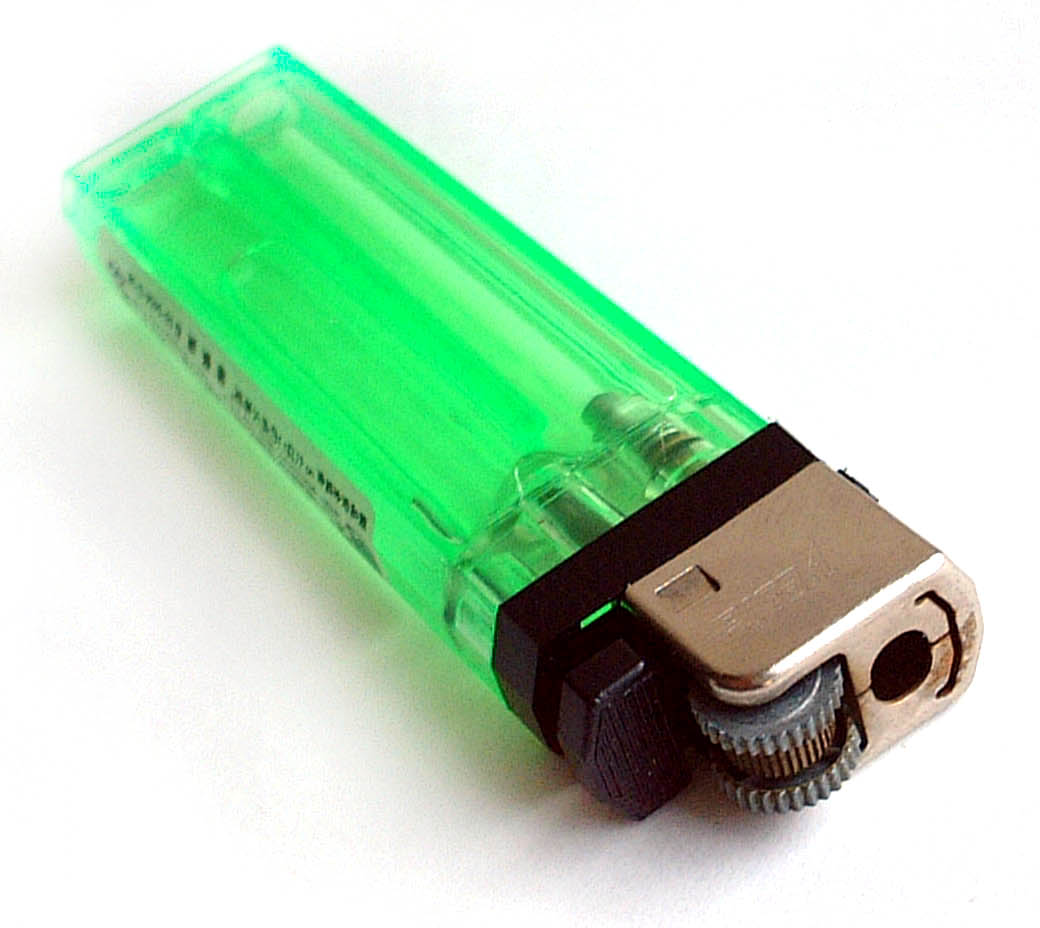
In 1978, many American teenagers carried matches or lighters in school for various reasons — lighting bunsen burners in chemistry, lighting candles for art class, lighting other students’ cigarettes during smoke breaks (which were still allowed in many high schools). The Cigarette Lighter Standard was established by CPSC in 1994 to require child-resistant features, and Bic, Cricket, and other lighter manufacturers redesigned their products. Today, lighters and matches are banned in virtually every American school under district fire-safety codes, and many districts have eliminated student smoking areas entirely. Some states have raised the minimum age to purchase tobacco lighters to 21, paralleling the federal Tobacco 21 law. A lighter in a 2026 student’s desk results in immediate suspension under most district codes.
14. The Bubble Gum
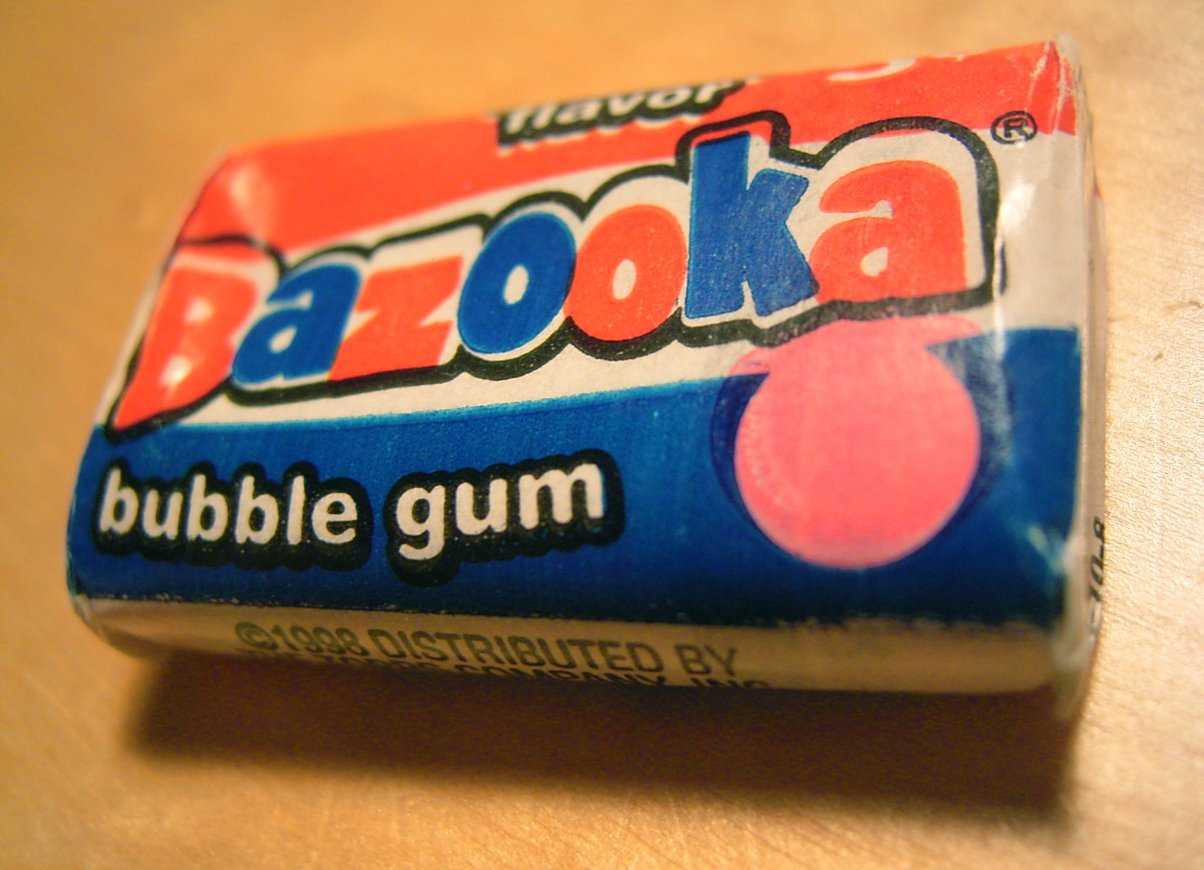
Bazooka Joe, Bubble Yum, Hubba Bubba, Big League Chew. American 1978 desk wells were full of bubble gum, and the elementary school classroom was a battleground between teachers trying to enforce a no-gum rule and students sneaking it. The chewing gum itself is still legal in every American school as a consumer product, but most school districts continue to ban it from classrooms under district policy. The shift since 1978 has been the rise of sugar-content school food rules under the USDA’s Smart Snacks in School standards. Sugar-free gum is permitted in some district nutrition policies but bubble gum with full sugar content is now banned as a “competitive food” in most public schools. The bubble gum that defined 1978 school recess has been largely replaced by sugar-free brands or removed from the school environment entirely.
15. The Comic Book
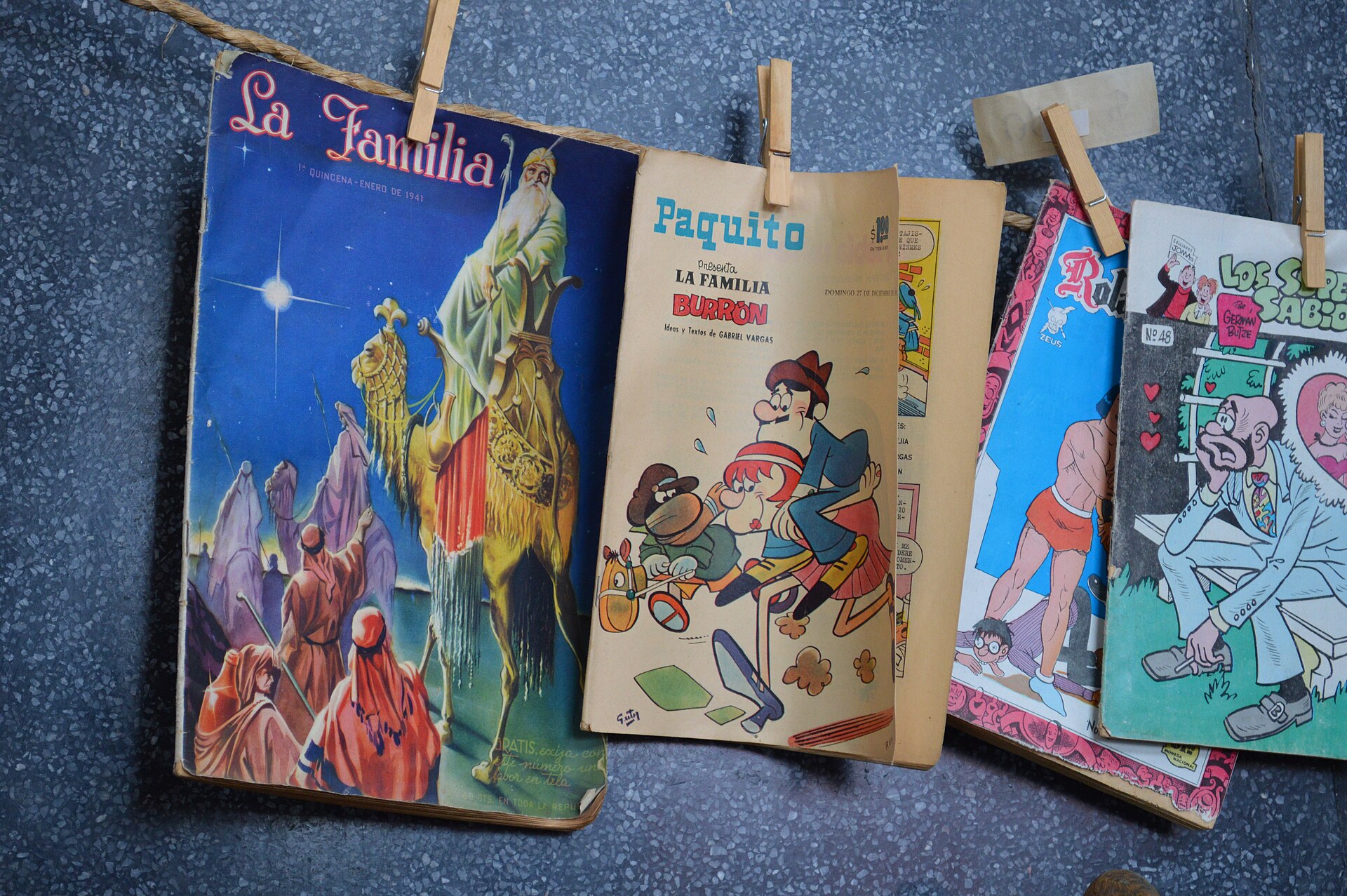
Every 1978 school desk had at least one comic book hidden in the well — Marvel, DC, Archie, Richie Rich, Casper. The comic book itself is not banned and never has been. The shift since 1978 has been a steady erosion of the comic book reading habit, both inside and outside school. According to Comic Book Resources industry data, American comic book sales fell from approximately 9 million units per month in 1978 to under 3 million per month by 2024 as digital media consumption replaced print. The comic books that ended up in 1978 desks are now collected as nostalgic objects rather than read as throwaway entertainment. A 1978 Spider-Man comic in mint condition routinely sells for $40 to $400 depending on issue, and the right early-1970s Hulk or X-Men issue can fetch thousands. The comic book is still legal — it is just no longer in the desk.