
The American Saturday morning of 1985 had a specific quality that vanished within a single generation — a quality compounded of broadcast television, dual-income parents who were genuinely asleep upstairs, and a complete absence of supervised structure between roughly 7 a.m. and noon. The Gen X “latchkey kid” generation, born between approximately 1965 and 1980, is now between 46 and 61 years old in 2026, and the Reddit threads and TikTok videos in which they reconstruct their childhoods have become some of the most-engaged nostalgia content on the internet. The reason is not just that the memories are vivid. It’s that the entire structure that made them possible has been systematically dismantled, and the parents who raised those kids would likely be reported to Child Protective Services for the same arrangement today.
The standard 1985 latchkey-kid Saturday morning began before the parents woke up. American children aged 7 to 12 were typically awake by 7:00 a.m., already in the living room, already eating cold cereal from a bowl, with the television tuned to one of the three broadcast networks — ABC, CBS, or NBC — playing the Saturday morning cartoon block. The parents, particularly the working parents of dual-income households, slept until 9 or 10. The kids were on their own. According to Pew Research Center, the share of American families with both parents working full-time rose from 31 percent in 1970 to 42 percent in 1985, and the resulting weekend morning structure was the genuine norm for tens of millions of Gen X children.
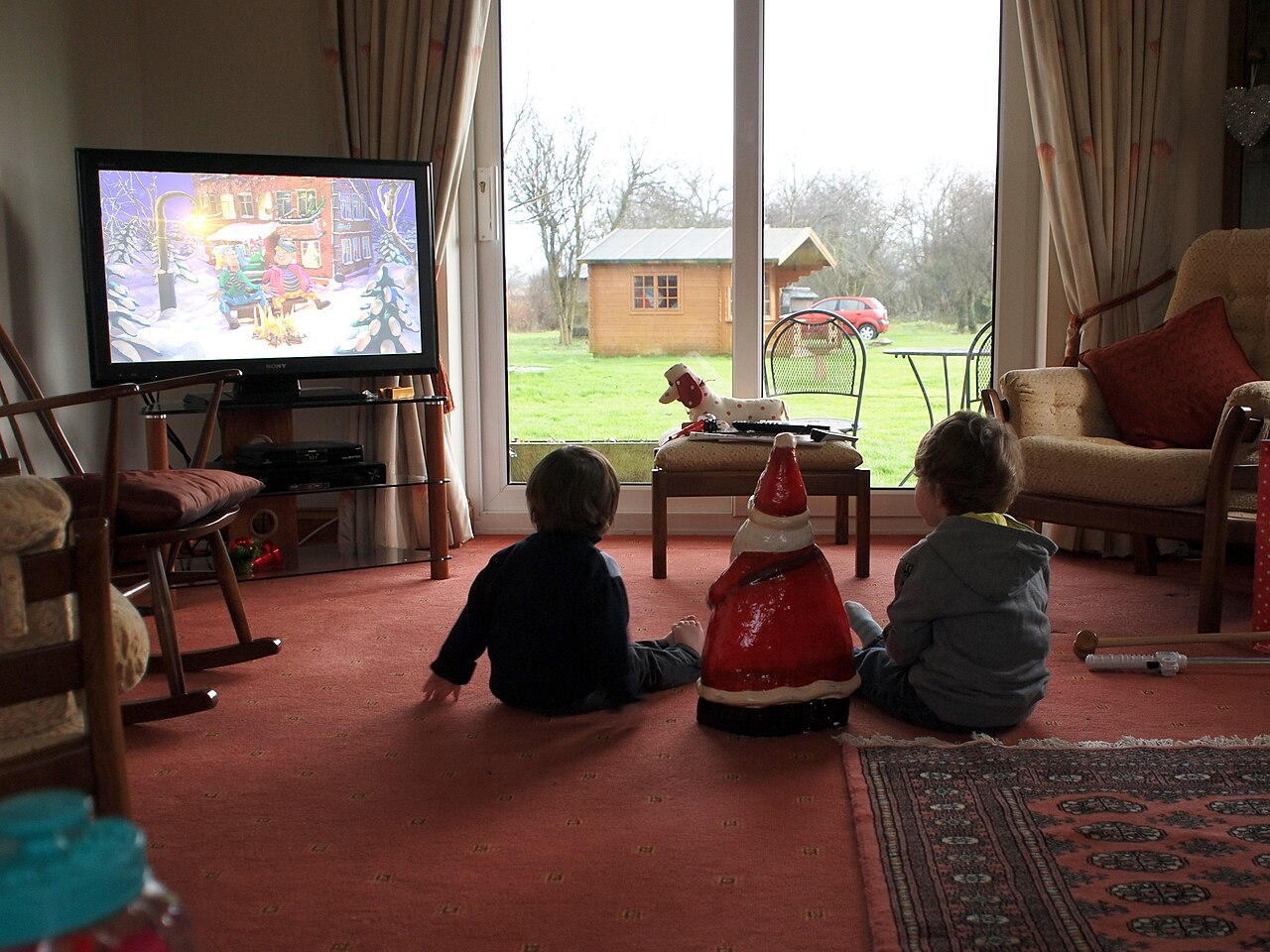
The cereal was the first ritual. Cap’n Crunch, Lucky Charms, Apple Jacks, Frosted Flakes, Cocoa Puffs, Trix, Honey Smacks. Each cereal was selected by the child during the previous week’s grocery trip with the parent, and Saturday morning was the day the cereal was consumed in volume. The boxes were positioned within reach on a low shelf — most American homes in 1985 had cereal cabinets specifically designed for child-height access, an architectural concession to the latchkey norm. The milk was poured by the child. The bowl was eaten while sitting on the floor in front of the television, not at the kitchen table. The standard cartoon block lasted from approximately 7 a.m. to noon, and most kids watched continuously across that entire window, switching networks during commercial breaks and during particularly slow programming segments.
The Network Cartoon Lineup of 1985
A typical 1985 Saturday morning across the three networks included Hanna-Barbera’s “Snorks” and “The Smurfs” on NBC, “Pee-wee’s Playhouse” and “Muppet Babies” on CBS, “The Bugs Bunny / Looney Tunes Comedy Hour” on ABC, and the syndicated Schoolhouse Rock educational interstitials between major shows on ABC. The lineup was published in the local newspaper’s TV Guide insert, which sat folded on the coffee table all week. Most American children memorized the schedule by the end of the school year and adjusted it for daylight saving time without prompting. The shared cultural literacy that came from every American kid watching essentially the same programming at the same time on the same Saturday morning is the single most distinctive feature of the era, and it cannot be reconstructed in 2026 because the broadcast structure that produced it no longer exists.
The phone, the rotary or push-button kitchen wall phone with the long curled cord, was the secondary morning ritual. Latchkey kids called each other to negotiate the rest of the day. The conversations were strategic: “What are you watching right now? Did you see what just happened on Smurfs? Want to come over after lunch? Where are your parents going today?” The phone conversations were entirely audio. There was no video. There were no photographs. There was no way to verify what the other kid claimed to be doing. The whole network of Saturday morning kid-to-kid coordination operated on words, voice tone, and the implicit understanding that all of the kids in the neighborhood were also home alone.
The Slow Awakening of the Parents

By approximately 9:30 a.m., the parents would begin moving upstairs. Coffee would be made. The Saturday paper, which had been delivered to the front porch by a teenage paper-route kid sometime between 5 and 6 a.m., would be retrieved. The cereal bowls in the living room would be noted but not commented on. The kid would be reminded of various Saturday obligations — soccer practice at 10:30, the trip to the hardware store at 11, the grandmother’s house in the afternoon. The parental engagement with the morning was light. There was no expectation that the parents would have been part of the cartoon-and-cereal experience. The Saturday morning was the kid’s.
The first real interruption typically came around 10 a.m. when one parent would announce that the family was going to the grocery store, the hardware store, the dry cleaner, or to visit a relative. The kid would be expected to turn off the television, get dressed, find their shoes, and be in the car within fifteen minutes. The expectation of speed was real. The Saturday errand schedule had been planned around the assumption that retail closed at 5 or 6 p.m. and that Sunday shopping was largely illegal under state Blue Laws in much of the country. The Saturday morning errand circuit was the only window. Connecticut did not fully repeal its Blue Laws until 2003.
The Bike, the Neighborhood, the Six-Hour Window

Once the family obligations were dispatched — usually by noon or 1 p.m. — the latchkey-kid Saturday opened into the unstructured afternoon. The bike came out. The neighborhood kids assembled by phone call or by physical knock on the door. There was no GPS tracking. There were no parental check-ins until dinner. The standard expectation was that the kid would be back by the time the streetlights came on, which in 1985 meant approximately 8 p.m. in summer and 5:30 p.m. in winter. The kid had six unstructured hours.
The activities were specific and largely the same across the country. Riding bikes to a friend’s house. Riding bikes to the convenience store for candy with allowance money. Building or modifying a treehouse with scrap lumber. Catching frogs at the creek. Playing baseball on an undesignated field. Watching afternoon television at someone else’s house when the host kid’s parents were less strict. The activity was not curated. The activity was not photographed. The activity was not shared on any platform. It happened, the kid came home, the kid ate dinner, the kid went to bed, and the entire afternoon left no documentary trace except for what the kid remembered.
Why the Whole Structure Vanished

The dismantling of the 1985 latchkey Saturday morning was not driven by a single decision. It was a layered collapse of every supporting structure. The Children’s Television Act of 1990 limited advertising during children’s programming and required broadcasters to air educational content, which gutted the economics of the Saturday cartoon block. The Goldman case and similar high-profile child-abduction news coverage in the late 1980s drove a sharp parental shift toward supervision. State Blue Laws were repealed throughout the 1990s, opening Sunday shopping and dissolving the Saturday-morning-errand window. Cable television fragmented the audience. Two-earner households went from 42 percent of American families in 1985 to over 60 percent by 2010, and weekend parental availability shifted as a result. The bicycle as a primary mode of child transportation declined, partly due to changing road infrastructure that made suburbs less bicycle-friendly.
By 2010, the Saturday cartoon blocks had ended on every major network. By 2014, no broadcast network ran a children’s Saturday morning program in the traditional format. The Saturday-morning American latchkey kid, as a cultural category, had vanished — replaced by structured activities, supervised playdates, and screen-time-monitored streaming. The Gen X memory of the 1985 Saturday is now reconstructed in TikTok and Reddit threads, in nostalgic media coverage, and in the occasional conversation between parents who recognize the gap between how they grew up and how their own children are growing up. The conversation is not nostalgic for the neglect. The conversation is nostalgic for the freedom that was indistinguishable from the neglect.