
The “how much a week-long road trip actually costs” video format has dominated travel TikTok in 2025 and 2026, with creators publishing receipt-by-receipt breakdowns that routinely accumulate millions of saves. The reason is simple — American travelers have noticed that the cost of a basic domestic road trip has shifted significantly between the pre-pandemic baseline of 2019 and the current 2026 environment, and most major budgeting websites still rely on 2022-era cost assumptions. The actual current numbers, drawn from federal data, hotel-industry reports, and major rental car company published rates, tell a more specific story than the broad “everything got more expensive” narrative. Here is what a 1,500-mile American road trip actually costs in 2026, broken down by category.
The standard reference road trip for cost-comparison purposes is a one-week, 1,500-mile trip for a family of four, with seven nights of mid-tier hotel lodging, three meals per day, one rental car (or fuel for a personal vehicle), and entrance fees to two national parks and several smaller attractions. The U.S. Bureau of Labor Statistics tracks the major components of this budget through its Consumer Price Index series, and the federal Energy Information Administration tracks gasoline prices weekly. The current 2026 baseline, calculated from those sources and from supplemental industry pricing data, places the total cost at approximately $3,400 to $4,200 for the family of four — significantly higher than the pre-pandemic baseline but with the increases concentrated in specific categories that most travelers do not anticipate when budgeting.
Gasoline Is the Smallest Surprise
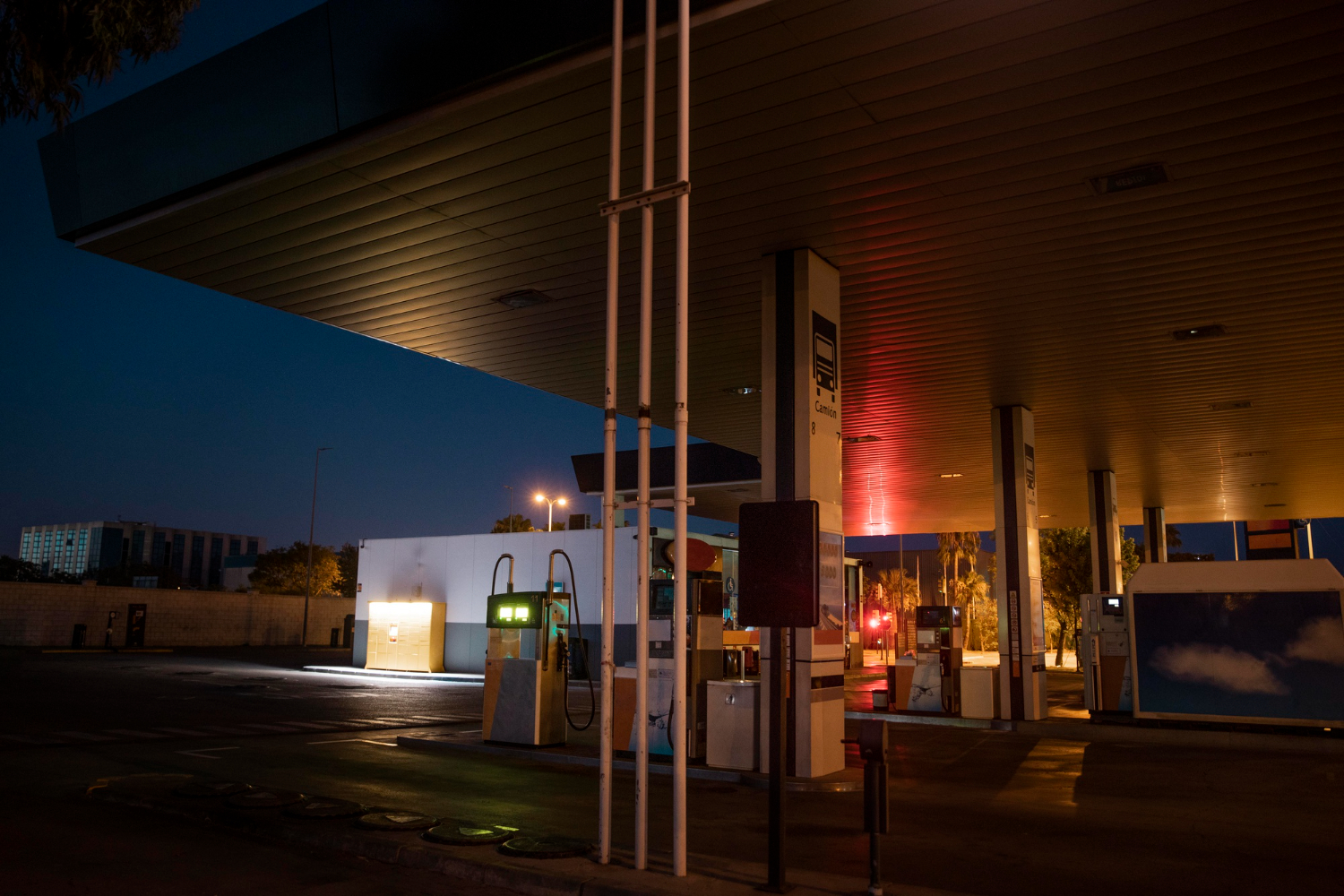
The U.S. average retail gasoline price in early 2026 is approximately $3.45 per gallon, according to the Energy Information Administration weekly retail price report. The 2019 pre-pandemic baseline was approximately $2.65 per gallon. The 30 percent gasoline price increase over seven years is real but is actually slower than overall consumer price inflation during the same period, which ran approximately 26 percent cumulatively. For a 1,500-mile trip in a vehicle averaging 28 miles per gallon, total fuel cost runs approximately $185 in 2026 — up from approximately $142 in 2019. The fuel cost is one of the smaller line items in a typical American road trip budget, and it is also the one travelers most often focus on when complaining about trip cost. The actual cost pressures are elsewhere.
Hotels Have Risen More Than Anything Else
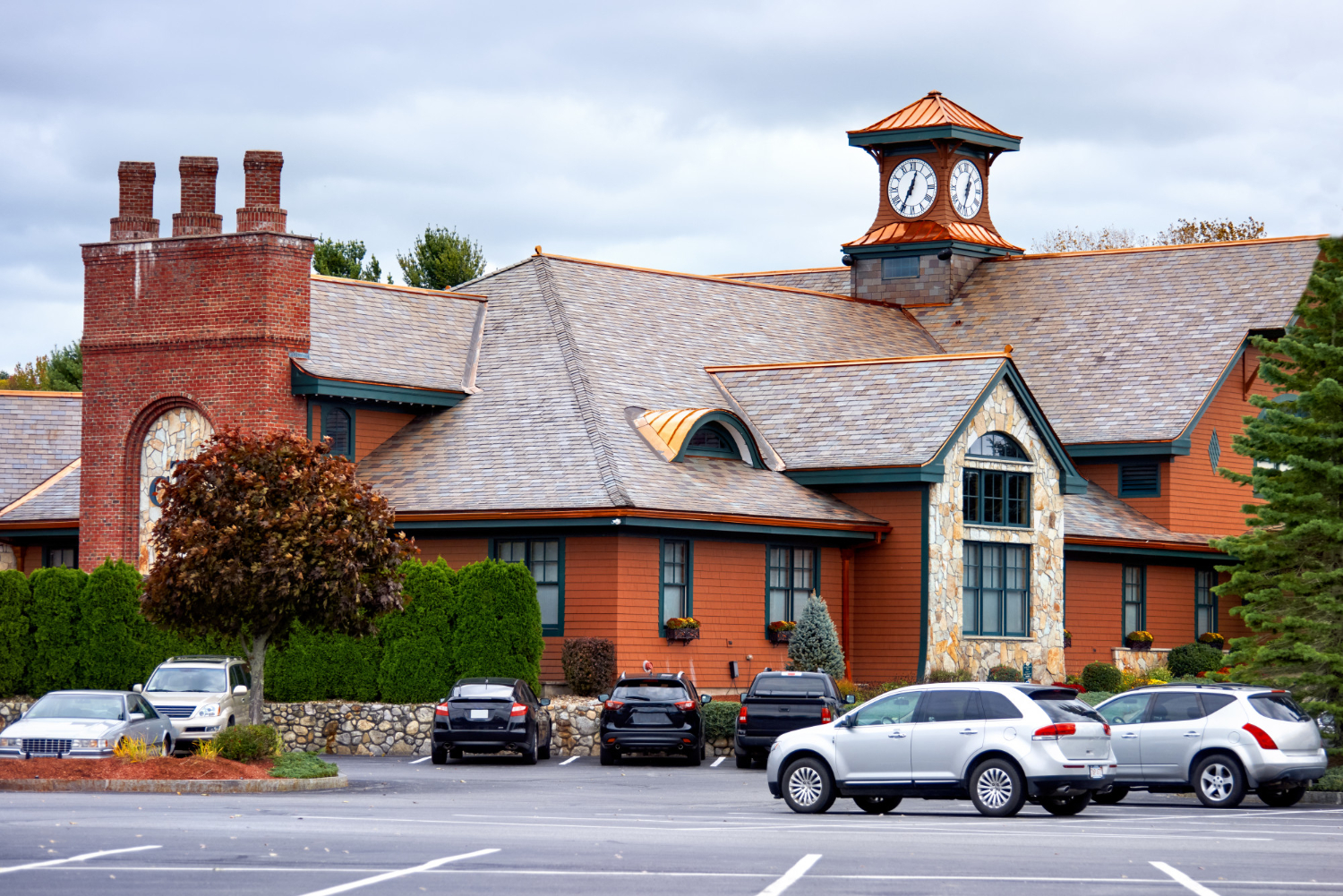
According to STR’s industry hospitality data, the average daily rate for a mid-tier U.S. hotel room in early 2026 is approximately $172 per night, compared with $129 in 2019 — a 33 percent increase that has outpaced consumer inflation. The 2020-2021 pandemic period saw collapsing hotel rates that were then aggressively recovered in 2022-2024 by the major hotel chains, with the higher rate structure now embedded as the new baseline. The same hotel that cost $129 in 2019 typically costs $172 to $190 in 2026, with no improvement in quality or amenities. Seven nights of mid-tier hotel lodging now costs the road-trip family approximately $1,200 to $1,400, compared with approximately $900 in 2019. Hotel cost is the single largest driver of the 2026 road trip budget increase, and the change is most pronounced in tourism-heavy regions including the Mountain West, New England in autumn, and Florida between November and April.
Rental Car Costs Have Stabilized — But With Hidden Fees

Rental car prices reached record highs in 2021-2022 during the post-pandemic recovery and have stabilized since. According to Hertz and Enterprise published rates, a one-week mid-size sedan rental in 2026 runs approximately $470 to $580, compared with approximately $390 in 2019 — a roughly 25 percent increase. The major rental companies have, however, added several categories of fees that did not exist in 2019: tolling-equipment fees on rental cars passing through electronic toll lanes (typically $5 to $7 per day), young-driver surcharges for renters under 25 ($25 to $35 per day), and aggressive damage-inspection processes that have increased post-rental damage claims by approximately 40 percent industry-wide between 2019 and 2025 according to the American Car Rental Association. Travelers should budget approximately 15 percent above the quoted base rate for these supplemental costs.
National Park Entrance Fees Have Doubled in Some Places

National Park entrance fees increased substantially under regulations finalized in 2018 and again in 2024. The current standard entrance fee at major parks — Yellowstone, Yosemite, Grand Canyon, Zion, Arches, Glacier, Acadia — is $35 per vehicle for a seven-day pass. The annual America the Beautiful pass, which covers all national parks and federal recreation sites for one year, costs $80 and remains the highest-value option for any family visiting more than two national parks. Several major parks now require timed-entry reservations during peak season at an additional cost of $2 per reservation, which applies regardless of whether the visitor has an America the Beautiful pass. The two-park road trip family budgets approximately $70 to $100 for national park access in 2026, compared with approximately $30 to $50 in 2019.
Food Costs Have Risen Faster Than Any Other Component

Restaurant prices in the United States have risen approximately 35 percent between 2019 and early 2026, according to the Bureau of Labor Statistics food-away-from-home index. The 35 percent increase has outpaced overall consumer price inflation (26 percent), grocery price inflation (24 percent), and most other CPI subcategories. The standard restaurant-meal family of four budget for a road trip now runs approximately $90 to $140 per dinner at a mid-tier American restaurant — sit-down chains including Cracker Barrel, Outback, Applebee’s, and TGI Fridays. Fast-casual meals (Panera, Chipotle, Five Guys) run approximately $50 to $75 for the same family. The road-trip family eating three restaurant meals per day for seven days budgets approximately $1,000 to $1,500 in food costs in 2026, compared with approximately $750 to $900 in 2019.
The Hidden Cost: Resort Fees, Parking Fees, and Service Charges

The newest category of road-trip cost is the proliferation of resort fees, mandatory parking charges, and “destination fees” added to hotel bills after the initial quoted nightly rate. According to American Hotel and Lodging Association industry data, approximately 26 percent of U.S. hotels charged a mandatory daily resort fee in 2024, ranging from $15 to $55 per night, up from approximately 11 percent of hotels in 2019. The Federal Trade Commission finalized regulations in 2024 requiring hotels to disclose these fees during online booking, but the fees themselves have not been eliminated and remain a material cost for road-trip travelers. The seven-night road trip with mandatory hotel fees and paid hotel parking can add $200 to $400 in supplemental charges that do not appear in the initial booking quote.
What This Means for 2026 Road Trip Planning

The cumulative 2026 cost shift over the 2019 baseline is approximately 28 percent for the same trip — significantly higher than the 26 percent overall consumer inflation rate and concentrated in lodging and food costs. Travelers who relied on 2019 or 2022-era budgeting estimates are routinely underbudgeting by 15 to 25 percent for a multi-day domestic road trip. The practical adjustments that travelers are now making include: switching to longer stays at single destinations rather than nightly hotel changes (reducing the lodging cost compounding), packing food for breakfast and lunch (reducing the most-inflated food category), buying the annual America the Beautiful pass before the trip begins, and avoiding rental cars in favor of personal vehicles wherever practical. The TikTok creators publishing receipt-by-receipt road trip breakdowns are responding to a real budgeting challenge — most pre-existing online road trip planners have not updated their assumed costs since 2022, and travelers using those tools are arriving at trips meaningfully underbudgeted.
The 2026 American road trip is not impossible. It is approximately 28 percent more expensive than the same trip in 2019, with the increases concentrated in lodging and food. The fuel and rental car cost increases are real but smaller. The national park fee increases are real but predictable. The hidden hotel fees are the most-frequent budget-blower. A family of four planning a 1,500-mile, seven-day road trip in summer 2026 should budget approximately $3,400 to $4,200 — significantly higher than the $2,800 the same trip cost in 2019, but still within the realistic range of a meaningful American vacation.