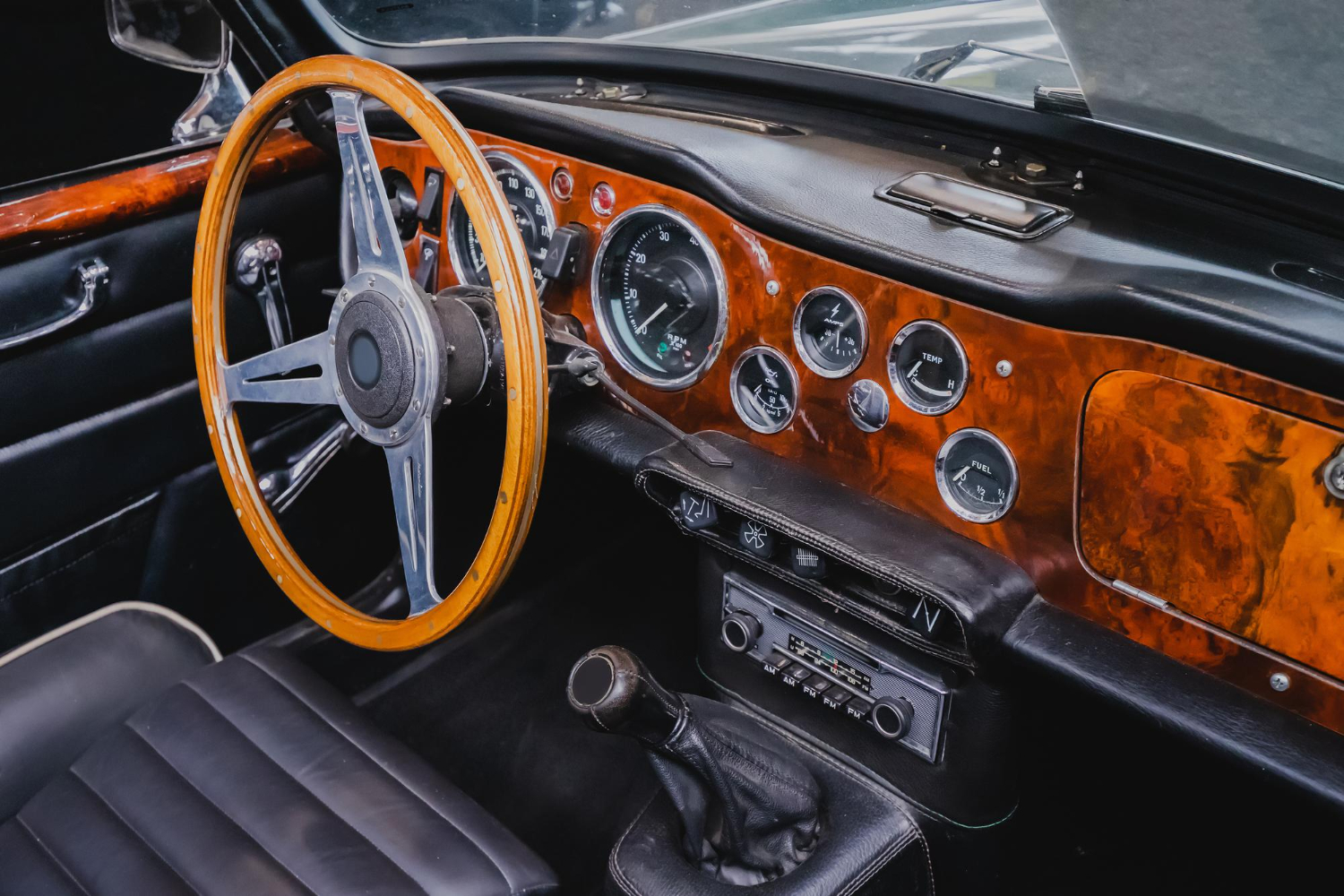
The 1985 American family sedan came with features that are not just gone from new cars — they are now actively illegal under federal motor vehicle safety standards. Vent windows that opened in the front doors. Cigarette lighters in the dashboard. Lap-only rear seatbelts. Bench seats in the front. Hood ornaments that could impale a pedestrian. The National Highway Traffic Safety Administration has banned or regulated over a dozen distinct vehicle features between 1985 and 2026 — some quietly, some after high-profile fatality cases. Most drivers from the era remember each of them. Most new drivers in 2026 have never seen any of them. Here are twelve American car features that defined the 1985 vehicle and the specific federal rules that ended each one.
1. The Dashboard Cigarette Lighter
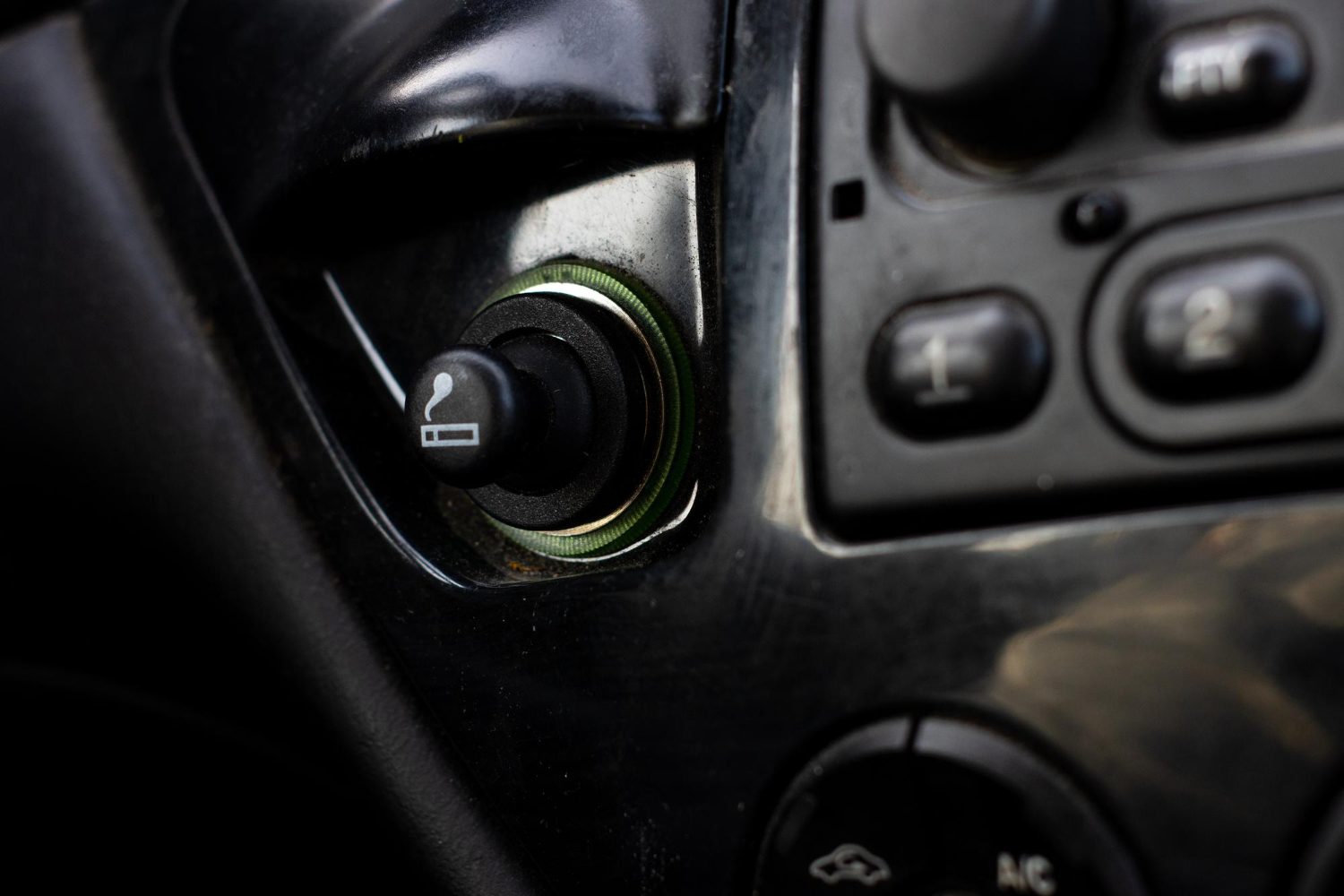
Every 1985 American car came with a cigarette lighter and an ashtray as standard equipment. The lighter was a coiled metal heating element that retracted into the dashboard, glowing orange when ready. By 1994, NHTSA stopped requiring lighters in new vehicles, and most manufacturers phased them out completely by 2003. The 12-volt power outlet that replaced it has the same physical socket dimension — and modern third-party lighter inserts still fit — but the heating-element feature is gone. The change responded to the 1994 reclassification of automobiles as smoke-free environments by major U.S. fleet operators, declining smoking rates, and the rising importance of dashboard space for electronics. Approximately 88 percent of American adults smoked in 1965; the figure is approximately 11 percent in 2026 per CDC data, and the cigarette lighter went with the smokers.
2. The Front Vent Window
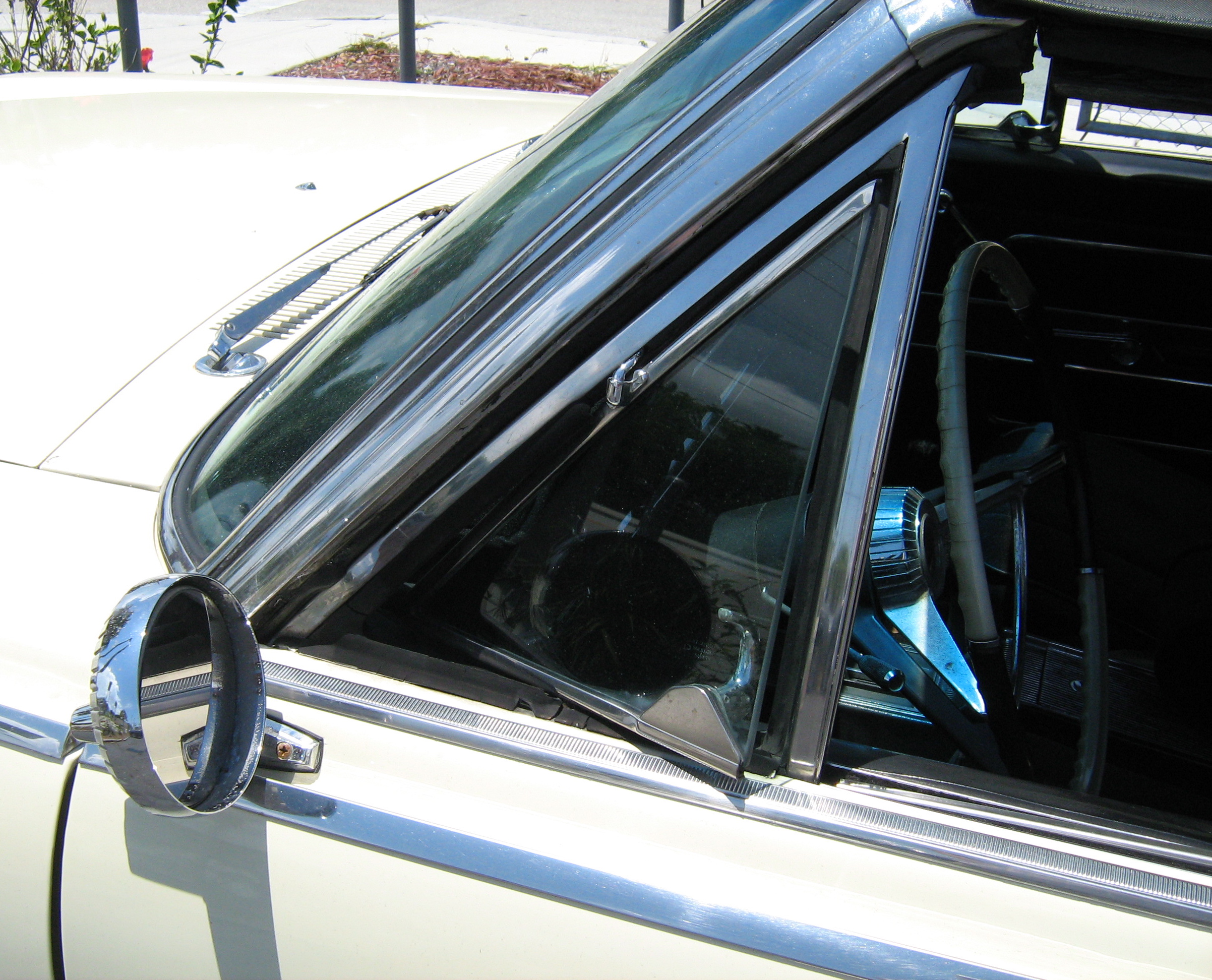
The small triangular window mounted forward of the main driver and passenger windows — the vent window or wing window — was standard equipment in every American car from the 1930s through the early 1980s. Drivers used it to direct airflow without lowering the main window. The vent window disappeared as automotive air conditioning became universal — by 1985, approximately 80 percent of new American cars came with factory air conditioning, eliminating the original engineering purpose. The last American cars with operable vent windows were sold in the late 1990s as truck variants. The vent window is not formally banned, but modern crash-test requirements for door-frame strength make the small additional window structurally impractical, and no manufacturer currently produces them.
3. Lap-Only Rear Seatbelts
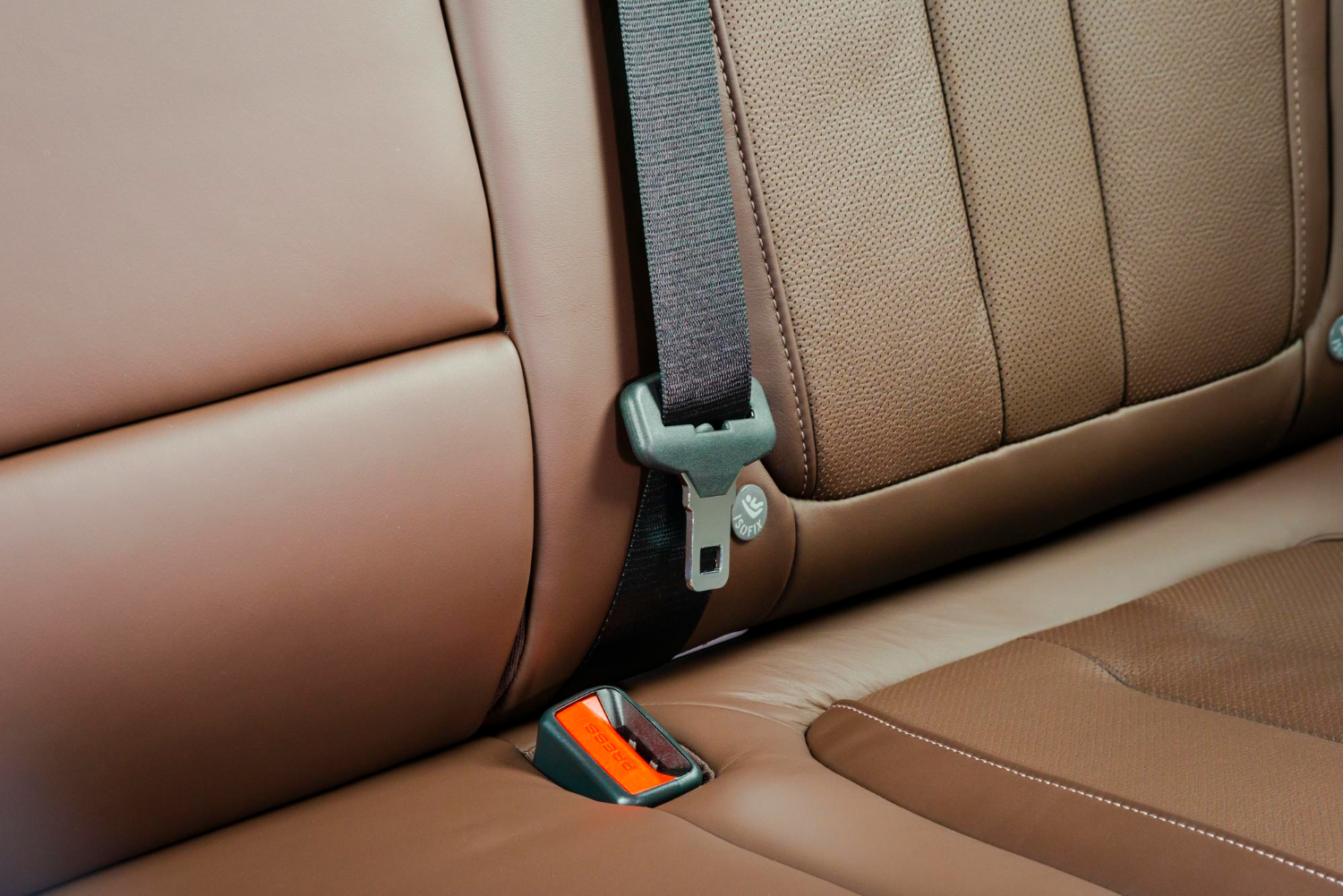
In 1985, the rear seat of an American family car came with lap belts only — the diagonal shoulder strap was standard only for front passengers. Federal Motor Vehicle Safety Standard 208 was updated in 1989 to require shoulder belts at all outboard rear seating positions in new cars. The lap-only configuration was banned in passenger vehicles manufactured after September 1, 1989. Older vehicles with lap-only rear belts remained legal to operate, but lap belts have been linked to specific abdominal and spinal injury patterns in side and front impacts that the three-point harness substantially reduces. The 1985 child riding unbelted in the rear-facing third-row seat of a station wagon would be a Child Protective Services case today.
4. The Hood Ornament

Mercedes-Benz, Cadillac, Lincoln, Rolls-Royce, Jaguar, and a half-dozen other manufacturers offered prominent metal hood ornaments on their 1985 models. The Cadillac wreath-and-crest, the Lincoln star, the Mercedes three-pointed-star. The European Union’s pedestrian safety directives, finalized in the late 1990s and early 2000s, effectively required hood ornaments to be spring-loaded or eliminated to reduce pedestrian impalement injuries in collisions. The United States did not formally ban hood ornaments but most manufacturers eliminated them voluntarily to maintain global production standards. Mercedes-Benz removed its hood-mounted star in 2014. Cadillac removed the wreath-and-crest in 2002. The 1985 Lincoln Town Car with its prominent flag-emblem hood ornament would not meet modern global pedestrian-safety standards.
5. The Bench Seat in the Front
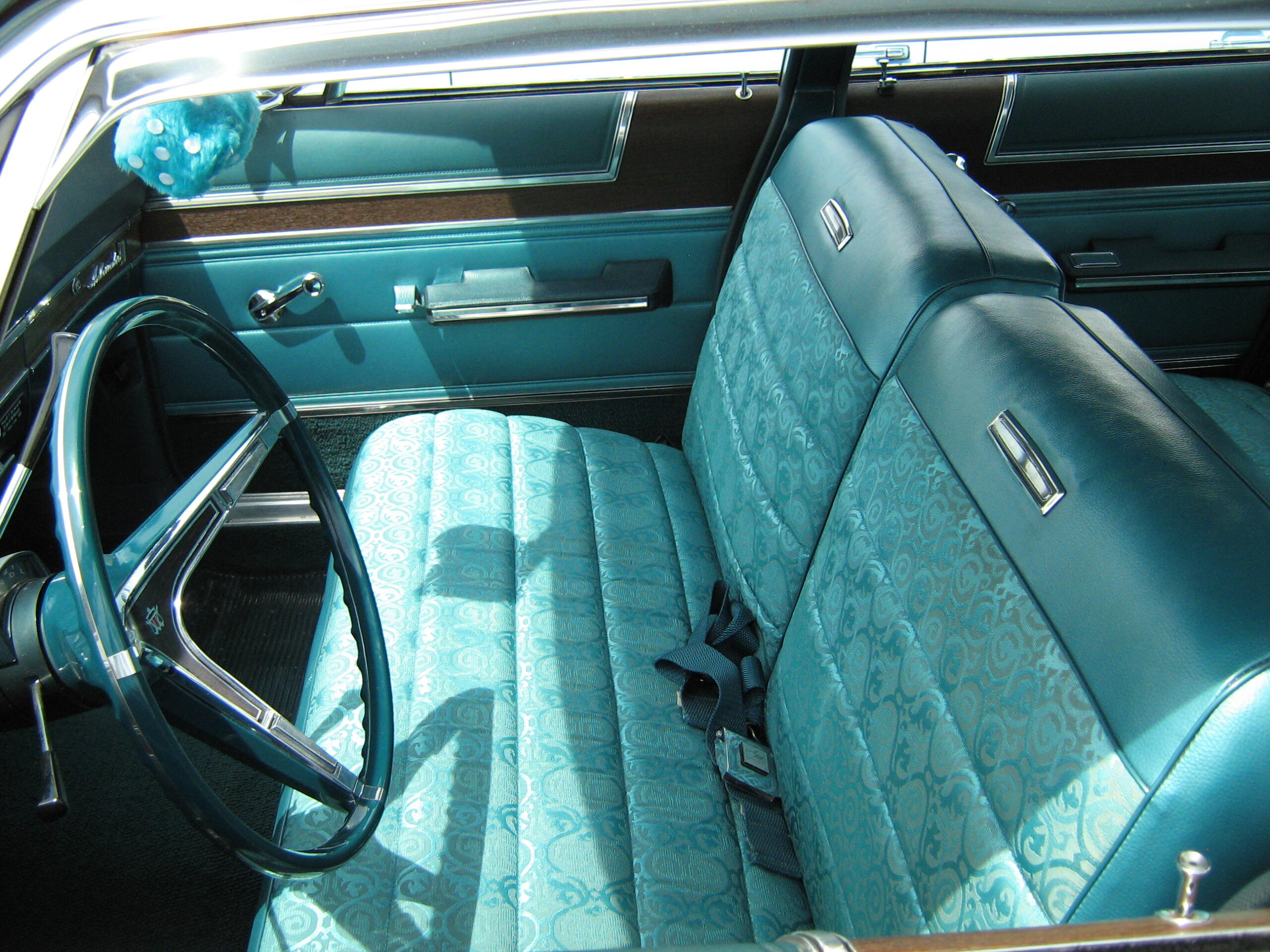
The 1985 American sedan came standard with a bench seat in the front, allowing three passengers across the front row. The center passenger sat on the bench between the driver and the front passenger, with the lap belt available for the center seat in some models. Front bench seats were phased out as side-impact safety regulations tightened in the early 2000s and as the center console became valuable real estate for shifters, cup holders, and electronics. The 2013 Chevrolet Impala was one of the last new American cars sold with a front bench seat as an option. The seating arrangement is not formally banned, but no major manufacturer offers it in 2026 sedans, and the structural reinforcement required by modern crash standards makes the three-across configuration impractical.
6. Steel Bumpers That Actually Bumped
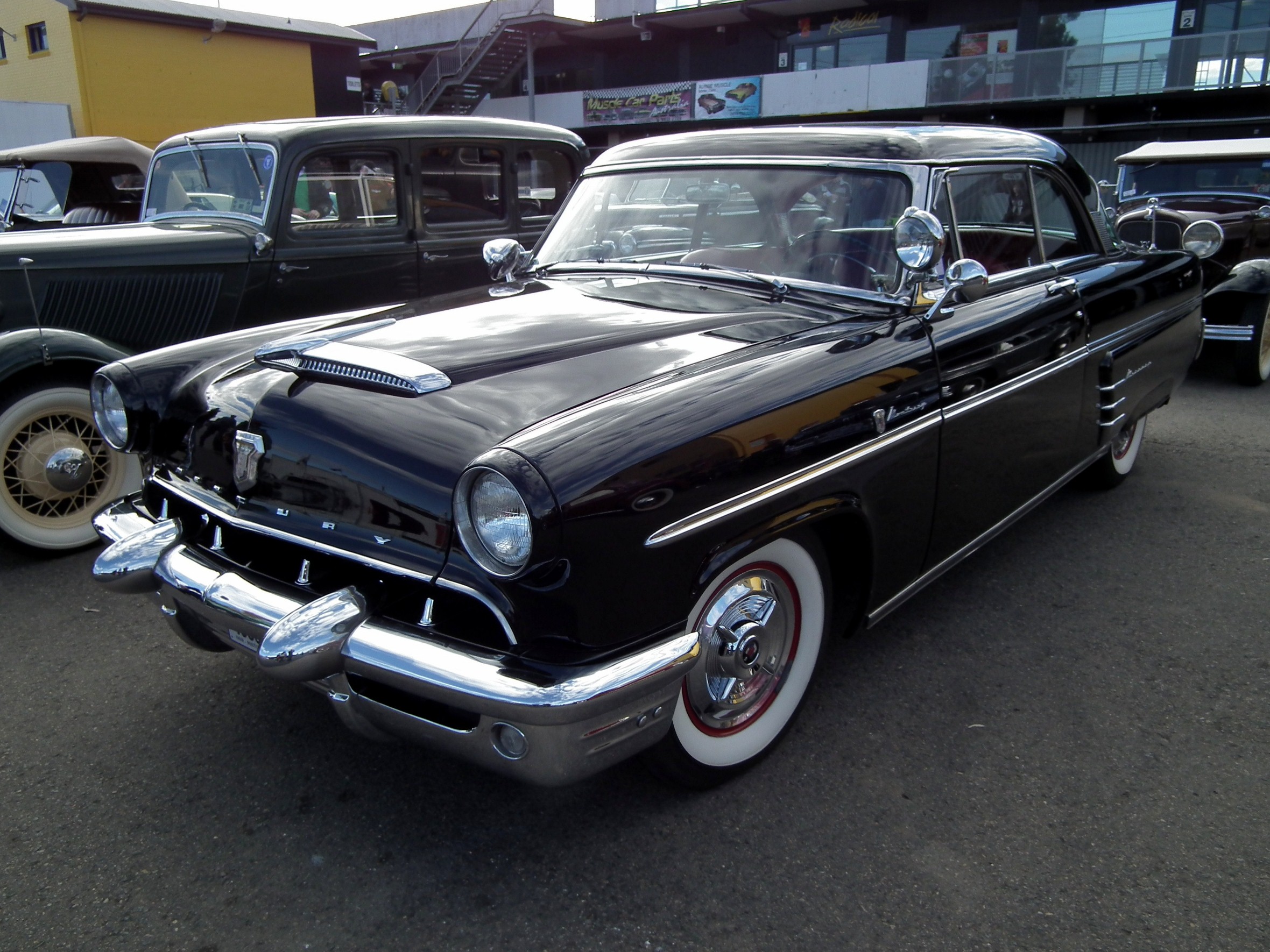
The 1985 American car had chrome-plated or painted steel bumpers designed to absorb low-speed impacts at up to 5 miles per hour without structural damage. Federal Motor Vehicle Safety Standard 215 originally required 5-mph bumper protection. The standard was lowered to 2.5 mph in 1982 under the Reagan administration as a cost-saving measure, and modern bumper covers are typically plastic shells over foam absorption layers that absorb impact rather than prevent it. The visible steel bumper of 1985 is gone from passenger vehicles. The change has produced significantly higher repair costs for minor parking-lot collisions — what would have been a chrome dent in 1985 is now a $1,200 bumper-cover replacement and paint match.
7. Manual Window Cranks
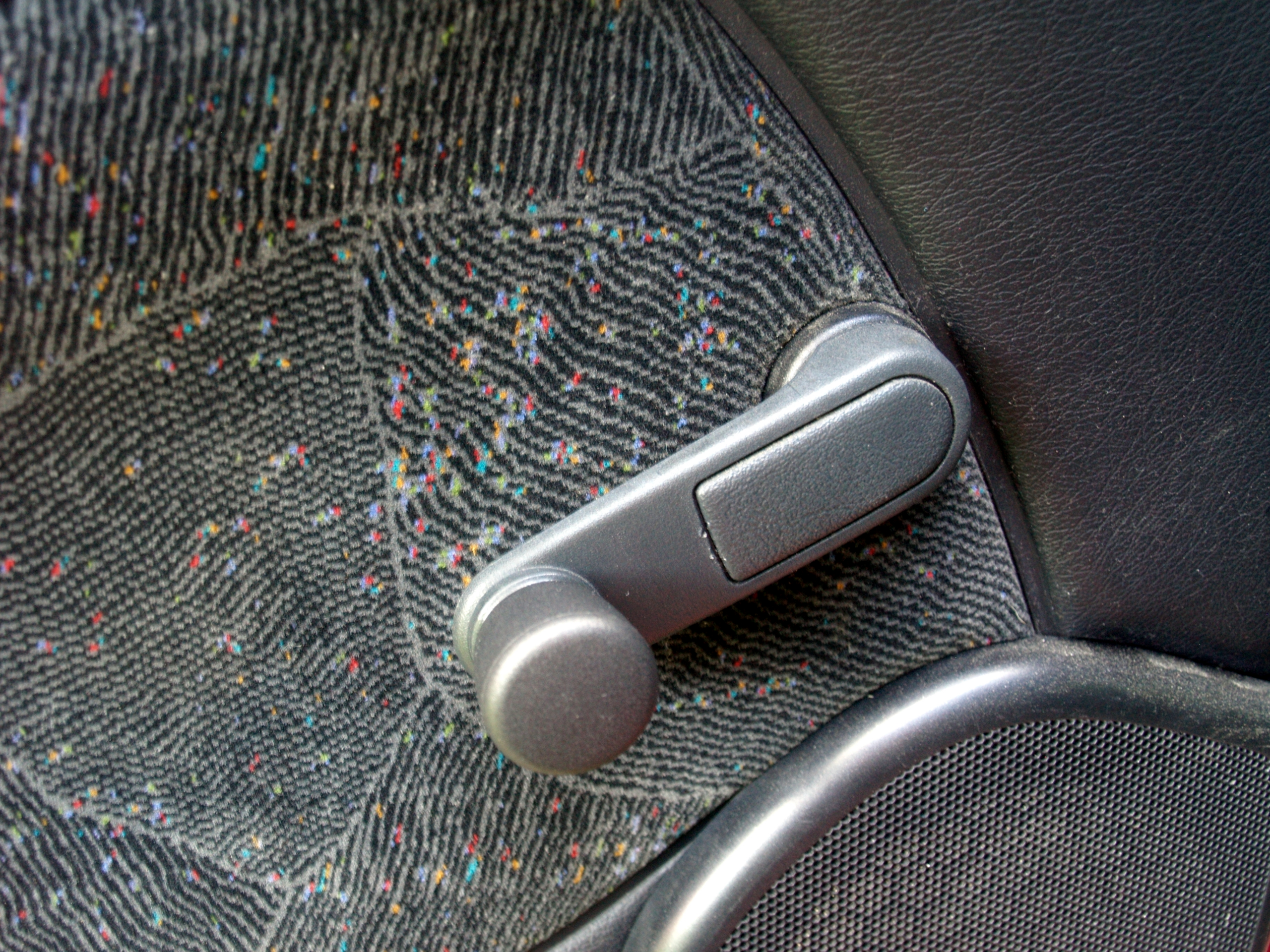
The 1985 American economy car came standard with hand-cranked windows, and power windows were a premium option that added approximately $200 to $400 to the sticker price. By 2018, power windows had become standard on every new American passenger car sold in the United States. Manual windows are not formally banned but have effectively disappeared from the new-car market. Modern automakers cite assembly-line efficiency, the ubiquity of power-window switch packages, and consumer expectations. The 2026 driver of a new car cannot manually crank a window down — the loss is small but specific. The 2018 Chevrolet Sonic was the last new car sold in the U.S. that offered manual windows as an option.
8. Pop-Up Headlights
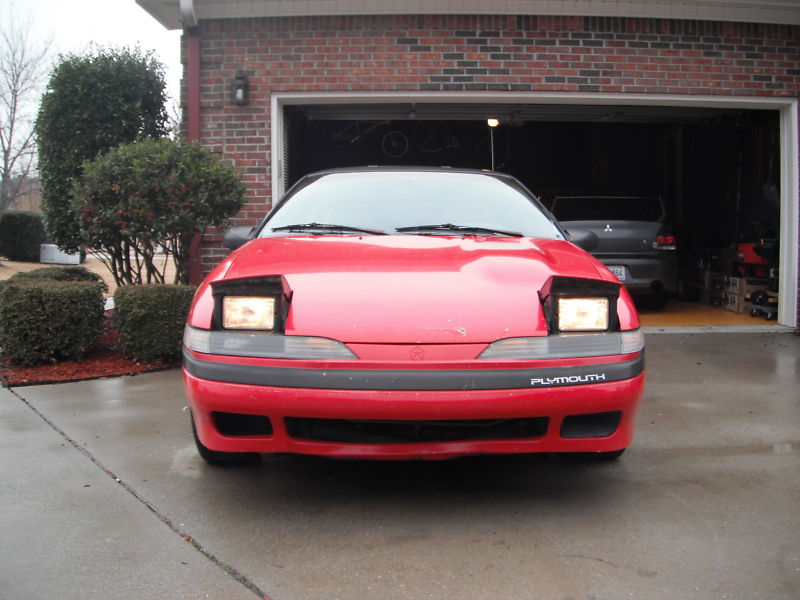
Pop-up headlights were a defining feature of 1980s American and Japanese sport coupes — the Chevrolet Corvette, the Pontiac Firebird, the Mazda RX-7, the Mazda Miata, and many others. The pop-up was designed to satisfy U.S. headlight-height regulations that required headlamps to be at least a certain distance above the road surface. The headlights retracted into the body when off, then mechanically rotated up when activated. European Union pedestrian-safety regulations effectively prohibited the design by the 2004 model year, requiring fixed headlights with rounded forward edges to reduce pedestrian-impact injuries. Mazda discontinued the pop-up Miata after the 1997 model year. No major manufacturer has produced a new pop-up-headlight car since 2004. The 1985 third-generation Camaro pop-ups are now an exclusively classic-car feature.
9. Carbureted Engines
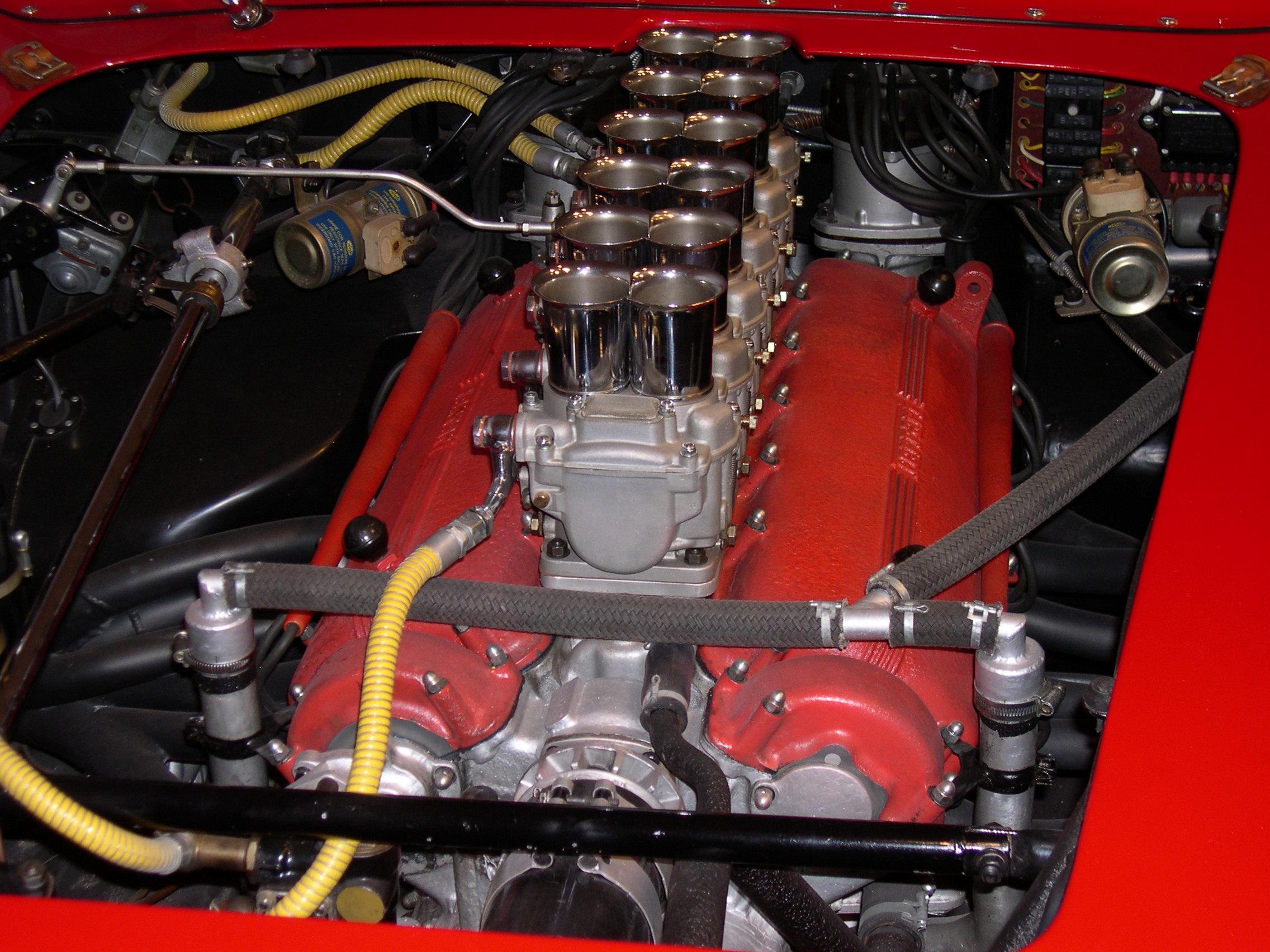
The 1985 American car was approximately half fuel-injected, half carbureted — the transition from carburetors to electronic fuel injection was in progress but not complete. Carbureted engines required occasional choke adjustment, manual cold-start procedures, and produced significantly higher emissions than fuel-injected equivalents. The Environmental Protection Agency’s 1996 fuel-injection effective-requirement under the Clean Air Act Amendments effectively eliminated carburetors from new passenger vehicles. The last new American car sold with a carbureted engine was the 1990 Subaru Justy. Modern fuel injection has dramatically improved fuel economy, reduced emissions, and eliminated the cold-start ritual that every 1985 American driver remembers from January mornings.
10. The Cassette Tape Deck
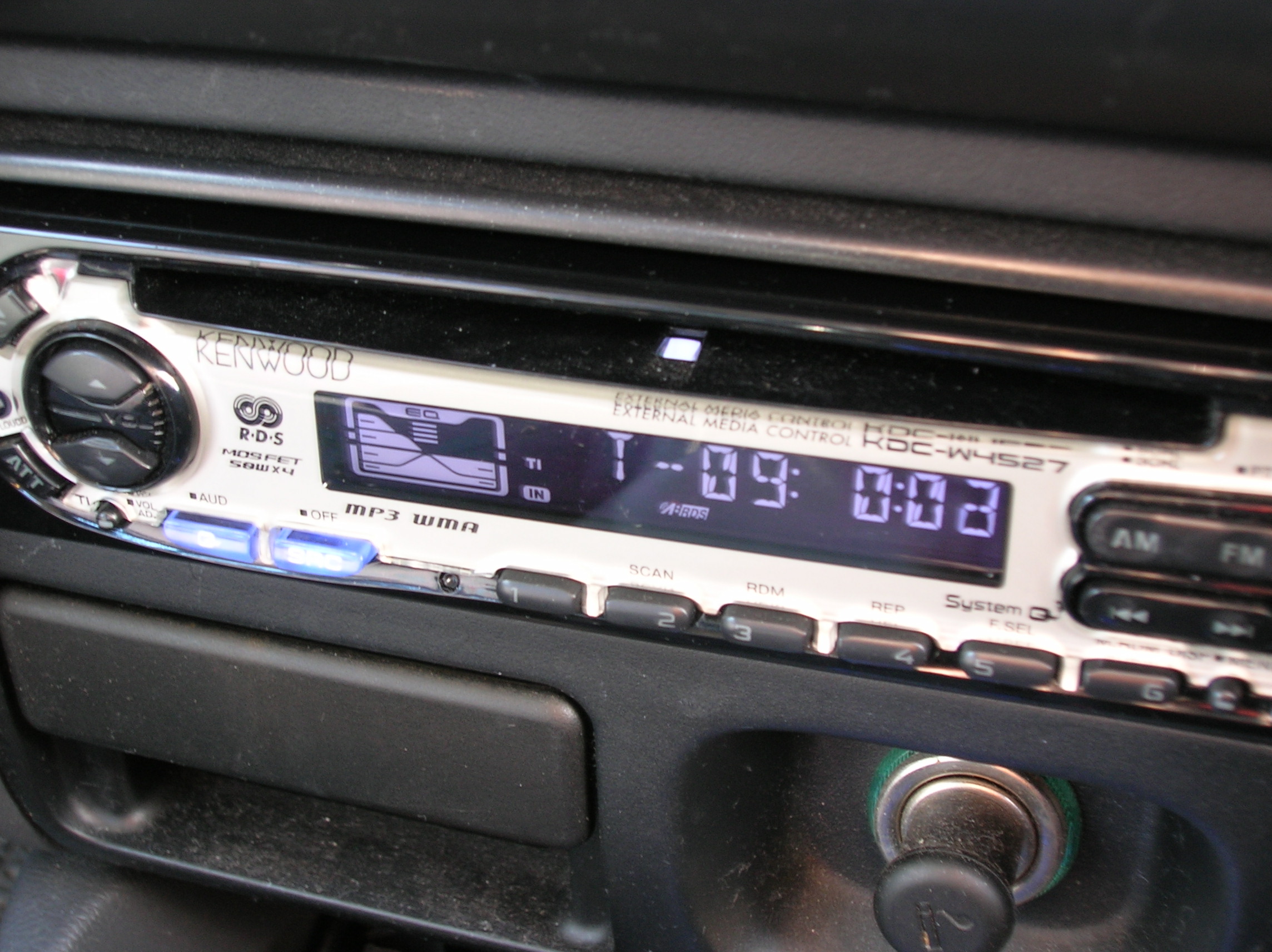
In 1985, the in-dash cassette tape deck was the dominant in-car audio format — over 90 percent of new American cars came with cassette as standard or optional equipment. By 2000, the CD player had taken over. By 2010, the auxiliary jack had begun to dominate. Cassette decks were not formally banned but were quietly removed from American cars as the format declined. The 2010 Lexus SC430 was reportedly the last new vehicle sold in the U.S. with a factory cassette deck. The cassette is not gone from American culture — vinyl-style nostalgic cassette purchases have risen sharply in 2024-2026 — but the in-car format is essentially eliminated.
11. The Antenna Mast
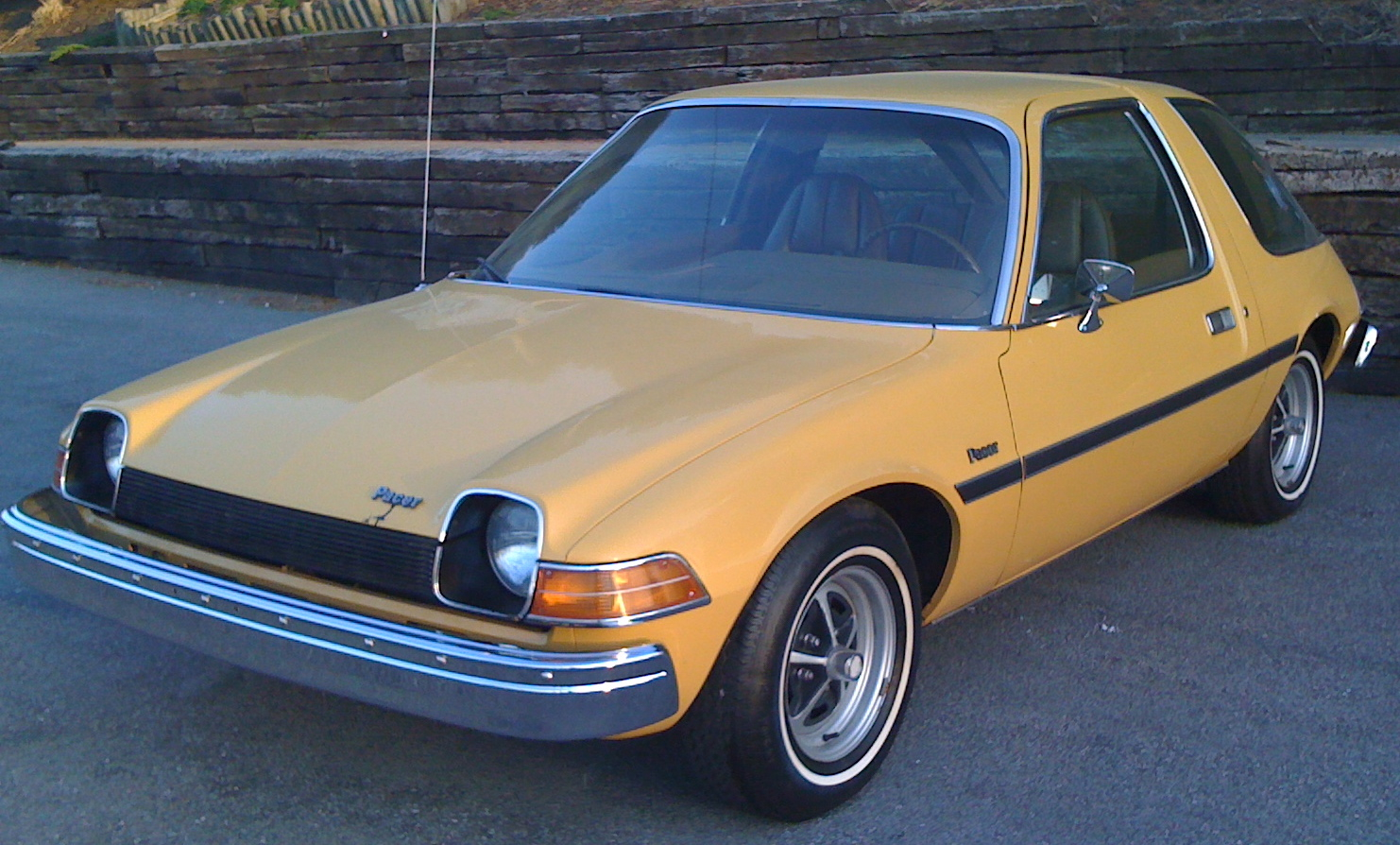
The 1985 American car came with a retractable or fixed metal antenna mast, typically mounted on the fender, retracting and extending mechanically when the radio was activated. Modern cars have either a shark-fin antenna mounted on the roof or no visible antenna at all, with the antenna integrated into the windshield glass. The change responded to aerodynamic drag testing — even a small fender-mounted antenna added detectable drag at highway speeds — and to vandalism reduction. The retractable antenna mast was a frequent target of car-vandals in the 1980s and 1990s. The mast is not formally banned but has effectively disappeared from new vehicles by the 2010 model year.
12. The Spare Tire
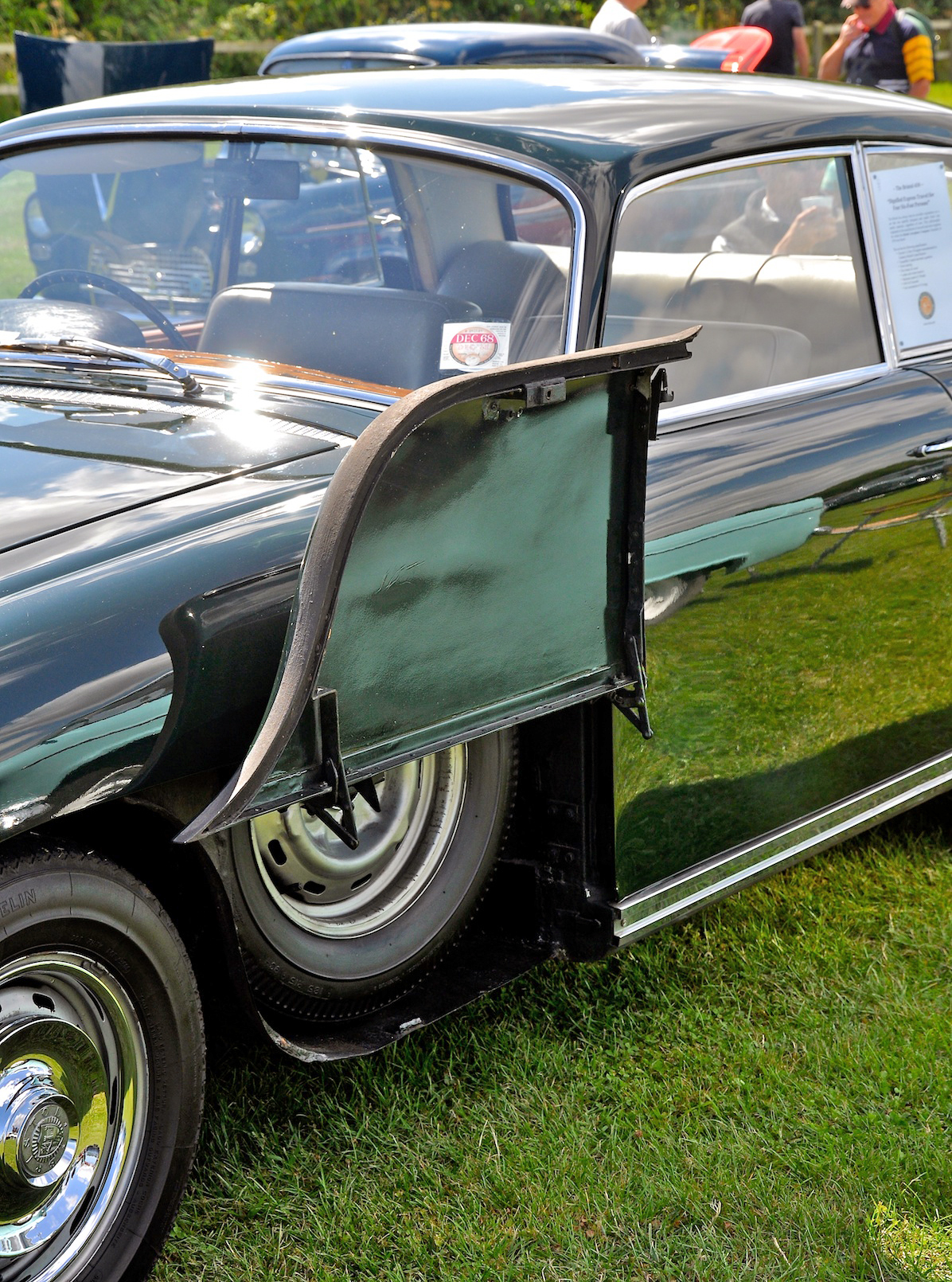
The 1985 American car came with a full-size spare tire and a jack as standard equipment. By 2015, approximately 36 percent of new American cars no longer came with a full spare — replaced by either a compact “donut” spare, a tire-inflation kit, or run-flat tires according to AAA industry data. By 2026, the share of new cars without a full spare has risen to approximately 49 percent. The change responds to manufacturer fuel-economy targets — every pound of vehicle weight matters for fleet-average mileage. The 1985 driver who got a flat on a highway shoulder could change the tire and drive normally. The 2026 driver of a spare-less vehicle typically requires roadside assistance and a tow.