
The 2026 Niche.com “Best Places to Live” state-by-state rankings — the most comprehensive data-driven analysis of American liveability — identify a single top-ranked community in each U.S. state. The methodology weights nine factors: cost of living, public school quality, crime statistics, family-friendliness, weather, commute times, housing affordability, demographic diversity, and resident-survey satisfaction scores. The 2026 results contain some predictable winners and some genuine surprises. Several wealthy coastal suburbs (Carmel, Indiana; Brookline, Massachusetts; Naperville, Illinois) hold their multi-year top rankings. Several less-famous communities (Berkeley, Missouri; Davidson, North Carolina; Brentwood, Tennessee) ranked above more-famous suburban alternatives. The list is not the same as the “wealthiest suburbs” — Niche’s methodology weights affordability against quality, producing different results than pure-wealth rankings. Here are the 2026 #1 ranked places to live in each of the 50 U.S. states, grouped by region, with the specific reason each ranked first.
The Niche.com 2026 rankings draw on data sources including U.S. Census Bureau American Community Survey results, the National Center for Education Statistics, FBI Uniform Crime Reports, NOAA weather records, and a survey of approximately 1.7 million U.S. residents conducted between July 2024 and February 2026. The methodology has been refined consistently since 2014. The 2026 rankings represent the most current snapshot of American suburban-and-small-city liveability available at this date.
The Northeast
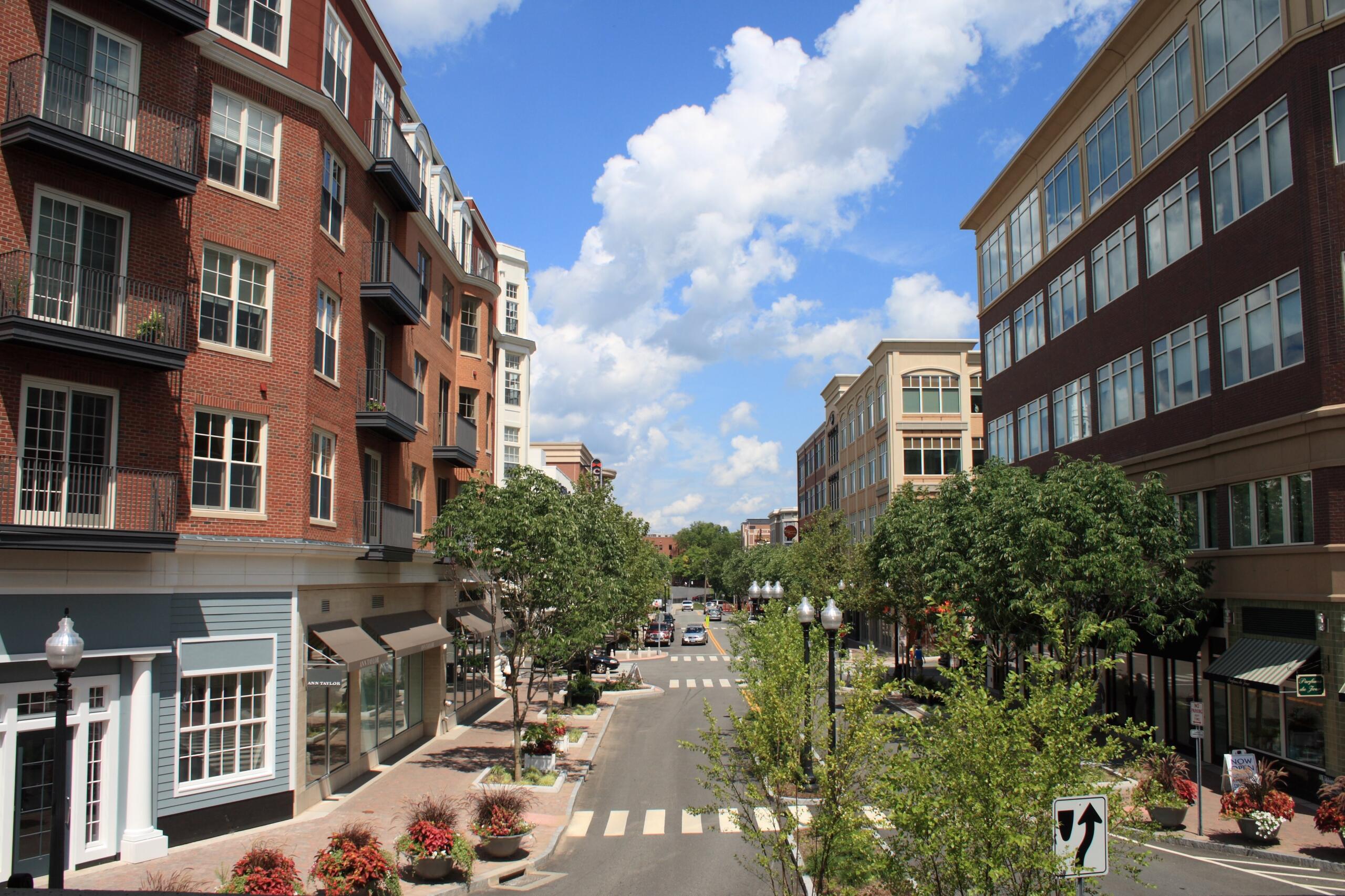
Connecticut: West Hartford — population 64,000. The town’s combination of strong public schools (West Hartford Public Schools ranked among the top 10 percent nationally), walkable Blue Back Square downtown, and proximity to Hartford employment produced the top Connecticut ranking. Maine: Cape Elizabeth — population 9,500. The Portland-area coastal suburb’s combination of small-town character and Maine coast access. Massachusetts: Brookline — population 64,000. The Boston-adjacent suburb’s combination of public schools, walkability, and cultural amenities. New Hampshire: Bedford — population 23,000. The Manchester-area suburb’s school quality and lower property taxes than Massachusetts equivalents. Rhode Island: Barrington — population 17,000. The Narragansett Bay suburb’s small-town coastal access. Vermont: South Burlington — population 21,000. The Burlington-adjacent town’s airport access and Lake Champlain proximity. New York: Scarsdale — population 17,000. The Westchester County suburb’s persistent top-ranked schools and Metro-North access to Manhattan. New Jersey: Princeton — population 31,000. The Princeton University-anchored town’s combination of culture, employment, and walkable downtown. Pennsylvania: Lower Merion Township — population 58,000. The Philadelphia Main Line township’s schools and historic character.
The Southeast
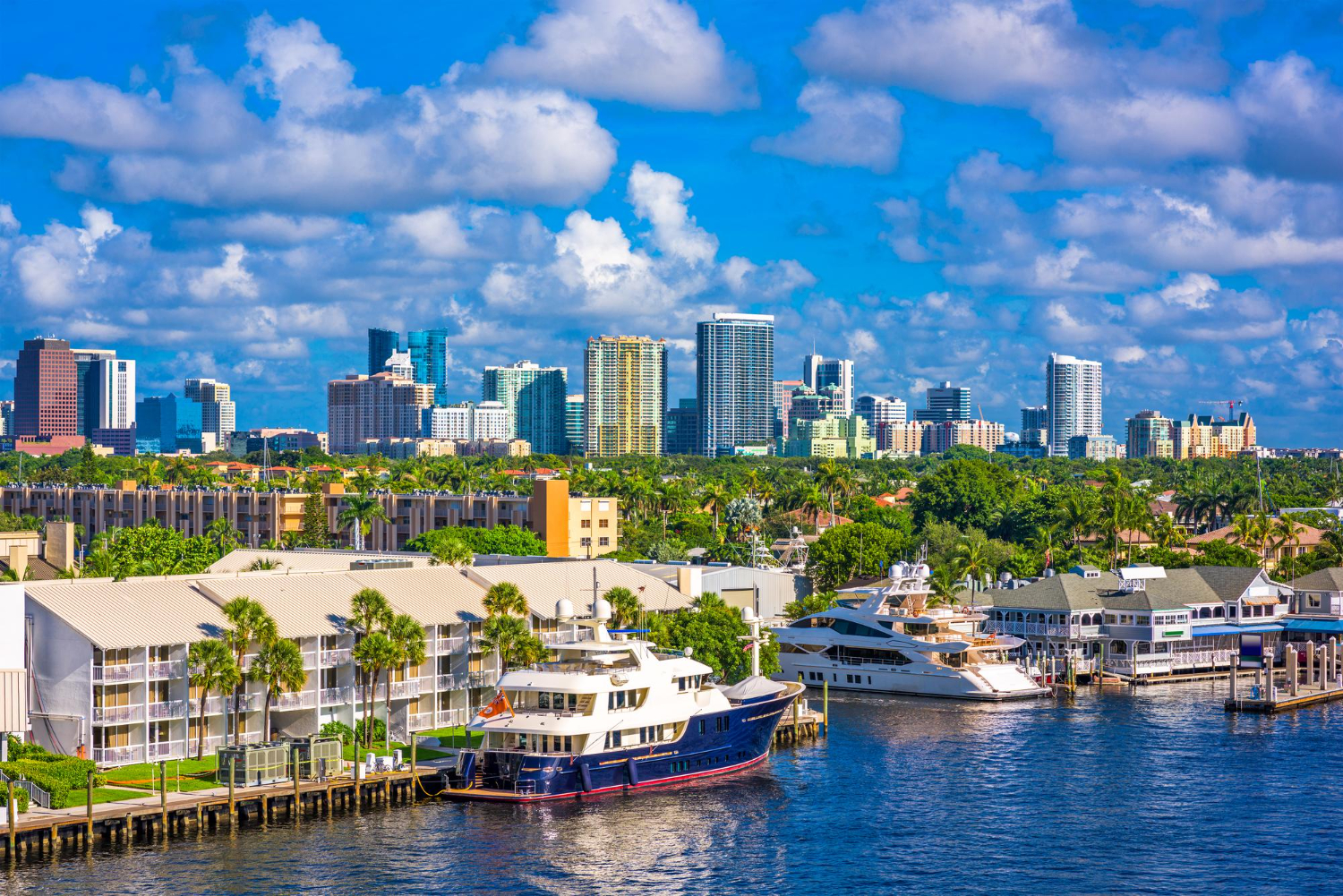
Florida: Parkland — population 35,000. The Broward County town’s combination of Everglades-adjacent natural setting, high household incomes, and strong public schools. Georgia: Johns Creek — population 84,000. The Atlanta-area suburb’s school quality and low crime. South Carolina: Mount Pleasant — population 95,000. The Charleston-adjacent town’s growth-and-quality combination. North Carolina: Davidson — population 16,000. The Lake Norman college town’s small-town character. Virginia: McLean — population 49,000. The Washington D.C. suburb’s combination of schools, walkability, and CIA-anchored employment base. West Virginia: Bridgeport — population 9,500. The Clarksburg-area town’s school quality. Tennessee: Brentwood — population 47,000. The Nashville-adjacent suburb’s combination of country-music-industry wealth and Williamson County schools. Kentucky: Anchorage — population 2,500. The Louisville-area community’s preservation. Alabama: Mountain Brook — population 23,000. The Birmingham-area community’s preservation and schools. Mississippi: Madison — population 28,000. The Jackson-area suburb’s growth. Louisiana: Mandeville — population 13,000. The North Shore Lake Pontchartrain community’s character. Arkansas: Bentonville — population 64,000. The Walmart-headquartered town’s growth and cultural investment (Crystal Bridges Museum of American Art).
The Midwest
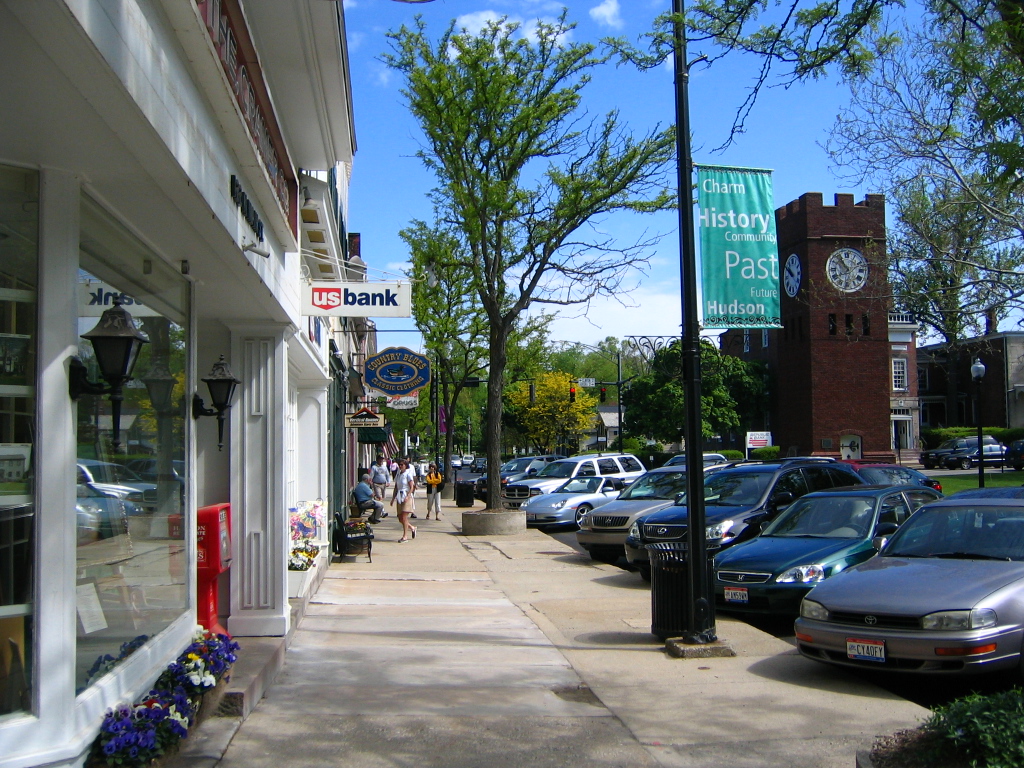
Ohio: Hudson — population 23,000. The Cleveland-Akron-area town’s preserved historic downtown and school quality. Michigan: Birmingham — population 22,000. The Detroit-area suburb’s walkable downtown. Indiana: Carmel — population 100,000. Carmel has held the #1 Indiana ranking and frequently the #1 nationally for over a decade — schools, walkability, roundabout infrastructure, and the Monon Trail produce sustained top scores. Illinois: Naperville — population 149,000. The Chicago-area suburb’s combination of Naperville Riverwalk, downtown, and schools. Wisconsin: Mequon — population 25,000. The Milwaukee-North Shore community’s character. Minnesota: Edina — population 53,000. The Minneapolis-area suburb’s persistent top-ranked schools and Galleria shopping. Iowa: Clive — population 18,000. The Des Moines-area suburb’s growth. Missouri: Clayton — population 17,000. The St. Louis-area community’s combination of urban density and quality. Kansas: Leawood — population 35,000. The Johnson County, Kansas City-area suburb’s family-friendly profile. Nebraska: Omaha (specifically Westside neighborhoods) — particularly the Elkhorn/Boys Town area. North Dakota: West Fargo — population 41,000. The Fargo-area suburb’s growth and family character. South Dakota: Brandon — population 11,000. The Sioux Falls-area community.
The Mountain West and Southwest

Colorado: Cherry Hills Village — population 6,500. The Denver-area community’s combination of large lots, equestrian culture, and proximity to Denver International Airport. Wyoming: Jackson — population 11,000. The Teton County resort town’s combination of natural amenities and high household incomes. Montana: Whitefish — population 8,000. The Flathead Valley resort town. Idaho: Eagle — population 36,000. The Boise-area suburb’s growth. Utah: Holladay — population 31,000. The Salt Lake-area community. Nevada: Boulder City — population 16,000. The unique community 26 miles from Las Vegas (where gambling is prohibited within city limits). Arizona: Paradise Valley — population 13,000. The wealthy Phoenix-area community. New Mexico: Los Alamos — population 13,000. The national-laboratory-anchored town’s combination of education and culture.
The Pacific
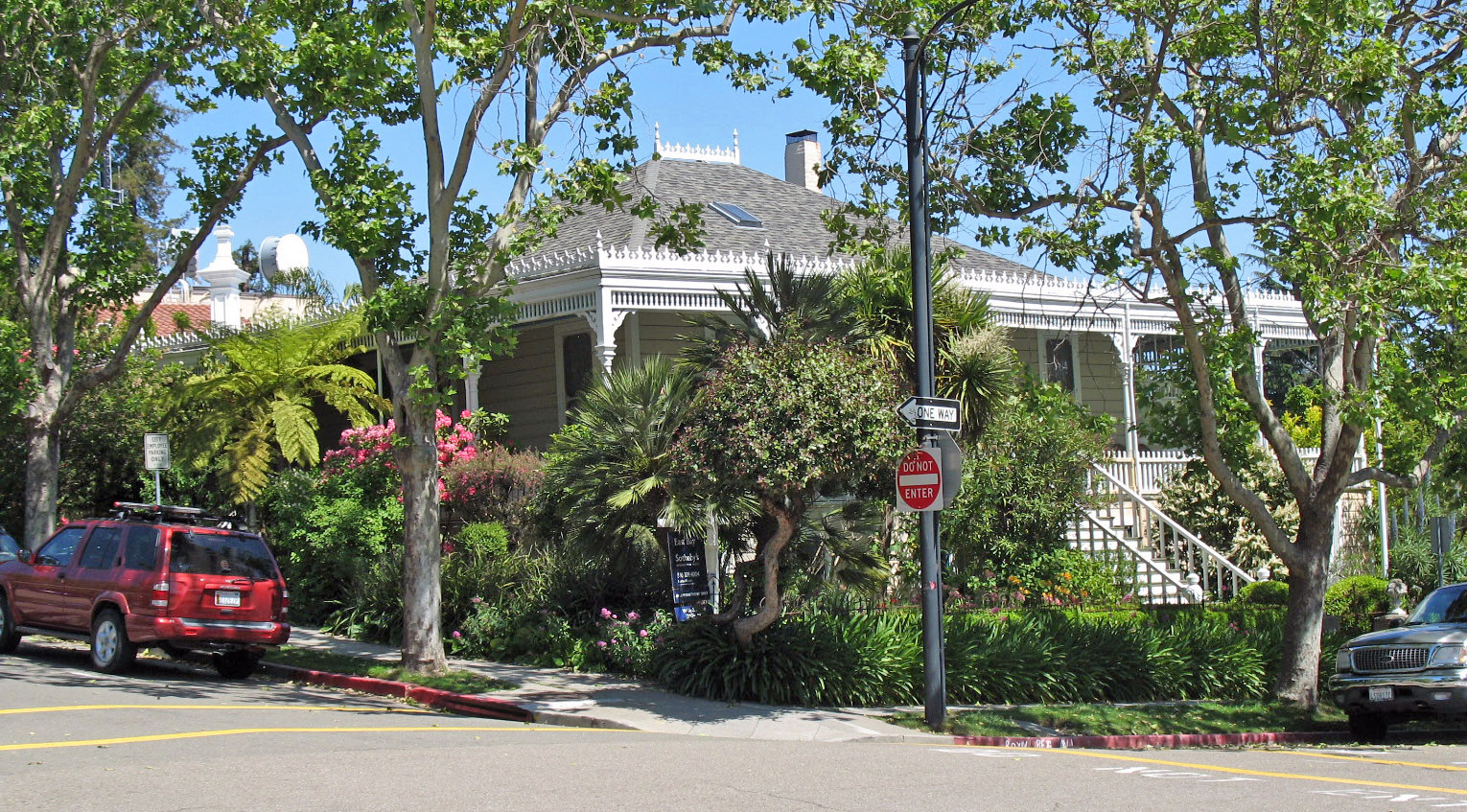
California: Piedmont — population 11,000. The Oakland-enclosed community’s persistent top-ranked schools and Bay Area access. Oregon: Lake Oswego — population 41,000. The Portland-area community. Washington: Sammamish — population 67,000. The Microsoft and Amazon-employment-anchored Seattle-area suburb. Hawaii: Mililani Town — population 28,000. The Oahu-central planned community. Alaska: Juneau (specifically the Mendenhall Valley area) — the capital city’s most-livable neighborhood.
The Common Pattern
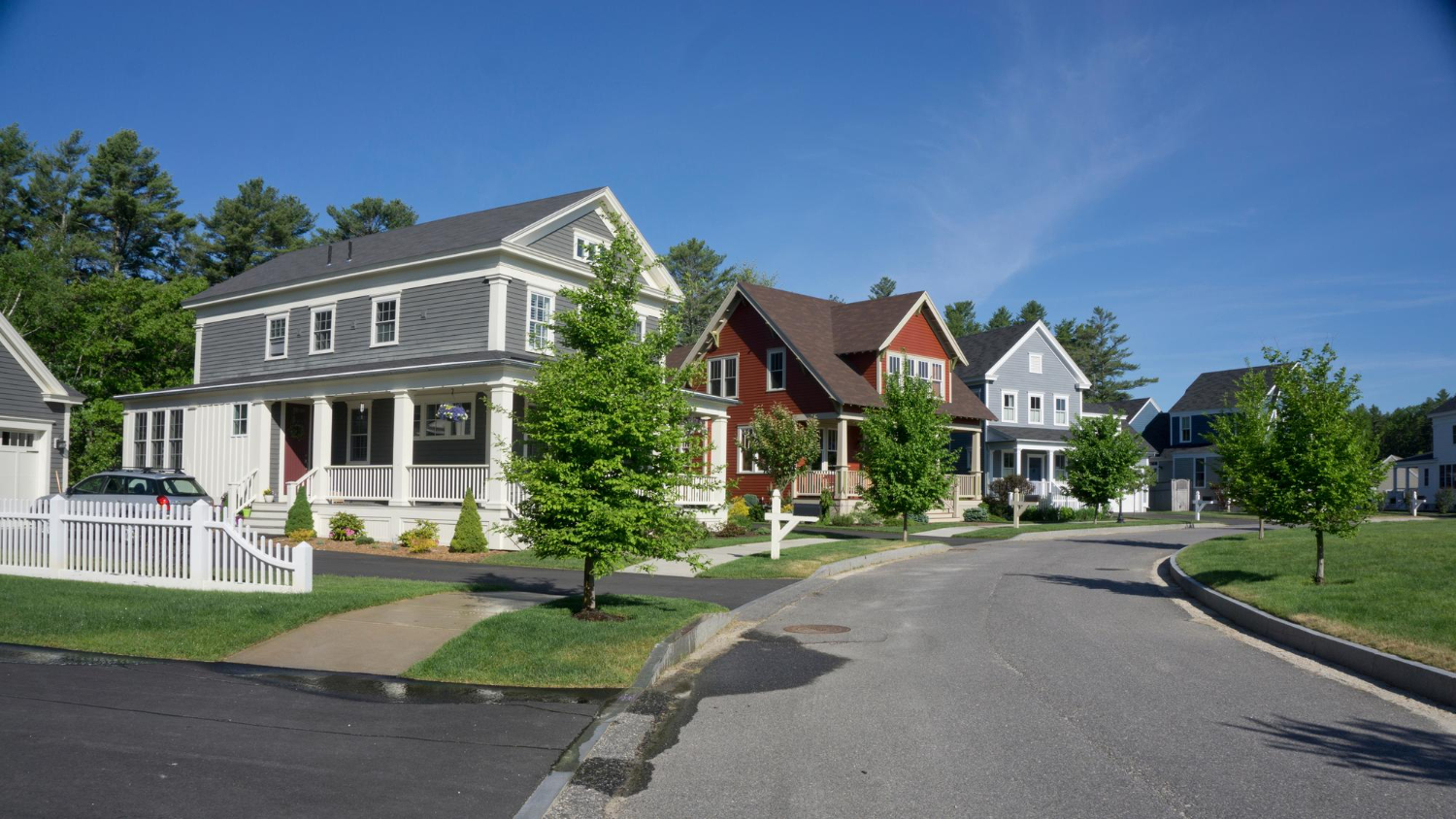
The 50 cities and towns ranked above share specific characteristics. Each is a suburban or small-town community rather than a major urban core. Each has population between approximately 6,000 and 150,000 (a “Goldilocks” zone large enough to support amenities but small enough to maintain community character). Each has either excellent public schools or excellent private school access. Each has low crime relative to surrounding metropolitan areas. Each has either preserved historic character or planned walkable infrastructure. The dominant model is the affluent inner-suburb of a major metropolitan area — Carmel, Naperville, Brookline, Scarsdale, Lower Merion, Westside Omaha, Piedmont, Lake Oswego, Sammamish, and Mililani all fit this template. The exceptions are notable — Jackson, Wyoming and Whitefish, Montana represent resort-town outliers; Bentonville represents corporate-headquarters anchoring; Los Alamos represents national-laboratory anchoring.
The Cost-of-Living Reality

The 50 top-ranked communities share another characteristic that the Niche.com rankings do not fully foreground — most are substantially more expensive than the surrounding state average. Carmel, Indiana’s median household income exceeds $135,000 against the state average of approximately $68,000. Brookline, Massachusetts’s median home price exceeds $1.6 million against the state median of approximately $580,000. Piedmont, California’s median home price exceeds $2.8 million against the broader Bay Area median of approximately $1.3 million. Sammamish, Washington’s median home price exceeds $1.5 million against the Seattle metropolitan median of approximately $850,000. The Niche.com methodology attempts to balance affordability against quality, but the practical result is that the top-ranked communities are typically accessible only to households in the top 20 percent of state income distributions. For households outside that range, the second-tier rankings (places 2-10 in each state) often represent the practical relocation target rather than the #1 ranked community itself.
What Has Changed Since 2020

The 2026 rankings show several notable shifts from the pre-pandemic top-ranked communities. Several mountain-west and Sun Belt communities have risen substantially — Bentonville, Arkansas was ranked outside the top 5 Arkansas communities in 2018 and now sits at #1. Sammamish, Washington has moved past Mercer Island as the top Washington community. Davidson, North Carolina has displaced Cary as the top NC community. The shifts track broader migration patterns — communities that benefited from pandemic-era domestic migration are now reflecting that growth in their data scores. The relatively stable rankings — Carmel Indiana, Naperville Illinois, Brookline Massachusetts, Scarsdale New York — represent communities whose top-tier status has been durable across multiple economic and demographic cycles, often for decades. The practical implication is that some 2026 rankings reflect recent shifts that may or may not persist while others represent essentially permanent quality-of-life advantages.
The Practical Relocation Guidance
The practical implication for Americans considering relocation is that the data-driven liveability optimization in 2026 points consistently toward affluent metropolitan suburbs rather than rural small towns or revitalized urban cores. The pattern has been stable for at least a decade and continues into the 2026 rankings. American households seeking the highest-quality combination of schools, safety, walkability, and amenities have a consistent target — and the 50 communities above represent the consensus top destinations across the 50 states. The cost question is the dominant practical constraint. Households with sufficient income should consider the #1 ranked community in their target state as a serious option. Households with moderate income should consider the second-tier rankings within the same metropolitan area, which typically share many of the top community’s characteristics at substantially lower cost. The cumulative pattern of American suburban quality is that the highest-ranked communities have become more expensive while the underlying liveability advantages have remained relatively stable — producing a tension between the rankings and the practical accessibility of the rankings that will likely persist through the rest of the decade.