


As inflation and rising insurance premiums reshape the retirement landscape in 2026, the dream of a “golden age” in Florida is becoming a financial hurdle for many. For those relying primarily on Social Security, the math simply isn’t adding up in traditional sun-belt hubs anymore. However, a new map of retirement is emerging. By trading coastal crowds for inland charm, savvy retirees are finding high-quality “micro-cities” where housing, taxes, and healthcare costs are significantly lower, allowing a standard monthly check to stretch much further.
1. Hot Springs, Arkansas: The Natural Spa Life
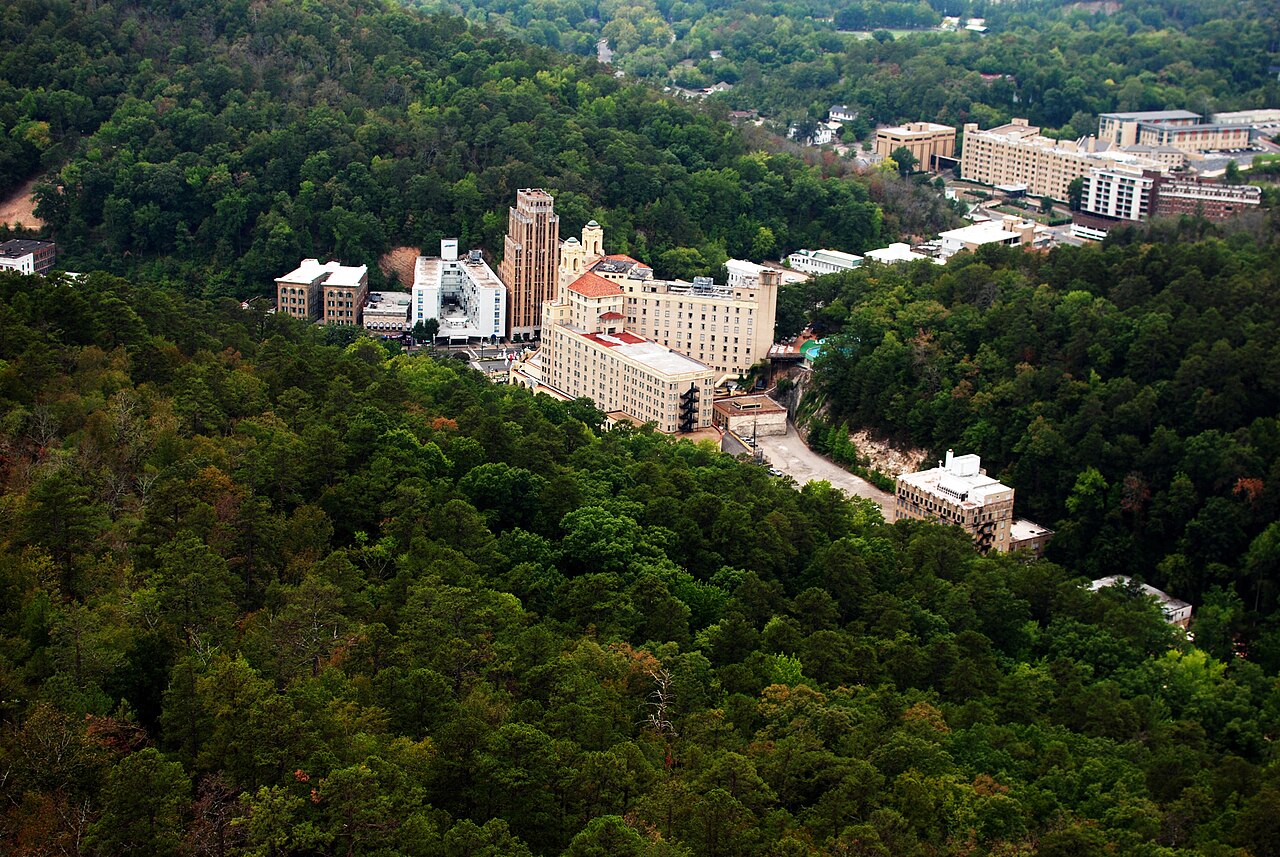
Hot Springs is quickly becoming the premier alternative for those seeking a mix of outdoor beauty and low cost of living. Because Arkansas does not tax Social Security benefits, retirees keep more of their checks from day one. The city offers a unique blend of National Park access and historic urban living. In 2026, median home prices here remain nearly 25% below the national average, and the abundance of natural thermal springs provides a “wellness” lifestyle that would cost a fortune in a city like Scottsdale or Palm Springs.
2. Bellaire, Michigan: The “Up North” Sanctuary
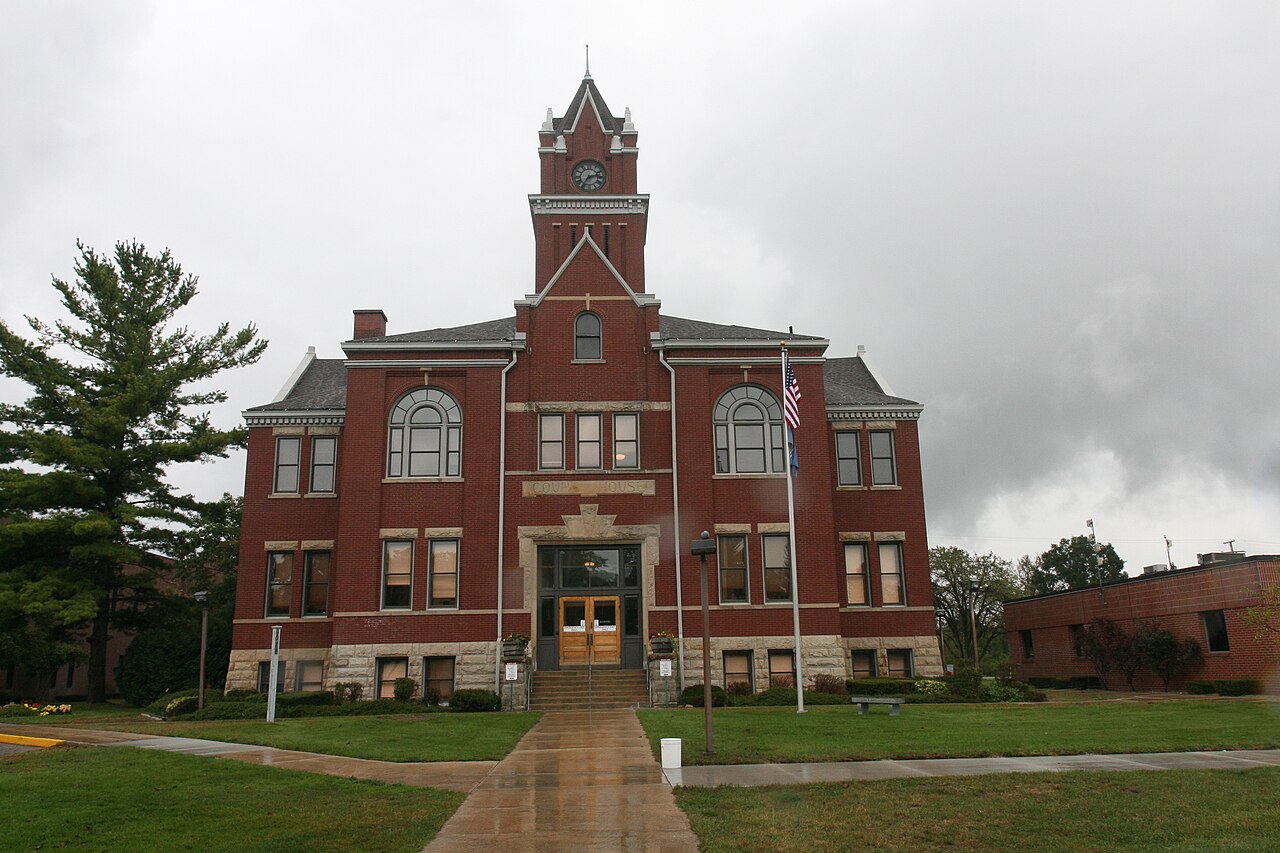
For retirees who don’t mind the change of seasons, Bellaire offers a lifestyle that feels like a luxury resort at a bargain price. Located in the heart of “Chain of Lakes” country, this town is perfect for those who value fishing, boating, and quiet wooded trails. Michigan has recently expanded its retirement tax exemptions, making it a fiscal haven for middle-income seniors. With local property taxes far lower than in neighboring Illinois or Wisconsin, your monthly budget can easily cover a lakeview lifestyle that remains out of reach in most states.
3. Greeneville, Tennessee: Historic Charm with Zero Income Tax
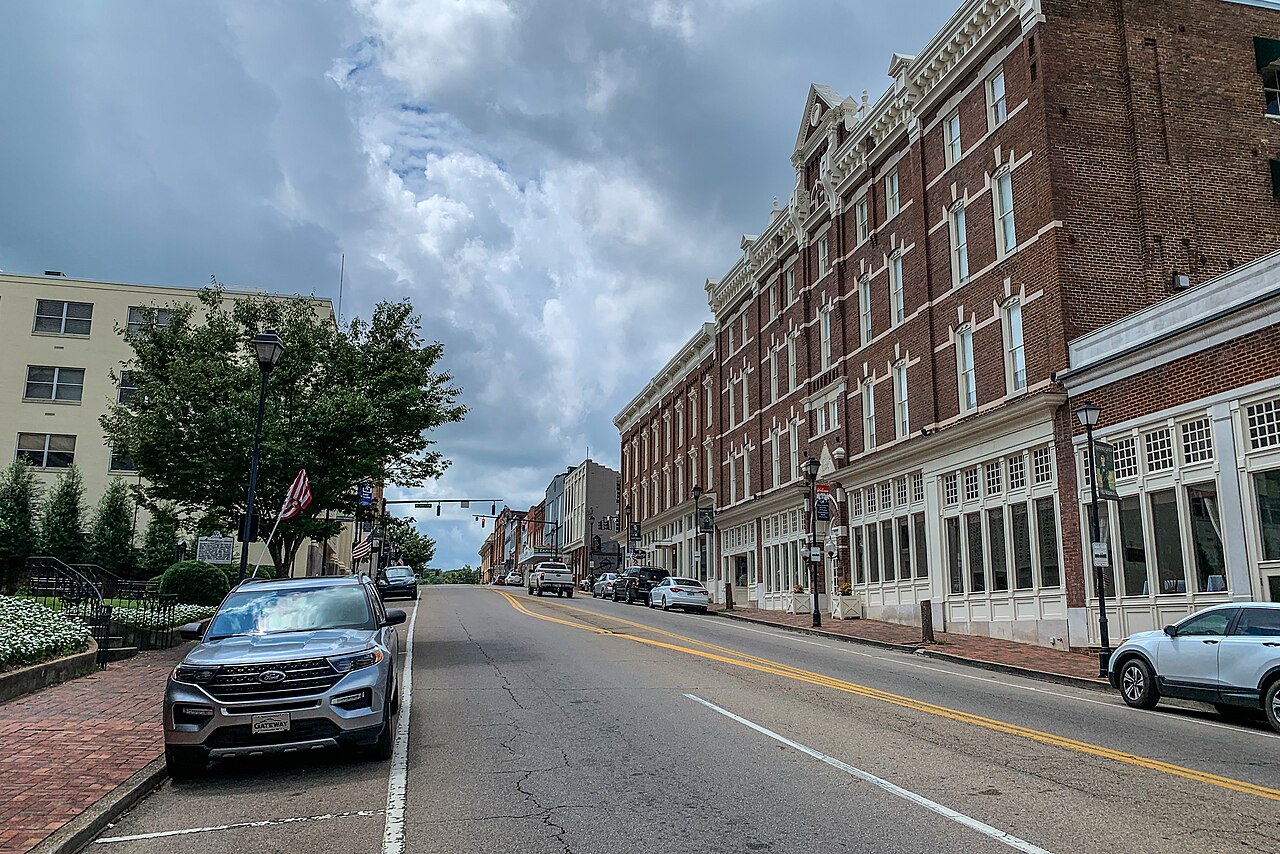
Tennessee remains a powerhouse for retirees due to its complete lack of state income tax. While Nashville and Knoxville have seen prices surge, Greeneville—nestled in the foothills of the Appalachian Mountains—remains a hidden treasure. The cost of utilities and groceries here is roughly 10% lower than the national median. For a retiree, the combination of no state tax and low property levies means a Social Security check covers not just the essentials, but a comfortable social life centered around the town’s vibrant historic district.
4. Abilene, Kansas: Small-Town Values, Big-Time Savings
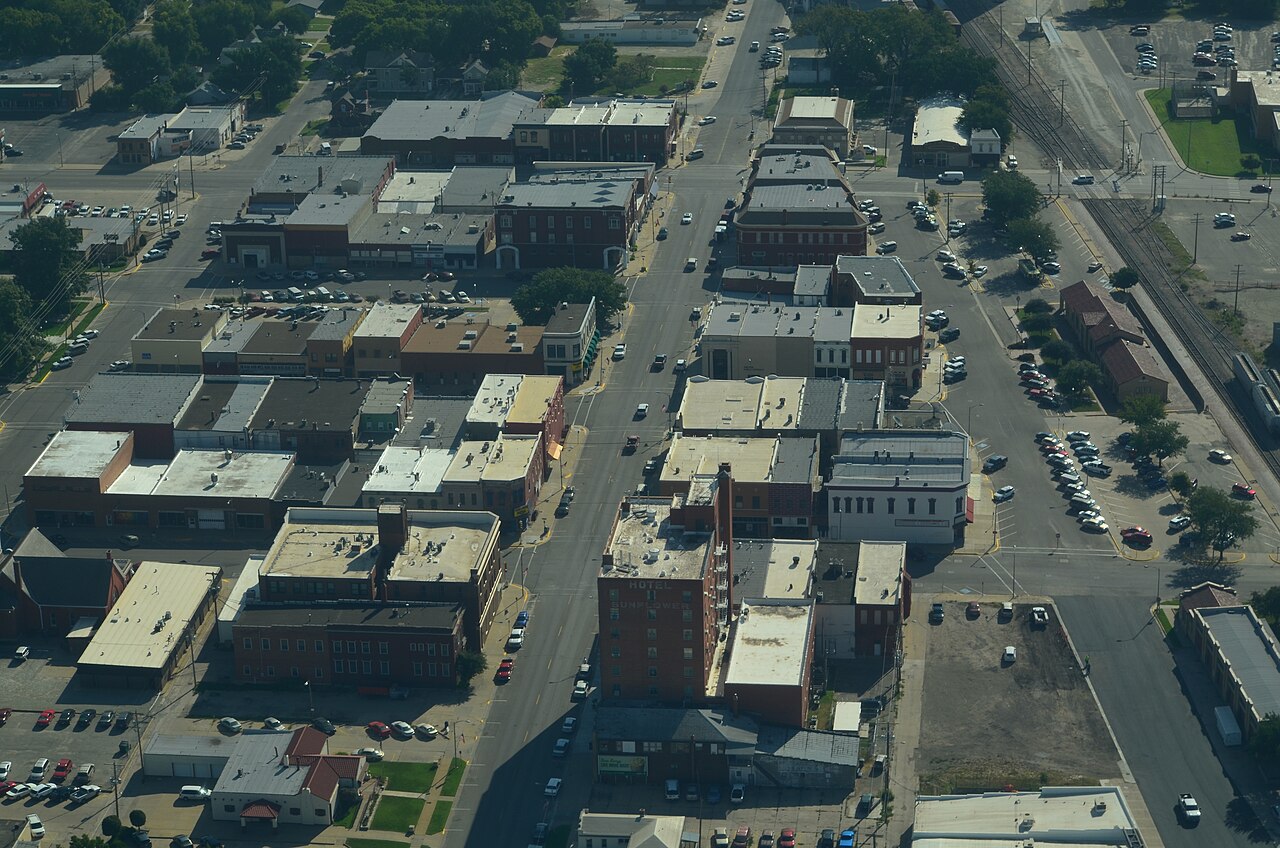
Recently named one of the most livable small towns in the Midwest, Abilene is the “goldilocks” of retirement: not too big, not too small, and remarkably affordable. In 2026, the housing market here allows many retirees to sell their suburban homes in the Northeast or West Coast and buy a historic Abilene property in cash, eliminating a mortgage entirely. Kansas has also moved toward more favorable tax treatments for seniors, and the local “pace of life” means you spend less on the daily stressors that drain a bank account in the city.
5. Roanoke, Virginia: Blue Ridge Beauty for Less
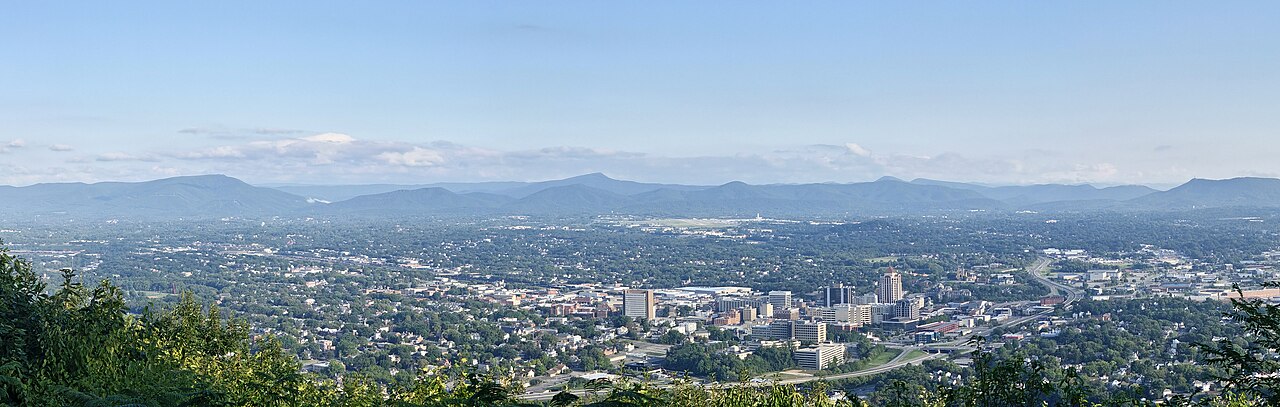
Roanoke is the ultimate “mountain-metro” compromise. It offers the specialized healthcare facilities and cultural amenities of a much larger city but maintains the price point of a rural town. Virginia’s 2026 tax climate offers generous subtractions for seniors, and Roanoke’s cost of living consistently sits about 15% below the national average. For active retirees who want to hike the Blue Ridge Parkway on Tuesday and visit a world-class art museum on Wednesday, Roanoke provides a premium lifestyle on a fixed-income budget.
