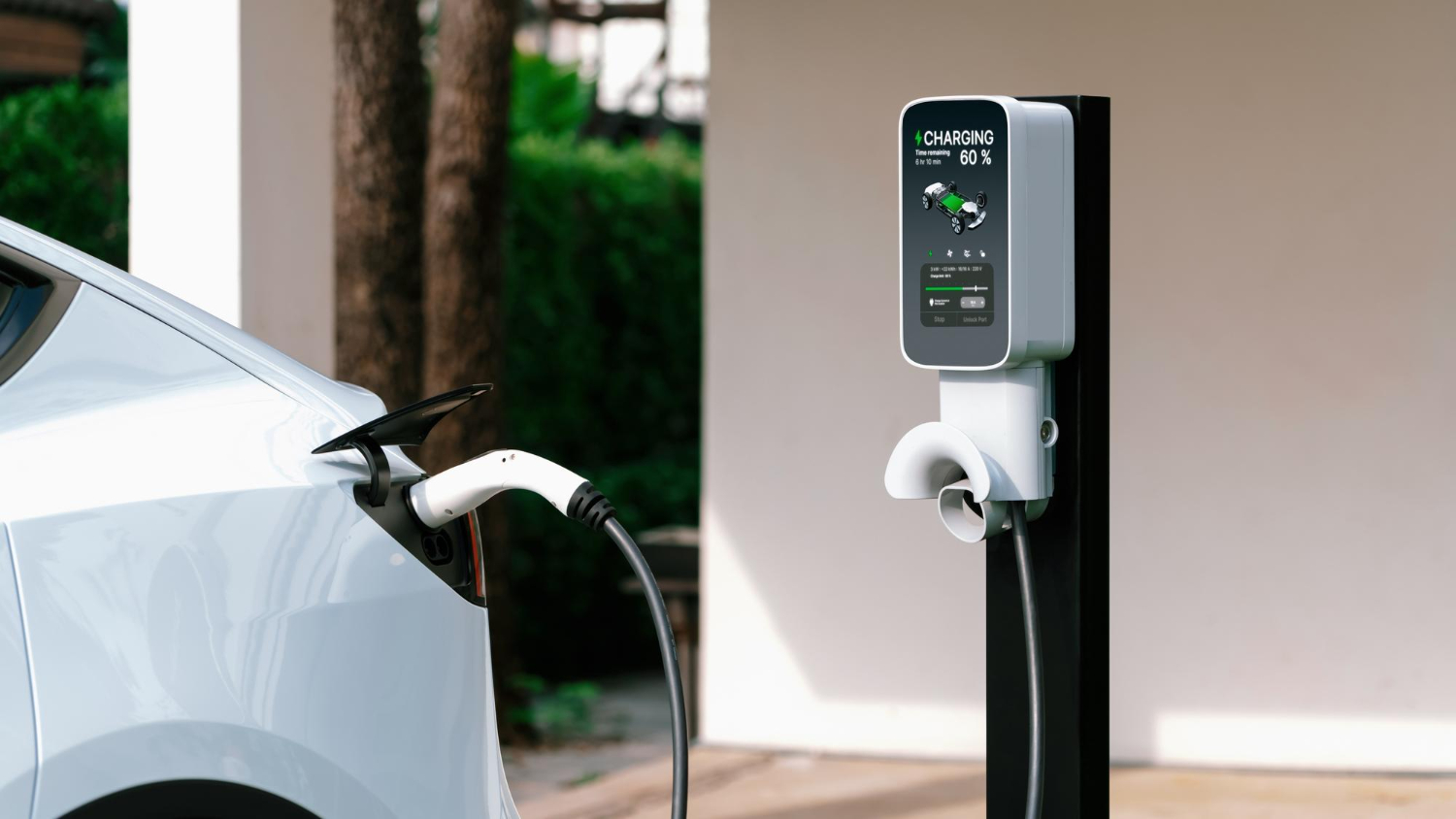
The U.S. House Committee on Transportation and Infrastructure released the BUILD America 250 Act on May 17, 2026 — a roughly $580 billion surface transportation reauthorization bill that includes the first nationwide federal registration fee on electric vehicles in American history. Under Section 1129 of the bill, electric vehicle owners would pay an annual $130 federal registration fee, and plug-in hybrid owners would pay $35, with both fees rising $5 every two years starting in 2029 (capped at $150 for EVs and $50 for plug-in hybrids). The fee represents the first new revenue stream for the federal Highway Trust Fund in more than three decades. The bill is bipartisan — released jointly by Committee Chairman Sam Graves (R-Missouri) and Ranking Member Rick Larsen (D-Washington) — and was scheduled for committee markup on May 21, 2026. Here is exactly what the proposed EV fee is, why both parties support it, what it would cost EV owners on top of existing state fees, and what happens next.
The federal Highway Trust Fund — which finances the majority of federal highway, bridge, and transit spending — has faced a structural funding crisis for years. The fund is financed primarily by the federal gasoline tax, which stands at 18.4 cents per gallon and has not been increased since 1993. The combination of the fixed gas tax, inflation, increasing fuel efficiency, and the rise of electric vehicles (which pay no gas tax) has steadily eroded the fund’s solvency. The BUILD America 250 Act’s EV fee is designed to address the specific gap created by EV drivers who use the roads but contribute nothing to the gas-tax-funded maintenance system.
What the Fee Actually Is
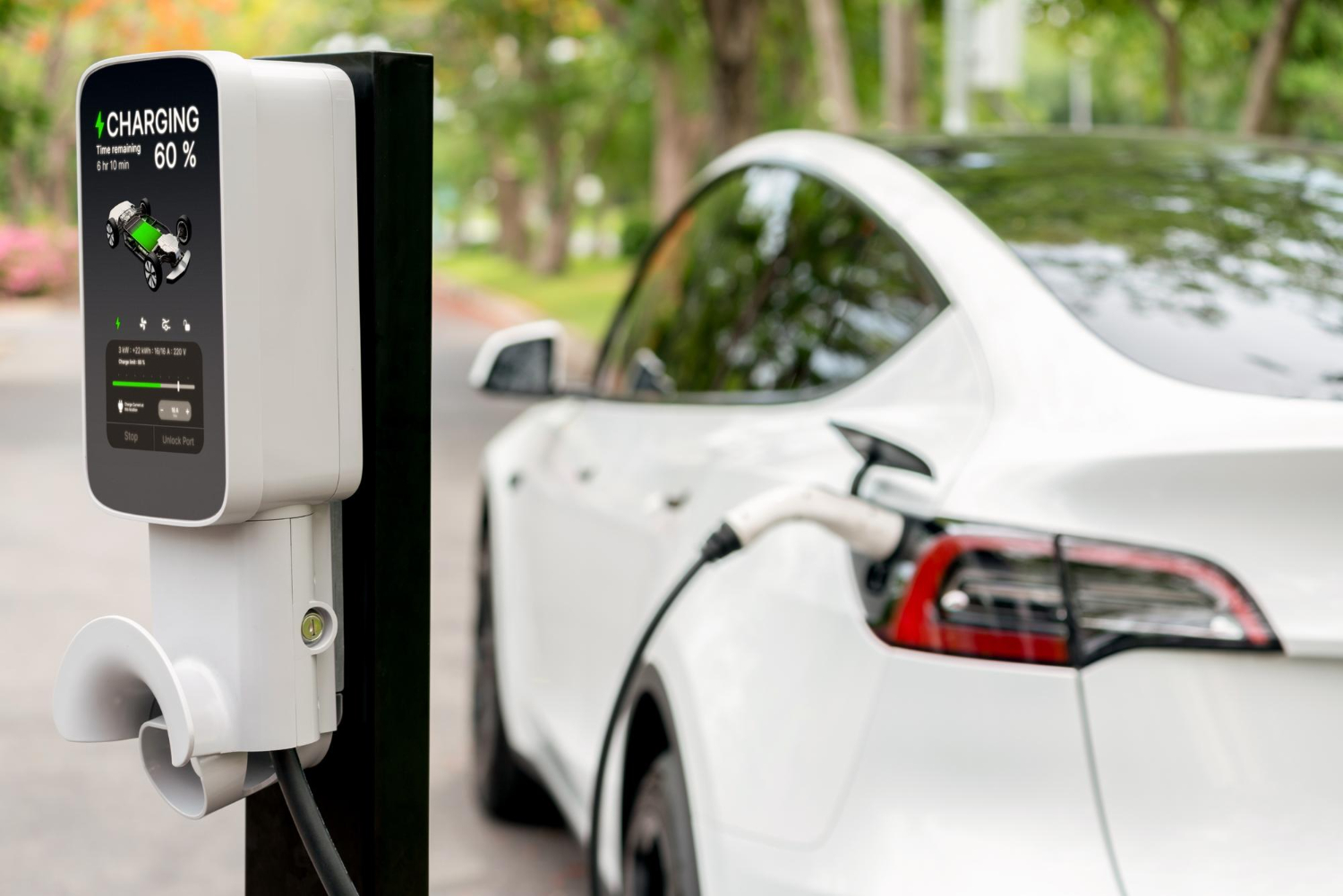
Under Section 1129 of the bill, the Federal Highway Administration would require each state to collect an annual federal registration fee of $130 for each covered electric vehicle and $35 for each covered plug-in hybrid. Beginning in 2029, both fees would increase by $5 every two years. The EV fee would be capped at $150; the plug-in hybrid fee would be capped at $50. The fee would be collected by the states alongside their existing registration processes and remitted to the federal Highway Trust Fund. The Committee for a Responsible Federal Budget estimated the fee could raise approximately $30 billion over the relevant period. The fee is structured as a flat annual charge rather than a mileage-based or usage-based fee.
Why Both Parties Support It

The bipartisan nature of the EV fee reflects a specific policy consensus. The argument, articulated by Republican Chairman Sam Graves, is that EV drivers use the same roads as gas-vehicle drivers but pay nothing into the gas-tax-funded maintenance system, creating a fairness gap. The argument from the Democratic side, articulated by Ranking Member Rick Larsen, emphasizes the broader infrastructure investment the bill funds — bridge restoration, road repair, transit, and bike infrastructure. The bill represents a compromise in which both parties accepted elements they would not have chosen alone. The EV fee specifically resolves a problem that has been “floated on Capitol Hill” repeatedly over the years as the Highway Trust Fund solvency has deteriorated.
What It Costs EV Owners on Top of State Fees
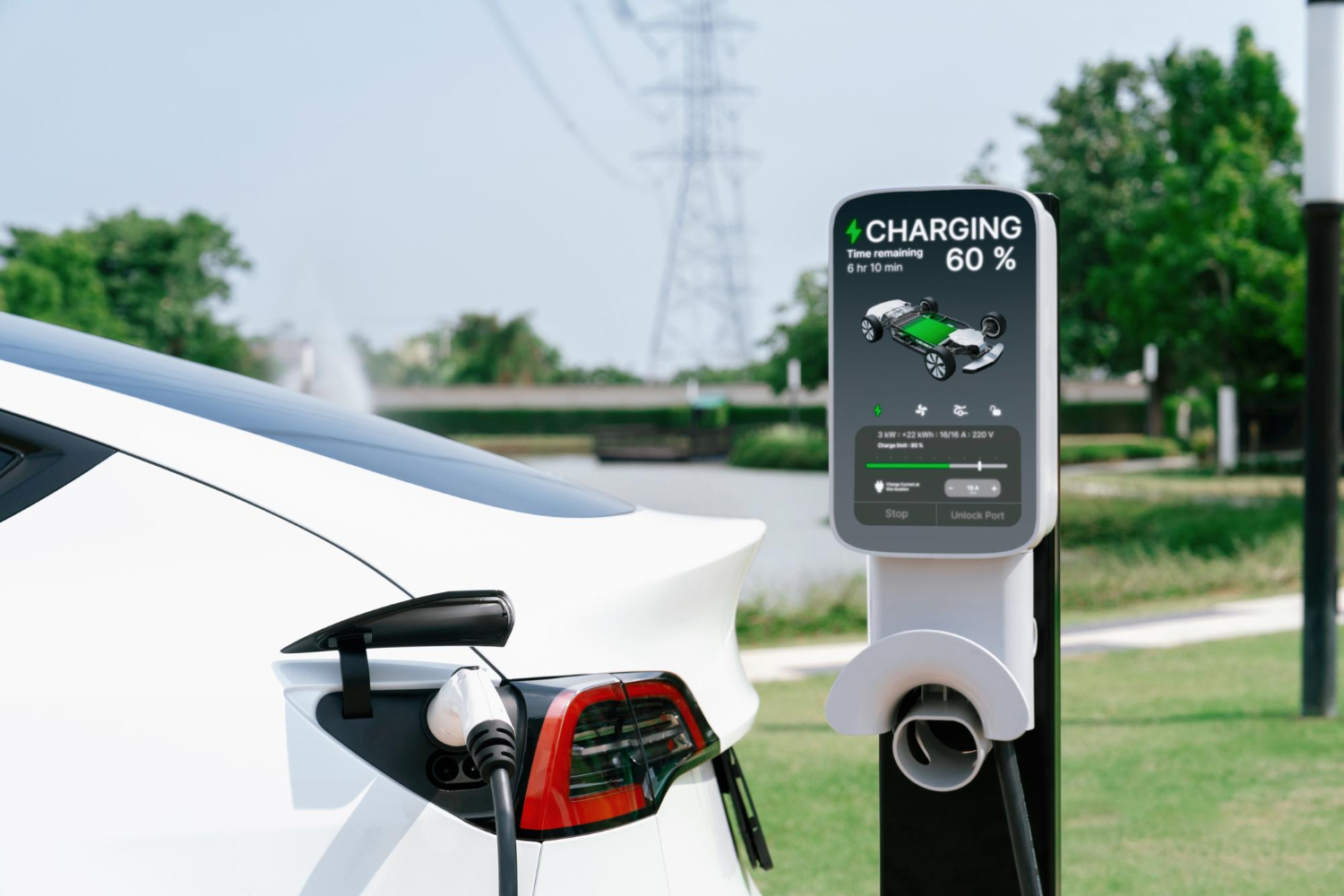
The federal fee would be layered on top of existing state-level EV registration fees, which already exist in 41 states. The combined burden varies dramatically by state. Michigan currently has the highest EV charges in the country — $267 for EVs and $113 for plug-in hybrids in 2026, after a 2025 increase. New Jersey charges $270 to register an EV, with the first four years required upfront. With the proposed $130 federal fee added, a Michigan EV owner would pay approximately $397 annually in combined state and federal EV-specific fees. By contrast, the federal gasoline tax costs the average gas-vehicle driver approximately $73 to $89 per year, according to the Zero Emission Transportation Association — meaning the EV fee, in combination with state fees, would charge EV drivers substantially more than gas drivers pay in federal gas tax.
The Pushback
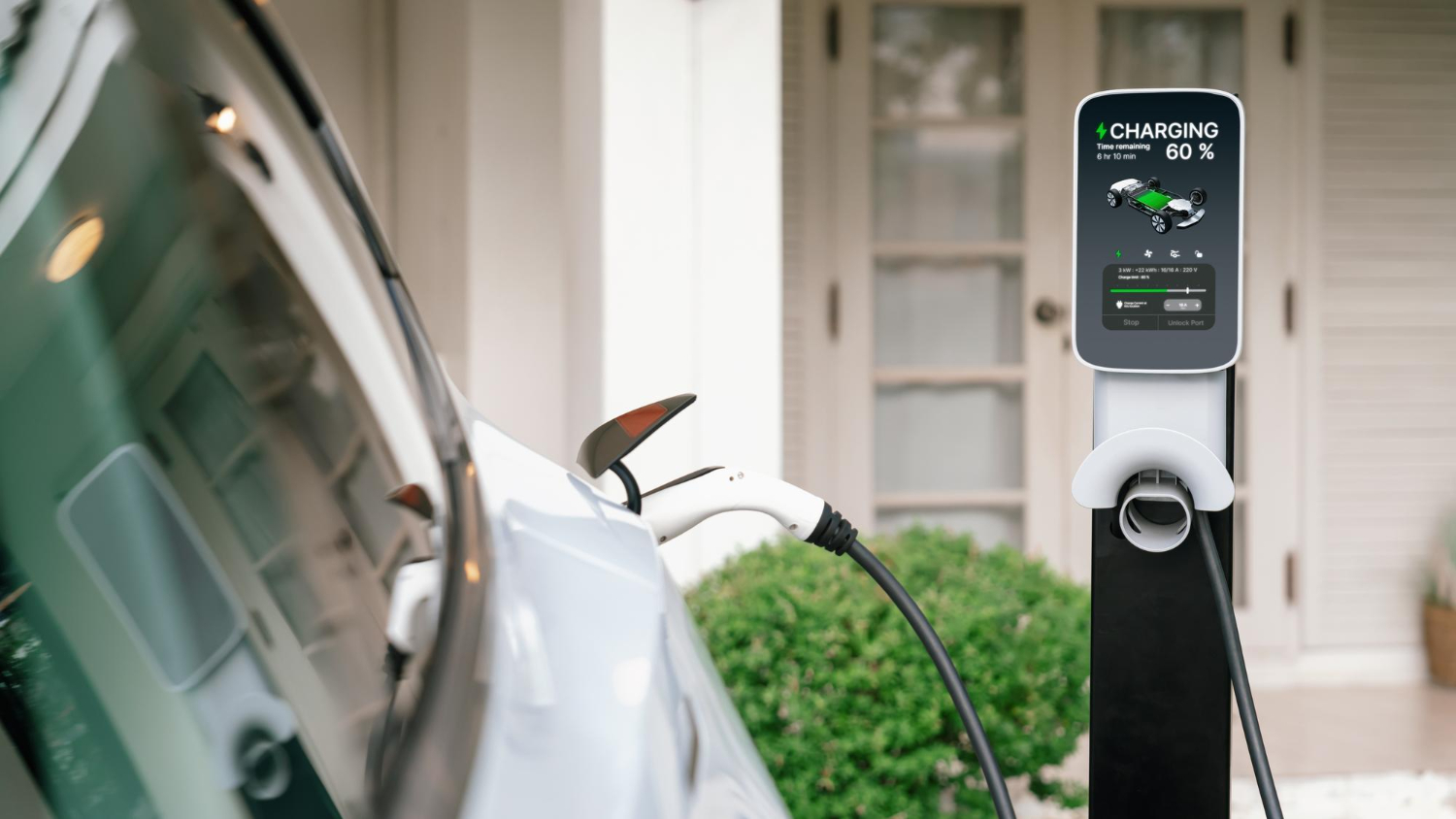
The EV fee has drawn substantial opposition from the electric-vehicle and environmental advocacy communities. The Zero Emission Transportation Association (ZETA) — whose members include Tesla and battery manufacturer LG — has called the fee “a punitive tax that would disproportionately impact adopters of electric vehicles.” ZETA Executive Director Albert Gore noted that gas drivers pay approximately $73 to $89 in federal gas tax annually, while the proposed EV fee starting at $130 (rising to $150) would charge EV drivers nearly double what gas drivers pay. The Natural Resources Defense Council and other environmental groups have also pushed back, arguing the fee discourages EV adoption at a moment when the broader policy goal has been to encourage it. The opposition argues that the flat fee structure is also inequitable — a low-mileage EV driver would pay the same fee as a high-mileage driver, unlike the gas tax which scales with usage.
The Context of Rising Gas Prices
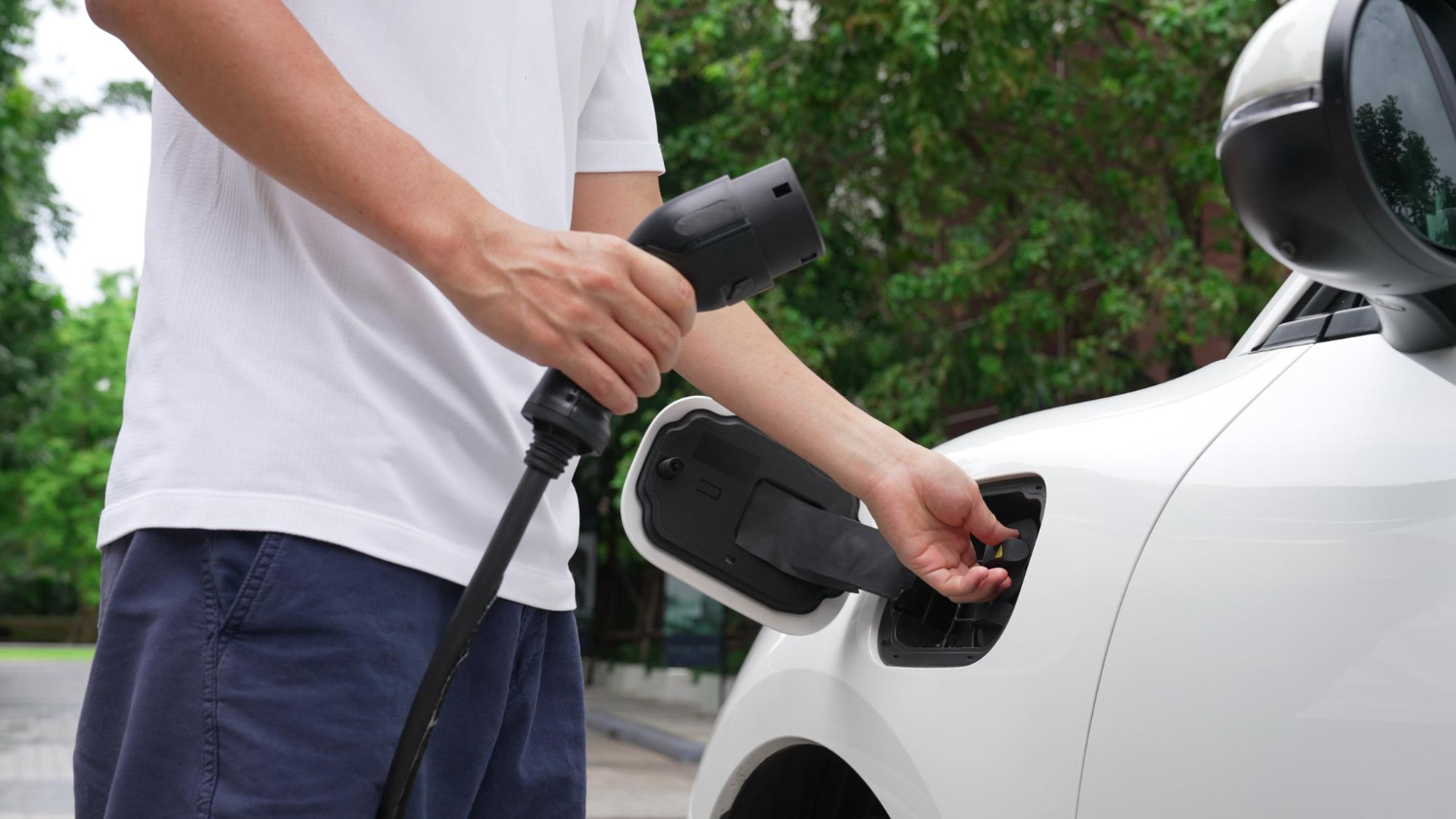
The bill emerged at a specific moment when gasoline prices had surged past $4.50 per gallon following the recent Iran conflict, which has shifted the economic context of the EV-versus-gas-vehicle calculation. With gas prices high, EV ownership has become more economically attractive, which has intensified both the case for the EV fee (more EVs means more lost gas-tax revenue) and the opposition to it (the fee partially offsets the fuel-cost advantage that has driven EV adoption). The timing of the bill, with gas prices elevated, has made the EV fee debate more economically consequential for American drivers considering their next vehicle purchase.
What Happens Next
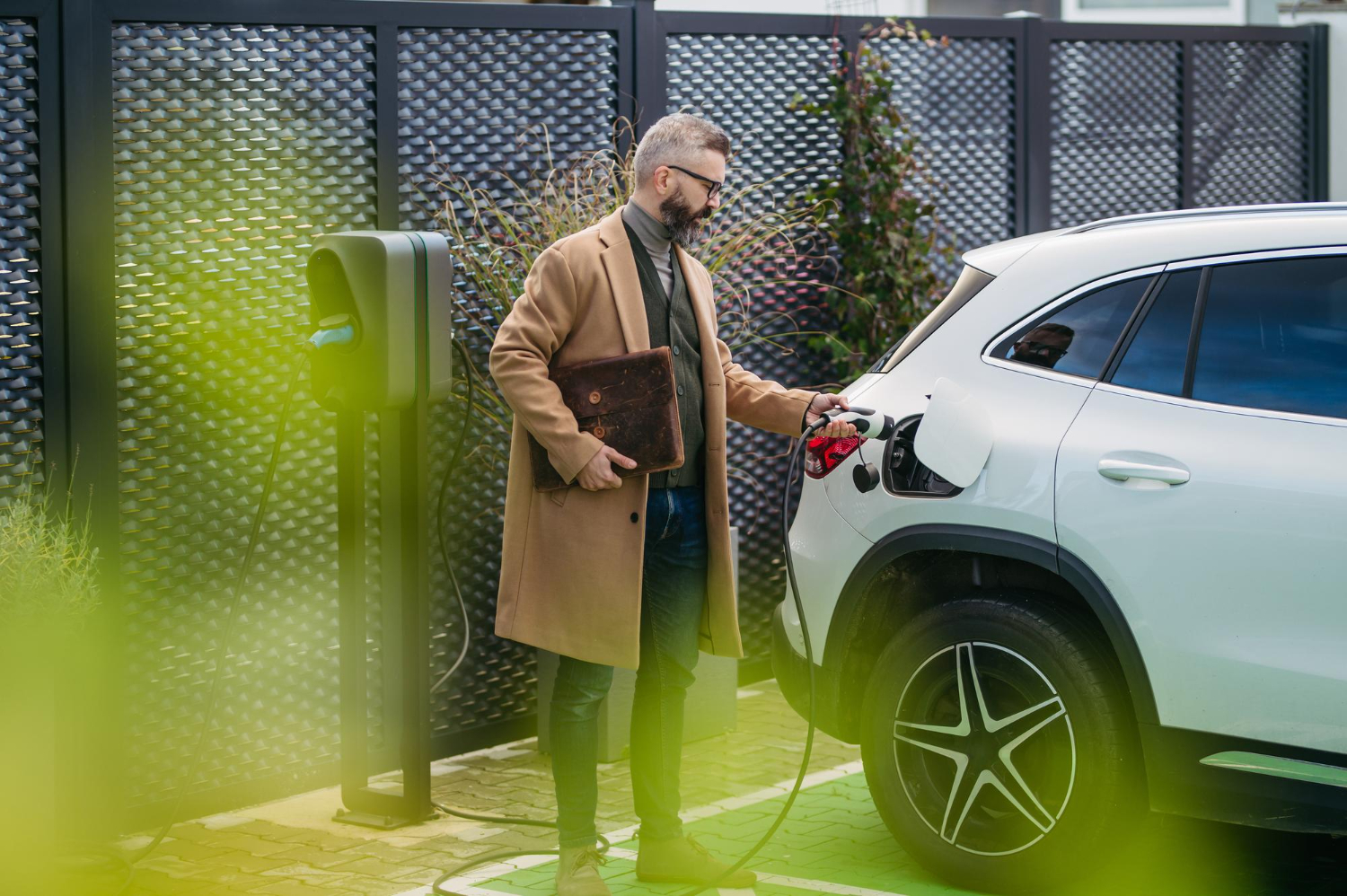
The BUILD America 250 Act faces a multi-step process before becoming law. The House Transportation and Infrastructure Committee markup was scheduled for May 21, 2026. After committee approval, the bill would go to the full House for a vote. The U.S. Senate has not yet released its own version of the surface transportation reauthorization, and the two chambers would need to reconcile any differences. The bill’s authors hope to send final legislation to the president’s desk by September 30, 2026, when the current surface transportation funding law expires. The EV fee is not final — it could be modified, removed, or restructured during the legislative process. EV owners and prospective EV buyers should monitor the bill’s progress, as the fee, if enacted, would represent a meaningful new annual cost.
What American Drivers Should Know
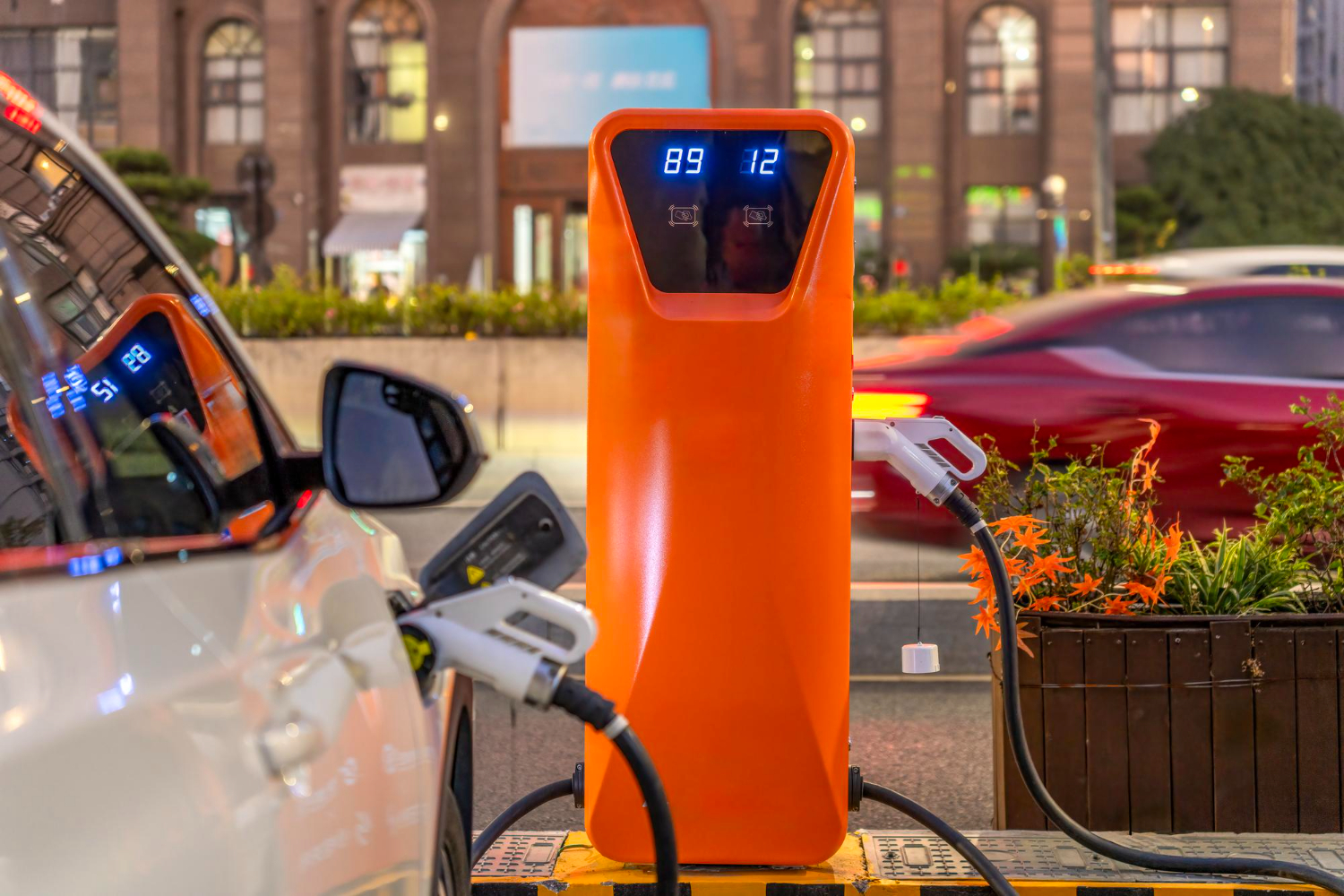
The practical implication for American drivers is straightforward. If the BUILD America 250 Act passes with the EV fee intact, every electric-vehicle owner in the United States would pay an additional $130 annually (rising to $150 by the mid-2030s), and every plug-in hybrid owner would pay an additional $35 (rising to $50), on top of any existing state registration fees. For prospective EV buyers, the fee represents a modest but real addition to the cost of EV ownership that should factor into purchase decisions. For current EV owners, the fee would take effect after the bill becomes law (timing not yet determined). For the broader transportation system, the fee represents the first serious federal attempt to address the structural funding gap created by the transition away from gasoline. The bill’s progress through Congress over the coming months will determine whether the first national EV fee in American history becomes reality. The September 30 funding-law expiration creates a deadline that increases the likelihood of some version passing, though the specific EV-fee provisions remain subject to negotiation.