A century ago, American daily life ran on practices, products, and assumptions that would today be illegal, scandalous, or simply unimaginable. Doctors endorsed cigarettes. Radioactive products were sold as health tonics. Children worked in factories. Heroin and cocaine were available at the pharmacy. The pace of change over the following hundred years — driven by science, regulation, civil rights, and shifting values — has been so vast that the ordinary world of the 1920s reads today like a foreign country. None of these things were considered shocking at the time; they were simply the normal texture of American life, accepted by reasonable people doing their best with the knowledge and values of their era. That’s exactly what makes them worth revisiting. Here are fourteen completely ordinary things from 100 years ago that would be unthinkable in America today.
1. Doctors Endorsing Cigarettes
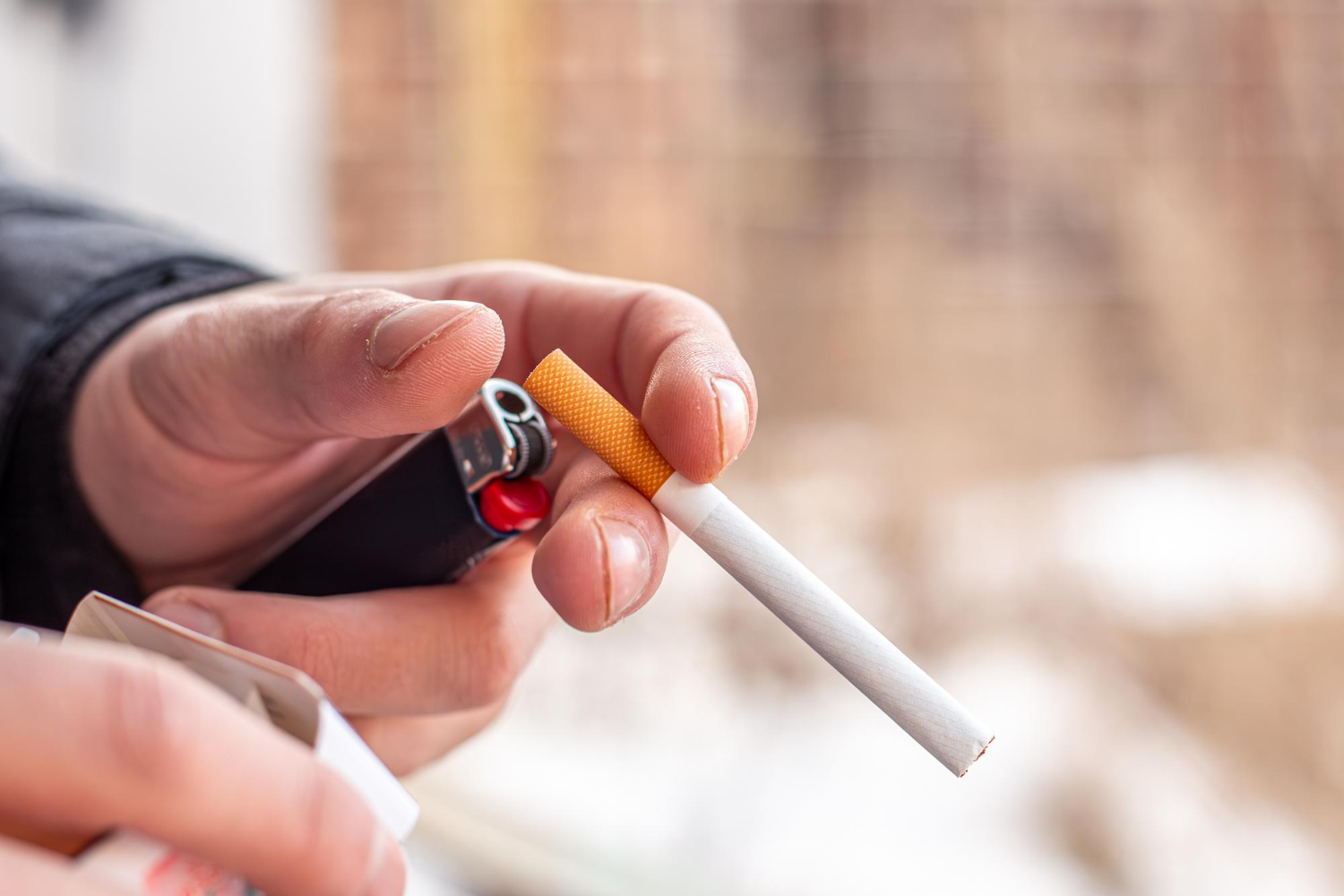
A century ago and for decades after, cigarette advertising featured doctors recommending specific brands, with campaigns claiming particular cigarettes were gentler on the throat or prescribed by physicians. Tobacco was woven into daily life with no health warnings whatsoever. The medical understanding of smoking’s lethality and the resulting regulation, warnings, and advertising bans were decades away. The image of a physician in a white coat endorsing a cigarette brand, ordinary then, is genuinely shocking now and would be both illegal and unthinkable.
Like our content? Follow us for more.
2. Radioactive Health Products
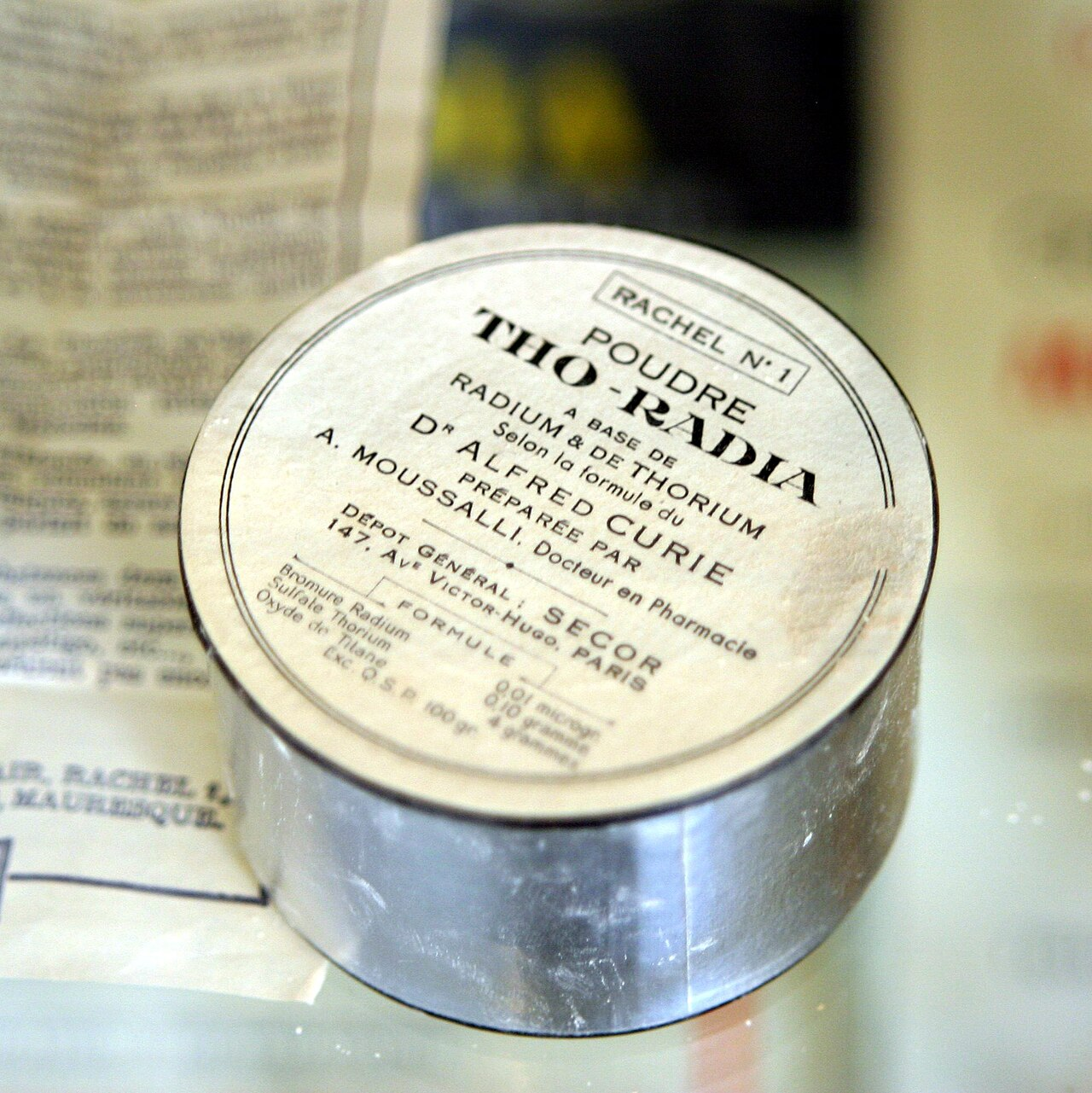
In the 1920s, radioactive products were sold as health tonics — radium-infused water, radioactive suppositories, and glow-in-the-dark cosmetics, all marketed as invigorating. The deadly effects of radiation exposure were not yet understood by the public, and a famous case of a wealthy man who died horribly from drinking radium tonic helped end the craze. The casual sale of radioactive consumer products as health aids represents one of the starkest examples of how dramatically scientific understanding has changed.
3. Heroin and Cocaine at the Pharmacy
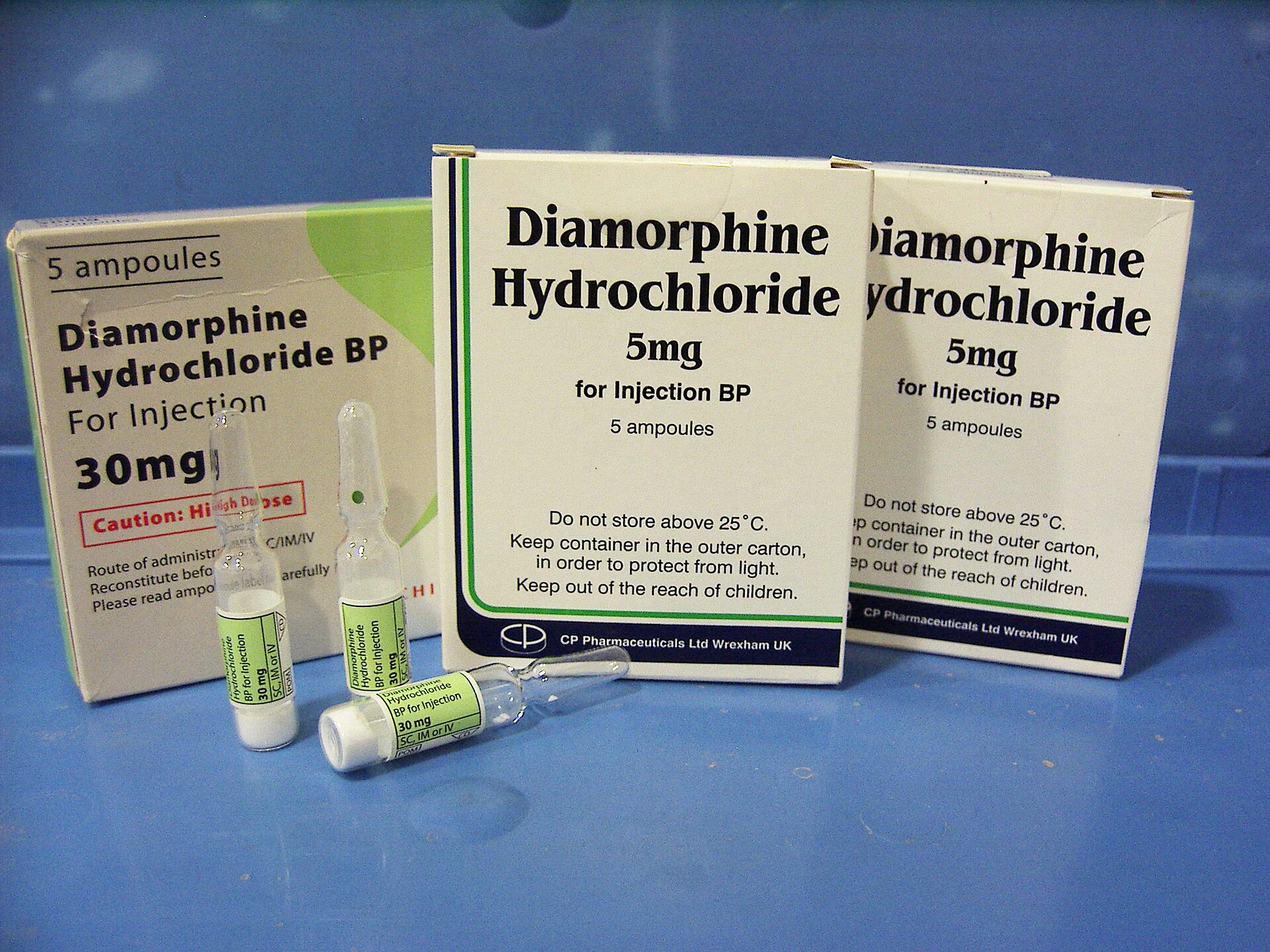
A century ago, products containing now-controlled substances were legally available — heroin had been marketed as a cough remedy, cocaine appeared in various tonics and remedies, and opium-based products were sold for everything from teething babies to “women’s complaints.” The regulation of these substances was in its early stages. The over-the-counter availability of what are now among the most tightly controlled and dangerous drugs reflects a completely different and now-unthinkable approach to medicine and addiction.
4. Widespread Child Labor

A century ago, child labor was common and legal in many industries — children worked in factories, mines, mills, and fields, frequently in dangerous conditions and for long hours, photographed memorably by reformers documenting the practice. Federal child-labor protections were not firmly established until the Fair Labor Standards Act of 1938. The sight of young children operating factory machinery, ordinary in 1925, is now both illegal and morally unthinkable, representing one of the most significant social reforms of the century.
5. The Leaded Everything

A century ago and for decades after, lead was everywhere — in paint, in gasoline (introduced in the 1920s), in plumbing, in cosmetics, and in countless products, with the dangers not yet understood or acted upon. The pervasive use of a now-known neurotoxin in everyday products, and especially the leaded gasoline that spread lead into the air for decades, represents a vast public-health hazard that regulation has since addressed. The casual, ubiquitous use of lead is genuinely unthinkable by modern standards.
6. Travel and Hiring Without Any Safety Net
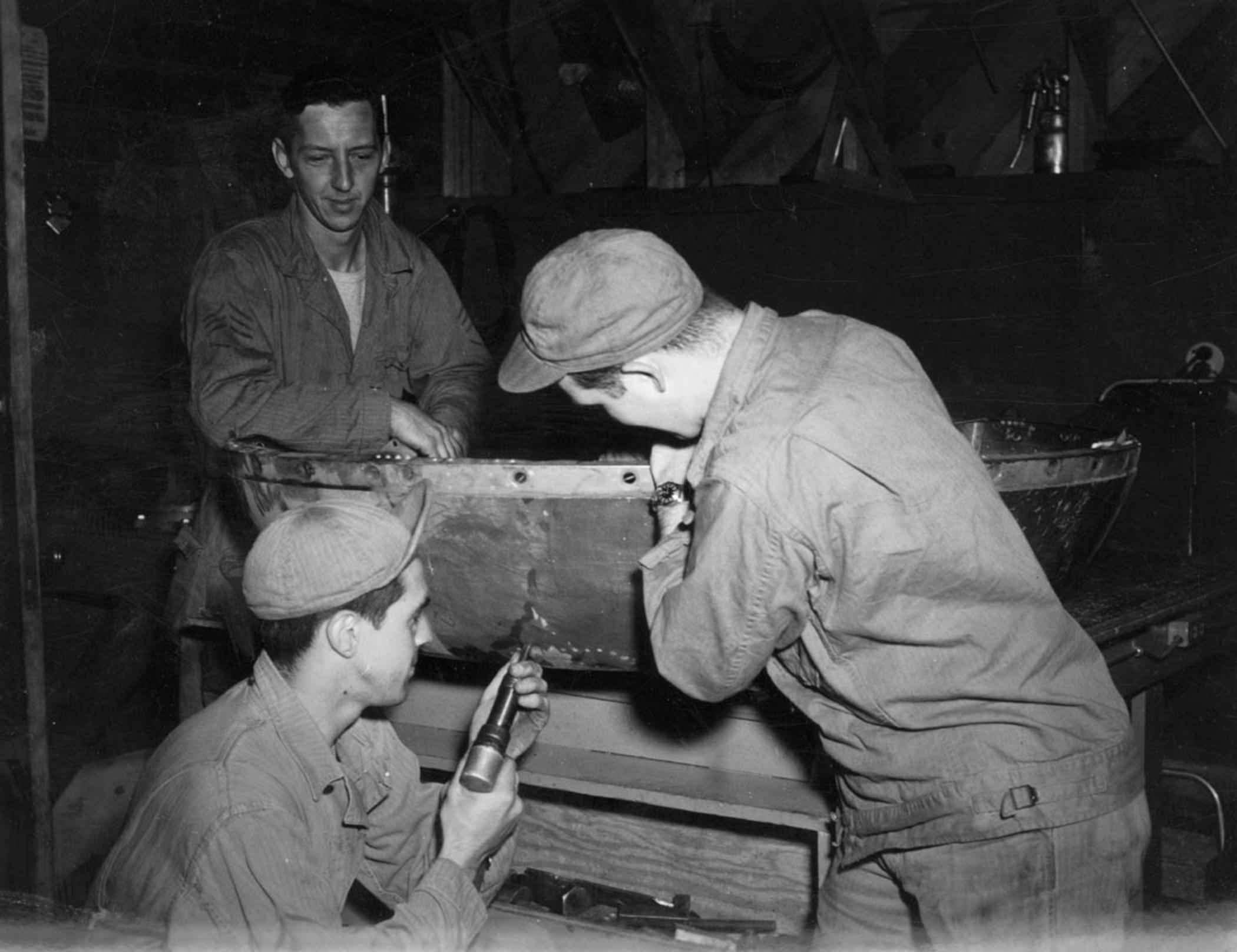
A century ago, there was no Social Security, no unemployment insurance, and minimal workplace safety regulation — Social Security wasn’t established until 1935. Workers injured on the job, the elderly without family, and the unemployed had essentially no government support, relying on family, charity, or the poorhouse. The complete absence of the social safety net that Americans now take for granted reflects a fundamentally different and now-unthinkable relationship between citizens and basic economic security.
7. Open and Legal Segregation
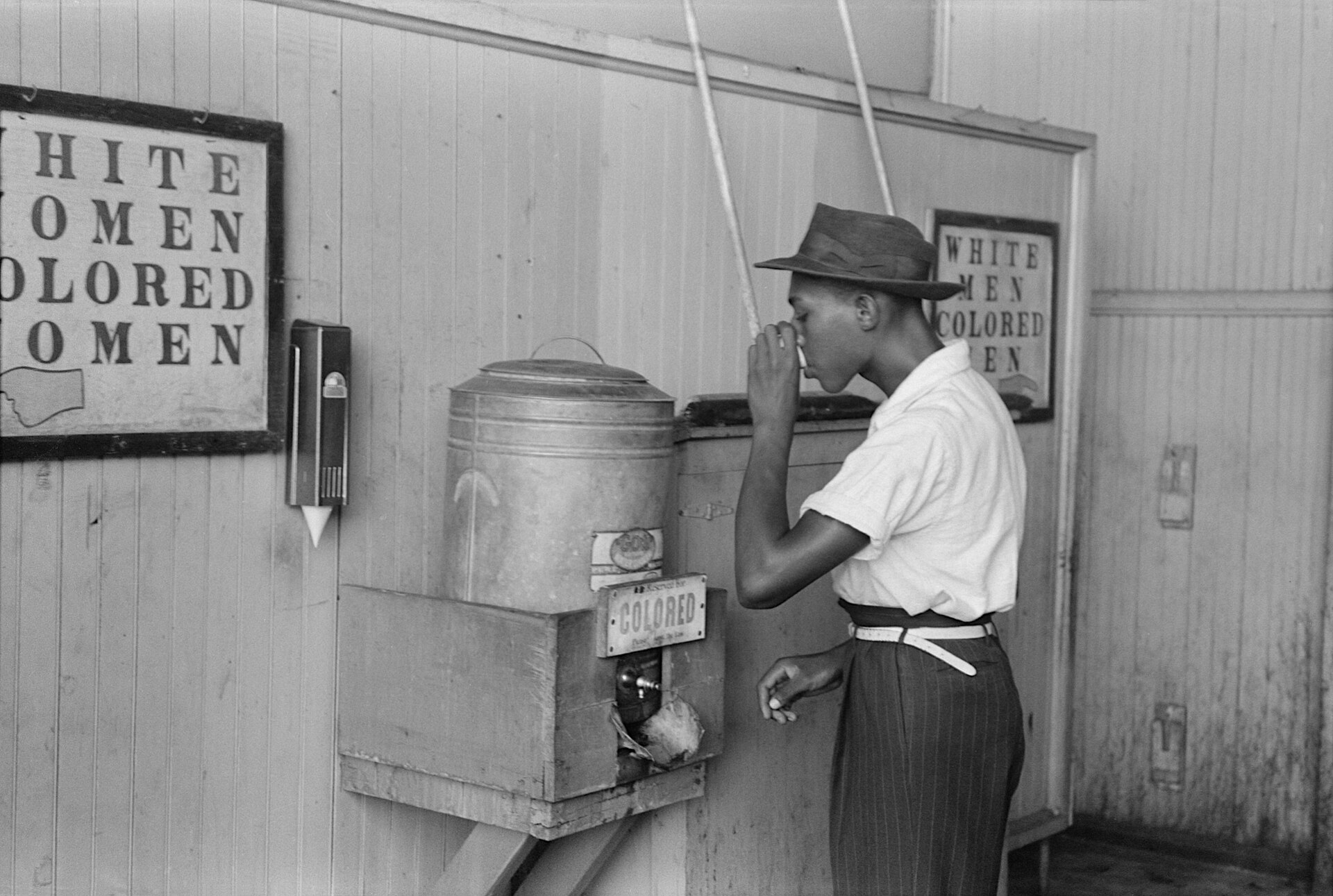
A century ago, legal racial segregation was enforced across much of the country — separate facilities, schools, transportation, and public accommodations mandated by law, with the civil rights reforms that dismantled this system still decades away. The legally enforced separation and discrimination that structured daily American life a century ago, before the civil rights movement and landmark legislation of the 1950s and 1960s, is a now-unthinkable reality that fundamentally shaped the era.
8. Women Unable to Do Ordinary Things
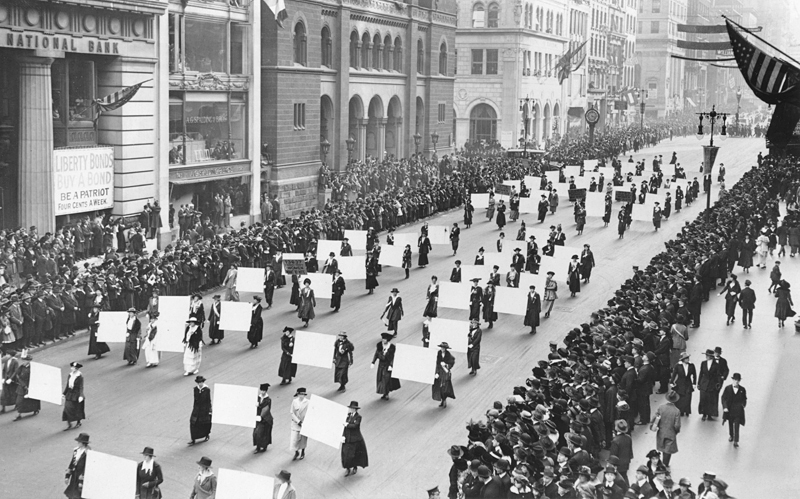
A century ago, American women faced sweeping legal and social restrictions — the right to vote had only just been won in 1920, and women frequently could not get credit, own property freely, serve on juries, or enter many professions, with many of these barriers persisting for decades. The scope of the legal and practical restrictions on women’s basic autonomy a century ago, before the major legal reforms of later decades, reflects a now-unthinkable approach to half the population.
9. Patent Medicines With Secret Ingredients
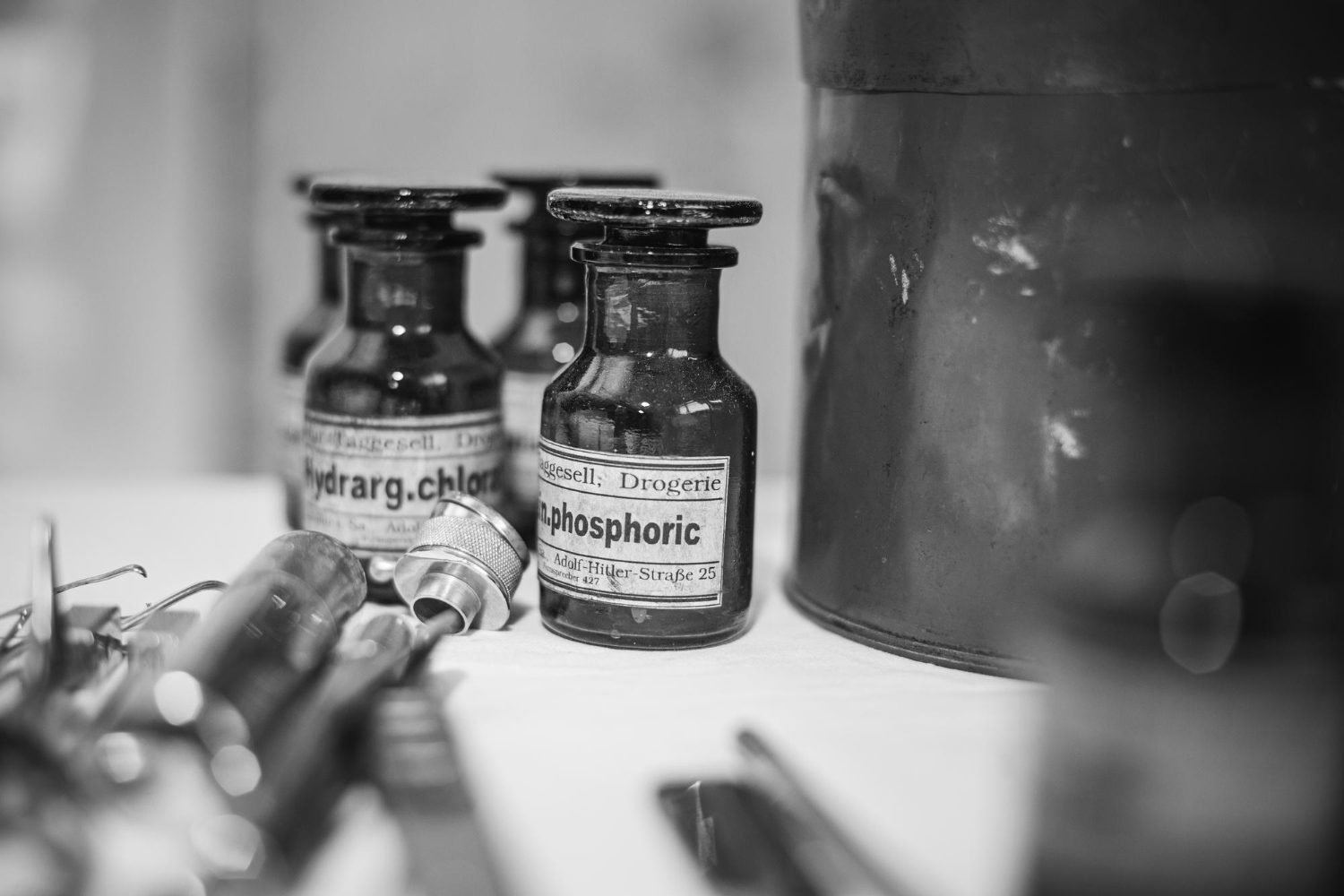
A century ago, the drugstore was full of patent medicines — tonics and cures with secret formulas, wild unproven claims, and frequently dangerous or addictive ingredients, sold with no requirement to disclose contents or prove effectiveness. The Food and Drug Administration’s regulatory powers were still developing. The sale of secret-formula “cures” making miraculous claims, with no testing or disclosure, is unthinkable in the modern era of pharmaceutical regulation.
10. Driving With No Rules to Speak Of

A century ago, driving operated with minimal regulation — driver’s licensing was inconsistent or nonexistent in many places, there were no seatbelts, no meaningful safety standards, no drunk-driving enforcement as we know it, and traffic laws were primitive. The combination of powerful new automobiles and almost no regulatory framework made early motoring genuinely dangerous. The near-total absence of the licensing, safety, and traffic-enforcement structure that now governs driving is unthinkable today.
11. Asbestos as a Miracle Material

A century ago, asbestos was celebrated as a miracle material and used everywhere — in insulation, fireproofing, construction, and even consumer products — with its deadly health effects not yet understood or acted upon. The enthusiastic, ubiquitous use of a material now known to cause fatal disease, and now heavily regulated and banned, reflects how dramatically the understanding of industrial materials has changed over the century.
12. Mailing Children (Briefly)

In the early days of parcel post a century ago, there were documented cases of parents mailing their children via the postal service — attaching postage and sending small children to relatives with mail carriers, exploiting a gap in the rules before the practice was explicitly prohibited. While never truly common, the fact that it happened at all and required a specific rule to stop it captures how different the era’s assumptions and regulations were. The idea is now genuinely unthinkable.
13. Public Spectacles and Entertainment Now Banned
A century ago, forms of public entertainment now considered unethical were common — including the display of human beings in degrading exhibitions and various cruel spectacles that reflected the era’s values. These practices, which exploited and demeaned people for entertainment, have been thoroughly rejected. The fact that such exhibitions were once considered acceptable public entertainment is a now-unthinkable reflection of how much ethical standards around human dignity have evolved over the century.
14. No Concept of Environmental Protection

A century ago, there was essentially no environmental regulation — factories dumped waste into rivers freely, smokestacks released pollution without limit, and the very concept of protecting air, water, and land from industrial damage barely existed. The Environmental Protection Agency wasn’t created until 1970. The complete absence of any framework to limit industrial pollution, with rivers catching fire and air thick with unregulated emissions, reflects a now-unthinkable disregard for environmental consequences that later regulation transformed.
What a Century of Change Reveals
Looking back at the ordinary world of 100 years ago, the temptation is to feel superior — to marvel at how backward people were to sell radium tonics and let children work in mines. But that’s the wrong lesson, and a more honest one is available. The people of 1925 were not stupid or careless; they were doing their best with the science, the laws, and the values available to them, exactly as we are. They didn’t know that smoking was lethal, that radiation accumulated in the body, that lead was a neurotoxin, because the knowledge genuinely did not yet exist. The reforms that followed — the regulation of drugs and food, the end of child labor, the civil rights and women’s rights movements, environmental protection, consumer safety — were hard-won achievements that required people to recognize harm that had been invisible or accepted, and then to change. That process is the real story here. It’s also a humbling one, because it implies that the Americans of 2125 will look back at some of our own completely ordinary practices — things we do today without a second thought — with the same disbelief we now direct at the doctor endorsing cigarettes. The value of revisiting the unthinkable normal of a century ago isn’t to congratulate ourselves on how far we’ve come, but to stay humble about how much of what we currently take for granted may yet be revealed as harm we simply couldn’t see.
Like our content? Follow us for more.