The official summer outlook is in, and for much of the country it points to another hot one — though exactly how hot, and how wet or dry, depends heavily on where you live. The National Oceanic and Atmospheric Administration’s Climate Prediction Center has issued its seasonal forecast for summer 2026, and it carries real implications for anyone planning a vacation, a road trip, a wedding, or just trying to keep their cooling bills under control. The headline: the West is leaning hot, the rain picture is sharply split by region, and a few areas are bucking the warm trend. Here’s what the official summer 2026 forecast actually says, region by region, what it means for your travel and summer plans, and the important caveats about what a seasonal forecast can and can’t tell you.
Before diving into the regions, one crucial point: a seasonal outlook is a probability forecast, not a daily weather prediction. It tells you whether a region is leaning toward above-, near-, or below-average temperatures over the whole three-month season — not what any specific day will bring. With that framing, here’s the regional picture for summer 2026.
The West Is the Hot Spot
The strongest signal in NOAA’s summer 2026 temperature outlook is heat across the western half of the country, with the most intense signal centered over the interior West. The core of that elevated heat sits over Utah, Colorado, Nevada, and surrounding states, where some areas show a 50 to 60 percent probability of above-normal temperatures. That warmth radiates outward across the entire West Coast, the Southwest, and much of the Plains. For travelers, this means the interior West and Southwest are the areas most likely to see a hotter-than-average summer, worth factoring into any plans for outdoor activity, hiking, or national-park visits in those regions.
The Desert Southwest May Get Welcome Rain
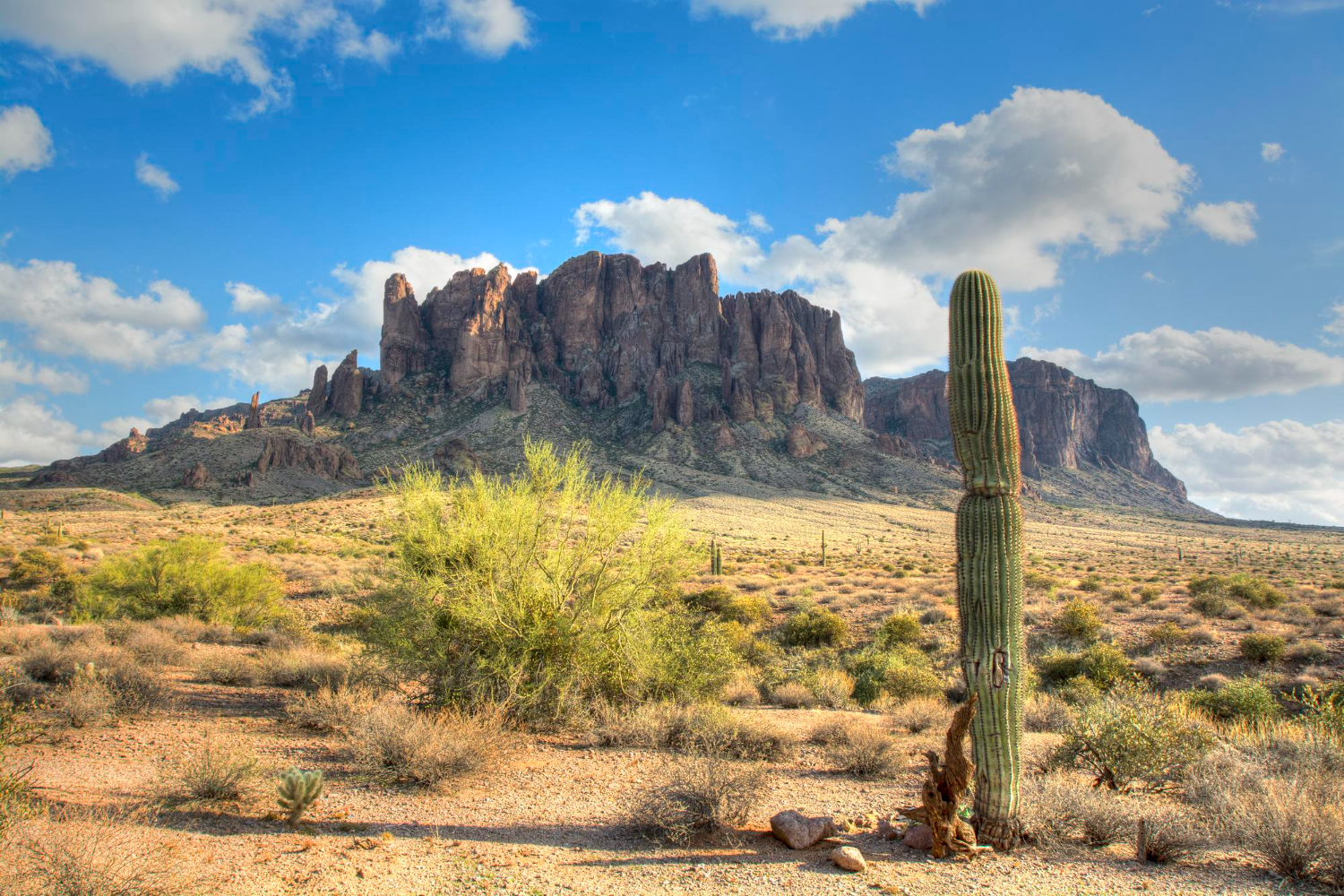
In a notable twist, the biggest wet signal on the summer 2026 precipitation map is centered over the Desert Southwest and the Four Corners area, where Arizona, New Mexico, Utah, and Colorado show above-normal precipitation chances, with some areas in the 40 to 50 percent range. This is genuinely good news for a region that frequently battles intense summer drought heading into fall, likely reflecting an active monsoon season. For travelers, it means the Southwest could see more afternoon thunderstorms than usual — worth planning around for outdoor activities, but a positive sign for the region’s water situation and wildfire risk.
The Mid-Atlantic and Southeast Lean Wet
The other major wet zone in the summer 2026 outlook covers the mid-Atlantic and Southeast, with Virginia, the Carolinas, and neighboring states leaning above normal for summer rainfall, a signal extending from the Appalachians toward the coast. For travelers and residents in these regions, that suggests a wetter-than-usual summer with more frequent rain and the humidity that comes with it. Beach and outdoor plans in the Southeast may want to build in flexibility for afternoon storms, a typical but possibly amplified feature of summer in this part of the country.
The Pacific Northwest Leans Dry
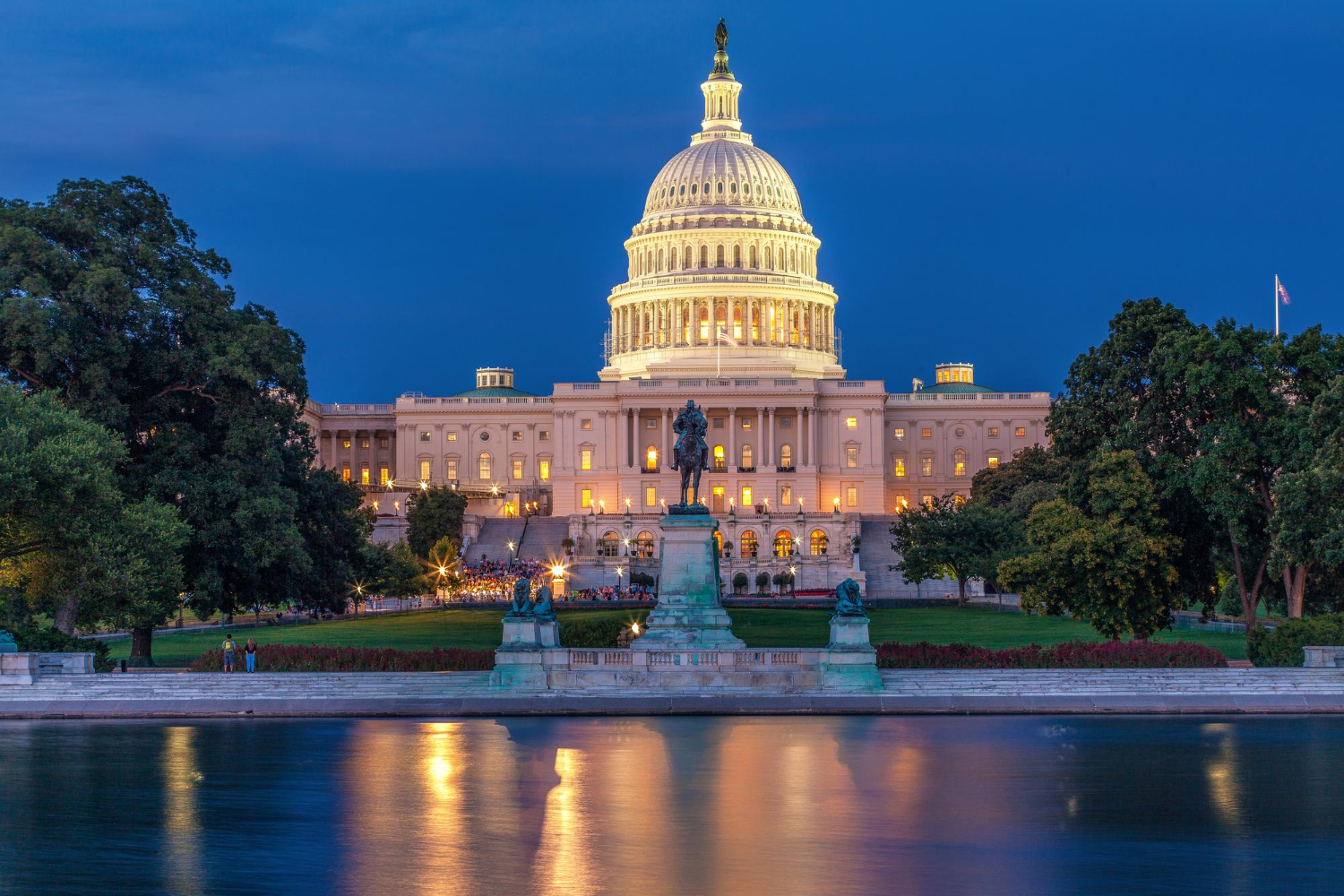
On the dry side, the Pacific Northwest shows a below-normal precipitation signal centered over northeast Washington, northern Idaho, and much of Montana. A drier-than-average summer in this region can carry implications for wildfire risk later in the season, something travelers to the area should stay aware of, as smoke and fire activity can affect air quality and access to outdoor areas in late summer. For trip planning, the combination of dry conditions in the Northwest is worth monitoring as the season progresses, particularly for those heading to the region’s forests and parks.
What “Above Average” Actually Means

A critical caveat that trips up many people: “above average” does not automatically mean “scorching.” A seasonal temperature outlook measures whether the three-month average will land above, near, or below the local normal — and “above average” might mean just a degree or two higher, not record-breaking heat. What’s hot also depends entirely on local climate: an above-average summer in a northern state may still be pleasant, while an average summer in Phoenix is still extremely hot. The outlooks also factor in overnight low temperatures, so a warm signal sometimes reflects milder nights rather than hotter afternoons. Context matters enormously in interpreting what the forecast means for any specific place.
What the Heat Means for National Parks and the Outdoors
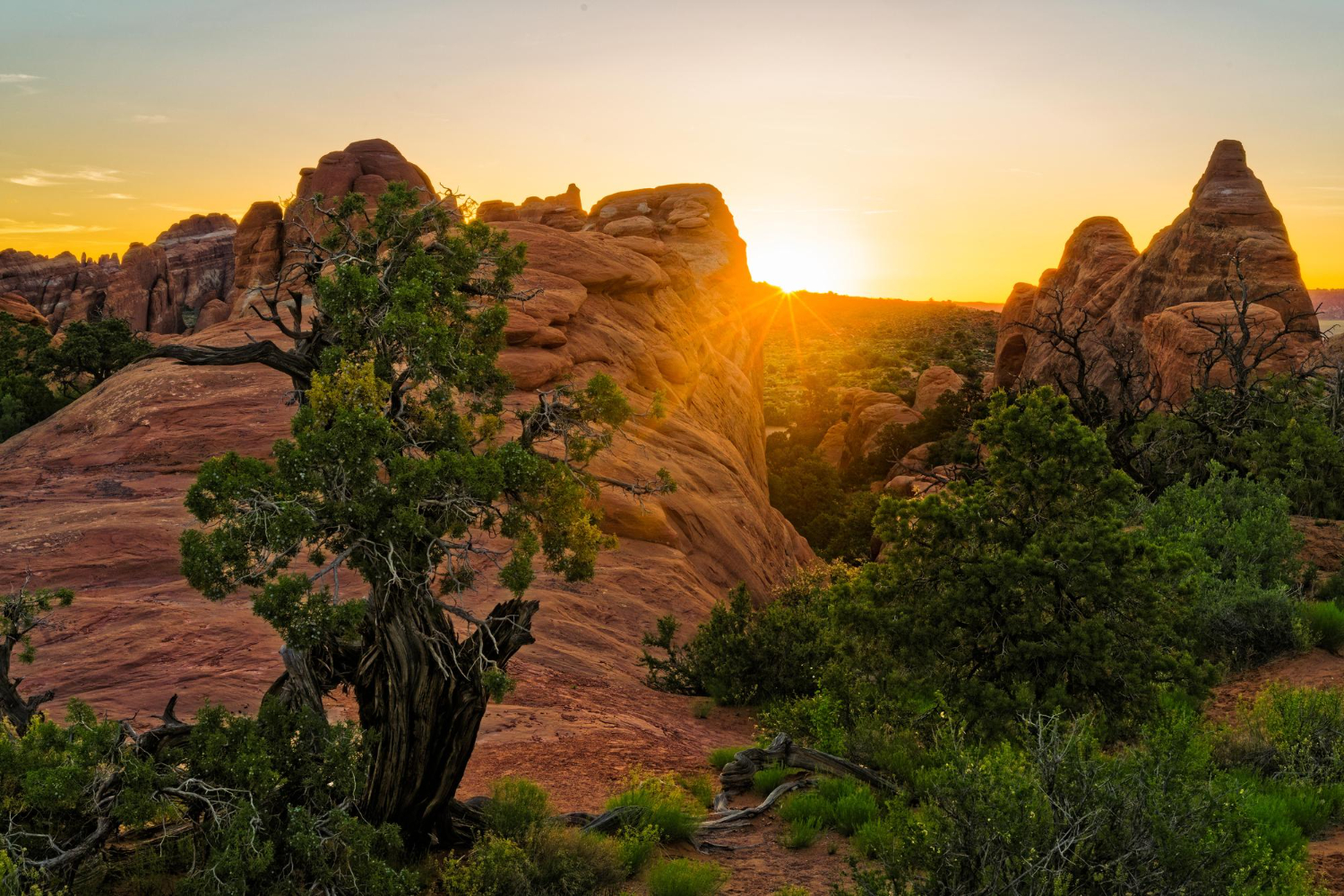
The strong heat signal over the interior West and Southwest carries particular relevance because that region holds many of America’s most popular national parks — Zion, Arches, the Grand Canyon, and others where summer temperatures already routinely climb into dangerous territory. A hotter-than-average summer in these areas raises the stakes for hikers: heat-related illness is a genuine and recurring danger in the desert parks, and an above-average season means the usual precautions matter even more. Travelers heading to these parks should plan strenuous hikes for the early morning, carry far more water than feels necessary, know the symptoms of heat illness, and be willing to turn back. Several desert parks see search-and-rescue calls and serious incidents every summer, almost always tied to heat and inadequate water. The forecast doesn’t mean avoiding these spectacular places — it means respecting the heat and timing visits wisely, which transforms the risk into a manageable one.
What It Means for Summer Travel Planning
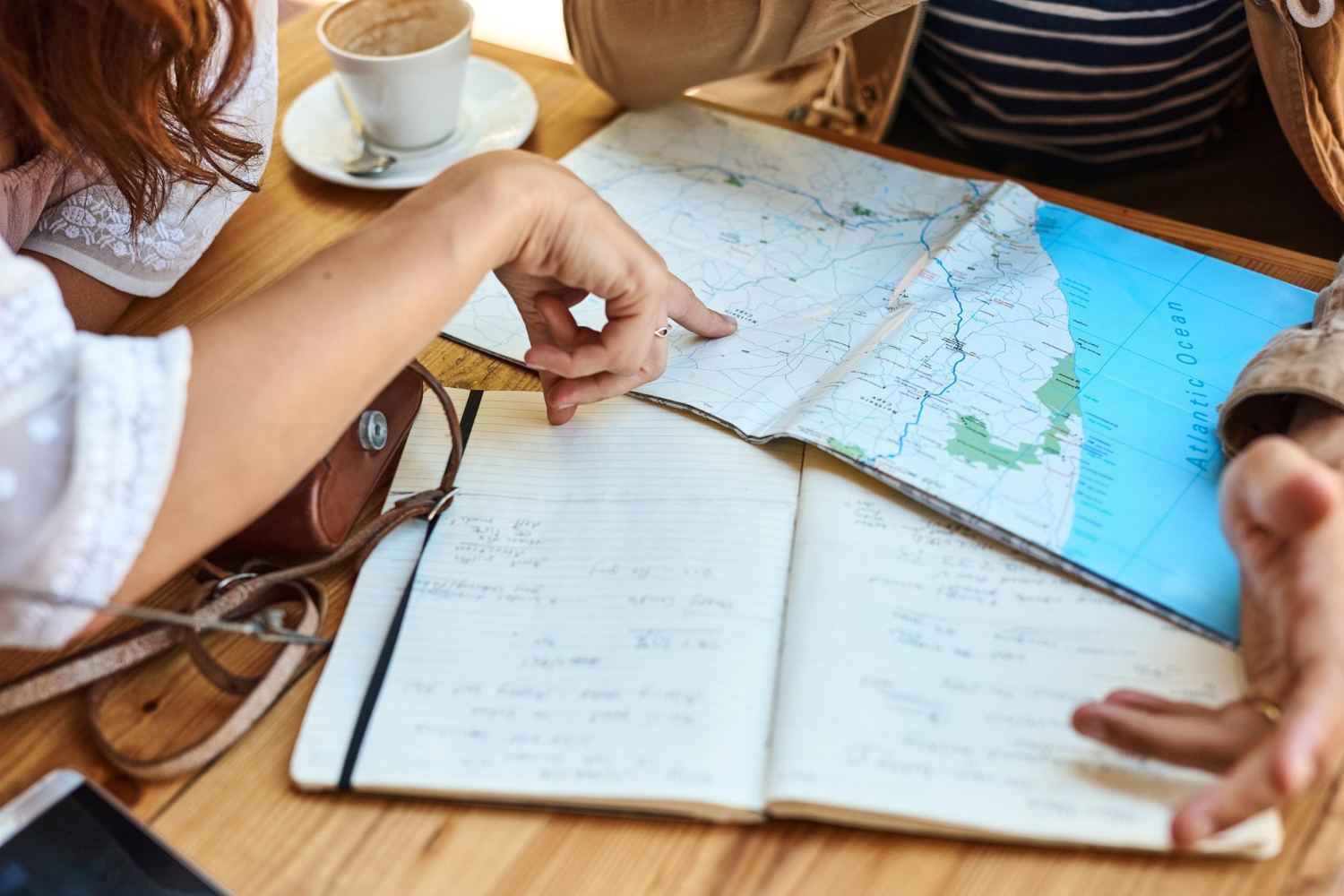
For practical trip planning, the summer 2026 outlook offers useful guidance even with its uncertainties. Travelers heading to the interior West and Southwest should prepare for heat — planning strenuous outdoor activities for early morning, staying hydrated, and being realistic about midday temperatures in places like the desert parks. Those visiting the Southeast and mid-Atlantic should pack for humidity and build flexibility around afternoon storms. Travelers to the Pacific Northwest should keep an eye on late-summer wildfire and air-quality conditions. And anyone planning an outdoor event should remember that the seasonal lean is a probability, not a guarantee — useful for setting expectations, but no substitute for checking the actual forecast closer to the date.
How to Stay Hot-Weather Safe
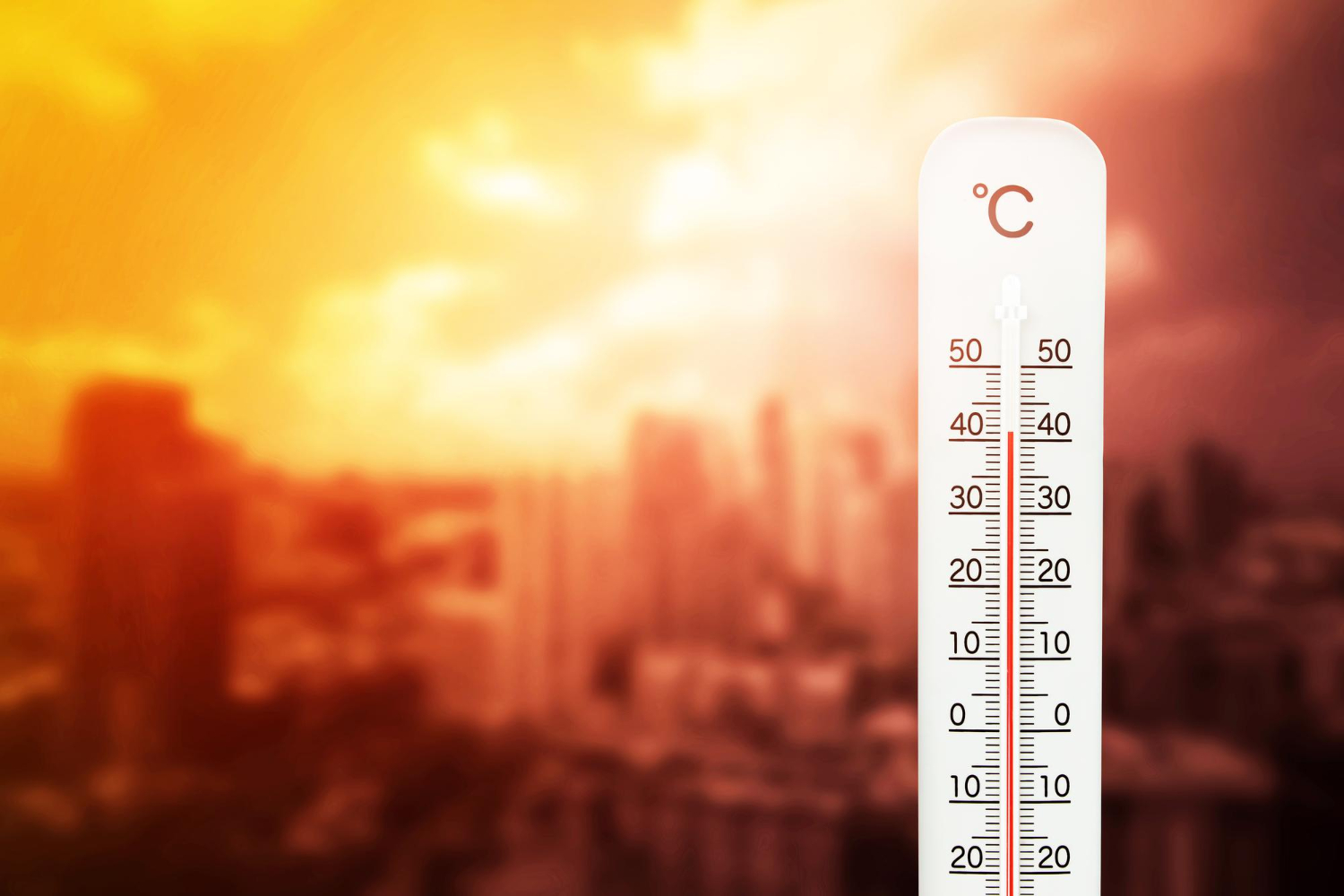
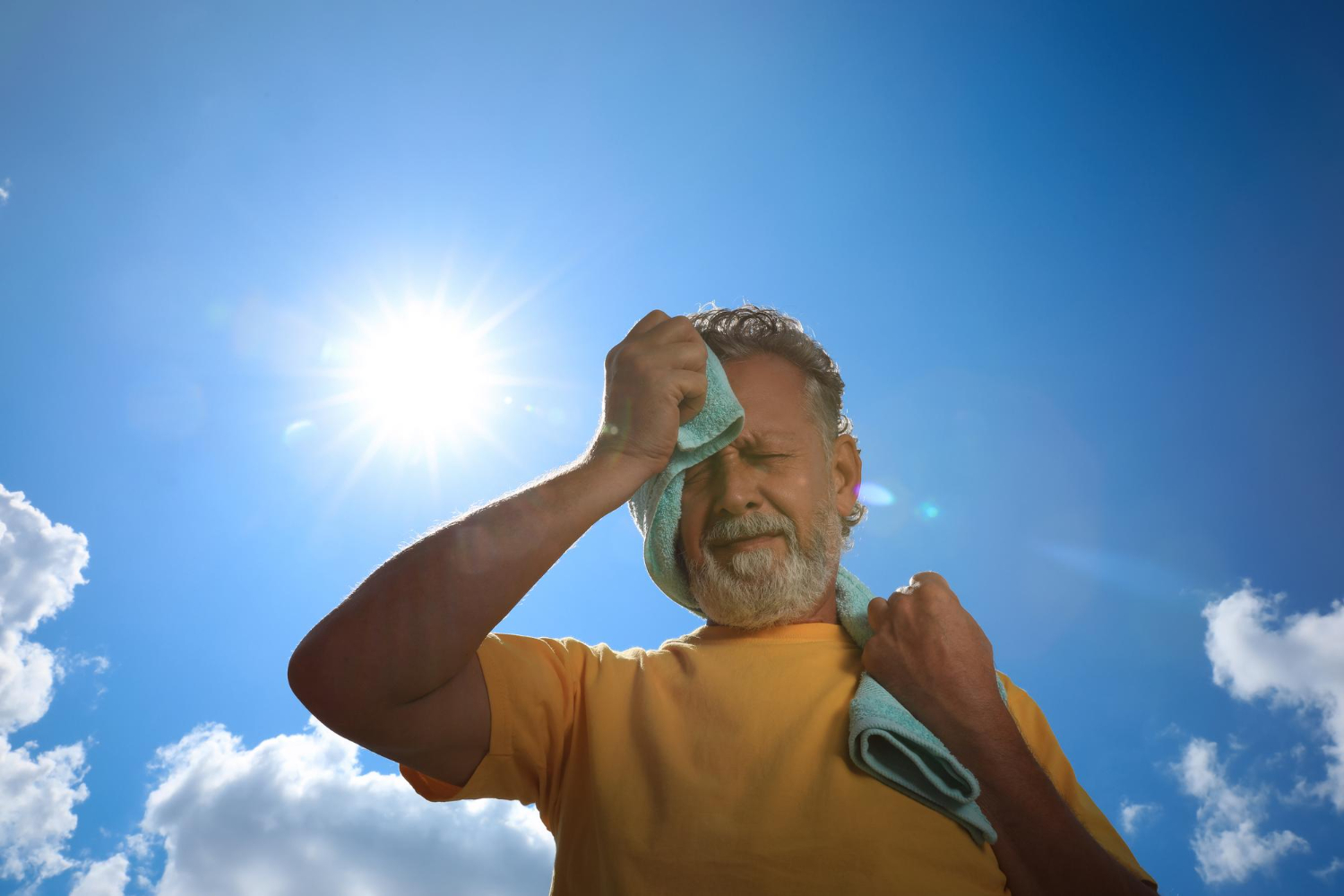
With heat the dominant theme across much of the country, basic heat safety is worth a reminder, particularly for older adults and anyone with health conditions, who are more vulnerable to heat. The core principles are familiar but genuinely important: stay well hydrated, avoid strenuous activity during the hottest part of the day, seek air conditioning or shade during peak heat, never leave children or pets in parked cars, and watch for the warning signs of heat exhaustion and heat stroke. For travelers exploring hot regions, scheduling outdoor activity for early morning or evening and respecting the midday heat isn’t just more comfortable — in the hottest areas, it’s a genuine safety measure worth taking seriously.
The Bottom Line on Summer 2026
The official summer 2026 forecast paints a picture that’s hot in the West, split between wet and dry elsewhere, and broadly consistent with the warm-leaning summers that have become familiar in recent years. The interior West and Southwest carry the strongest heat signal; the Desert Southwest and the mid-Atlantic/Southeast lean wet; the Pacific Northwest leans dry with the wildfire implications that can bring. But the most useful thing to carry away is the proper way to read any seasonal forecast: it’s a probabilistic lean over three months, not a daily prediction, and “above average” can mean anything from barely noticeable to genuinely intense depending on your local climate. Used wisely — to set expectations, plan around regional tendencies, and prepare for heat where it’s most likely — the outlook is a genuinely helpful planning tool. Used as a precise prediction, it will mislead. For summer 2026, the smart move is to plan for heat where the signal is strongest, stay flexible about rain where it’s expected, prioritize heat safety everywhere it’s warm, and always check the actual forecast as your specific dates approach.
Like our content? Follow us for more.