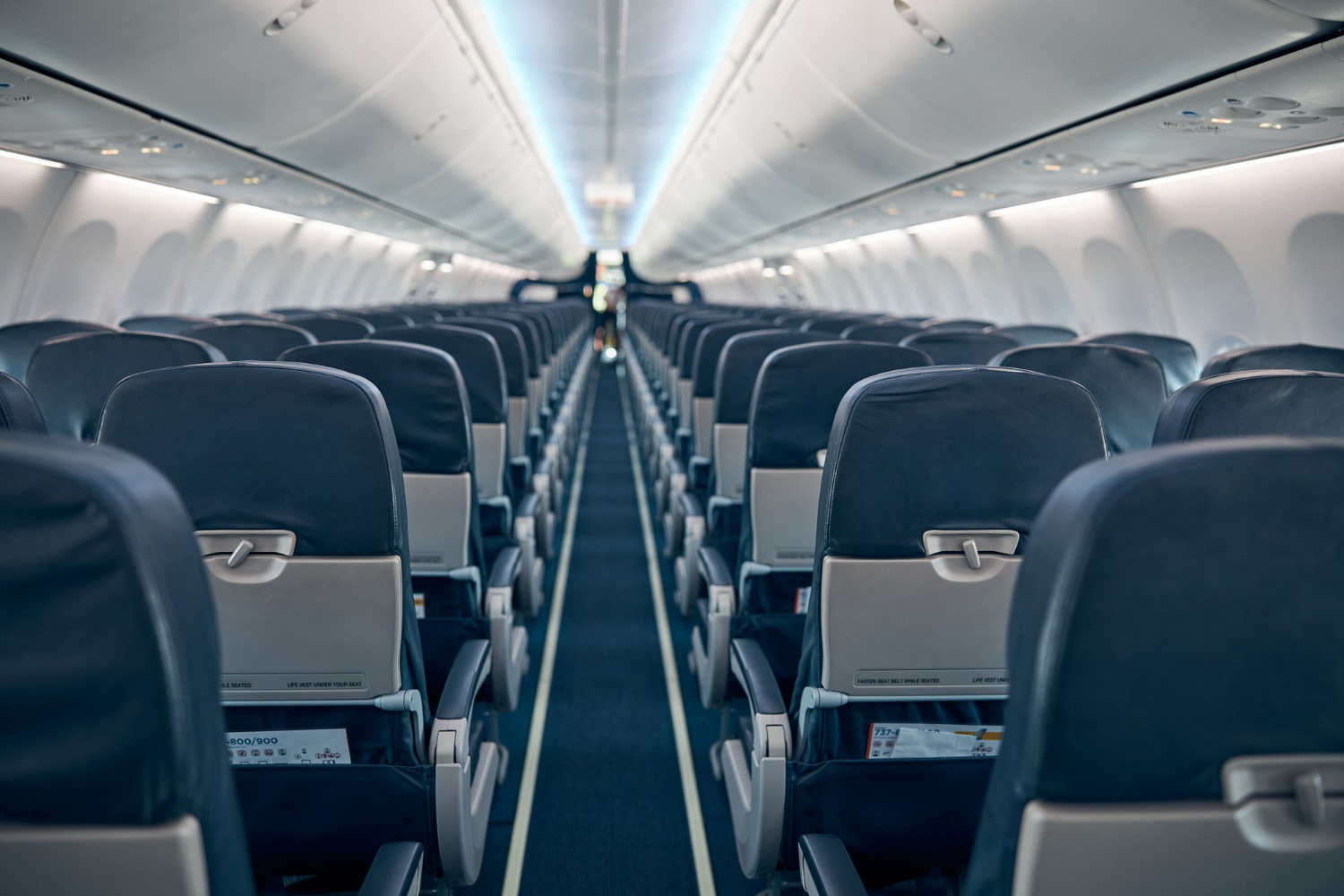
It’s one of the most quietly stressful moments in modern travel: you’ve settled into the seat you specifically chose, and a fellow passenger leans over to ask if you’d mind switching so they can sit with their partner, their child, or their friend. You don’t want to — maybe you paid extra for that window, that aisle, that extra legroom — but you also don’t want to be the villain of someone’s trip or cause a scene at 30,000 feet. The seat-swap request is a genuine etiquette minefield, and it comes up constantly. The good news is that you are almost never obligated to give up a seat you chose, and there are graceful, guilt-free ways to handle the request whether you say yes or no. Here’s exactly what to do when someone asks you to switch airplane seats and you’d rather not.
The foundational principle that resolves most of the stress: you are not obligated to give up a seat you selected, and declining politely does not make you rude. The person asking is making a request, not asserting a right. Understanding that frees you to handle the situation calmly and kindly, on your own terms.
First, Understand You’re Not the Bad Guy
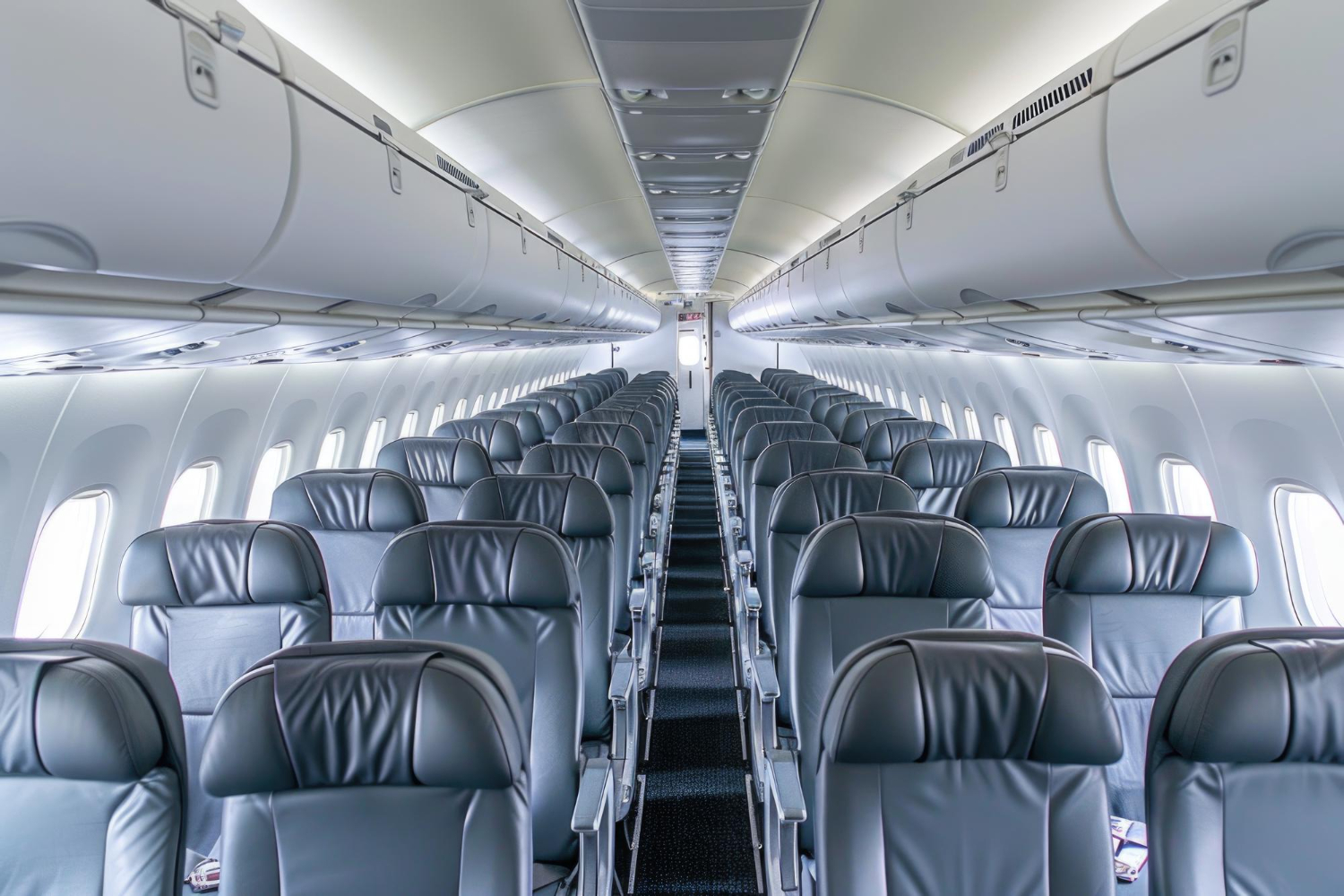
The most important mental shift is recognizing that seat selection is something travelers increasingly pay for or carefully choose, and you have every right to keep the seat you booked. If a family wasn’t seated together, that’s generally a result of how they booked or the airline’s seating policies — not your responsibility to fix at your own expense. You can be sympathetic to someone’s situation while still declining to absorb the cost or discomfort of solving it. Releasing the guilt is the first step; you did nothing wrong by choosing and keeping your own seat, and a polite “no” is entirely reasonable.
Evaluate the Actual Trade Before Deciding
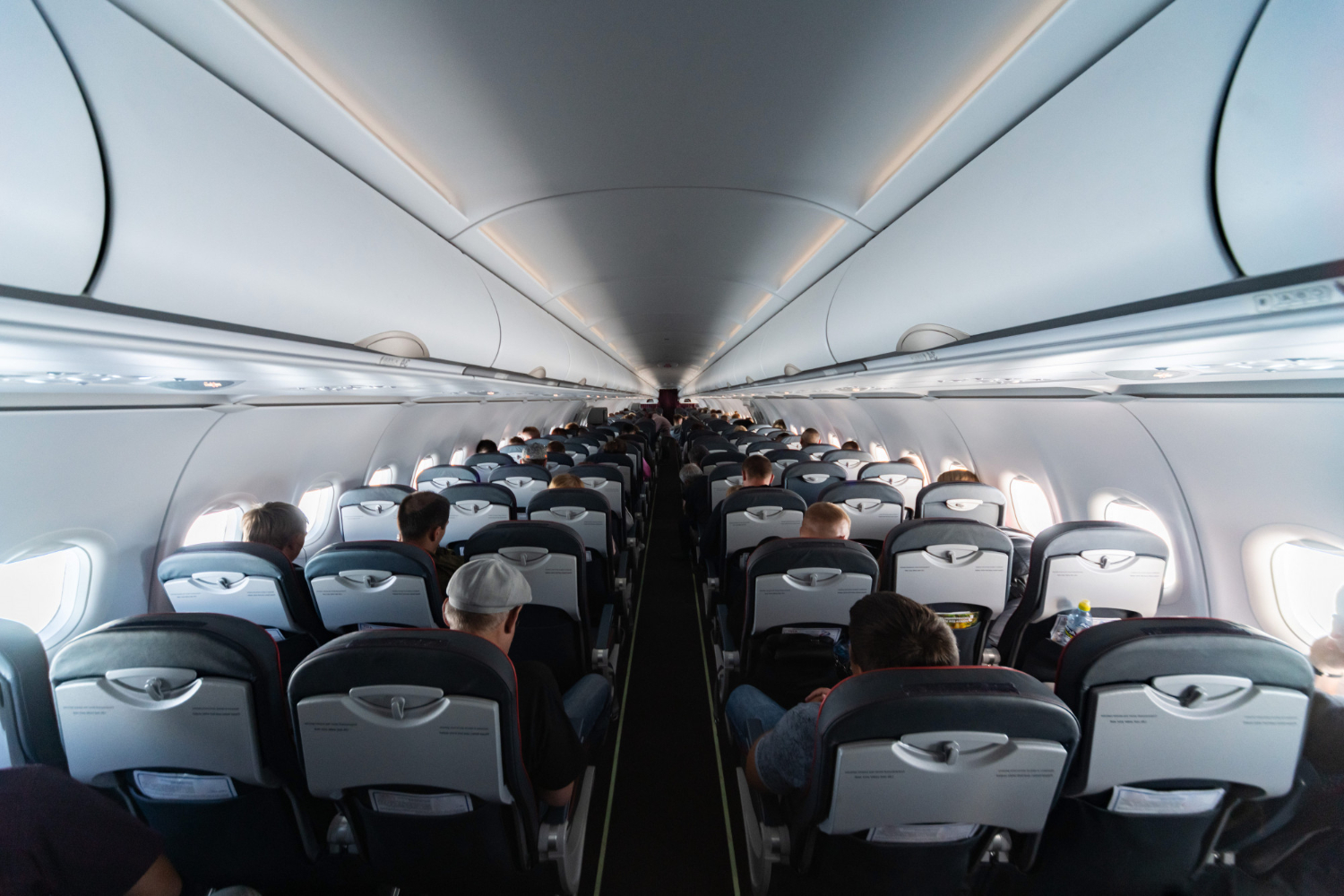
Before responding, quickly assess what’s actually being offered and asked. The key question is whether the swap is roughly equal or clearly worse for you. Being asked to trade your aisle seat for someone’s middle seat several rows back is a downgrade you can decline without guilt. Being asked to trade your aisle for another aisle nearby costs you little, and saying yes is an easy kindness. A quick honest evaluation of the trade — same type of seat or worse? same area or far away? — gives you a clear, fair basis for your decision, rather than reacting from pressure or guilt in the moment.
How to Say Yes Graciously (When It’s a Fair Trade)
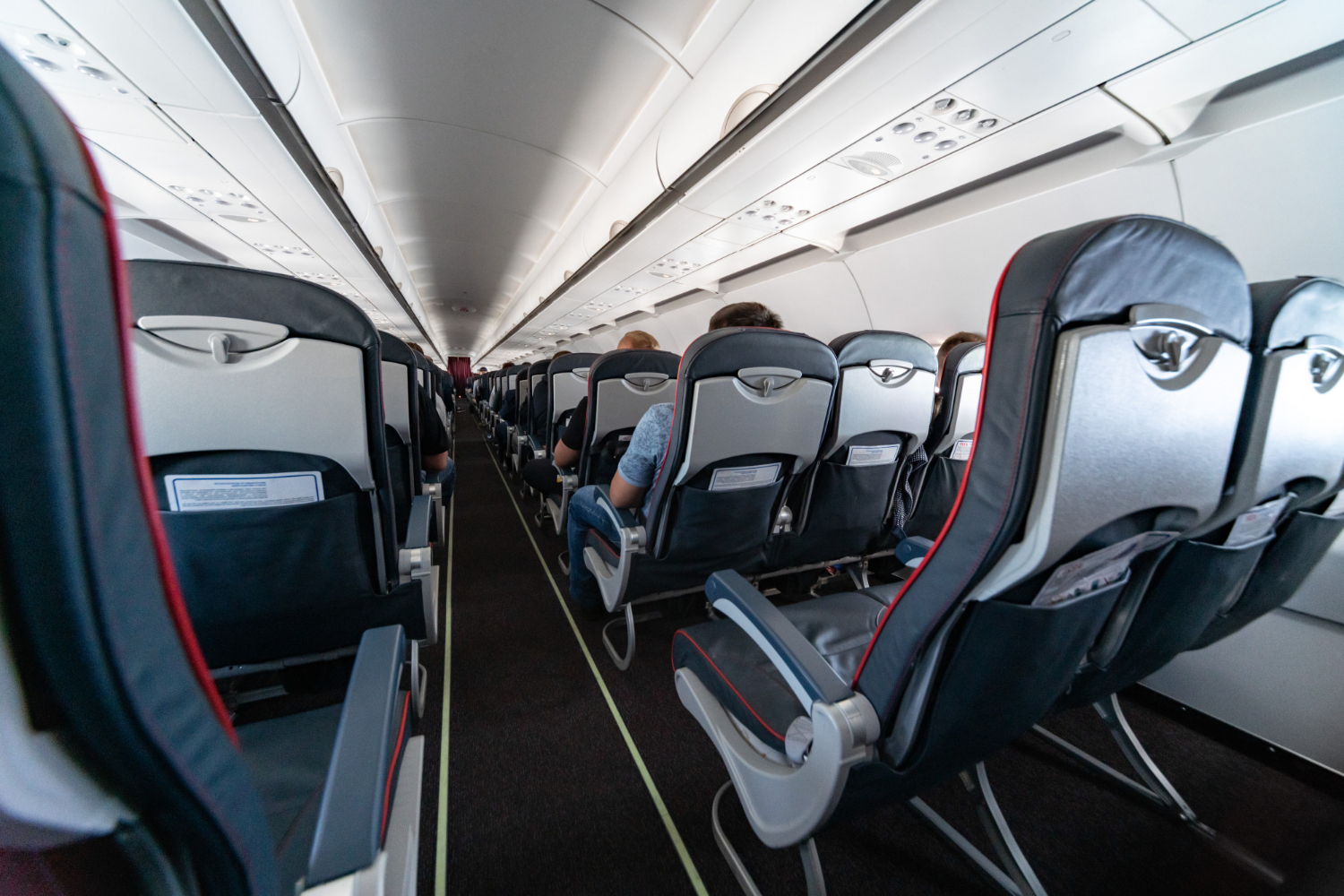
If the swap is reasonable — an equivalent seat, a small kindness that reunites a parent with a young child — saying yes is gracious and frequently the decent thing to do. The key is to confirm the new seat is genuinely comparable before agreeing, and to move your belongings promptly and pleasantly. Helping a parent sit with a small child or reuniting a nervous traveler with a companion, when it costs you little, is the kind of small generosity that makes flying more humane. When the trade is fair and the cause sympathetic, a cheerful yes is frequently the most satisfying choice for everyone, including you.
How to Say No Politely (When It’s Not)
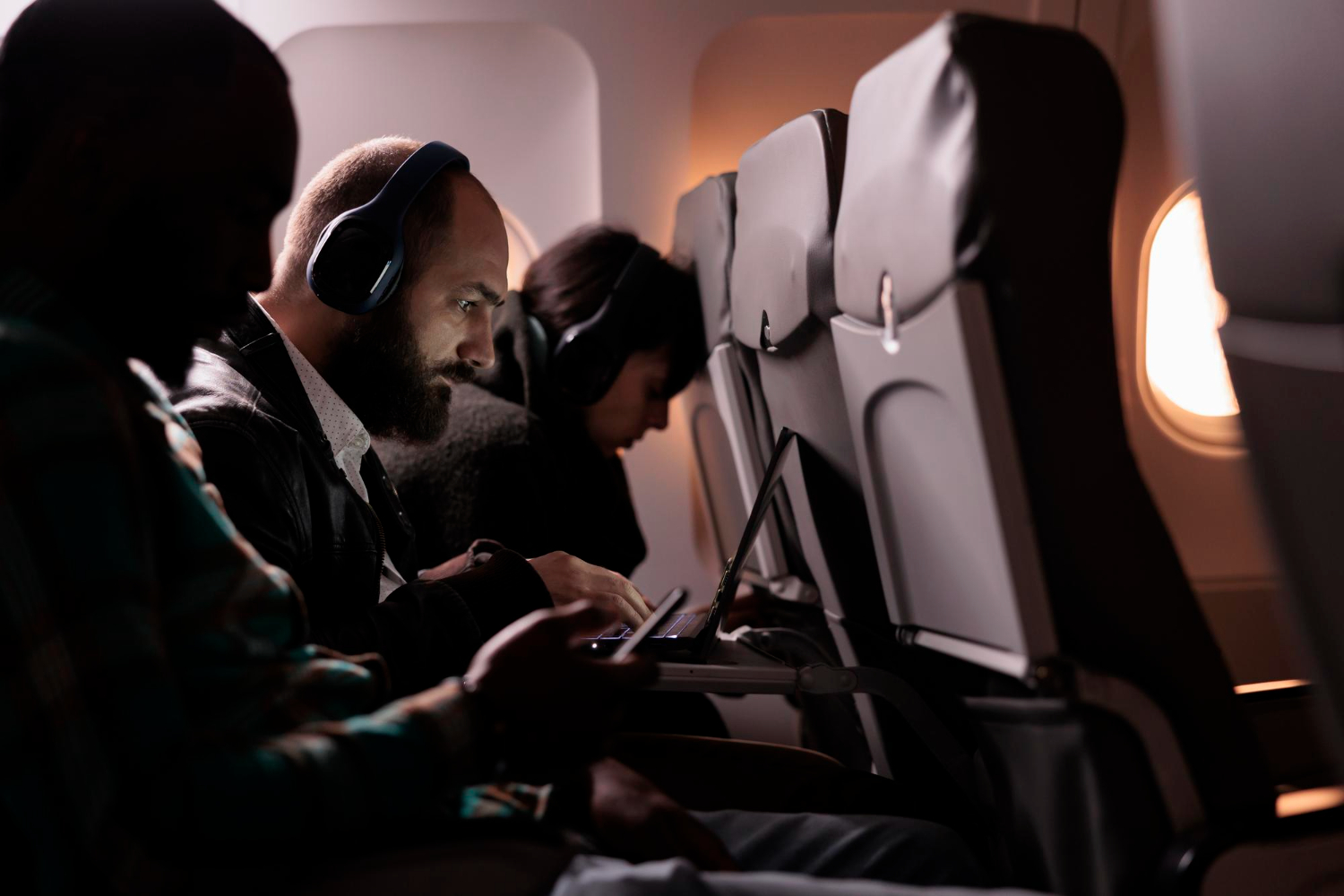
When you’d rather not switch, a polite, brief, friendly decline works best — something warm but firm, like explaining you specifically chose this seat for a reason (legroom, anxiety, needing the aisle) and you’d prefer to keep it, delivered with a genuine smile and sympathy for their situation. You don’t owe a lengthy justification. The combination of warmth and firmness — kind tone, clear answer, no over-explaining — lets you decline without rudeness and without inviting negotiation. Most reasonable people accept a polite no gracefully, and a brief expression of sympathy (“I’m sorry, I hope it works out”) softens it further.
Offer an Alternative Solution
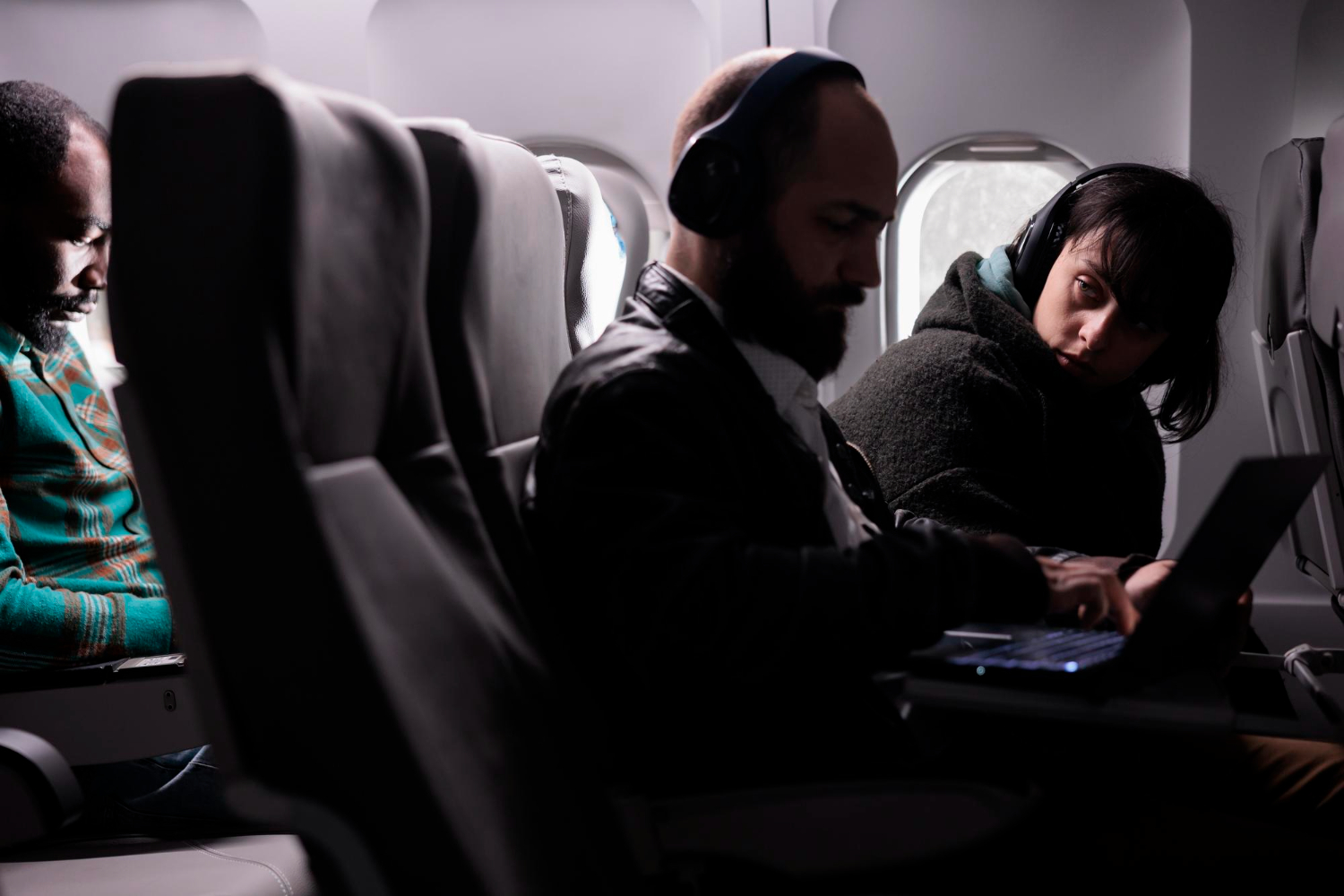
A graceful middle path, even when you decline the swap itself, is to offer help finding another solution — suggesting they ask the flight attendant, who can sometimes rearrange seating or appeal to other passengers, or pointing out that another nearby passenger might have an equivalent seat to trade. This lets you keep your seat while still being helpful and kind, redirecting the problem to the people (the crew) actually equipped to solve it. Offering an alternative shows good faith and frequently resolves the situation without anyone feeling slighted, turning a potential conflict into a collaborative fix.
Loop In the Flight Attendant for Tricky Situations
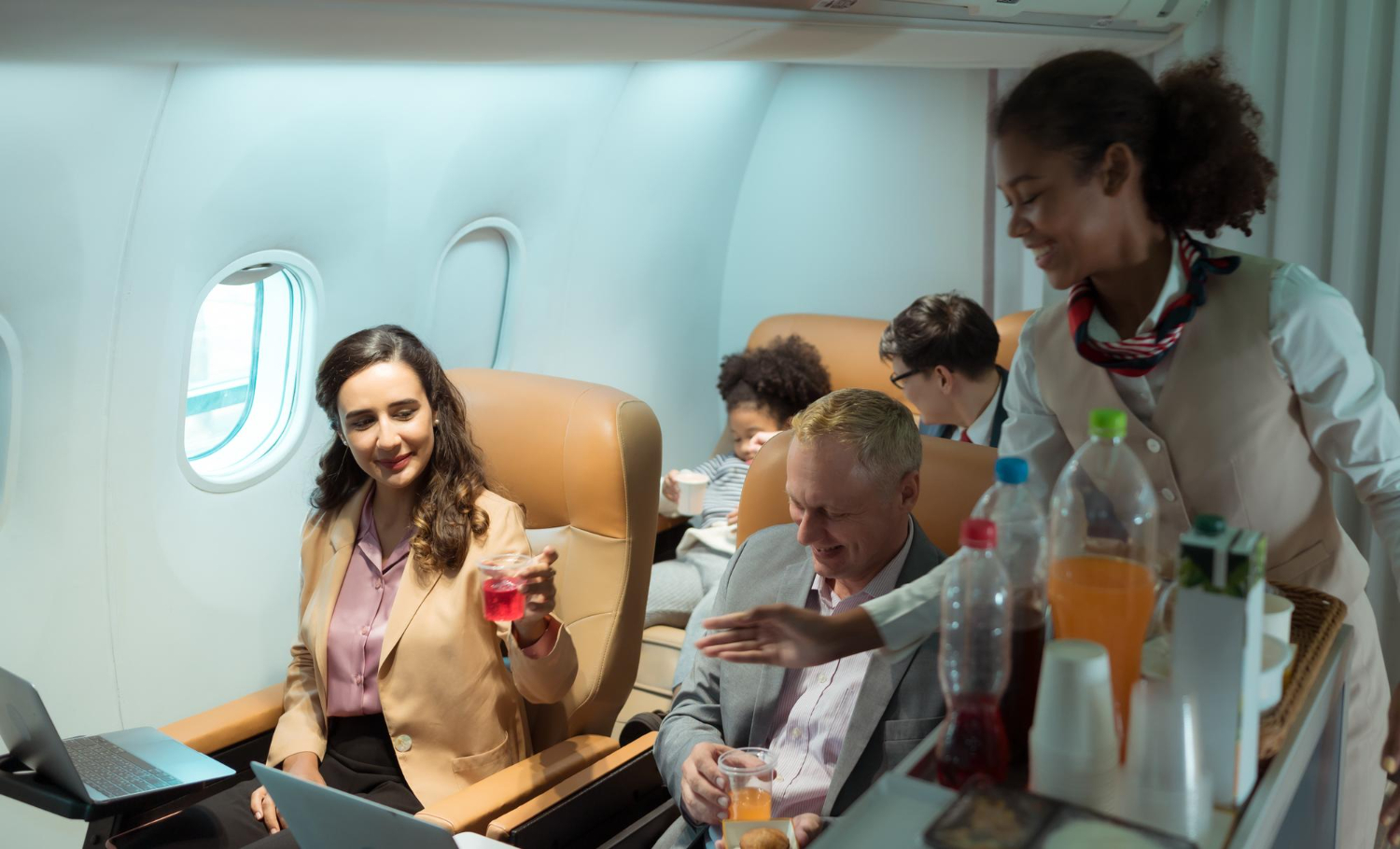
If a request becomes pressured, persistent, or uncomfortable — or if someone simply sits in your seat and refuses to move — the right move is to involve the flight attendant rather than arguing. The crew is responsible for seating, has authority to resolve disputes, and deals with this constantly. Politely flagging “I think there’s a mix-up with the seats” lets the professional handle it. You should never feel pressured into giving up your seat by persistence or guilt-tripping; the flight attendant exists precisely to mediate these situations, and there’s no shame in asking them to step in.
The Special Case of Families With Young Children
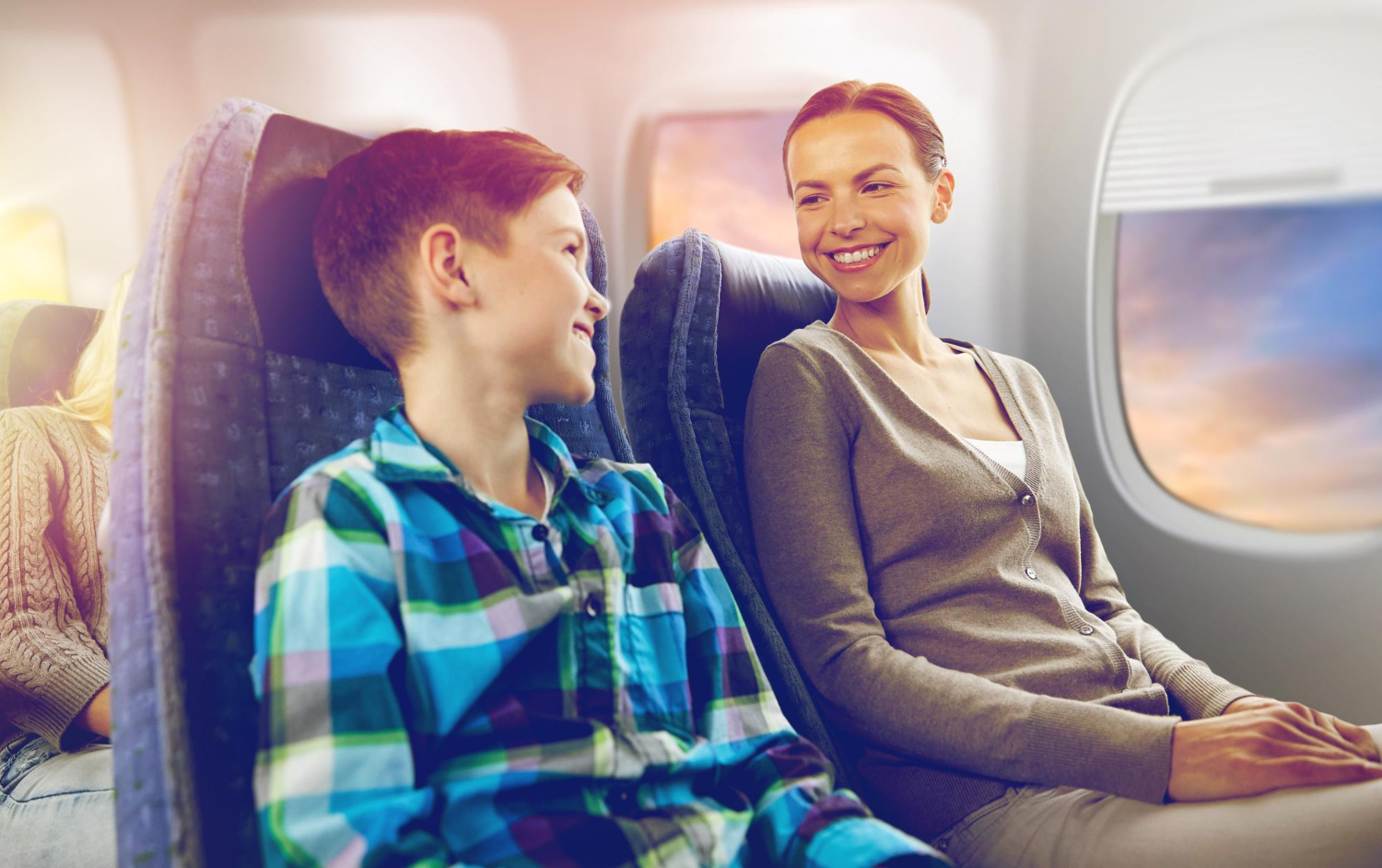
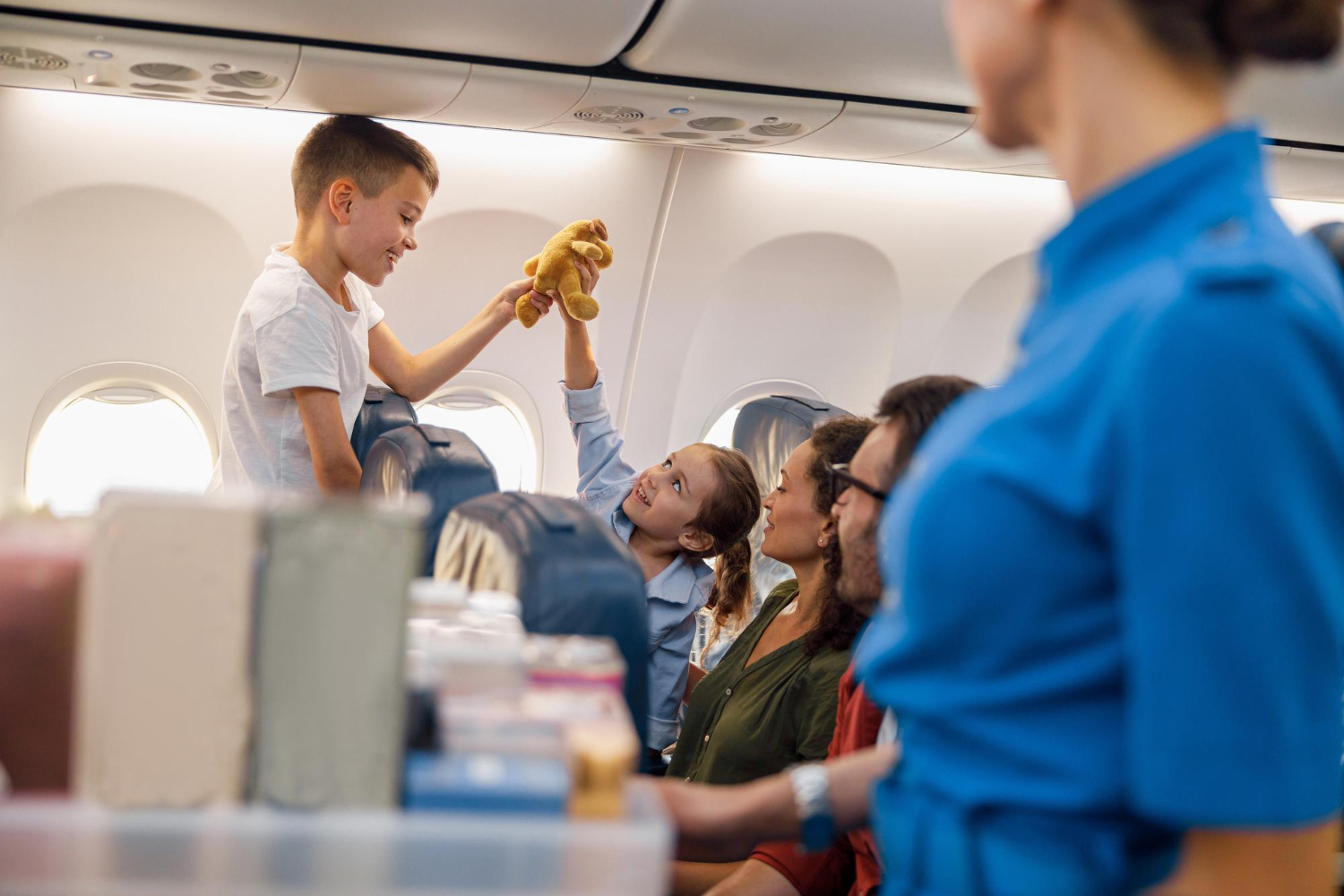
The most sympathetic version of the request involves a parent separated from a young child, and here a bit of extra generosity is worth considering — most people would agree a parent should sit with a small child, and if the swap is anywhere close to fair, saying yes is the kind thing to do. That said, many airlines have policies intended to seat young children with a guardian, and a family separated from a small child should also raise it with the airline, which bears responsibility. You can be especially willing to help in this case while still recognizing that solving a genuine child-separation is ultimately the airline’s job, not solely the burden of nearby passengers.
Protecting Yourself From the Awkwardness in the First Place
Some simple habits reduce how often you face the dilemma at all. Selecting your seat in advance and arriving at your seat with your headphones ready and belongings settled signals you’re established. If you have a strong preference, choosing a seat that’s less likely to be requested for swaps (a single window in a pair, for instance) can help. And mentally rehearsing a polite decline in advance means you won’t be caught flat-footed and pressured into a yes you’ll regret. A little preparation lets you handle whatever request comes with calm confidence rather than anxious improvisation.
What Not to Do

A few moves reliably make the situation worse, and avoiding them matters as much as knowing what to do. Don’t cave silently to a swap you’ll resent — agreeing while visibly annoyed helps no one and sours your own flight. Don’t lecture or shame the person asking; even an unreasonable request deserves a civil answer. Don’t get drawn into a negotiation or argument in the aisle while boarding is happening and others are waiting — keep it brief and, if it escalates, hand it to the crew. Don’t make up an elaborate fake excuse; a simple honest “I’d prefer to keep my seat” is more comfortable to deliver and harder to argue with than a story you have to maintain. And don’t feel you must justify a paid seat at all — “I chose this seat specifically” is a complete answer. The common thread is that both extremes — resentful surrender and rude refusal — leave someone feeling bad, when a calm, brief, honest response avoids both. Handling the moment cleanly is mostly about not overcomplicating it.
The Bottom Line on Seat Swaps
The seat-swap request is fundamentally a small social negotiation, and approaching it with a clear principle removes the stress: you are not obligated to give up a seat you chose, but kindness costs little when the trade is fair. The decent approach is to say yes generously when the swap is reasonable and the cause sympathetic — especially for parents with young children — and to decline politely but firmly when it’s a genuine downgrade, offering to help find another solution and looping in the crew when needed. What you should never do is let guilt or pressure bully you into a worse seat you’ll resent for hours, and what you should never be is rude about it. Handled with a warm tone, a fair assessment, and a clear answer, even a “no” can leave both people feeling respected. The skill of the seasoned traveler isn’t always saying yes or always saying no — it’s handling the moment with enough grace that the flight stays pleasant either way, and you arrive in the seat you’re comfortable in, without the lingering bad feeling that a clumsy refusal or a resentful surrender can leave behind.
Like our content? Follow us for more.