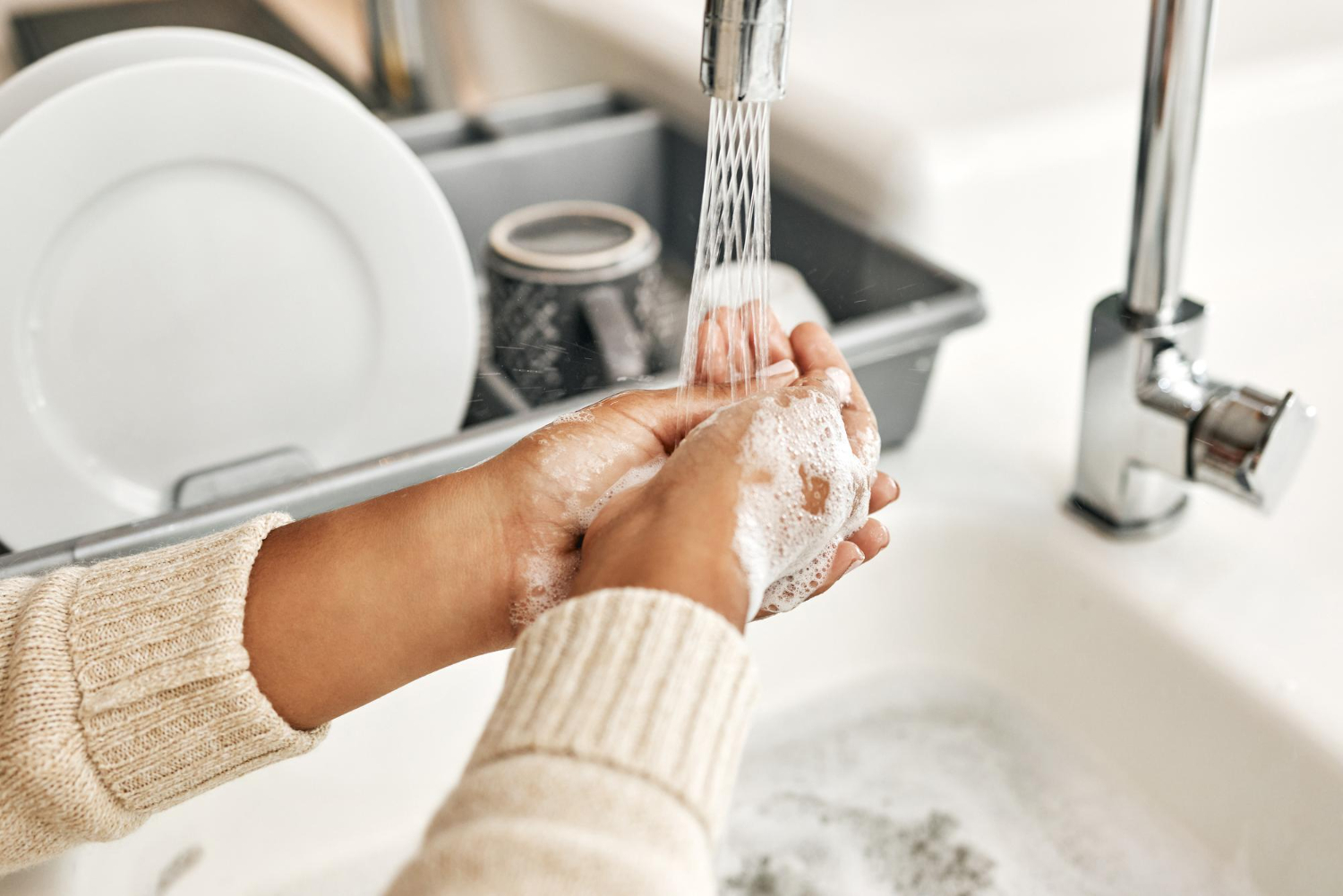
Most people know to wash their hands after using the bathroom and before eating, but research on where germs actually concentrate reveals a surprising list of everyday objects that deserve a hand-wash too — things we touch constantly without a second thought. Many of these surfaces are touched by countless other hands, rarely cleaned, and can harbor far more bacteria than people assume; some studies have found common objects carrying more germs than a toilet seat. The point isn’t to become a germophobe or to fear the world — most everyday germ exposure is harmless to healthy people — but simply to know the high-contact, rarely-cleaned items where a quick hand-wash genuinely makes sense, especially during cold and flu season. Here are the everyday things experts say are worth washing your hands after touching, and why.
A quick reality check before the list: this is general hygiene information, and the goal is sensible awareness, not anxiety. Healthy immune systems handle ordinary germ exposure constantly and well. The value here is knowing which high-touch, rarely-cleaned surfaces are worth a hand-wash, particularly during cold and flu season and for those more vulnerable to illness.
1. Money — Cash and Coins
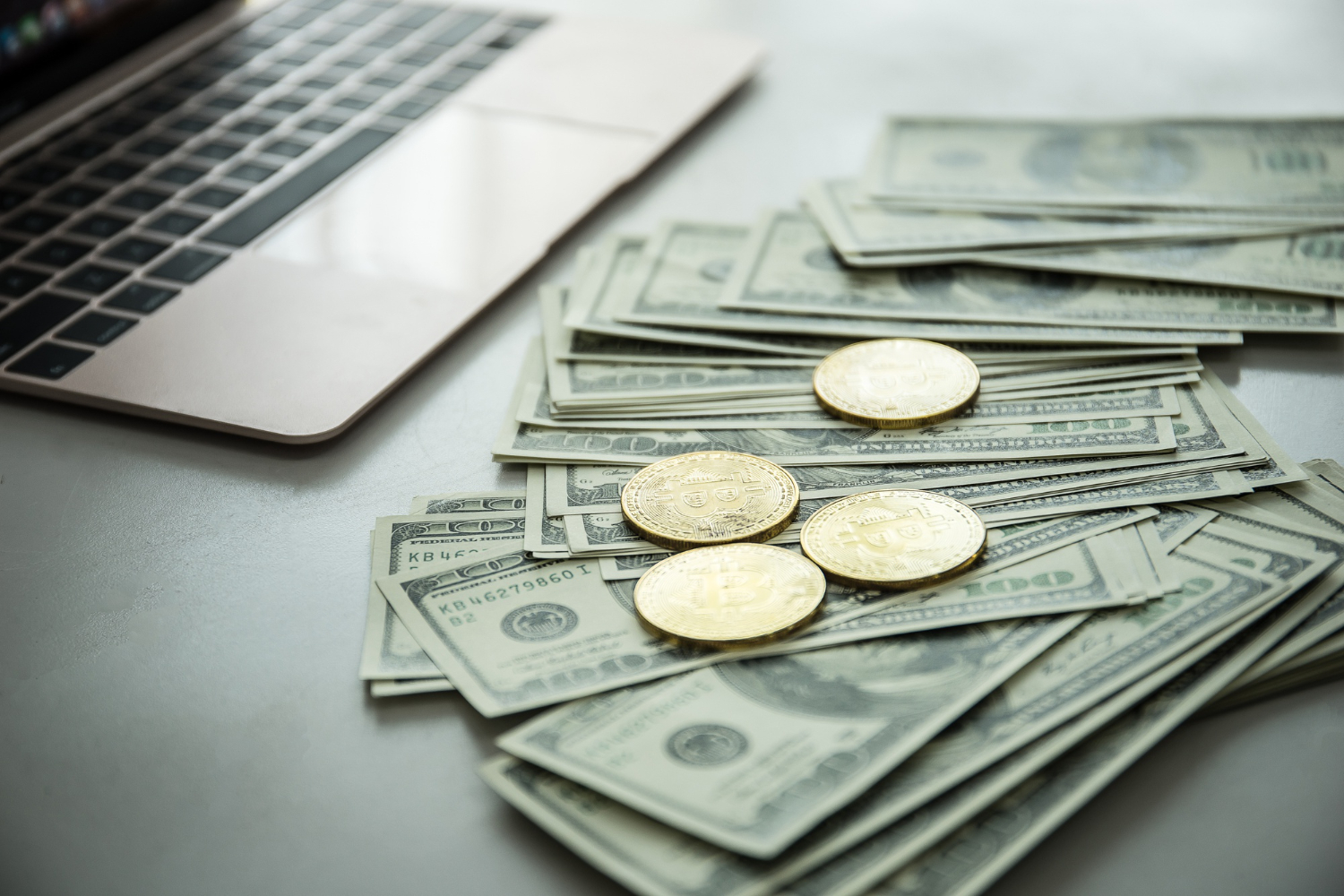
Paper money and coins pass through countless hands and can harbor a wide range of bacteria, having been shown in studies to carry significant microbial loads — cash circulates for years, touched by everyone from food handlers to who-knows-whom, and is essentially never cleaned. While handling money isn’t a major illness risk for healthy people, it’s a genuinely dirty everyday object, and washing your hands after handling a lot of cash (or before eating after doing so) is a sensible habit, particularly for anyone who handles money frequently.
2. Gas Pump Handles
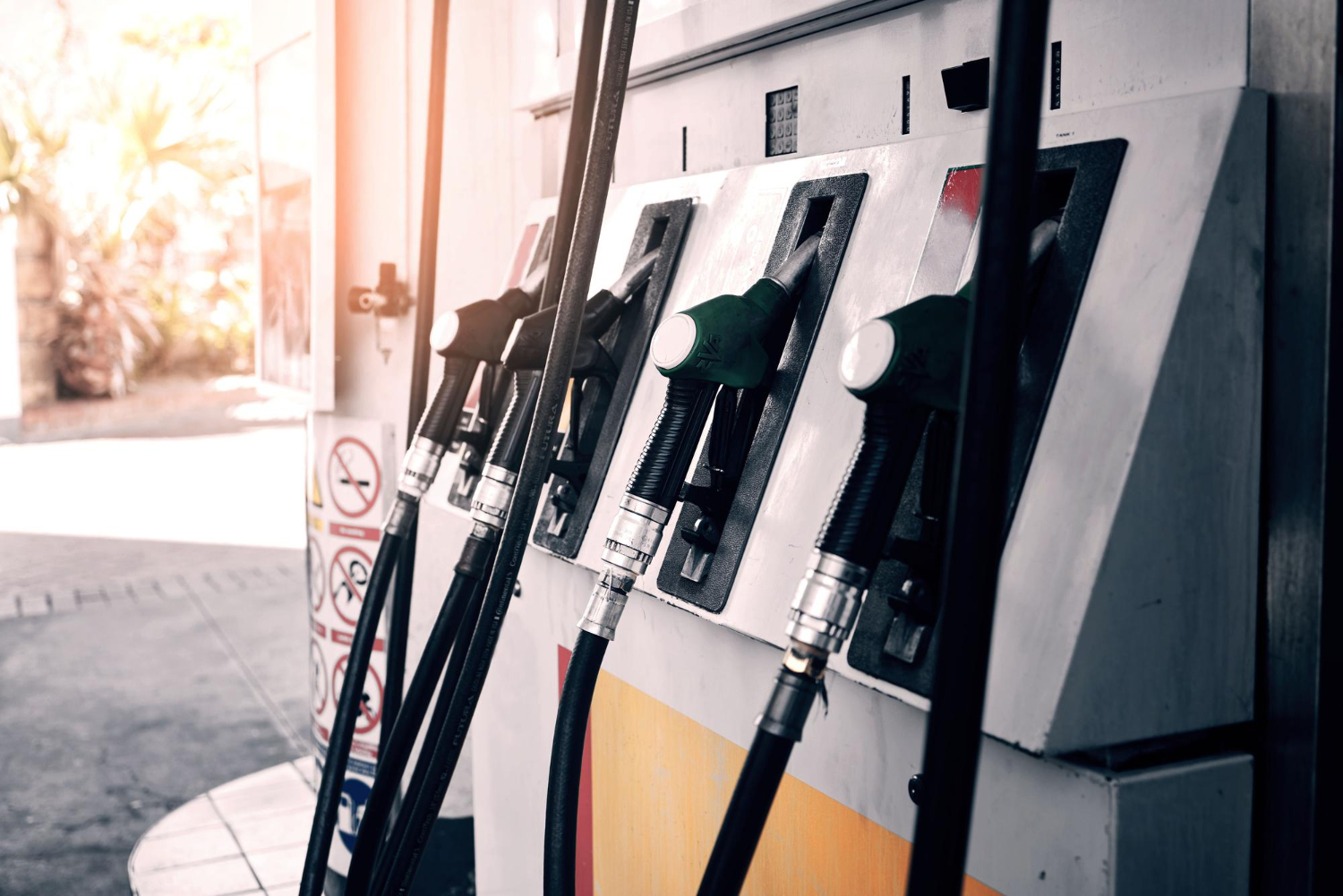
The gas pump handle is one of the dirtiest things the average person touches regularly — gripped by enormous numbers of people, exposed to the elements, and virtually never cleaned. Studies of high-touch public surfaces consistently flag fuel-pump handles as heavily contaminated. Since people frequently pump gas and then immediately handle food, their phone, or their steering wheel, the gas pump is a prime candidate for a hand sanitizer follow-up. Keeping sanitizer in the car and using it after fueling is a simple, sensible habit given how filthy and rarely-cleaned these handles are.
3. Shopping Cart Handles
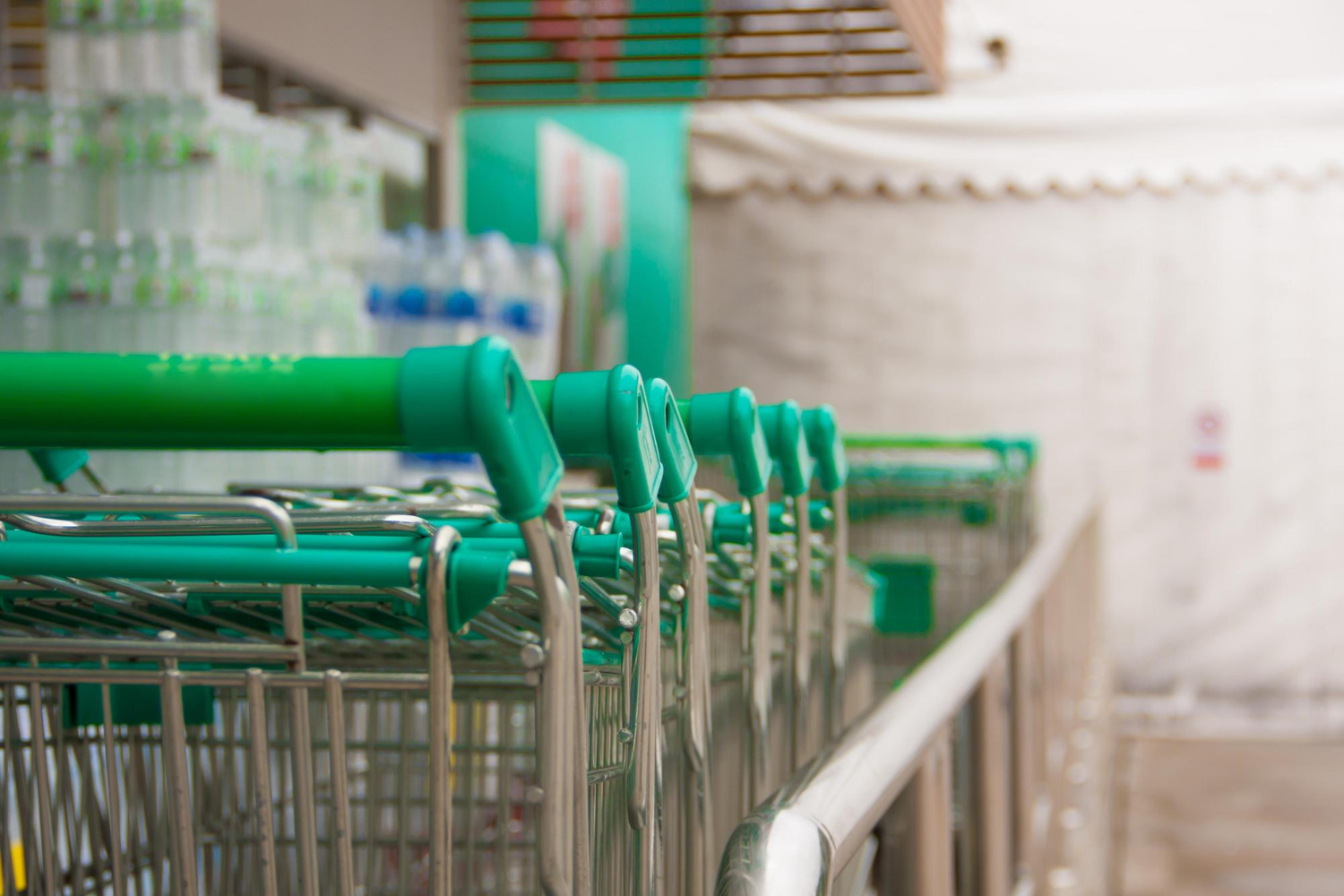
The shopping cart handle is touched by a constant stream of shoppers — including those who just handled raw meat, sneezed, or had a sick child in the seat — and is rarely sanitized between uses. Research has found shopping cart handles to be among the more contaminated everyday surfaces. Many stores now provide wipes precisely for this reason. Wiping the handle or using sanitizer after shopping, and especially before eating anything afterward, is a reasonable precaution given how many hands touch a cart and how infrequently they’re cleaned.
4. Your Cell Phone
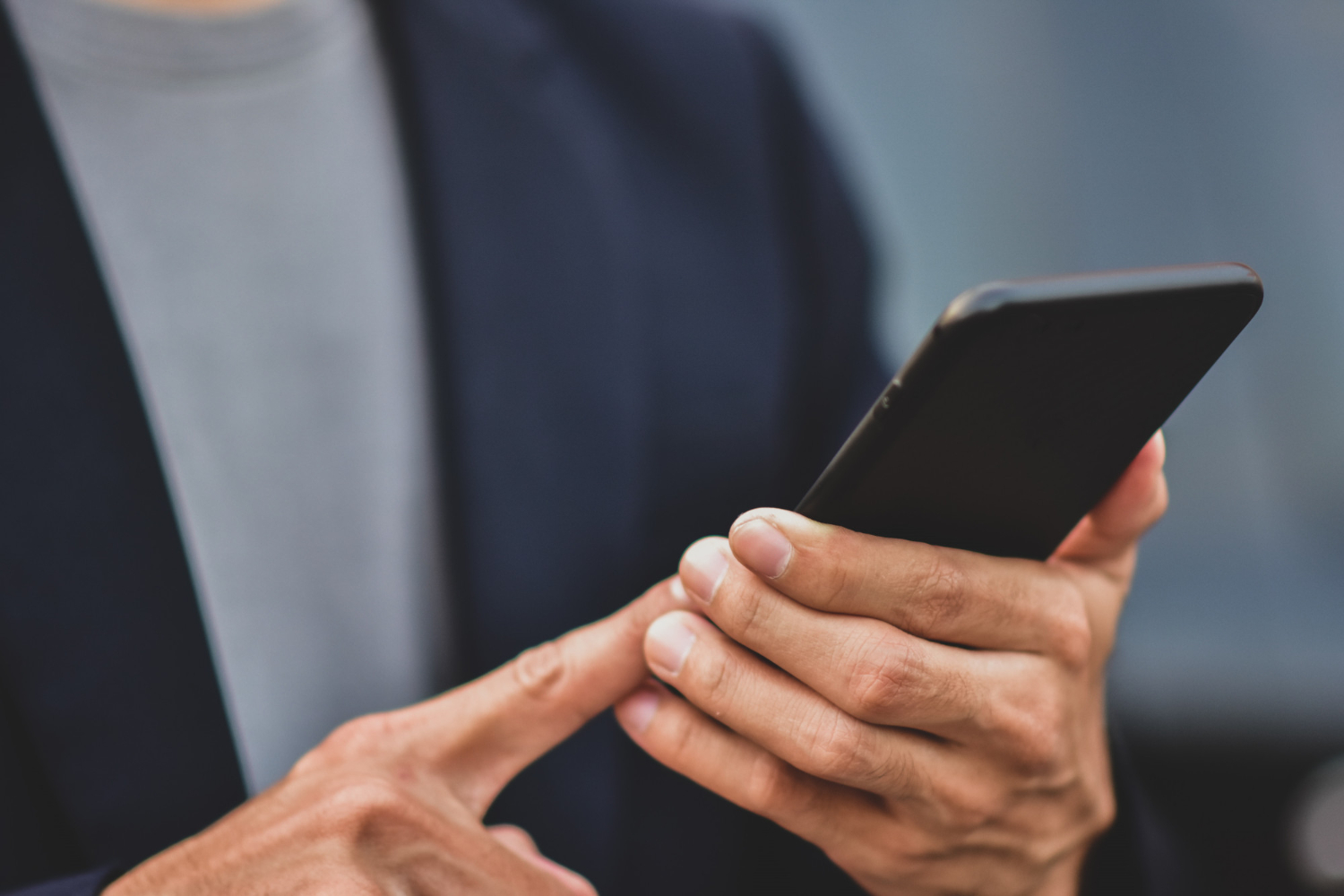
Your cell phone is one of the germiest objects you own, and the most intimate — it goes everywhere with you (including the bathroom), is touched constantly, is held against your face, and is rarely cleaned. Studies have repeatedly found phones carrying more bacteria than many household surfaces, including sometimes a toilet seat. Since the phone touches your face and hands all day, regularly cleaning it with an appropriate disinfecting wipe (per the manufacturer’s guidance) matters more than washing your hands after touching it, but awareness of how dirty phones get is itself useful.
5. Door Handles and Public Restroom Surfaces
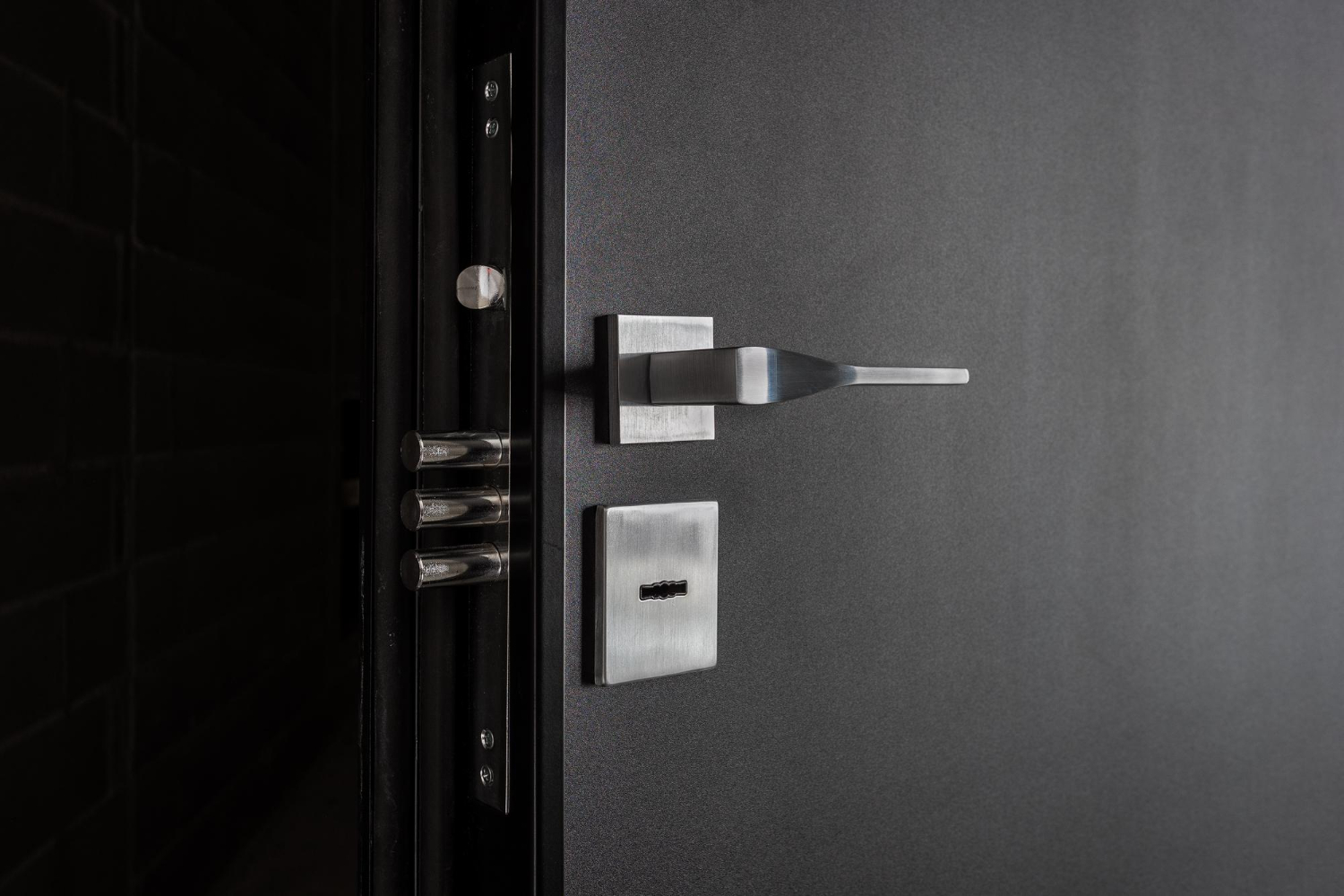
Door handles, especially in public places and restrooms, are high-touch surfaces that can transfer germs efficiently — the restroom door handle is particularly notorious, since not everyone washes well before grabbing it. This is why using a paper towel to open a restroom door, or sanitizing after touching public door handles, is a common and sensible habit. Public door handles, elevator buttons, and similar high-touch fixtures are exactly the kind of surface where a quick sanitizer or hand-wash makes sense, particularly during cold and flu season.
6. Restaurant Menus
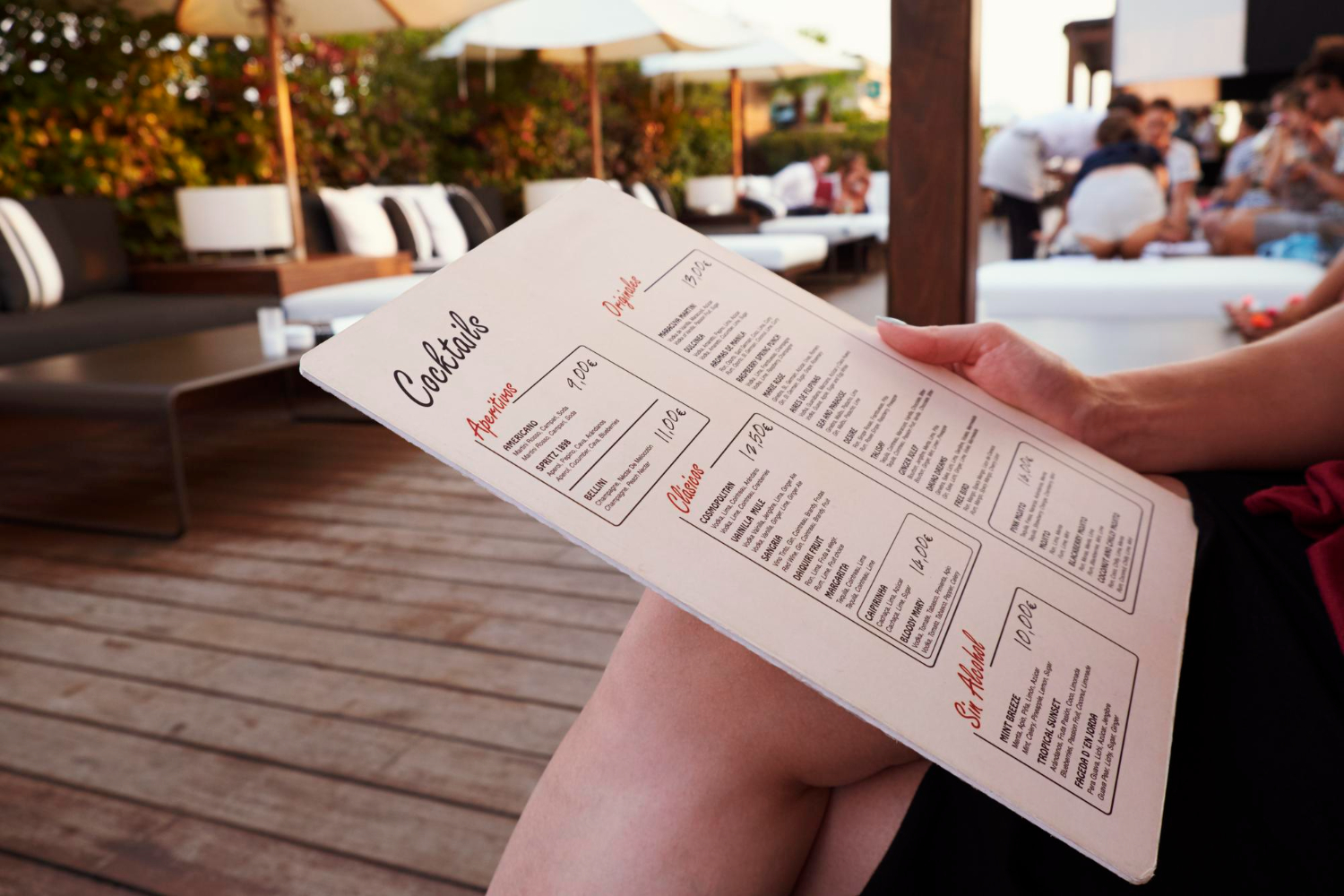
The restaurant menu is handled by many diners and rarely cleaned, making it a surprisingly germy object you touch right before eating — the worst possible sequence. Studies have flagged menus as carrying notable bacteria. Since you typically handle the menu and then eat with your hands, washing your hands (or using sanitizer) after ordering and before the food arrives is a genuinely sensible habit. The menu is a classic example of a high-contact, rarely-cleaned object encountered at exactly the moment hygiene matters most.
7. Airplane Tray Tables and Travel Surfaces
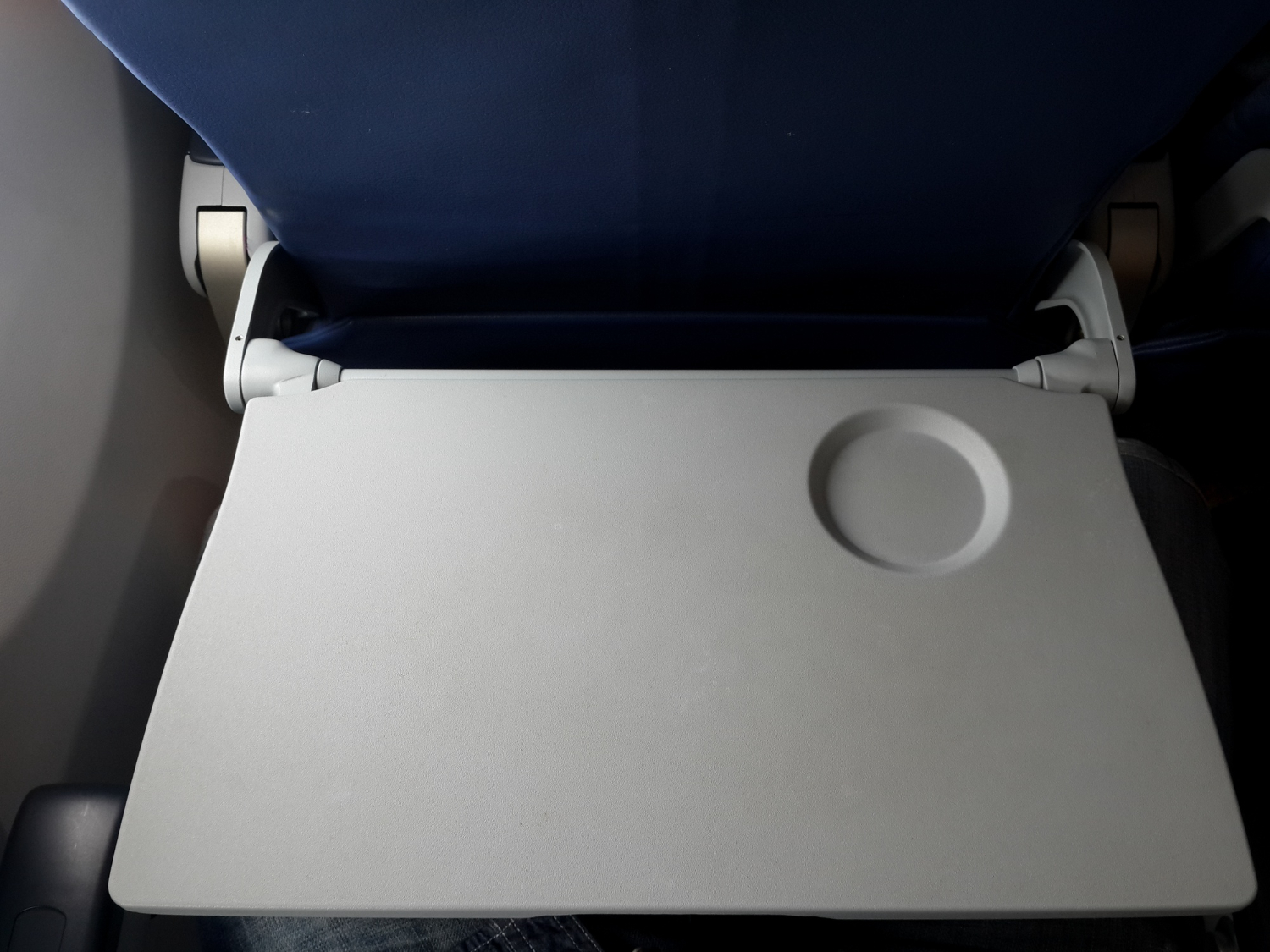
For travelers, the airplane tray table is a well-known offender — studies of aircraft cabins have found tray tables among the germiest surfaces, cleaned far less often than the quick turnaround between flights would require. Other travel high-touch surfaces, like seatback screens, armrests, and seatbelt buckles, are similar. Wiping down the tray table with a disinfecting wipe at the start of a flight, and sanitizing hands before eating on a plane, has become a common traveler habit for good reason, given how many passengers use these surfaces between cleanings.
8. ATM and Touchscreen Keypads
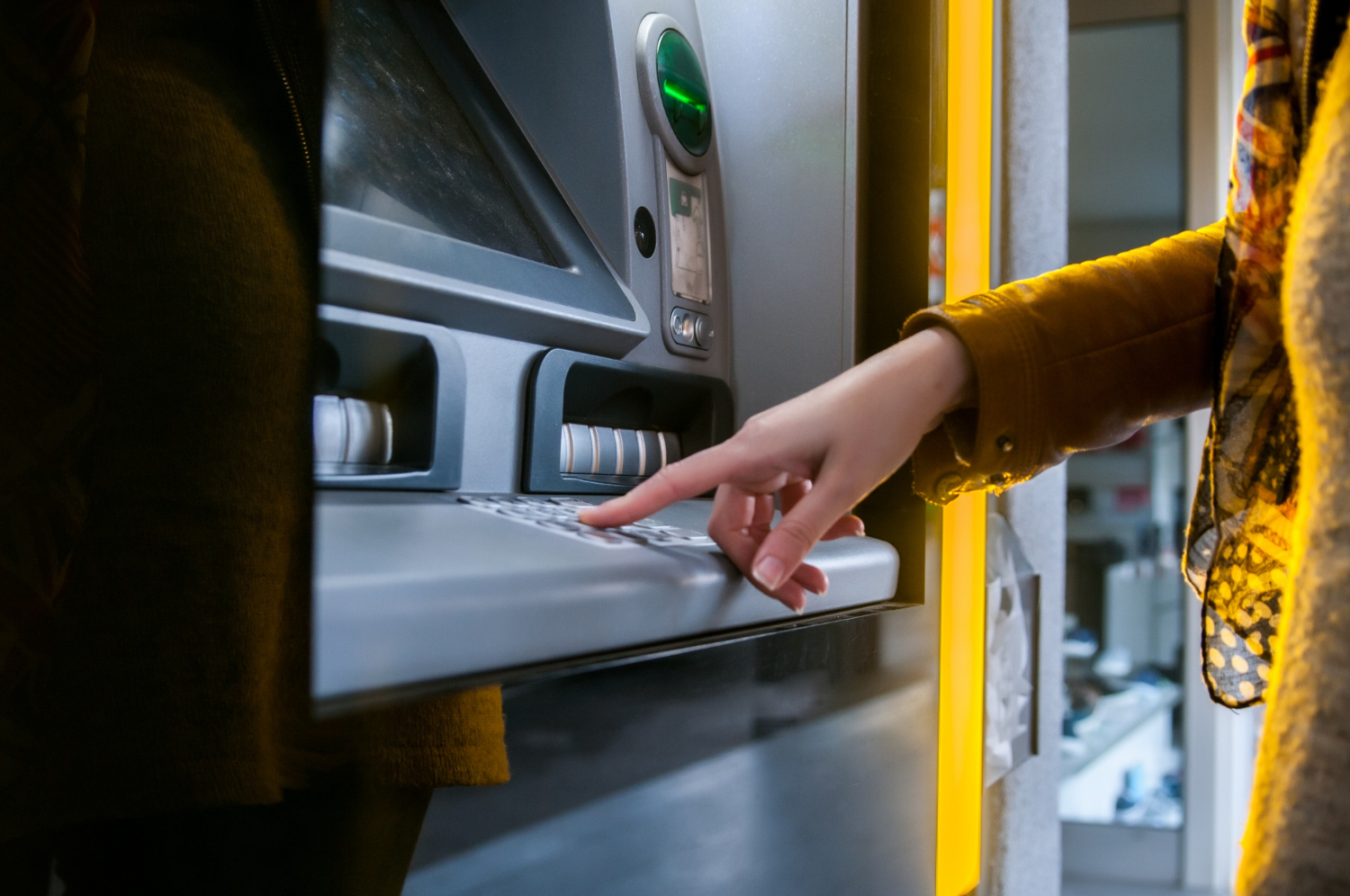
Public touchscreens and keypads — ATMs, self-checkout screens, payment terminals, airport kiosks — are touched by enormous numbers of people and rarely cleaned, making them notable germ-transfer points. As touchscreens have proliferated, so have these shared high-contact surfaces. Using sanitizer after using a public touchscreen or keypad, especially before eating, is a reasonable habit. These shared screens are a modern addition to the list of everyday objects that pass through countless hands with minimal cleaning in between.
9. Pet Areas and After Handling Pets
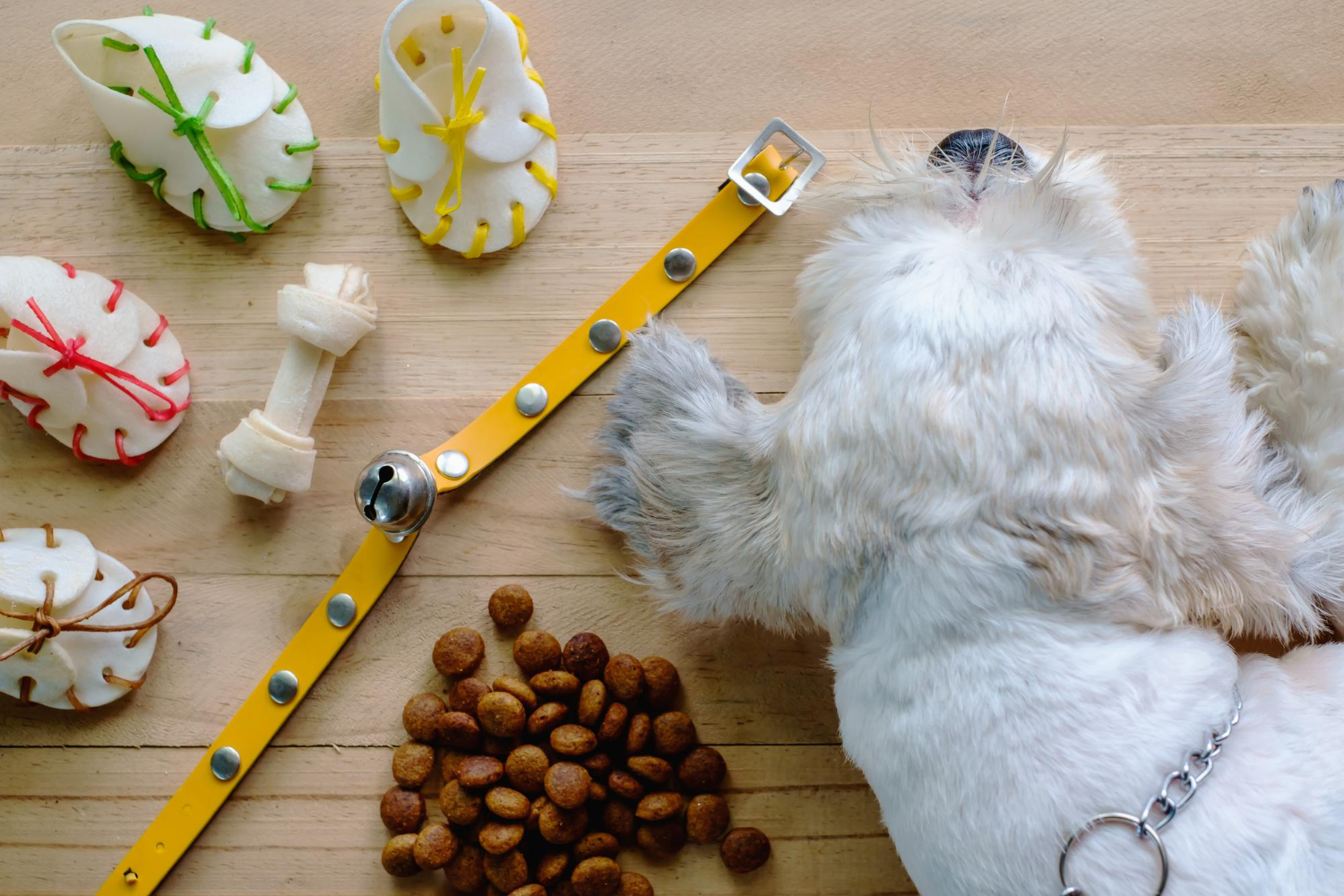
Touching pets, their food bowls, their toys, and especially cleaning up after them is a clear case for handwashing — animals carry bacteria that can occasionally cause illness in humans, and pet-related surfaces are easy to forget. Washing hands after handling pets (particularly before eating), after cleaning litter boxes or picking up waste, and after handling raw pet food is genuinely recommended by health authorities. While the family pet poses little risk to healthy owners with good hygiene, the handwashing-after-pets habit is a sensible and frequently-overlooked one.
Bonus: The Germiest Thing in Your Own Home
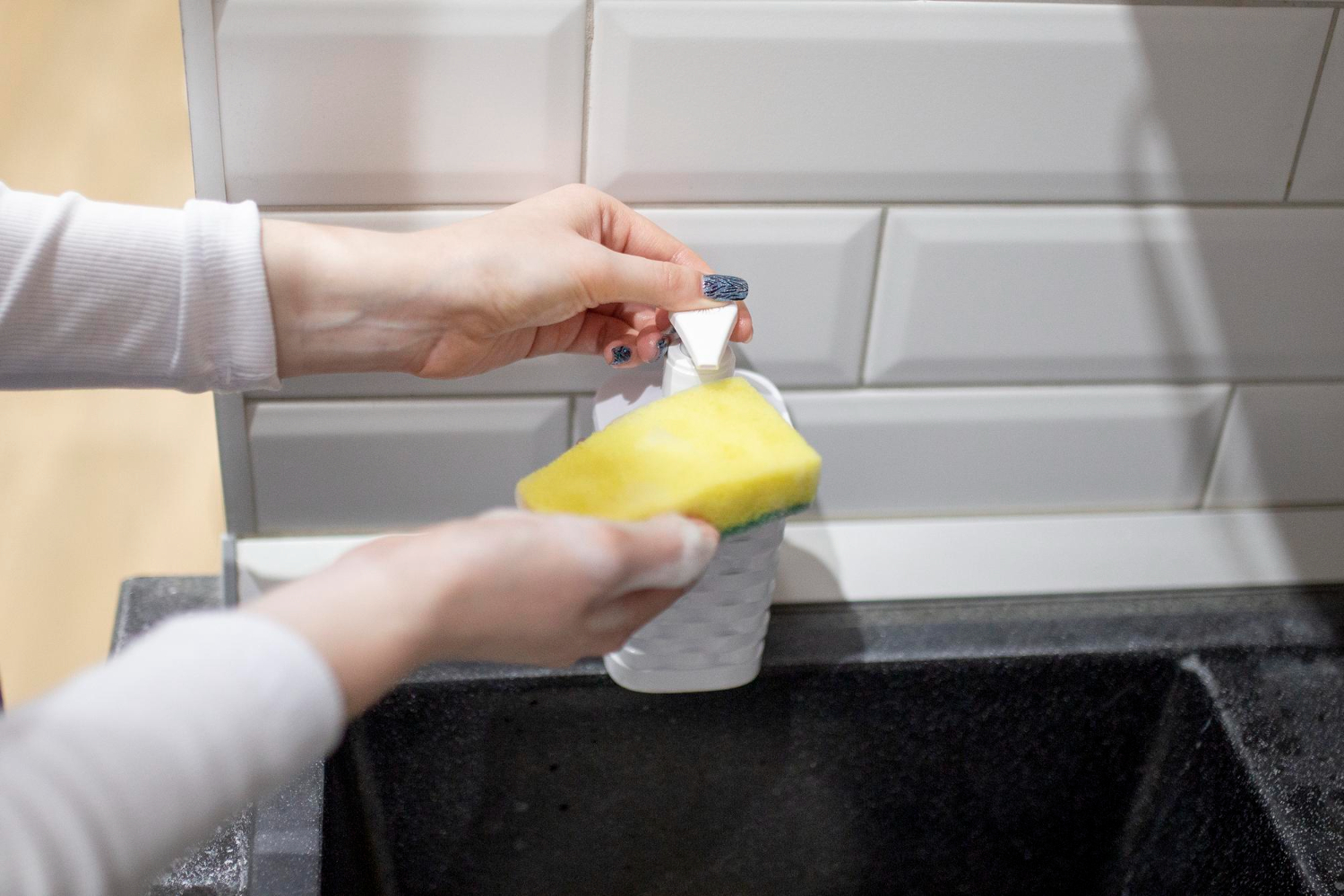
Worth knowing alongside the public surfaces is that one of the germiest objects most people own sits in their own kitchen: the kitchen sponge or dishcloth. Studies have repeatedly found that the damp kitchen sponge harbors enormous quantities of bacteria — frequently far more than the bathroom — because it stays moist, traps food particles, and gets used to wipe many surfaces, spreading germs around rather than removing them. The same applies to the dishcloth and, to a lesser degree, cutting boards used for raw meat. Washing your hands after handling a grungy sponge is sensible, but the bigger fix is replacing or sanitizing sponges regularly (some people microwave a damp sponge or run it through the dishwasher) and washing hands after handling raw meat and the boards it touches. It’s a useful reminder that the focus on public germs sometimes overlooks the high-bacteria object sitting right next to the kitchen sink at home.
The Sensible Bottom Line
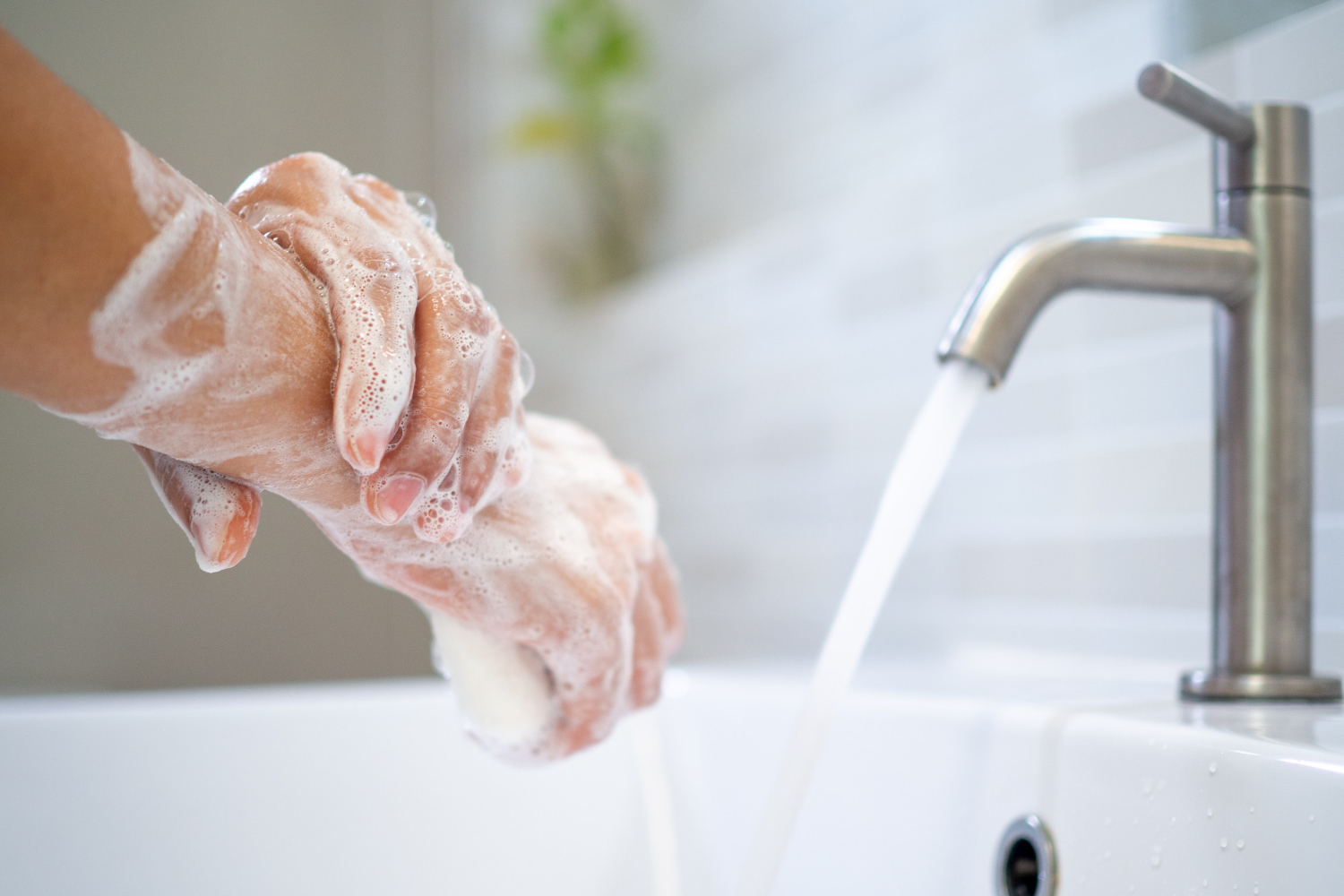
The goal of all this is balanced awareness, not anxiety — the world is covered in germs, healthy people handle ordinary exposure constantly without harm, and no one needs to live in fear of touching things. What the research on high-touch surfaces actually offers is a simple, practical insight: a handful of everyday objects — money, gas pumps, cart handles, phones, public door handles, menus, tray tables, touchscreens, and pet areas — combine heavy use by many hands with almost no cleaning, making them sensible moments for a quick hand-wash or a dab of sanitizer, especially before eating and during cold and flu season. The single most effective habit isn’t avoiding these objects but simply washing your hands properly and regularly — with soap and water for about 20 seconds — particularly before eating and after being out in high-touch public environments. Keeping hand sanitizer handy for when a sink isn’t available covers the rest. That modest, sensible routine captures essentially all the practical benefit without any of the germophobia, and it’s genuinely among the most effective things anyone can do to stay healthy, particularly during the months when colds and flu are going around.
Like our content? Follow us for more.