

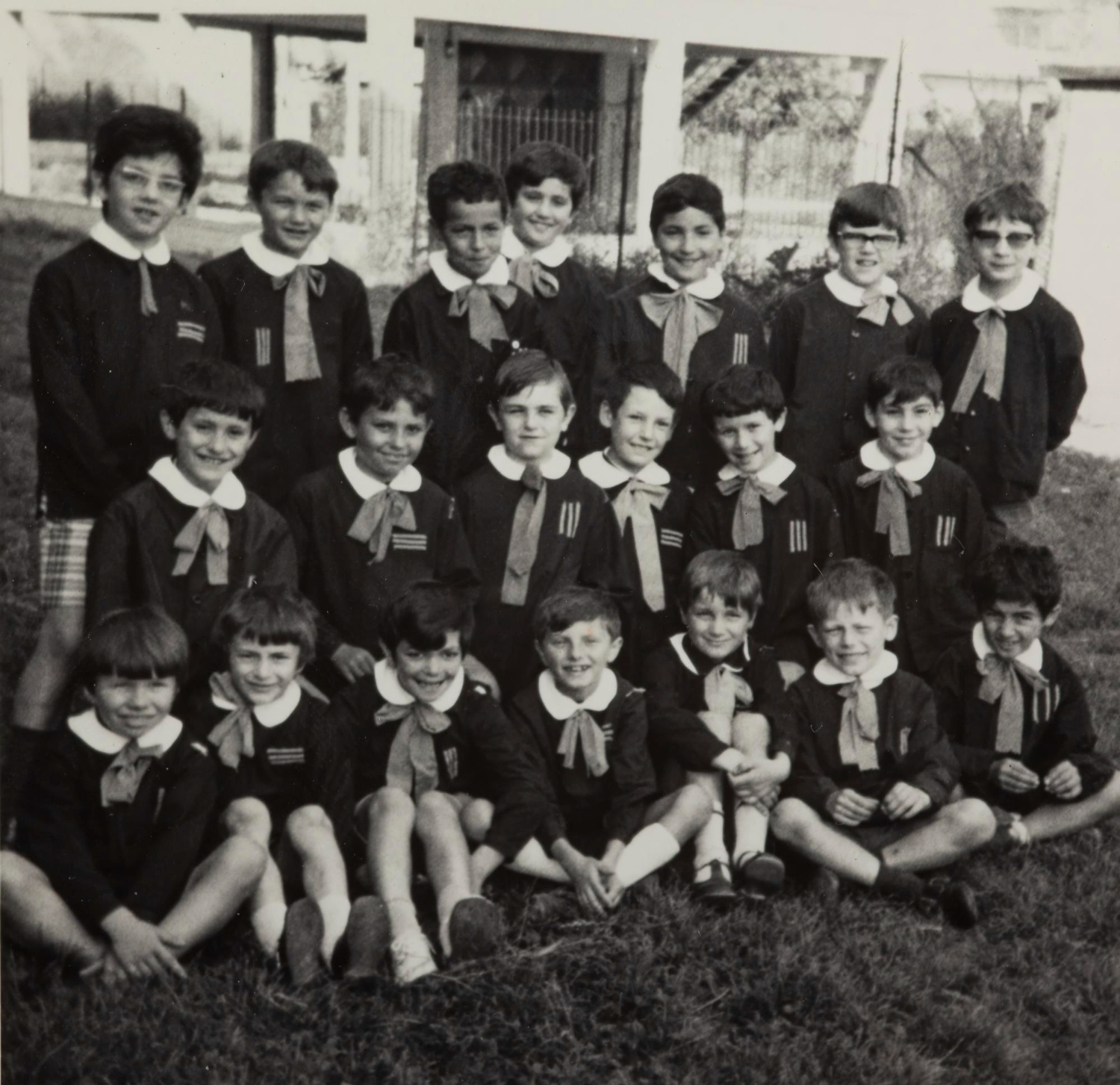
Childhood in the 1950s ran on a code of discipline that would be almost unrecognizable to today’s parents. Children were punished — often physically, and often severely — for behaviors that modern families either shrug off or now understand quite differently. Left-handed kids had their hands forced. Talking back could mean a mouthful of soap. The paddle hung on the classroom wall as an open threat. Some of these punishments reflect a stricter era’s emphasis on obedience and conformity; others reflect things we now understand to be genuinely harmful or simply wrong. Looking back at them is a window into how dramatically our understanding of children, discipline, and child development has shifted in a single lifetime. Here are fourteen things kids got punished for in the 1950s that would stun parents today.
1. Being Left-Handed

One of the most striking 1950s practices was punishing or “correcting” left-handedness, with teachers tying or forcing children to use their right hand, sometimes rapping the left hand with a ruler. Left-handedness was viewed as something to be trained out of a child. Today this is understood as both futile and harmful — handedness is innate, and forcing a switch could cause genuine difficulties. The systematic punishment of naturally left-handed children, common in 1950s classrooms, is now seen as one of the era’s clearest examples of misguided discipline based on prejudice rather than evidence.
Like our content? Follow us for more.
2. Talking Back or “Sassing”
Talking back to an adult — any perceived disrespect, arguing, or “sass” — was met with swift and often physical punishment in the 1950s, from a slap to a mouthful of soap to the belt. The expectation was absolute deference to adult authority; a child’s opinion or protest was simply not tolerated. While respect for elders remains valued, today’s parenting generally allows far more room for children to express disagreement and emotion. The 1950s zero-tolerance approach to any backtalk, frequently enforced physically, reflects a very different and now largely abandoned philosophy of the parent-child relationship.
3. Using “Bad” Language — and the Soap
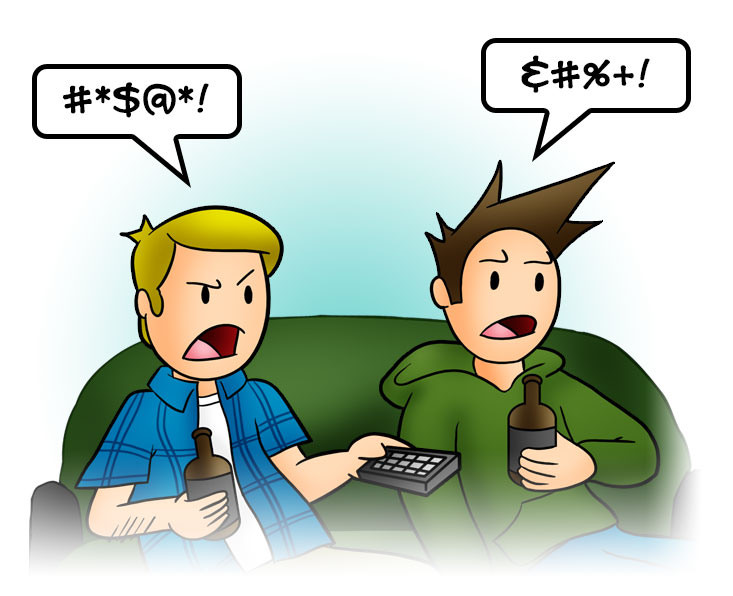
Saying a swear word, or sometimes even mild slang, could earn a 1950s child the infamous punishment of having their mouth washed out with soap — a bar of soap or soapy water used to literally and symbolically “clean” the offending mouth. This now-notorious punishment was a common response to bad language. Today it’s recognized as both ineffective and inappropriate, and the soap-in-the-mouth punishment has essentially disappeared. The practice stuns modern parents, but for many 1950s children it was a vivid and genuinely unpleasant consequence of letting the wrong word slip.
4. Corporal Punishment at School
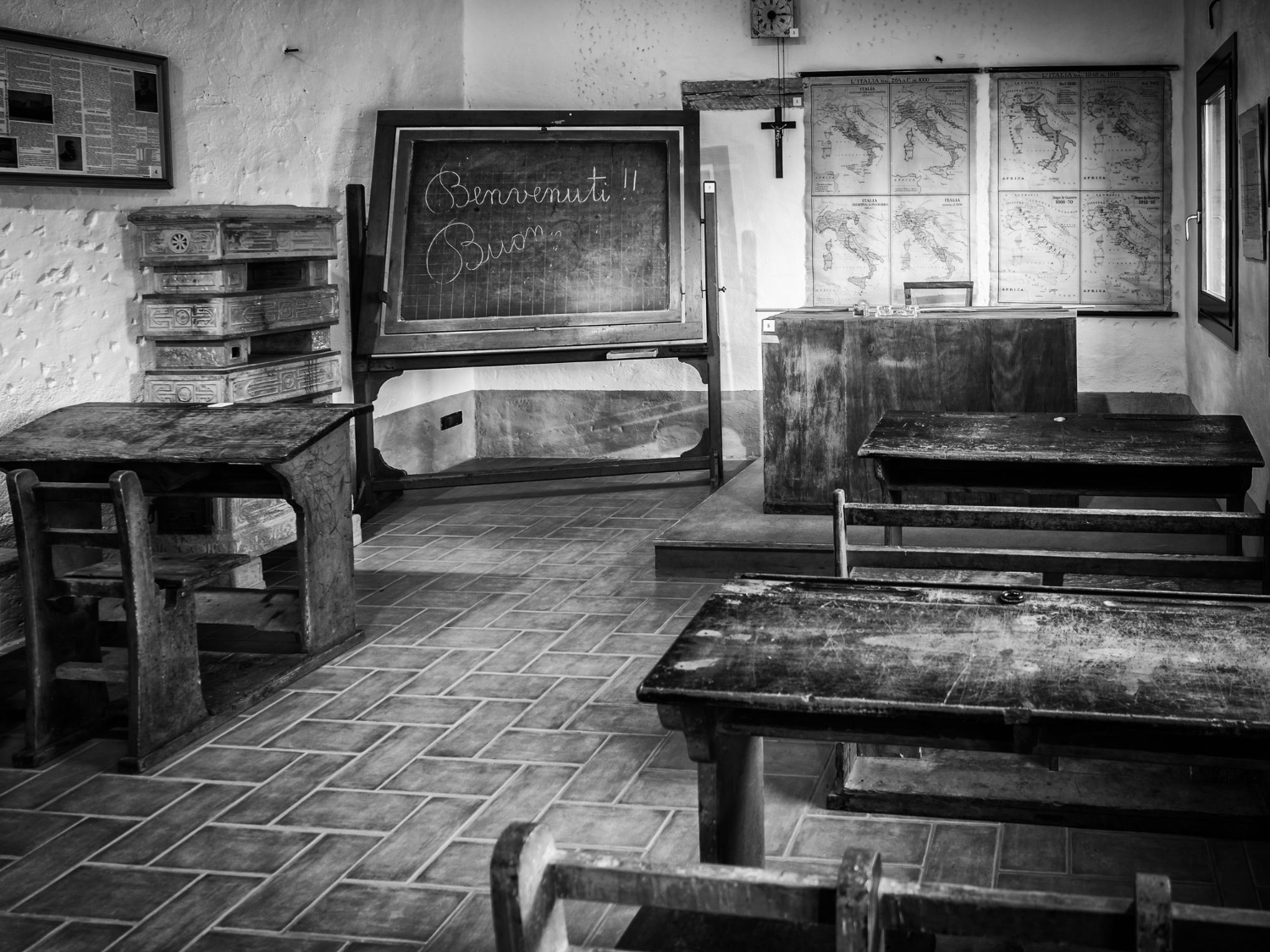
In the 1950s, school corporal punishment was routine and openly accepted — the paddle, the ruler across the knuckles, or other physical discipline administered by teachers for a wide range of infractions. The paddle hanging on the classroom wall was a normal sight and an everyday threat. While corporal punishment persists in limited forms in some places, the routine, casual physical punishment of students by teachers that defined 1950s schooling has been widely abolished and is now controversial or illegal in most settings. The shift away from physical discipline in schools is one of the era’s biggest changes.
5. Daydreaming or Not Paying Attention

A 1950s child caught daydreaming, staring out the window, or not paying strict attention could be singled out, shamed, rapped on the knuckles, or made to sit in the corner. The expectation of rigid, constant attention left no room for the natural wandering of a child’s mind. Today, educators understand far more about attention, learning differences, and child development, and a daydreaming child is more likely to be gently redirected than punished. The 1950s tendency to treat normal childhood inattention as a punishable offense reflects how little was understood about how children actually learn.
6. Being Left-Brained About Penmanship

Beyond handedness, 1950s schools demanded rigid conformity in penmanship, and children were punished for messy writing, incorrect letter formation, or failing to match the prescribed style exactly. Handwriting drills were relentless, and deviation was corrected harshly. The emphasis on uniform, “perfect” penmanship as a mark of discipline and character meant that struggling children faced real punishment for what we’d now recognize as developmental differences or simply individual variation. The intensity of 1950s penmanship enforcement, and the punishment for falling short, surprises today’s more relaxed approach to handwriting.
7. Asking Too Many Questions
The 1950s ideal child was seen and not heard, and a youngster who asked too many questions or was overly curious could be told to be quiet, dismissed, or punished for being a nuisance or “too big for their britches.” The era valued obedience and quiet over curiosity and self-expression. Today, asking questions is actively encouraged as a sign of engagement and intelligence. The 1950s tendency to suppress a child’s natural curiosity in favor of quiet compliance reflects a philosophy of child-rearing focused on conformity that modern parenting has largely reversed.
8. Not Cleaning Their Plate

In the 1950s, refusing to finish all the food on your plate was frequently treated as a punishable offense — children were made to sit at the table until they ate everything, sometimes for hours, or served the same food again at the next meal. The “clean plate club” mentality, rooted in Depression-era and wartime frugality, brooked no waste. Today, nutritionists and parents generally recognize that forcing children to override their fullness can be counterproductive, and the rigid clean-plate enforcement of the 1950s, sometimes lasting an entire evening, has largely fallen out of favor.
9. Crying or Showing “Too Much” Emotion

A 1950s child, especially a boy, who cried or showed strong emotion could be punished or shamed for it, told to “stop crying or I’ll give you something to cry about,” with emotional expression seen as weakness or misbehavior. The era’s emphasis on emotional toughness and restraint, particularly for boys, left little room for feelings. Today’s understanding of emotional development has shifted dramatically toward validating and helping children process emotions. The 1950s habit of punishing or shaming children for crying reflects an emotional culture that modern parenting has substantially moved away from.
10. Playing With the “Wrong” Toys
A 1950s child who played with toys deemed inappropriate for their gender — a boy with a doll, a girl with a toy truck — could be scolded, shamed, or have the toy taken away, as rigid gender expectations governed even play. The era’s strict gender roles left little room for children to explore freely. Today, attitudes toward children’s play have loosened considerably, with far less concern about gendered toys. The 1950s policing of children’s play along strict gender lines, and the punishment for crossing them, reflects social expectations that have shifted enormously over the decades.
11. Being Out After the Streetlights — or Not Out Enough

The 1950s had rigid expectations about children’s whereabouts, and a child could be punished for coming home after the streetlights came on — the universal curfew signal — even by minutes. The flip side was an expectation that children be outside and self-sufficient for hours. The strict, physically-enforced curfew, combined with the era’s free-range independence, created a specific structure where being late home was a genuine punishable offense. The precision of the streetlight curfew, and the consequences for missing it, is a vivid memory for many who grew up in the era.
12. “Reflecting Badly” on the Family
A 1950s child who embarrassed the family in public — misbehaving in church, being rude to a neighbor, or otherwise reflecting poorly on the household’s reputation — could face severe punishment, as a family’s standing in the community mattered enormously and children were expected to uphold it. The pressure to present a perfect family face meant that public embarrassment was treated as a serious offense. The intensity of concern about family reputation, and the punishment a child faced for damaging it, reflects the era’s powerful emphasis on social conformity and appearances.
13. Reading Comic Books and “Trashy” Material
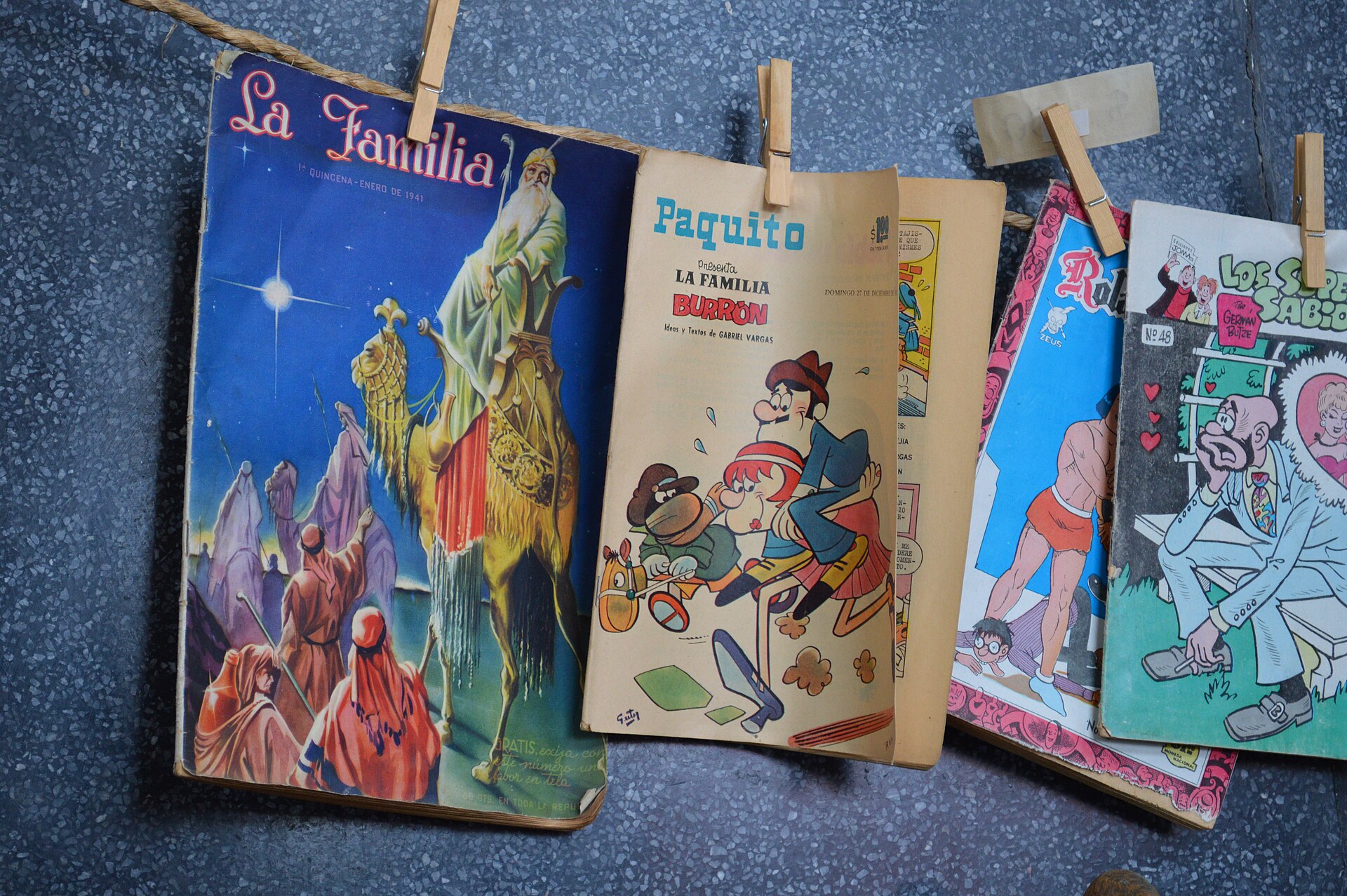
In the 1950s, comic books were the subject of a genuine moral panic, blamed for corrupting youth, and many children were punished for reading them or had their collections confiscated and thrown away. The era saw comics as trashy and even dangerous influences. Today the idea of punishing a child for reading comics — now celebrated as a gateway to literacy and a respected art form — seems absurd. The 1950s campaign against comic books, complete with confiscations and punishments, stands as a striking example of an era’s moral panic over youth media.
14. Simply Being a Normal, Energetic Kid

Perhaps most striking, many 1950s punishments fell on children for behaviors we now recognize as entirely normal — fidgeting, having too much energy, being unable to sit still for long periods, talking with friends, or general childish exuberance. The era’s expectation that children behave like quiet, still, miniature adults meant that ordinary kid behavior frequently drew punishment. Today’s far deeper understanding of child development recognizes that movement, energy, and social chatter are natural and even necessary. The 1950s tendency to punish children for simply acting like children may be the most telling difference of all.
Like our content? Follow us for more.
