


Technology and changing times have a way of steadily retiring entire professions. Jobs that were once everywhere, woven into the fabric of daily life, have faded into history, replaced by machines, automation, or simply new ways of doing things. A few generations ago, these workers were a familiar sight: delivering your milk, connecting your phone calls, lighting the street lamps, and waking you for work. Today, they survive mostly in old photographs and family stories. Looking back at them offers a fascinating glimpse of how much everyday life has changed. Here are some once-common jobs that have all but disappeared, the people who did them, and the technologies and trends that gradually made them obsolete.
The Milkman
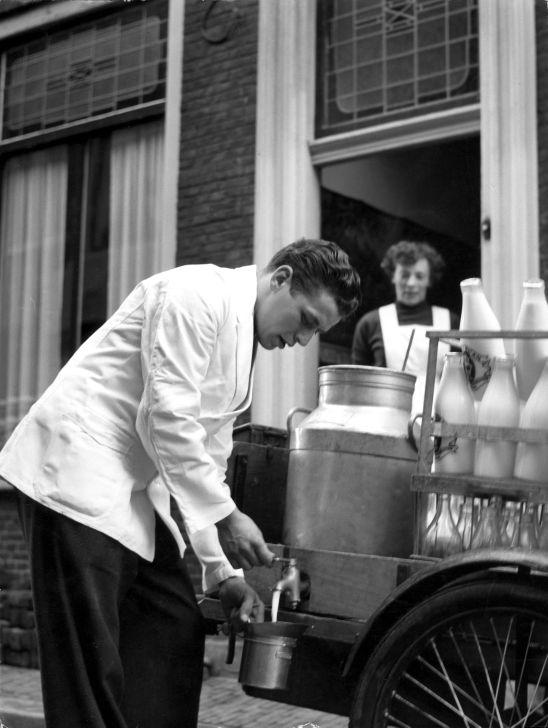
For much of the twentieth century, the milkman was a beloved daily fixture, delivering fresh glass bottles of milk right to the doorstep in the early hours, often collecting the empties to be washed and reused. Before widespread refrigeration and supermarkets, doorstep delivery was simply how families got their milk, along with butter, eggs, and other staples. The clink of bottles and the hum of the milk float were part of the morning soundtrack. As home refrigerators became standard and shoppers shifted to buying milk in cartons at the grocery store, the milkman gradually faded away. While a small revival exists in some places, the daily milk delivery that once served nearly every household is now a nostalgic memory for older generations.
Like our content? Follow us for more.
The Switchboard Operator
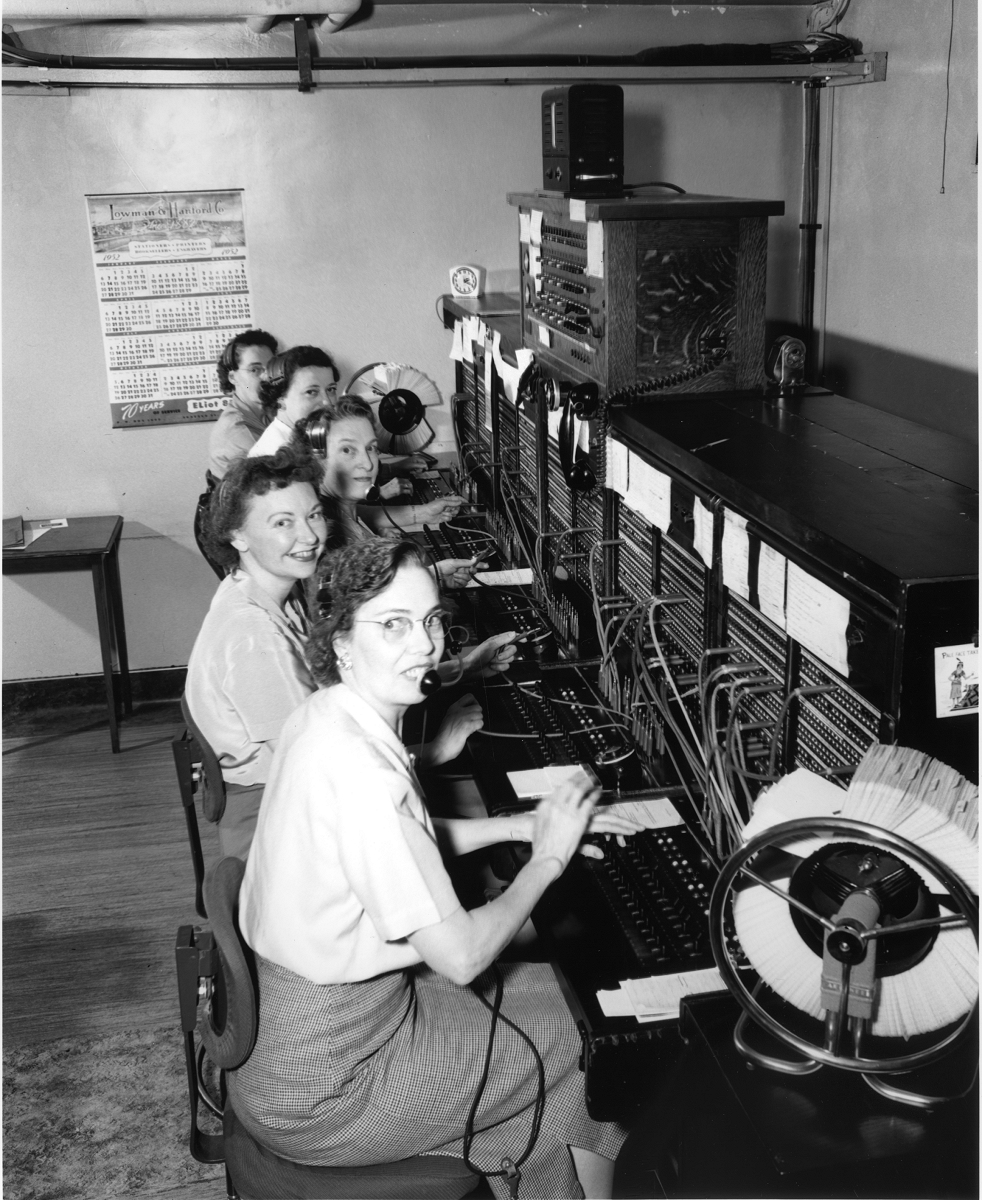
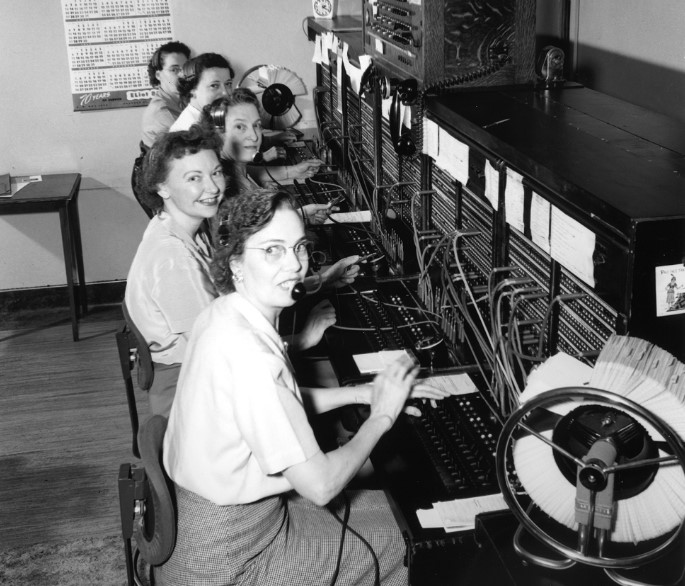
Before automatic switching and direct dialing, every phone call had to be connected by hand. Switchboard operators, often young women, sat before towering boards of jacks and cords, physically plugging in connections to link one caller to another. “Number, please?” was their signature phrase. It was demanding, fast-paced work that required patience and precision, and operators were a vital human link in early telecommunications, sometimes even relaying news and emergency messages. As technology advanced and phone systems became automated, allowing callers to dial directly and, later, connect instantly, the role of the human operator steadily vanished. Once a major source of employment, especially for women, the switchboard operator is now a quaint symbol of a bygone era of communication.
The Lamplighter
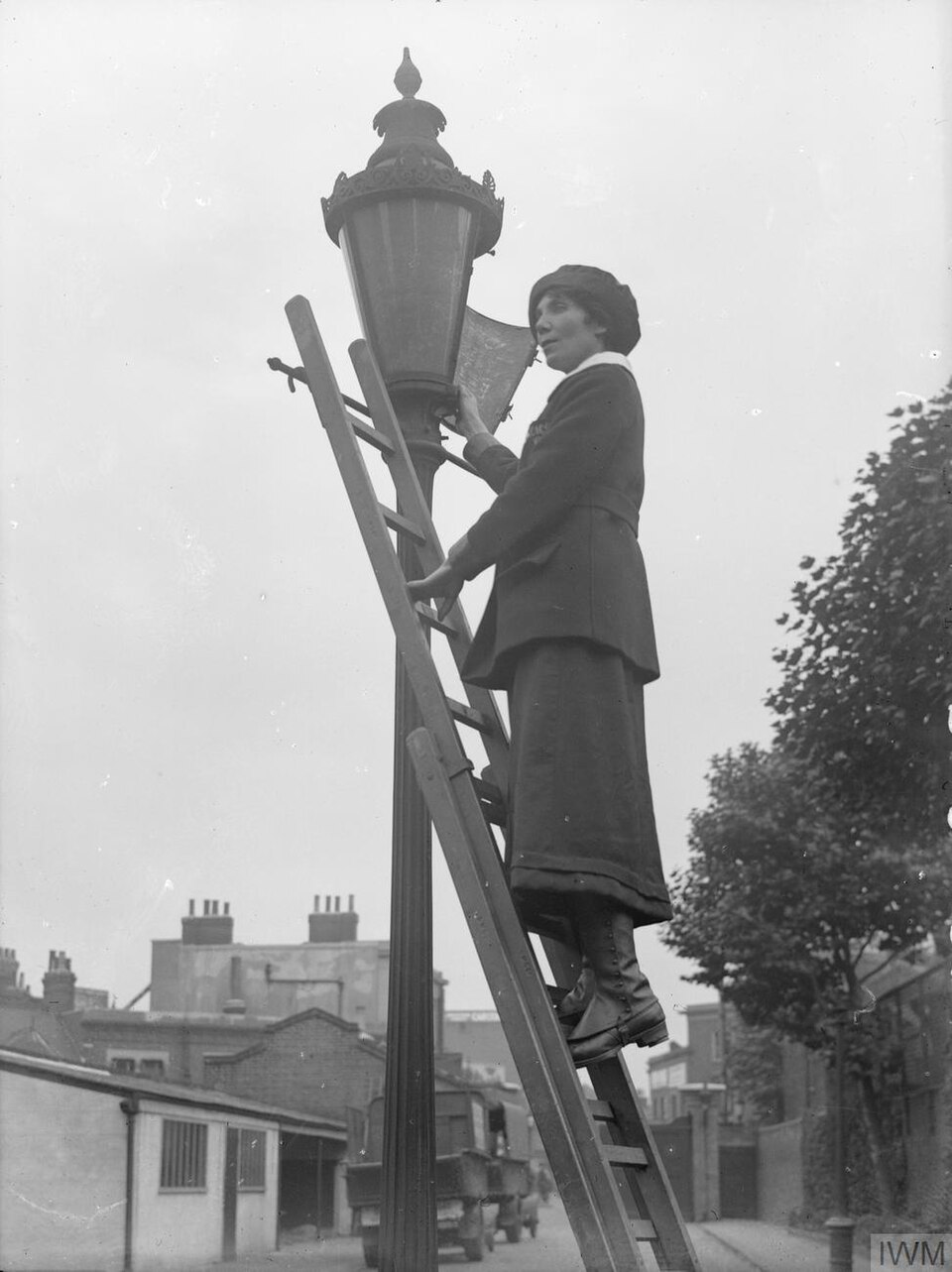
In the days before electric streetlights, towns and cities relied on the lamplighter, who walked the streets at dusk with a long pole to light each gas lamp, then returned at dawn to extinguish them. It was a job that gave city nights their soft, flickering glow and made the lamplighter a familiar, almost romantic figure of the evening streets. Some also served as informal watchmen, keeping an eye on the neighborhood as they made their rounds. The widespread arrival of electric street lighting, which could be switched on and off automatically or centrally, rendered the role unnecessary. The lamplighter, once essential to urban life after dark, has all but vanished, surviving mostly in literature, art, and the occasional ceremonial role in a historic district.
The Knocker-Upper
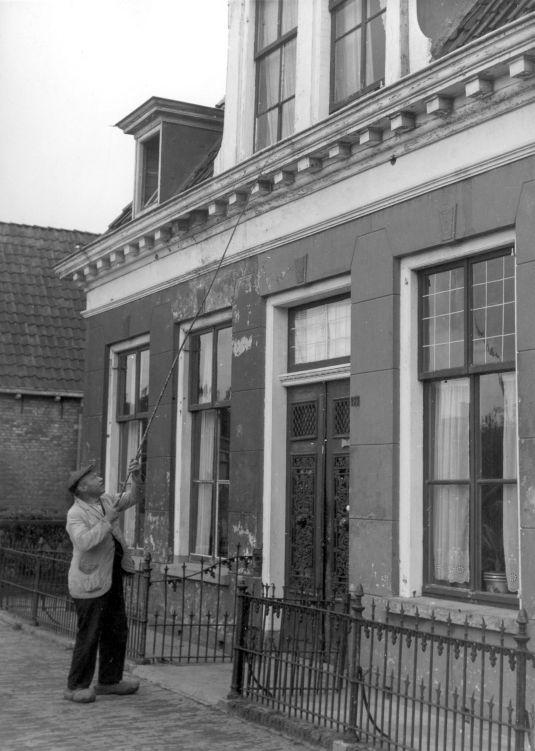
Before alarm clocks were cheap and reliable, how did workers wake up for early shifts? In some places, they hired a “knocker-upper,” a person paid to rouse them at a set hour. Armed with a long pole, or sometimes a pea-shooter, the knocker-upper would tap on bedroom windows until the sleeper stirred, working their way through a neighborhood in the pre-dawn dark. It was a humble but essential service in industrial towns, where being late for a factory shift had serious consequences. As affordable, dependable alarm clocks became common in households, the need for a human alarm clock evaporated. The knocker-upper is now one of the most charming and surprising examples of a job that technology made completely obsolete.
The Pinsetter
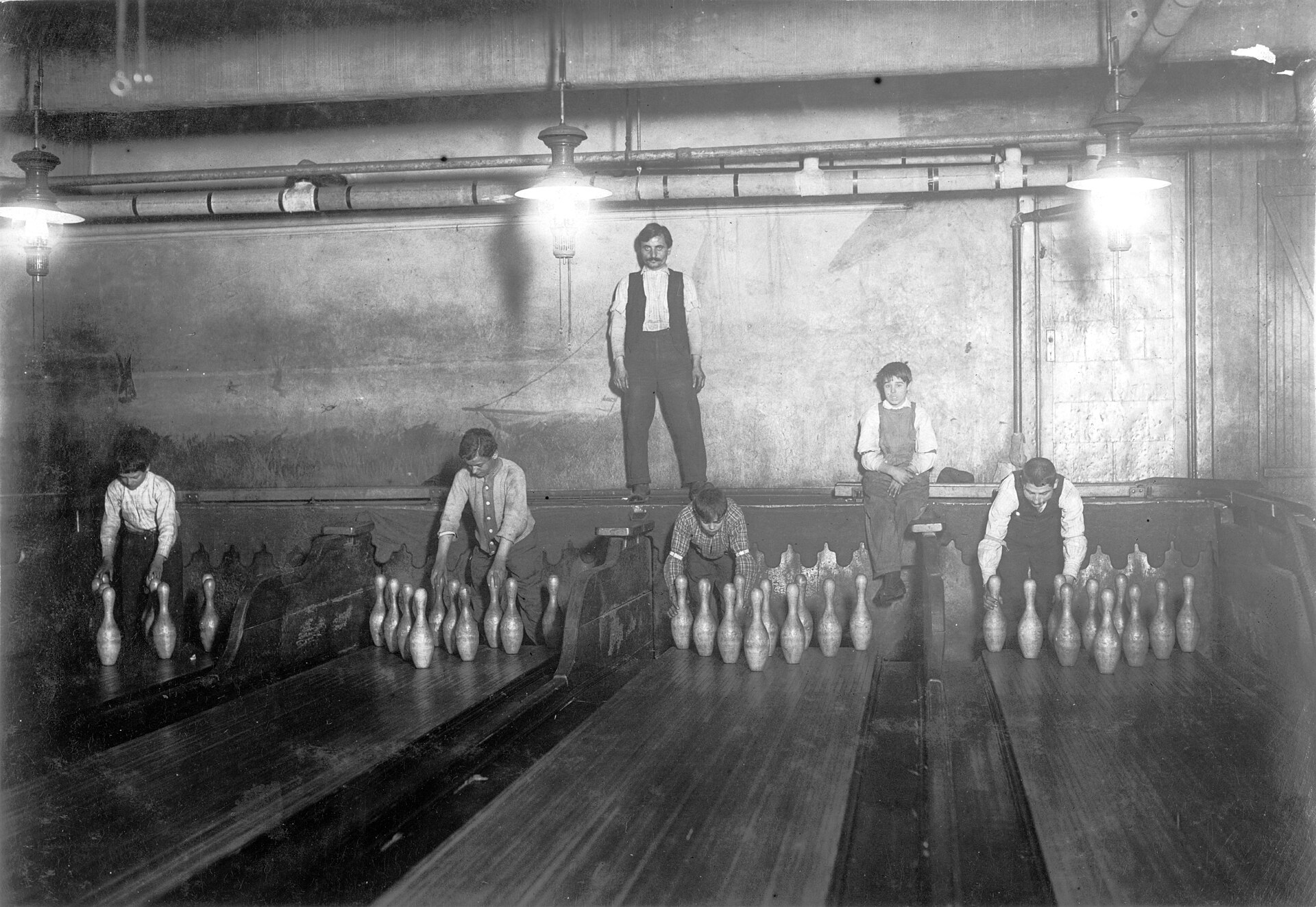
In the early days of bowling, the pins weren’t reset by machines, they were reset by people, usually teenage boys, known as pinsetters or “pin boys.” They sat at the end of the lanes, clearing fallen pins, resetting them by hand into their proper positions, and returning the balls to players, all while dodging flying pins. It was fast, noisy, and sometimes hazardous work. The invention and spread of the automatic mechanical pinsetter in the mid-twentieth century swiftly eliminated the need for human ones, transforming the bowling industry. Today, the idea of a person crouching at the end of a lane to reset pins by hand seems remarkable, but for decades it was simply how bowling worked. The pinsetter is now a piece of sporting history.
The Ice Deliveryman
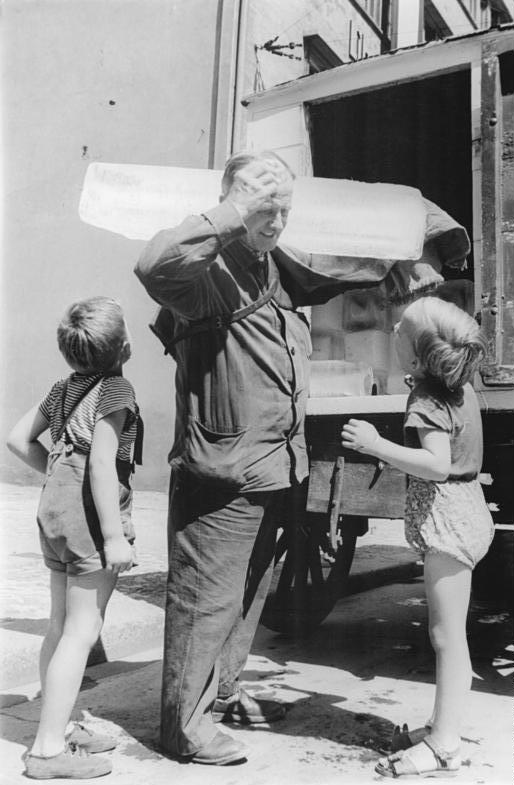
Before electric refrigerators, households kept food cold in an “icebox,” an insulated cabinet cooled by a large block of ice. That ice had to be delivered regularly, and the iceman was the one who hauled enormous frozen blocks, gripped with heavy tongs, up to homes and businesses, often heaving them onto his shoulder. Families would display a card in the window indicating how much ice they needed that day. It was grueling, physically demanding work. The invention and mass adoption of the electric refrigerator, which made ice on demand at home, rendered the iceman obsolete within a generation. Once a vital part of keeping food fresh, the ice deliveryman disappeared as the humming fridge took over kitchens everywhere.
The Typing Pool
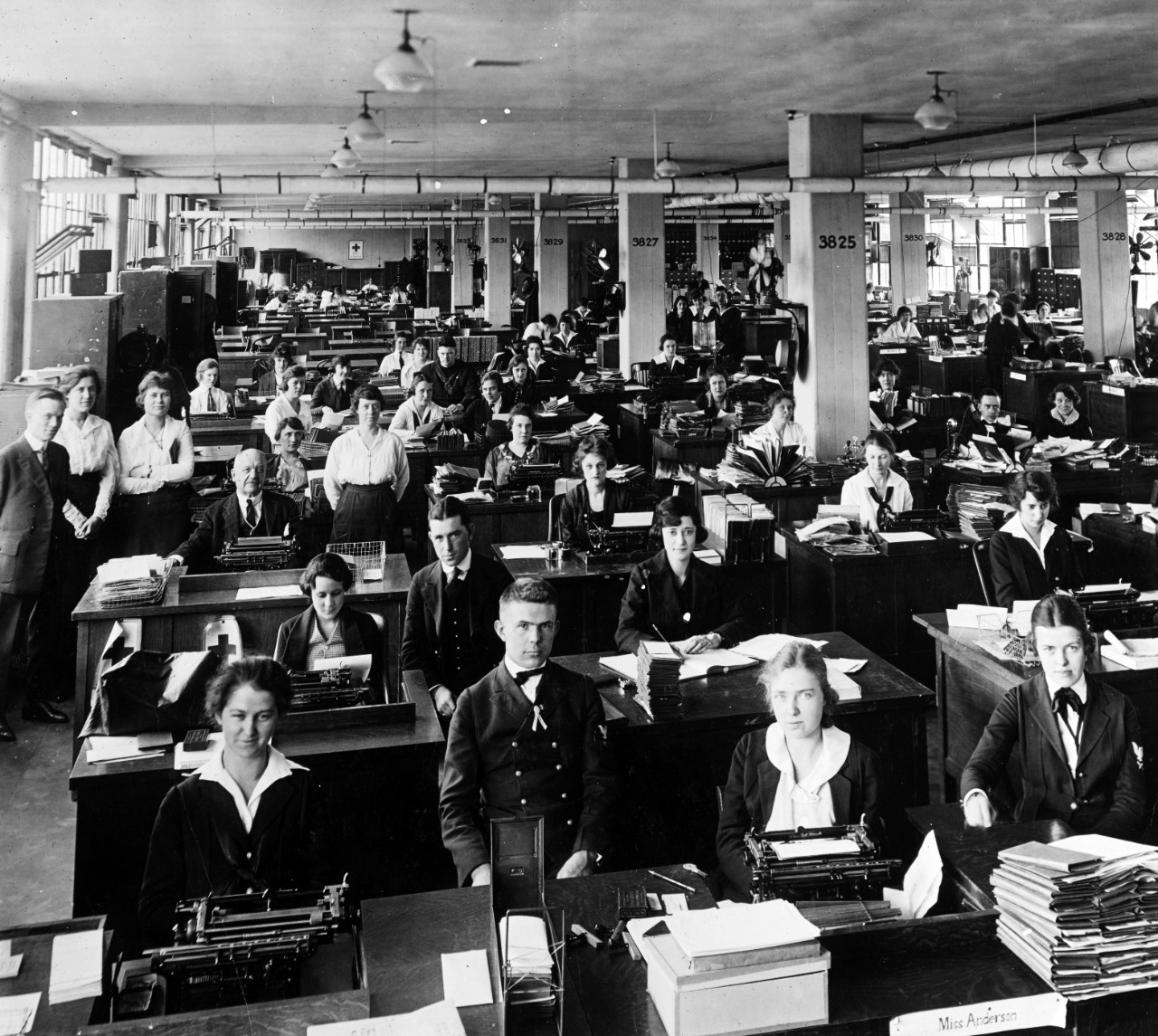
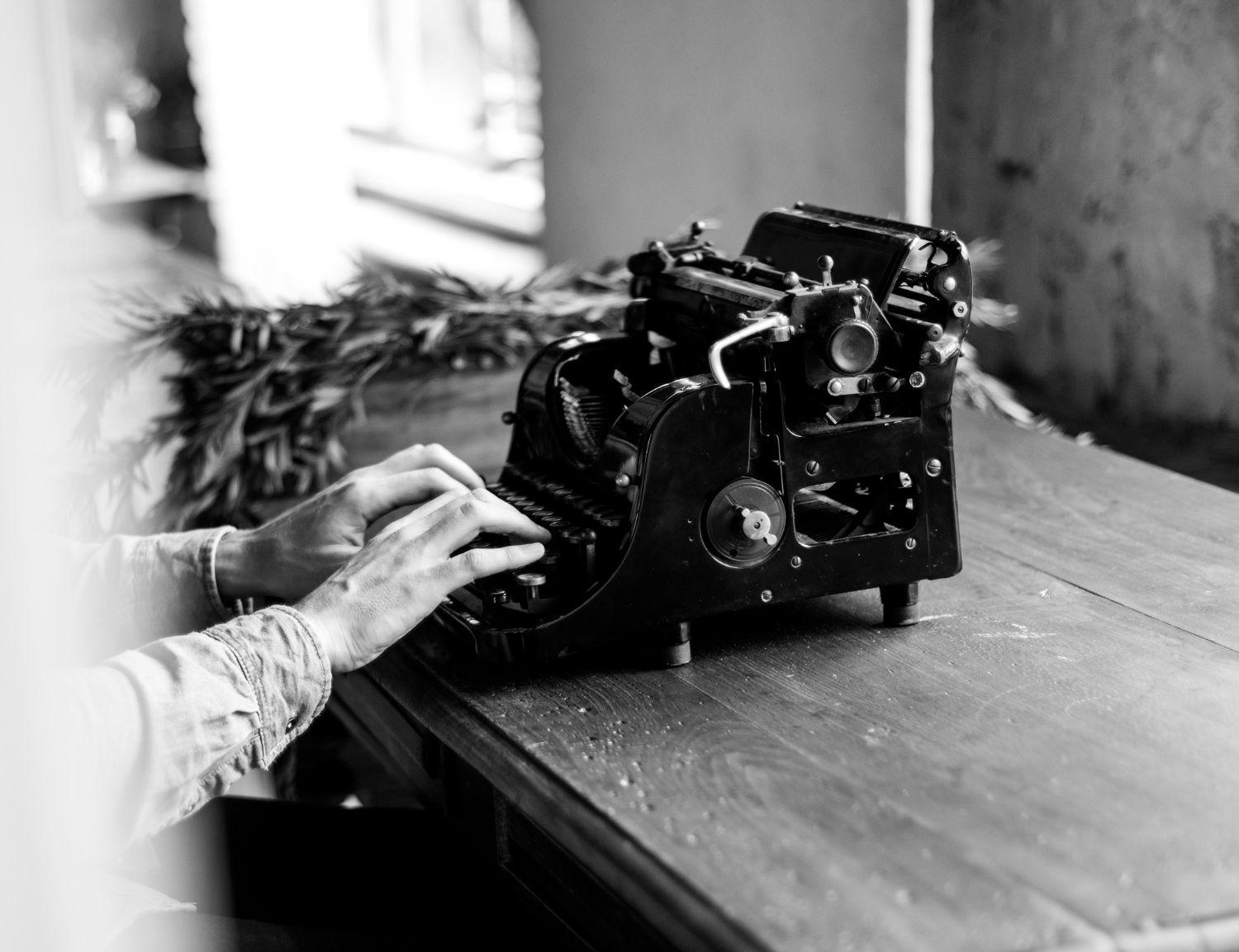
In offices throughout much of the twentieth century, rows of typists, again, often women, worked in dedicated “typing pools,” transcribing dictation and documents on manual and electric typewriters. Producing clean, professional correspondence was a specialized skill, and typing pools were the engine room of business communication, clattering away all day. Speed and accuracy were prized, and a single mistake could mean retyping an entire page. The rise of the personal computer, word processing software, and the expectation that professionals would type their own emails and documents gradually dissolved the typing pool. The role of the dedicated typist, once a common entry point into office work, has largely vanished, absorbed into everyone’s everyday use of a keyboard.
The Video Store Clerk

A more recent casualty, the video store clerk was a familiar figure from the 1980s through the early 2000s. They worked the counter at the local movie-rental shop, recommending films, checking tapes and discs in and out, chasing down late returns, and reshelving the walls of titles. For movie lovers, a knowledgeable clerk was a treasured guide to a good weekend watch. But the rise of mail-order rentals, streaming services, and digital downloads decimated the rental industry, and the once-ubiquitous video store, along with its clerks, all but disappeared in a remarkably short span. The job that introduced so many people to film recommendations now survives only at a handful of beloved holdout stores, a casualty of the streaming age.
The Encyclopedia Salesman
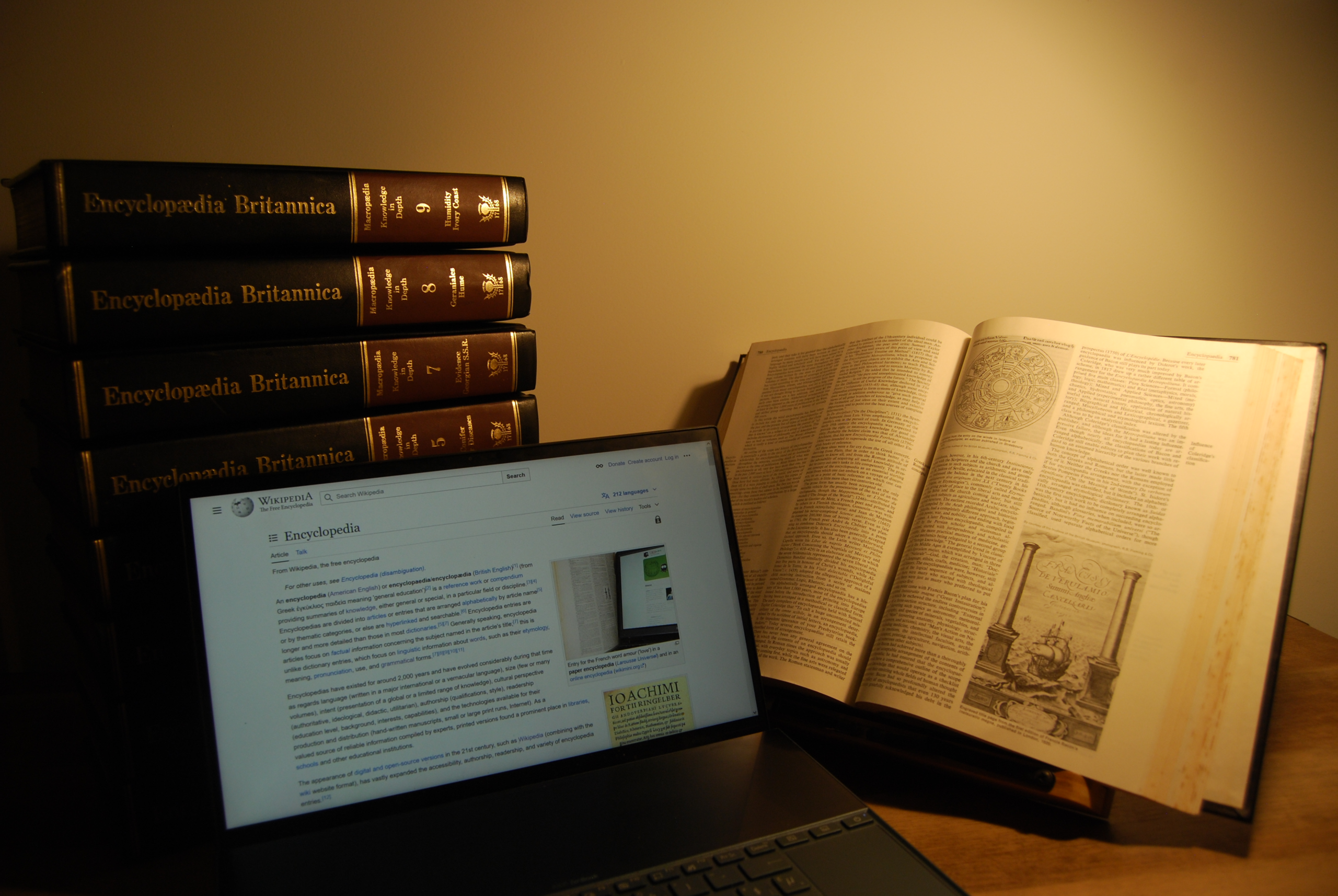
Before the internet put all of human knowledge a click away, families invested in expensive multi-volume encyclopedia sets, and someone had to sell them. The door-to-door encyclopedia salesman was a classic figure of the mid-twentieth century, traveling neighborhoods to pitch parents on the educational value of a beautiful set of reference books for their children, often on an installment plan. It was the original information superhighway, sold one household at a time. The arrival of digital encyclopedias, and then free online search, made printed encyclopedia sets, and the salespeople who sold them, entirely obsolete almost overnight. The encyclopedia salesman, once a symbol of aspiration and self-improvement, is now a vivid reminder of how dramatically access to information has changed.
The Town Crier
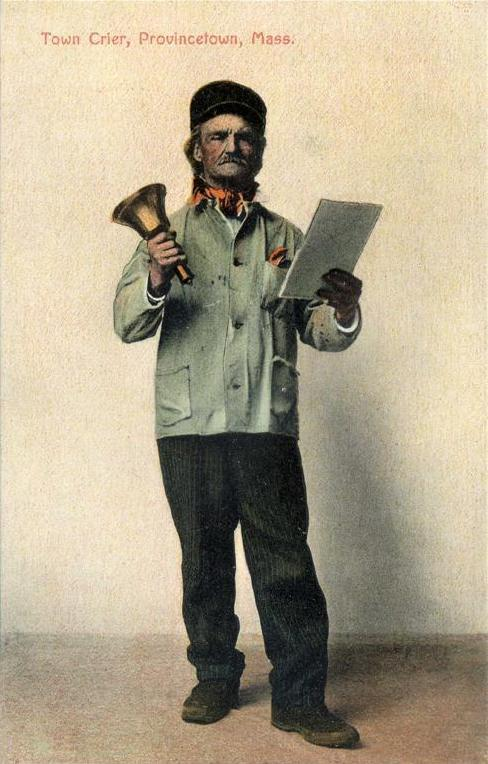
Going back further, the town crier was the original broadcaster, the person who walked through town ringing a bell and shouting “Hear ye, hear ye!” to announce news, proclamations, and important events to a largely non-reading public. In an age before newspapers were widespread, let alone radio, television, or the internet, the crier was a community’s main source of official information. Dressed in distinctive garb, they were figures of real authority and local importance. As literacy spread and printed news, and later electronic media, took over the job of informing the public, the town crier became unnecessary. Today the role survives only ceremonially, in historic towns and at festivals, a charming echo of how communities once shared the news of the day.
A Vanishing World of Work
Looking back at these vanished professions reveals just how profoundly technology and progress reshape everyday life. Each of these jobs was once essential, employing countless people and forming a familiar part of the daily landscape, until an invention or a cultural shift gradually made it redundant. The milkman fell to the refrigerator, the switchboard operator to automation, the encyclopedia salesman to the internet. It’s a reminder that the world of work is always evolving, and that many of today’s common jobs may one day seem just as quaint to future generations. These faded professions deserve a fond look back, a tribute to the workers who kept daily life running in a world very different from our own.
Like our content? Follow us for more.
