Some of the foods and drinks we love most are, it turns out, surprisingly fragile. Many depend on very specific growing conditions, narrow temperature ranges, particular rainfall patterns, stable seasons, that climate change is increasingly disrupting. Add in the threat of crop diseases that spread more easily in warming conditions, and a number of everyday staples that we assume will always be on the shelf are facing genuinely uncertain futures. None of this means these foods will vanish overnight, and researchers and farmers are working hard to adapt. But the warnings are real, and worth understanding. Here is a look at some of the beloved foods scientists say could become scarcer or more endangered in the coming decades, and why. These are projections of risk, not certainties.
Coffee

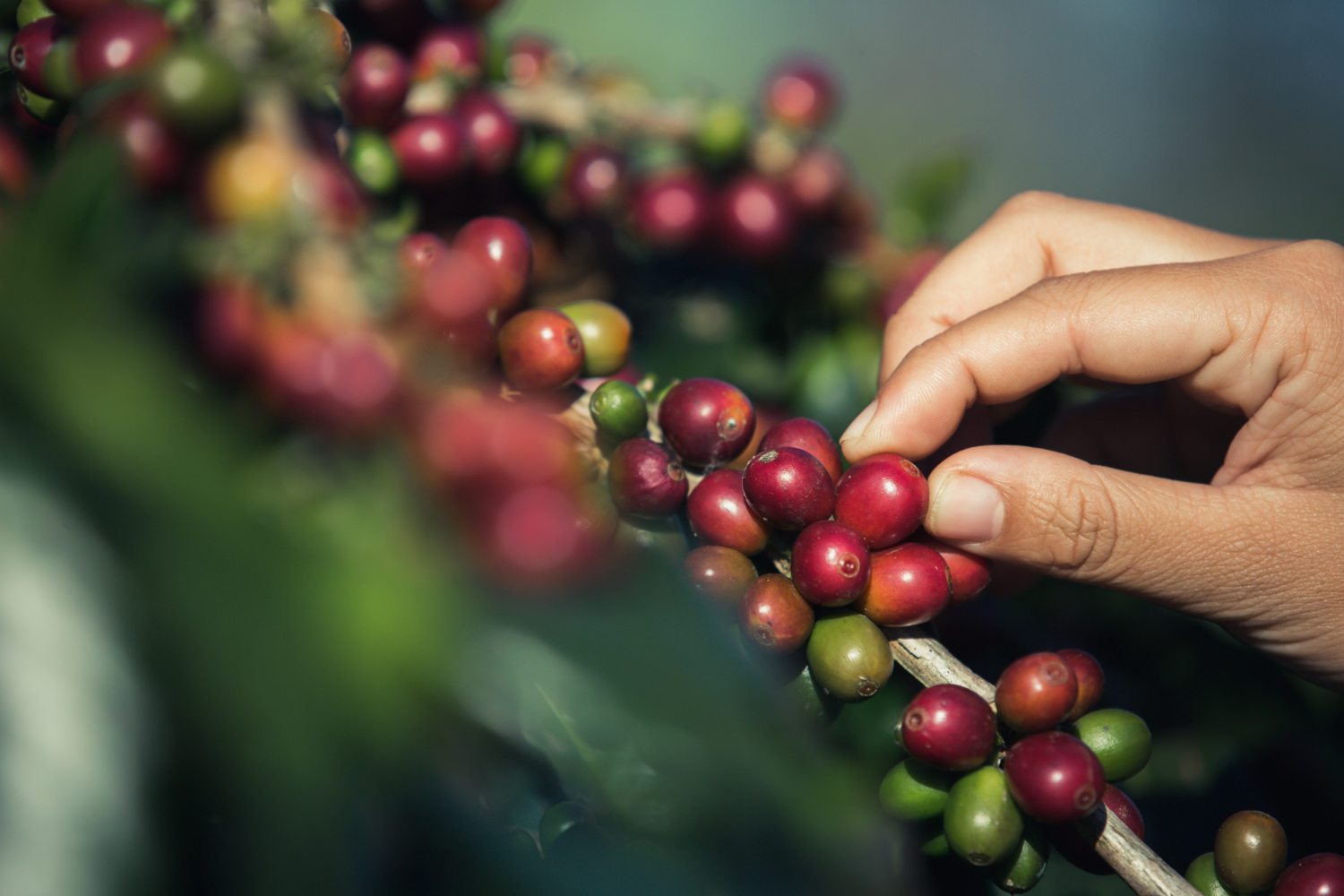
For millions, the day cannot begin without coffee, which makes the warnings about its future especially sobering. Coffee, particularly the prized arabica variety that makes up much of what we drink, is highly sensitive to temperature and rainfall, and studies suggest that a large share of the land currently suitable for growing it could become unsuitable in the coming decades as the climate warms.
Researchers have warned that many wild coffee species are at risk of extinction, and that warming conditions also help spread devastating threats like coffee leaf rust, a fungal disease. In a worst-case scenario, some scientists have suggested arabica could become far scarcer well within this century. The good news is that the coffee industry and researchers are racing to develop more resilient varieties and farming methods. Still, coffee lovers may face higher prices and a changing product as growers adapt to a warming world.
Like our content? Follow us for more.
Chocolate

Chocolate lovers, brace yourselves: the cacao tree, from which chocolate is made, is another crop facing serious climate pressure. Cacao grows only in a narrow band of hot, humid regions near the equator, and shifting temperatures and rainfall patterns threaten to shrink the areas where it can thrive, with some studies warning that a significant portion of current cacao-growing land could become less suitable in the coming decades.
The threat is taken so seriously that major chocolate companies have funded scientific research to help cacao adapt and survive. Because cacao depends on such specific conditions and cannot simply be relocated to cooler, higher ground indefinitely, the challenge is significant. While chocolate is not about to disappear from shelves, experts warn that supply pressures could mean higher prices and that securing chocolate’s long-term future will require real effort and innovation in how and where cacao is grown.
Bananas
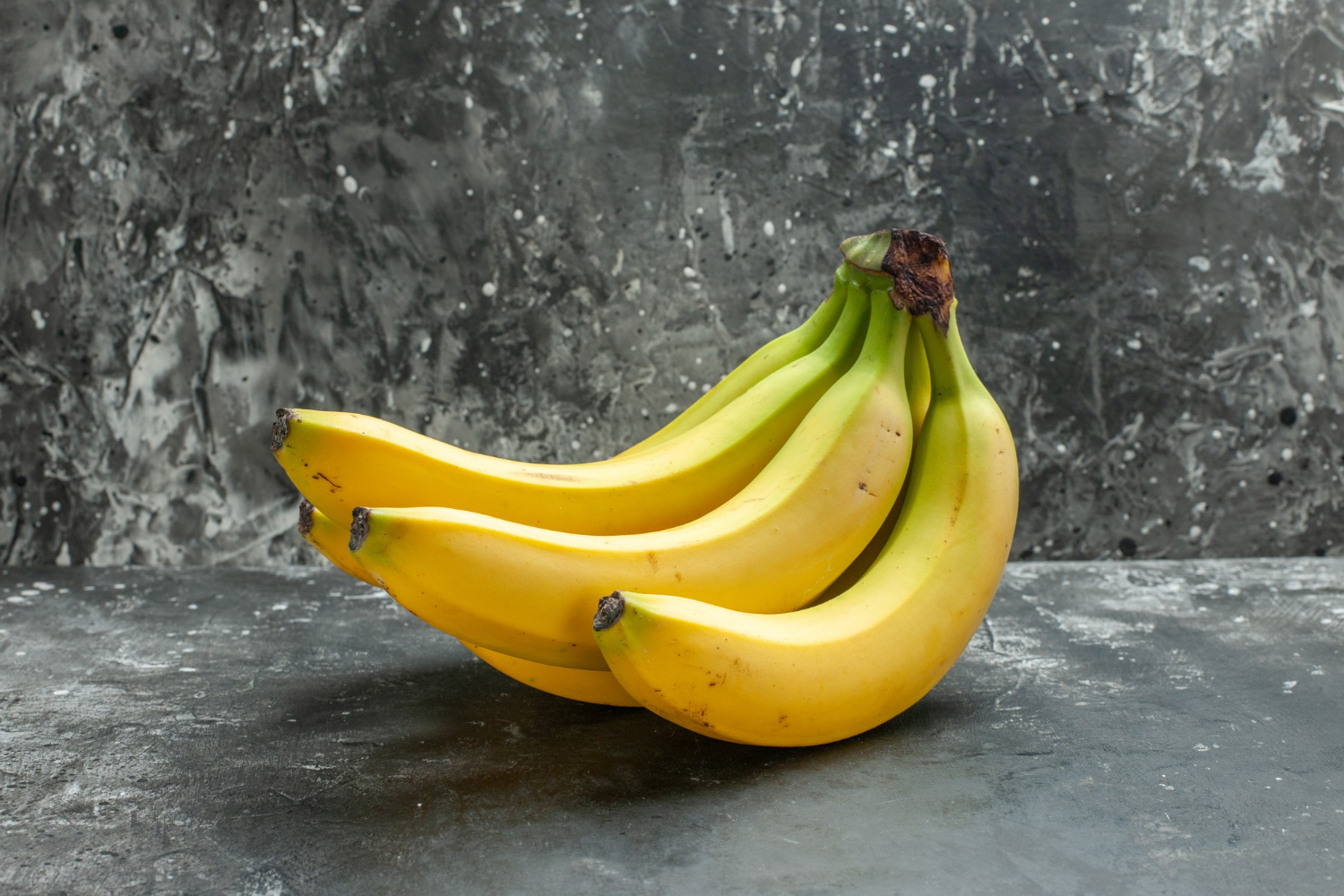
The banana is the world’s most popular fruit and a dietary staple for millions, which makes its vulnerability particularly concerning. The issue is twofold: climate change is altering the conditions bananas need, and the most widely exported variety, the Cavendish, is threatened by devastating diseases, including a soil-borne fungal infection often called Panama disease that can render land unusable for banana growing.
Because most exported bananas are essentially genetic clones of a single variety, they are especially susceptible to a disease that can spread widely. Studies have warned that banana production in a number of countries could be significantly affected in the coming decades by the combination of disease and adverse climate conditions. Researchers are working on more resilient varieties and disease-resistant alternatives. The banana as we know it may not vanish, but its future supply and the dominance of the familiar Cavendish are genuinely uncertain.
Wine

A glass of wine may also be affected by our changing climate, though in a more complex way. Wine grapes are famously sensitive to temperature and growing conditions, which is why specific regions have become renowned for specific wines over centuries. As the climate shifts, traditional wine regions are seeing changes in harvest timing, grape ripening, and the character of their wines, and some areas may become less suitable for the grapes they have long grown.
The result is not so much that wine will disappear as that the wine map of the world may be redrawn, with some classic regions struggling and new, cooler regions emerging as viable for grape growing. Winemakers are adapting by adjusting techniques, planting different grape varieties, and even moving to new areas. For wine lovers, the changes may mean shifts in where their favorite wines come from and how they taste, a reminder of just how closely wine is tied to climate and place.
Rice and Other Staples
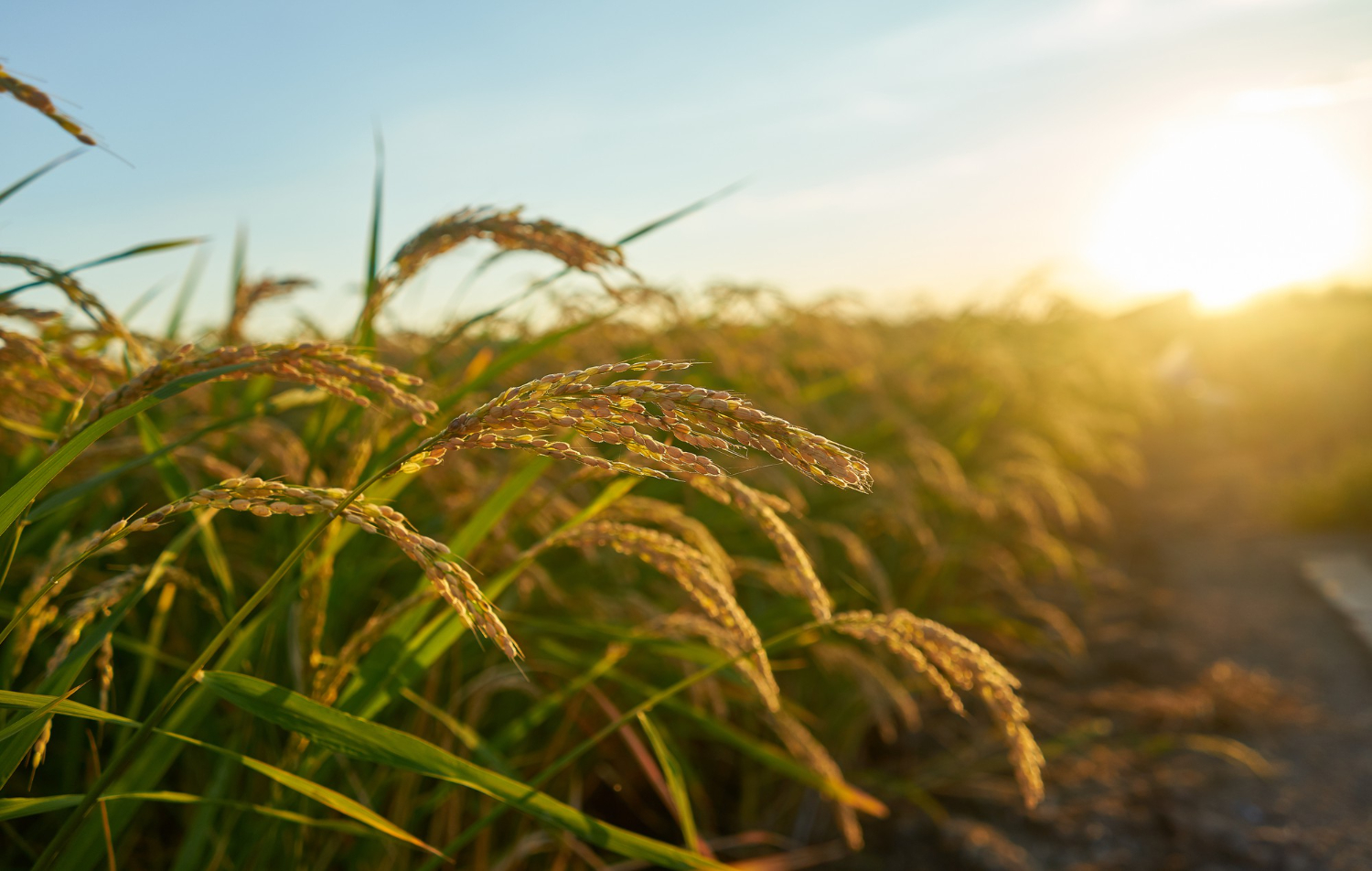
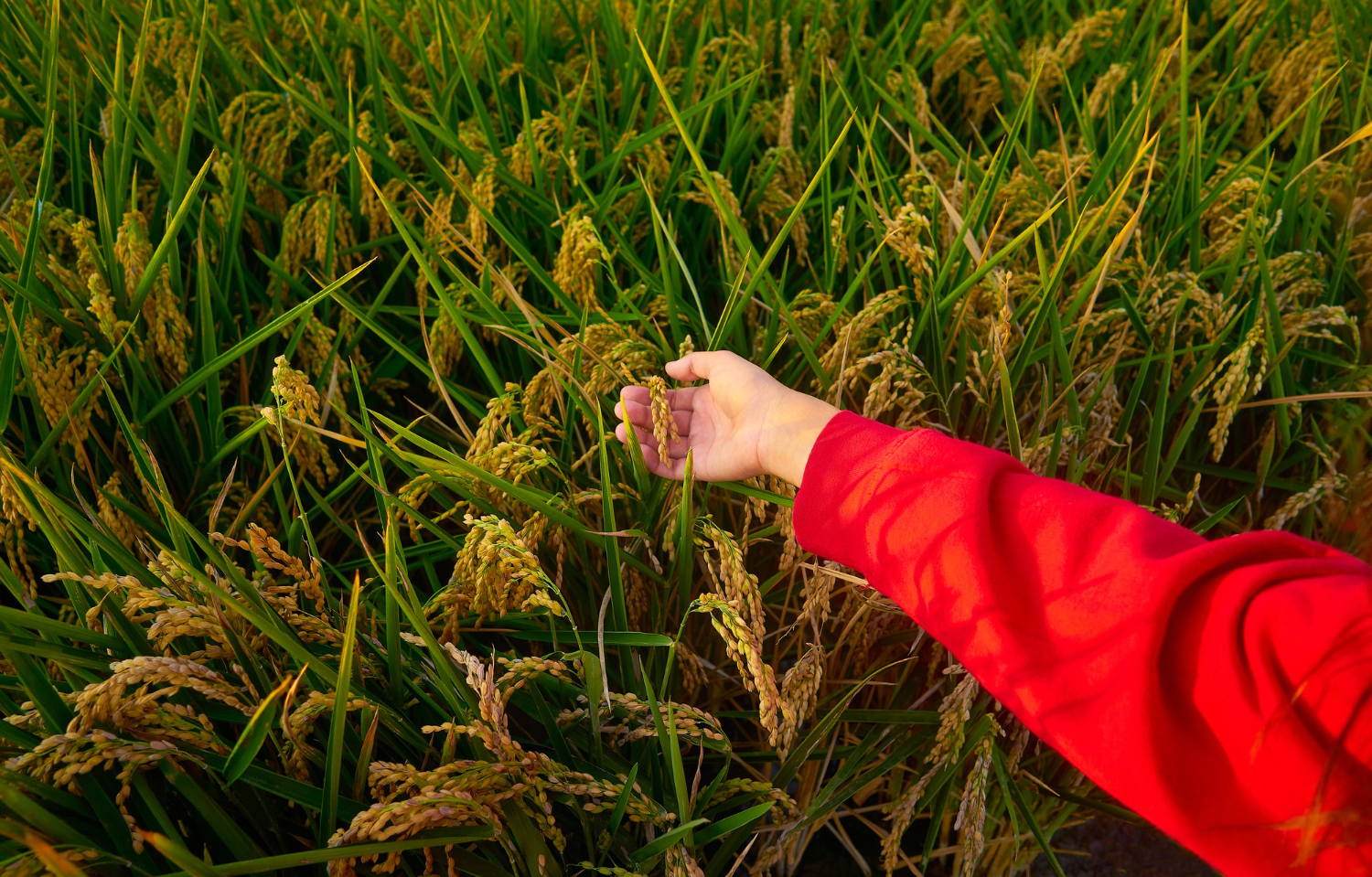
Beyond treats and indulgences, climate change threatens some of the staple crops that feed much of the world. Rice, a dietary cornerstone for billions, is vulnerable to rising temperatures, changing rainfall, and rising sea levels that can bring saltwater into the low-lying coastal areas where much of the world’s rice is grown, particularly across Asia.
Other staples and everyday foods face their own pressures, from grains to legumes to various fruits and vegetables, as shifting conditions affect where and how reliably they can be grown. Because these crops feed so many people, threats to their production carry serious implications for global food security, not just for variety on the dinner table. Scientists and farmers are working on more resilient crop varieties and adaptive farming methods, but the vulnerability of these fundamental foods underscores how deeply our food supply is tied to a stable climate.
Seafood, Honey, and More
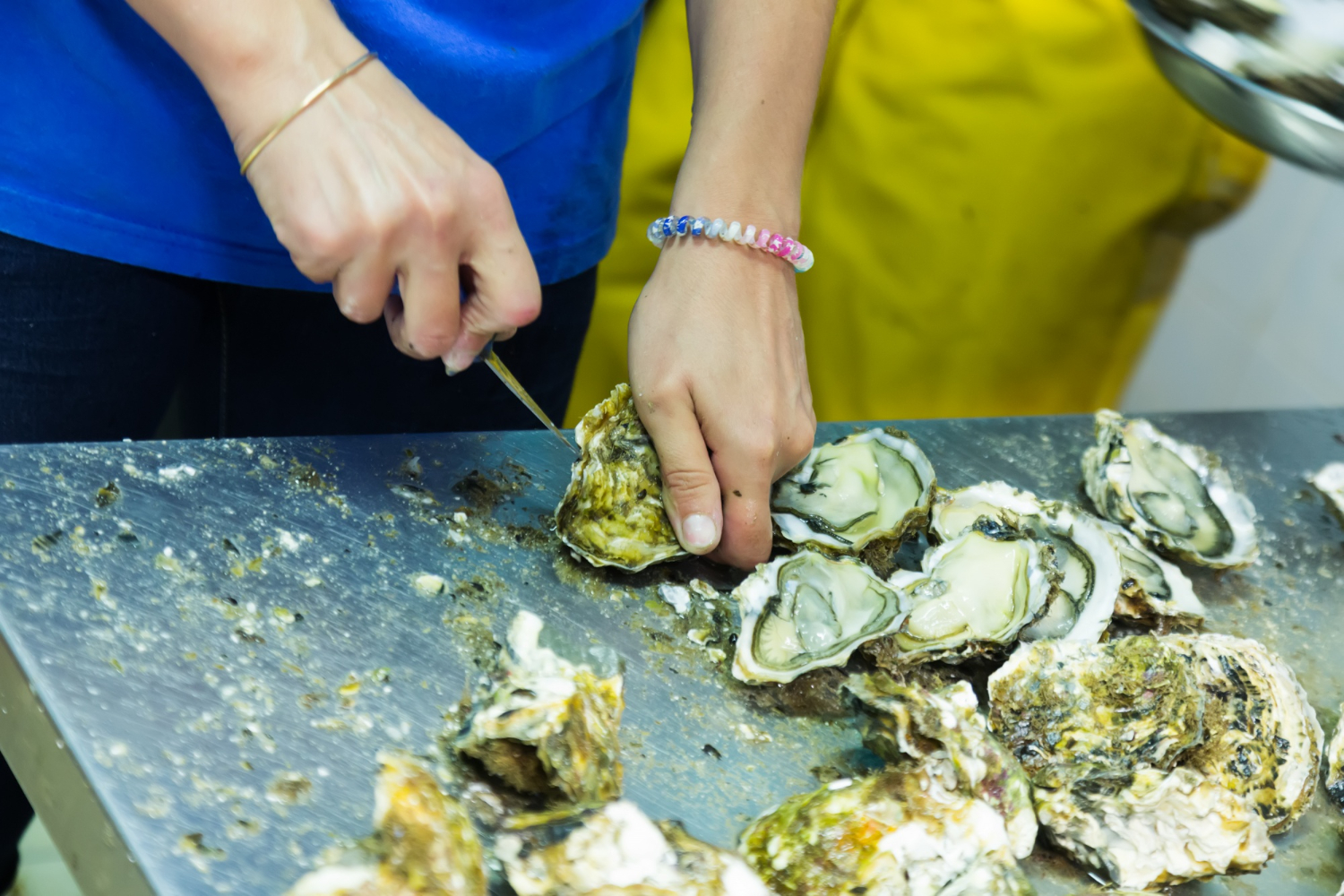
The threats extend to the sea and beyond. Warming and changing ocean conditions affect marine life and the seafood we depend on, with species like certain shellfish and fish facing pressure from shifting temperatures and changing ocean chemistry. Coastal and marine food sources that many communities rely on are increasingly affected.
Honey and the crops that depend on pollinators are another concern, as pressures on bees and other pollinating insects ripple through the food system, since many of our fruits, nuts, and vegetables depend on pollination. Various other beloved foods, from certain nuts to particular fruits, have been flagged by researchers as potentially vulnerable to changing conditions. Together, these warnings paint a picture of a food system under growing strain, where many of the foods we take for granted face real, if gradual, pressures.
What This Means, and Reasons for Hope
It is important to keep these warnings in perspective. These are projections of risk and pressure, not predictions that your morning coffee or favorite chocolate bar will simply vanish from shelves tomorrow. What experts more realistically foresee, absent strong adaptation, is a future of greater scarcity, higher prices, shifting growing regions, and changes in quality or variety for many of these foods, rather than their outright disappearance.
There are also genuine reasons for hope. Around the world, scientists, farmers, and companies are working hard to adapt: developing more resilient and disease-resistant crop varieties, improving farming practices, finding new growing regions, and investing in research to safeguard vulnerable foods. Efforts to address the underlying drivers of climate change are central to the longer-term picture. The future of these beloved foods is not yet written, and human ingenuity has overcome agricultural challenges before. Understanding which foods are at risk, and why, is a useful first step toward appreciating, and helping protect, the remarkable and surprisingly fragile abundance we so often take for granted.
Like our content? Follow us for more.