
Where would you go if you could live anywhere in the world? It turns out that a huge share of humanity has an answer, and that those answers cluster around a surprisingly small group of countries. For years, pollsters have asked adults around the globe whether they would like to move to another country permanently if they had the chance, and where they would go. The findings are striking: a large slice of the world’s population would emigrate if they could, and a handful of destinations capture the lion’s share of that desire. Here is a look at the countries the world most wants to move to, based on large international surveys, and what makes them so appealing. It is worth remembering that wanting to move is very different from actually doing so.
The United States: The World’s Top Choice
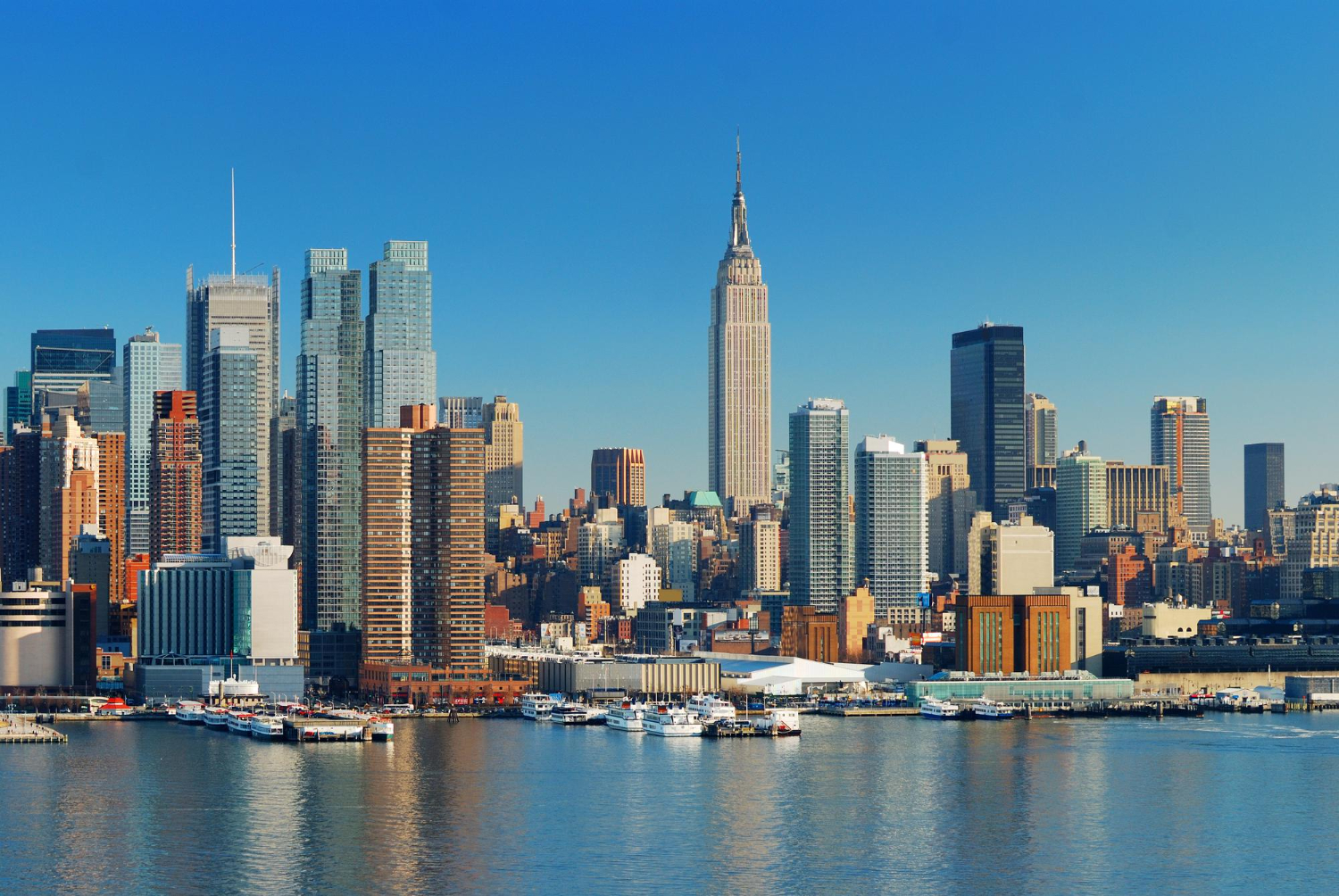
For over a decade, one country has consistently topped the list of where the world’s would-be migrants want to go: the United States. International surveys have repeatedly found the U.S. to be the single most desired destination, named by roughly one in five potential migrants worldwide, which translates to well over 100 million adults.
The enduring appeal of the United States reflects its long-standing image as a land of opportunity, its large existing immigrant communities, its economic scale, and its global cultural footprint. Although surveys suggest the desire to move to the U.S. has cooled somewhat from its peak in recent years, it has remained the world’s number-one aspirational destination throughout the period these patterns have been tracked. For a vast number of people around the globe, the American dream still exerts a powerful pull.
Like our content? Follow us for more.
Canada: The Strong Second
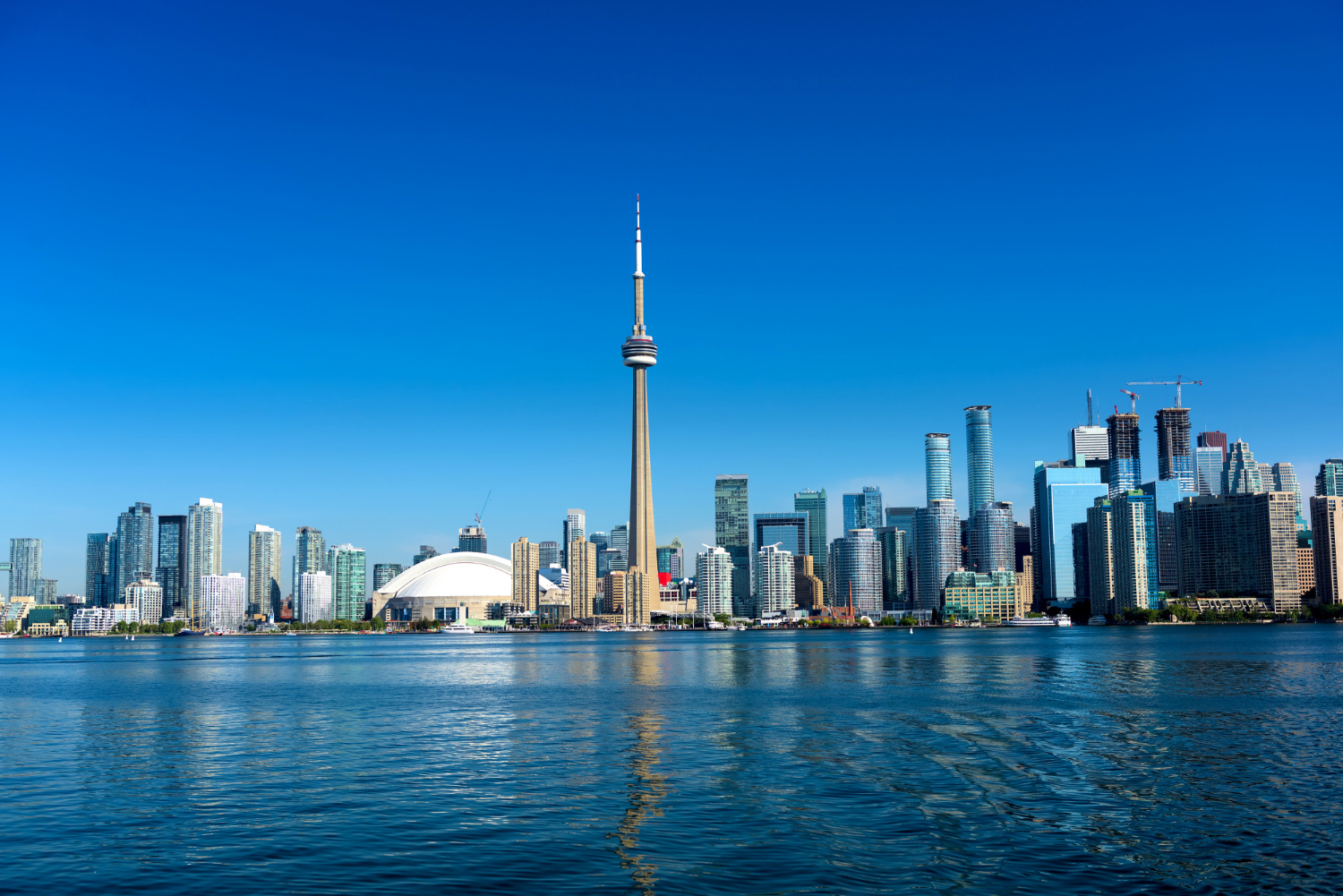
Coming in consistently as the second most-desired destination is Canada, which appeals to tens of millions of would-be migrants worldwide. The country’s reputation for welcoming immigrants, its high quality of life, and its relative openness have made it an increasingly attractive choice, and surveys show its appeal has grown over time.
Canada’s draw is reinforced by its actual immigration policies, which have historically been more open than many countries’, and by its image as a stable, prosperous, and tolerant society. As enthusiasm for some other destinations has fluctuated, Canada has steadily strengthened its position near the top of the global wish list. For many potential migrants, especially those seeking opportunity in a welcoming environment, Canada represents an appealing northern alternative to its larger neighbor.
Germany and the United Kingdom
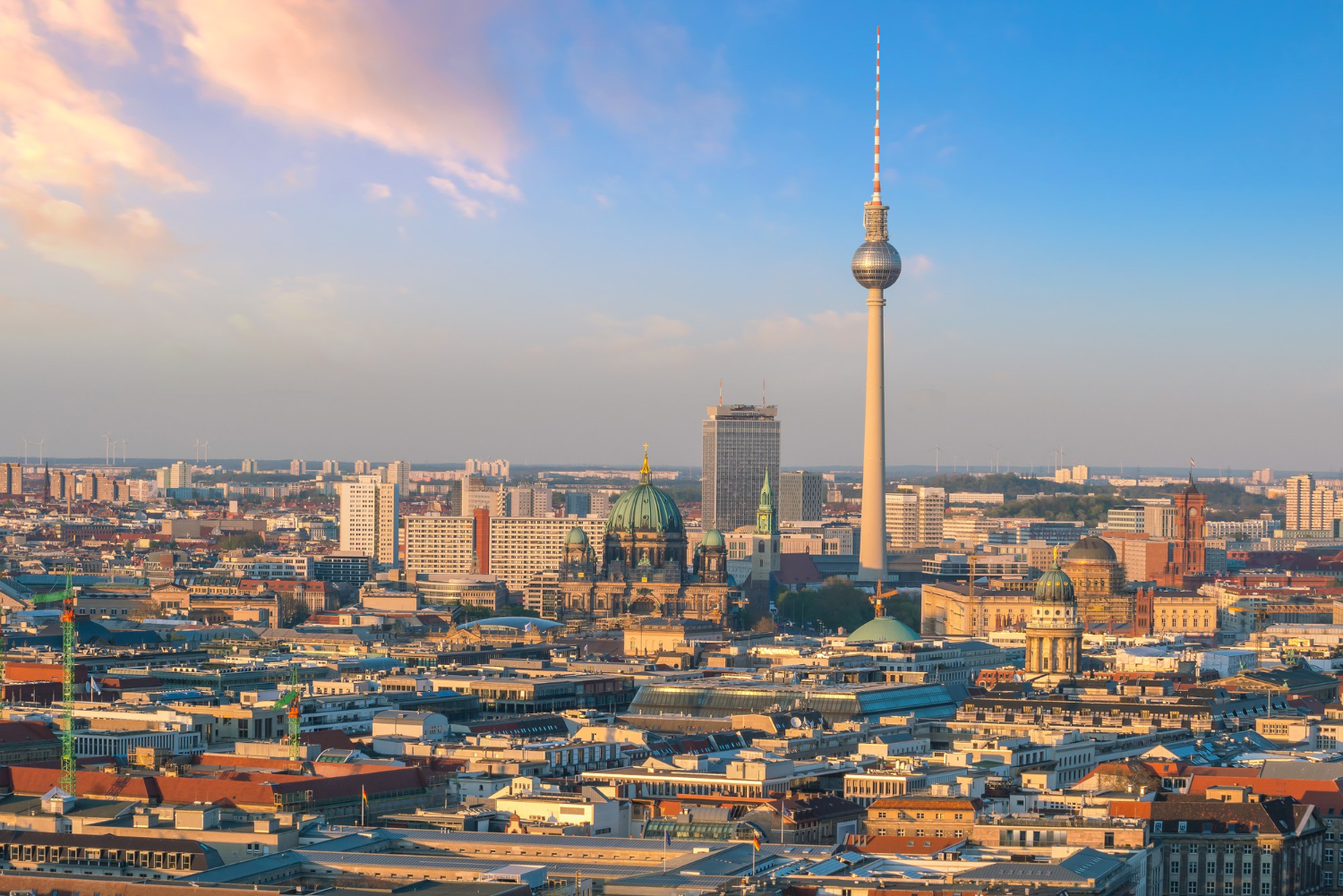
Two of Europe’s largest economies, Germany and the United Kingdom, rank among the most desired destinations worldwide, each appealing to tens of millions of potential migrants. Germany, as Europe’s economic powerhouse, draws those seeking employment and stability, while the U.K. retains strong pull thanks to language, history, and its global connections.
Both countries have long been major migration destinations within Europe and beyond, with established immigrant communities that make them natural choices for newcomers. Their strong economies, robust social systems, and global cultural and historical ties keep them high on the list of where the world wants to move. Together with the United States and Canada, they form the core of the English-speaking and Western European destinations that dominate global migration aspirations.
France, Australia, and Saudi Arabia

Rounding out the most-desired destinations are France, Australia, and Saudi Arabia, each of which appeals to tens of millions of potential migrants for different reasons. France draws those attracted to its economy, language, and culture, while Australia’s high quality of life, space, and opportunity make it a perennial favorite despite its distance from much of the world.
Saudi Arabia’s strong showing reflects a different kind of migration: it is a major destination for workers from across Asia, the Middle East, and Africa, drawn by employment opportunities. The presence of these varied countries near the top of the list shows that migration aspirations are shaped by a mix of factors, economic opportunity, lifestyle, language, and existing communities, and that the pull is not limited to the traditional Western destinations alone.
The Big Picture: Hundreds of Millions on the Move in Their Dreams

Behind these country rankings lies a remarkable global reality. Surveys have found that a significant share of the world’s adults, amounting to hundreds of millions of people, would move to another country permanently if they had the opportunity. This vast pool of potential migrants represents one of the defining social forces of our era.
Strikingly, the destinations people name have stayed remarkably consistent over many years, with a relatively small group of around 18 countries attracting roughly two-thirds of all the world’s would-be migrants. The forces pushing people to consider leaving home, economic hardship, conflict, lack of opportunity, and the forces pulling them toward specific countries, prosperity, stability, and community, combine to create these durable patterns. The map of global migration desire is, in its way, a map of where the world believes opportunity and security lie.
Why Desire Is Not the Same as Departure

One crucial point runs through all of this data: wanting to move is very different from actually moving. Pollsters consistently emphasize that the share of people who say they would like to emigrate is far larger than the share who have any concrete plans to do so, and larger still than the number who ever actually will. Most people who dream of moving abroad never leave home.
The gap between aspiration and action is enormous, shaped by the practical realities of cost, visas, family ties, language, and the sheer difficulty of uprooting a life. Not everyone who wants to move can move, and not everyone who can, ultimately does. The surveys capture longing and possibility rather than firm intention. Still, that longing is meaningful: it reflects how people around the world perceive opportunity, and it hints at the pressures and aspirations shaping our interconnected age.
What the Rankings Reveal About the World

Taken together, these findings offer a fascinating window into global perceptions. The countries that top the list, the United States, Canada, the major economies of Western Europe, Australia, and a handful of others, are the places the world’s people associate with opportunity, safety, and a better life. The consistency of these patterns over time underscores how durable these perceptions are.
The data also reveals shifting currents beneath the surface, as enthusiasm for particular destinations rises and falls with economic conditions, political climates, and changing policies. Recent years have seen some notable shifts in the relative appeal of various countries, even as the overall hierarchy has held. For anyone curious about how the world sees itself and where it imagines a better future, these rankings are genuinely illuminating, a snapshot of humanity’s collective aspirations, and a reminder of the powerful, enduring pull that a handful of countries exert on the dreams of people everywhere.
Like our content? Follow us for more.