

For anyone who remembers hosting or attending dinner parties in the 1970s, certain dishes are inseparable from the memory: the communal fondue pot bubbling at the center of the table, the wobbling tower of a gelatin salad, the dramatic reveal of a flaming dessert. Home entertaining was a true art form in that era, with hosts eager to impress guests with elaborate, fashionable, and sometimes wonderfully strange creations. Many of those once-ubiquitous dishes have since vanished almost completely, victims of changing tastes, busier lives, and evolving ideas about food. Here is a fond and slightly amused tour of the dinner-party dishes that defined the 1970s, and the reasons they faded from our tables.
Fondue
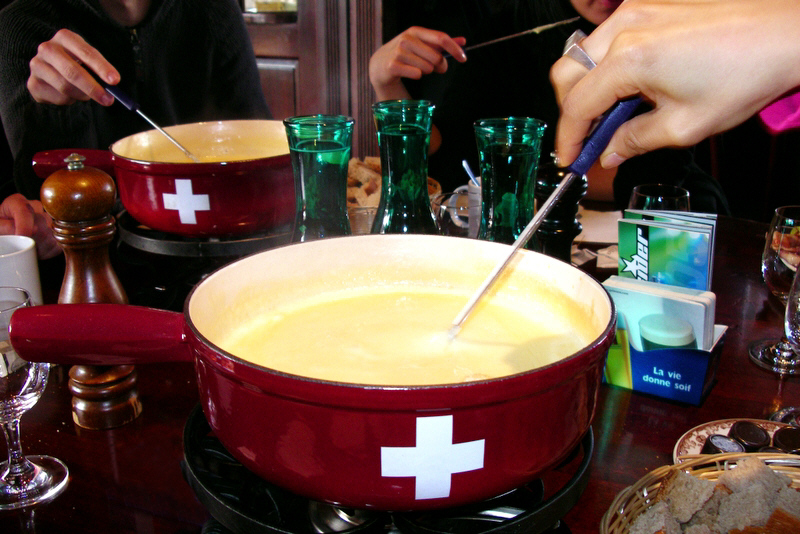
No dish captures the spirit of 1970s entertaining quite like fondue. The fondue pot, a wedding-gift staple, took center stage at countless gatherings, with guests gathering around to dip bread into melted cheese or fruit and cake into warm chocolate. It was social, interactive, and felt impossibly sophisticated and continental.
Fondue’s appeal lay in its communal, convivial nature, perfect for the relaxed, groovy entertaining style of the decade. But as tastes shifted toward lighter, fresher fare and the novelty wore off, the fondue pot was relegated to the back of the cupboard. While fondue enjoys the occasional nostalgic revival, it has largely vanished as a default party centerpiece. For many, the very sight of a fondue fork instantly conjures the avocado-and-harvest-gold kitchens of the 1970s.
Like our content? Follow us for more.
Aspic and Savory Gelatin Molds
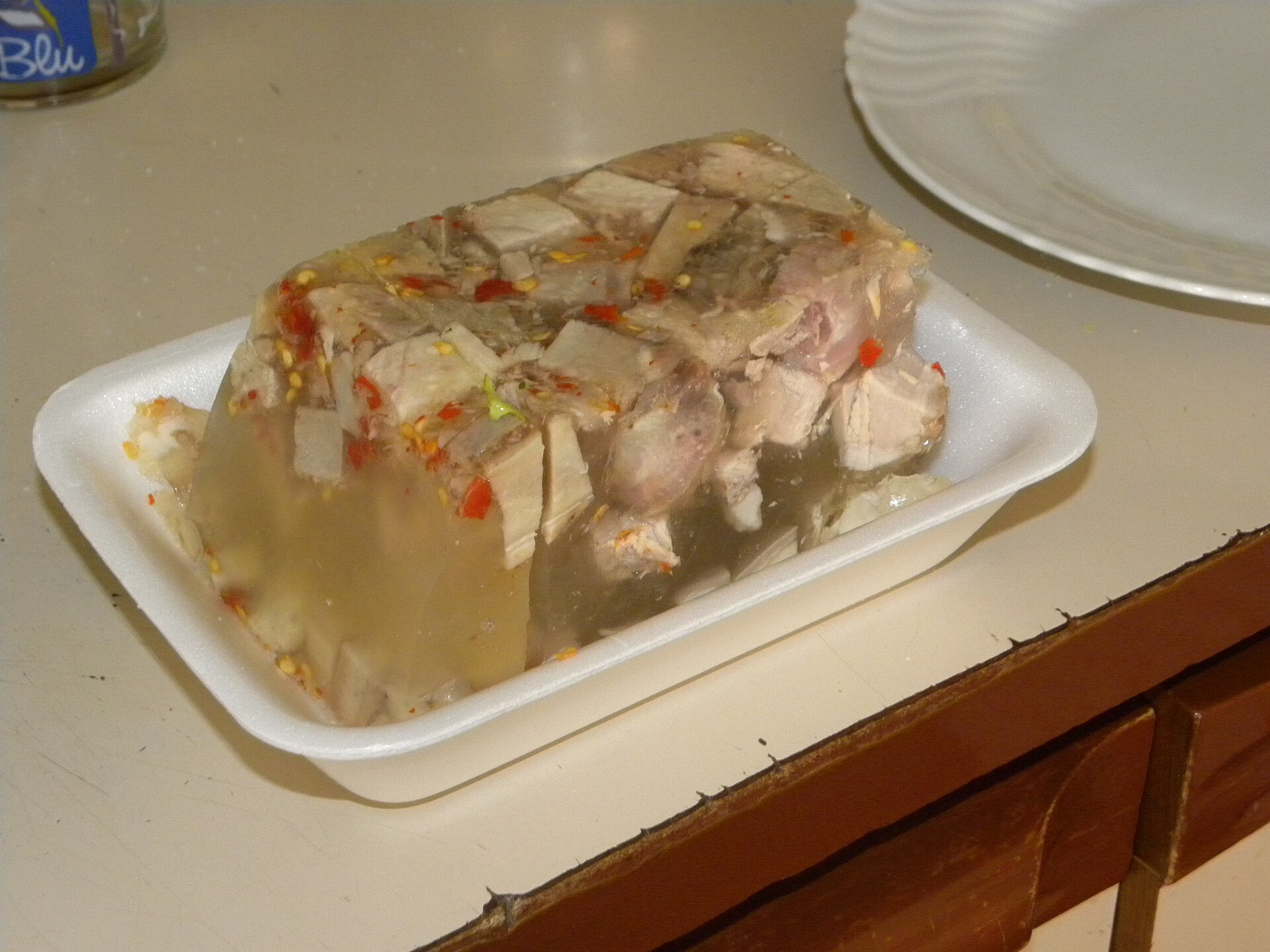
Perhaps no category of 1970s food seems stranger to modern eyes than the savory gelatin mold. Hosts encased everything from vegetables and seafood to eggs and meat in shimmering, jiggling towers of unsweetened gelatin, often called aspic, presenting them as elegant centerpieces. The more elaborate and surprising the contents, the better.
These savory jellies, with their wobbling, translucent forms suspending unexpected ingredients, were considered the height of fashionable presentation. To contemporary tastes, the idea of shrimp or vegetables trapped in quivering gelatin can seem bizarre or even unappetizing, which is precisely why they have all but disappeared. The savory gelatin mold has become a kind of shorthand for the more eccentric culinary enthusiasms of mid-century home cooking, fondly mocked and rarely attempted today.
Jell-O Salads
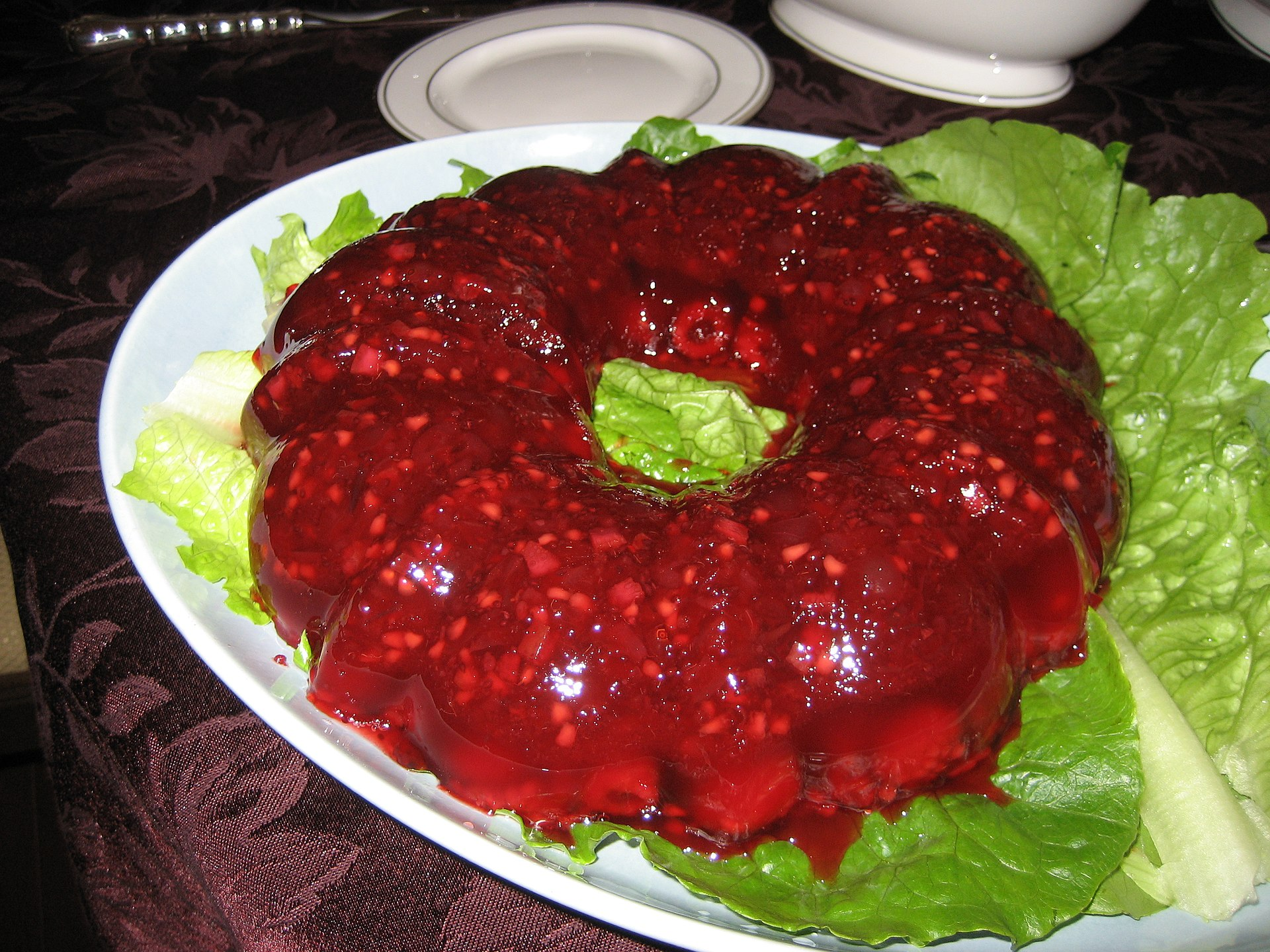
Closely related, and equally emblematic, was the sweet Jell-O salad. These brightly colored gelatin creations often combined fruit, marshmallows, whipped topping, nuts, and sometimes more surprising additions like shredded carrots or cottage cheese, set into festive molds. They straddled the line between salad and dessert in a way that defined an era.
A staple of potlucks, holidays, and dinner parties, the Jell-O salad was colorful, easy to make ahead, and considered a crowd-pleaser. As tastes moved toward fresh, whole ingredients and away from processed convenience foods, these sweet gelatin concoctions fell dramatically out of favor. Though they still make occasional appearances at nostalgic family gatherings, the Jell-O salad has largely vanished from the modern table, a sweet, jiggling relic of a bygone culinary age.
Baked Alaska
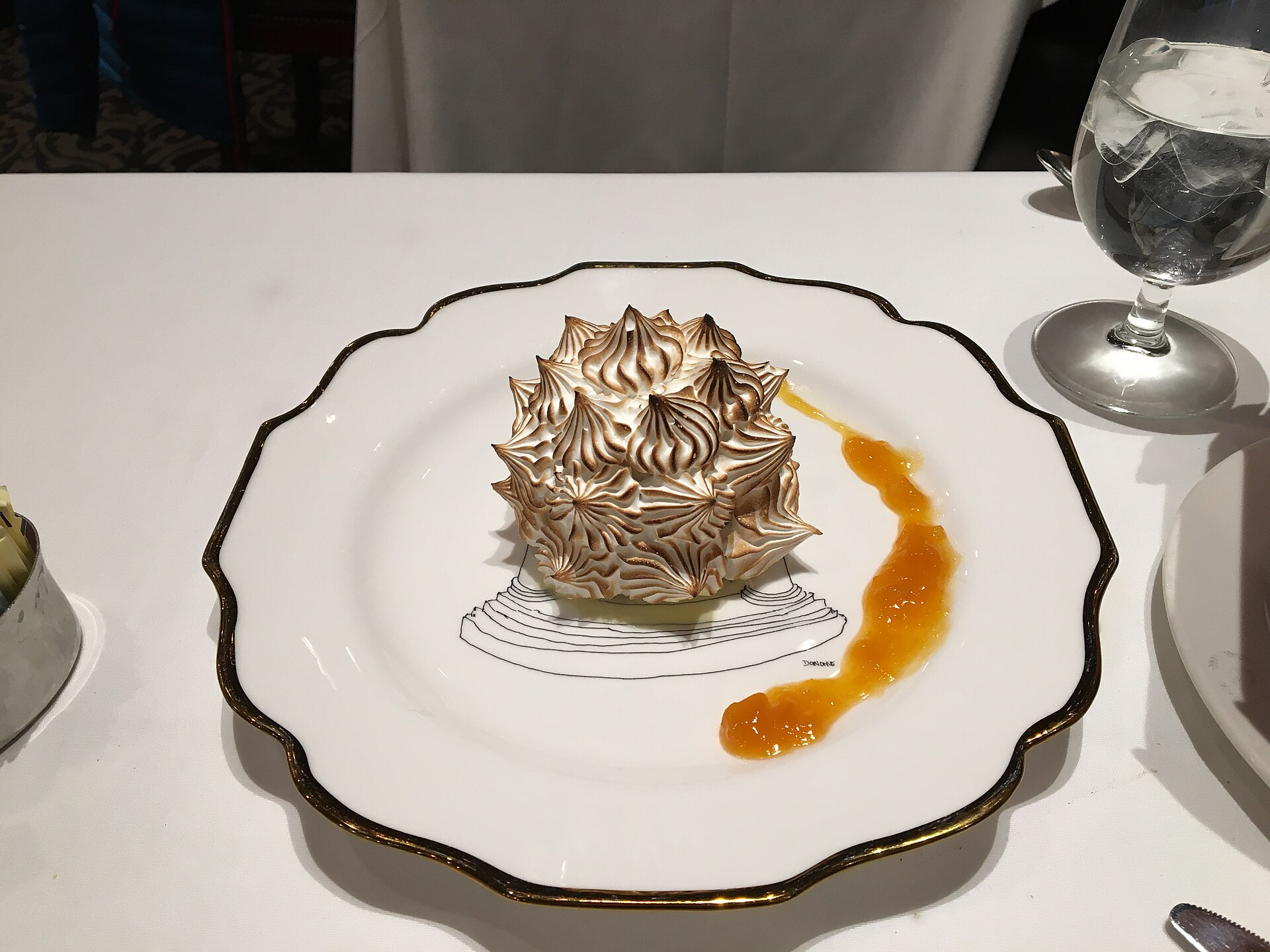
For hosts seeking a showstopping finale, nothing beat Baked Alaska. This dramatic dessert, ice cream encased in cake and meringue, then briefly browned or even flambéed so the outside was warm while the inside stayed frozen, was the ultimate dinner-party flourish, often presented flaming to delighted gasps.
The appeal of Baked Alaska was pure theater: the contrast of hot and cold, the impressive technique, the dramatic tableside presentation. But it was also fussy and time-consuming to make, and as entertaining grew more casual and time-pressed, such elaborate showpieces fell out of favor. Baked Alaska survives mainly as a retro novelty, but in the 1970s it was the height of dinner-party ambition, a dessert designed to impress and delight in equal measure.
The Cheese Ball
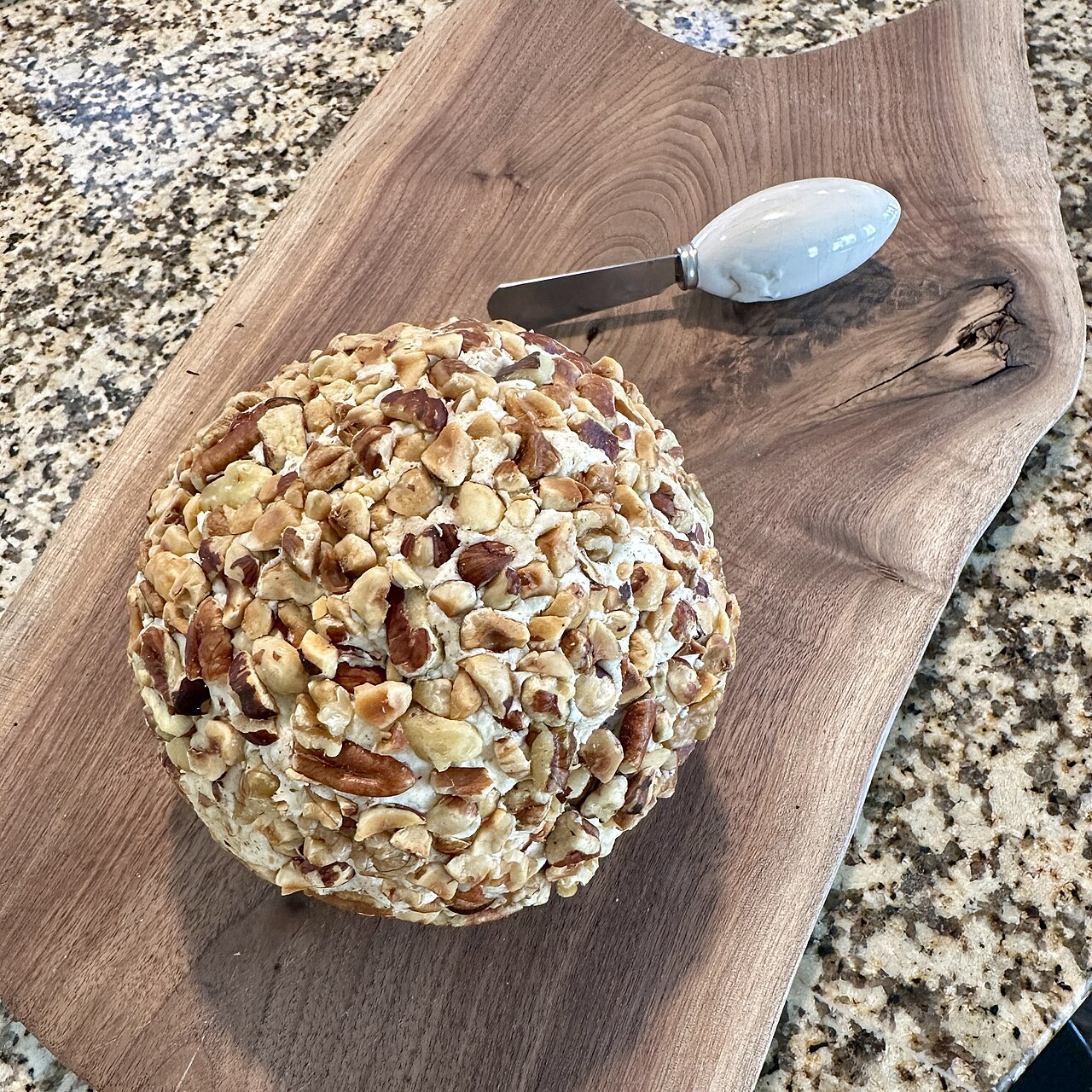
A fixture of the cocktail hour and the appetizer spread, the cheese ball was a 1970s entertaining essential. A mass of softened cheese, often blended with cream cheese and seasonings, was shaped into a sphere, rolled in chopped nuts, and served with crackers as the centerpiece of the snack table. It was easy, festive, and reliably popular.
The cheese ball embodied the era’s love of make-ahead, crowd-friendly party food, and it appeared at gatherings of every kind. While cheese boards and grazing tables have taken over the modern entertaining spread, the humble rolled cheese ball has largely receded into nostalgia. It occasionally resurfaces, often ironically or as a deliberate retro throwback, but its days as a default party staple are long past.
Other Retro Party Favorites
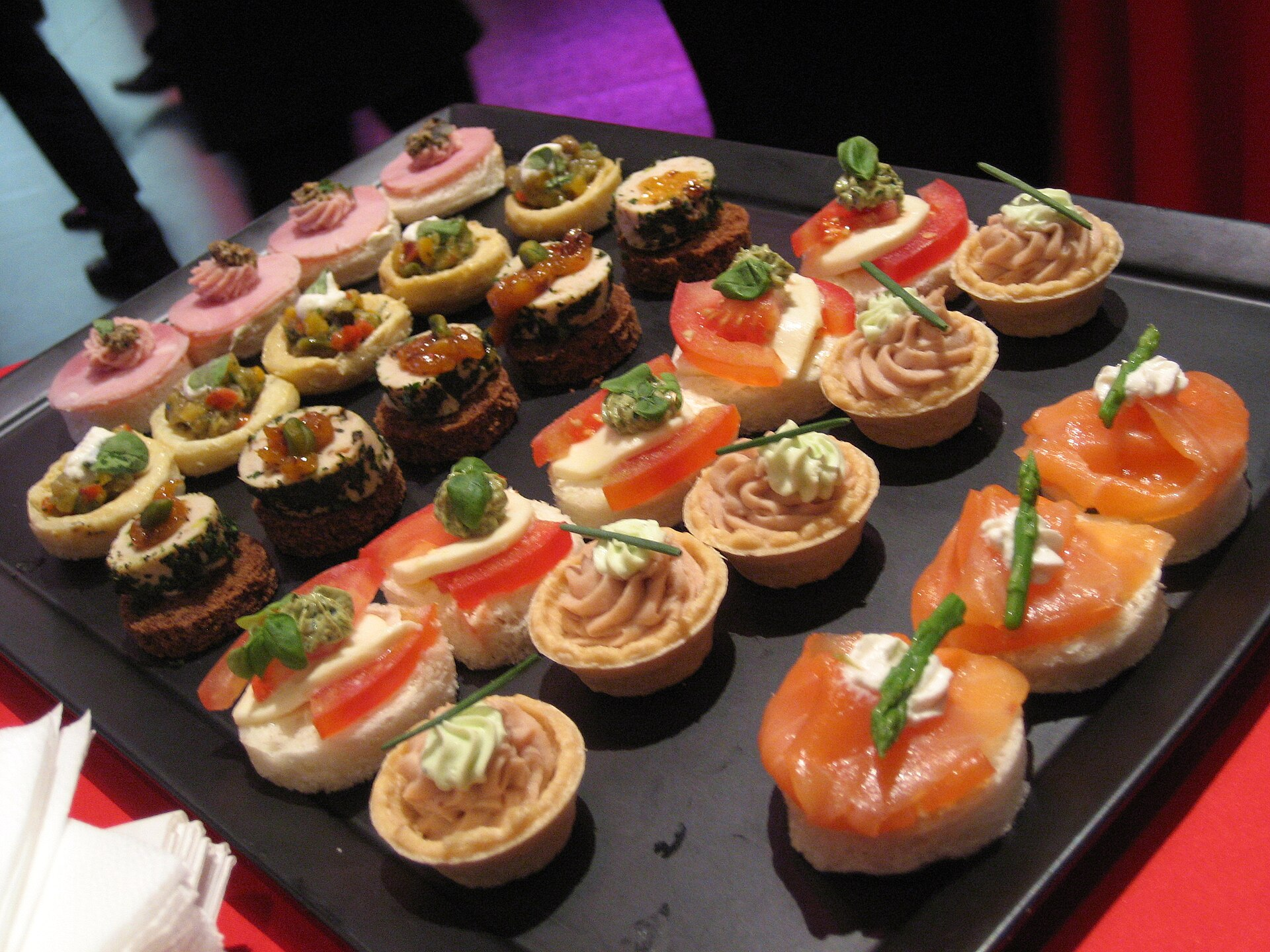
The 1970s dinner party featured a whole supporting cast of dishes that have since faded. Deviled eggs filled their special dimpled platters at nearly every gathering, though they have proven more durable than most. Quiche enjoyed a major moment as the sophisticated dish of choice. Dips and spreads served in hollowed-out bread loaves, cocktail meatballs in tangy sauces, and elaborate canapés all had their heyday.
Beef dishes like steak Diane and beef Wellington, prepared with great ceremony, were the marks of an ambitious host, while creamy, rich preparations and heavily garnished platters reflected the era’s aesthetic. Many of these dishes simply fell out of fashion as tastes evolved toward fresher, lighter, and more globally influenced food. Together they paint a vivid picture of a distinctive moment in the history of home entertaining.
Liver Pâté, Crudités, and the Cocktail Spread
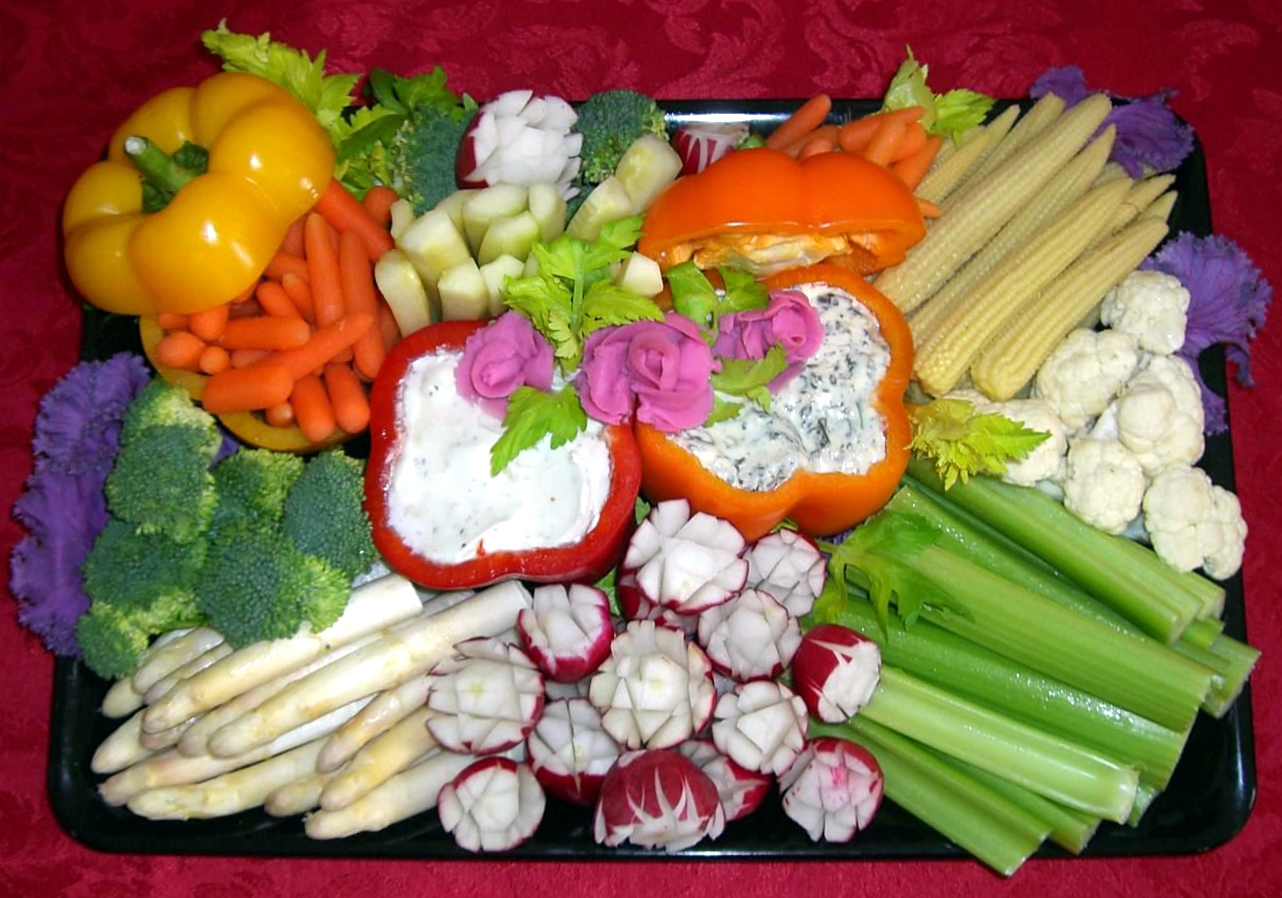
The 1970s cocktail hour deserves its own mention, since so much of its signature fare has faded. Liver pâtés and meat spreads, served with crackers and considered the height of sophistication, were near-mandatory at gatherings, as were elaborate platters of crudités, raw vegetables arranged around a creamy dip, often presented with great care as a centerpiece in their own right.
Pigs in blankets, stuffed celery, deviled ham, and an array of canapés perched on toothpicks rounded out the spread, often accompanied by the era’s fashionable cocktails. This whole genre of fussy, bite-sized party food reflected an age when hosts took real pride in the presentation of their appetizer table. While some of these nibbles linger, the elaborate, carefully arranged cocktail spread of the 1970s, with its pâtés, molds, and toothpick-speared morsels, has largely given way to simpler, more casual grazing fare at modern gatherings.
Why These Dishes Disappeared
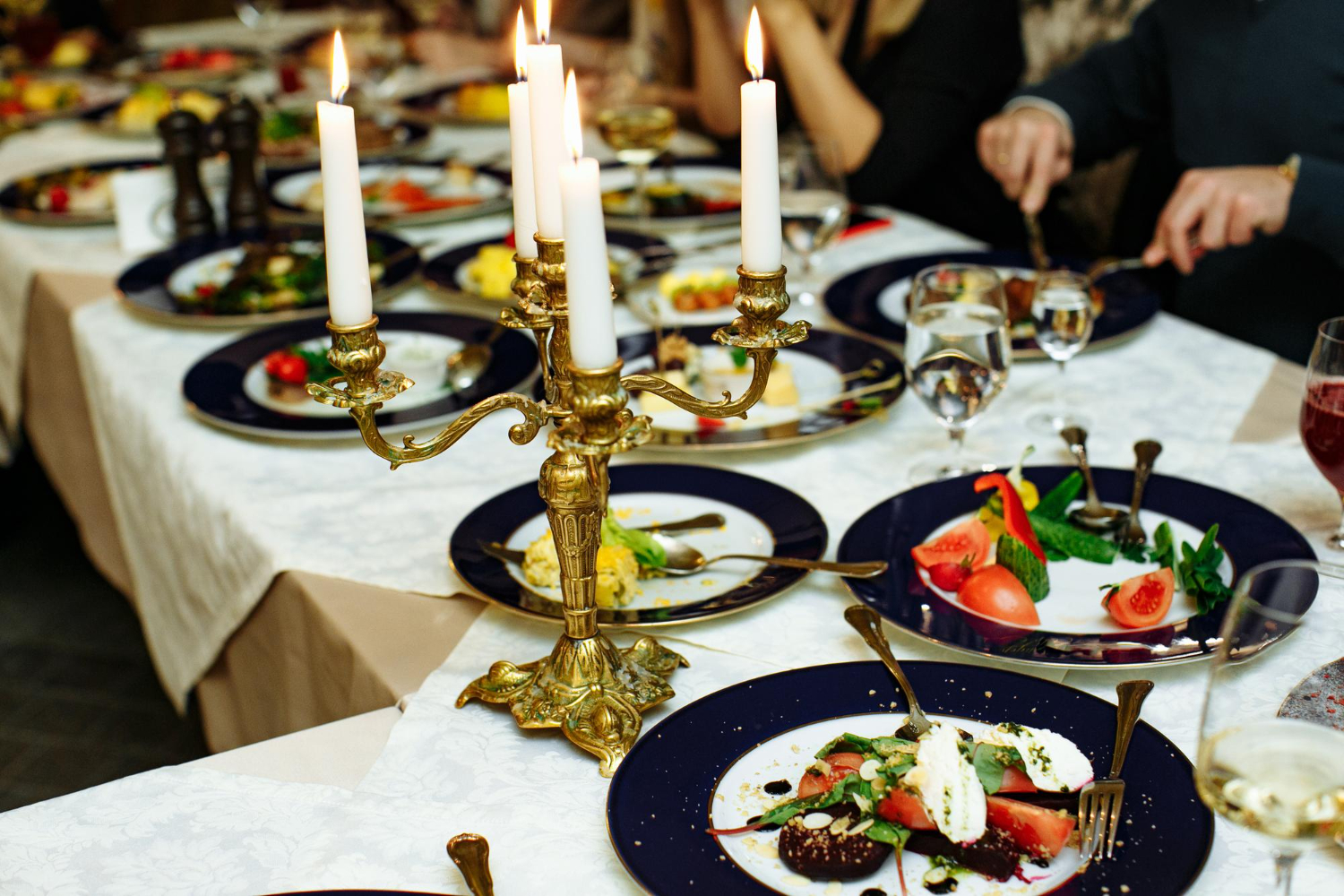
The vanishing of these once-beloved party dishes reflects broad changes in how we eat and entertain. Tastes shifted decisively toward fresh, whole, and globally diverse ingredients and away from the heavy, processed, and convenience-driven foods that defined much mid-century cooking. The elaborate, gelatin-heavy, presentation-focused style of the 1970s came to seem dated and even slightly comical.
Entertaining itself also changed. As lives grew busier, the fussy, time-consuming showpiece dishes gave way to more casual, relaxed gatherings, and the formal dinner party of the 1970s, with its ambitious multi-course menus, became less common. Health consciousness played a role too, as rich, heavy classics fell out of favor. Yet there is real affection for these vanished dishes, and they enjoy periodic nostalgic revivals among those who relish their retro charm. The fondue pots and gelatin molds may be gone from most tables, but for anyone who lived through that era of entertaining, they remain a delicious, slightly kitschy reminder of dinner parties past.
Like our content? Follow us for more.
