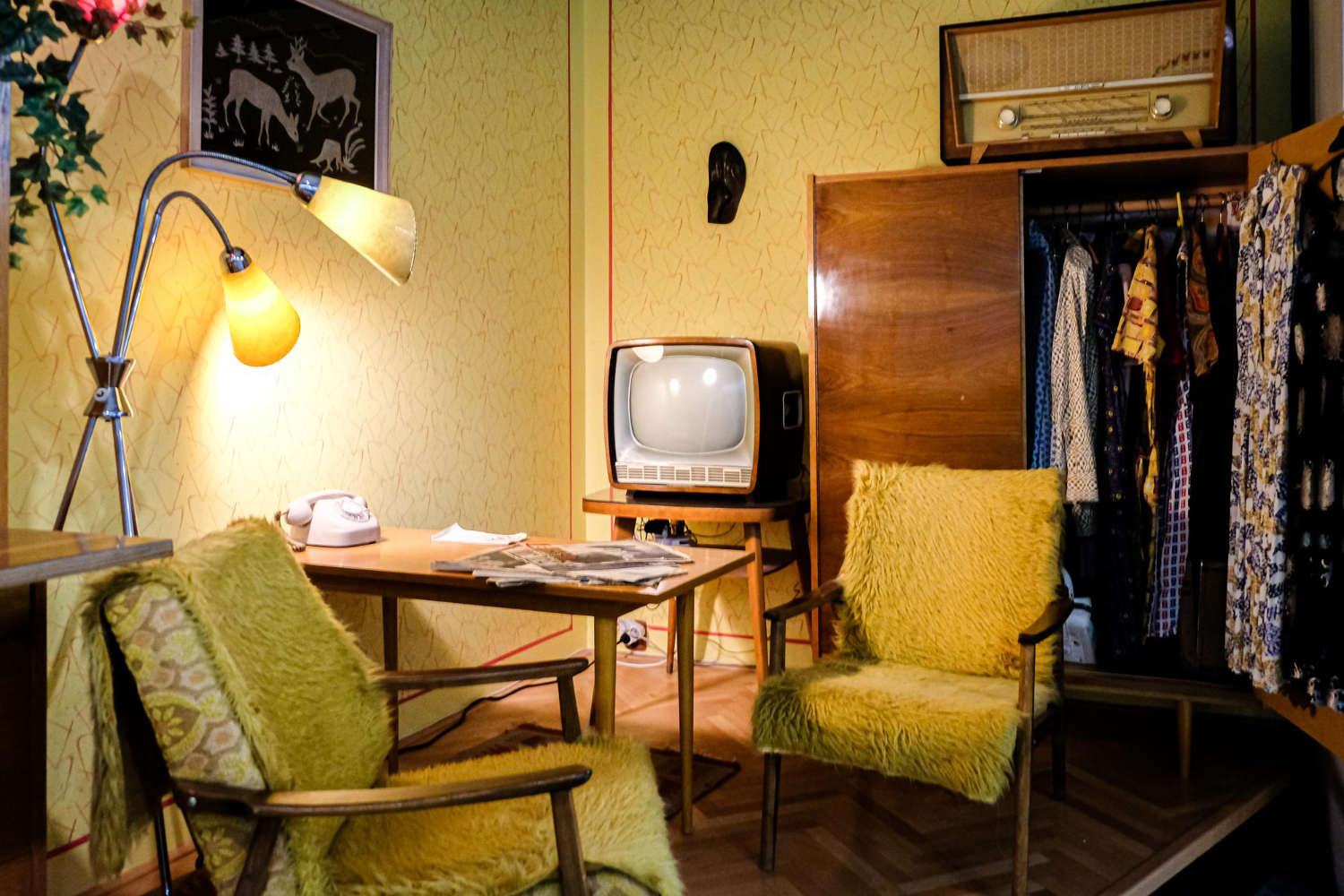
Step into an American living room in 1975 and you’d find a remarkably consistent collection of furnishings, gadgets, and decor — the console television, the rotary phone on its own little table, the hi-fi stereo cabinet, the shag carpet, the ashtrays on every surface. These weren’t anyone’s special taste; they were simply what living rooms had, the shared material world of the era. Most of them have now completely vanished, swept away by new technology, changing tastes, and shifting habits. For anyone who grew up in that era, this lineup is an instant time machine — a portrait of the rooms where families gathered, argued over the one TV, and spent their evenings before everything changed. Here are fifteen things in every American living room in 1975, and why most of them are gone today.
1. The Console Television
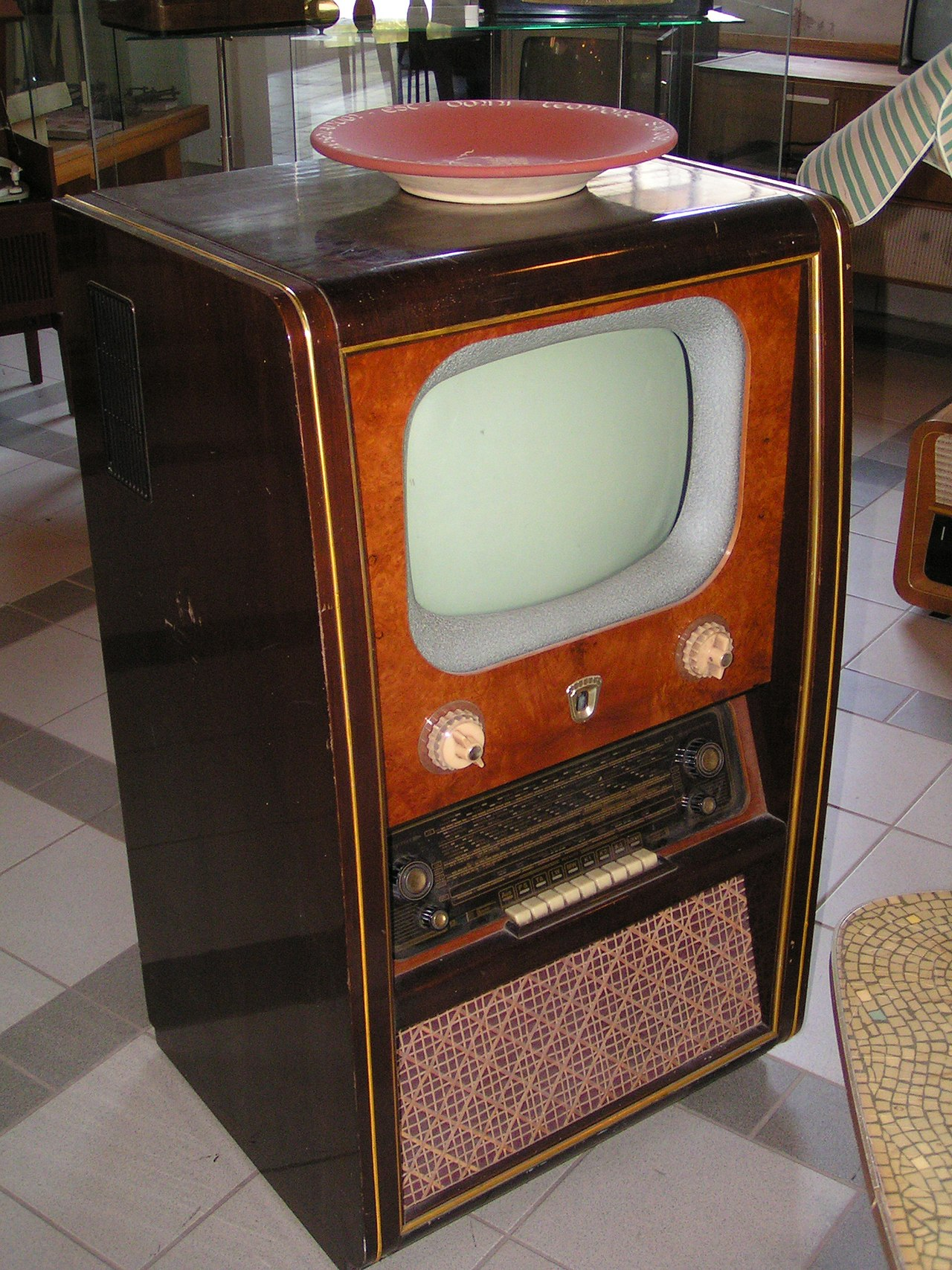
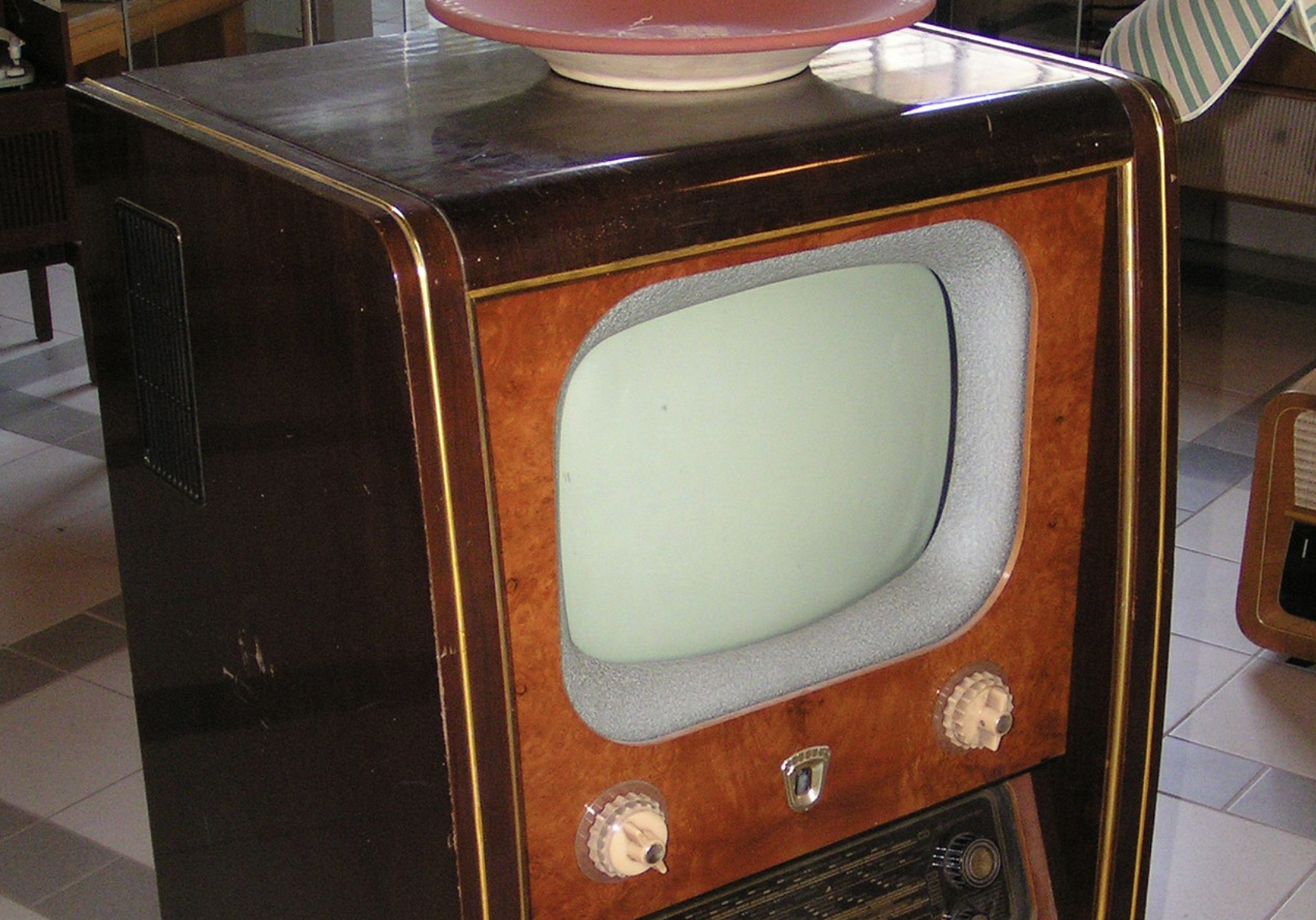
The centerpiece of the 1975 living room was the console television — a heavy, furniture-style TV in a wooden cabinet that sat on the floor like a piece of furniture, frequently the most expensive item in the room. With its limited channels, manual dial, and tubes that took a moment to warm up, it was the family’s shared window to the world. Flat-screens, remote controls, and streaming have made the massive wooden console TV utterly obsolete. The console TV, a genuine piece of furniture that anchored the entire room, vanished as televisions became thin, light, and wall-mounted.
2. The Rotary Telephone (on Its Own Table)
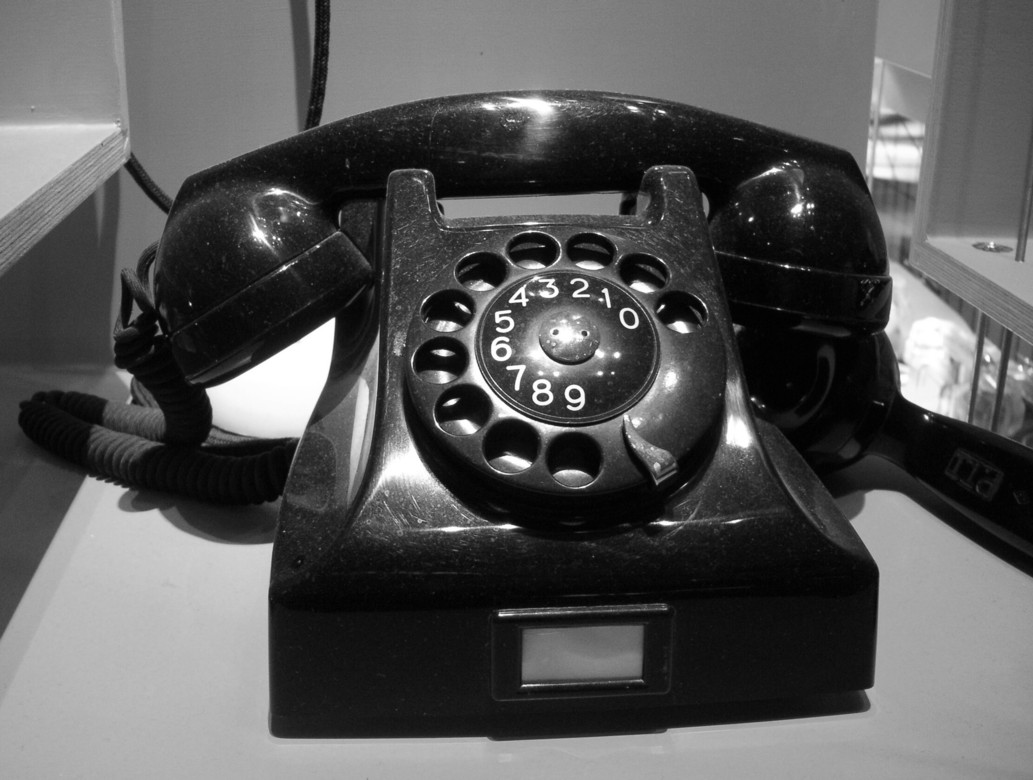
The 1975 living room frequently had a rotary telephone, often on its own dedicated phone table or stand, tethered to the wall by a cord, shared by the whole family. Dialing took real time, and there was exactly one phone for everyone. Cordless phones, then cell phones, then smartphones made the corded rotary phone and its dedicated furniture obsolete. The rotary phone, with its satisfying dial and its cord that stretched across the room, is a defining vanished object, along with the very idea of a single household phone shared by all.
3. The Hi-Fi Stereo Console
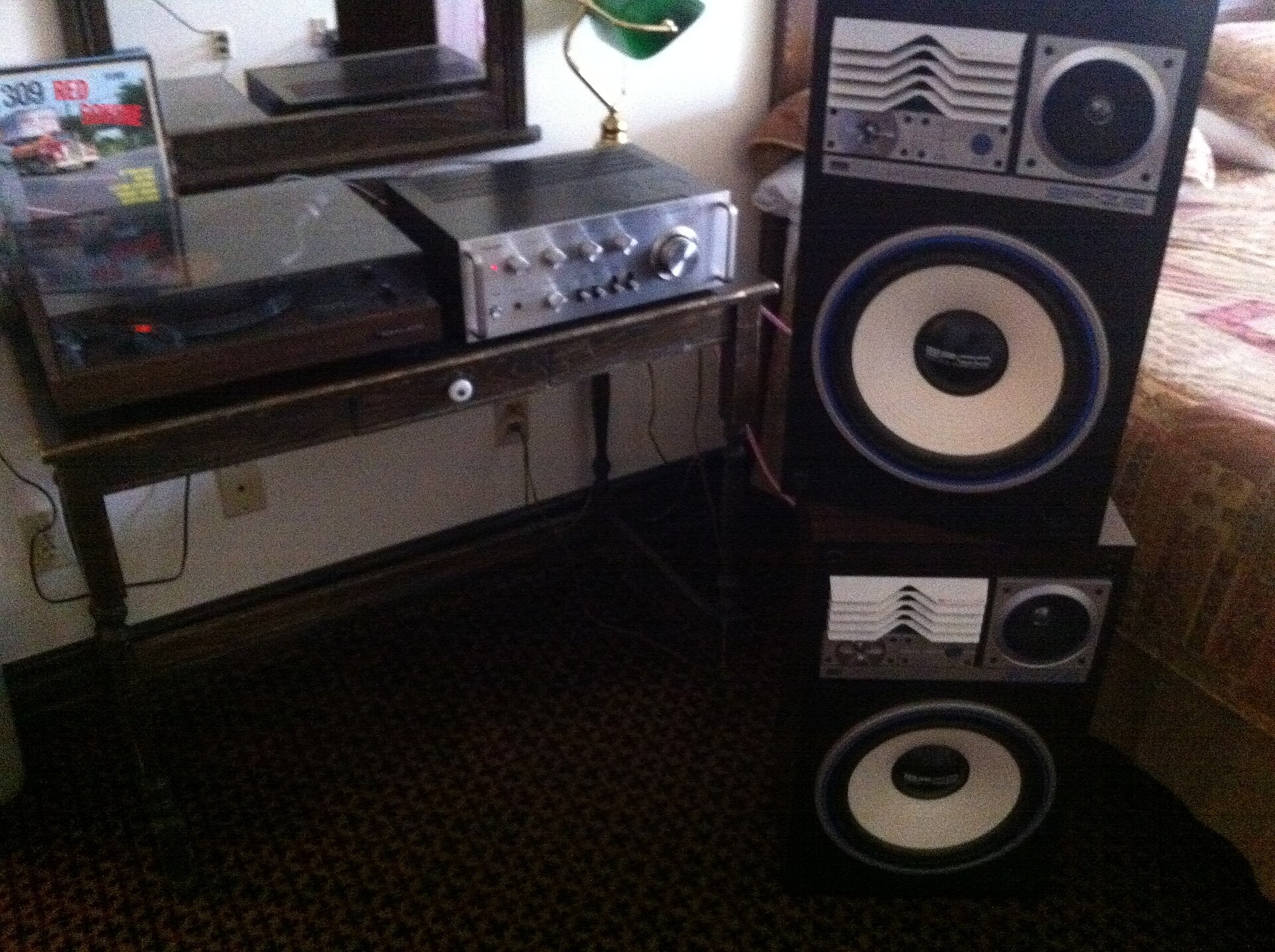
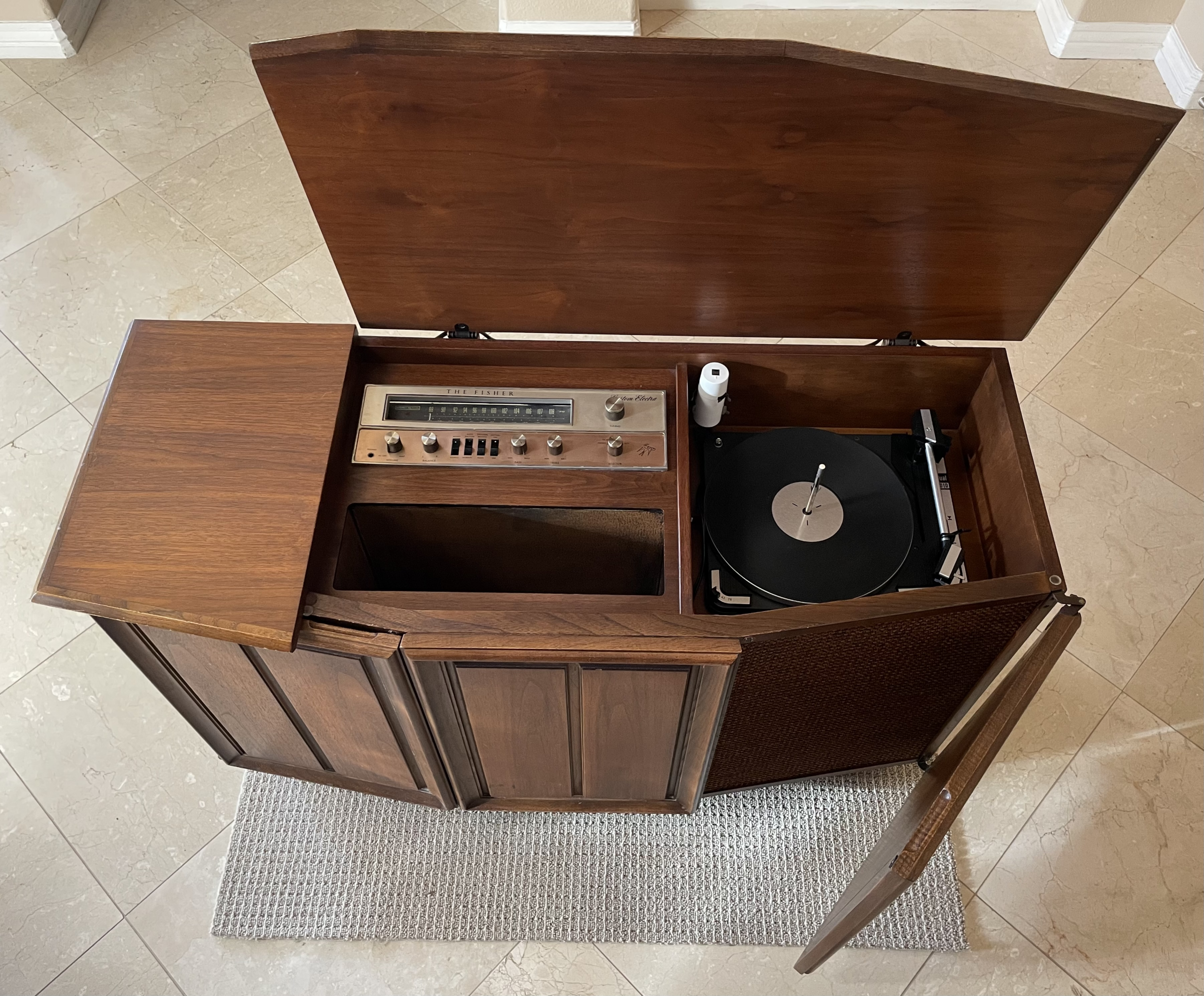
The stereo console — a long, low wooden cabinet housing a turntable, radio, and speakers, frequently with storage for records — was a proud centerpiece of the 1975 living room. Families gathered around it to play LPs, and it doubled as furniture. Compact stereo components, then digital music and streaming, made the massive furniture-stereo obsolete. The hi-fi console, where the family record collection lived and music was a deliberate, communal event, vanished as music became something carried in a pocket rather than housed in a piece of living-room furniture.
4. Shag Carpet
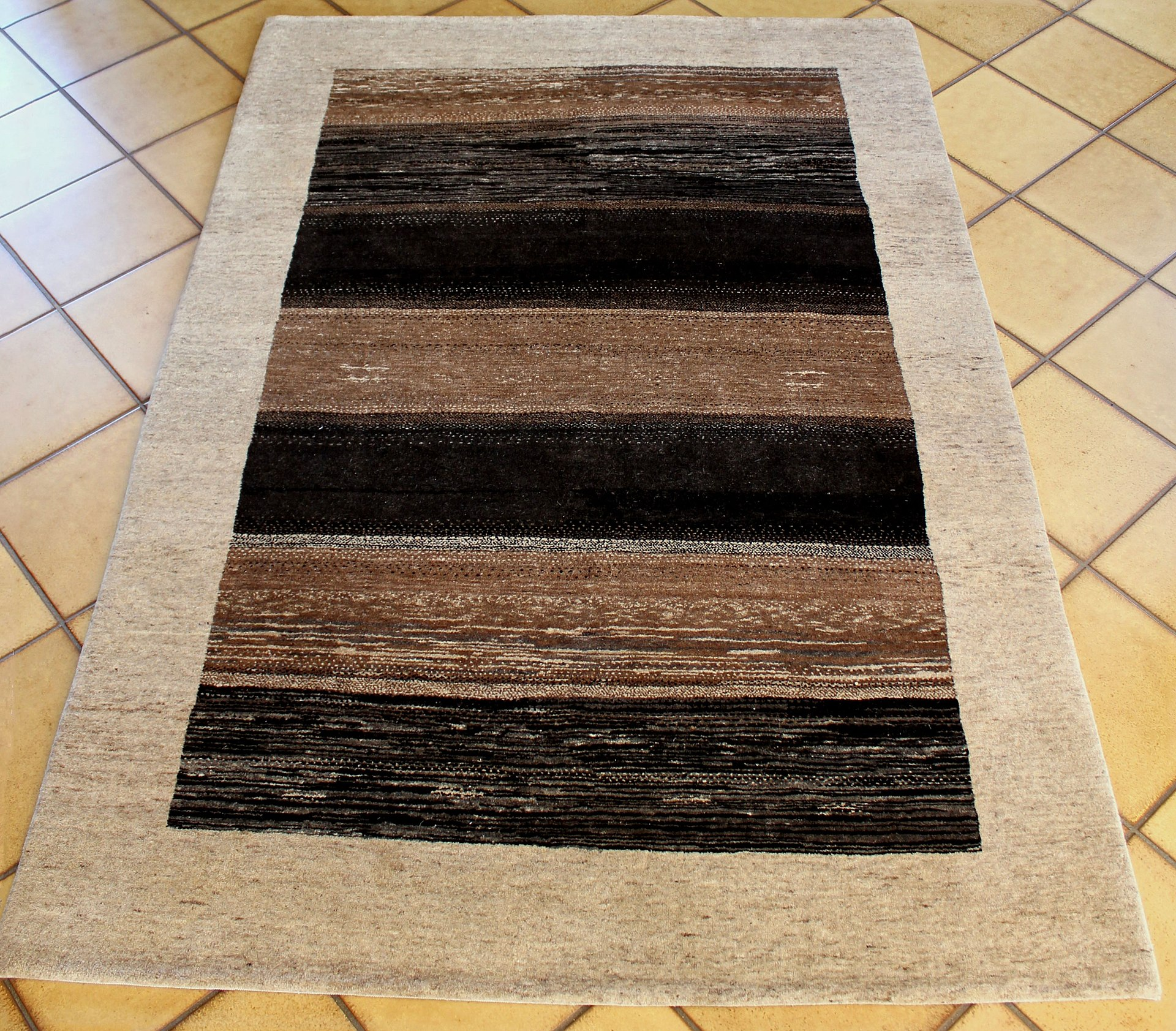
Deep, plush shag carpet — frequently in bold earth tones like avocado green, harvest gold, or burnt orange — covered countless 1975 living room floors, sometimes requiring a special rake to keep it fluffed. It was the height of cozy, groovy style. Changing tastes toward hardwood and low-pile flooring sent shag carpet into deep unfashionability. Shag carpet, in its distinctive 1970s colors, is one of the most instantly-recognizable vanished features of the era’s homes, a tactile, colorful symbol of 1970s decor that has almost entirely disappeared.
5. Ashtrays Everywhere
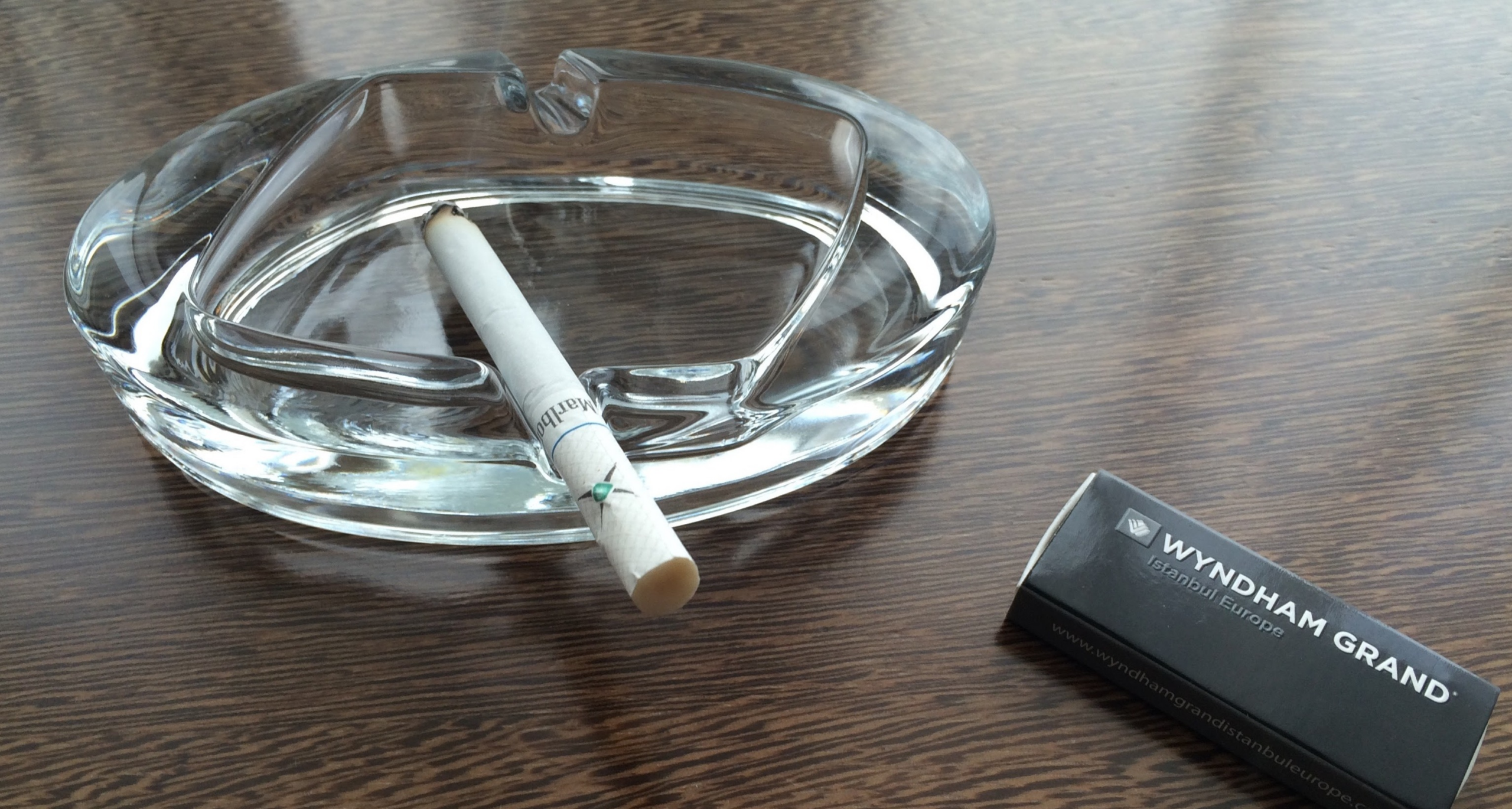
The 1975 living room had ashtrays on nearly every surface — coffee table, side tables, even decorative floor-standing ones — because smoking indoors was completely normal and expected, including with guests. Ashtrays were standard home decor and a basic courtesy for visitors. The dramatic decline in smoking and changing attitudes toward indoor smoking made the ubiquitous household ashtray obsolete. The presence of ashtrays in every room, once an unremarkable feature of nearly every home, vanished along with the era’s casual acceptance of indoor smoking.
6. The TV Antenna and “Rabbit Ears”
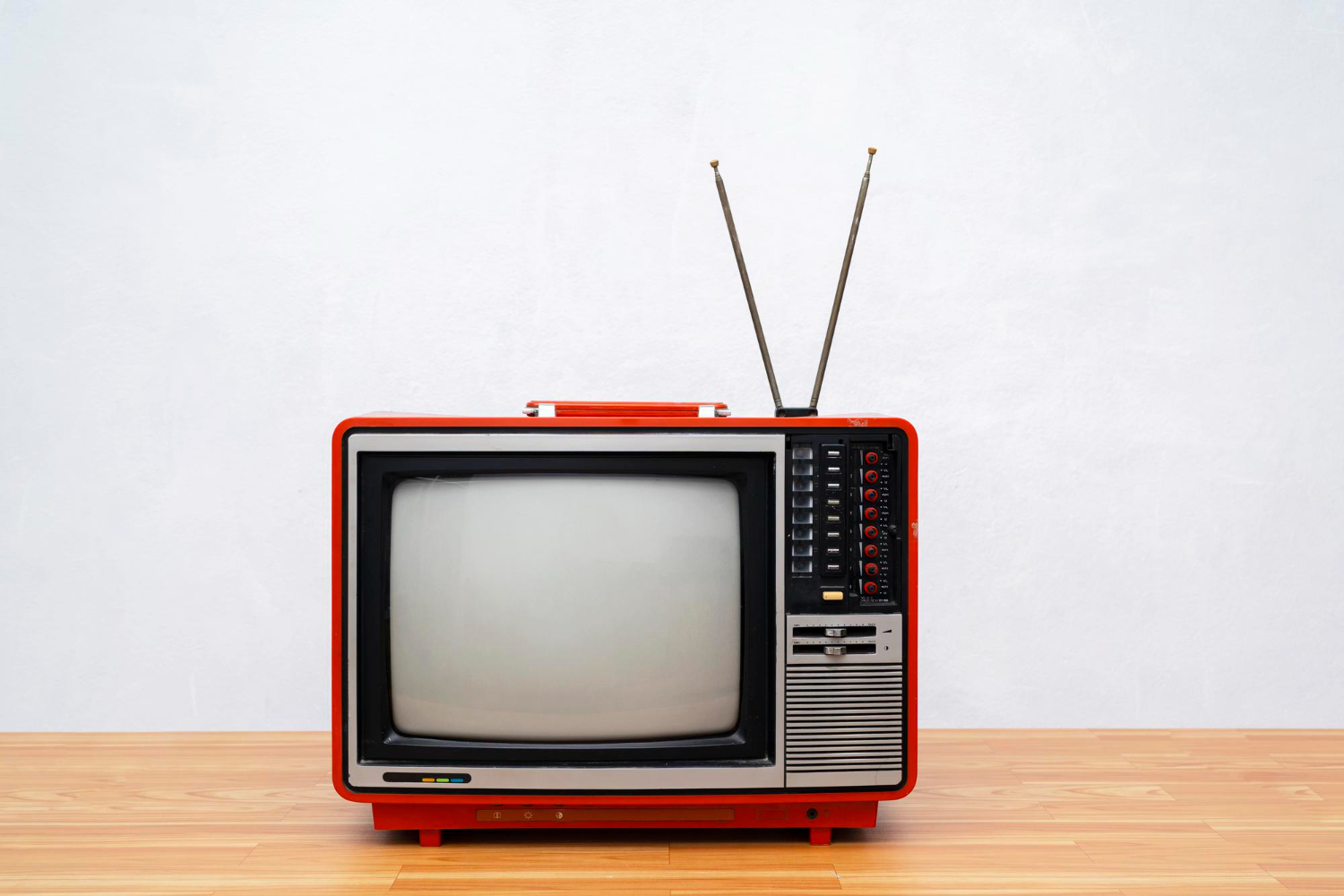
Before cable, the 1975 living room TV relied on an antenna — frequently “rabbit ears” perched on top of the set — that family members adjusted (sometimes while holding foil) to coax in a clearer picture of the few available channels. Fiddling with the antenna was a household ritual. Cable, satellite, and streaming eliminated the antenna entirely. The rabbit-ear antenna, and the whole ritual of adjusting it for better reception, is a vanished feature that anyone who lived through the era remembers vividly, frequently along with someone yelling “don’t move, it’s perfect right there!”
7. Heavy Drapes and Sheers
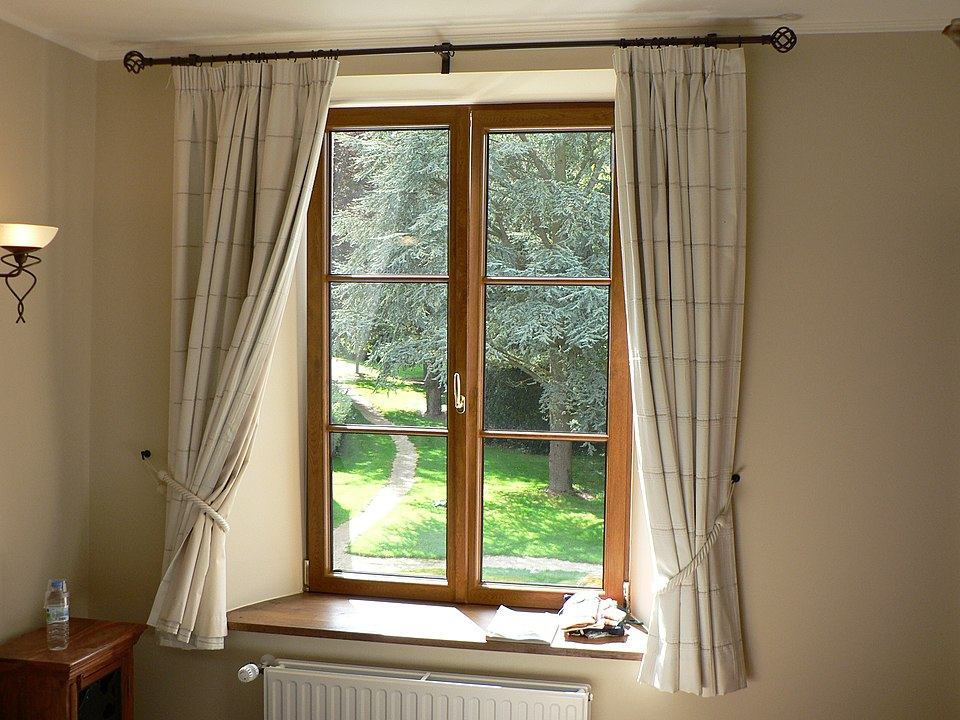
The 1975 living room window was typically dressed in heavy, frequently patterned drapes layered over sheer curtains, in the bold colors and patterns of the era. These elaborate, formal window treatments were standard. Changing tastes toward simpler, lighter window treatments — blinds, simple panels, or bare windows — made the heavy layered drapery of the era look dated. The formal, heavy 1970s drapes, frequently in dramatic patterns and earth tones, are a vanished decorating standard, replaced by the cleaner, more minimal window treatments of today.
8. The Encyclopedia Set
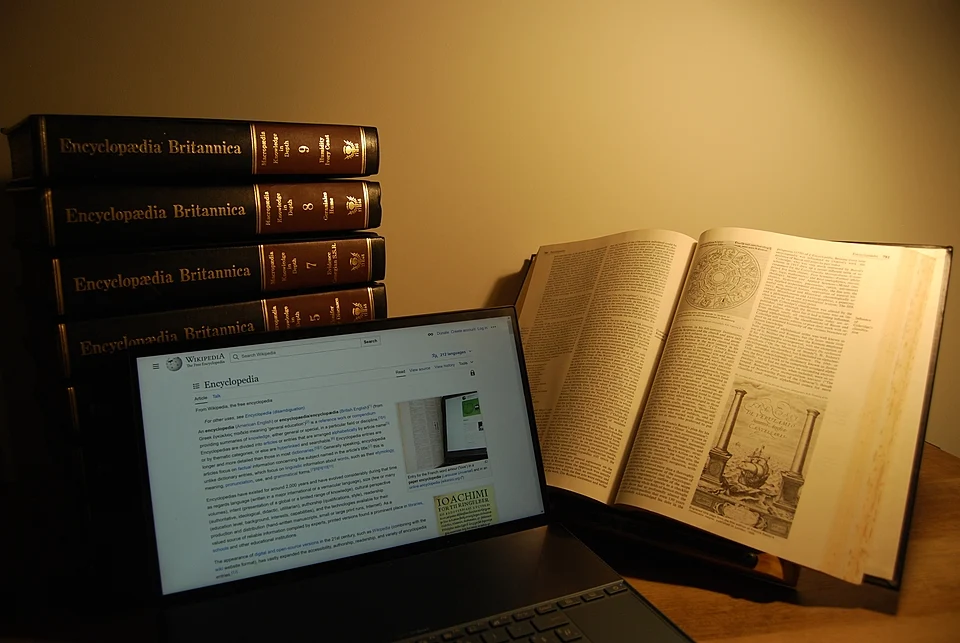
A proud encyclopedia set — rows of matching leather-look volumes, frequently sold door-to-door at considerable expense and paid off over time — occupied a place of honor in many 1975 living rooms, the family’s reference library and a status symbol of an educated household. The internet rendered the home encyclopedia utterly obsolete almost overnight. The multi-volume encyclopedia set, once a significant household investment and the place kids did their homework research, vanished as the world’s information moved online, taking a whole ritual of looking things up with it.
9. The Macramé and Houseplant Jungle
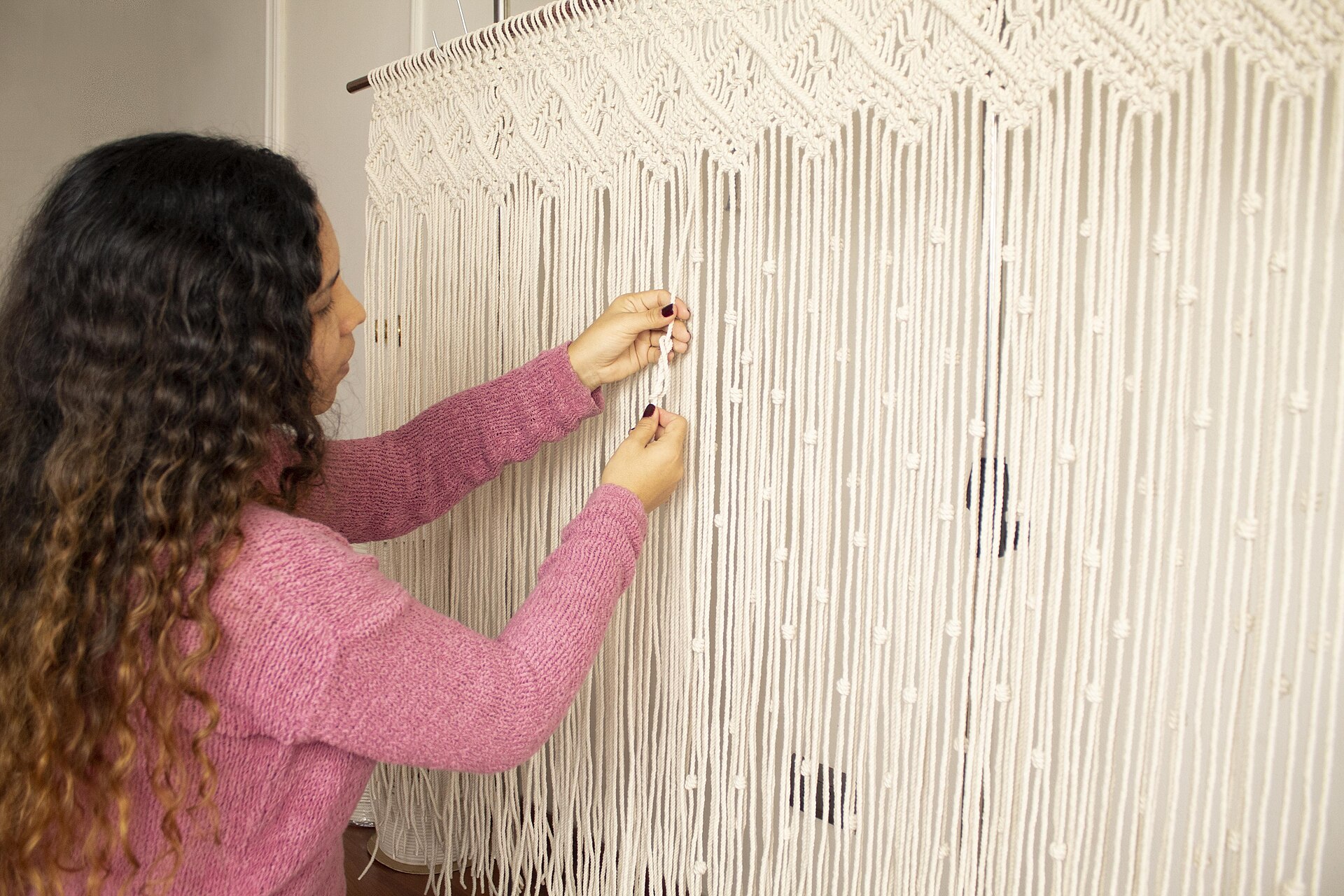
The 1975 living room frequently featured macramé plant hangers dangling spider plants and ferns, part of the era’s enthusiasm for houseplants and handcrafted decor. Hanging plants in knotted-rope holders were everywhere. While houseplants have cycled back into fashion, the specific 1970s macramé-and-hanging-plant aesthetic, in its original ubiquity, faded for decades. The macramé plant hanger, frequently homemade, is a quintessential 1970s decor element, part of the era’s earthy, handcrafted, plant-filled approach to the living room that defined the period’s look.
10. The Console Stereo’s Companion: The 8-Track Player
Alongside the stereo, many 1975 living rooms had an 8-track tape player and a collection of chunky 8-track cartridges, the dominant portable-ish music format of the era before cassettes took over. The distinctive “ka-chunk” of a track changing mid-song was a familiar sound. The 8-track was rapidly obsoleted by cassettes and everything after. The 8-track player and its bulky cartridges, briefly the height of music technology, vanished so completely and quickly that they became a punchline, a perfect emblem of fast-moving, soon-obsolete 1970s tech.
11. The Formal “Good” Furniture No One Used
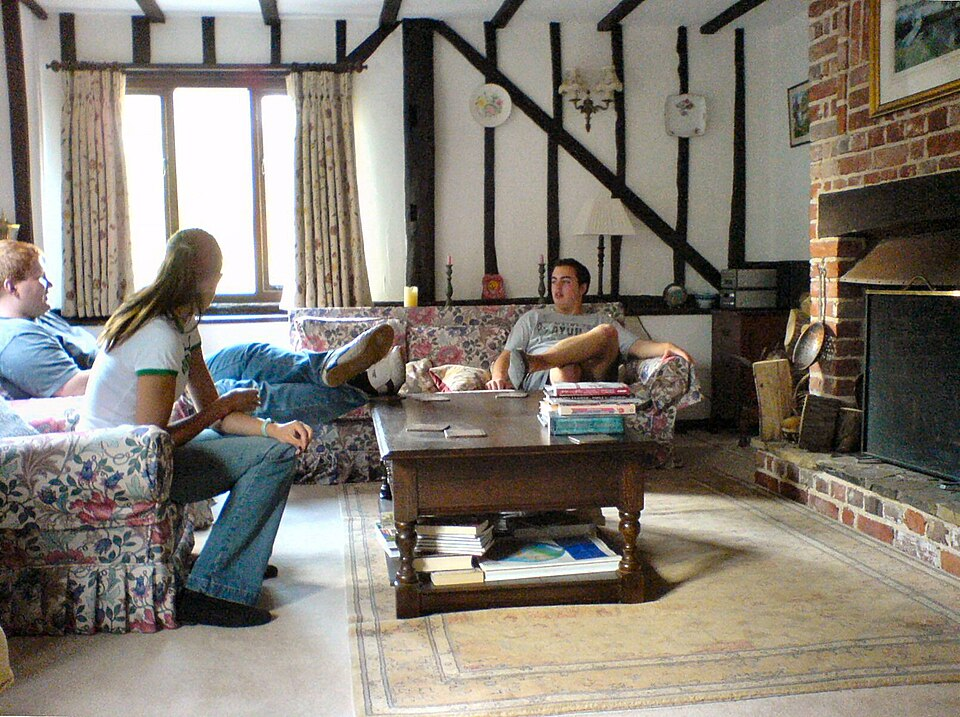
Many 1975 homes maintained living room furniture — sometimes covered in protective plastic slipcovers — that was “for company” and largely off-limits for everyday use, a formal showpiece room. The plastic-covered sofa is a legendary artifact of the era. Changing attitudes toward formal living spaces and casual living made the untouchable “good” living room obsolete. The formal living room with its protected, barely-used furniture, and especially the plastic-covered couch, is a vanished concept, replaced by the casual, actually-lived-in family rooms of today.
12. Wood Paneling
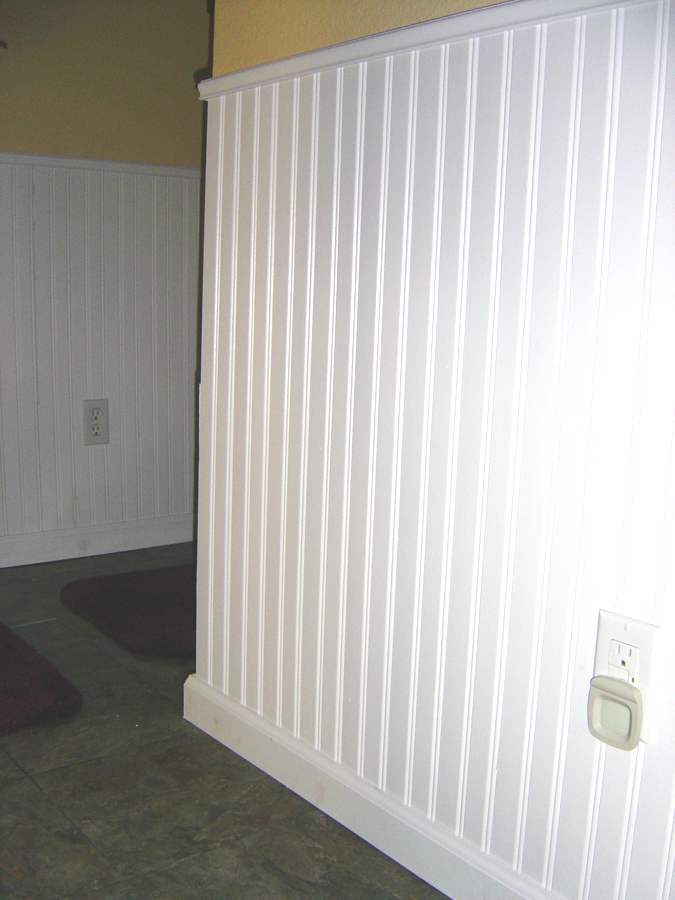
The 1975 living room wall was frequently covered in dark wood paneling — sometimes real, frequently faux — giving rooms a cozy, den-like, distinctly brown ambiance. Paneling was a hugely popular wall treatment. Changing tastes toward painted drywall and lighter, brighter rooms sent wood paneling into deep unfashionability for decades. The dark wood-paneled wall is one of the most recognizable features of the 1970s home, an instant signifier of the era, and its near-total disappearance marks a major shift in how Americans want their rooms to feel.
13. The Big Wall Clock and Sunburst Decor
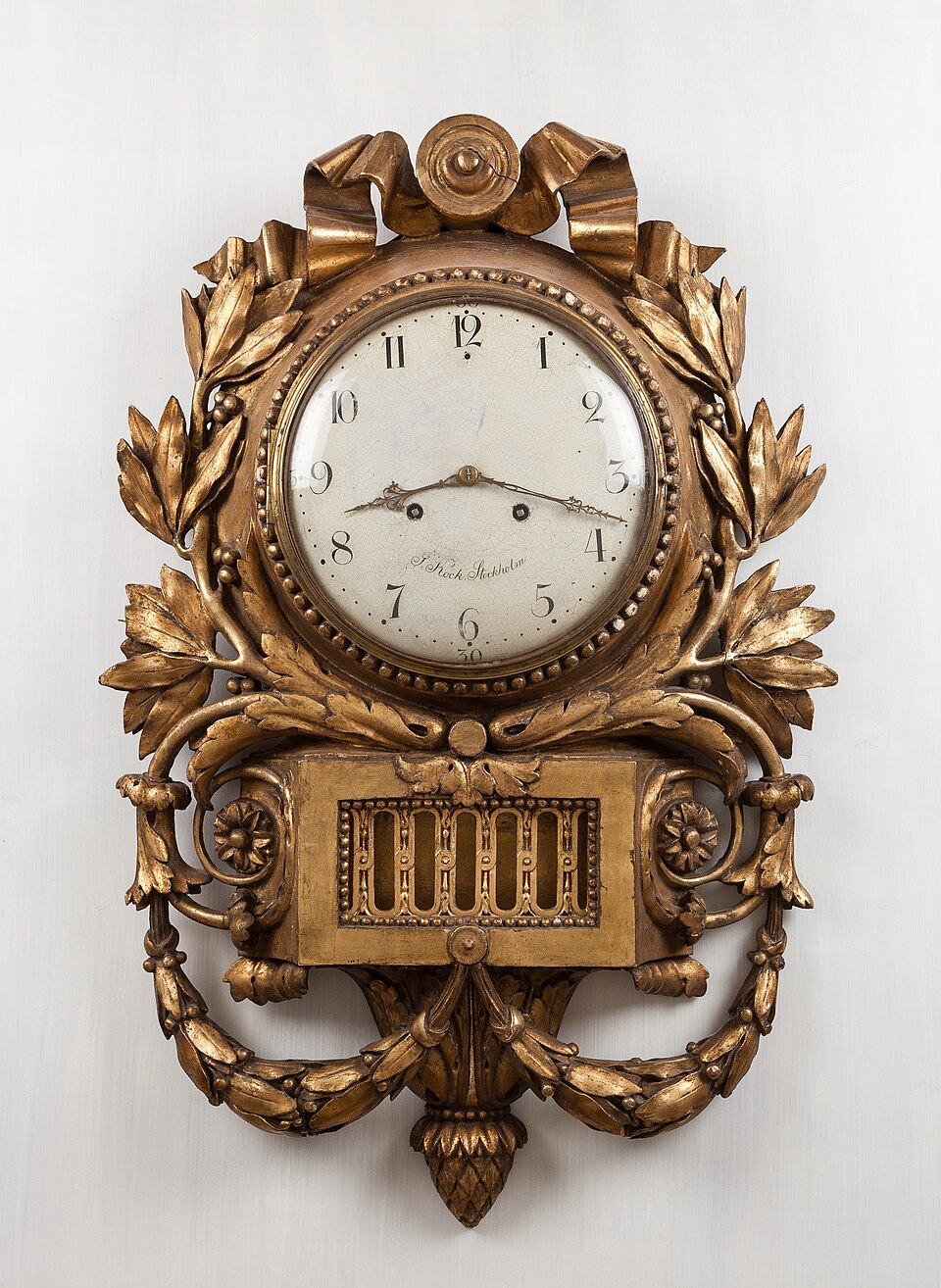
The 1975 living room wall frequently featured bold decorative objects like a large sunburst clock or other oversized, era-defining wall decor in the period’s distinctive style. These statement pieces defined the room’s look. While some 1970s decor has cycled back as retro-chic, the original ubiquity of these specific pieces faded. The big decorative wall clock and the era’s bold, geometric, frequently metallic wall decor are vanished standards of 1970s style, instantly evocative of the period’s confident, statement-making approach to home decoration.
14. The Record Collection and Album Art
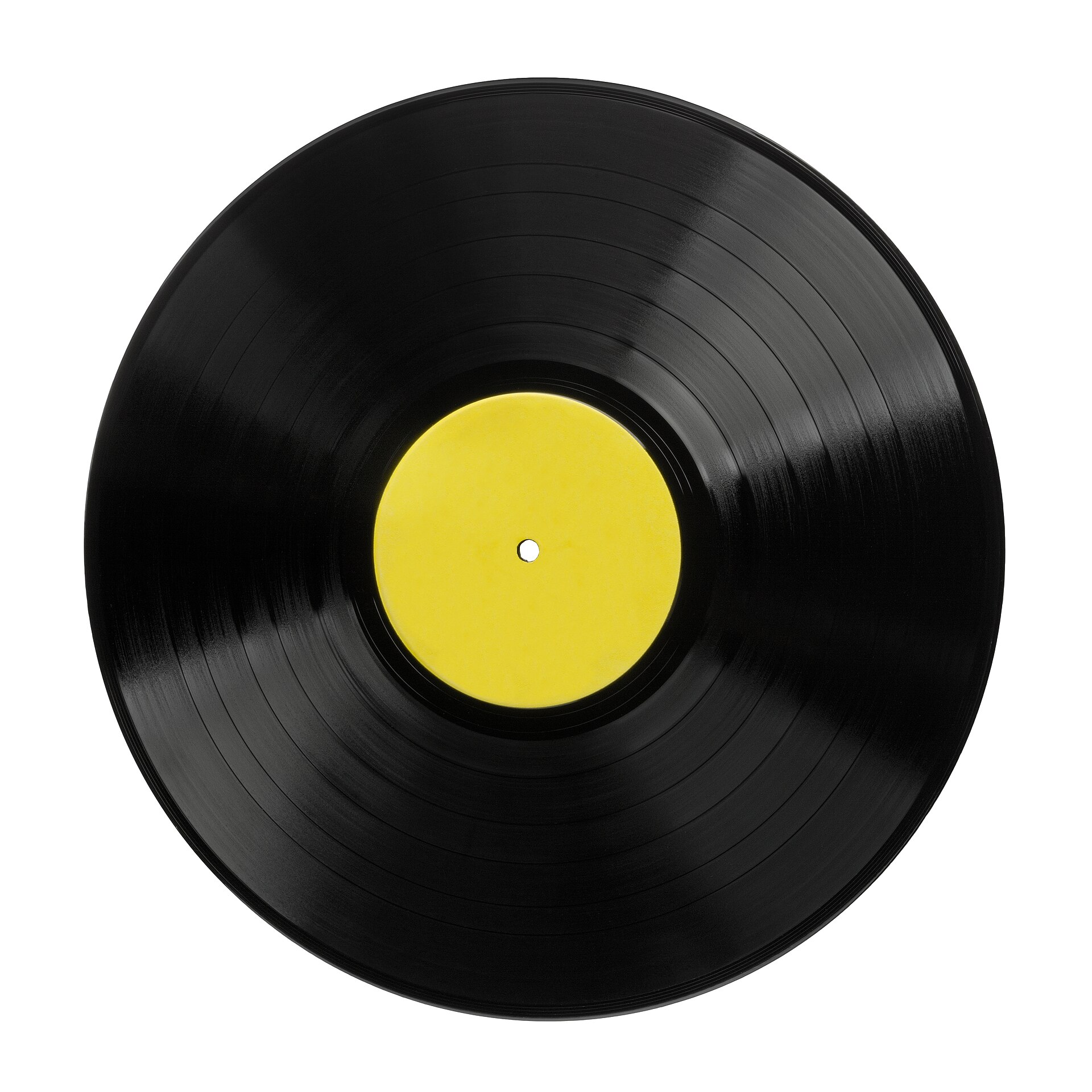
The 1975 living room held the family record collection — stacks of LPs with their large, artful album covers — frequently displayed and central to home entertainment, with the large-format album art a genuine visual presence. Music was physical, visible, and communal. Digital music erased the physical collection and the foot-wide album art. The record collection, with its browseable spines and large cover art that was itself a form of decor and identity, vanished from the living room as music dematerialized, taking a whole tactile, visual culture with it.
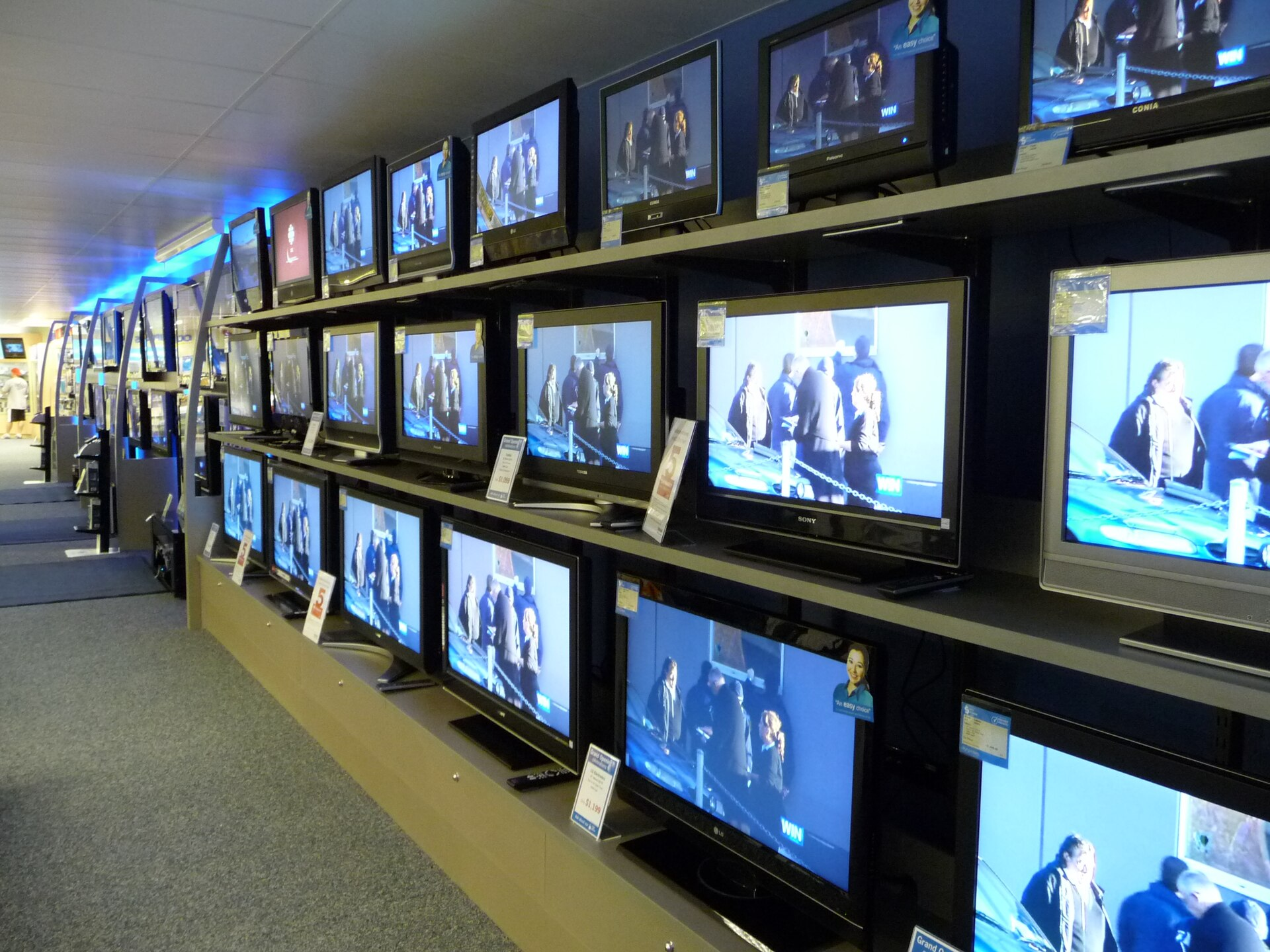
15. The Whole Idea of a Single Shared Screen
Perhaps the biggest vanished feature isn’t an object but a concept: the 1975 living room was organized around a single shared television that the whole family watched together, negotiating over the few channels and gathering for the evening’s programming. There was one screen, and watching was communal. The proliferation of personal devices — individual TVs, computers, tablets, and phones — shattered the single-shared-screen model entirely. The living room built around one television that brought the family together each evening reflects a vanished way of life, where entertainment was a shared, negotiated, communal experience rather than a private, individual one.