Being a teenager in 1985 meant owning a very particular set of stuff — the gear, gadgets, and accessories that defined cool, connected you to your friends, and got you through the day. The Walkman clipped to your belt, the wall of cassette tapes, the trapper keeper bulging with folders, the calculator watch that felt like science fiction. Hand any of it to a teenager today and you’d get a baffled look, because nearly every one of these once-essential possessions has been completely replaced — usually absorbed into the single device now in every kid’s pocket. For anyone who was a teen in the mid-’80s, this lineup is pure time travel. Here are thirteen things every American teenager owned in 1985 that would utterly baffle kids today.
1. The Sony Walkman (or a Knockoff)
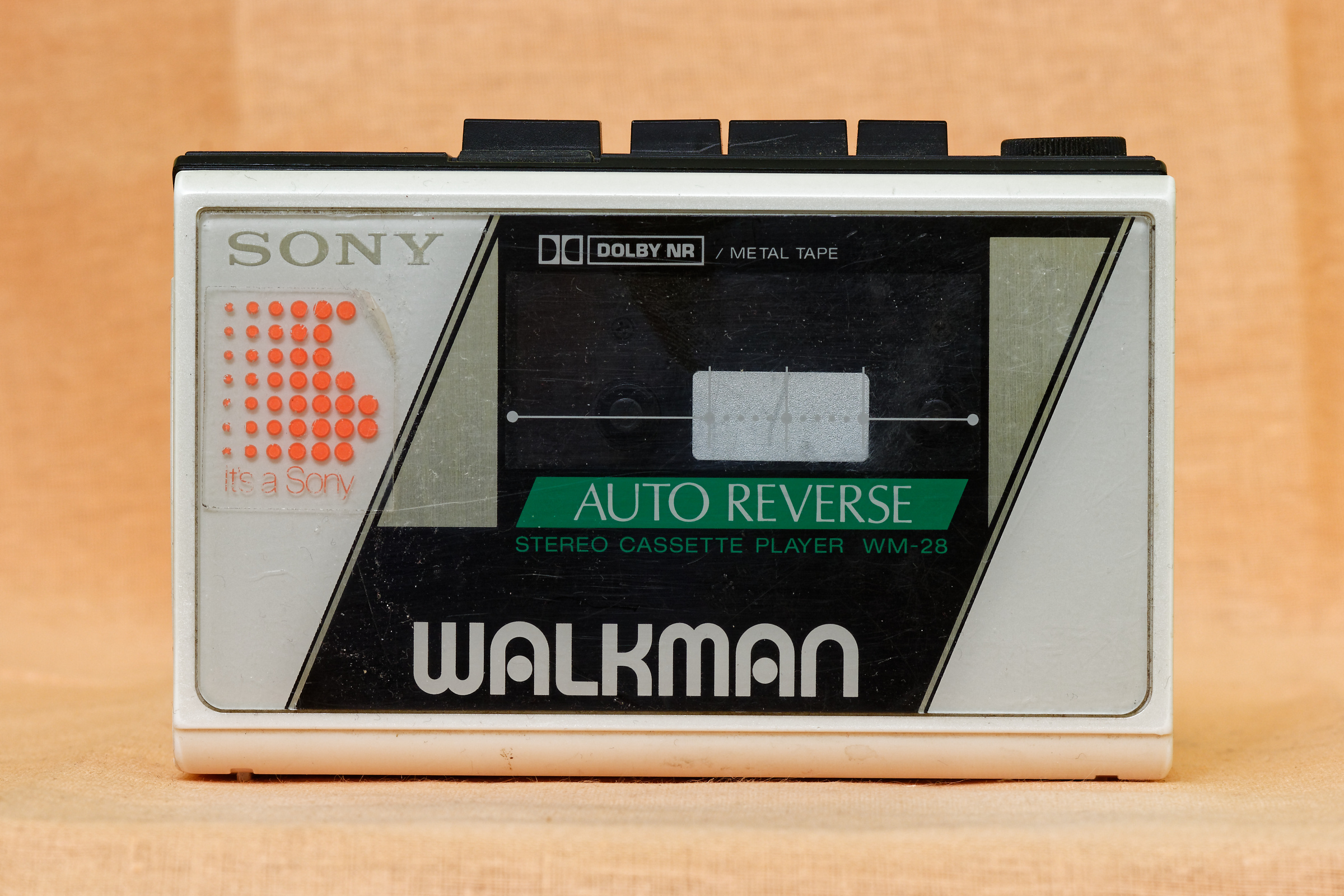
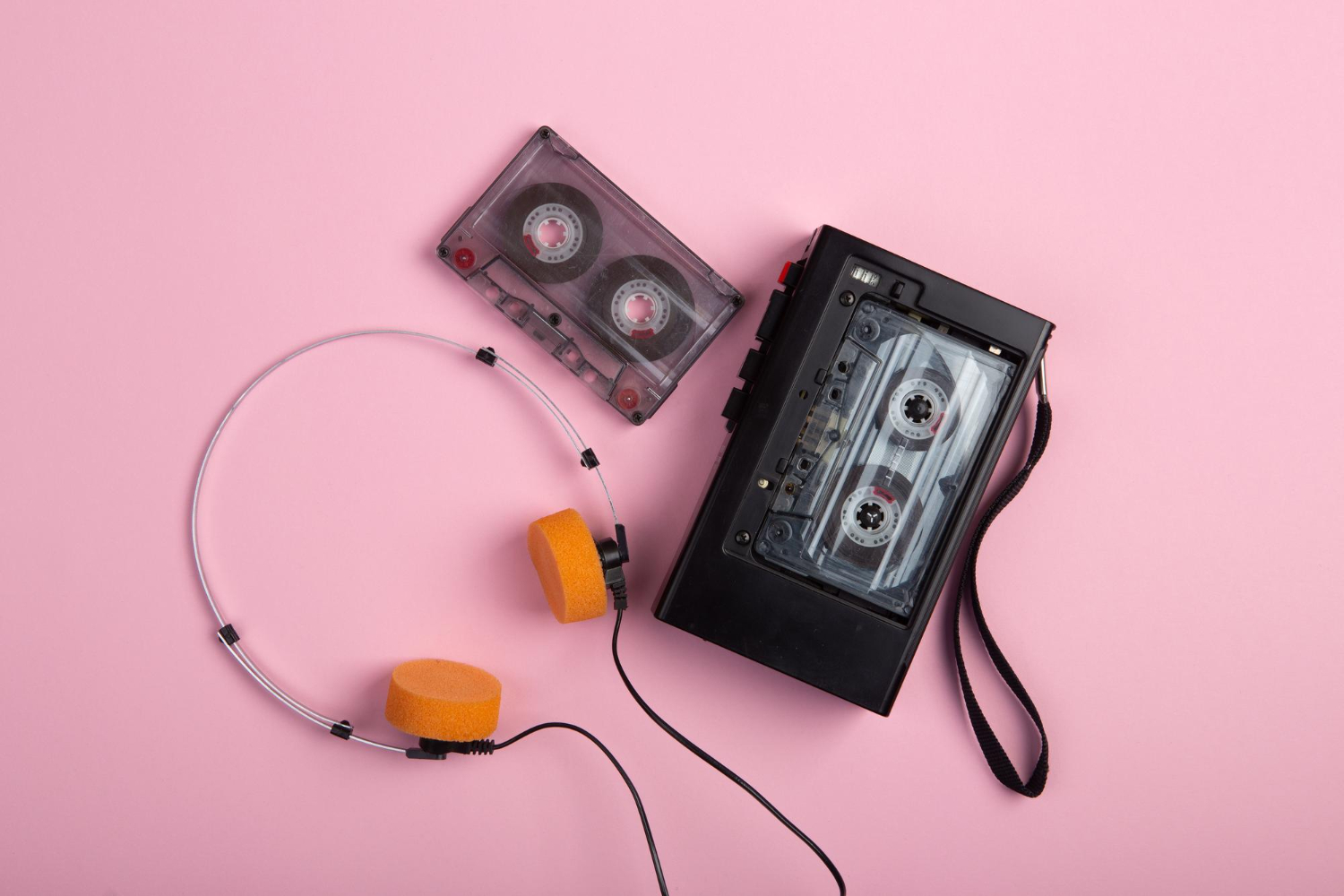
The portable cassette Walkman was the single most coveted possession of the 1985 teenager — a personal stereo clipped to your belt with foam headphones, letting you carry your music everywhere for the first time in history. It was revolutionary and status-defining. Smartphones absorbed the entire function of portable music. The Walkman, which made personal, private, portable music a reality and was the ultimate teen accessory of the era, is now a museum piece, its whole concept of a dedicated device just for playing cassettes on the go baffling to kids with thousands of songs in their pocket.
Like our content? Follow us for more.
2. A Wall of Cassette Tapes
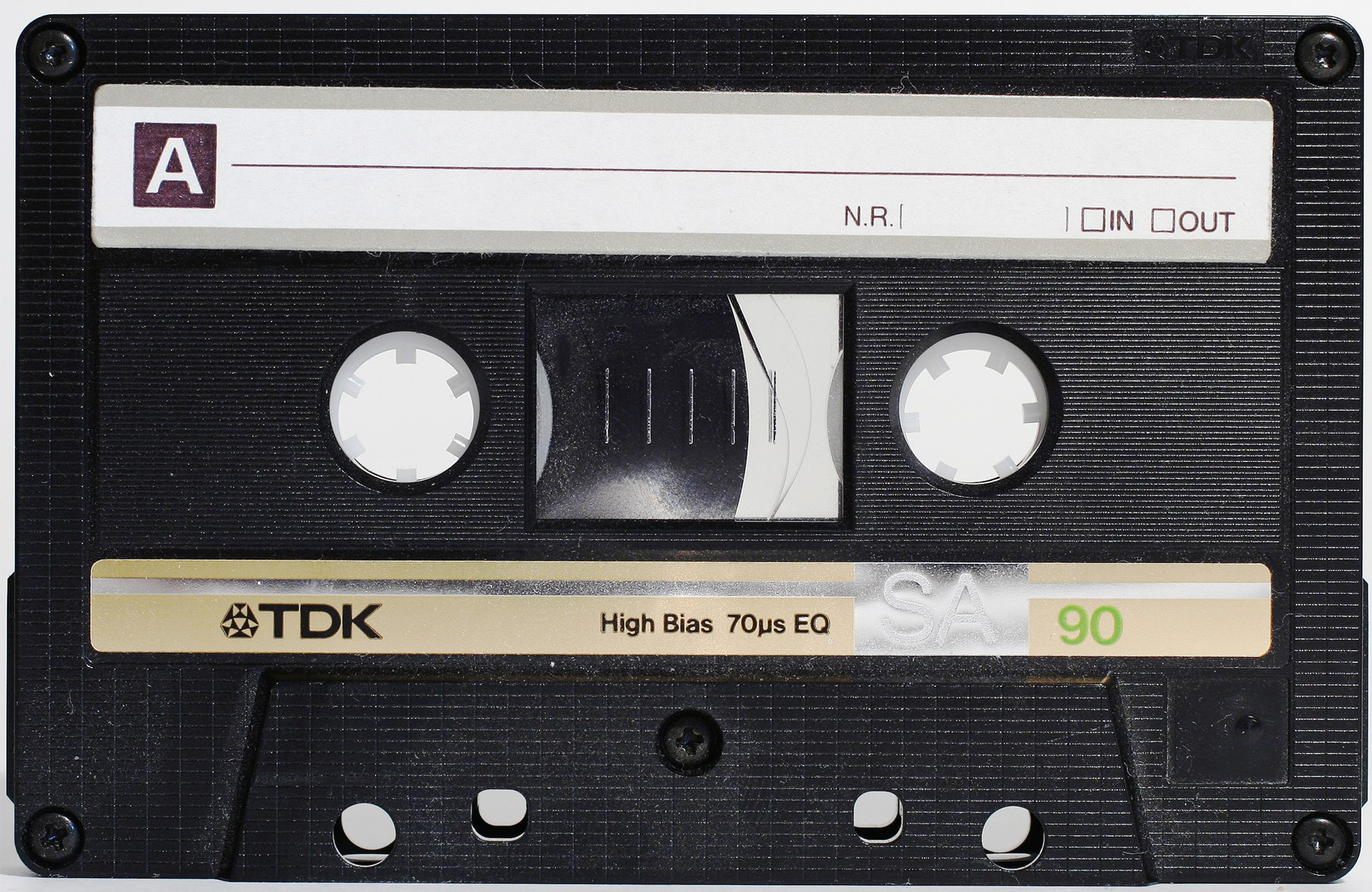
The 1985 teenager owned a growing collection of cassette tapes — store-bought albums and, crucially, homemade mixtapes — frequently stored in special cases and representing real time, money, and emotional investment. Making a mixtape for someone was a genuine labor of love. Digital music and streaming erased physical tapes entirely. The cassette collection, and especially the handcrafted mixtape with its carefully chosen songs and hand-written track list, is a vanished artifact, and the whole effortful ritual of recording music off the radio or dubbing tapes would baffle today’s teens.
3. The Trapper Keeper
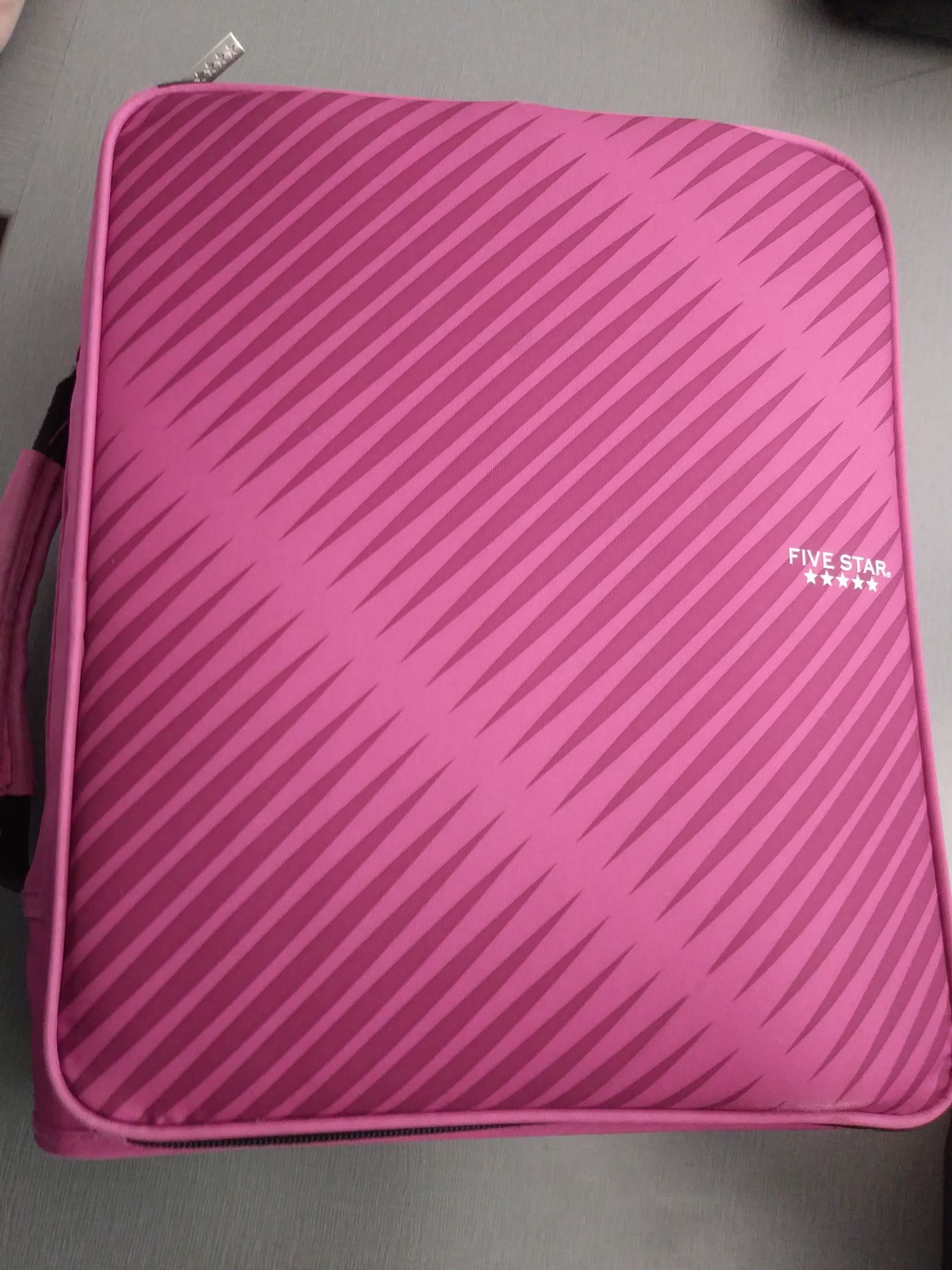
The Trapper Keeper — a colorful, Velcro-flapped binder system holding folders and paper — was the essential 1985 school accessory, a status symbol whose bold designs signaled your personality. Kids coveted the flashiest ones. While binders still exist, the specific cultural phenomenon of the Trapper Keeper, with its distinctive Velcro “riiip” and elaborate designs, has faded. The Trapper Keeper was as much identity statement as organizer for the 1985 teen, and its particular ubiquity and cultural weight is something today’s kids, with their digital assignments, would find hard to understand.
4. The Calculator Watch
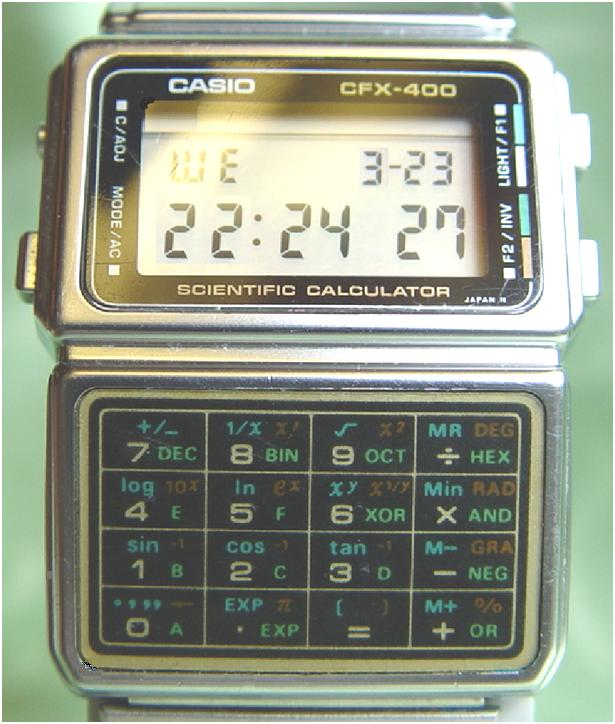
The calculator watch was peak 1985 teen tech — a digital watch with a tiny calculator keypad you operated with the tip of a pen, making the wearer feel impossibly futuristic and smart. It was the height of wearable gadgetry. Smartphones and smartwatches absorbed and vastly exceeded its function. The calculator watch, which felt like science fiction on your wrist and signaled a certain nerdy cool, is a charming relic, its tiny pressable buttons and four-function math a quaint curiosity to kids whose watches now do everything.
5. The Boombox
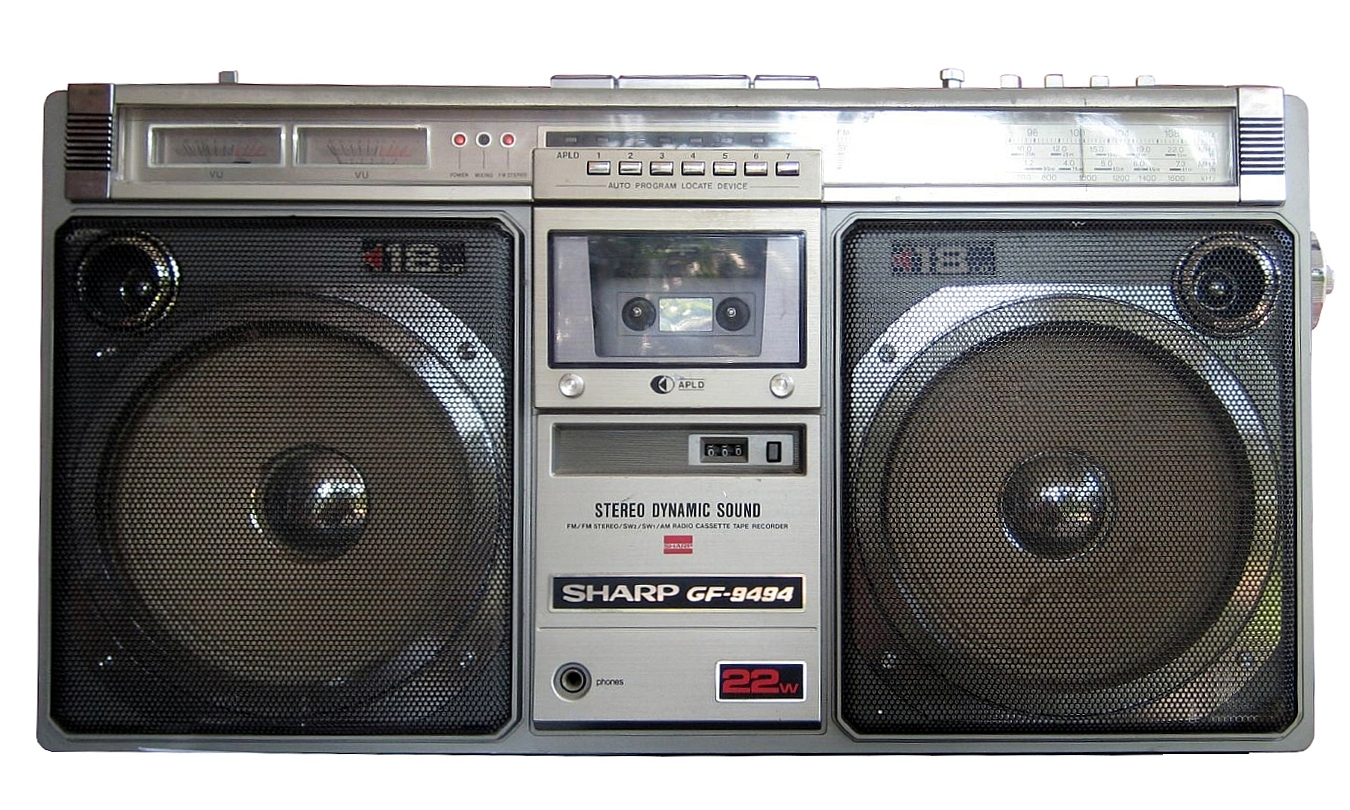
For teens who wanted to share their music (loudly), the boombox — a large, portable stereo with dual cassette decks and big speakers, carried on the shoulder — was the ultimate statement of 1985 cool. It was social, loud, and impossible to ignore. Portable Bluetooth speakers and phones replaced it. The boombox, hoisted onto a shoulder and blasting cassettes at the park, is an iconic vanished object of the era, and the whole culture of carrying a heavy, battery-devouring stereo to broadcast your music to everyone around would baffle today’s earbud-wearing teens.
6. A Pocketful of Quarters for the Arcade
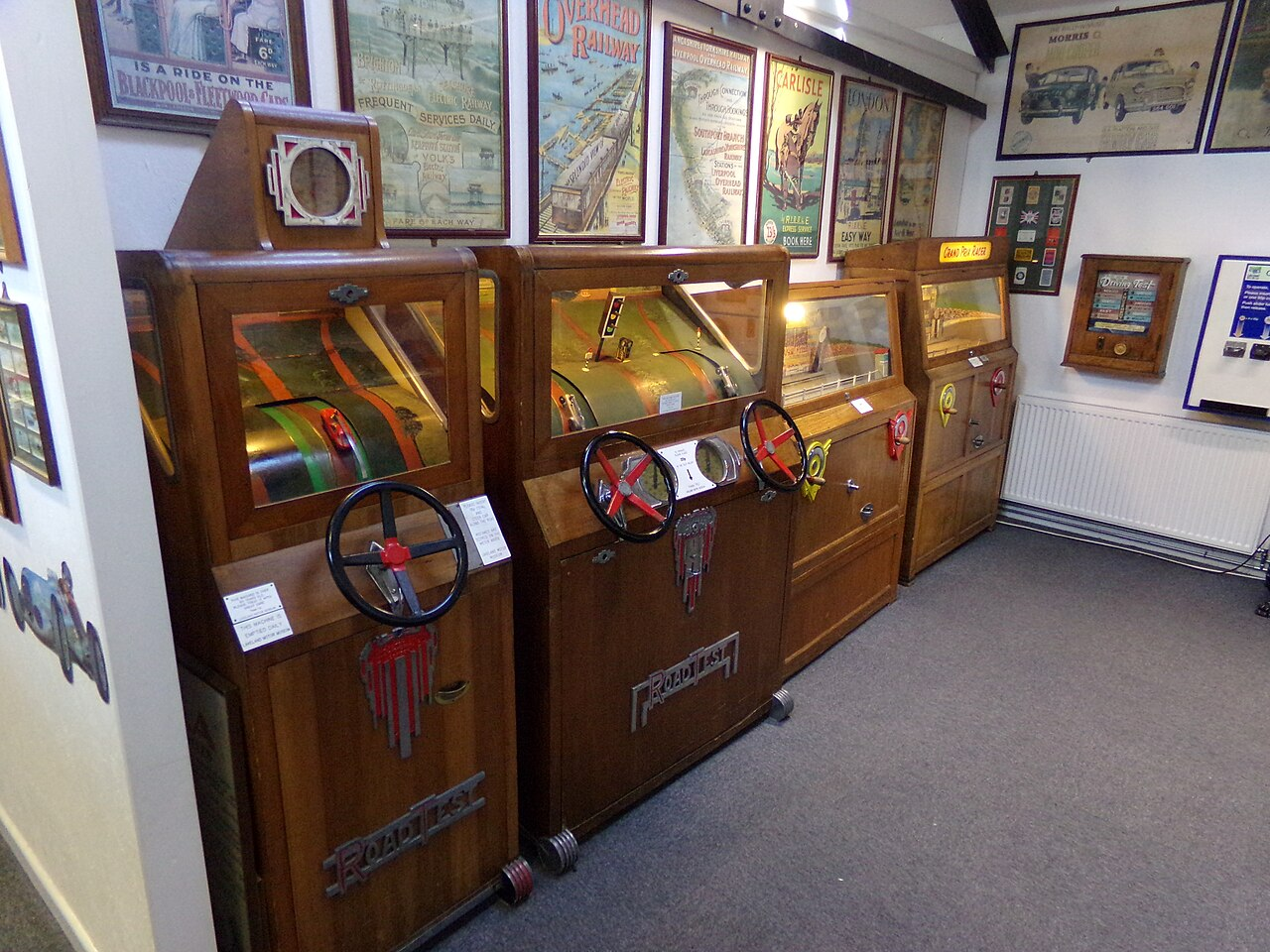
The 1985 teenager kept a supply of quarters for the local arcade, the social hub where you’d spend hours and real money feeding coins into video game machines. The arcade was a destination and a scene. Home consoles, then phones, hollowed out the arcade. The pocketful of quarters and the whole social world of the arcade — the competition, the high-score initials, the crowd around the best player — is a vanished teen experience, replaced by gaming alone or online, and the idea of paying a quarter per game would puzzle kids today.
7. The Landline and a Long Phone Cord

The 1985 teenager’s social life ran through the family landline telephone, frequently fought over with siblings and parents, with marathon calls conducted while stretching the cord into a closet or down the hall for privacy. The single shared phone was a constant source of family tension. Cell phones gave every teen a private, portable line. The shared landline, the busy signal, the eavesdropping siblings, and the desperate stretch for privacy on a corded phone are vanished features of teen life that today’s kids, each with a private phone, would find almost unimaginable.
8. Posters Covering Every Wall
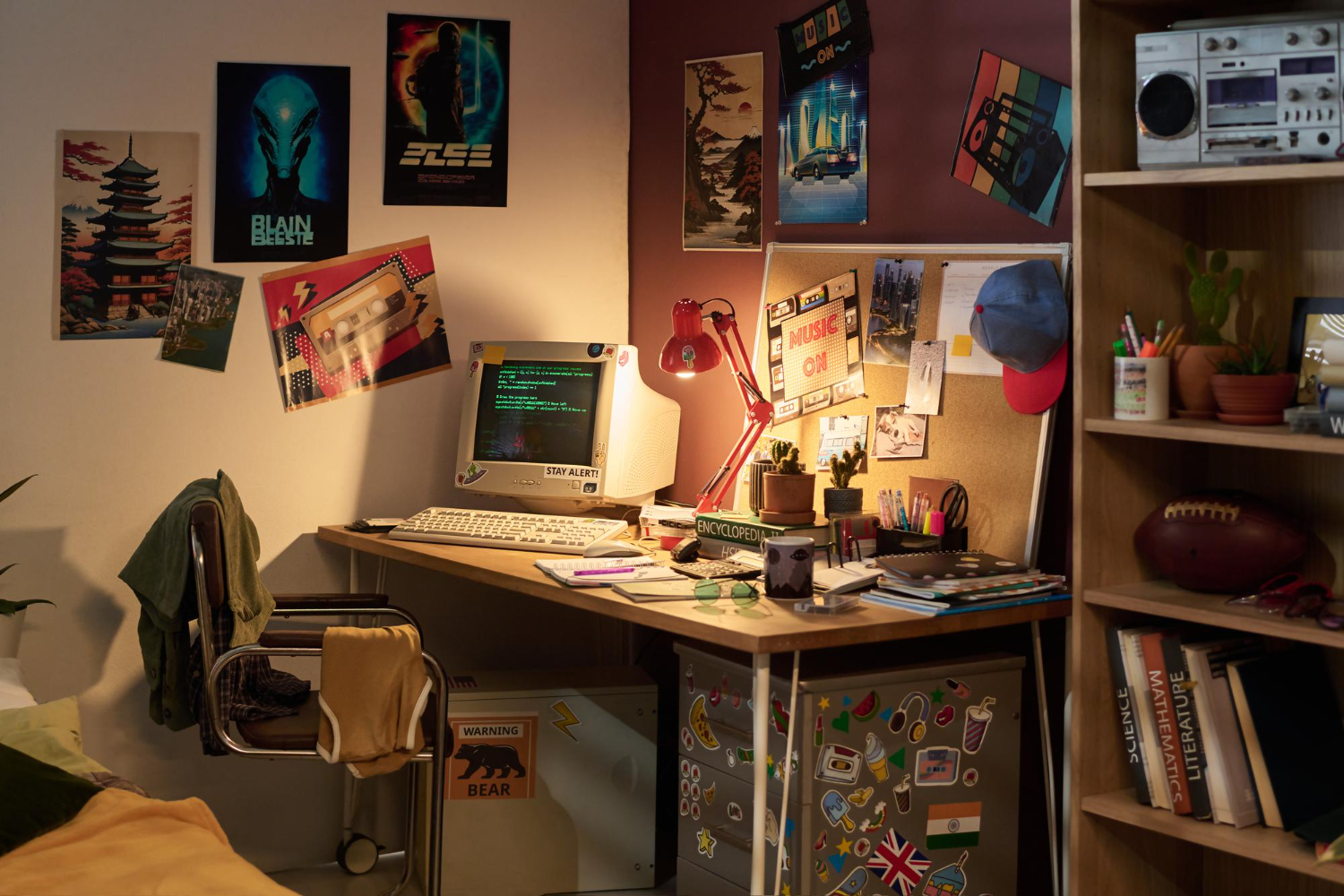
The 1985 teenager’s bedroom walls were plastered with posters of musicians, bands, and idols, torn from magazines or bought at the mall, expressing identity and fandom in physical form. The poster-covered wall was a teen’s public statement of self. Social media and digital images largely moved this self-expression online. The wall of posters, carefully arranged and frequently fought for with parents, is a fading teen tradition, and the physical, tactile act of decorating a room with paper images of your idols has largely given way to curated digital profiles.
9. The Swatch Watch (and Wearing Several)

The colorful plastic Swatch watch was a 1985 fashion essential, frequently worn several at a time up the arm as a bold style statement. They were affordable, collectible, and intensely trendy. While Swatch still exists, the specific 1985 craze of stacking colorful plastic watches as a fashion statement faded. The Swatch, and especially the trend of wearing multiple at once, captures the bold, plastic, colorful fashion of the mid-’80s, a very of-the-moment accessory craze that defined teen style for a few intense years.
10. A Camera With Actual Film

The 1985 teenager who wanted photos used a film camera, loading a roll of 24 or 36 exposures, carefully rationing shots (since each cost money to develop), and waiting days to see the results from the photo lab. Every picture counted. Digital and phone cameras made photography instant, free, and infinite. The film camera, the careful rationing of limited exposures, the suspense of waiting for prints, and the inability to see a photo until it was developed are concepts that would genuinely baffle teens who take hundreds of instant, free, reviewable photos.
11. The Personal Diary With a Lock
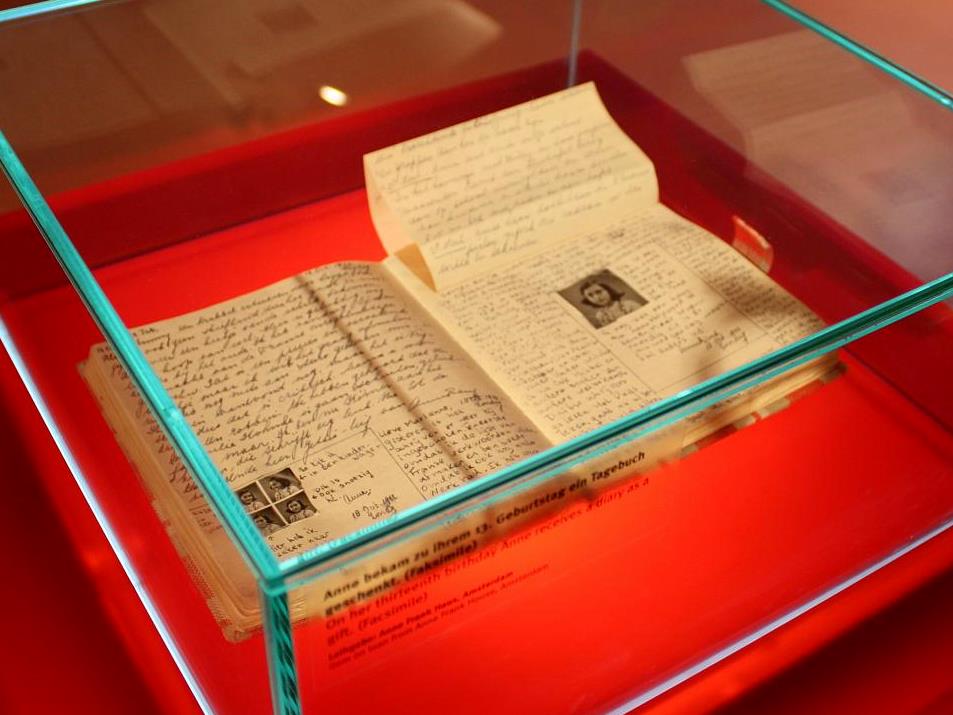
Many 1985 teenagers kept a private paper diary or journal, frequently one with a tiny lock and key, where they recorded their secret thoughts away from prying eyes. The locked diary was a sacred private space. Digital life changed how and where teens record their thoughts. The physical diary with its little lock, hidden under the mattress, represents a vanished mode of private teen expression, and the very idea of a handwritten, physically-locked record of one’s inner life sits in interesting contrast to today’s more public, digital self-expression.
12. A Subscription to Teen Magazines

The 1985 teenager devoured magazines aimed at teens — full of posters, quizzes, idol interviews, fashion, and advice — that arrived in the mail or were bought at the newsstand and read cover to cover, then frequently dismantled for the posters inside. These magazines were a primary source of culture and connection. The internet and social media replaced them entirely. The teen magazine, eagerly awaited and pored over, with its quizzes and pull-out posters, is a vanished institution, and the experience of getting your cultural information from a monthly physical magazine would seem impossibly slow to today’s teens.
13. The Address Book and Memorized Phone Numbers
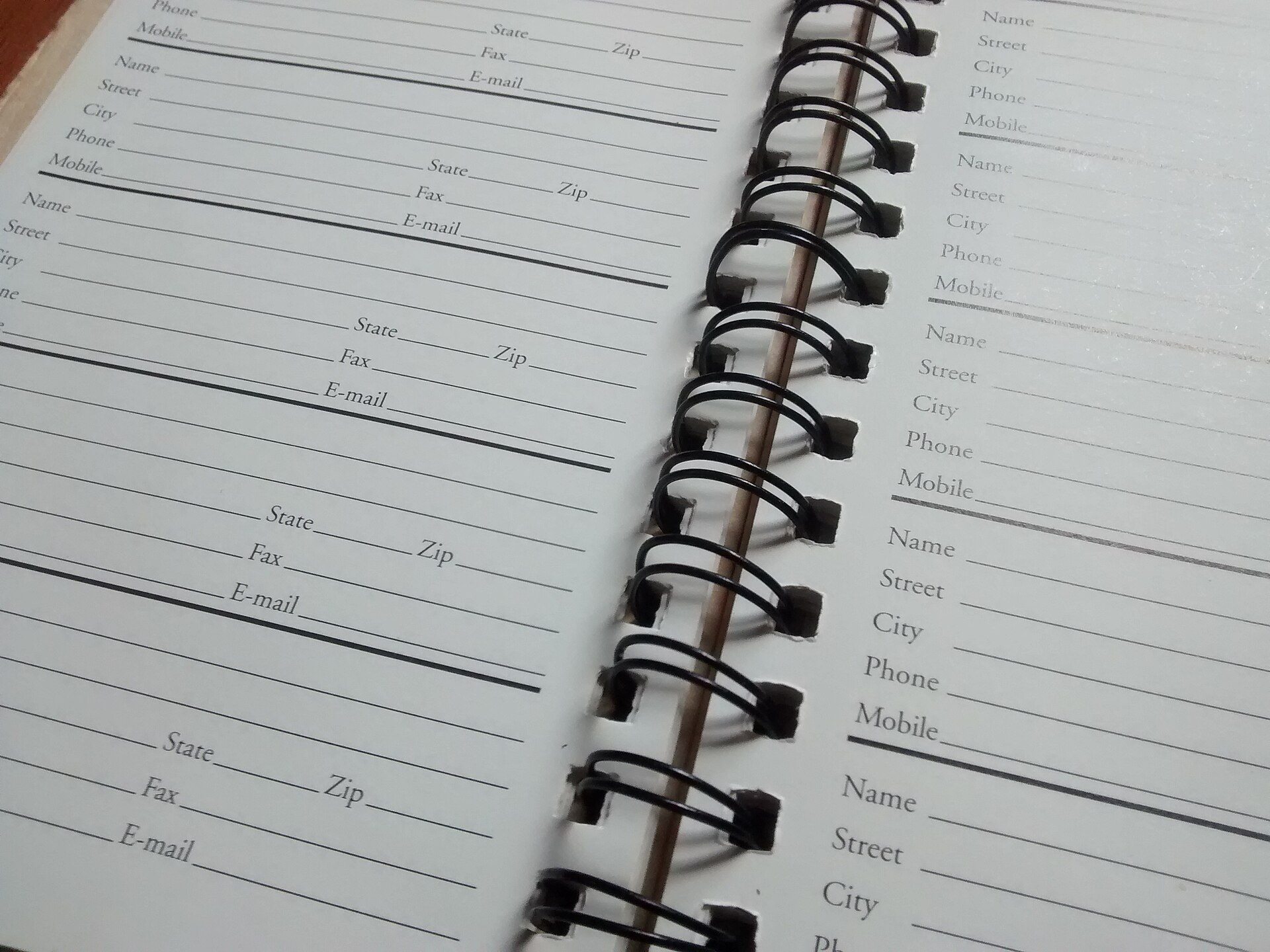
The 1985 teenager kept friends’ contact information in a physical address book or scrawled in a notebook, and crucially, actually memorized the phone numbers of close friends and family, dialing them from memory. Knowing numbers by heart was normal and necessary. Smartphones store every contact, and almost no one memorizes numbers anymore. The handwritten address book, and especially the now-lost skill of knowing dozens of phone numbers by heart, is a vanished feature of teen life, a small but striking example of how a device changed not just our tools but our memories.
Like our content? Follow us for more.