

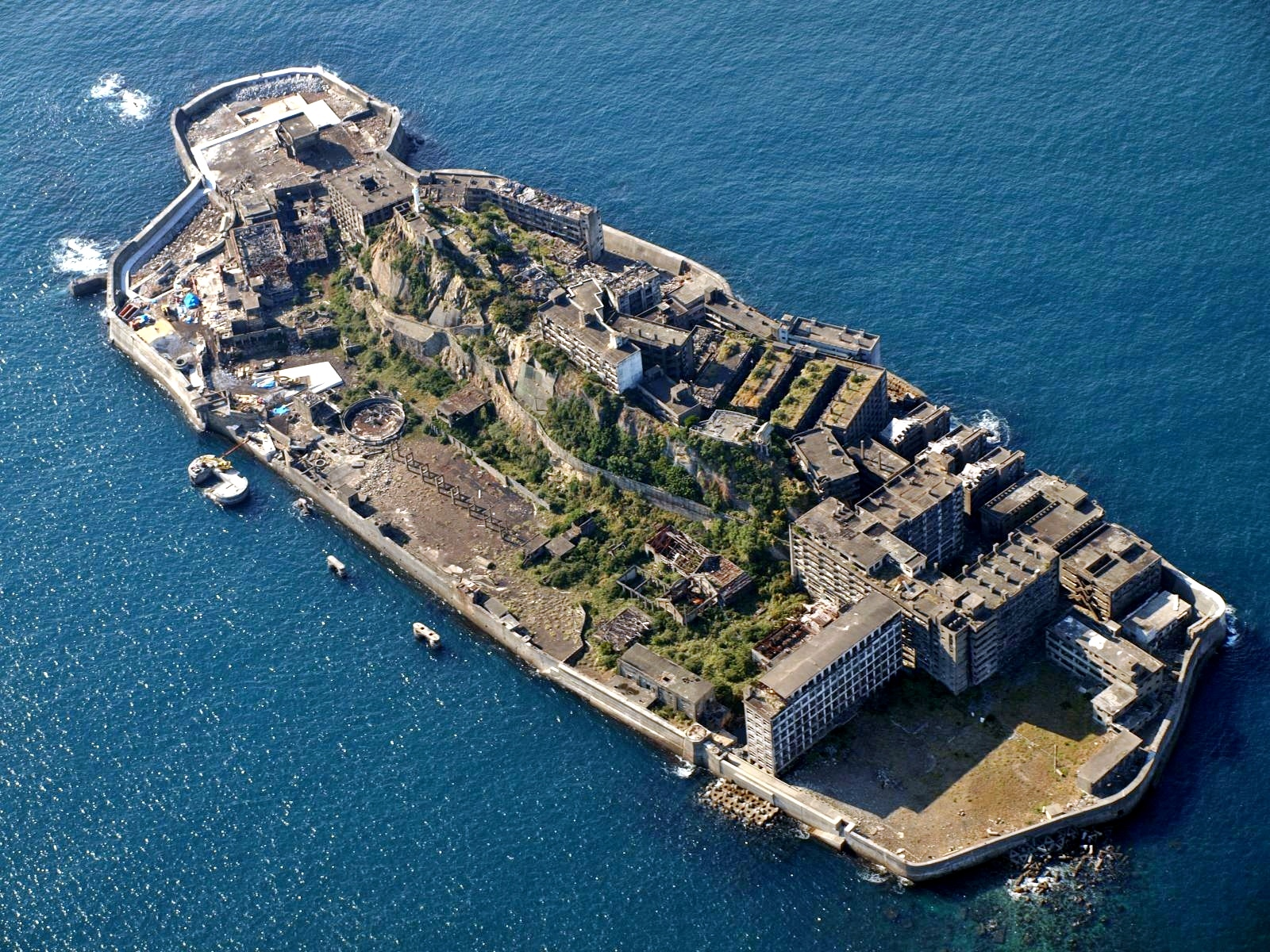
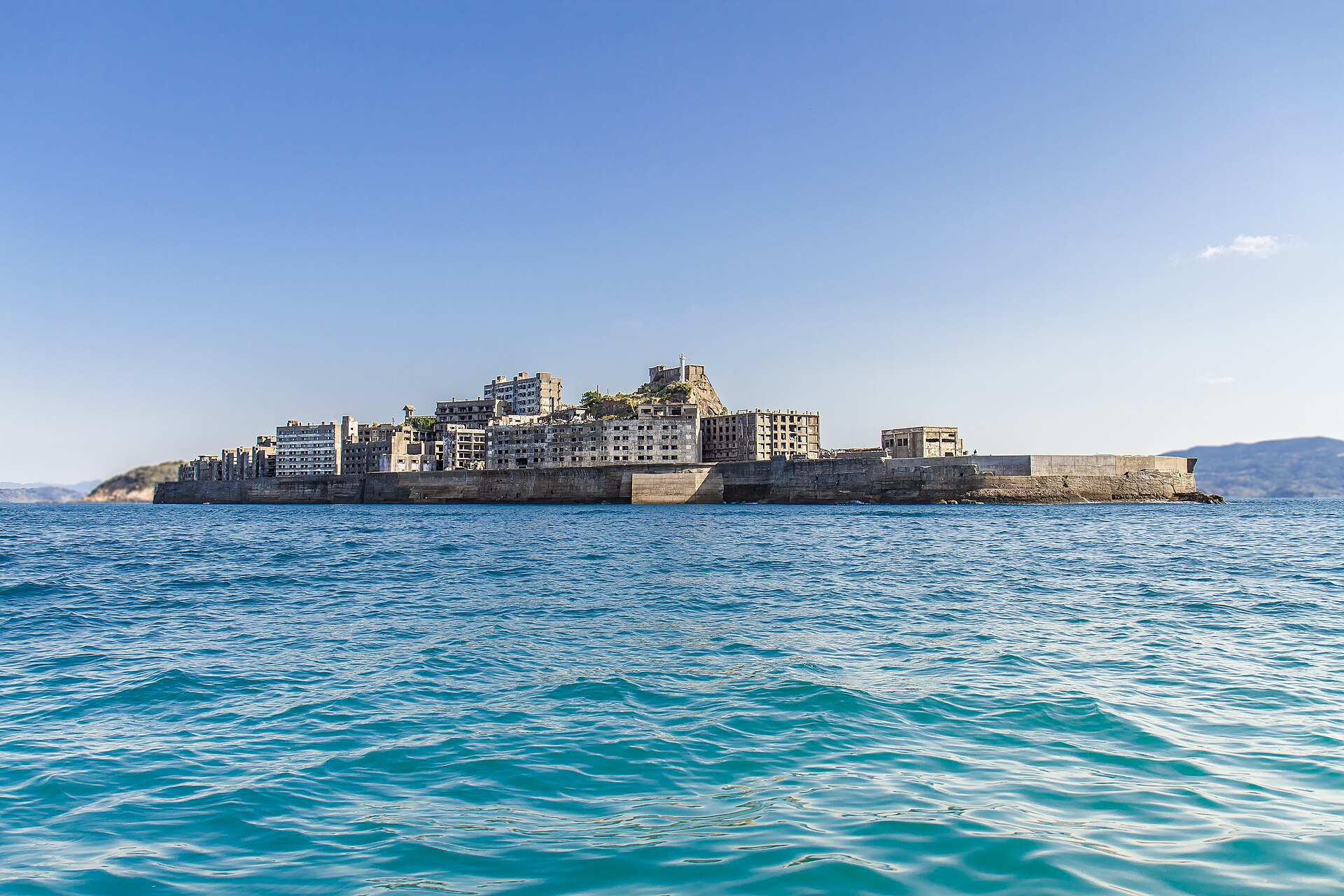
Off the coast of Nagasaki, Japan, sits a tiny island that looks, from a distance, like a battleship rising from the sea — a dense cluster of crumbling concrete towers ringed by a high sea wall. It’s called Hashima, though most know it by its nickname, Gunkanjima, or “Battleship Island.” For most of the 20th century it was something almost impossible to imagine: a 16-acre rock that was, at its peak, the most densely populated place on the entire planet, packed with over five thousand people living stacked in concrete high-rises above an undersea coal mine. And then, almost overnight, it emptied. Within a single season in 1974, every last resident left, and the island has stood silent and decaying ever since. Here is the strange, haunting, and genuinely fascinating story of Hashima — the island that was once the most crowded place on earth, then was abandoned in a matter of weeks.
What makes Hashima so compelling isn’t just that it was abandoned — many places are — but the extremes it represents: the most crowded place on earth becoming an empty ruin, the speed of its emptying, and the genuinely dark chapters in its history. Here’s how it happened.
A Rock That Became a City
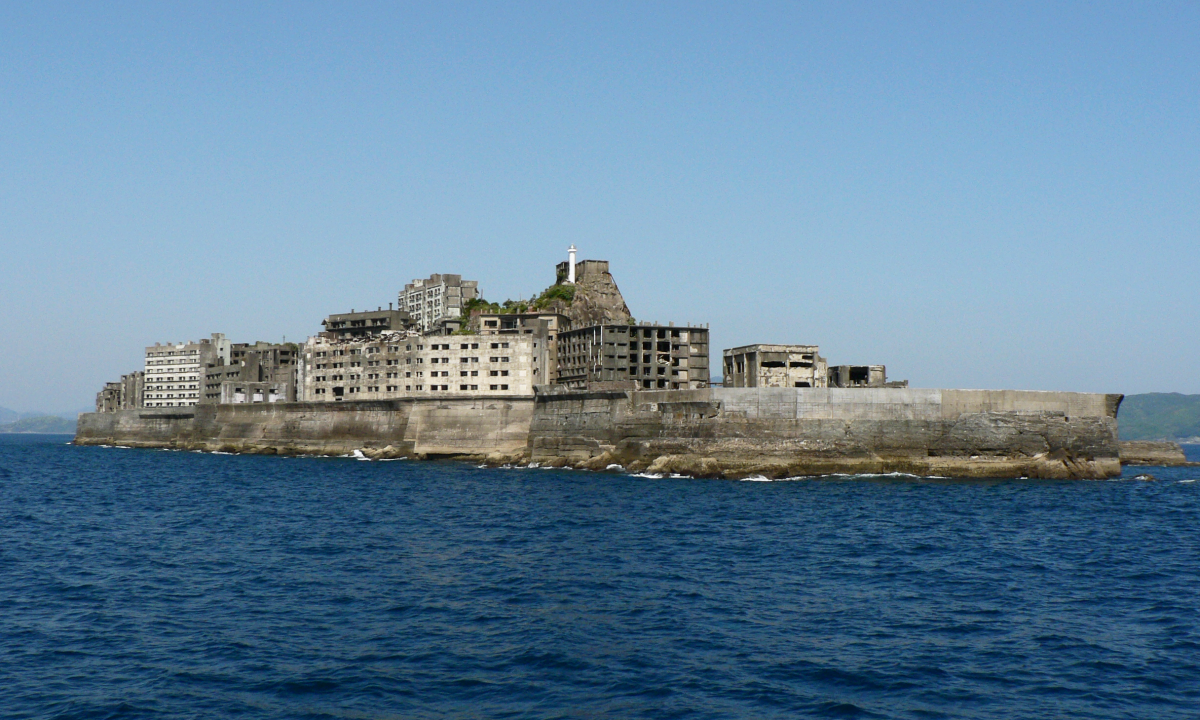
Hashima began as little more than a bare rocky outcrop about 4.5 kilometers off the Nagasaki coast, where coal was discovered in the early 1800s. When the Mitsubishi company acquired the island in 1890 and began serious undersea coal mining to fuel Japan’s rapid industrialization, the population soared, and the company transformed the tiny rock into a genuine city. To house the miners and their families on the cramped island, Mitsubishi built upward, constructing dense concrete high-rise apartment blocks — including what’s frequently cited as Japan’s first large reinforced-concrete apartment building, dating to 1916 — until the island bristled with towers behind a protective sea wall, taking on the warship silhouette that gave it its nickname.
Like our content? Follow us for more.
The Most Densely Populated Place on Earth
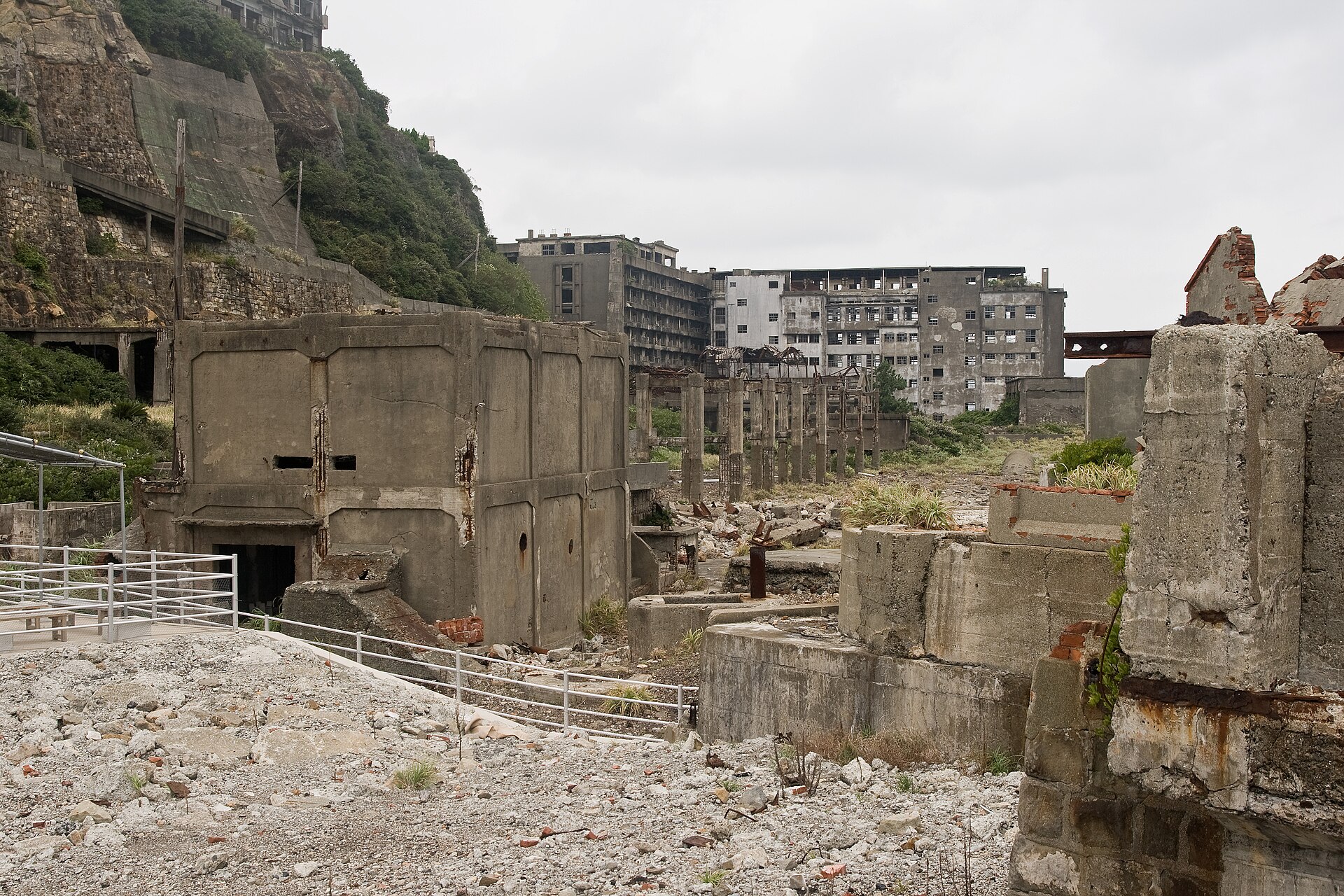
At its peak in 1959, Hashima housed an astonishing 5,259 people on its roughly 16 acres, producing a population density of around 83,500 people per square kilometer — by some measures the highest the world has ever seen, many times denser than the most crowded modern cities. Life on the island was a study in extreme density: apartments were tiny, the buildings were packed tightly together, and the streets and stairways between them were narrow and claustrophobic. Yet it was a complete, functioning community, and Mitsubishi provided the amenities to make the isolated, crowded island livable for thousands of workers and their families who couldn’t easily leave.
A Complete World on 16 Acres
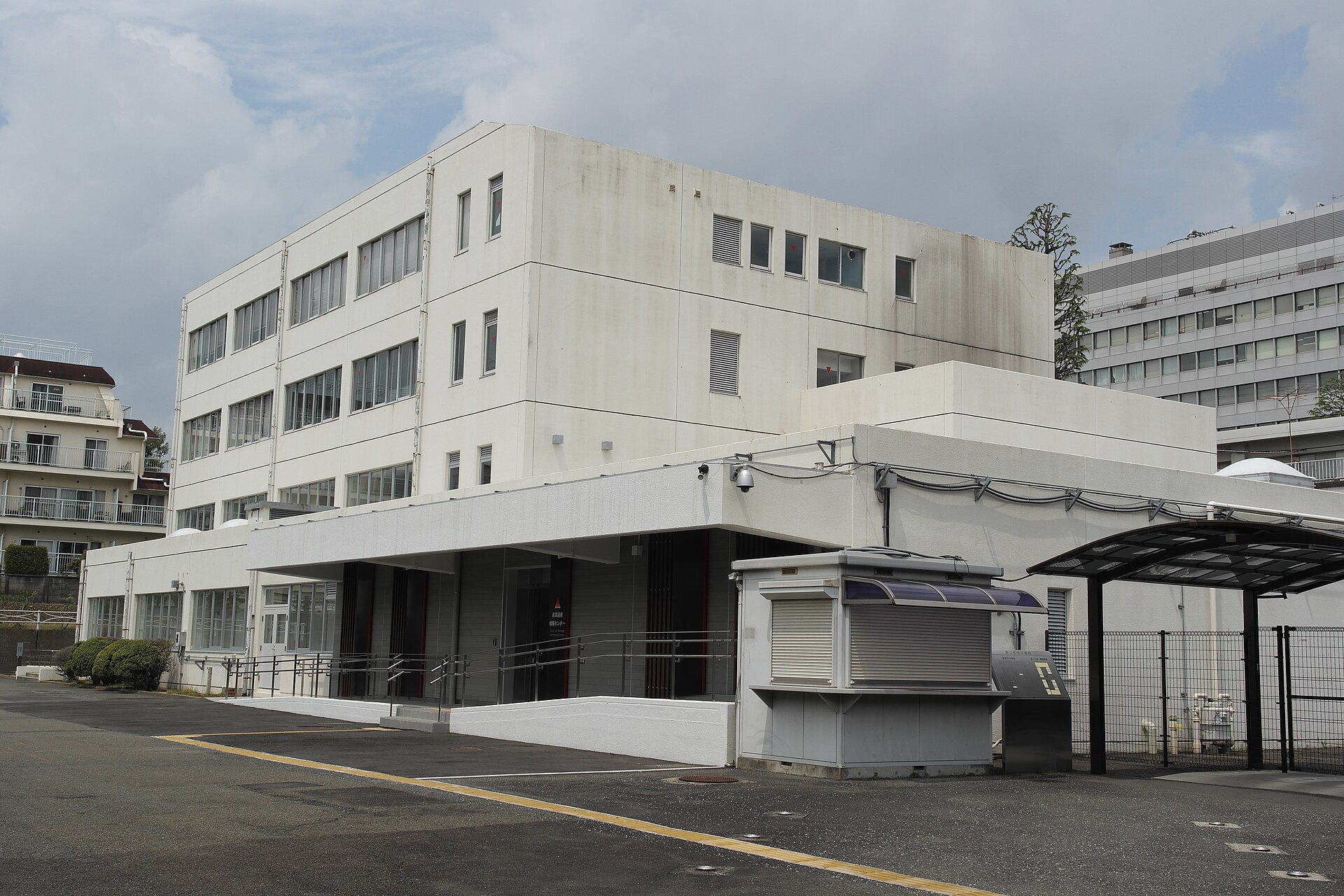
Despite its tiny size, Hashima contained an entire self-contained world. To convince miners to bring their families to such a confined, remote place, the company built not just housing but a school spanning the grades, a hospital, shops, a cinema, a community center, and even recreational facilities, with fresh food brought in regularly by boat. Children grew up on the island, residents formed a tight community in the shadow of the mine, and daily life unfolded in the narrow spaces between the towers. It was a remarkable experiment in extreme-density living, a vertical industrial city floating off the coast, complete and largely sealed off from the mainland world.
The Dark Chapters in Its History
Hashima’s history is not only a story of industrial achievement; it includes genuinely painful chapters that deserve honest acknowledgment. During World War II, Korean and Chinese laborers were subjected to forced labor in the island’s mines under brutal and dangerous conditions, and many died from the harsh work, accidents, and deprivation. This forced-labor history is a serious and well-documented part of the island’s past, and it became a point of international tension when the island was later considered for heritage status, with calls for this difficult history to be fully recognized rather than glossed over. Any honest telling of Hashima’s story must include this dark dimension alongside its more famous distinction as the world’s most crowded place.
The Sudden End
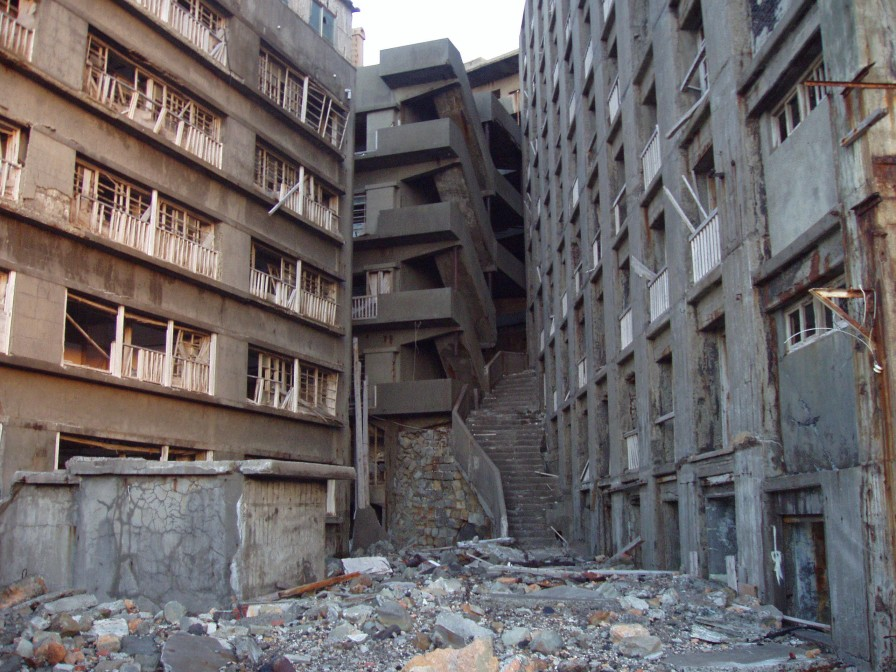
By the 1960s and into the 1970s, Japan was shifting its energy from coal to petroleum, and Hashima’s undersea coal mine became economically unviable. When Mitsubishi announced the mine’s closure, the end came with stunning speed. The island that had been continuously inhabited since the late 1800s emptied almost at once: according to records, the last permanent residents departed by boat to Nagasaki on April 20, 1974, just months after the closure announcement. Residents took what personal possessions they could carry and left everything else behind. There was no slow decline, no gradual wind-down — the population simply departed within a single season, and the crowded city became a ghost island almost overnight.
A Time Capsule Left to Decay
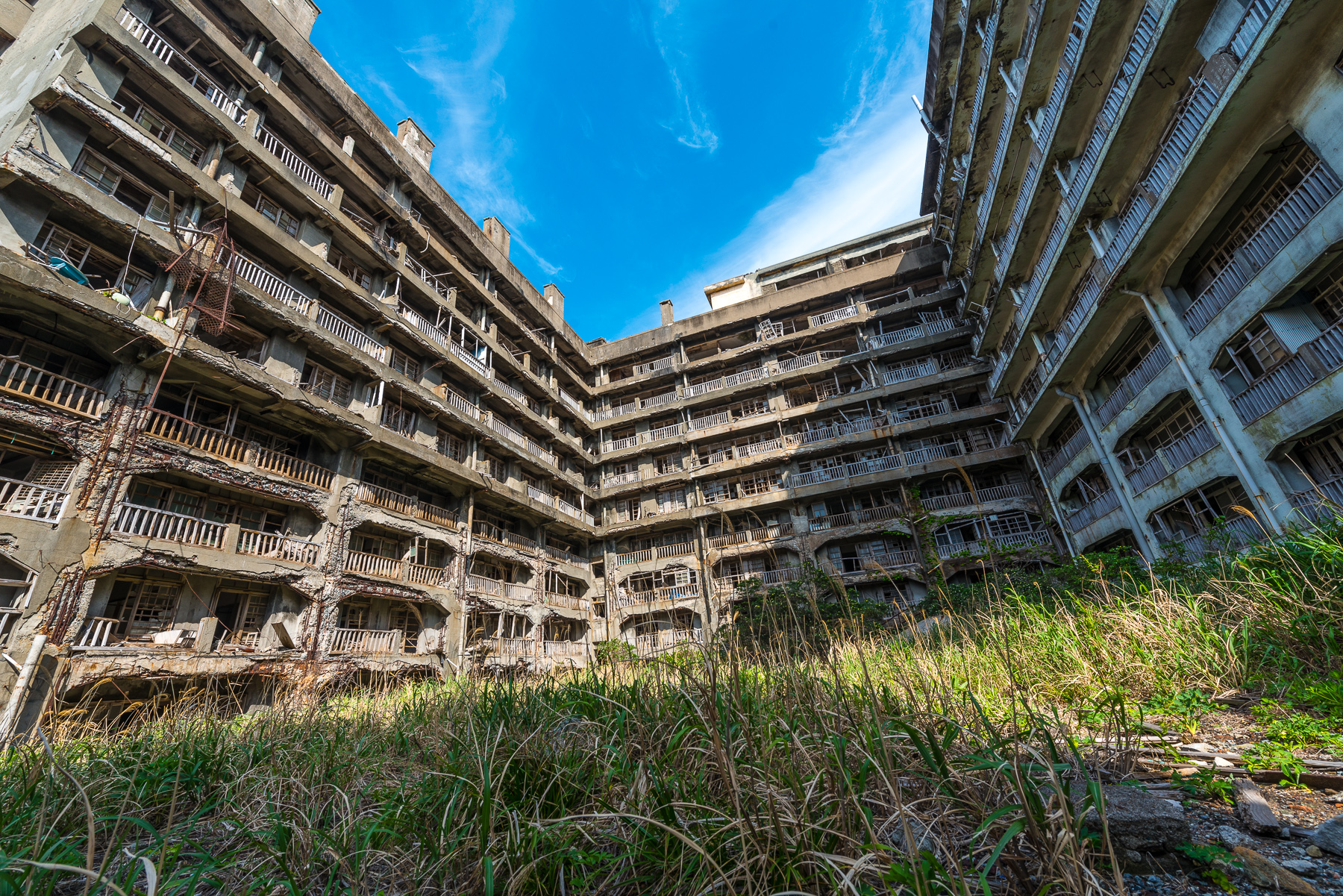
In the decades since 1974, Hashima has stood empty and decaying, battered by typhoons and the salt air of the sea, its concrete towers crumbling and slowly being reclaimed by the elements. Because residents left in haste, the island became a haunting time capsule — abandoned apartments, the remains of everyday life, the silent school and hospital, all frozen in the moment of departure and then left to the slow violence of weather and time. The sight of the dense cluster of ruined high-rises rising from the sea, utterly silent where thousands once lived in extreme proximity, is genuinely eerie, a stark monument to how quickly a thriving place can become a ruin.
From Forbidden Island to Heritage Site
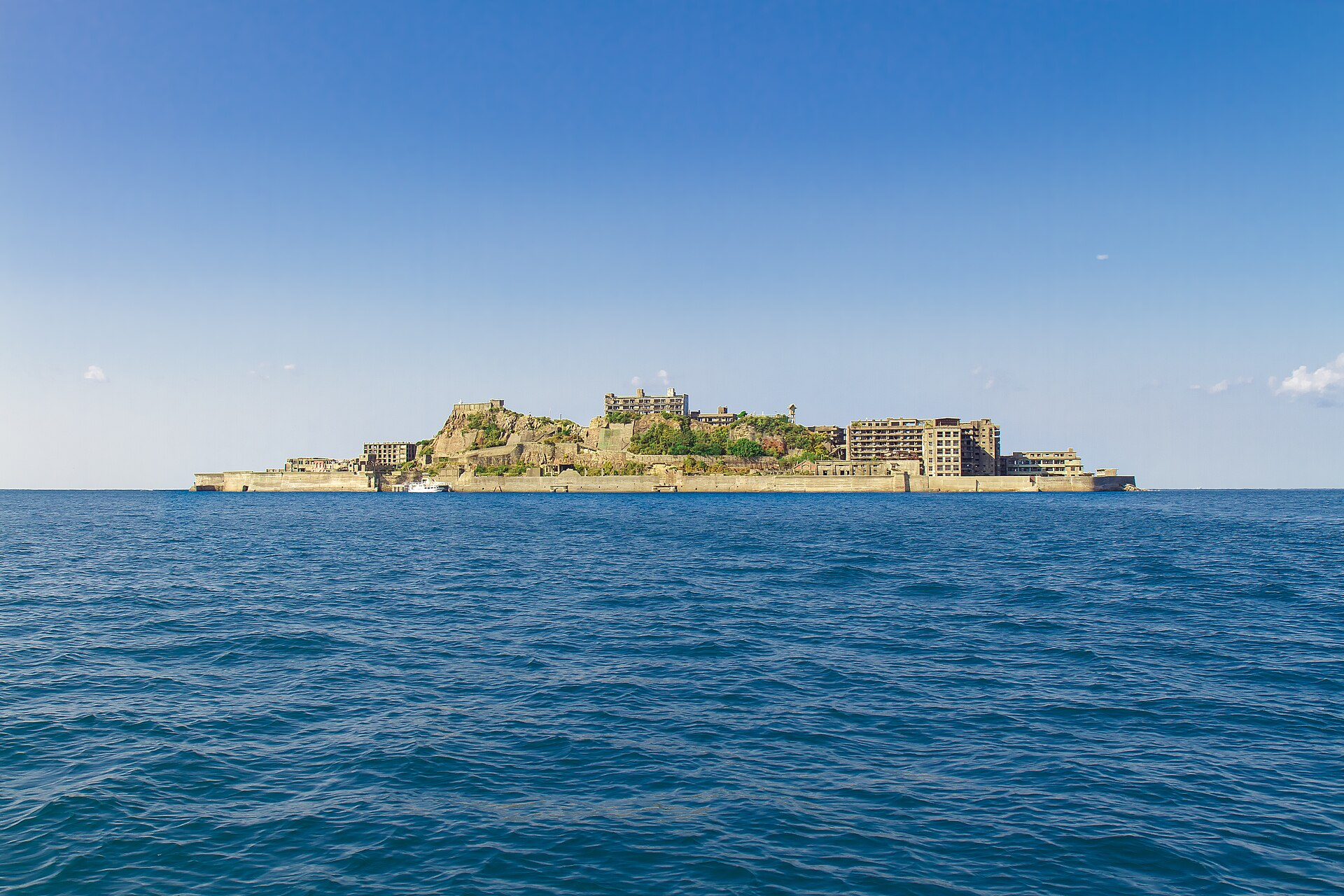
For decades after its abandonment, Hashima was strictly off-limits, its decaying structures too dangerous to enter. That began to change in 2009, when limited tourist boat tours started running, allowing visitors to view the island and access small designated areas at a safe distance from the unstable buildings. In 2015, Hashima was designated a UNESCO World Heritage Site as part of a group of sites documenting Japan’s industrial revolution — a designation that came with international controversy precisely because of the forced-labor history, with negotiations over how that difficult past would be acknowledged. Today, the island can be visited only through authorized guided tours, which depend on weather and sea conditions, and which focus on viewing rather than free exploration of the hazardous ruins.
Why Hashima Captivates the World
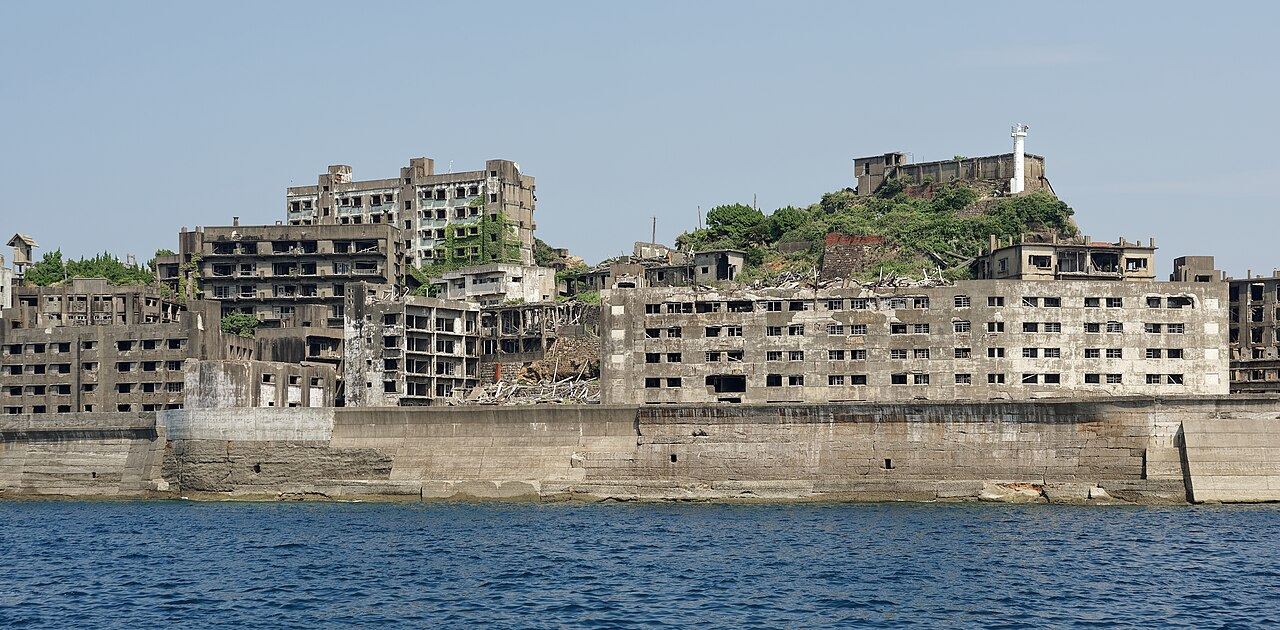
Hashima has become one of the world’s most famous abandoned places, drawing fascination from around the globe, and it’s worth asking why this particular ruin holds such power. Part of it is the sheer visual drama — the battleship silhouette, the dense forest of crumbling towers rising straight from the ocean, looking like something from a post-apocalyptic film. Part of it is the extraordinary extremes the island embodies: the most crowded place on earth becoming utterly empty, the speed of that transformation, the completeness of the abandonment. And part of it is the way Hashima serves as a stark, concentrated symbol of larger forces — industrialization and its human costs, the rise and fall of resource economies, and the impermanence of even the most densely built human worlds. The island is a genuine monument to the way thriving human places can be created and then erased with startling speed.
The Bottom Line
Hashima Island is one of the most remarkable and haunting places on earth — a tiny rock off Nagasaki that was transformed into a vertical concrete city, became at its peak the most densely populated place the world has ever known with over five thousand people on sixteen acres, and then was abandoned so completely and quickly that its last residents left within a single season in 1974, leaving a silent time capsule that has crumbled in the sea air for half a century since. Its story holds genuine wonder in the audacity of building a city on a rock and the extremes of its density, genuine darkness in the forced labor that scars its wartime history, and genuine poignancy in the speed and totality of its emptying. It stands today as a UNESCO World Heritage Site, accessible only by guided tour, both a fascinating destination and a sobering monument to how the forces of industry can conjure a crowded world out of nothing and then let it vanish almost overnight. For anyone drawn to the haunting beauty of abandoned places and the strange stories behind them, few places on earth tell a more dramatic tale than the Battleship Island.
Like our content? Follow us for more.

