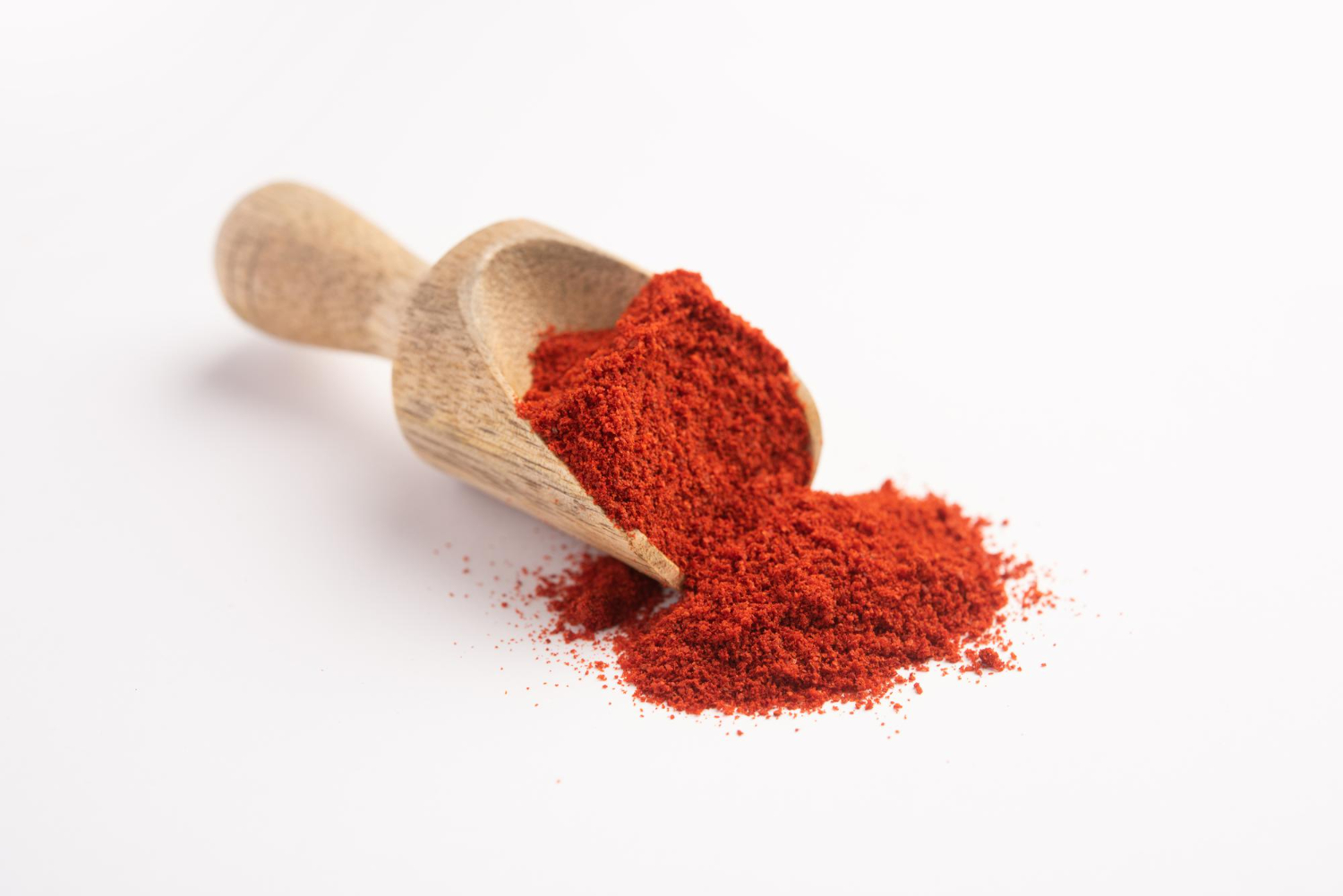
Paprika sits in nearly every spice rack in America, dusted over deviled eggs and stirred into goulash, and yet a surprising number of people have no idea what it actually is. When they find out, they’re frequently stunned — and paprika is far from the only everyday food hiding a surprising truth about its origins. Many of the ingredients we use without a second thought come from sources, plants, or processes that most people have simply never thought about. None of these revelations are alarming; they’re just the kind of fascinating “wait, that’s what it is?” facts that make you see your own kitchen a little differently. Here’s the surprising truth about what paprika is really made from, plus nine other everyday foods whose real origins catch people off guard.
The Big One: Paprika Is Just Dried, Ground Red Peppers
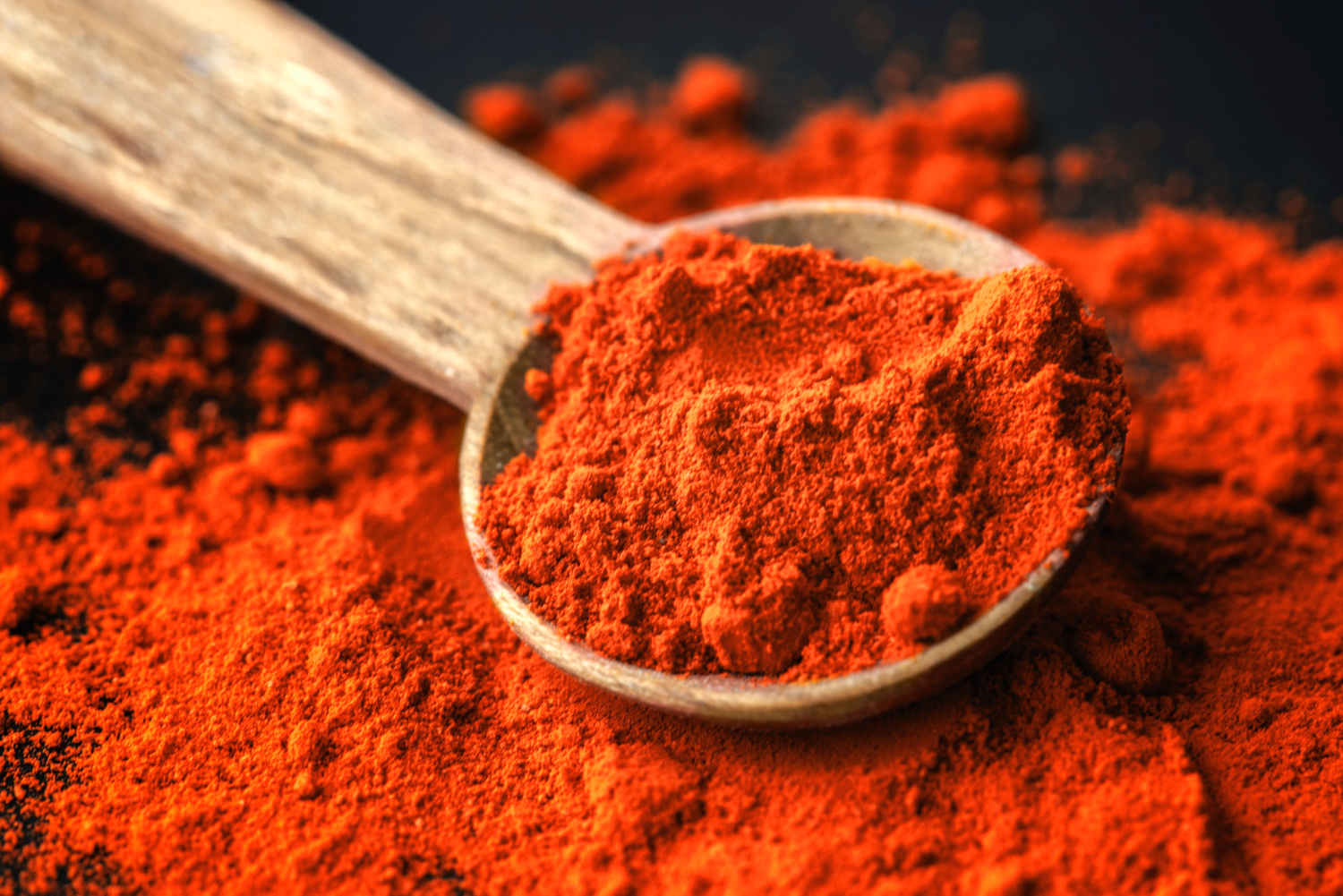
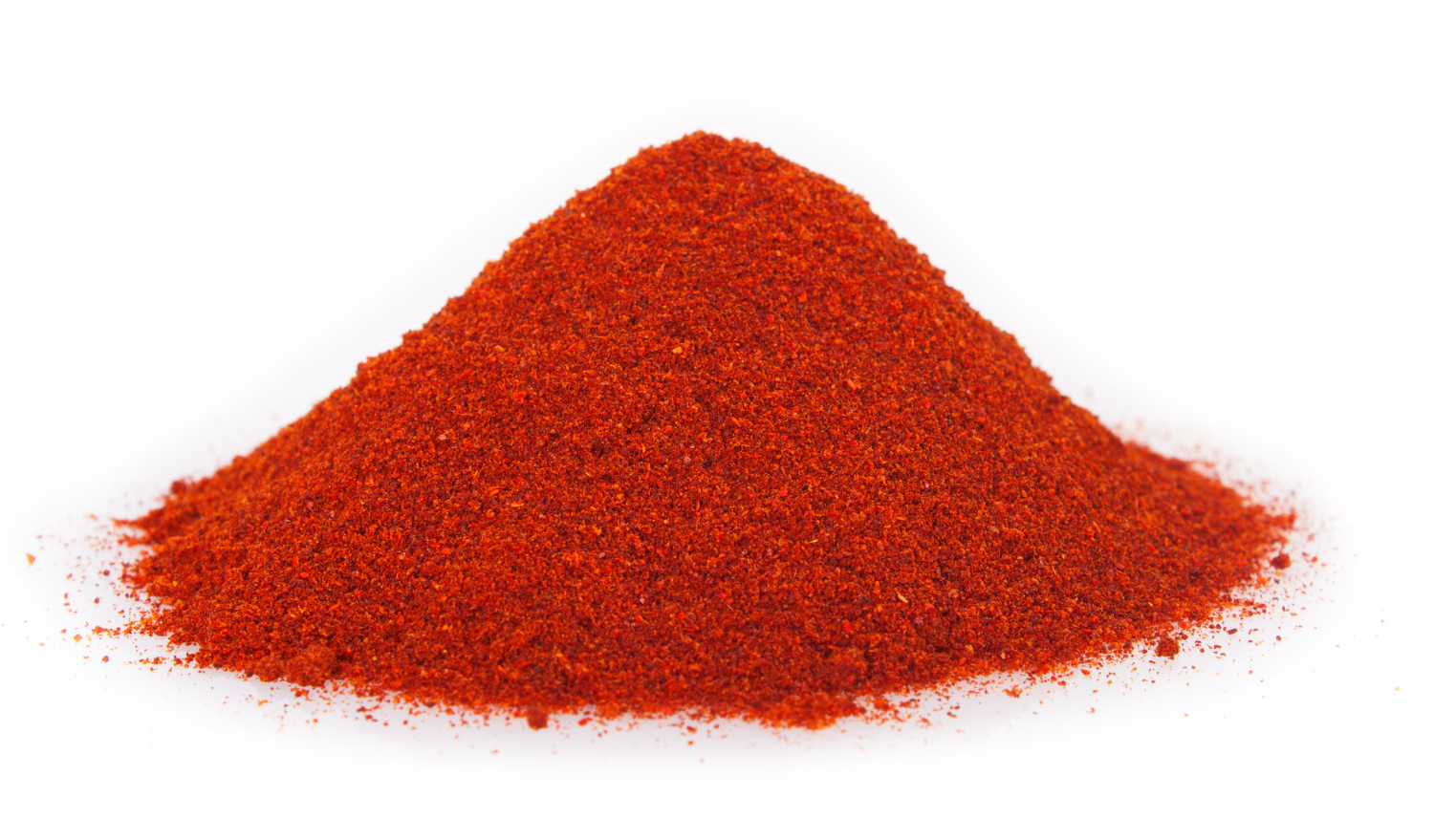
Here’s the revelation that stuns people: paprika is simply dried, ground red peppers — specifically mild, sweet varieties of the pepper species Capsicum annuum, the same broad family that includes the bell peppers in your produce aisle. That’s it. There’s no exotic “paprika plant”; the vivid red powder is nothing more than ripe red peppers that have been dried and finely ground. The confusion frequently comes from the word “pepper” — paprika has nothing to do with black pepper (which comes from an entirely unrelated tropical vine) and isn’t necessarily spicy. Most common sweet paprika has essentially no heat at all, because it’s made from mild peppers with the seeds largely removed. Learning that the familiar red spice is just powdered sweet red peppers genuinely surprises a lot of home cooks.
How Paprika Gets Its Different Styles
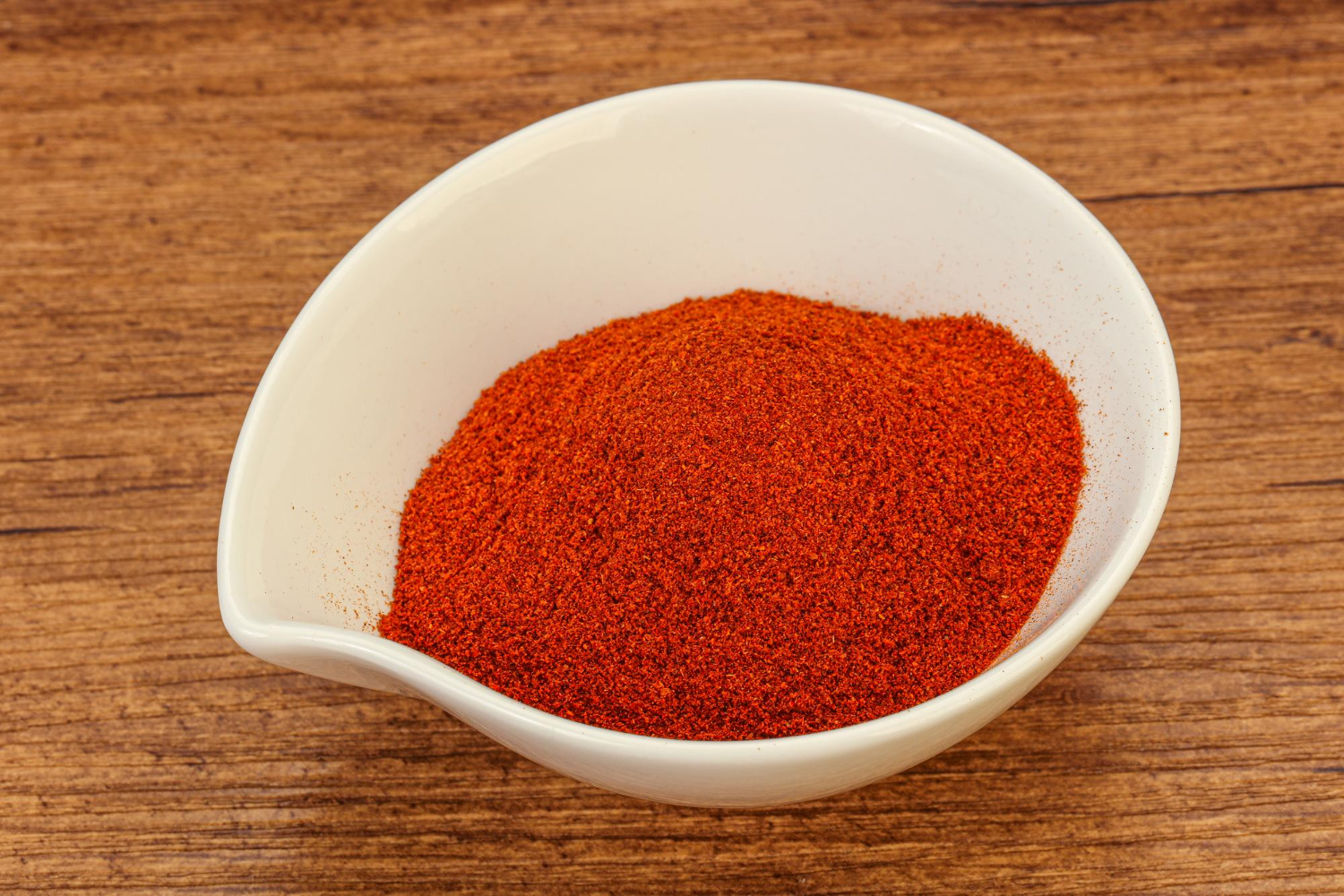
The reason paprika ranges from sweet to hot to smoky comes down entirely to the peppers used and how they’re dried. Sweet paprika uses mild peppers; hot paprika uses spicier varieties (and retains more seeds and membranes); and smoked paprika — the Spanish pimentón — gets its deep, smoky flavor from peppers slowly dried over oak-wood fires. Traditional production, especially the prized paprika of Hungary and Spain, involves slowly drying ripe red peppers for weeks before grinding them, with no additives in the pure versions. Understanding that paprika’s whole personality — sweet, hot, or smoky — comes simply from the type of pepper and the drying method demystifies a spice that suddenly seems much more interesting than the dusty jar in the cabinet suggests.
Cashews Grow Attached to a Fruit — and Aren’t Sold in Their Shells for a Reason
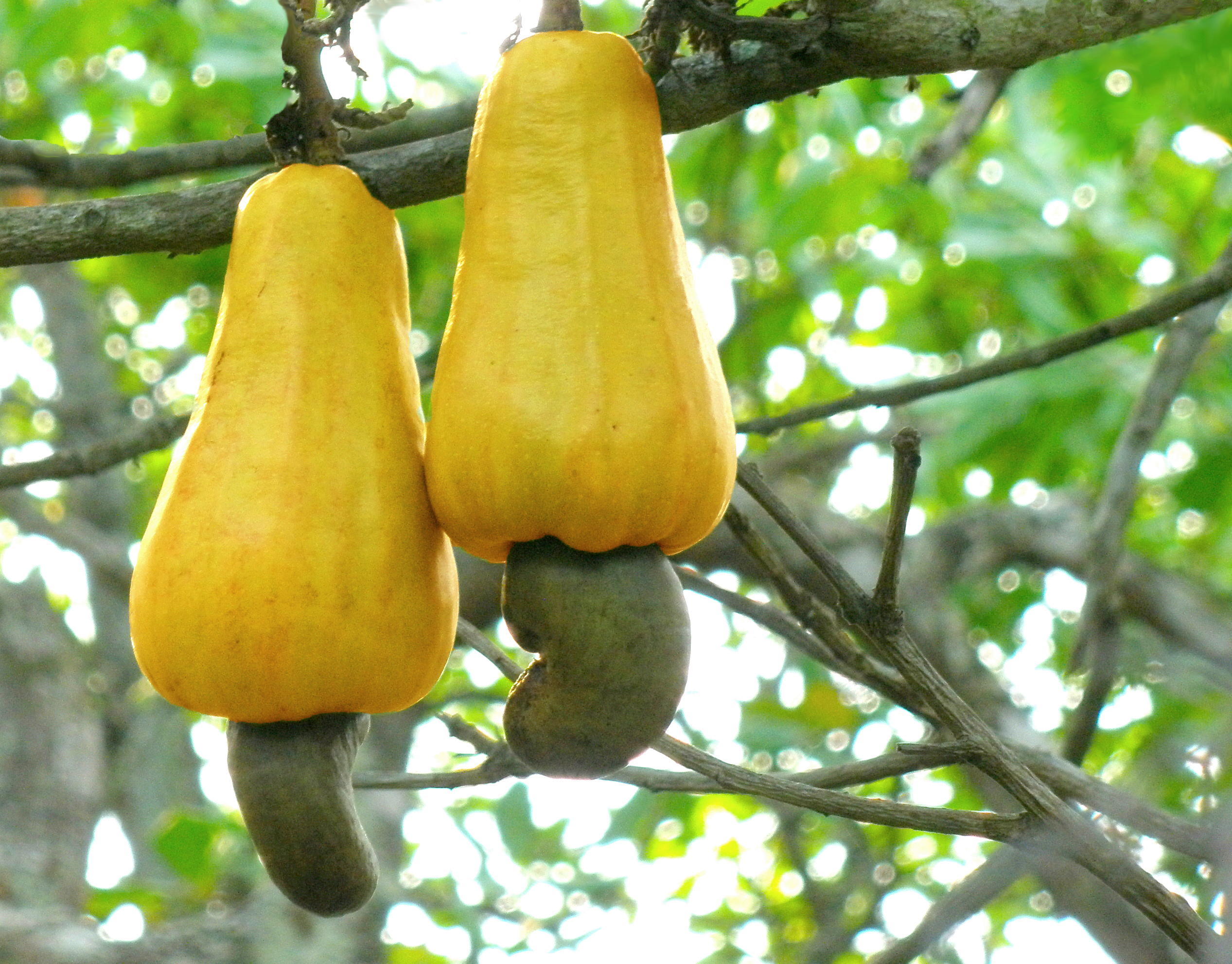
Most people have never seen how a cashew grows, and the truth is surprising: each cashew hangs from the bottom of a “cashew apple,” a fleshy fruit, with the single nut dangling below in a hard shell. More surprising still, that shell contains caustic compounds related to those in poison ivy, which is why cashews are always sold shelled and are never available “raw” in the shell to consumers — they must be carefully processed and heated to be safe. The cashew’s strange growth (one nut per fruit, hanging outside it) and its irritant-containing shell genuinely surprise people who’ve only ever seen the smooth, shelled nut in a can.
Honey Is Essentially Regurgitated by Bees
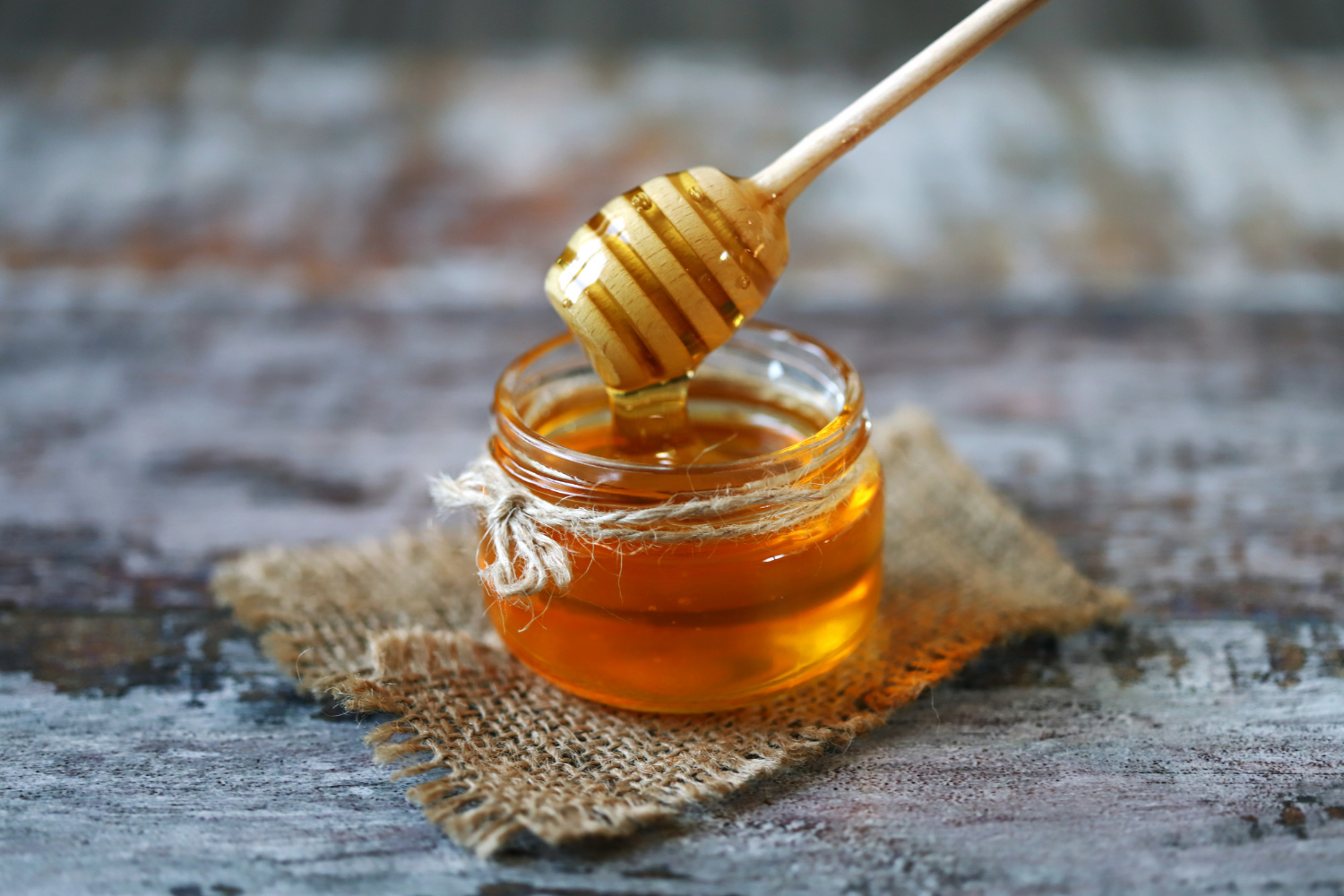
It’s a fact that makes people pause: honey is made by bees collecting flower nectar, partially digesting and regurgitating it repeatedly, and then fanning it with their wings to evaporate the water until it thickens into honey, which they store in the honeycomb. The sweet, golden substance on your toast is, in essence, nectar that bees have processed within their bodies and concentrated. While completely natural and safe (and delicious), the reality of how honey is actually produced — through bee regurgitation and evaporation — is something many people have never fully considered, and it gives a new appreciation for the remarkable little process behind every jar.
Imitation Crab Is Made From Real (Other) Fish
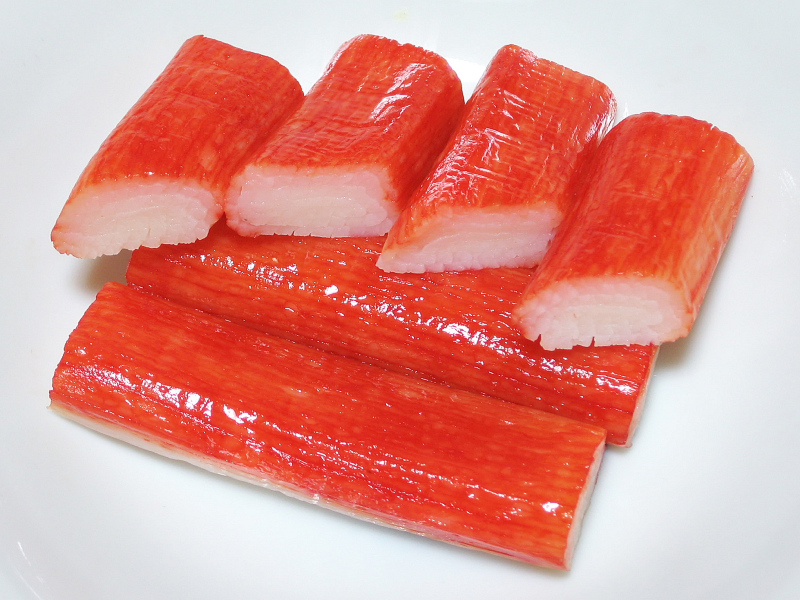
The “crab” in many sushi rolls and seafood salads is frequently imitation crab, known as surimi — which surprises people in two directions: it’s not crab at all, but it IS real fish, typically mild white fish like pollock that’s been deboned, minced into a paste, flavored, colored, and shaped to mimic crab. So it’s neither the crab people assume nor the fully artificial product others imagine, but processed real fish. Learning that the familiar crab sticks are actually reformed white fish dressed up as crab is a classic “wait, what?” food revelation that reframes a common seafood-counter and sushi-bar staple.
Vanilla Flavoring Has a Surprising History

Real vanilla comes from the cured seed pods of an orchid — itself surprising, since few people picture vanilla as an orchid product — and it’s one of the most labor-intensive spices, which is why real vanilla is expensive. More surprising is that much of the world’s “vanilla” flavoring is synthetic vanillin, historically derived from sources including wood pulp and other industrial processes rather than the orchid pod. The gap between the labor-intensive orchid-grown real vanilla and the synthetically produced flavoring in many products surprises people, as does learning that the world’s most familiar “simple” flavor comes from a fussy tropical orchid.
Worcestershire Sauce Contains Fermented Anchovies
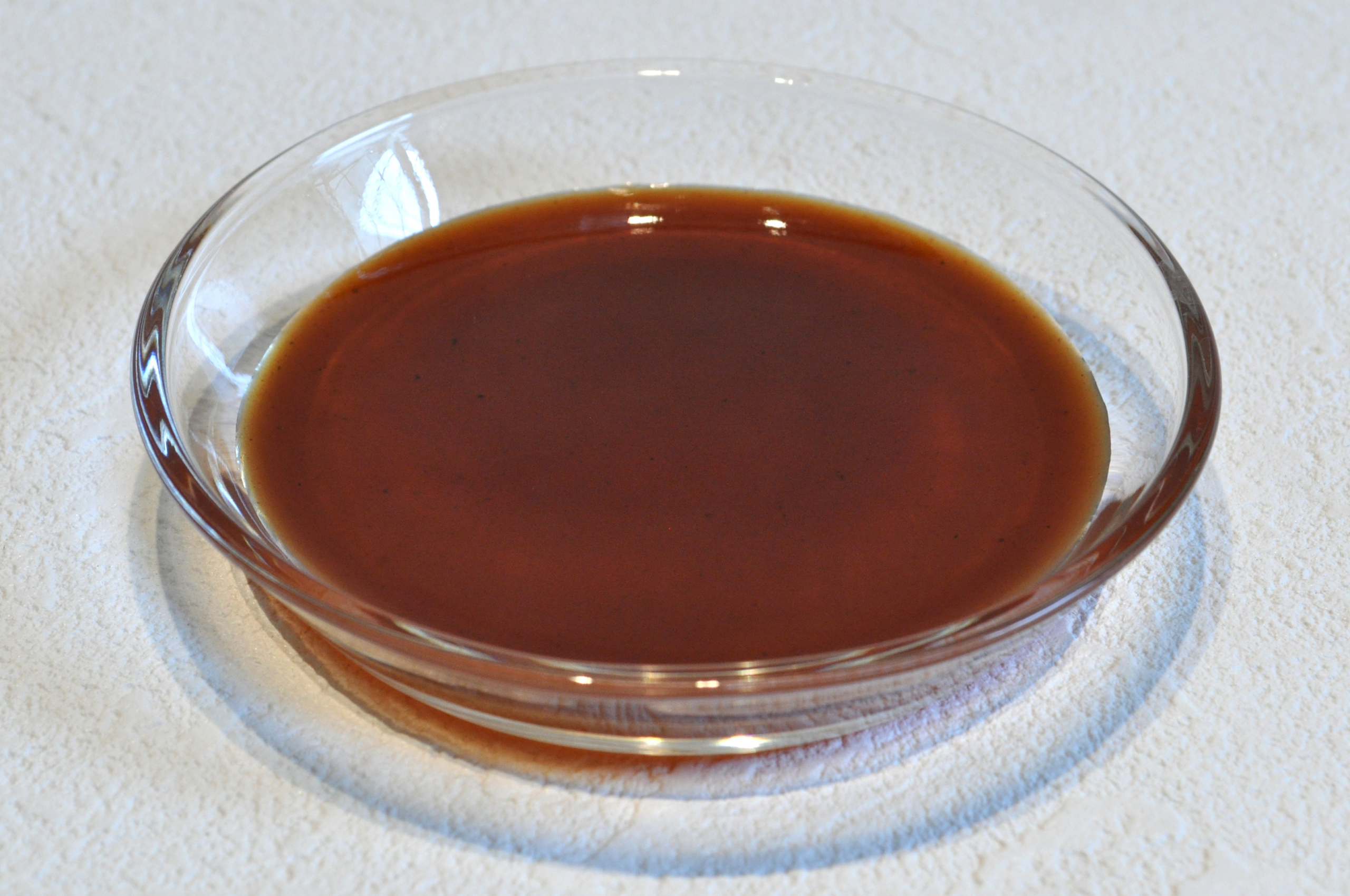
Many people happily use Worcestershire sauce for years without knowing that its distinctive savory depth comes partly from fermented anchovies — small fish that are aged into the sauce along with vinegar, molasses, tamarind, and spices. The umami punch that makes the sauce so useful comes significantly from those fermented fish. This genuinely surprises people, particularly vegetarians who may not realize the common condiment traditionally contains fish. The revelation that the familiar brown sauce in the slim bottle gets its savory magic from fermented anchovies is one of the more frequently shared “I had no idea” food facts.
Gelatin Comes From Animal Collagen
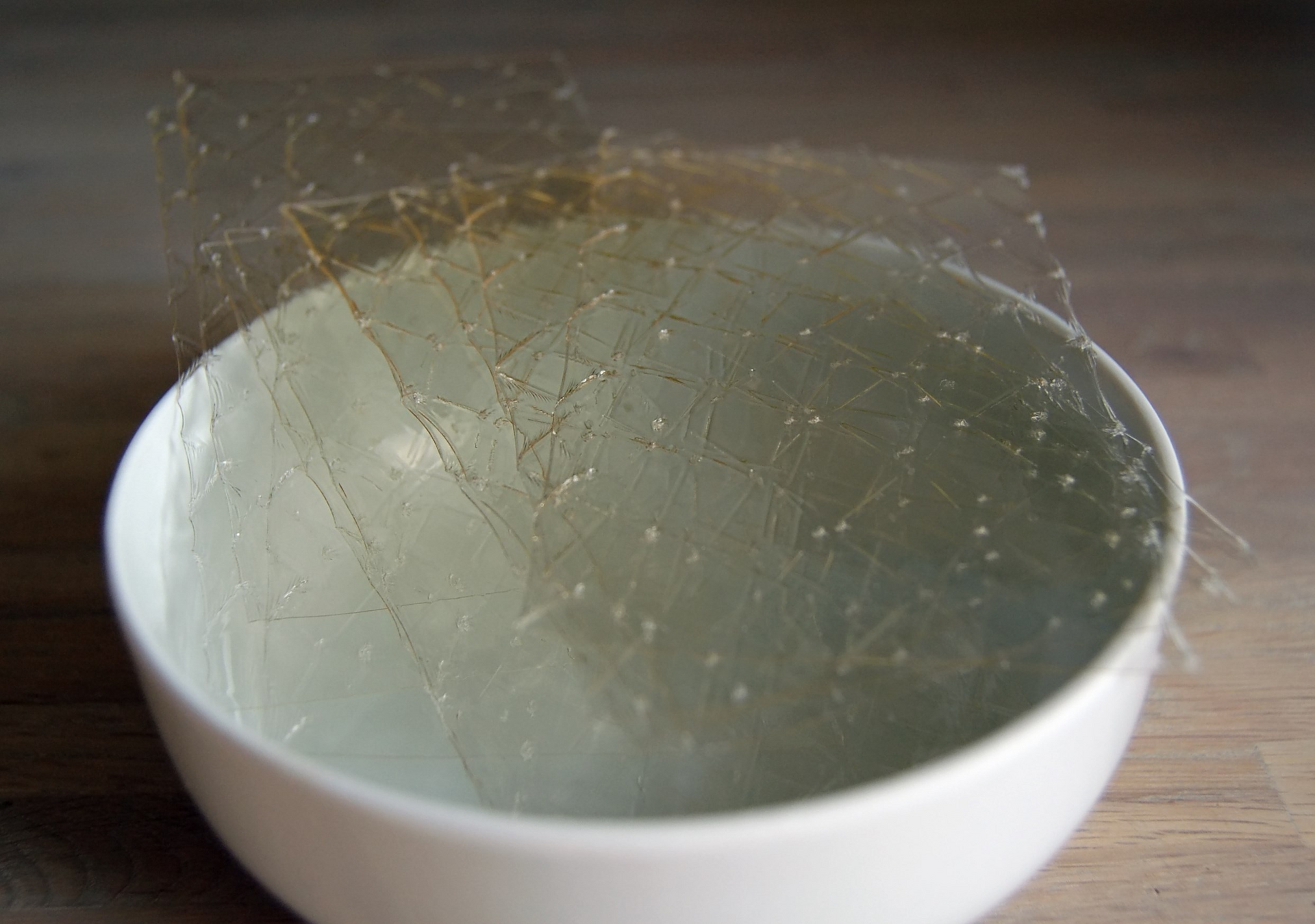
Gelatin — the substance that makes gummy candies, marshmallows, and jiggly desserts set — is made from collagen extracted from animal bones, skin, and connective tissue. The wobble in a familiar dessert comes from processed animal parts. This surprises many people and is why those foods aren’t vegetarian, and why plant-based alternatives exist. The fact that a huge range of sweet, seemingly far-from-meat treats depend on animal-derived gelatin is a revelation that genuinely catches people off guard, reframing the gummy bears and marshmallows that few would associate with their actual source.
Saffron Is the Hand-Picked Part of a Flower
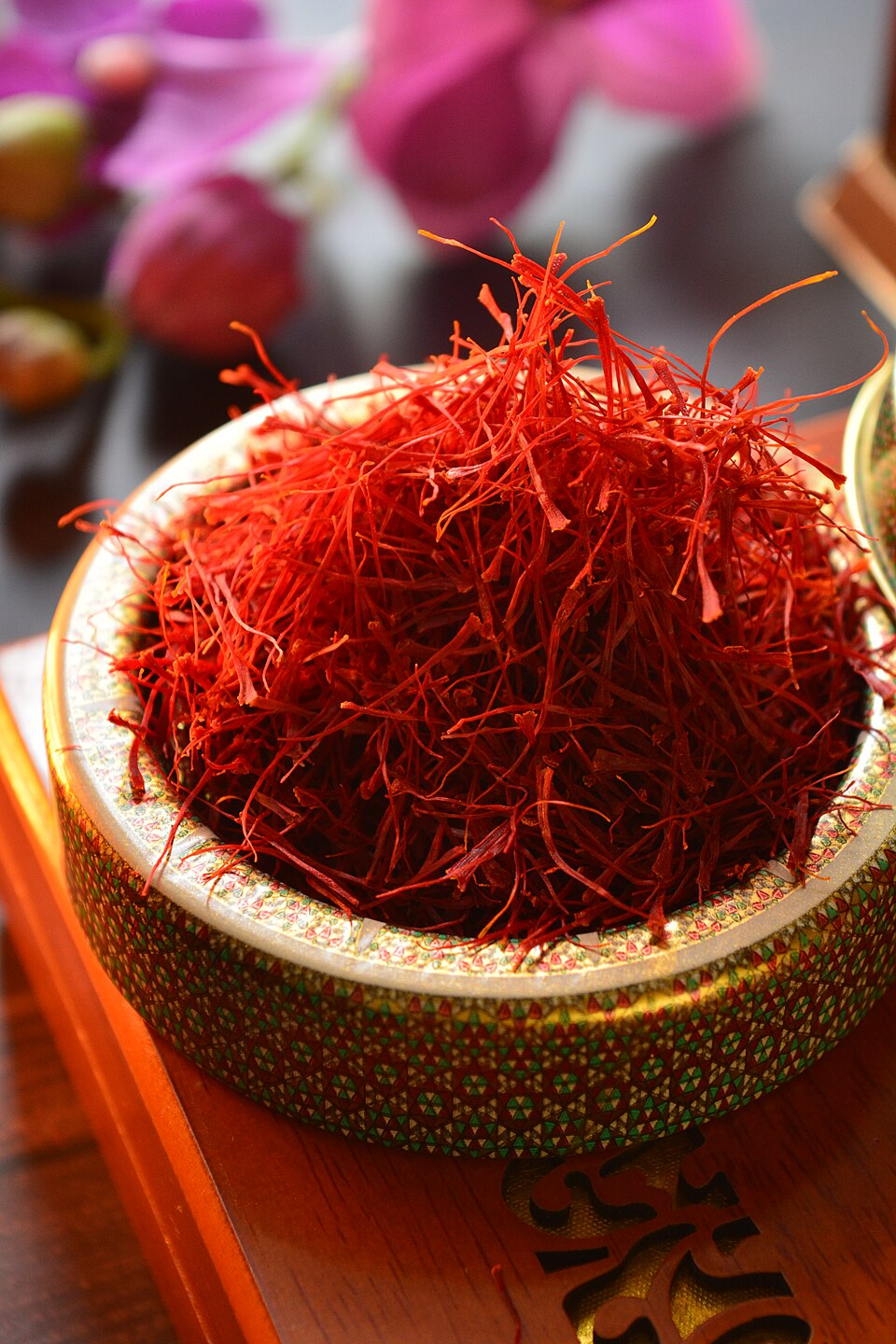
The reason saffron is the world’s most expensive spice surprises people once they learn what it is: the tiny red threads are the hand-picked stigmas of a specific crocus flower, with only three per flower, requiring enormous numbers of flowers and painstaking hand-harvesting to produce a small amount. The familiar costly golden spice is literally the delicate inner threads of a flower, gathered by hand. Understanding that saffron’s astronomical price reflects the thousands of flowers and immense hand labor behind each gram makes the spice’s cost suddenly make sense, and reveals the surprising floral, labor-intensive reality behind a tiny, precious pinch.
Carmine Food Coloring Comes From Insects
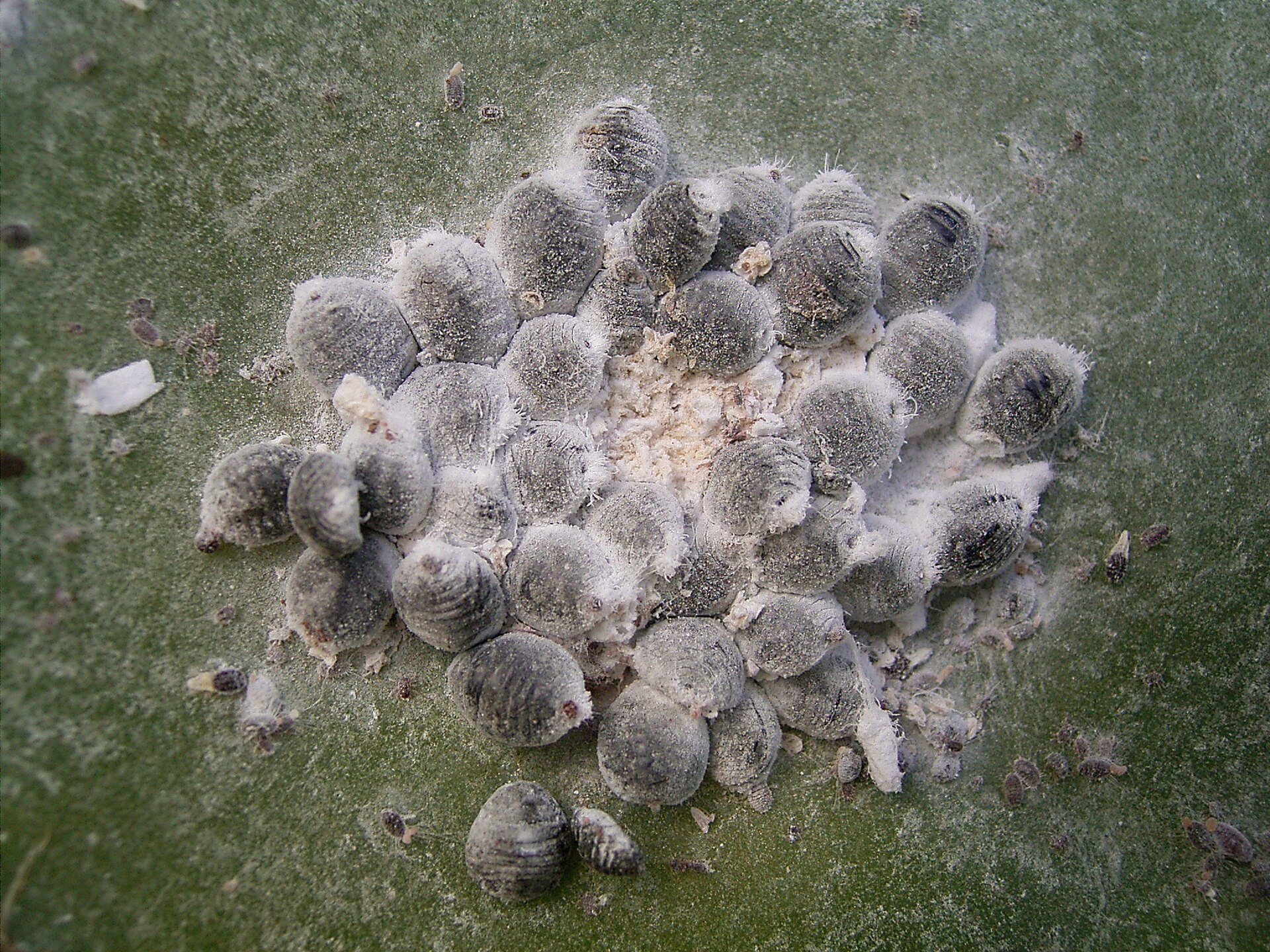
One of the most surprising food-origin facts is that the natural red coloring carmine (also called cochineal), used in some red and pink foods, drinks, and cosmetics, is derived from cochineal insects — tiny bugs that are harvested and processed to produce the rich red pigment. The vivid natural red in some products literally comes from insects. This genuinely stuns people and is a reason some products specify their coloring sources. The fact that a natural red dye in certain foods comes from processed insects is perhaps the ultimate “people are stunned to learn” food revelation, a reminder of how many surprising origins hide in plain sight in everyday products.
Why These Revelations Are So Fun
What makes these food facts so satisfying is that they’re hiding in plain sight — in our spice racks, candy bowls, and refrigerators — and learning them costs us nothing but gives us a richer appreciation of the everyday things we eat. None of these revelations should put anyone off: paprika is still a wonderful spice, honey is still delicious, and knowing how things are made simply deepens our connection to our food. From the simple truth that paprika is just dried red peppers to the genuinely startling fact that a natural red dye comes from insects, these origins remind us that the familiar foods we take for granted have fascinating stories. The next time you reach for the paprika or pop a gummy candy, you’ll know the surprising truth behind it — and you’ll probably never look at your kitchen quite the same way again. There’s a whole world of “wait, that’s what it’s made of?” waiting in the most ordinary ingredients.
Like our content? Follow us for more.