

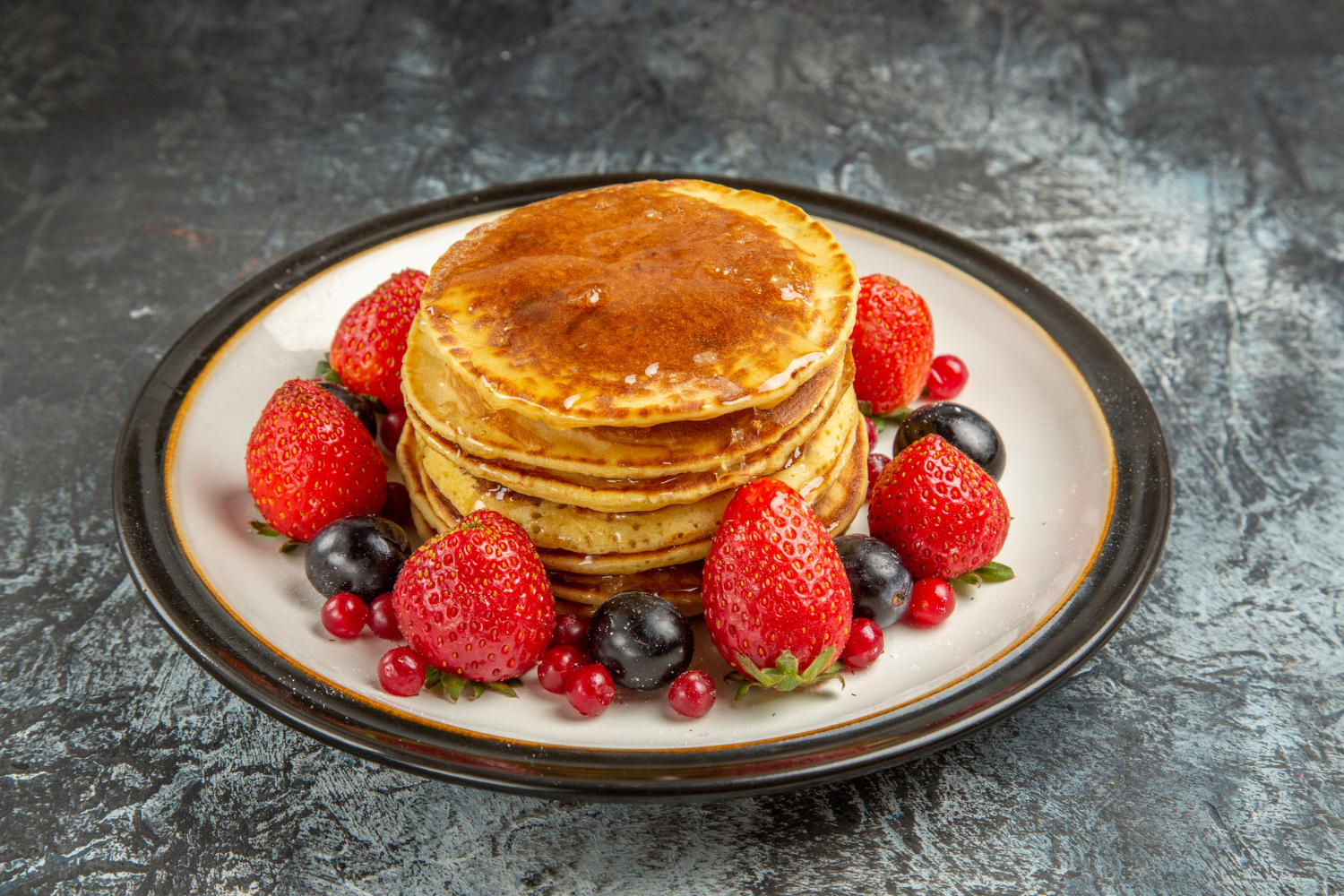
The pancake looks like the most standardized food in America, yet cross the country with a fork and you’ll find griddle traditions that share almost nothing but the pan, cornmeal cakes older than the republic, sourdough hotcakes carried north by prospectors, and heritage recipes that entire regions defend by name. Here are eight distinct American pancake styles and what makes each one different, counted down one by one.
1. The Diner Buttermilk Short Stack: The National Standard
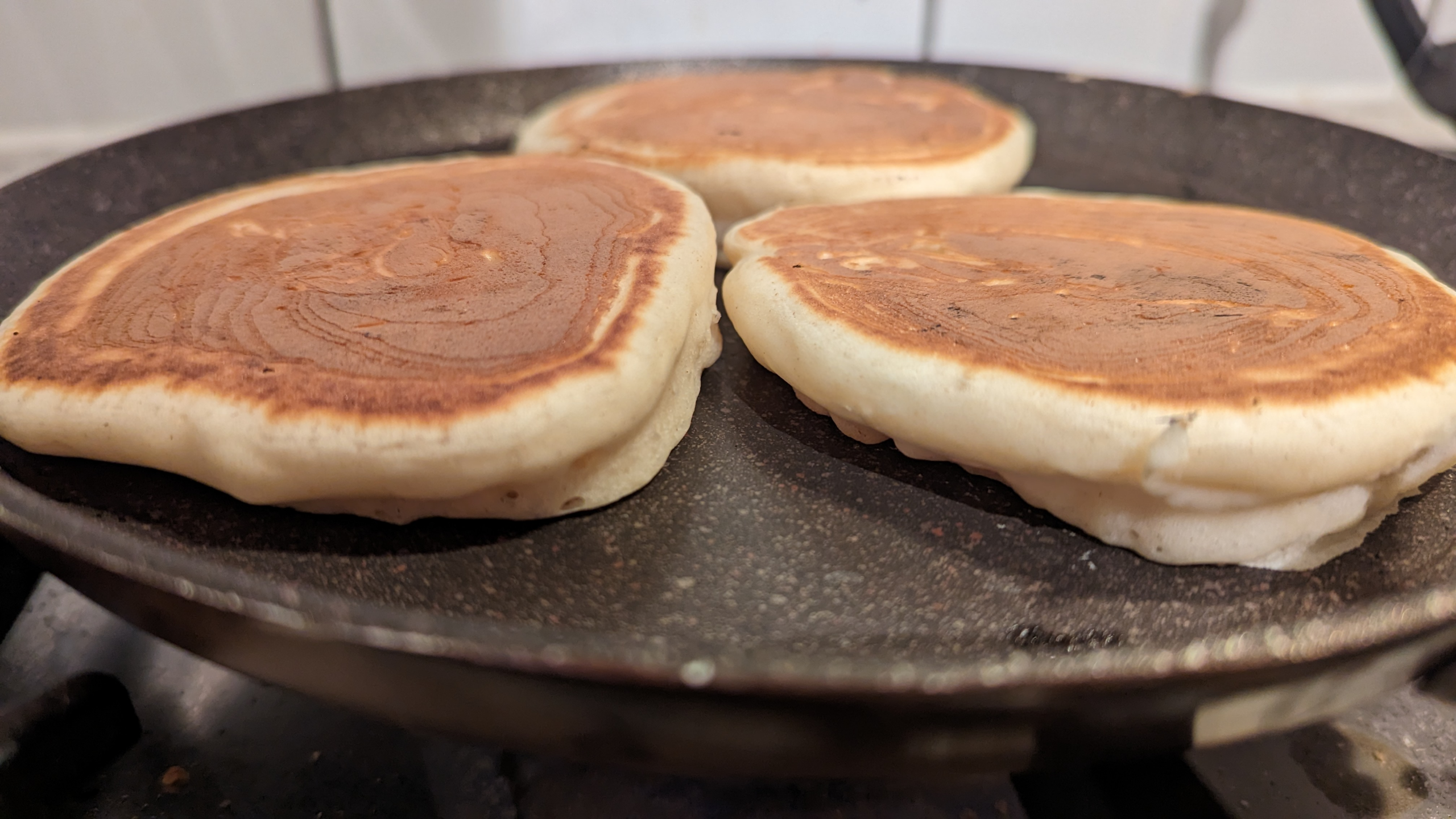
Thick, fluffy, and griddled to an even tan. The buttermilk stack is the default everyone measures against.
The tall, fluffy buttermilk pancake, leavened generously, griddled to an even tan, and stacked three high with butter melting down the sides, is the diner standard that made the American pancake famous worldwide, built for maple syrup and bottomless coffee. The diner buttermilk short stack is the national baseline, the style every other pancake in this countdown is deliberately not.
Like our content? Follow us for more.
2. Rhode Island Johnnycakes: The Colonial Original
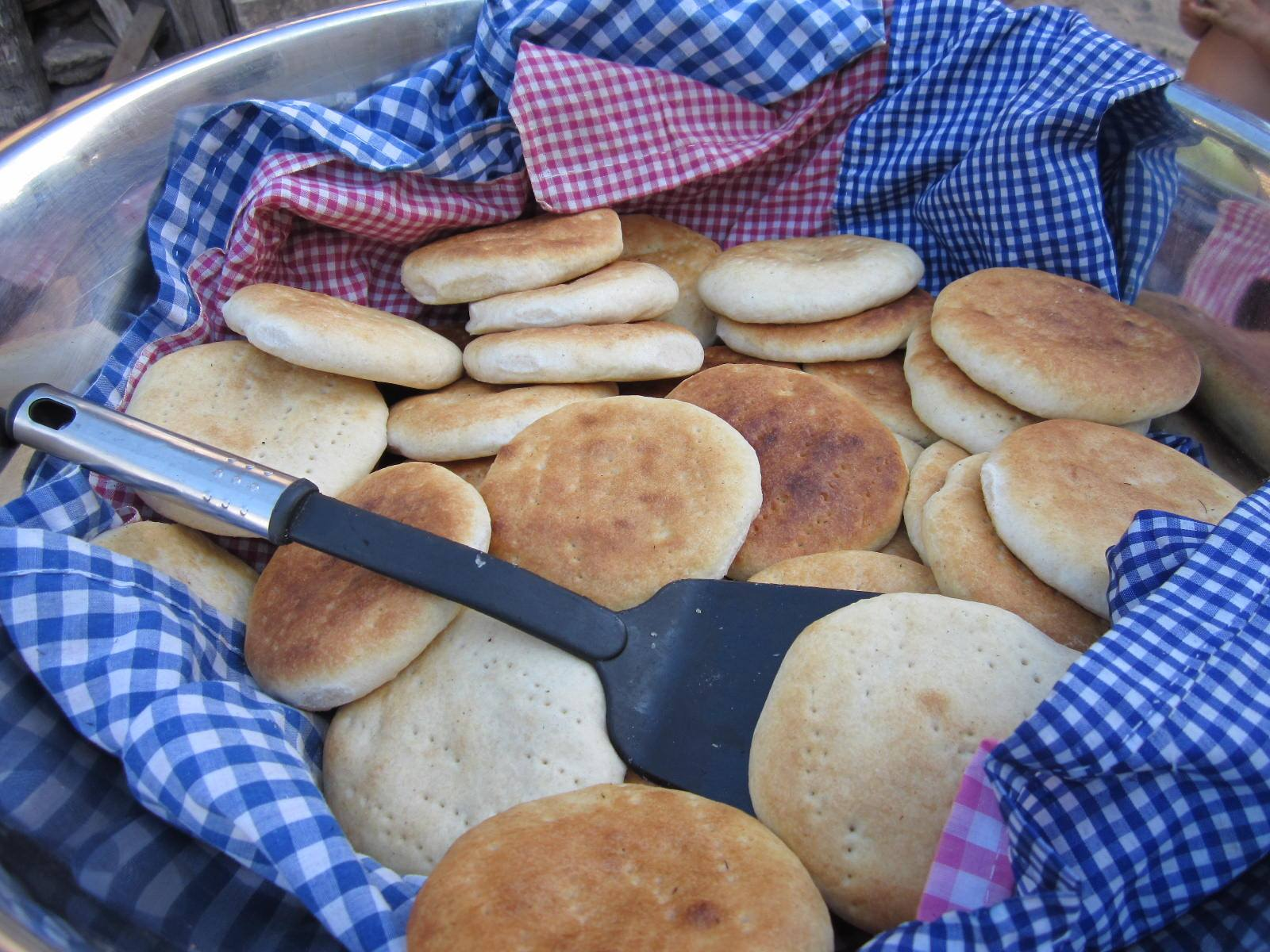
White cornmeal, water or milk, and a hot griddle. New England’s johnnycake predates the flour pancake entirely.
Rhode Island’s johnnycake, a simple batter of stone-ground white flint cornmeal cooked on a griddle, predates the flour pancake in America entirely, descending from Indigenous corn cooking through colonial kitchens, and Rhode Islanders still argue passionately between the thick West Bay style and the thin, lacy South County version. Rhode Island johnnycakes are the countdown’s living antique, a pancake tradition older than the country still served hot in its home state.
3. Appalachian Buckwheat Cakes: The Mountain Breakfast
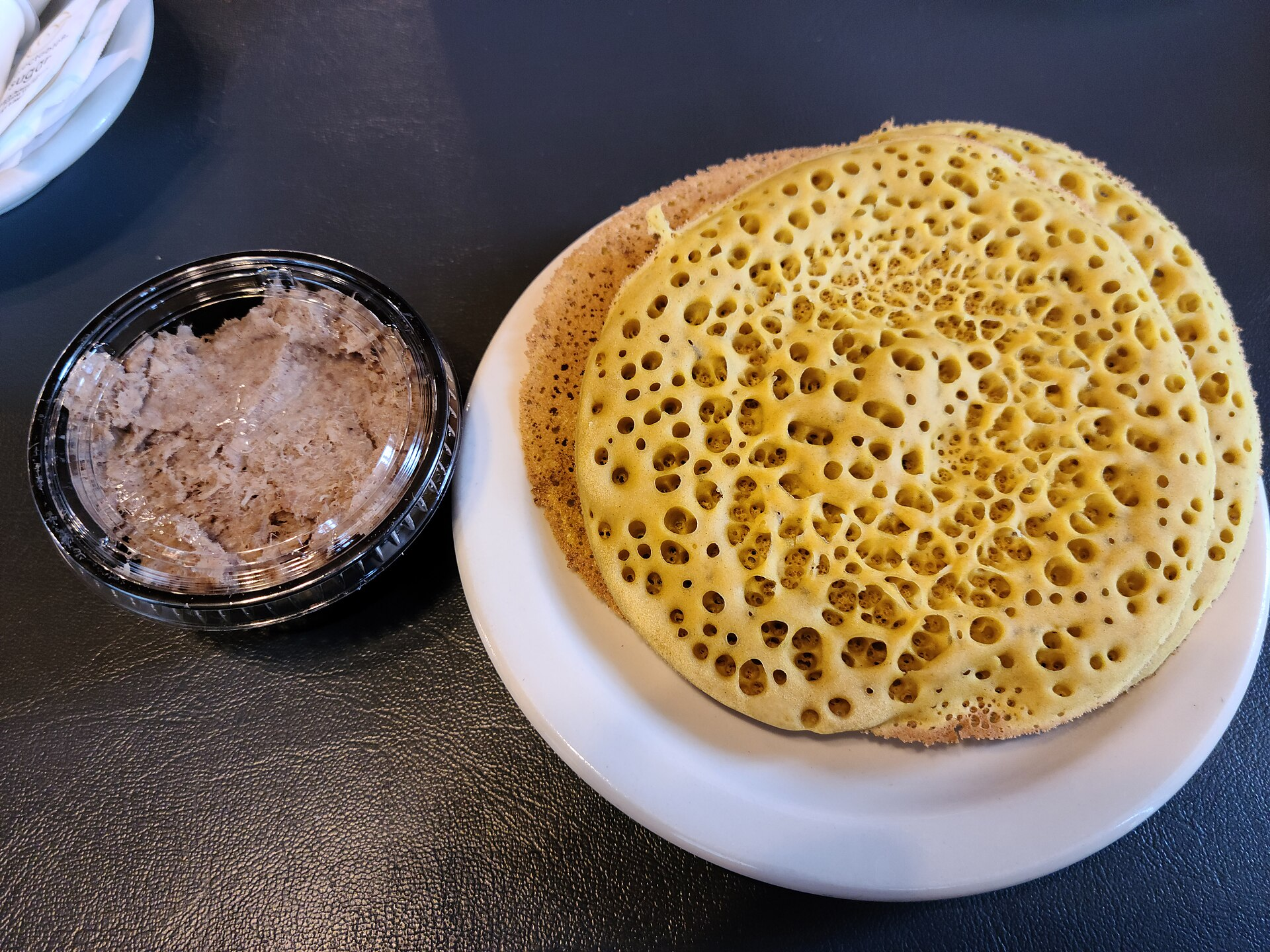
Earthy buckwheat batter, often yeast-raised overnight. West Virginia still throws festivals in its honor.
Through Appalachia, the pancake of tradition is the buckwheat cake, earthy, tangy, and often raised overnight with yeast in a crock kept going through the season, a mountain staple so beloved that West Virginia communities still hold entire buckwheat festivals each fall. Appalachian buckwheat cakes are the countdown’s deepest flavor, a pancake with a regional following that has never needed the rest of the country’s approval.
4. Sourdough Hotcakes: The Prospector’s Pancake
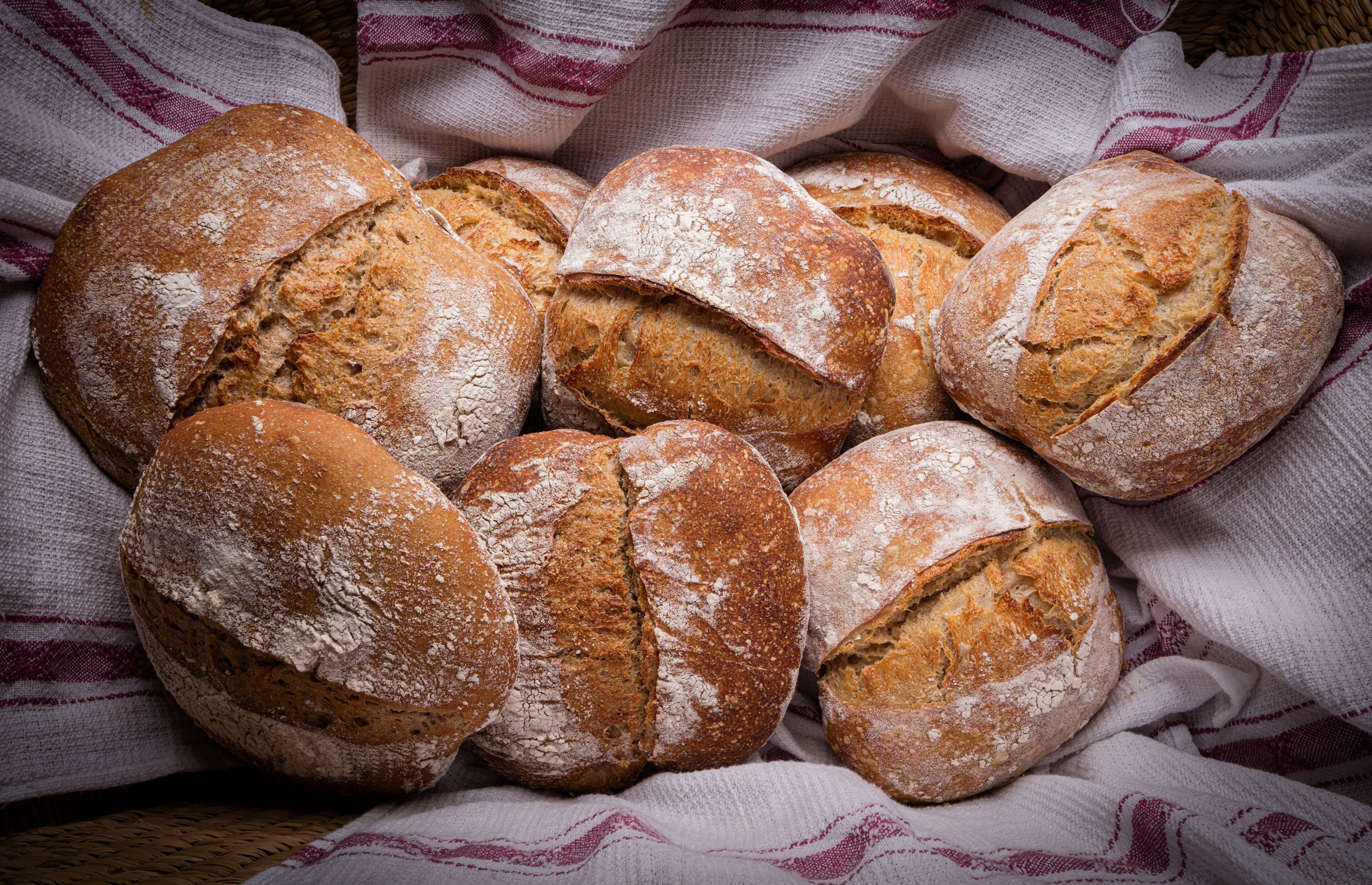
A living starter leavens the batter. Alaska and the old mining West keep the tradition alive.
In Alaska and the old mining West, the pancake of heritage is the sourdough hotcake, leavened by a living starter of the kind prospectors famously guarded like gold, producing a thin, tangy, crisp-edged cake, and old-timers in the North are still nicknamed “sourdoughs” after it. Sourdough hotcakes are the countdown’s frontier survivor, a pancake whose starter, in some families, is older than the state it’s cooked in.
5. The Dutch Baby: The Oven Showpiece
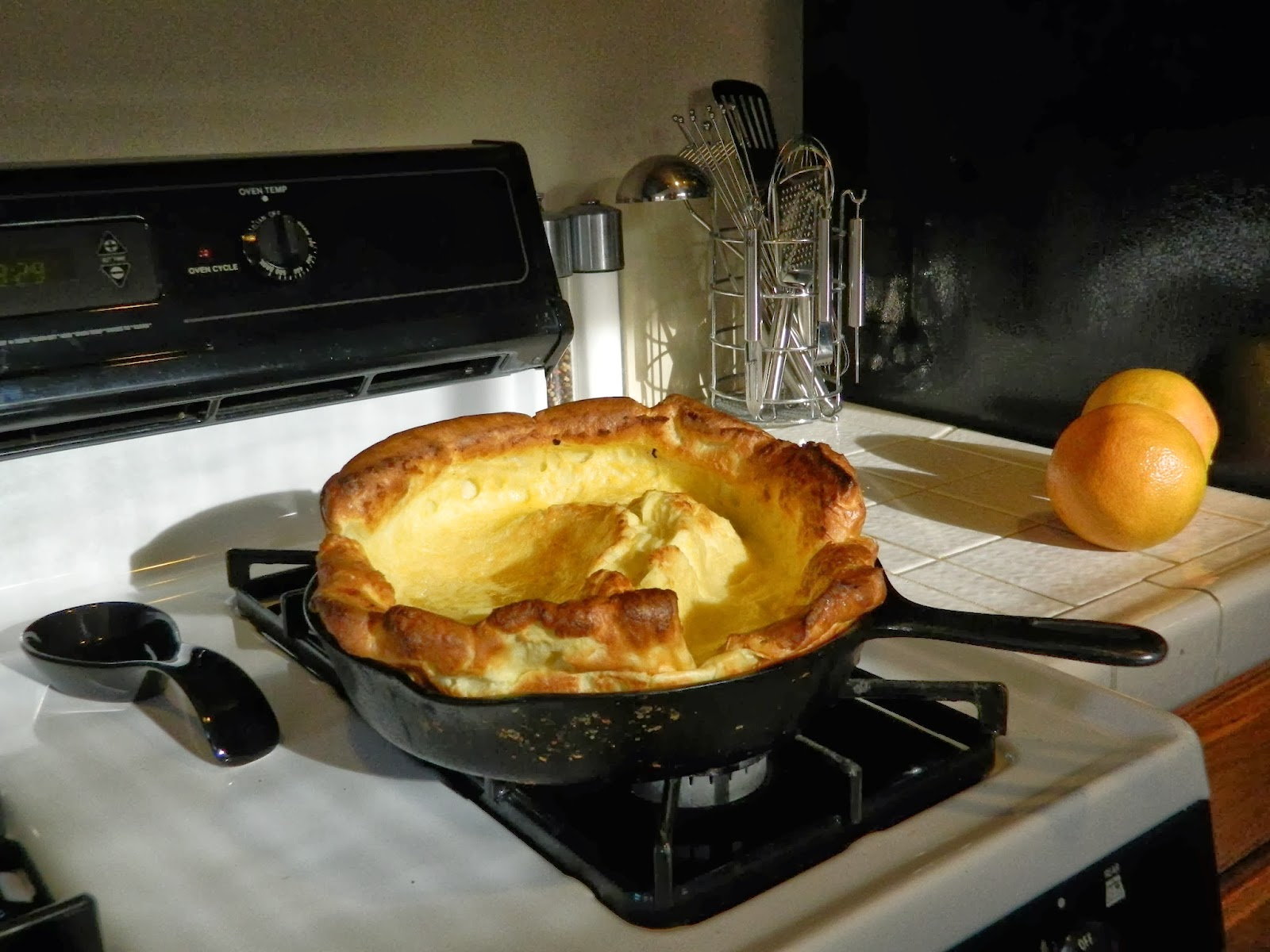
Baked in a screaming-hot skillet, it puffs like a popover. The dramatic collapse at the table is the point.
The Dutch baby, an eggy batter poured into a screaming-hot buttered skillet and baked until it balloons up the sides like a golden popover, was popularized by a Seattle restaurant adapting German pancake traditions, and its dramatic collapse under powdered sugar and lemon remains pure breakfast theater. The Dutch baby is the countdown’s showpiece, the one American pancake that arrives at the table still moving.
6. Silver Dollar Stacks: Small Cakes, Tall Piles
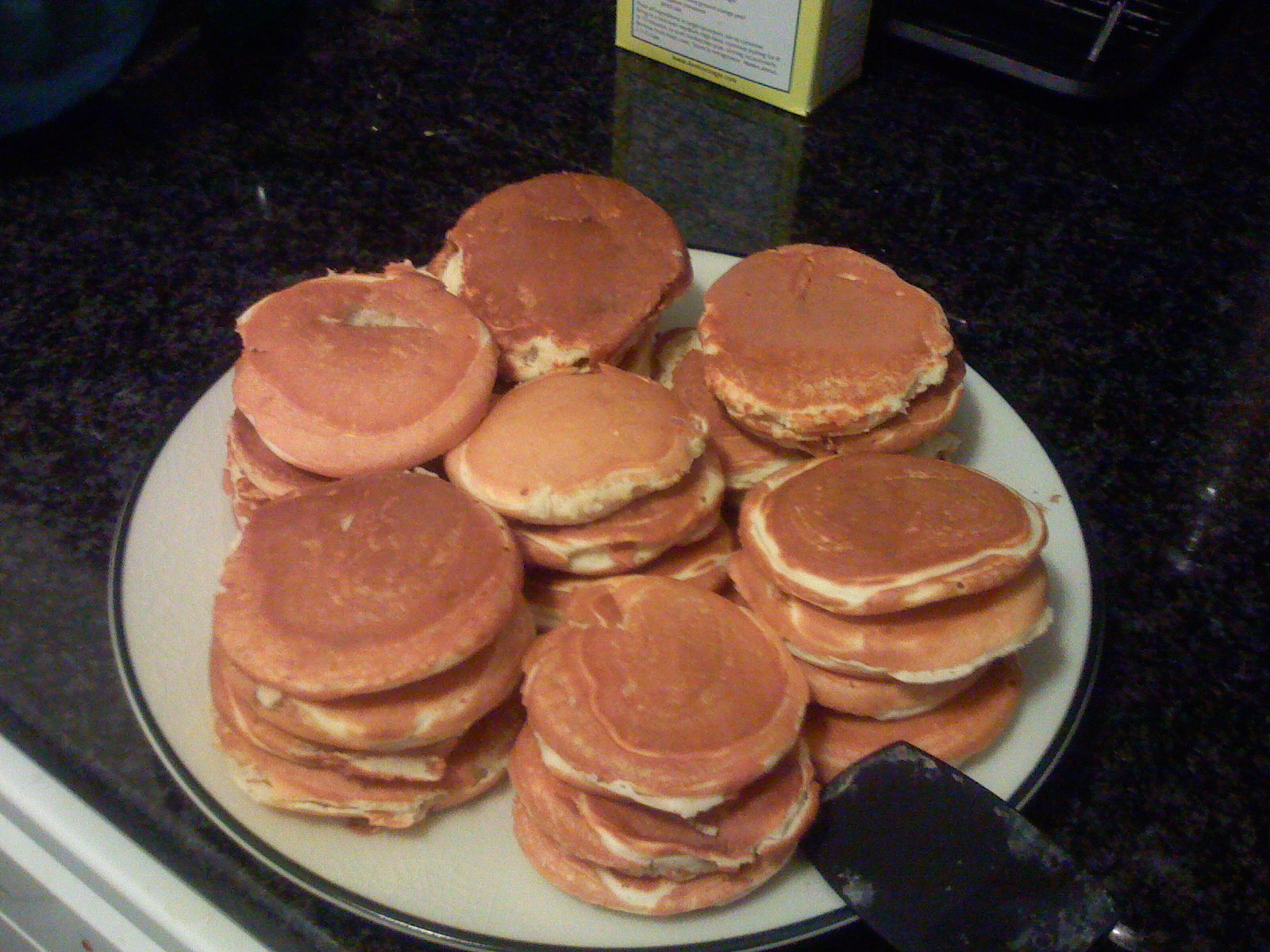
Bite-sized cakes stacked by the dozen. The miniature format is its own beloved tradition.
The silver dollar pancake, named for the old coin it matches in size, turns the pancake into a pile of crisp-edged, bite-sized cakes served by the dozen, a format beloved by kids, diners, and anyone who believes the edge is the best part and wants the maximum number of them. Silver dollar stacks are the countdown’s smallest entry and its most cheerful, proof that in pancakes, quantity has a quality all its own.
7. Swedish Pancakes: The Upper Midwest Heirloom
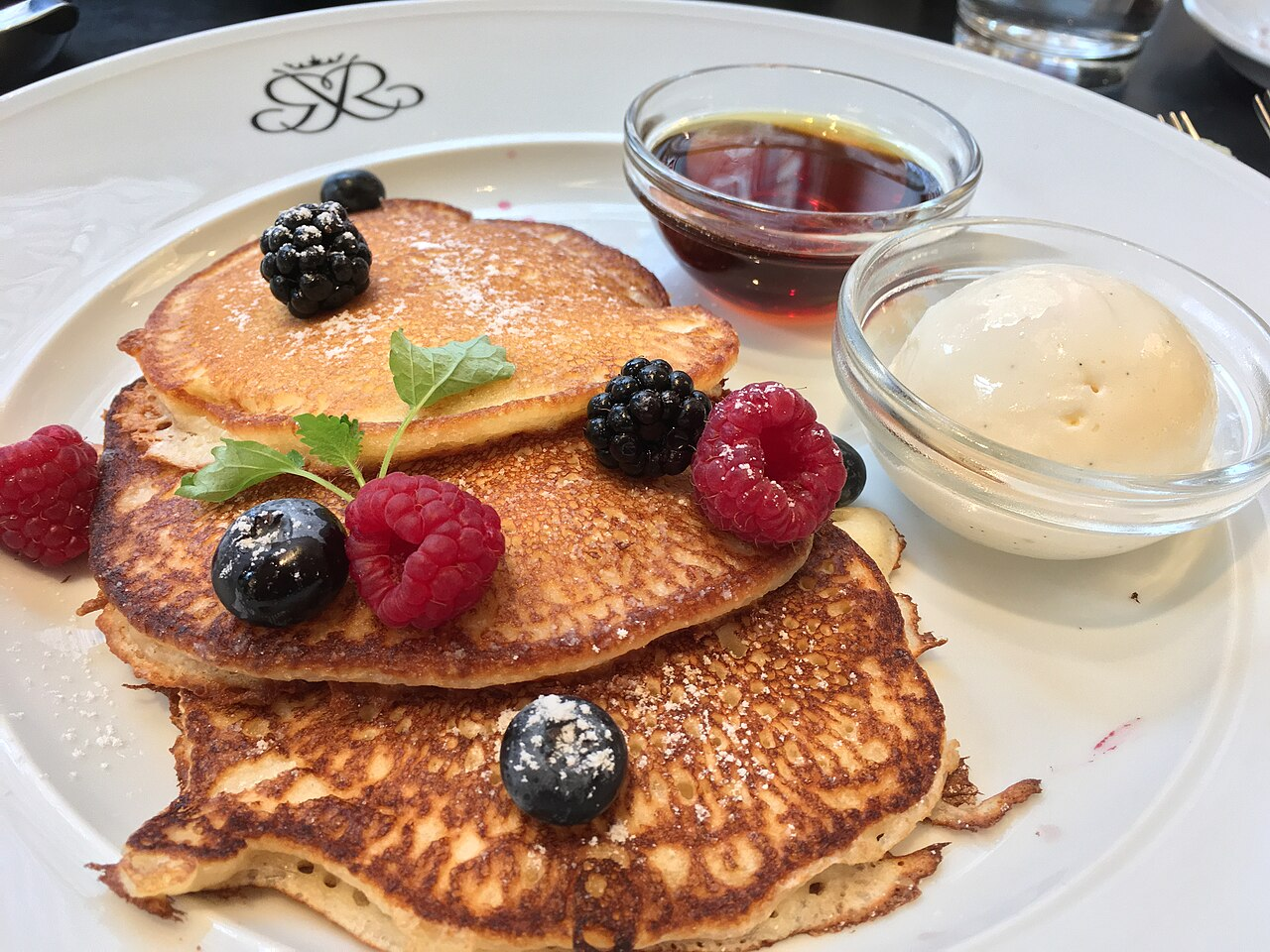
Thin, delicate, and rolled or folded with lingonberries. Scandinavian settlers made them a regional institution.
Across Minnesota, Wisconsin, and the broader Upper Midwest, Scandinavian settlers planted the Swedish pancake, thin, delicate, and barely leavened, served rolled or folded with lingonberry preserves, and church suppers and heritage restaurants keep the tradition warm a century and a half later. Swedish pancakes are the countdown’s immigrant heirloom, a reminder that whole regions of the American breakfast were settled from somewhere else.
8. Southern Hoecakes: Cornmeal on a Griddle, Dinner Included
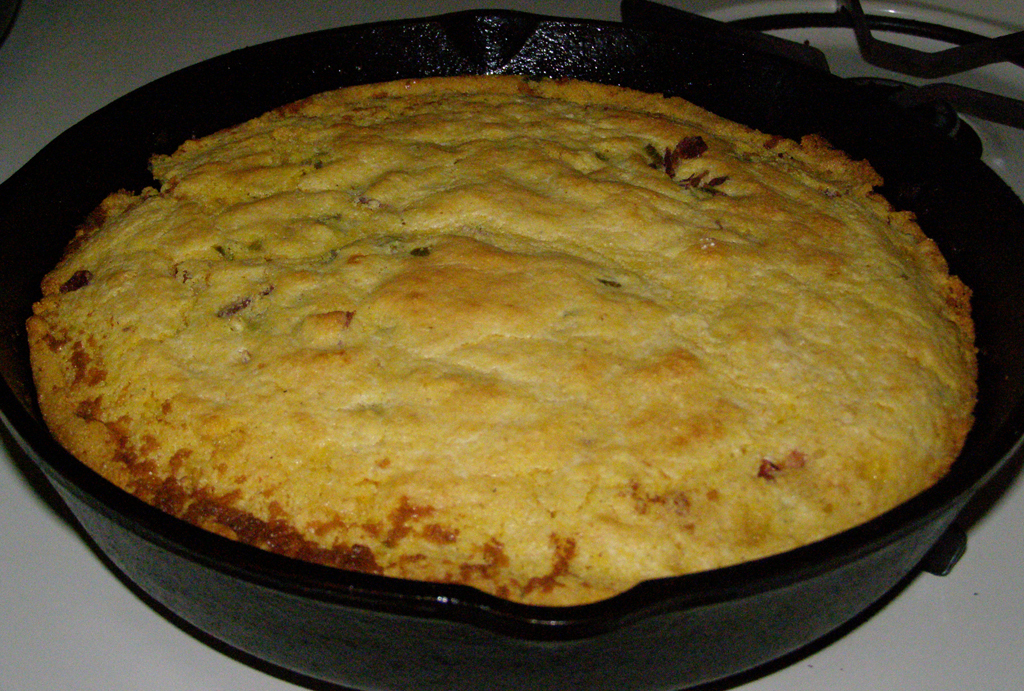
The South’s cornmeal griddle cake goes beyond breakfast. It lands beside greens and beans at supper.
The South’s hoecake, a cornmeal griddle cake with roots in Indigenous and early American cooking, refuses to stay at breakfast, appearing at supper beside greens, beans, and fried fish, crisp-edged from a well-greased skillet and closer kin to cornbread than to the buttermilk stack. Southern hoecakes close the countdown by breaking its one assumed rule, that a pancake belongs to the morning.
One Griddle, Eight Traditions
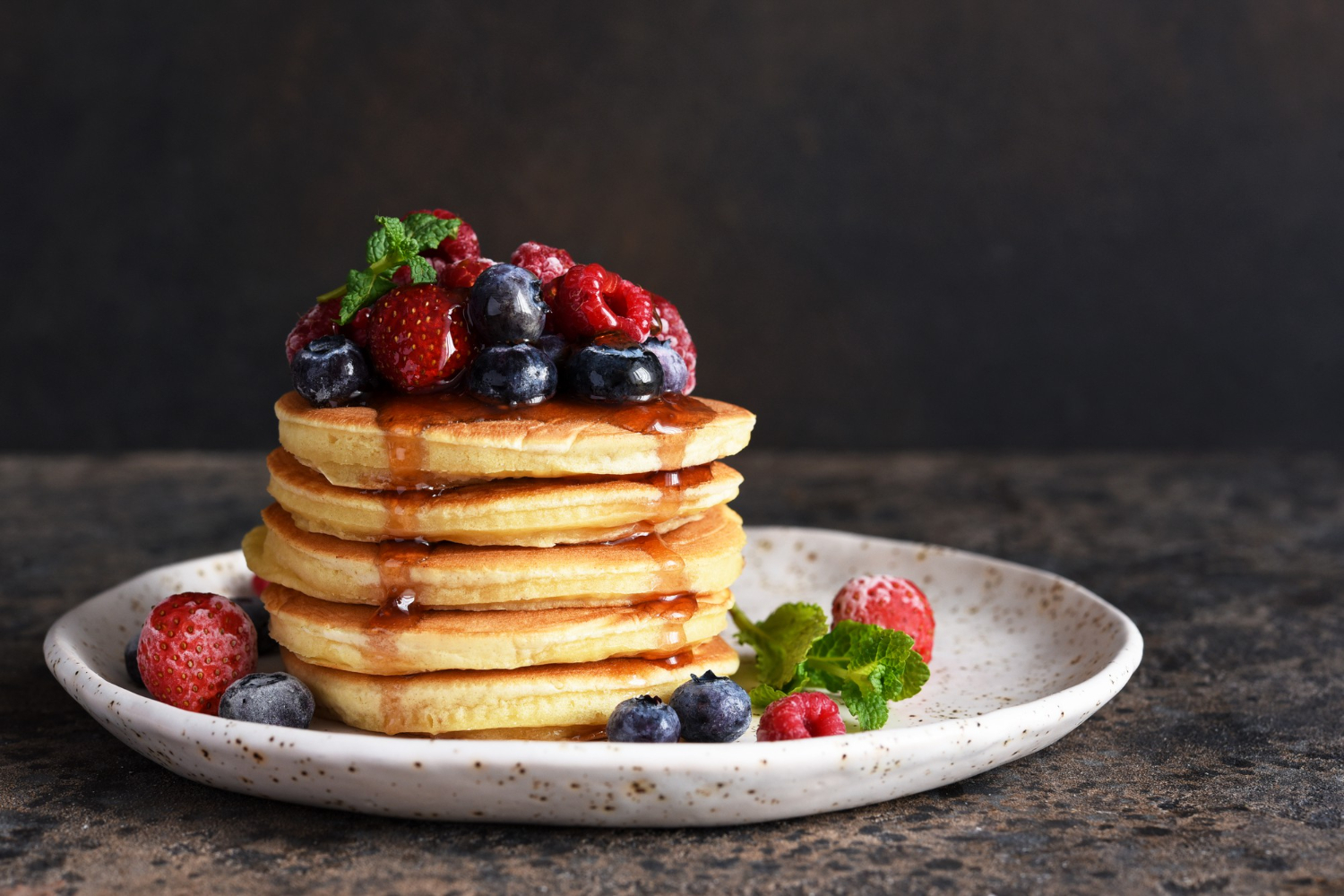
Taken together, these eight styles turn the most familiar breakfast in America into a regional map, colonial cornmeal in Rhode Island, buckwheat in the mountains, sourdough in the North, Scandinavian lace in the Upper Midwest, and a puffed showpiece in the Pacific Northwest. The griddle is the same everywhere; almost nothing on it is.
The pancake’s regional borders were drawn by what grew nearby and who settled there, corn where wheat was scarce, buckwheat on thin mountain soil, sourdough where yeast couldn’t be bought, and immigrant recipes wherever their keepers landed. The diner stack may have gone national, but the older styles never surrendered their home territories. Order pancakes in the right corner of the country and you’re not just getting breakfast, you’re getting the local history, griddled and served with syrup.
Like our content? Follow us for more.
