Walk into nearly any American town, large or small, and you’ll likely find a Chinese restaurant serving dishes that would genuinely puzzle a visitor from Beijing or Shanghai. That’s because American Chinese food isn’t a simplified version of Chinese cuisine, it’s its own distinct culinary tradition, born from more than 150 years of Chinese immigration, adaptation, and genuine innovation on American soil.
Immigration, Gold, and the First Chinese Restaurants
Chinese immigration to the United States accelerated dramatically during the California Gold Rush of the 1850s, and the first Chinese restaurants opened in San Francisco to feed the growing immigrant community, serving food adapted from Guangdong province, the origin point for the vast majority of early Chinese immigrants. These early restaurants relied heavily on ingredients actually available in California rather than the specific produce and seasonings found back home, an early, practical adaptation that would define the cuisine’s entire trajectory going forward.
Like our content? Follow us for more.
The Transcontinental Railroad and Camp Cooking

Thousands of Chinese laborers worked on the Transcontinental Railroad throughout the 1860s, and the camp cooks feeding these workers made do with limited, often unfamiliar American ingredients, developing resourceful dishes that stretched scarce meat and vegetables across large crews. This period of genuinely improvised, ingredient-limited cooking laid important groundwork for the adaptive, practical spirit that would come to define American Chinese cuisine for generations afterward.
Chop Suey Becomes a National Sensation
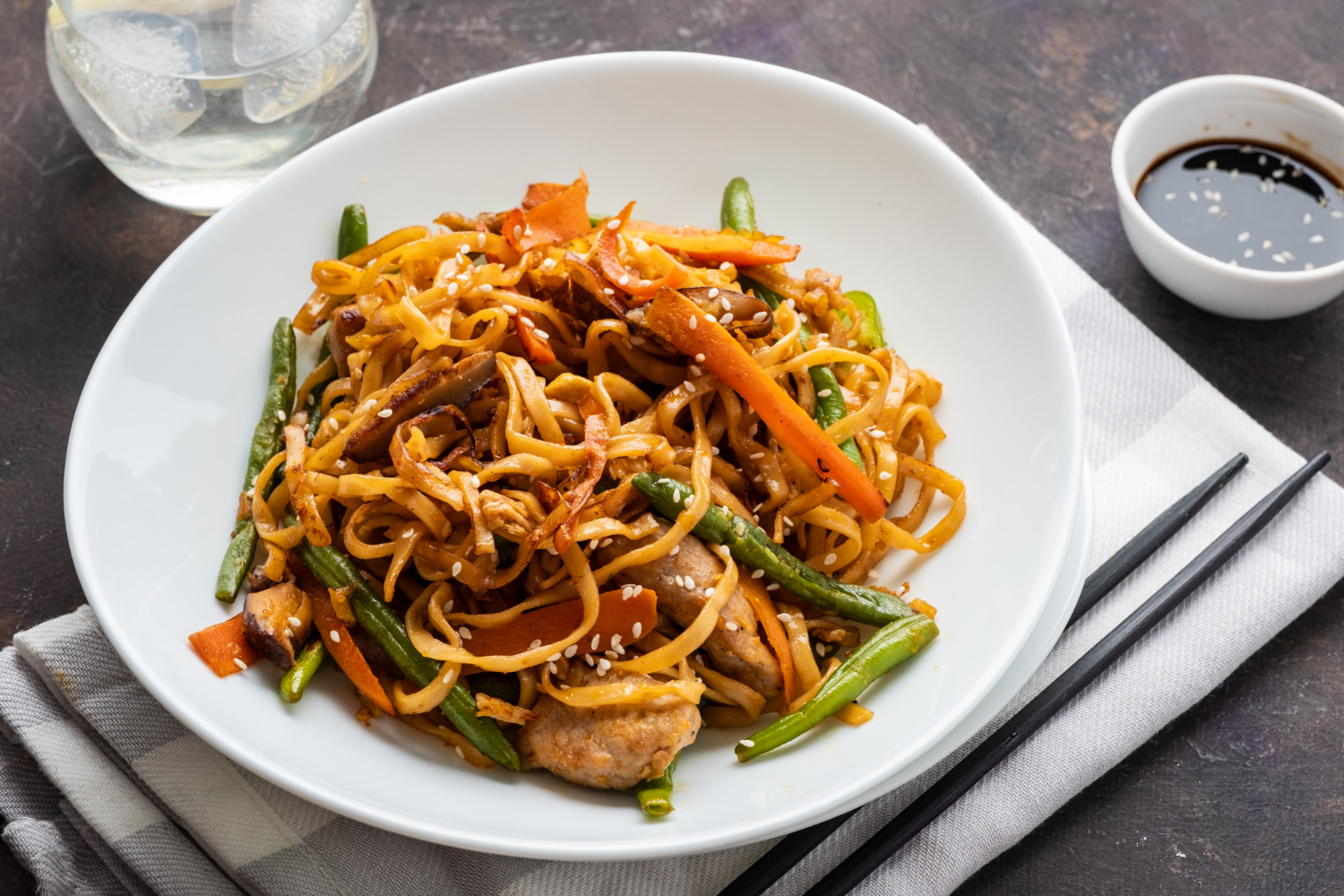
By the early 20th century, chop suey, a stir-fried dish of meat and vegetables in a savory sauce, had become genuinely popular across the country, so much so that “chop suey houses” opened in cities with little to no actual Chinese population. The dish’s true origins remain genuinely debated, some food historians trace it to Toisanese immigrant cooking, others to a specific adaptation for curious American diners, but its explosive popularity marked the first time American Chinese food became a widespread, recognized national phenomenon rather than a niche immigrant community’s cuisine.
Exclusion Laws Shaped the Cuisine’s Development
The Chinese Exclusion Act of 1882, which severely restricted Chinese immigration for decades, paradoxically pushed many Chinese immigrants already in the country toward restaurant work, one of the few industries where discriminatory laws left relatively more opportunity available. This period of legal exclusion had a genuinely lasting impact on the cuisine’s development, concentrating Chinese American culinary talent and innovation specifically within the restaurant industry for generations.
General Tso’s Chicken Is a Genuine American Invention
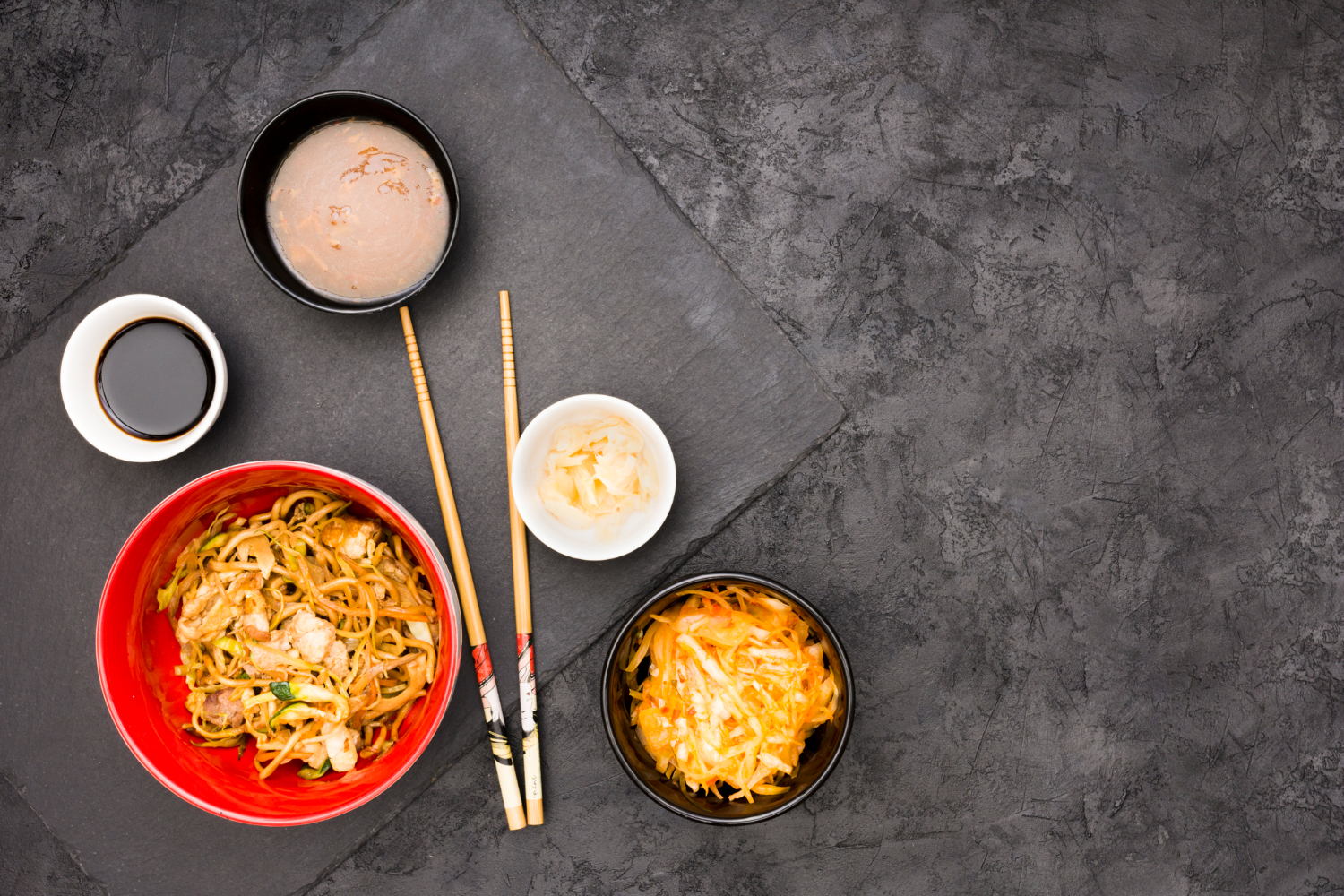
General Tso’s chicken, one of the most iconic American Chinese dishes, has no real precedent in China itself despite being named after a genuine 19th-century Chinese general. Most food historians trace the dish’s creation to Chinese immigrant chefs working in the United States, likely New York, in the mid-20th century, developed and refined specifically for American palates seeking a sweet, fried, satisfying dish. General Tso’s chicken represents one of the clearest examples of American Chinese food functioning as its own genuine culinary invention rather than an imported tradition.
The Fortune Cookie’s Surprisingly Contested Origin
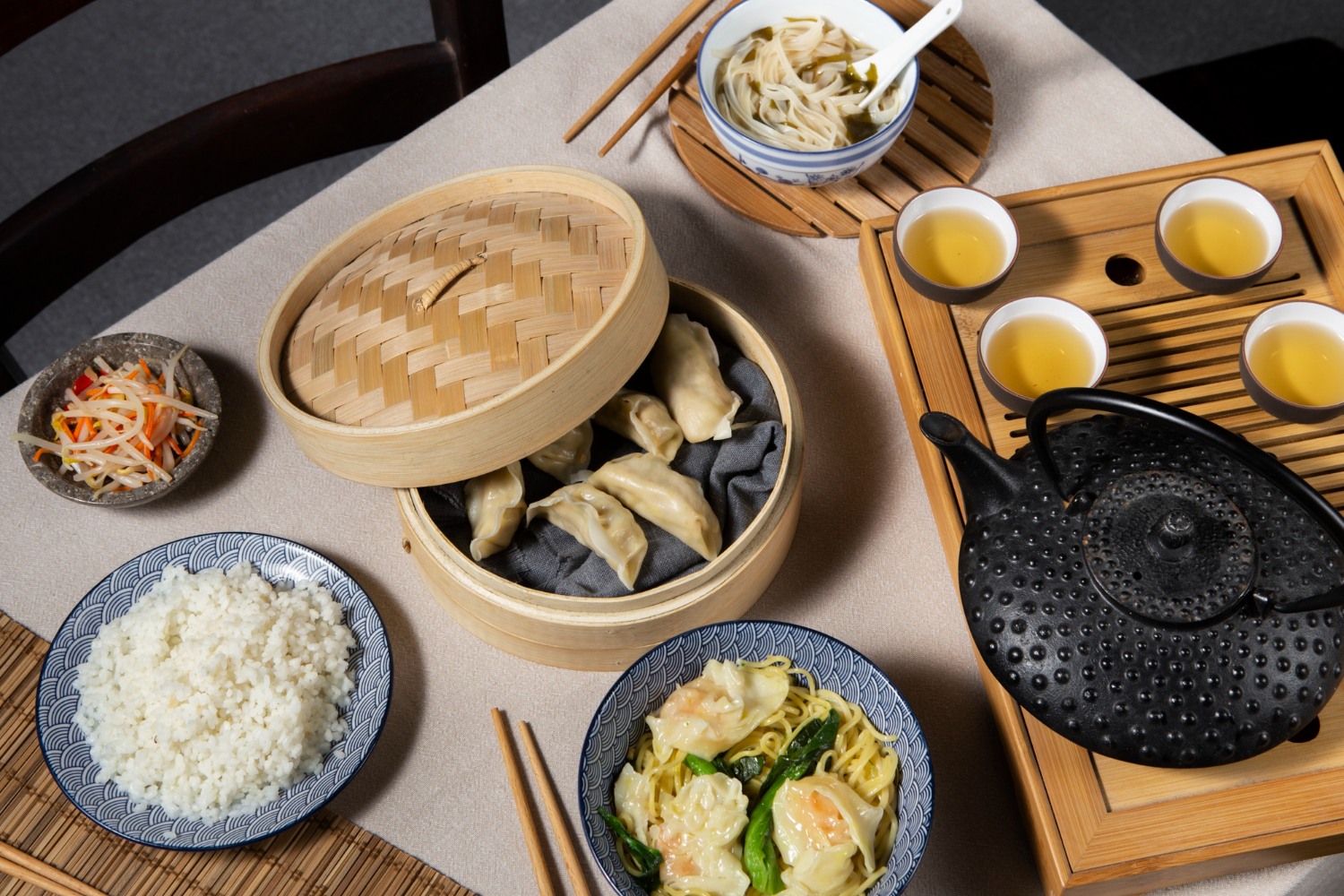
The fortune cookie, now inseparable from the American Chinese dining experience, likely originated not in China at all but among Japanese American bakers in California, later adopted and popularized specifically within Chinese American restaurants. Its exact origin remains a genuinely contested piece of culinary history, but its firm establishment as an American Chinese restaurant staple, despite having essentially no presence in China itself, reflects just how thoroughly this cuisine developed its own distinct identity and traditions.
The Take-Out Carton Became a Design Icon
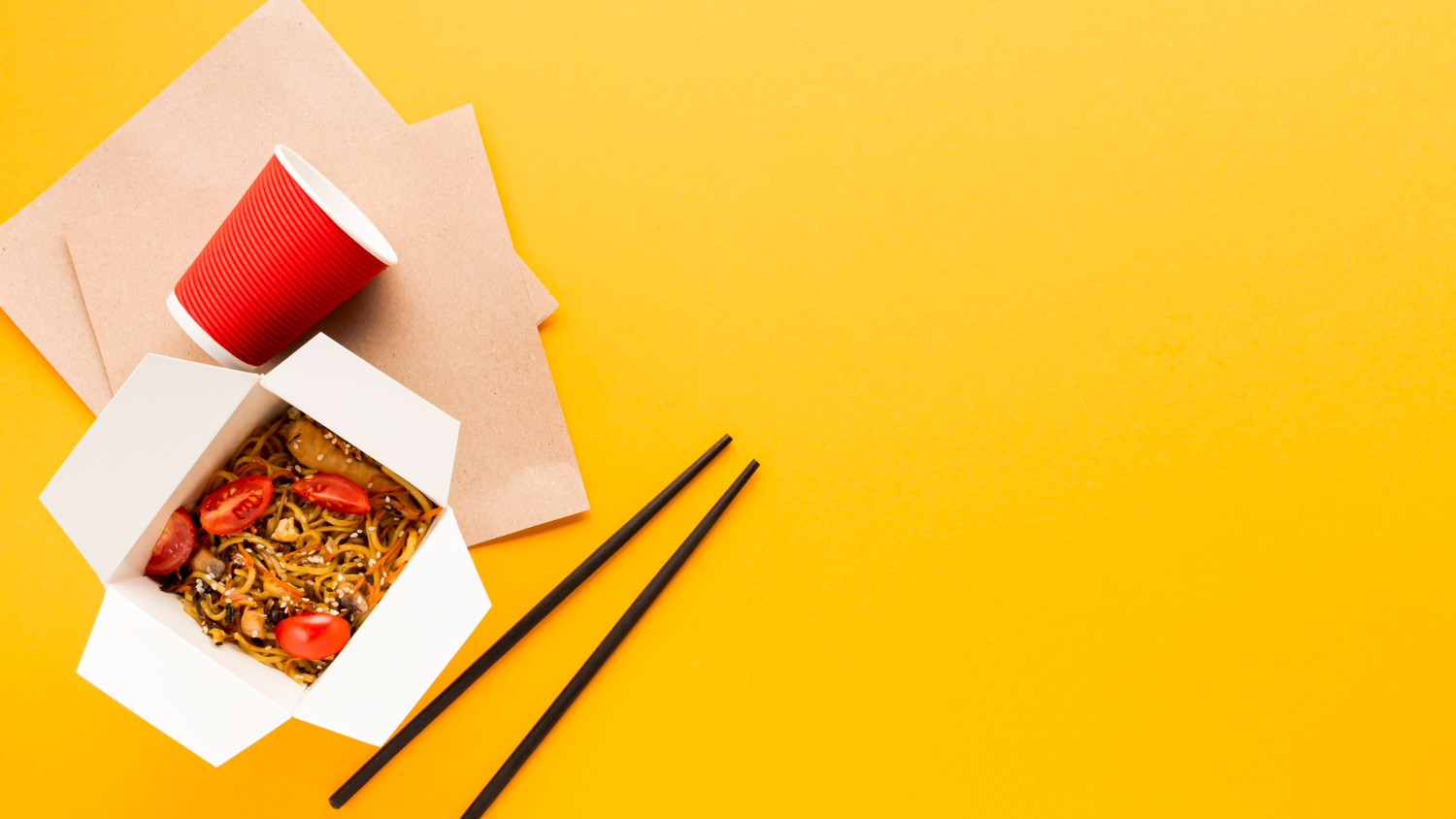
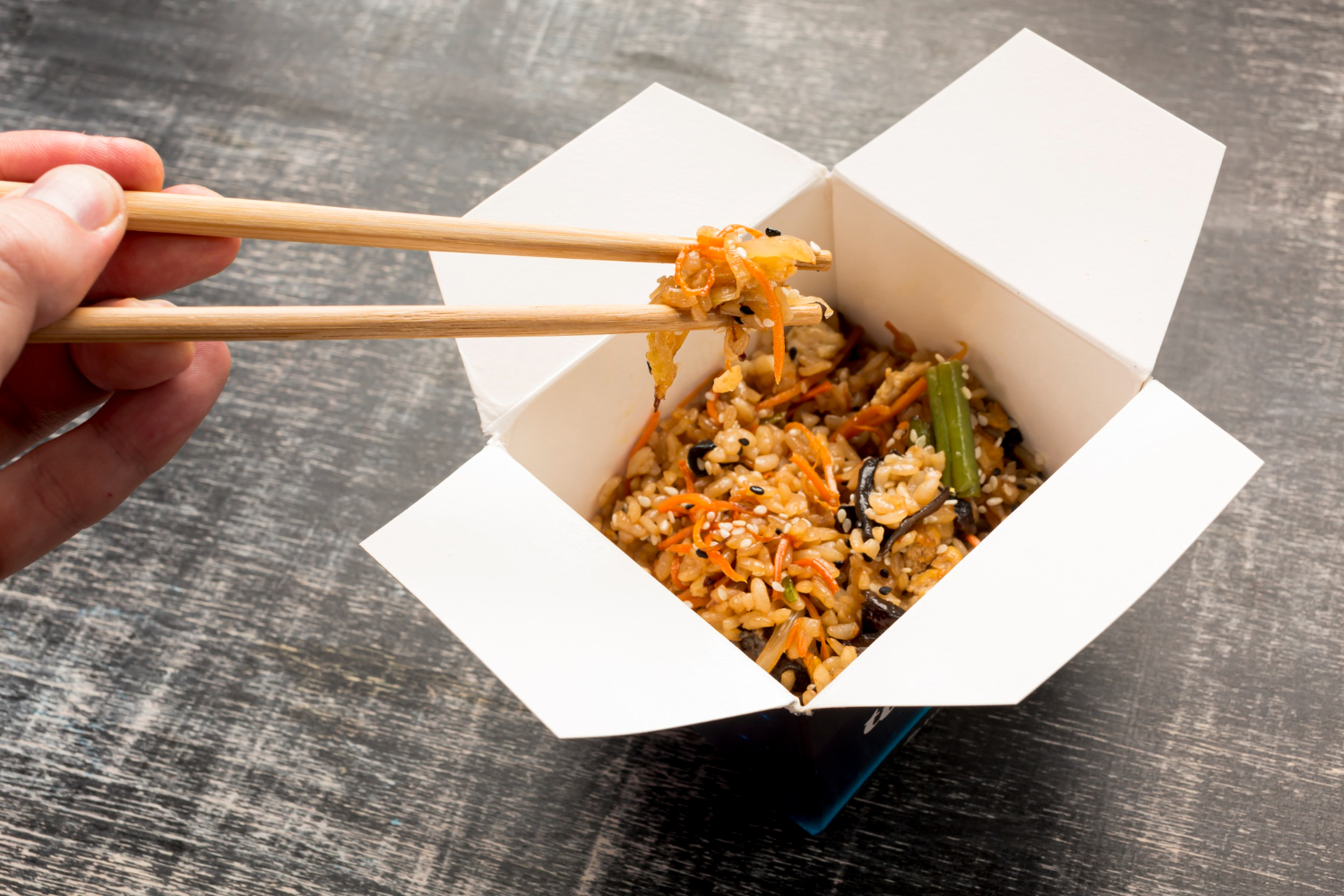
The distinctive folded paper take-out container, technically called an “oyster pail,” was actually patented by an American inventor in 1894 for carrying raw oysters, only later adopted specifically by Chinese American restaurants as the standard container for take-out orders. This small design detail became so closely associated with Chinese American food that most people assume it originated in China, another example of how thoroughly American context shaped the cuisine’s now-iconic visual identity.
Regional American Chinese Styles Emerged Over Time
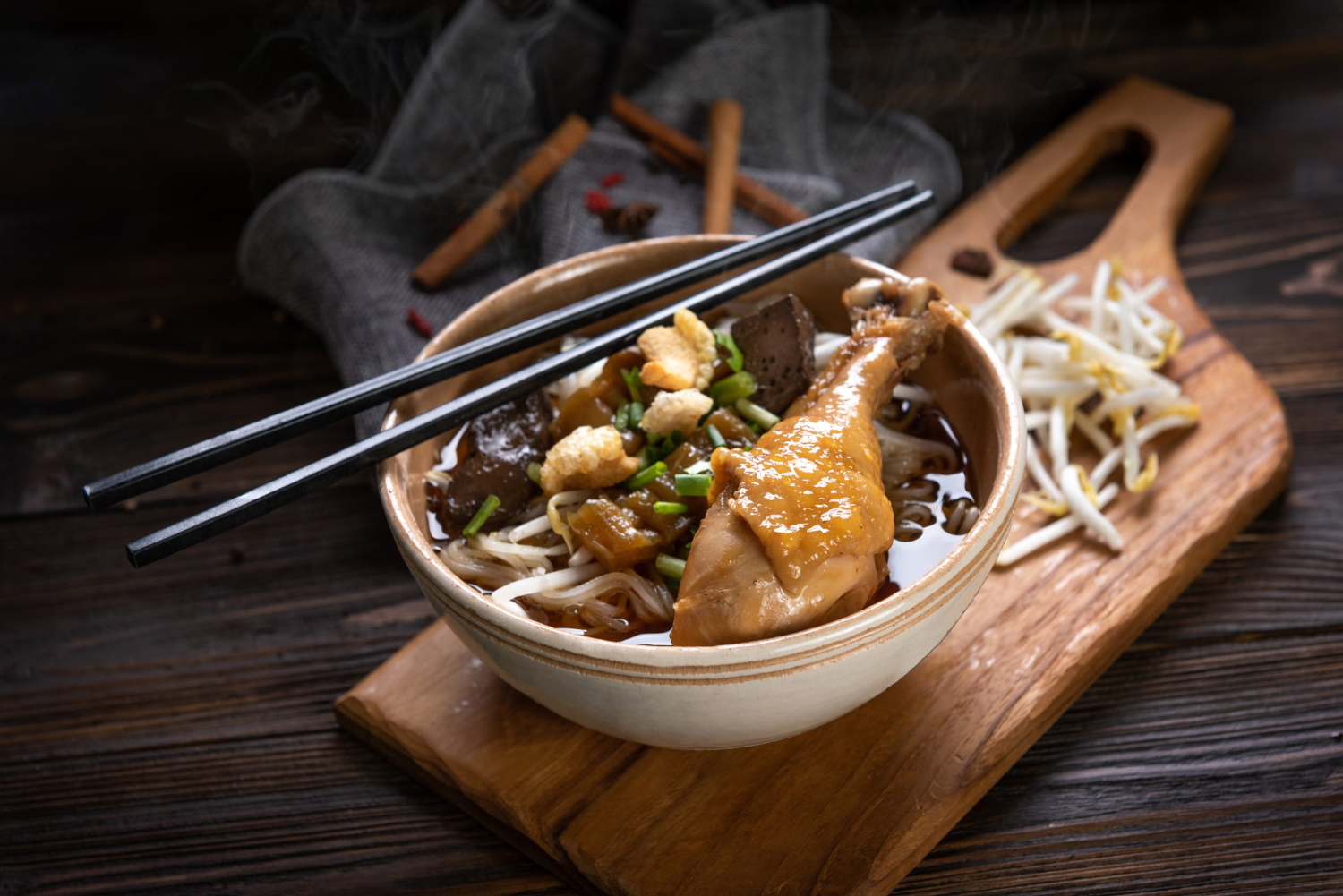
As Chinese immigration spread beyond California and into cities across the country, distinct regional variations of American Chinese food developed, from New York’s specific takeout style to the more Americanized, buffet-driven Chinese-American restaurants that spread through the Midwest and South starting in the mid-20th century. This regional diversification reflects the cuisine’s continued evolution, adapting yet again to local tastes, available ingredients, and each community’s specific dining expectations.
A Genuinely Respected Culinary Tradition Today
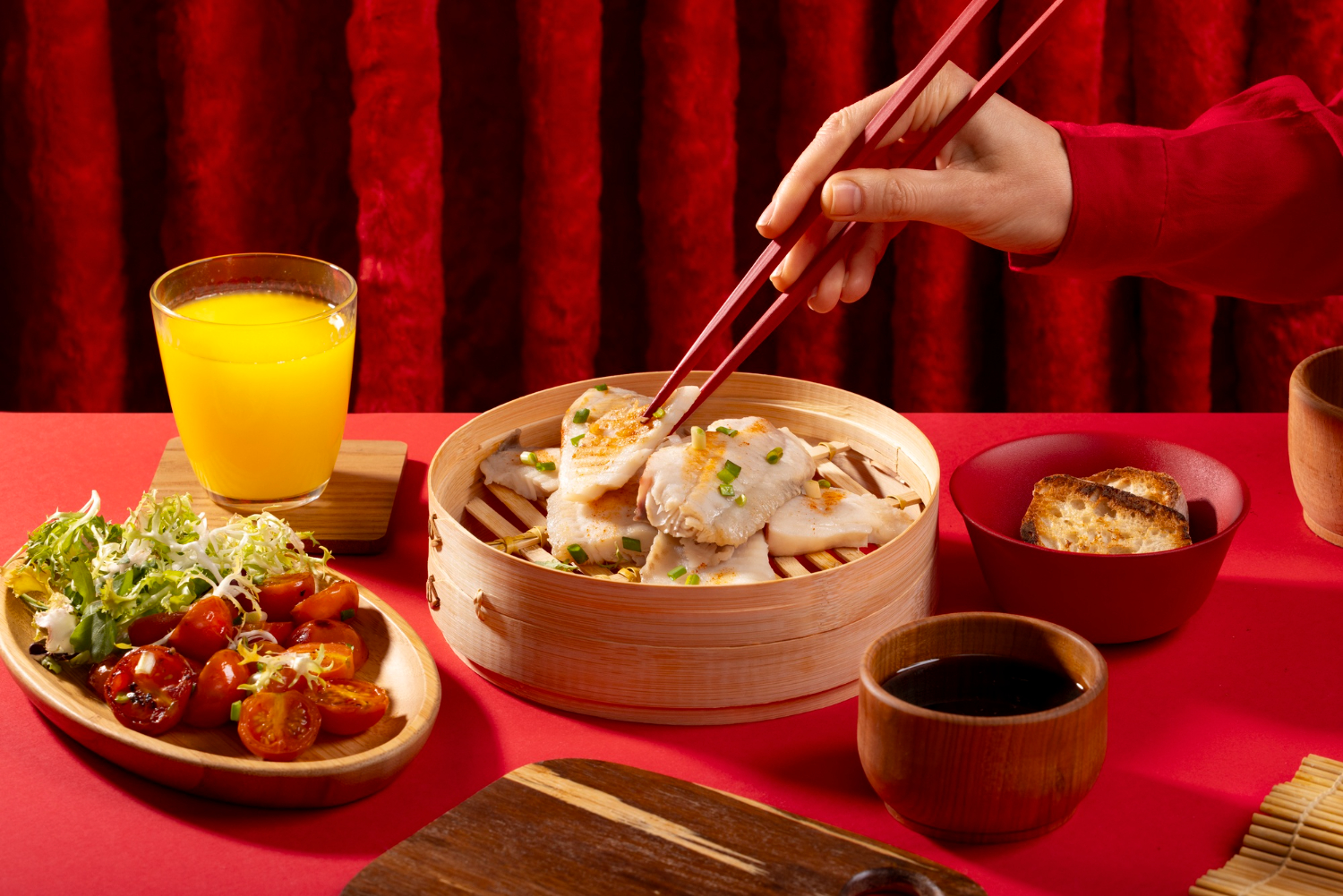
In recent decades, American Chinese food has increasingly been recognized by food historians and chefs alike as a legitimate, sophisticated cuisine in its own right, worthy of serious culinary study rather than dismissal as an inauthentic imitation of “real” Chinese cooking. This reassessment reflects a broader, welcome shift toward appreciating immigrant culinary traditions on their own genuine terms, understanding dishes like chop suey and General Tso’s chicken as authentic expressions of the Chinese American experience specifically, not failed attempts to replicate cuisine from abroad.
A Cuisine Born From Adaptation and Ingenuity
American Chinese food’s journey, from railroad camp cooking and Gold Rush-era restaurants through exclusion-era restaurant concentration to today’s genuinely respected culinary tradition, tells a story of resilience, creativity, and adaptation spanning more than 150 years. Rather than a diminished version of Chinese cuisine, it stands as a genuine culinary tradition in its own right, one shaped by generations of Chinese American cooks turning real hardship and unfamiliar ingredients into some of the most beloved comfort food in the entire country.
Like our content? Follow us for more.