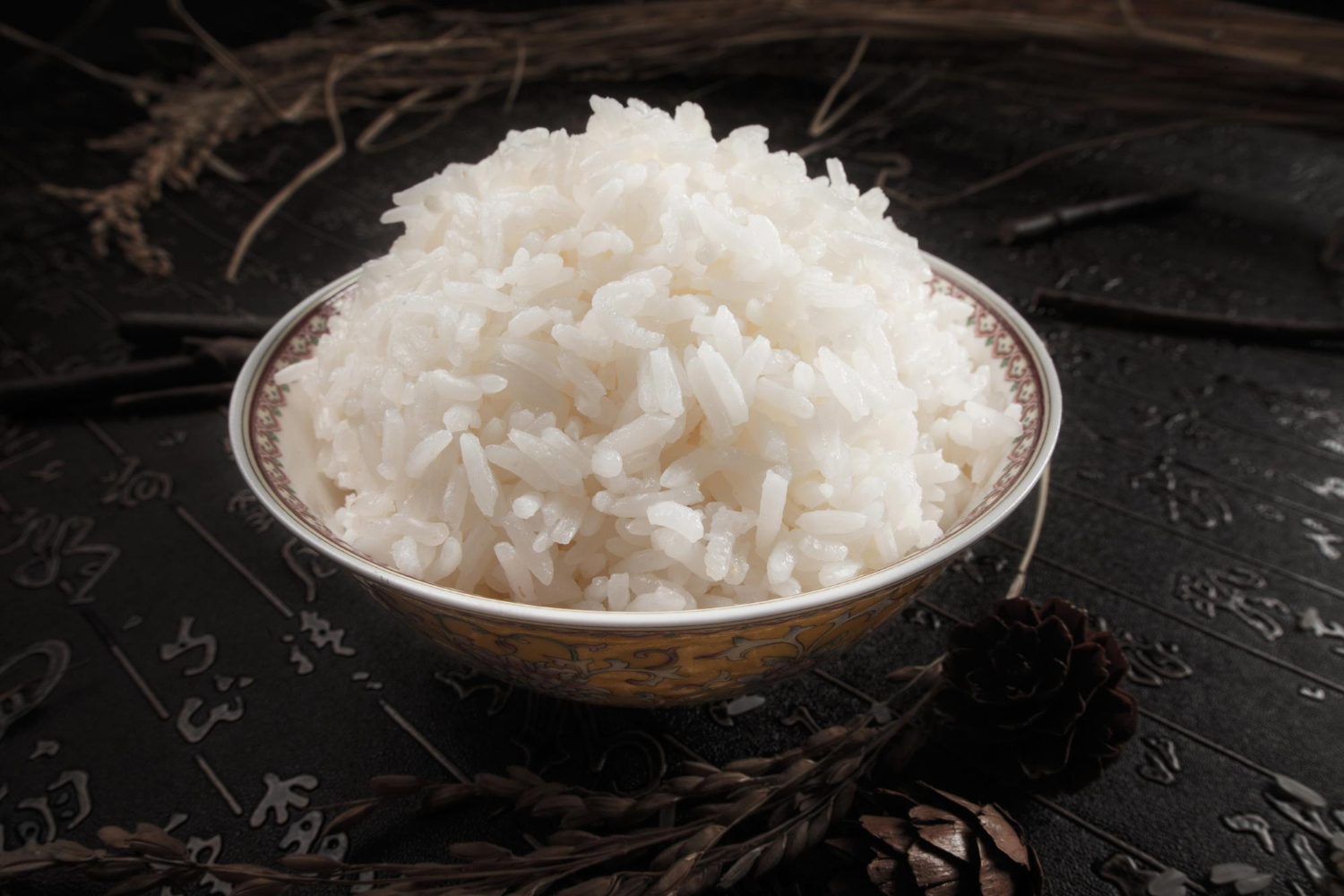
Rice is one of the simplest foods in the world and one of the easiest to ruin. Crunchy grains at the bottom, a sticky paste on top, or a uniform pot of gloop are familiar disappointments even to confident cooks. The frustrating part is that perfect rice doesn’t take a special gadget or years of practice. It comes down to a handful of steps that most people rush or skip, and a couple of habits that consistently sabotage the pot every time. Here’s why rice goes wrong, the techniques that fix it, and the one step almost everyone leaves out.
A note before the steps: almost none of this is about the rice you buy. It’s about how you handle it before, during, and after cooking. Get those three windows right and the brand barely matters. Here’s how.
Why Rice Goes Wrong in the First Place
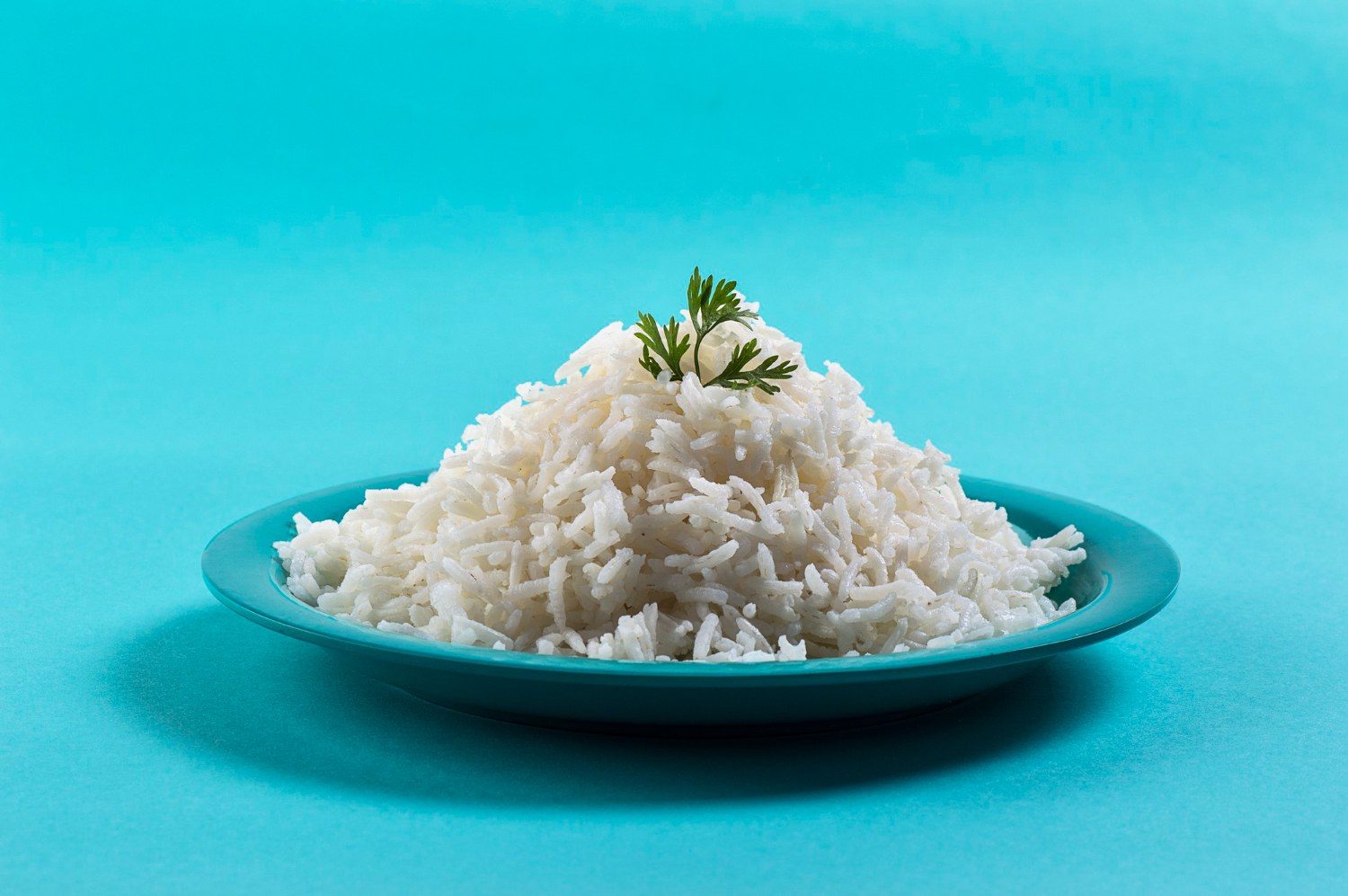
Two failures account for most ruined pots. Mushy or gummy rice means it absorbed too much water or got disturbed while cooking; the grains overcook, the starch breaks down, and you’re left with paste. Crunchy or undercooked rice is the opposite, usually caused by too little water, heat that’s too high, or not enough time. As one executive chef put it, mushiness simply means the grain took on more liquid than it should have. The good news is that both problems trace back to a few controllable steps, so once you know them, the guesswork disappears.
Rinse Until the Water Runs Clear
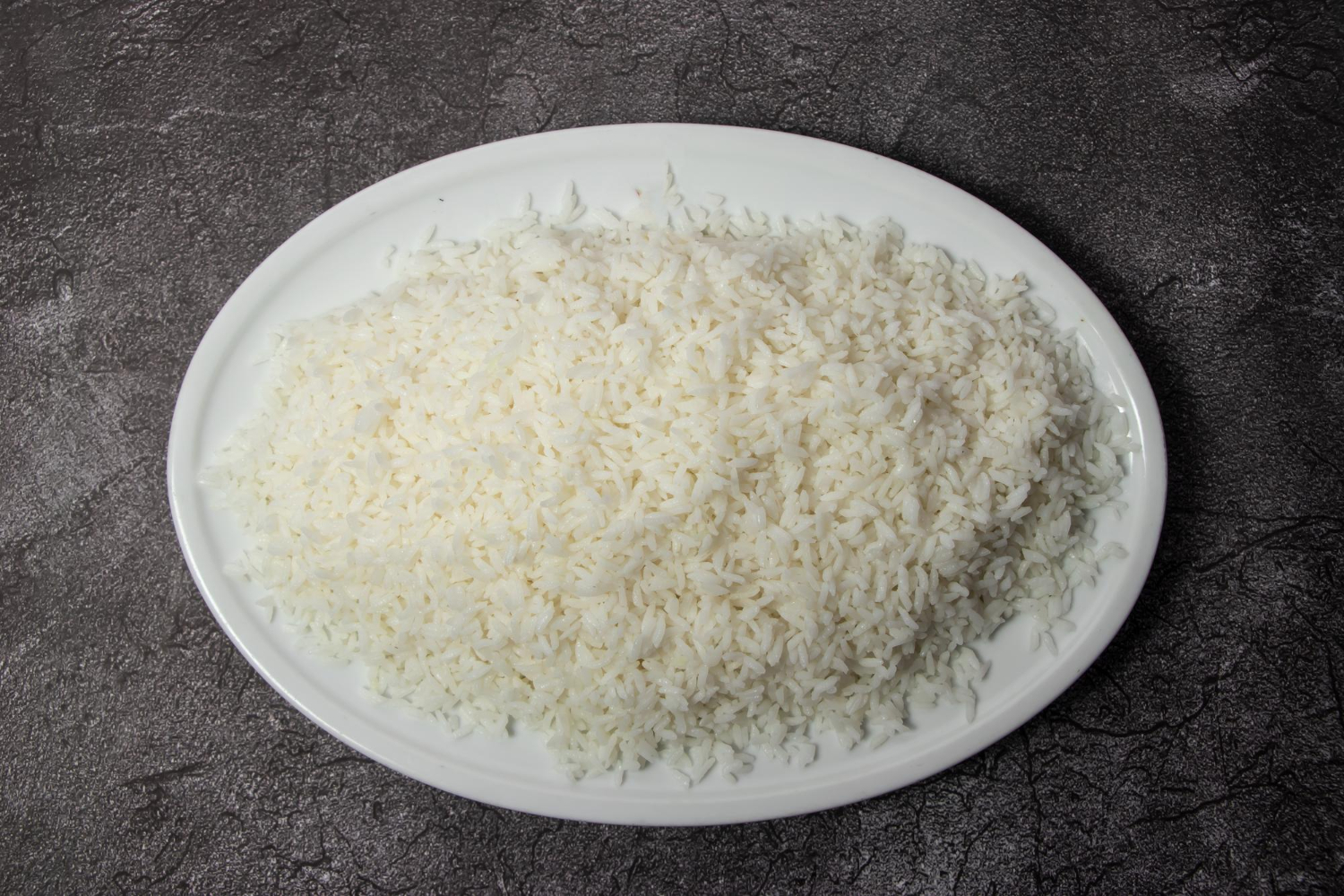
The single most skipped step is rinsing. Dry rice is coated in surface starch, and if you cook it straight from the bag, that starch turns to glue and clumps the grains together. Put the rice in a bowl or your pot, cover it with cold water, swirl it gently with your hand, and pour off the cloudy water. Repeat two to four times until the water runs nearly clear. It takes about a minute and makes the difference between distinct, fluffy grains and a sticky mass. The step matters most for long-grain varieties like jasmine and basmati.
Get the Ratio Right for the Rice You Have
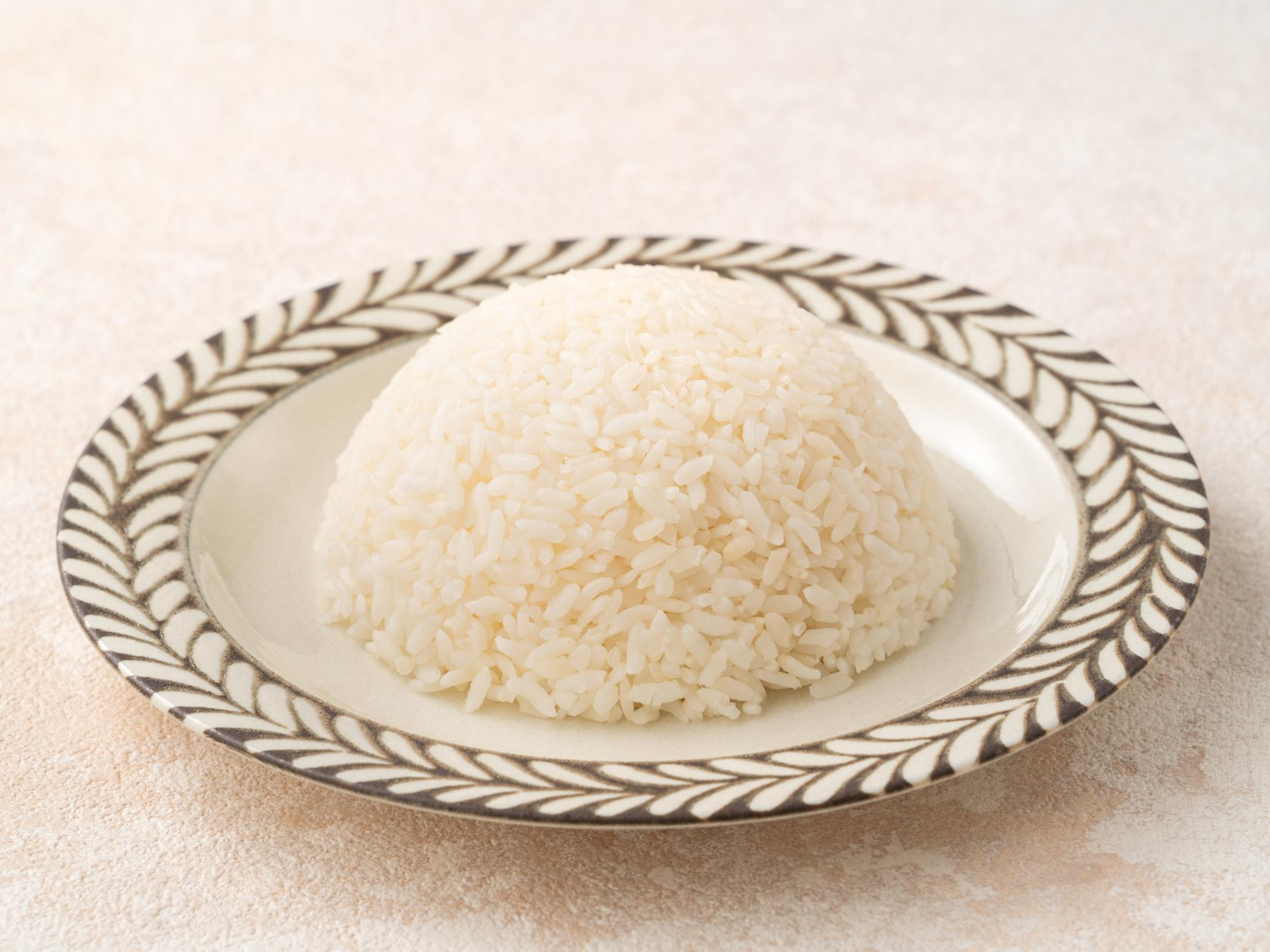
There is no universal water ratio, and using one is a common cause of failure. White long-grain rice generally wants about one part rice to one and a half parts water, though some cooks go up to one-to-two. Brown rice needs more water, closer to one-to-two, because of its tougher bran layer. Sushi rice uses less, around one-to-one-and-a-quarter, to stay sticky. The lesson is to match the water to the grain rather than reaching for a single number every time. Too much water gives you mush; too little leaves the centers hard.
Keep the Lid On and the Heat Low
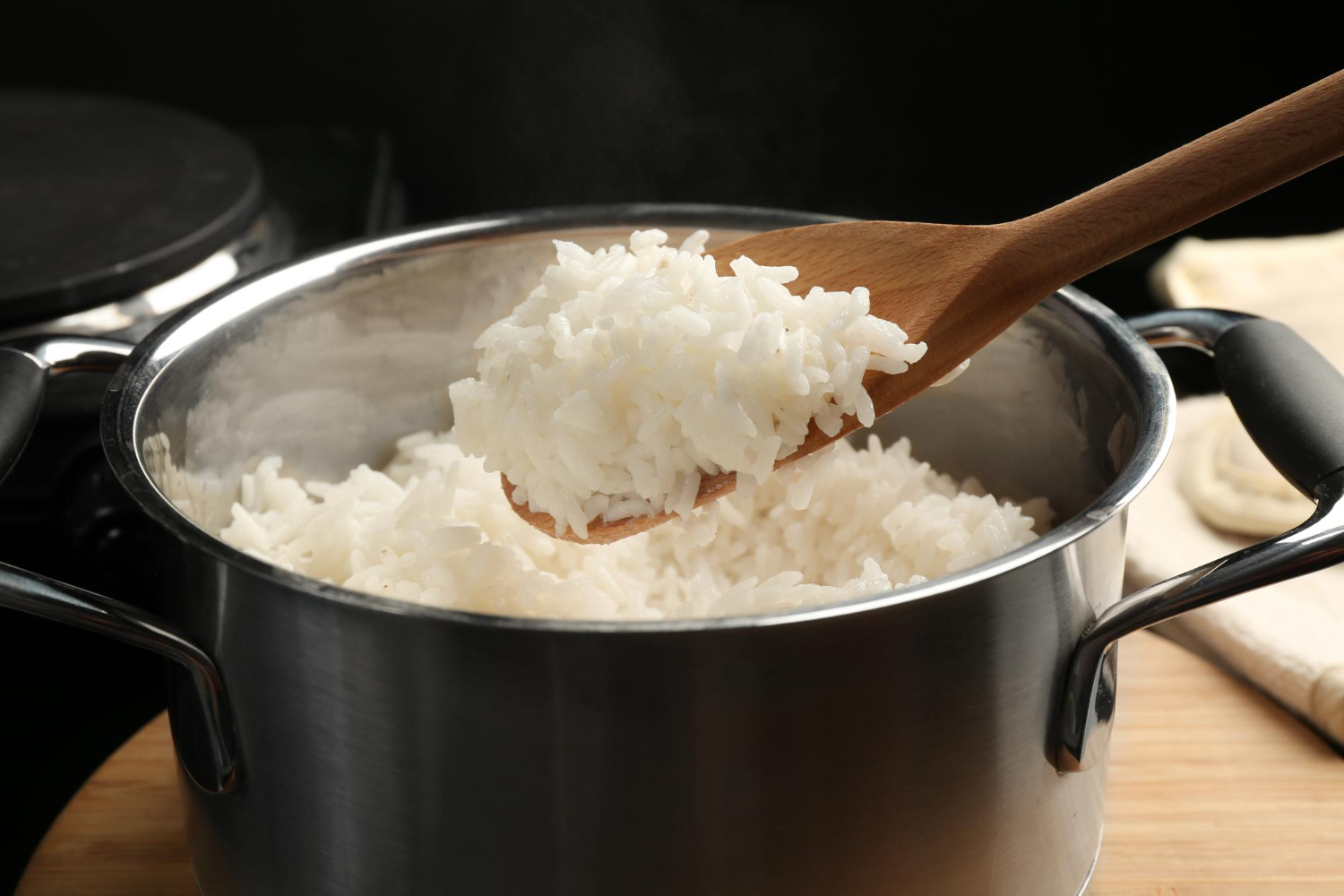
Once the water comes to a boil, drop the heat to a low simmer, cover the pot, and leave it alone. White rice typically cooks in about 18 minutes this way. The hardest part is resisting the urge to peek. Every time you lift the lid you release steam and drop the temperature, which is exactly how you end up with half-cooked centers. Steam is doing the real work, so a tight-fitting lid and a steady low flame matter more than anything you could do by stirring or checking.
The Step Almost Everyone Skips: The Rest
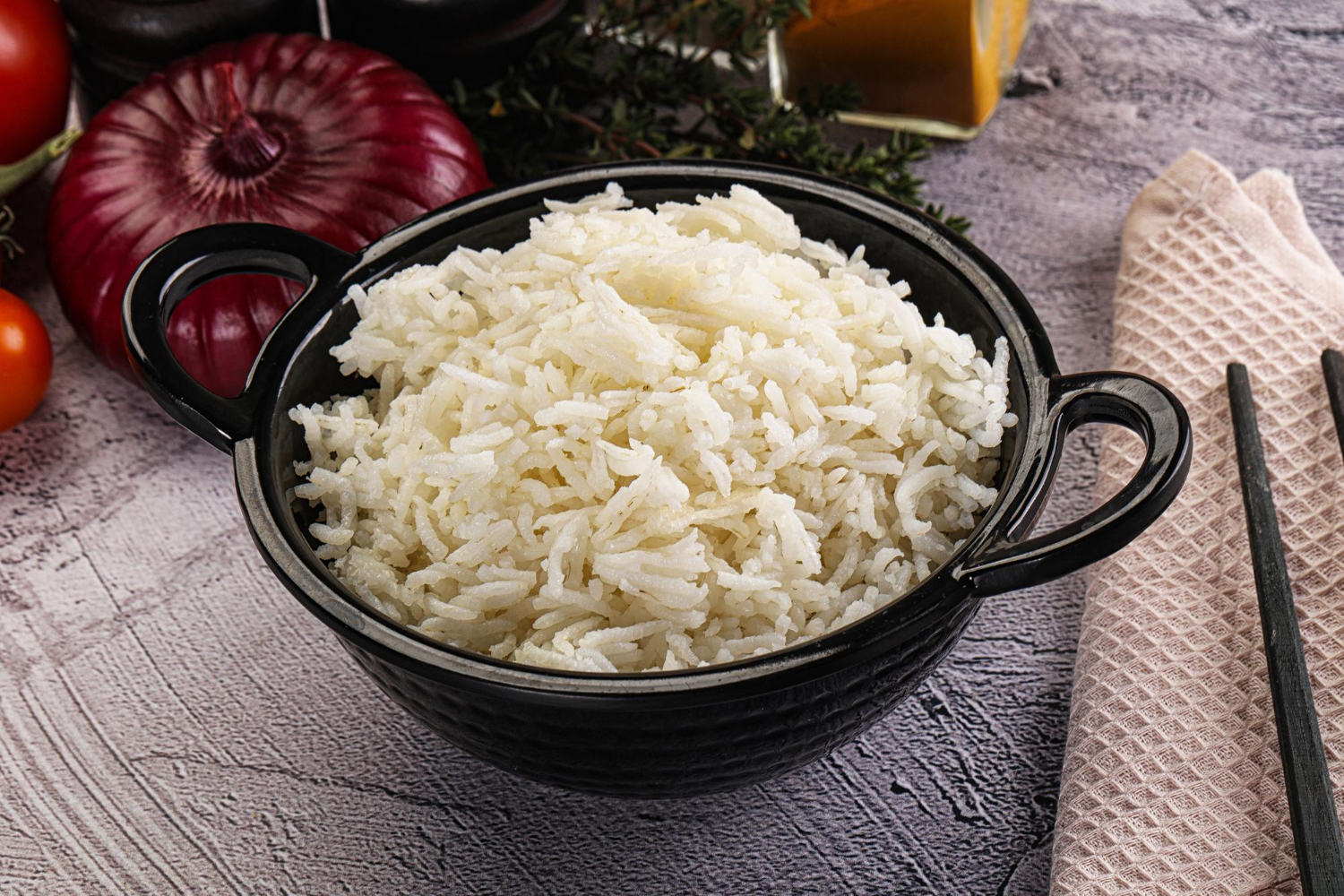
Here is the technique that separates good rice from great rice. When the timer goes off, do not lift the lid. Take the pot off the heat and let it sit, still covered, for about 10 minutes. During that rest the remaining steam keeps gently cooking the rice and the moisture redistributes evenly through the grains, so the wet layer on top and the dry layer on the bottom even out. Skipping the rest is why so many pots come out unevenly cooked. Only after the rest should you remove the lid and fluff.
Don’t Over-Stir, and Fluff With a Fork
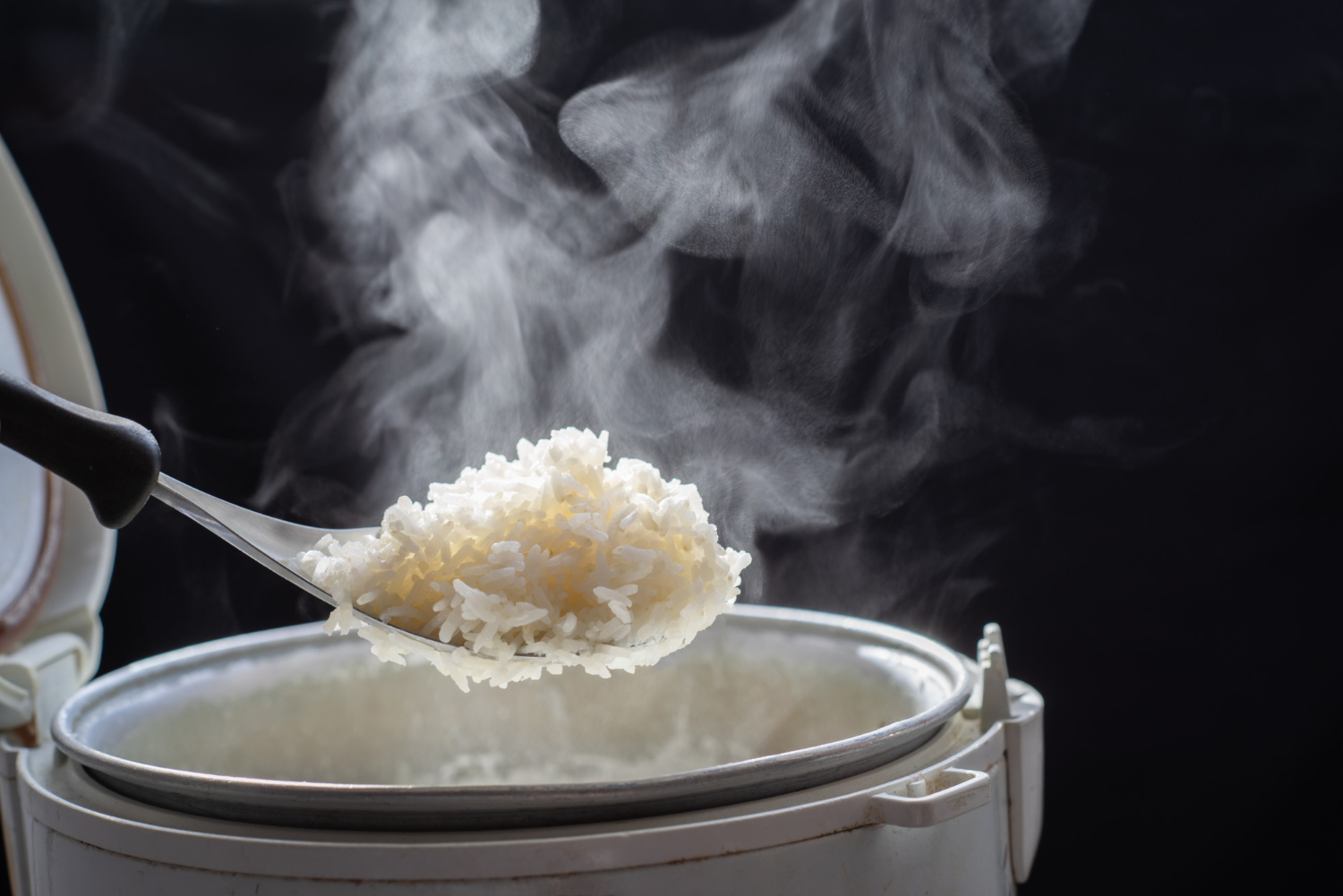
Stirring rice while it cooks is a reliable way to make it gummy, because it knocks the grains around and releases more starch. Leave it undisturbed until it’s done and rested. Then, instead of stirring, run a fork gently through it to separate the grains and let steam escape. A spoon mashes; a fork fluffs. This last touch is small, but it’s the difference between a tidy bowl of distinct grains and a compacted lump.
When It Still Goes Wrong
Even with everything right, pots occasionally misbehave, and most problems are fixable. If the rice is crunchy, add a few tablespoons of water, cover, and simmer gently for a few more minutes. If it stuck to the pot, the heat was probably too high or it skipped the rest; letting it sit off the heat helps it release. And if it came out mushy, it isn’t garbage. Chefs spread overcooked rice on a tray to cool and dry, then turn it into fried rice, rice pudding, or crispy rice cakes, where a softer grain is actually an advantage. Perfect rice is a method, not a talent, and once the method is yours, the disappointing pots mostly stop.
Like our content? Follow us for more.