Summer 2026 is shaping up to be another hot one across nearly the entire country, and the forecasters are in rare agreement about it. NOAA’s Climate Prediction Center expects above-normal temperatures over most of the United States from June through August, with private forecasters echoing the call almost point for point. For the cities that are already the hottest in the nation, an above-average summer stacked on top of a baseline of triple-digit afternoons is a serious matter, not a novelty. Here’s what the official outlook actually says, which regions and cities sit in the crosshairs, why the heat is most dangerous after dark, where the rare cool spots are, and how to handle a summer that’s leaning hot almost everywhere.
A clarifying note up front: NOAA’s seasonal outlook forecasts whether a region’s three-month average will run above, near, or below normal. It does not rank individual cities or predict any single day’s high. What it does show is which parts of the country are tilted hottest, and the nation’s perennial heat capitals sit squarely inside that zone. Here’s the picture for the months ahead.
What NOAA’s Summer 2026 Outlook Says
The Climate Prediction Center’s June-through-August outlook favors above-normal temperatures across the West, much of the Great Plains, the Lower Mississippi Valley, and the East, with the highest forecast confidence over the Pacific Northwest. The most intense signal centers on the interior West, where parts of Utah, Colorado, and Nevada show a 50 to 60 percent probability of an above-normal summer. The warmth radiates outward from that core across the entire West Coast, the Southwest, and much of the Plains. Private forecaster AccuWeather agrees, calling for a hot season across nearly all of the contiguous U.S. with almost no area expected to come in below average. A developing El Niño is part of the reason the northern tier is running so warm, and forecasters note the pattern is likely to strengthen its grip on the country’s weather through the rest of the year.
It’s worth understanding what “above normal” does and doesn’t mean. The outlook is about the seasonal average, so a region could see a fairly typical June followed by a scorching July and August that tips the whole three-month period above normal. “Above average” can also mean just a degree or two higher, and in a place with mild summers that hardly registers as hot. The figures that follow are climatological norms, the long-term averages that define each city’s baseline, not specific 2026 predictions. The point of layering them over the outlook is simple: the cities that are always hottest are also the ones the 2026 forecast tilts even warmer.
The Desert Southwest: Always the Hottest
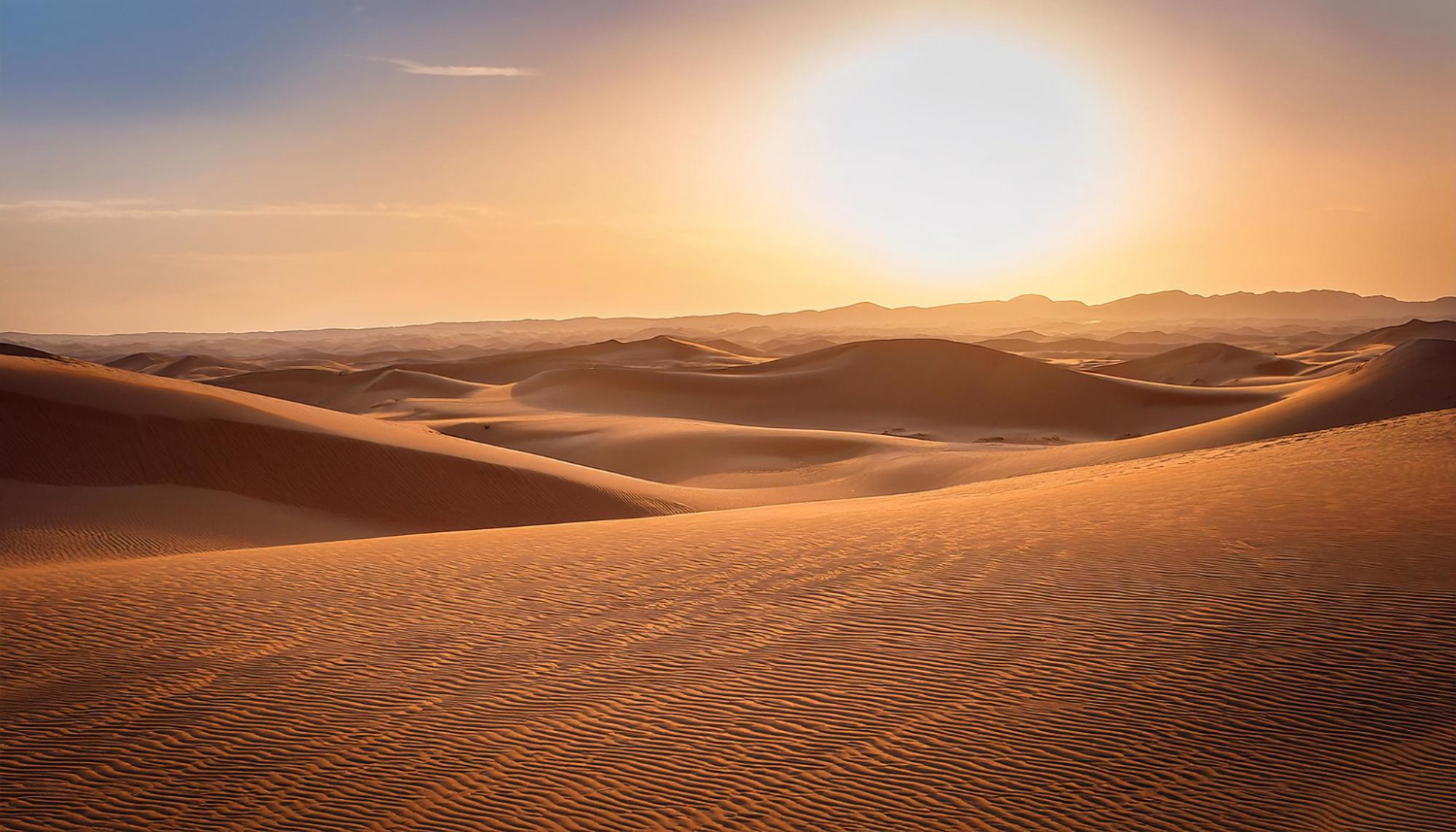
The cities that top every “hottest in America” list all sit in the West that NOAA favors for above-normal heat. Phoenix routinely sees summer highs around 110°F and holds an all-time record of 122°F set in 1990; the city is effectively engineered around heat survival, with shaded walkways, early-morning routines, and a near-total dependence on air conditioning. Yuma, Arizona, officially the sunniest city in the country, averages around 107°F in summer and logs more than 175 days a year above 90°F. Its position near the Gulf of California adds humidity that makes the heat feel even worse despite cooler overnight lows. Las Vegas runs slightly cooler than Phoenix because it sits farther north, but it’s warming fast; during a record-breaking 2024 heat wave it hit 120°F, broke its all-time record by an astonishing three degrees, and strung together seven straight days above 115°F. Palm Springs, tucked into a mountain-ringed valley that traps heat, averages highs near 108°F and has touched 123°F. Tucson sees 100-degree days through most of the summer, and the broader region’s hottest point, Death Valley, posts an average summer high near 115°F. For all of these, an above-normal summer doesn’t change the category of weather. It sharpens an already extreme one.
Texas and the Southern Plains
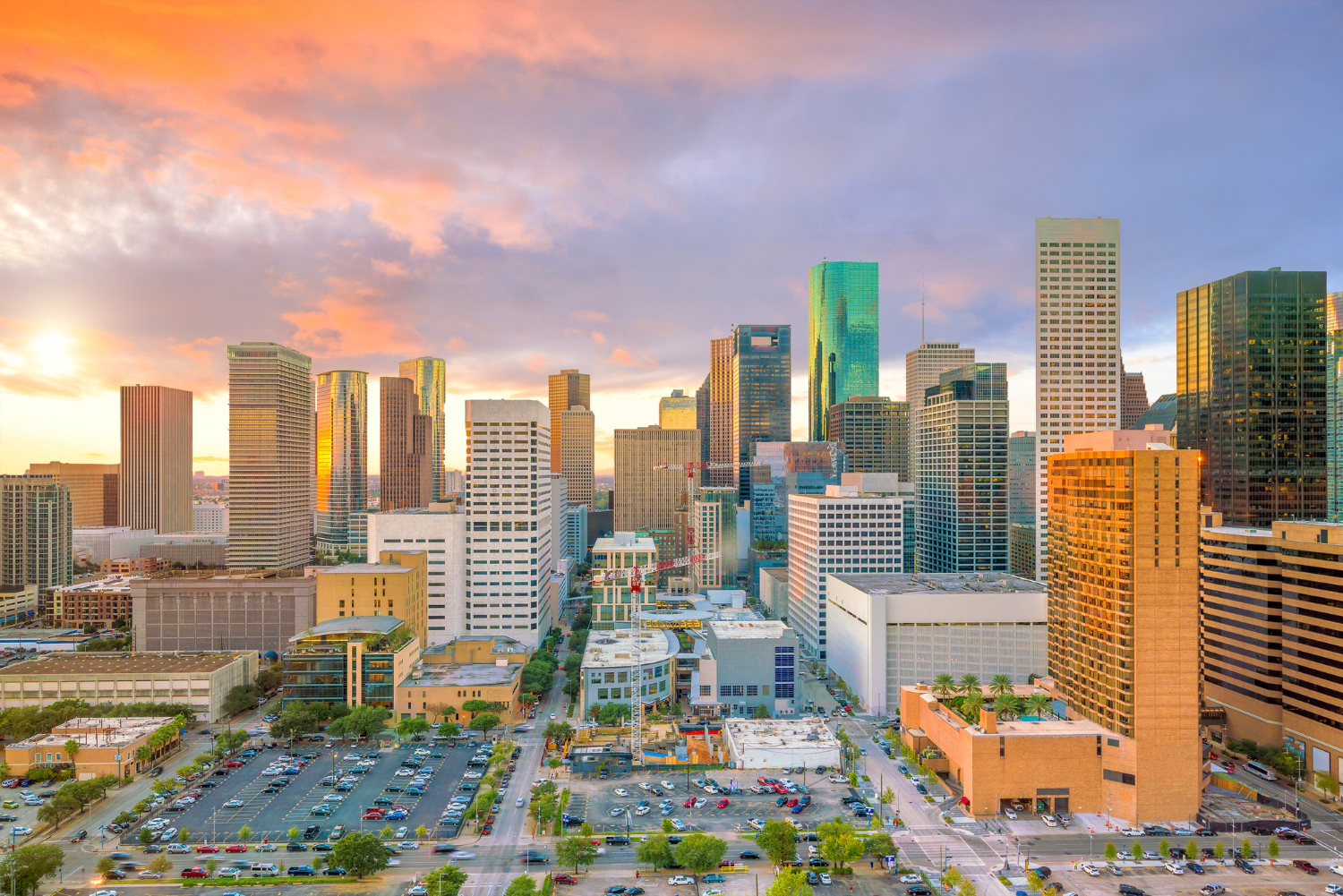
The Great Plains and Lower Mississippi Valley also lean above normal in 2026, which puts much of Texas in the hot zone alongside the desert Southwest. The Rio Grande Valley cities of McAllen and Brownsville combine high air temperatures with heavy Gulf humidity, so even though the thermometer often reads in the mid-90s rather than the 100s, the “feels-like” index regularly climbs past 110°F. San Antonio, College Station, and Dallas round out the list of large Texas markets that endure 90-degree-plus weather on the majority of summer days. The humidity is the wildcard across this whole region. It prevents sweat from evaporating efficiently, which is how the body actually cools itself, so a humid 96 degrees can be more physically punishing than a dry 106. That’s why heat-related illness can spike in Southern and Gulf cities that never appear on a “highest temperature” ranking.
The Overheating Nights
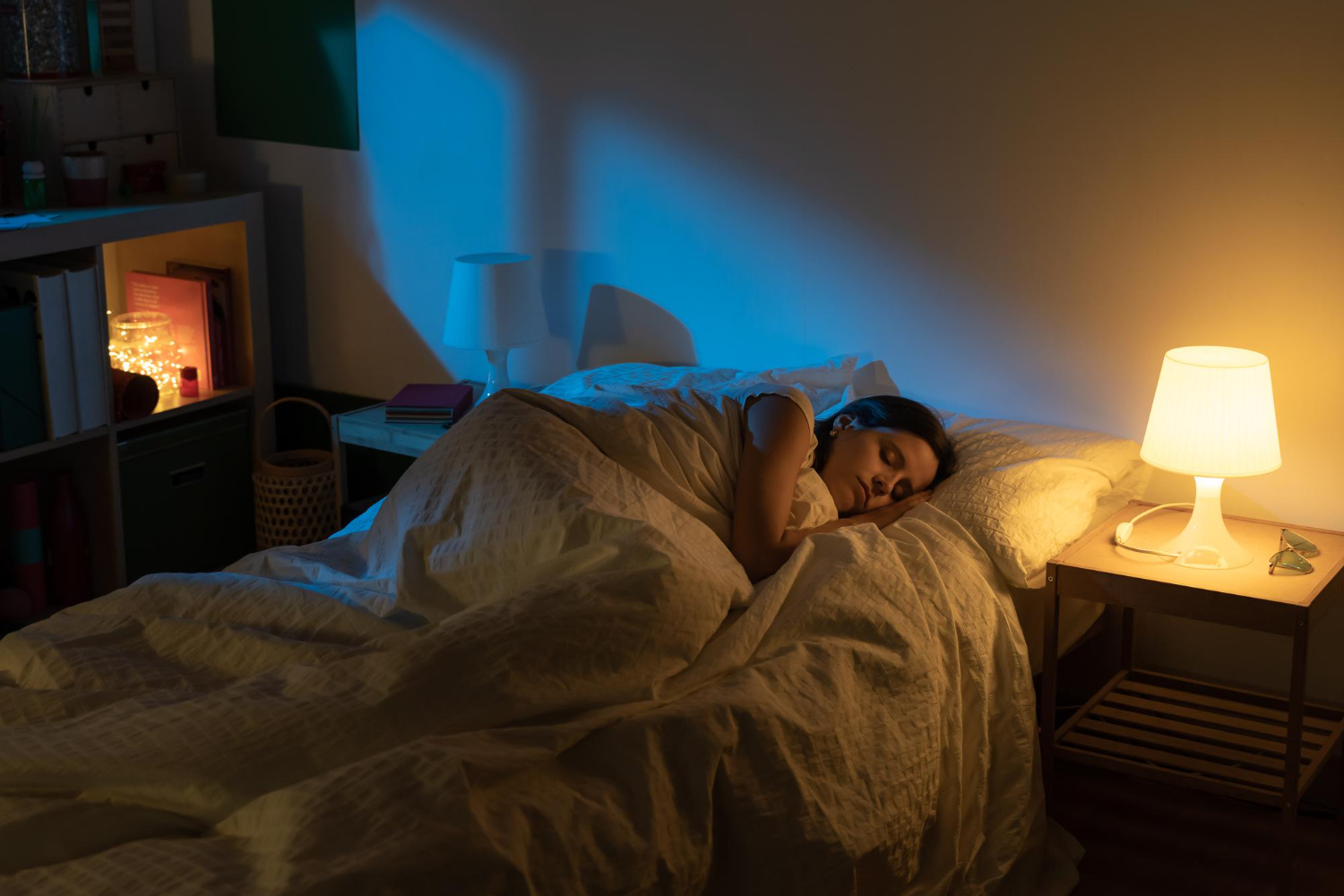
One of the most underappreciated dangers is what happens after dark. NOAA’s outlook accounts for overnight lows, not just afternoon highs, and in the hottest cities those lows barely drop. Phoenix has the warmest summer nights of any major U.S. city, averaging above 80°F for the season, and Las Vegas has been warming most rapidly overnight as it has grown. This matters more than the headline highs because the human body relies on cooler nighttime hours to recover from daytime heat. When the temperature never falls far enough for that recovery, the strain compounds night after night, which is a key reason extended heat waves are so dangerous and why heat is consistently among the deadliest weather hazards in the country, even though it draws less attention than hurricanes or tornadoes. Cities packed with concrete and asphalt make this worse through the urban heat-island effect, radiating stored heat long after sunset.
Where 2026 Offers a Break
There is one notable exception on the map. The Upper Midwest and Great Lakes region, including parts of Iowa, Wisconsin, Minnesota, Illinois, and Missouri, shows the only meaningful cool signal in the outlook, with roughly even odds of a near- or below-normal summer. Later in the season, El Niño’s influence may even nudge parts of the Midwest slightly below normal. For anyone with flexibility in where to spend July and August, that pocket of the country is the forecast’s safest bet for relief, and it happens to line up with the same region that has been drawing new residents in 2026’s migration data. The trade-off, of course, is that “cooler” is relative; these areas still see plenty of hot, humid stretches, just with a better chance of breaks between them.
The Wet and Dry Split, and the Wildfire Wildcard
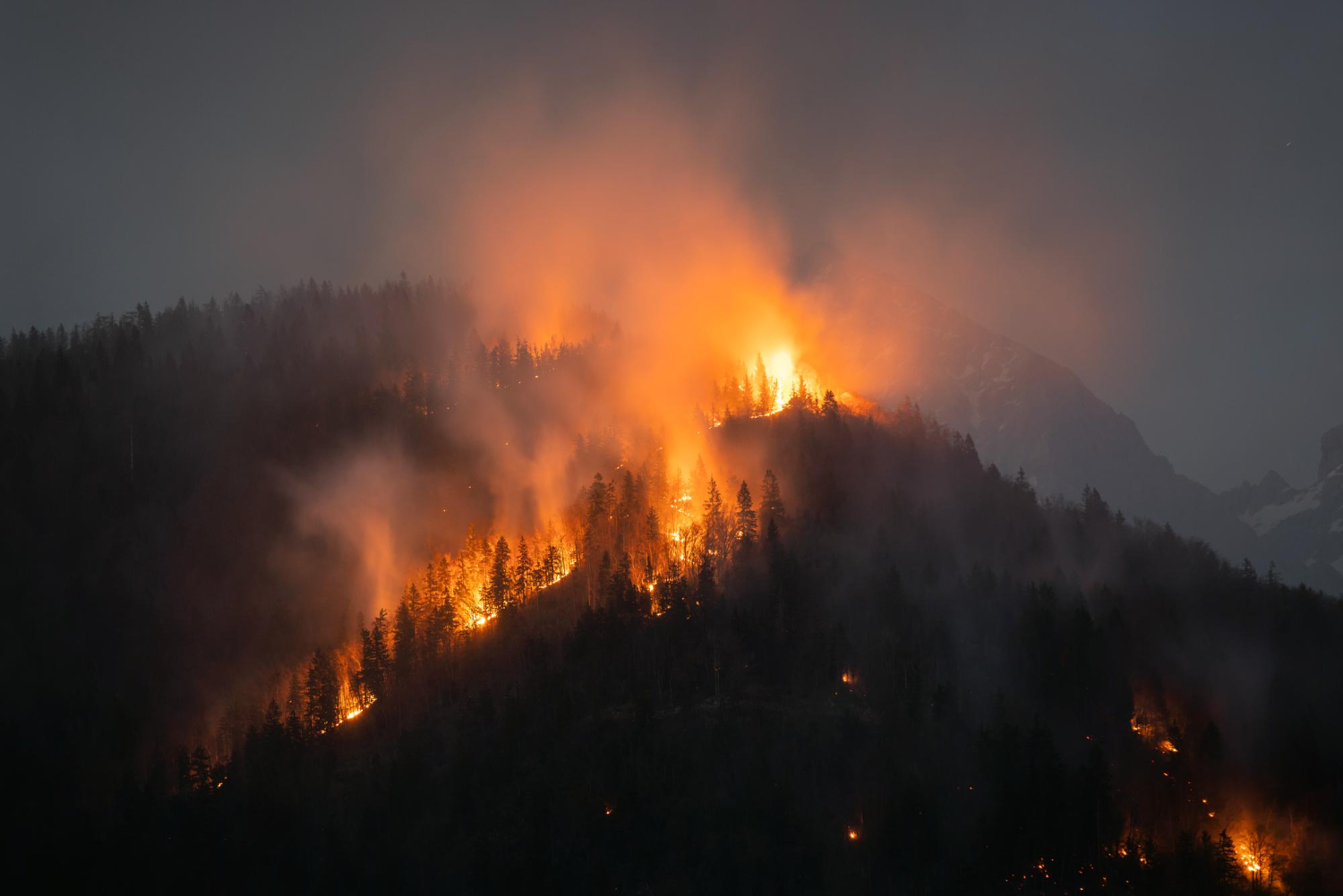
Heat is only half of the summer 2026 story; where the rain falls matters just as much. NOAA’s precipitation outlook is sharply divided by region. The biggest wet signal sits over the Desert Southwest and the Four Corners, where Arizona, New Mexico, Utah, and Colorado lean toward above-normal rainfall, welcome news for a region that often heads into fall in deep drought. The mid-Atlantic and Southeast, including Virginia and the Carolinas, also lean wetter than normal. The dry side of the ledger covers the Northwest, the Northern Rockies, and the Great Plains, where below-normal precipitation is favored and drought is likely to persist or expand. That combination of a hot, dry interior West and Northern Rockies is the classic setup for an active wildfire season, which can foul air quality hundreds of miles downwind and disrupt summer travel far from any flames. Anyone planning a trip through the West should build in flexibility and check air-quality forecasts alongside the temperature, since smoke can turn a clear forecast hazy within a day.
How to Handle a Hotter Summer
The practical response to a hot outlook is the same wherever you live. Drink water before you feel thirsty, and noticeably more than usual on the hottest days, since thirst lags behind actual dehydration. Shift outdoor activity to early morning or evening and stay out of the midday sun entirely when a heat advisory is in effect. Make sure your air conditioning works before the first heat wave rather than discovering a problem during it, and identify a cooler public space, such as a library or mall, to retreat to if your cooling fails. Check on older neighbors, people with chronic illness, and anyone without reliable air conditioning, since they account for most heat fatalities. Never leave children or pets in a parked car, where temperatures climb to lethal levels within minutes. And treat the desert cities’ triple-digit forecasts as the genuine hazard they are rather than a backdrop for an ambitious midday hike. A hot summer is survivable and even pleasant with the right habits; the danger comes from treating extreme heat as ordinary. Watch your local National Weather Service office for heat advisories and excessive-heat warnings, which are issued when conditions cross dangerous thresholds for your specific area, and take them as seriously as you would a storm warning. The forecast points to a hot season nearly everywhere, but the people who fare best are simply the ones who plan around it rather than push through it.
Like our content? Follow us for more.