

In an age of ride apps, congestion charges, and confusing transit maps, there’s a special appeal to a city you can simply walk across, and one European capital does it better than anywhere else on Earth. Florence, the Tuscan birthplace of the Renaissance, has been named the world’s most walkable city, a place so compact that its five most famous sights sit within a ten-minute stroll of one another, and so dense with art and architecture that it’s long been nicknamed an open-air museum. You don’t need a car, a metro pass, or a plan. You just need comfortable shoes. Here’s why Florence earned the title, what you’ll see on foot, and how it stacks up against the other great walking cities.
A note on the rankings: more than one study has crowned a “most walkable” city, using different methods, so the title isn’t held by universal agreement. But Florence tops the lists built on the things that matter most for walking, and its nickname as an open-air museum is more than a century old. Here’s the case for it.
What Earned Florence the Title
Florence reached the top of walkability rankings that weigh the practical realities of getting around on foot. One widely cited study, from the finance-research site Insider Monkey, ranked destinations by factors including the proximity of major landmarks, air quality, safety, and pedestrian infrastructure, and placed Florence first in the world. A separate ranking by the travel company Tourlane likewise named Florence the world’s most walkable city, noting that visitors can reach its top five attractions within about ten minutes of one another on foot. The common thread is Florence’s compactness. The historic core is small, largely flat, and dense with sights, so the things travelers most want to see are clustered together rather than scattered across a sprawling metropolis. That layout turns sightseeing into a single continuous walk instead of a series of transit rides.
Like our content? Follow us for more.
An Open-Air Museum, by Reputation
The “open-air museum” nickname isn’t marketing; it reflects how much art is packed into Florence’s streets. The city is the birthplace of the European Renaissance, and its historic center was designated a UNESCO World Heritage Site in 1982. By some counts Florence holds upwards of seventy art-focused sites, from world-famous galleries to small churches hung with masterpieces. Some of the art isn’t even indoors: the Loggia dei Lanzi, on the city’s main civic square, functions as a free open-air sculpture gallery, displaying works like Cellini’s bronze Perseus out in the open where anyone walking past can see them. Founded by the Romans in 59 BC and shaped in its golden age by powerful families like the Medici, Florence accumulated centuries of art and architecture in a small footprint, which is exactly what makes wandering it feel like moving through a museum without walls.
The Walk Itself
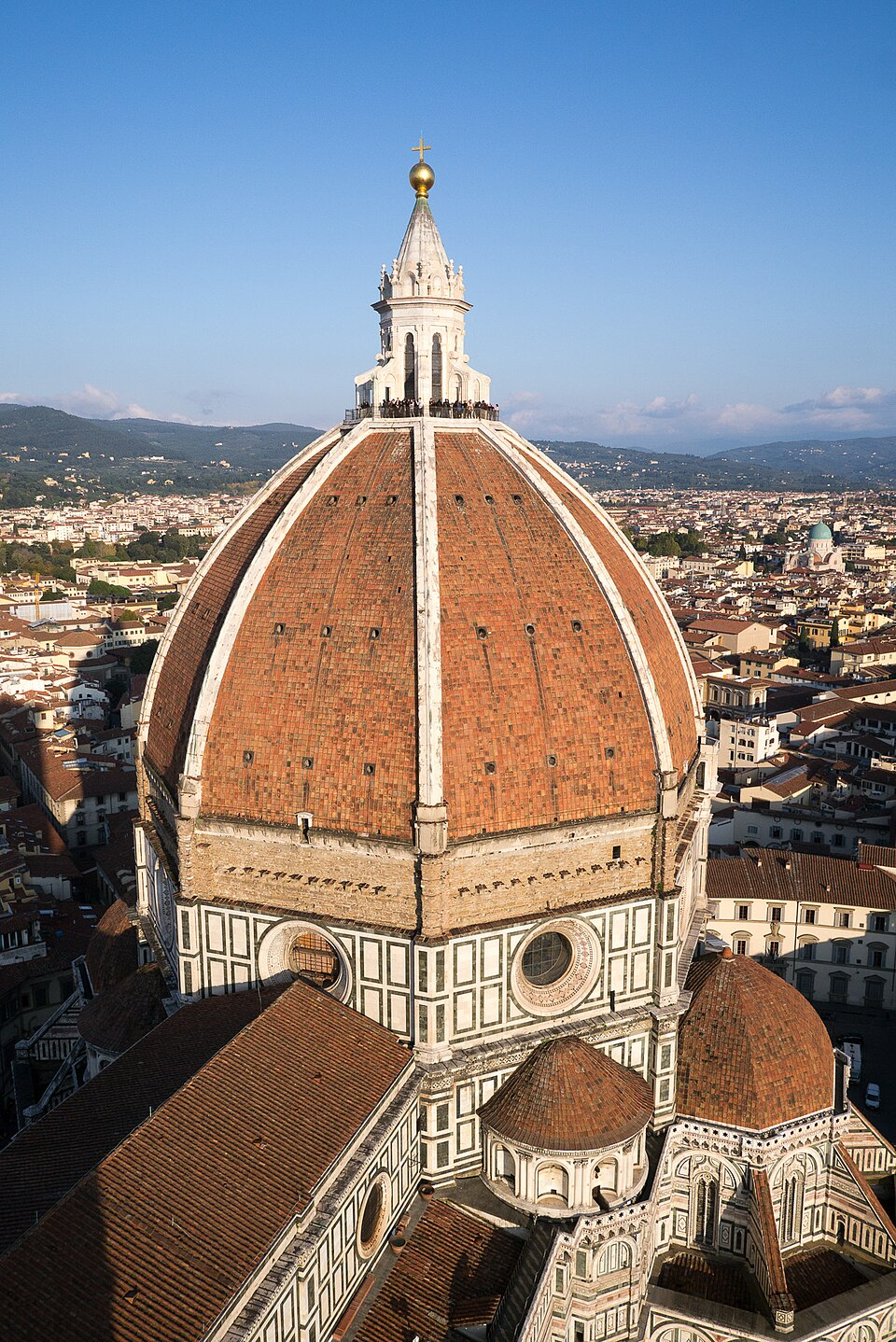
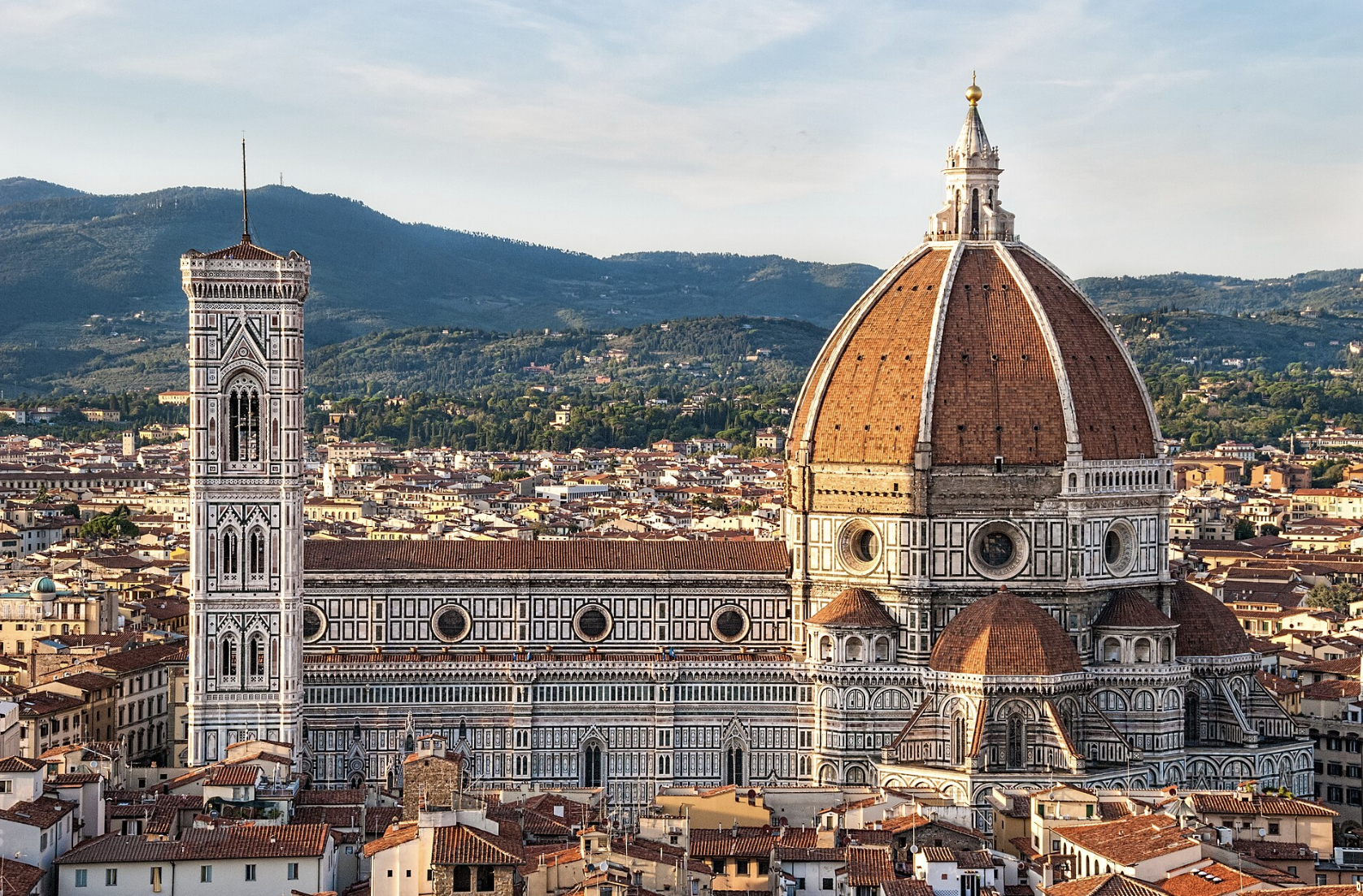
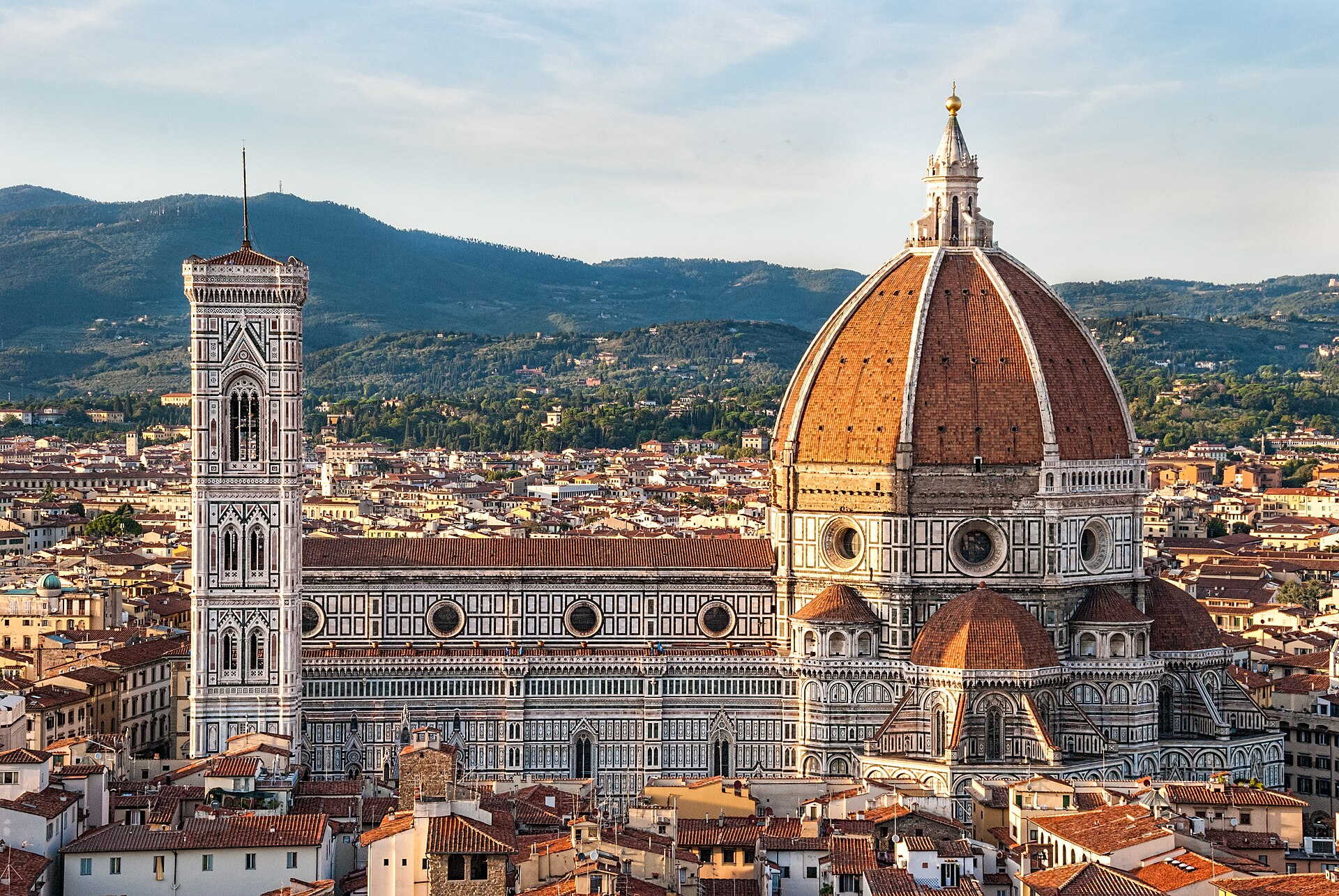
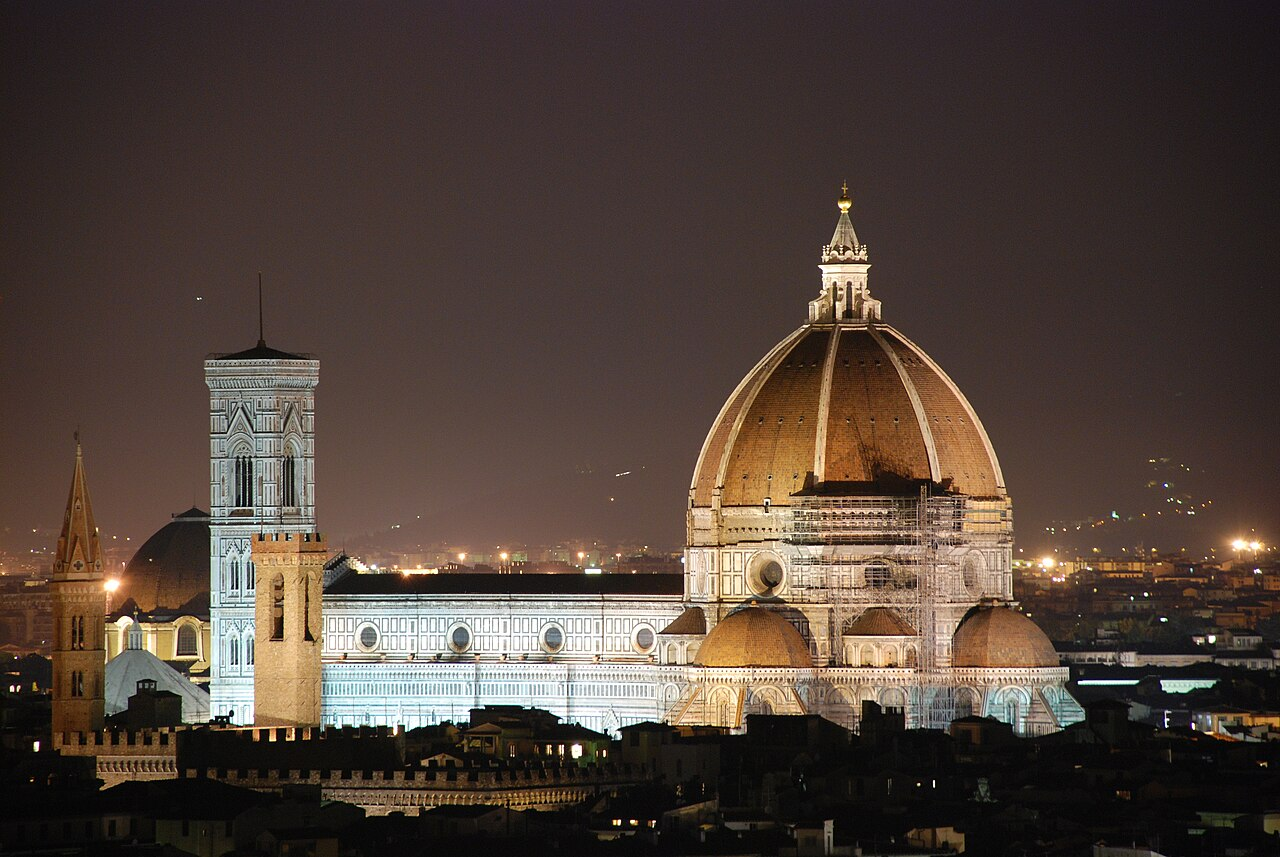
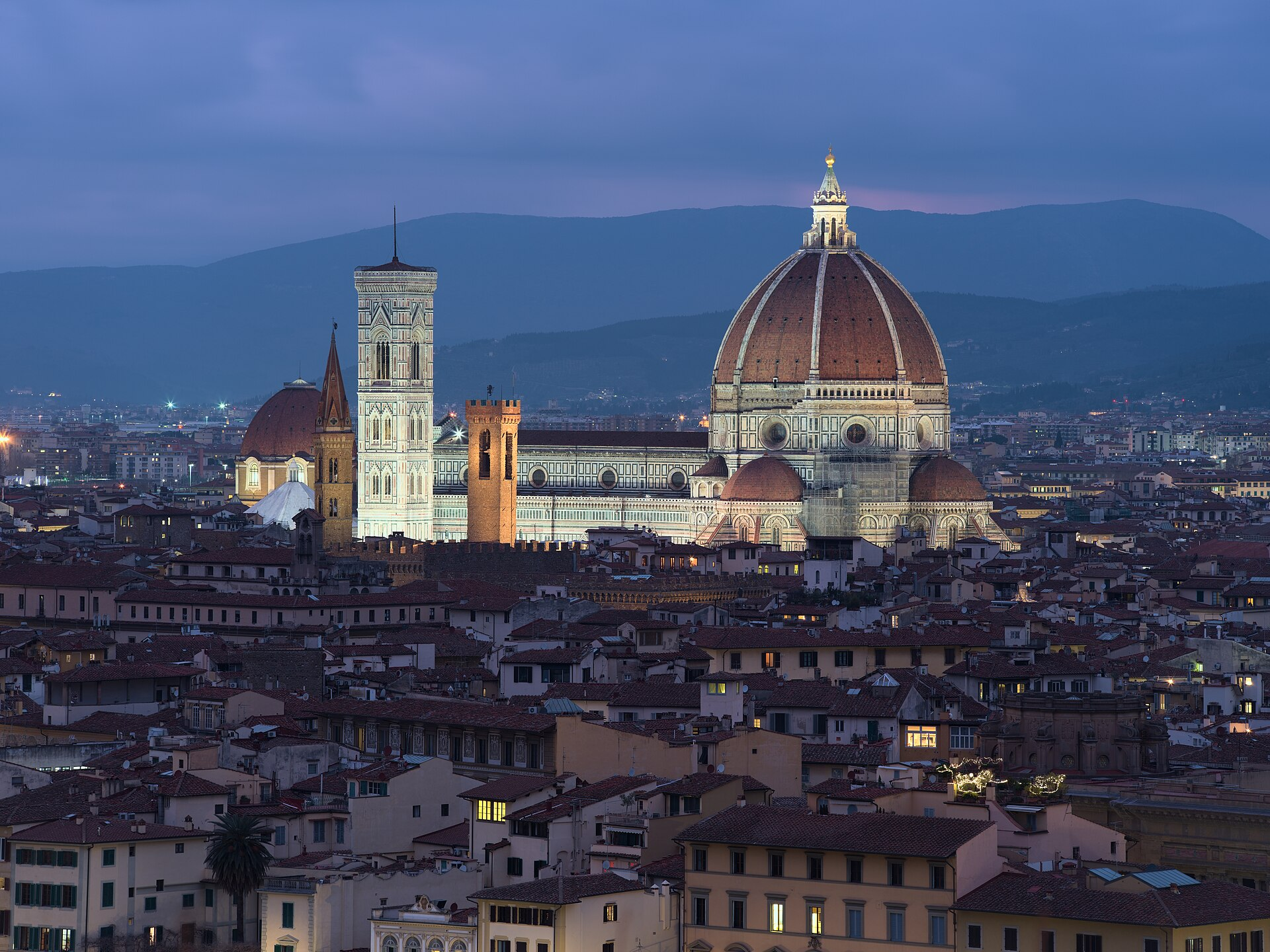
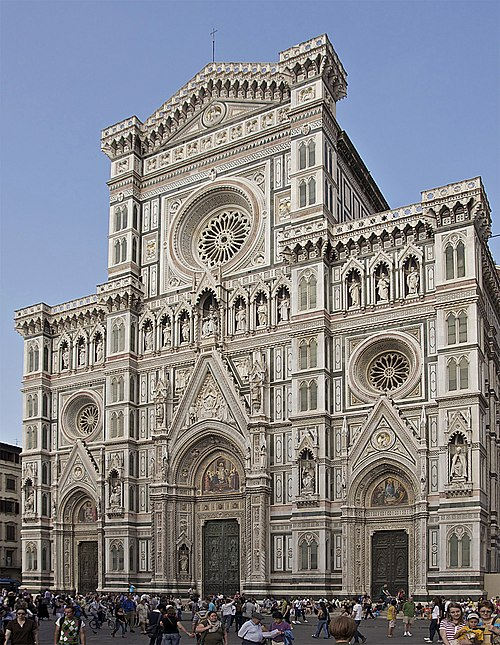
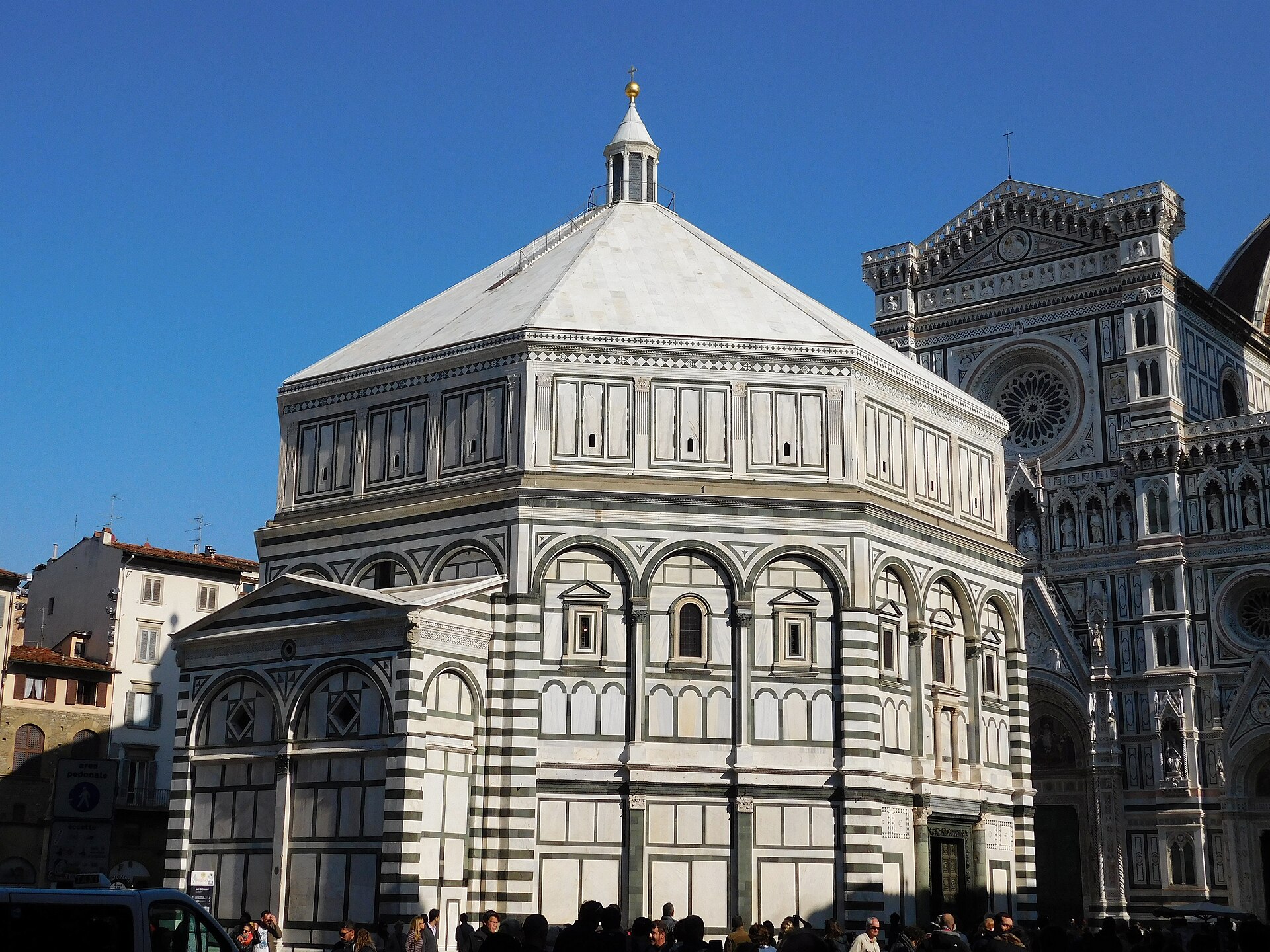
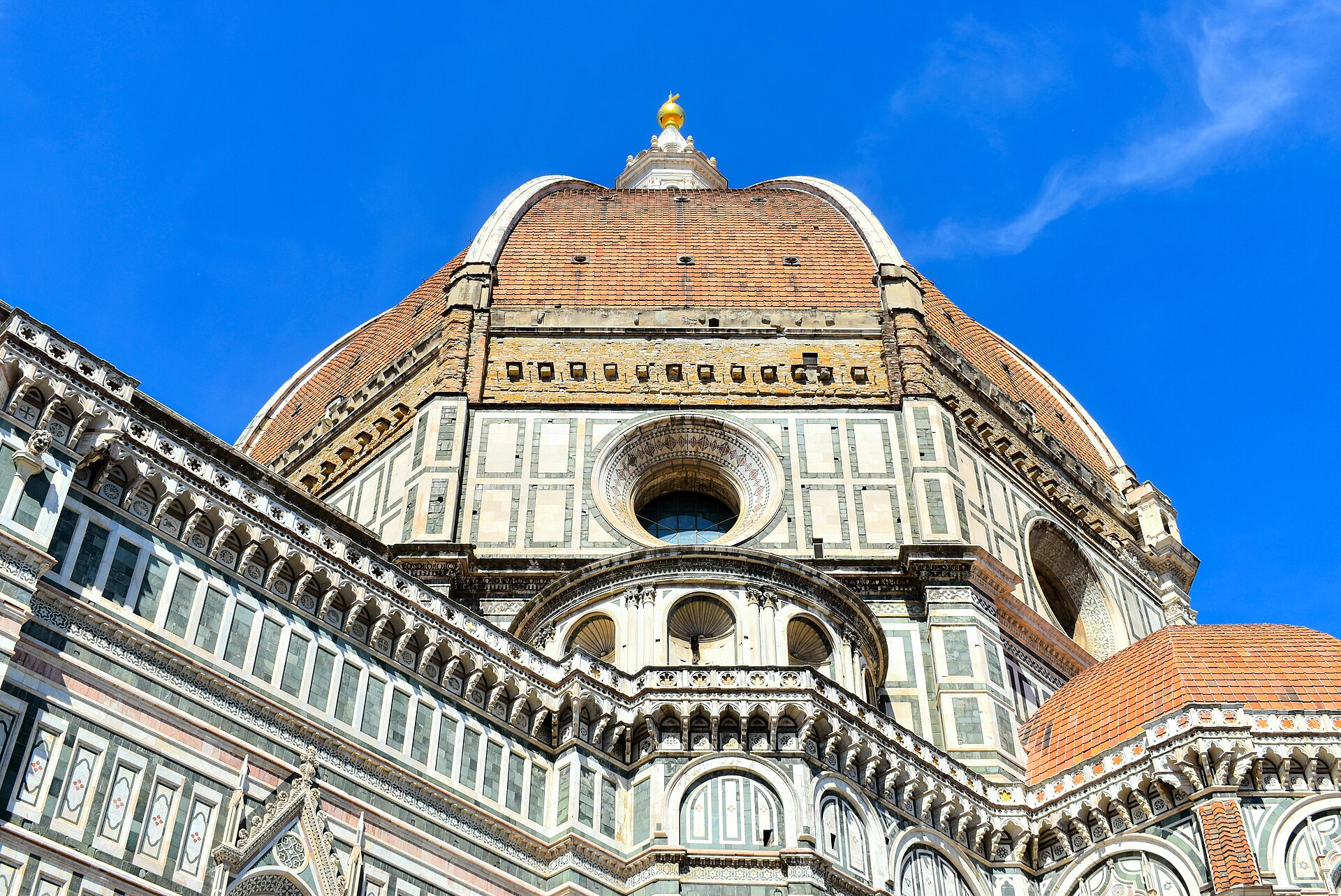
The pleasure of Florence is how naturally one landmark leads to the next. Step out of the central train station and you’re almost immediately facing the marble facade of the Basilica of Santa Maria Novella. A short walk brings you to the Cathedral of Santa Maria del Fiore, crowned by Brunelleschi’s dome, the largest brick dome ever built. From there, pedestrian streets lined with boutiques and gelaterias funnel you toward the Piazza della Signoria, the political heart of the city, framed by the fortress-like Palazzo Vecchio and the open-air sculptures of the Loggia. A few steps more and you reach the Uffizi Gallery on the bank of the Arno, then the Ponte Vecchio, the medieval bridge still lined with goldsmiths’ shops. The Accademia, home to Michelangelo’s David, is a short walk in another direction. None of it requires a vehicle; the entire greatest-hits route is a stroll.
Why Compact Beats Convenient
There’s a deeper reason walkable cities have surged in popularity, and it goes beyond avoiding taxis. Walking is the pace at which you actually notice a place. Covering a city on foot reveals the cobblestone textures, the carved doorways, the glimpses down side streets, and the small details that blur past from inside a car or a train. It also fits the growing appetite for slow, sustainable travel; exploring on foot produces no emissions and spreads spending into the small, local businesses tucked along the route rather than clustering it at major hubs. Florence has leaned into this, balancing the preservation of its historic core with pedestrian-friendly streets, so the most rewarding way to see the city is also the lowest-impact one. For travelers, the payoff is a richer experience; for the city, it’s a gentler kind of tourism.
The Other Great Walking Cities
Florence’s crown is not uncontested, and the honest picture is that different rankings reward different things. A study by the free-tour platform GuruWalk, drawing on the booking preferences of more than four million travelers, named Rome the world’s top walking city, pointing to the Colosseum, the Pantheon, and the Baroque squares that make the Eternal City its own kind of open-air museum, with Budapest close behind. Tourlane’s list put Venice second, a city with no cars at all, where canals and footbridges leave walking as the only real option, followed by Athens, where ancient ruins stand within easy reach of one another. Other strong contenders include Edinburgh’s medieval streets, Lisbon’s hilly miradouros, and Dublin’s compact Georgian core. The takeaway isn’t that one city definitively wins, but that Europe’s historic centers, built long before the automobile, remain the best places on Earth to travel on foot.
Beyond the Historic Core
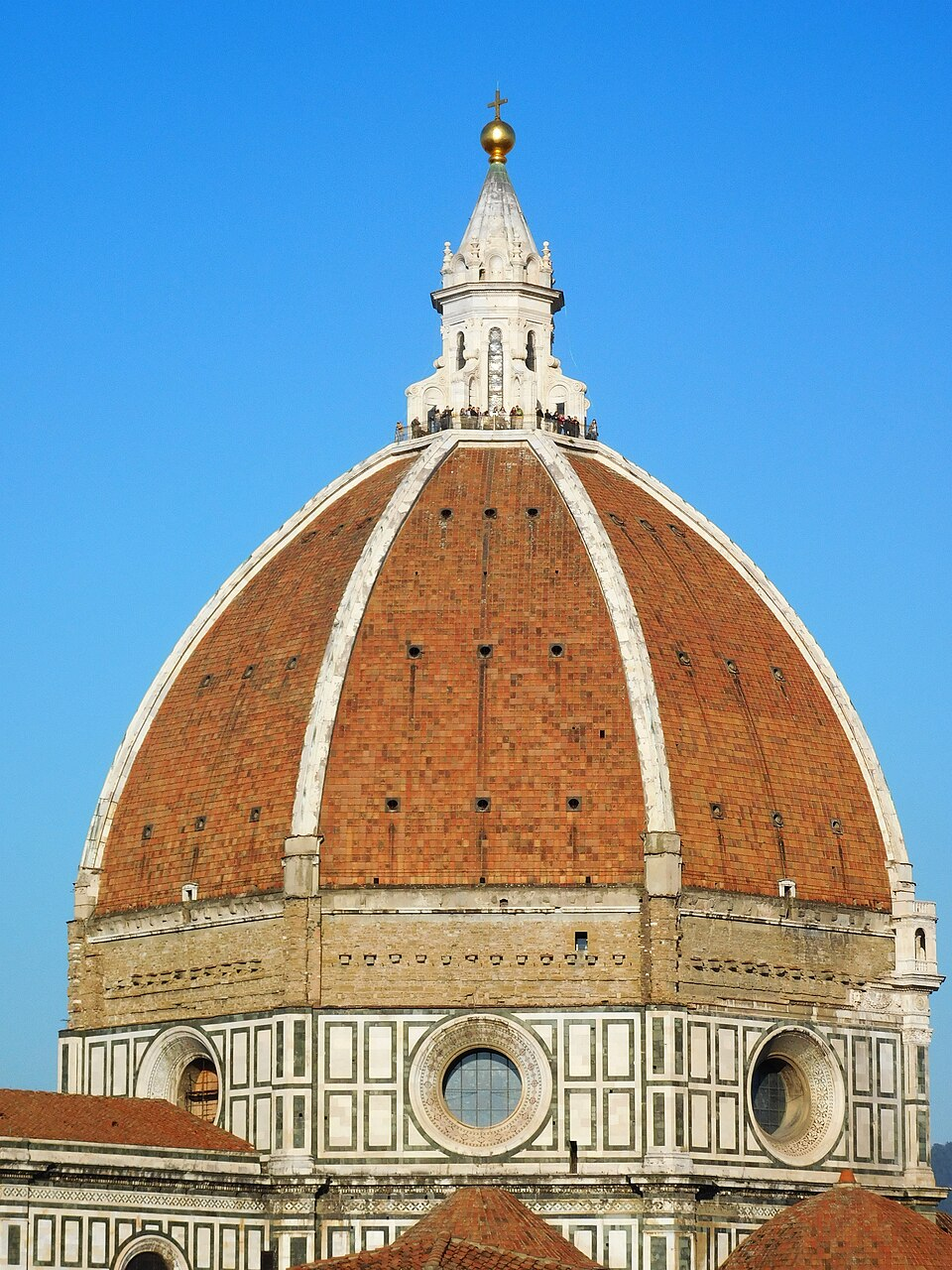
The compact center holds most of the famous sights, but some of Florence’s best walking lies just past it, and it’s all still on foot. Cross the Ponte Vecchio to the Oltrarno, the quieter “other side” of the Arno, where artisan workshops, leather studios, and neighborhood trattorias give a sense of the working city behind the monuments. From there a gentle climb leads to Piazzale Michelangelo, the terrace that delivers the postcard view of the whole city, with Brunelleschi’s dome rising above the terracotta rooftops and the hills of Tuscany beyond. A little higher still sits the Romanesque church of San Miniato al Monte, one of the finest views in Italy and a reward for the uphill walk. Back across the river, the Boboli Gardens behind the Pitti Palace offer green space and sculpture for anyone wanting a break from cobblestones. None of these require transit either; they’re simply the next stretch of the walk, and they’re where many travelers say the city finally slows down and feels like a place people actually live rather than only visit.
When to Go
Florence’s popularity is also its challenge: the city draws somewhere between ten and sixteen million visitors a year, and its compact center can feel crowded at peak times. Travel writers, including Rick Steves, generally recommend the shoulder seasons. Spring brings blossoming gardens and Easter celebrations, while autumn offers shorter museum lines, cooler weather for walking, and seasonal foods like white truffles. Summer is hot and busy, and the height of the day can be punishing for a walking-based itinerary, so early mornings and evenings are the comfortable windows. Whenever you go, building your days around walking rather than fighting crowds at a single blockbuster sight tends to produce the better trip.
Making the Most of a Walking City
A few habits turn a walkable city from a nice idea into a genuinely easy trip. Pack broken-in, supportive shoes, because Florence’s charm includes a lot of uneven cobblestone that punishes the wrong footwear. Start early to enjoy the major squares and the cathedral before the day’s crowds arrive. Build in unhurried time to get lost on purpose, since the side streets are where walkable cities reward you most. Keep valuables secure and zipped in busy tourist areas, as you would in any popular European center. And resist the urge to over-schedule; the entire appeal of a city like this is that you can drift from one masterpiece to the next without a timetable. In Florence, the journey between sights is itself the sightseeing.
A City Built for Footsteps
Florence earned its title not by adding anything modern, but by preserving something old: a dense, human-scaled center designed for people long before it was designed for traffic. That’s the quiet lesson behind every “most walkable city” ranking. The places that feel best on foot are usually the ones that grew up around walking in the first place, and Florence, compact and overflowing with art, is the purest example. Whether or not it holds the crown in every survey, it delivers the experience the title promises: a whole city of wonders, all of it reachable one step at a time. For travelers tired of transit apps and traffic, that may be the most appealing destination of all. And it points to a simple rule for planning any trip: before booking, look at how close a city’s sights actually sit to one another, because the places you can cross on foot almost always turn out to be the ones you remember most fondly.
Like our content? Follow us for more.
