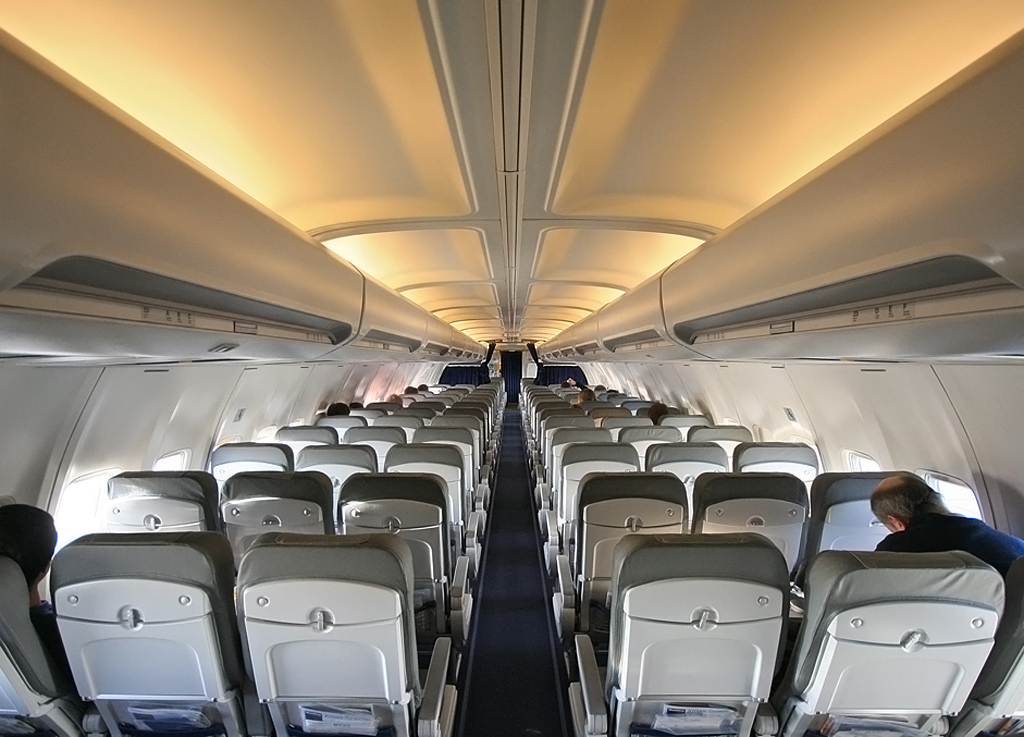
Step onto a flight from the 1970s and almost everything would feel alien to a modern traveler, and not only because of the bell-bottoms. You could light a cigarette in your seat, walk to the gate without showing ID, and watch your kids get invited up to the cockpit mid-flight. The food came on real china, the legroom rivaled today’s business class, and the drinks were free and endless. Some of it was genuinely better than what we have now; some of it was alarming by today’s standards, and a fair amount was genuinely unjust behind the glamour. Here are the things that were perfectly ordinary on airplanes a few decades ago that would be unthinkable today, and what they reveal about how much flying has changed.
A note on scope: this focuses on the 1960s through 1980s, the tail end of what’s often called the Golden Age of air travel, before deregulation, mass budget flying, and modern security reshaped the experience. Here’s what flying used to look like.
You Could Smoke at 30,000 Feet

The single biggest shock to younger travelers is that smoking was once a normal part of flying. Through the 1960s and 1970s, passengers lit up cigarettes, pipes, and even cigars in their seats, and if you didn’t have your own, a flight attendant might offer you one. Airlines handed out free cigarette packs, and many planes had ashtrays built right into the armrests. In 1973 the federal government required airlines to create separate smoking and non-smoking sections, but with no real ventilation barrier, the smoke simply drifted through the whole cabin, making the non-smoking section more of a polite fiction than a refuge. Pressure from flight attendants, who suffered the worst of the secondhand smoke, helped drive change. The U.S. banned smoking on domestic flights under two hours in 1988, extended it to nearly all domestic flights by 1990, and finally prohibited it on all flights, domestic and international, in 2000.
There Was Barely Any Security
For much of the Golden Age, getting on a plane meant walking up, showing a paper ticket, and boarding. There were no metal detectors, no X-ray machines, no body scanners, no liquid limits, and no shoe removal. Airports felt more like train stations than the controlled-access zones they are now. Passenger screening with metal detectors and bag X-rays didn’t arrive in U.S. airports until the mid-1970s, adopted in response to a wave of hijackings, and even then each airline often screened its own passengers to its own standards. The elaborate security infrastructure that anyone born after 1980 takes for granted simply did not exist, and the casual ease of it all would look almost reckless to a traveler today.
Loved Ones Met You Right at the Gate
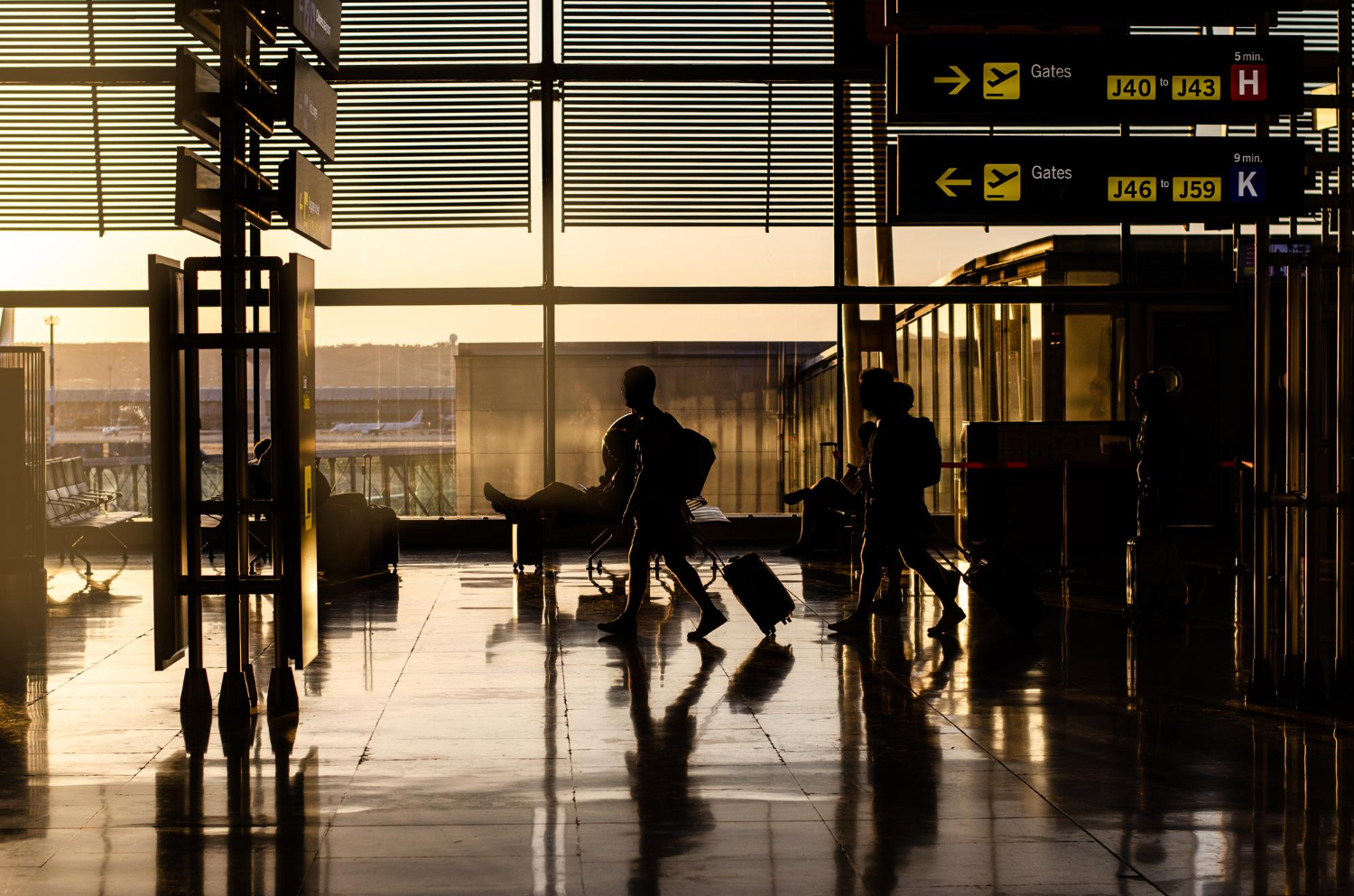
Because there was no security barrier dividing the terminal, airports were fully public spaces. Friends and family could walk a traveler all the way to the gate, grab a coffee together, sit in the departure lounge, and linger until the final boarding call. Coming home, your whole family could be standing at the jetway door as you stepped off the plane. For generations of travelers, the gate was the stage for some of life’s most emotional moments: tearful send-offs before long separations and joyful reunions after months apart, all happening the instant you arrived rather than later at a crowded baggage claim. The post-9/11 airport, where non-ticketed visitors can’t pass security, would feel like another world entirely to anyone who flew back then.
You Could Bring a Gun Aboard
Airline rules around weapons were strikingly relaxed. Before 1961, there was little stopping a passenger from carrying a concealed handgun onto a plane. A law that year, prompted by the same hijacking concerns, criminalized concealed firearms for ordinary passengers, but it didn’t immediately stop people from bringing unconcealed long guns aboard. Hunters routinely carried shotguns and rifles onto flights, sometimes simply stowing them between the seats, and since there was no security screening to speak of until the 1970s, no one was checking whether they were even loaded. It wasn’t until the late 1970s that unsecured guns were kept out of the secure gate areas and cabins, a change that seems obvious now but was a real departure from earlier norms.
Kids Visited the Cockpit Mid-Flight
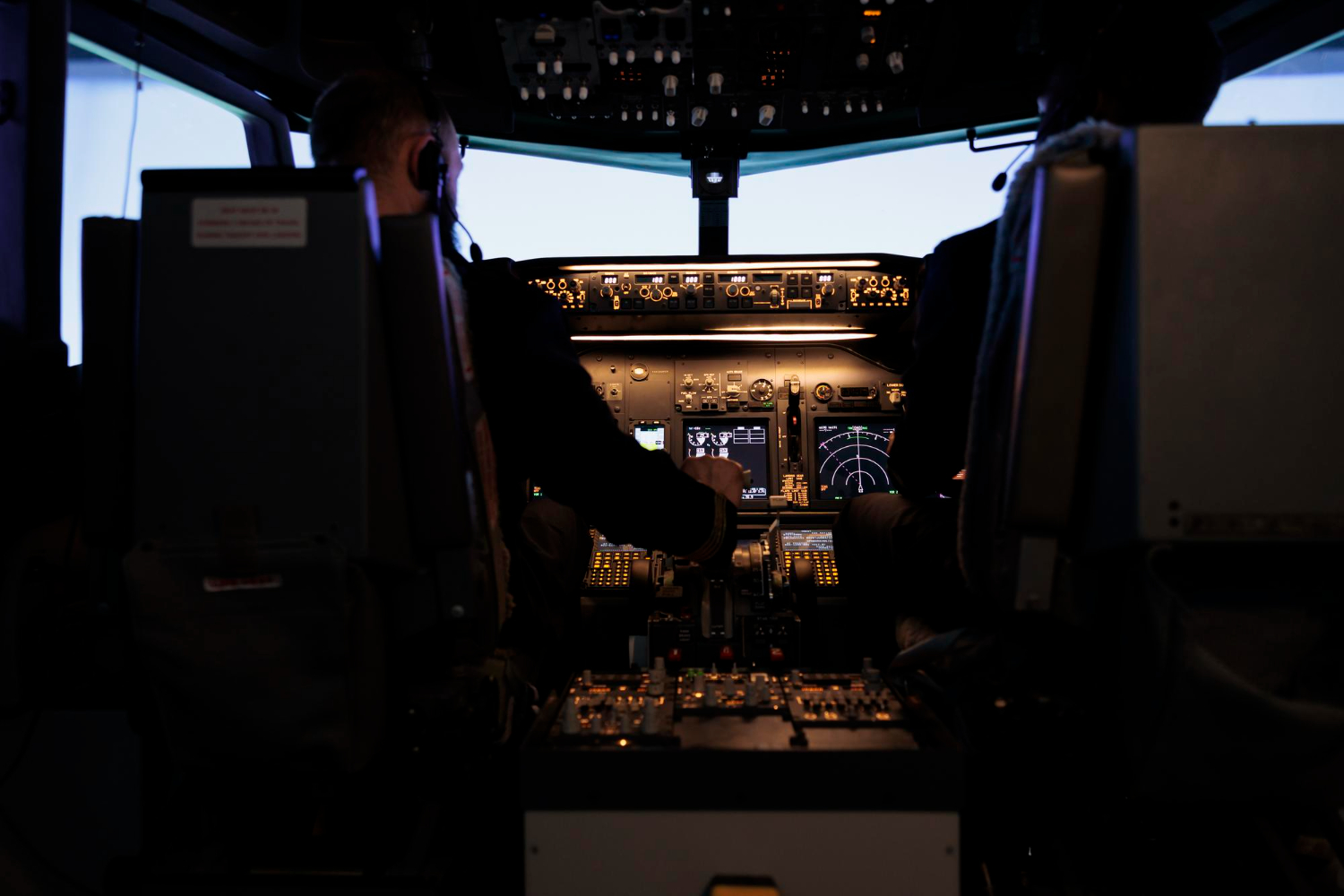
One of the most beloved traditions of the era was the cockpit visit. Children, and curious adults, could be invited up to the flight deck during the flight to meet the pilots, see the controls, and sometimes leave with a signed souvenir or a pair of plastic wings. Pilots occasionally wrote personal notes for young passengers. The famous comedy “Airplane!” captured the era well, with its scenes of kids wandering up to the cockpit as a matter of course. Today, with reinforced, locked flight-deck doors and strict access rules, the mid-flight cockpit visit has vanished completely, a small but telling casualty of the modern security era.
Getting a Ticket Was a Different Ritual
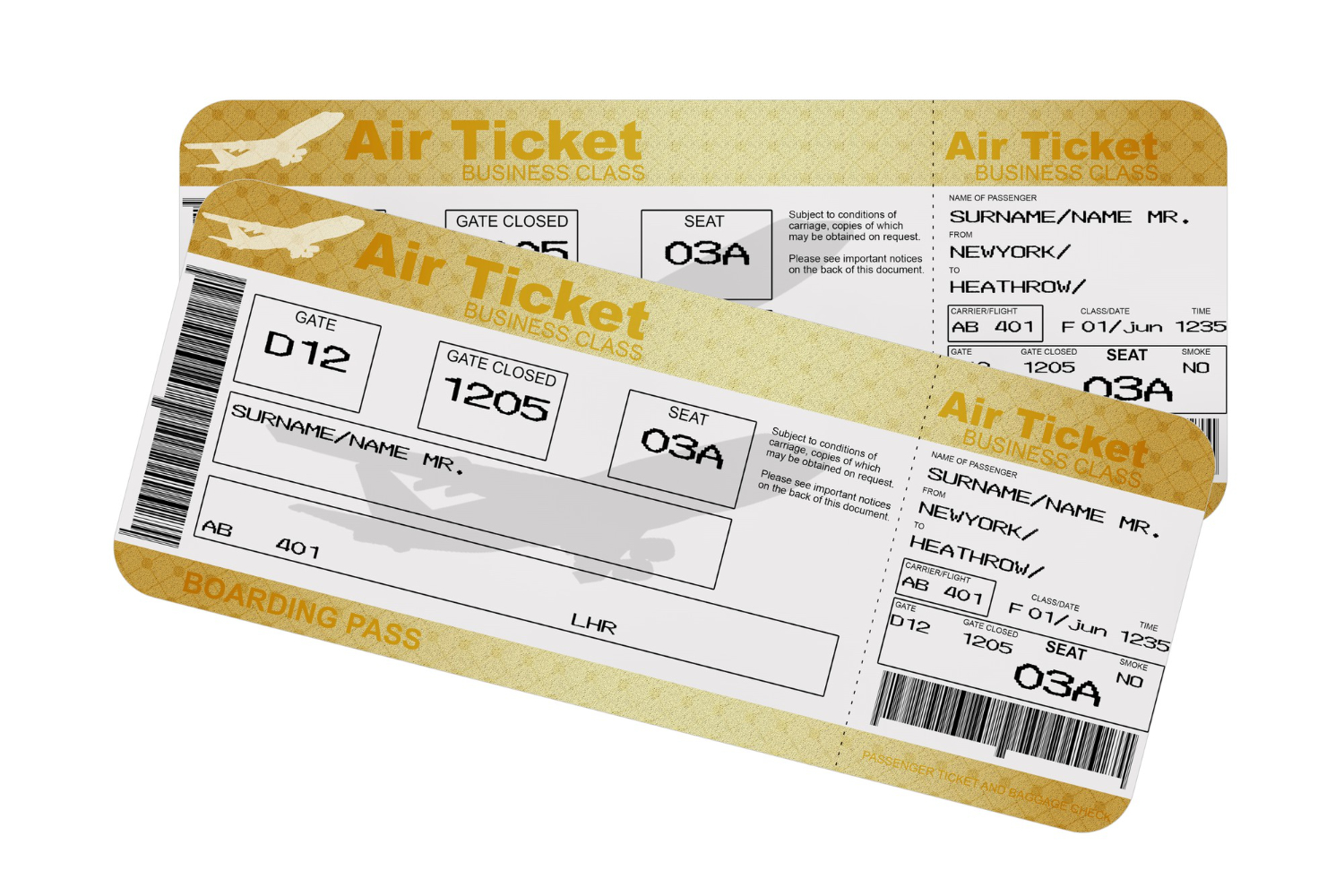
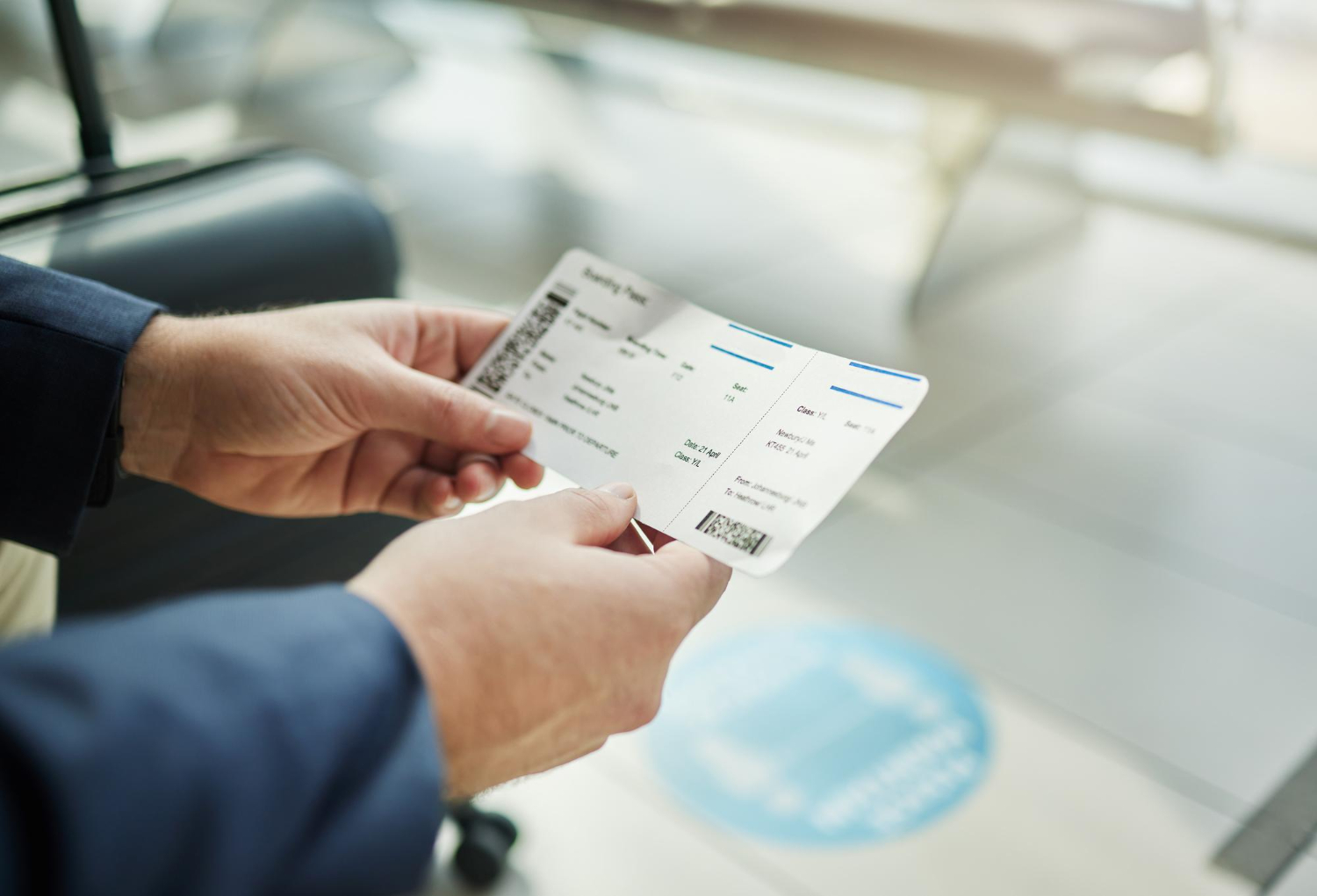
Even the basic act of buying a flight bore little resemblance to today. There were no apps, no QR codes, and no e-tickets. Travelers often booked through a travel agent or bought a paper ticket at the airport counter on the day of travel, and that flimsy paper booklet was the only proof of purchase that existed. Lose it or let it get damaged, and you could be in real trouble, with no database to instantly confirm your reservation. Checking in, choosing a seat, and boarding were handled by airline staff face to face rather than by a phone screen. The whole process was slower and more human, with none of the self-service automation travelers now expect, and it reinforced the sense that taking a flight was a deliberate, planned event rather than something booked on a whim from the couch.
Flying Was Genuinely Glamorous
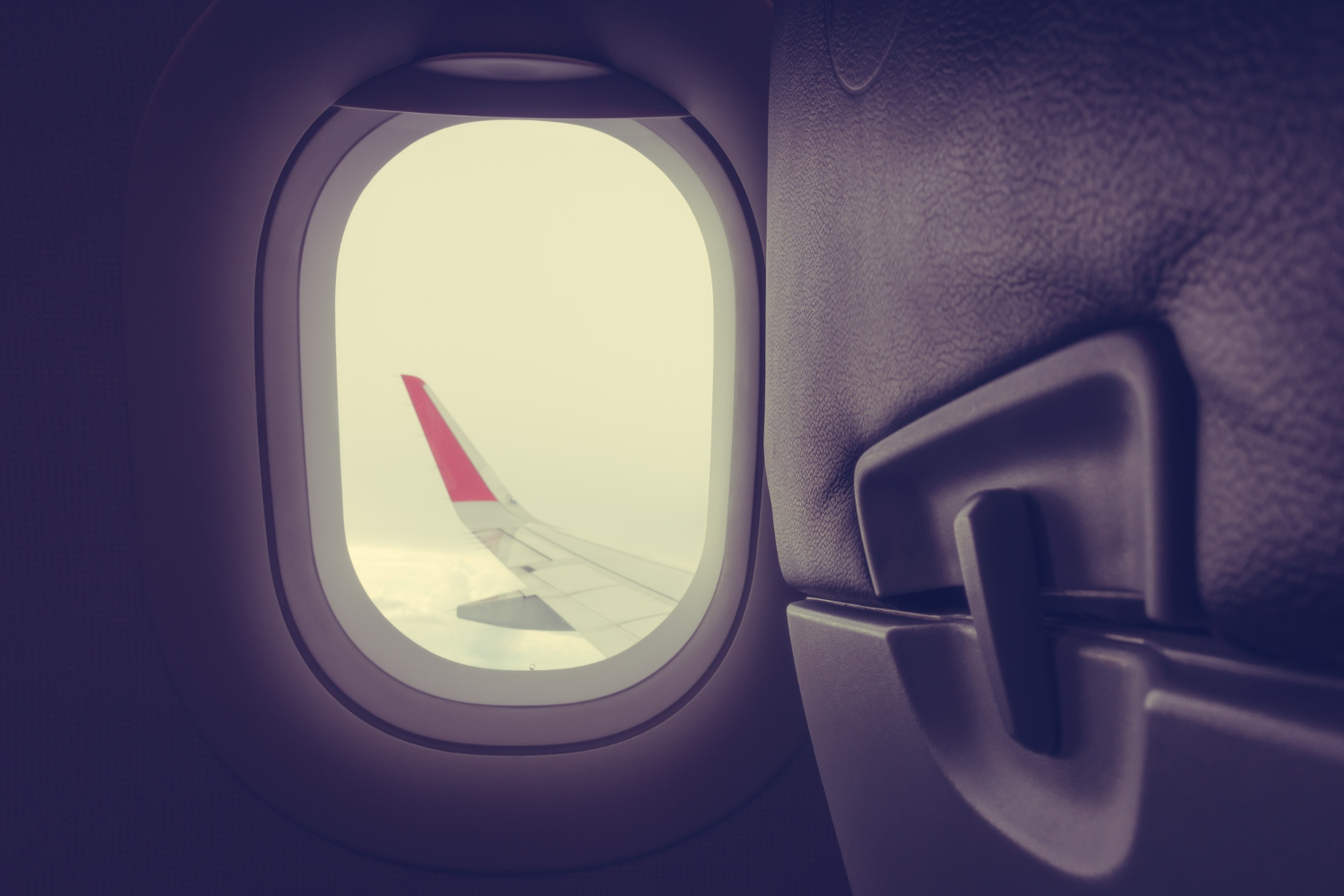
The nostalgia isn’t entirely rose-tinted; in many ways, flying really was more pleasant. Meals were served on real china with proper cutlery, often multiple courses even in economy. First-class cabins on some wide-body jets featured onboard lounges and even piano bars where passengers could socialize. And the space was real: economy legroom in the 1960s and 1970s was roughly comparable to what business class offers today, against the 30 to 31 inches typical in U.S. economy now. Flying was treated as an occasion, and many passengers dressed up for it. For all the smoke and the lax safety, the in-cabin experience for those who could afford a ticket was, by modern standards, remarkably comfortable.
The Perks That Came Free
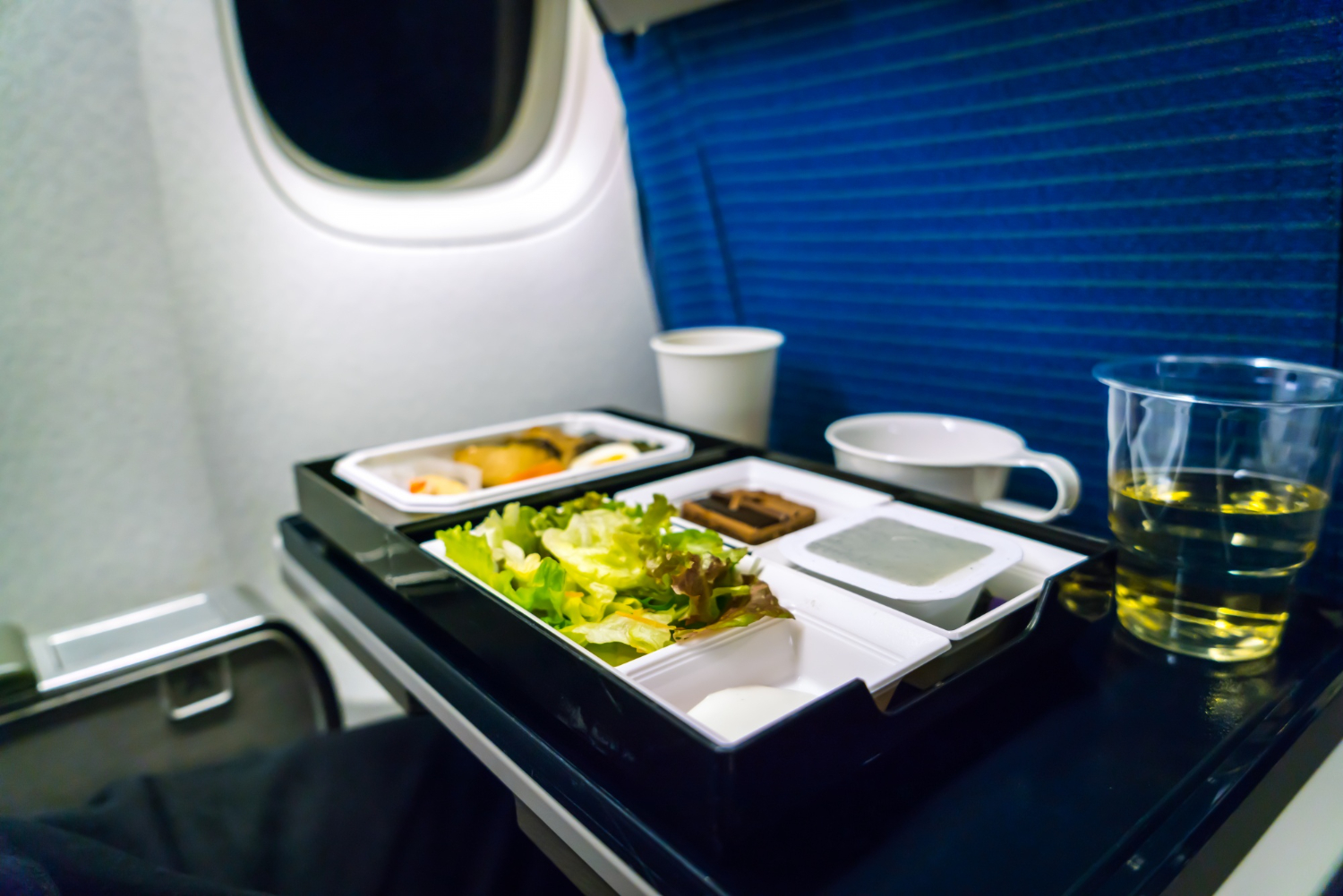
A long list of things travelers now pay for were simply included. Alcohol often flowed without charge, with free beer, wine, and cocktails, and some flights offered pre-departure champagne. Choosing your seat cost nothing, so families could sit together without an added fee, and the dreaded middle-seat-separation problem barely existed. If a connection was missed or a layover ran overnight, airlines frequently put passengers up in a hotel at no cost, regardless of any loyalty status. Full-service flying meant the airline absorbed the inconveniences that today are increasingly passed back to the traveler as line items. It’s a big part of why the era is remembered so fondly, even by people who never actually experienced it.
The Dark Side of the “Golden Age”
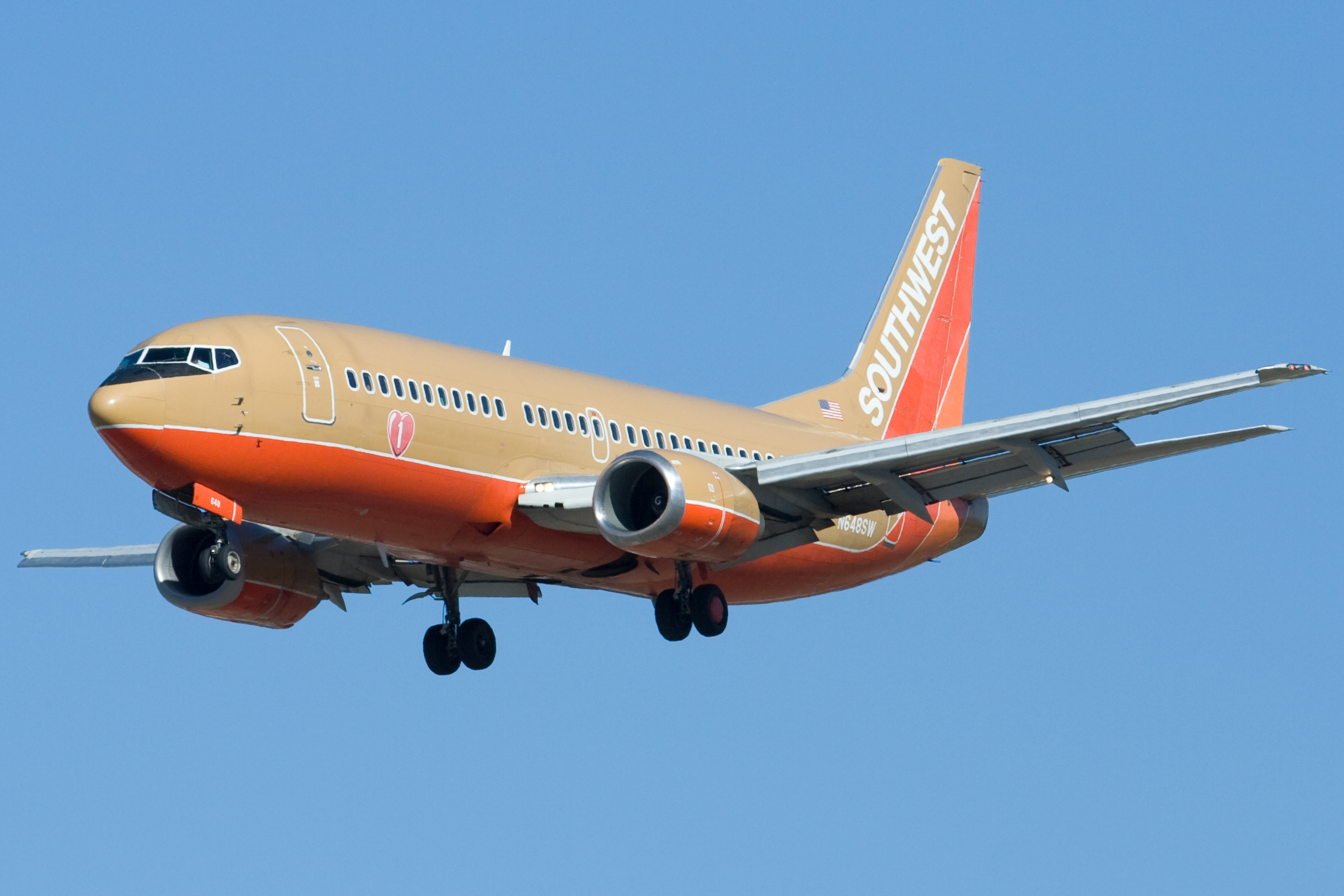
For all the glamour, the era had a harsher reality that’s easy to forget. The flight attendants, then almost entirely women, worked under rules that would be illegal today: many airlines fired stewardesses simply for getting married, and imposed strict age, weight, and appearance requirements, conditions that only changed after civil rights litigation in the late 1960s and 1970s. The women jetting around the world in designer uniforms were often simultaneously fighting for the basic right to keep their jobs. Safety was also genuinely worse. Aircraft lacked the collision-avoidance systems, ground-proximity warnings, and real-time weather radar that are standard now, and navigation leaned more heavily on pilot judgment and ground-based aids, which meant a higher risk of accidents, especially in poor weather. And flying was expensive: before airline deregulation in 1978, fares were tightly controlled, so air travel was a luxury most families used rarely rather than the everyday transport it became in the budget-carrier era.
Nostalgia Versus Progress
Looking back at flying’s Golden Age is a genuinely mixed exercise. Some of what we lost is worth mourning, namely the space, the service, the free perks, and the simple human moments at the gate that security barriers ended. Some of what changed made flying vastly better: cleaner air, far stronger safety, and an industry no longer built on openly discriminating against its own workers. And some of it, like the smoke-filled cabins and unscreened firearms, we are unequivocally better off without. The romance of the era is real, but so is the progress that replaced it. The honest verdict is that flying today is cheaper, safer, and more open to everyone than it has ever been, even as it has traded away much of the comfort and ceremony that once made boarding a plane feel like an event. Both things are true at once, which is exactly why the Golden Age still fascinates us.
Like our content? Follow us for more.