Lists of the “most dangerous cities” can mean very different things depending on what’s measured. The most widely cited rankings use the homicide rate — murders per 100,000 residents — compiled annually by Mexico’s Citizens’ Council for Public Security and Criminal Justice, which counts only cities with populations over 300,000 and excludes active war zones. By that measure, Latin America dominates overwhelmingly, accounting for the large majority of the world’s deadliest cities, driven mainly by drug trafficking and gang warfare. A handful of U.S. cities appear too, though far lower on the global scale than many Americans assume. Here’s what the homicide data shows, and the important context behind the numbers.
Latin America Dominates the List
The single biggest takeaway is regional. Of the world’s 50 highest-homicide cities, the vast majority sit in Latin America, with Mexico alone often supplying around 17 of them. The violence is concentrated where organized crime is strongest: cartel turf wars, weapons trafficking, and gang conflict drive homicide rates in parts of Mexico, Brazil, Colombia, Venezuela, and increasingly Ecuador to levels many times the global average. The worldwide homicide rate sits near 6 per 100,000 people, but the deadliest cities post rates of 100 or more. Understanding that concentration is key: global danger is not spread evenly, but clustered in specific regions and specific conflicts.
Like our content? Follow us for more.
Colima, Mexico
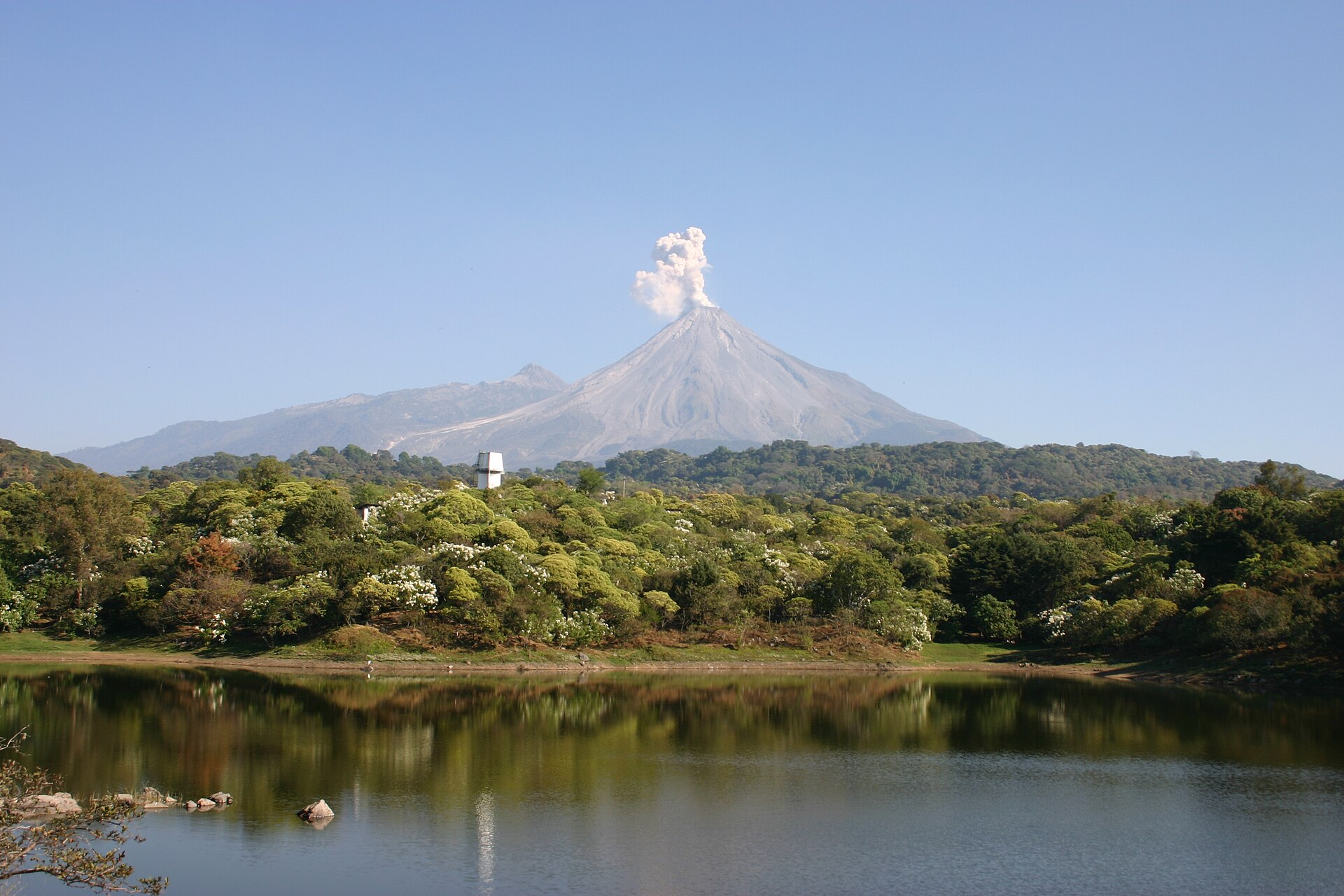
Colima has repeatedly ranked as the most violent city in the world, posting an astonishing homicide rate that has exceeded 180 per 100,000 in some years — roughly 30 times the global average. Once a relatively quiet state capital, it became a flashpoint in turf wars between powerful cartels fighting over a key Pacific port and trafficking routes. The violence is so pervasive that surveys show a large share of residents fear for their safety daily. Colima’s rise is a stark illustration of how quickly cartel conflict can transform a city’s fortunes.
The Mexican Cartel Hotspots
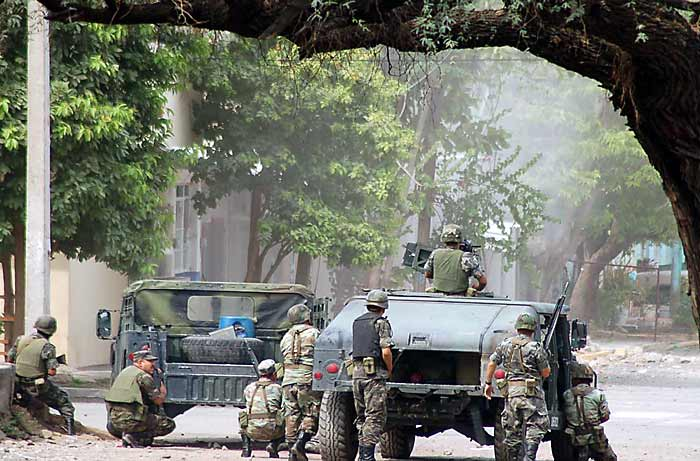
Beyond Colima, a cluster of Mexican cities appears near the top year after year, including Ciudad Obregón, Zamora, Zacatecas, Tijuana, Celaya, Uruapan, Ciudad Juárez, and Acapulco. Tijuana has at times recorded the highest raw number of homicides of any city on Earth, with multiple killings per day tied to the rivalry between the Sinaloa and Tijuana cartels. Acapulco, once a glamorous resort favored by Hollywood, became a battleground as gangs fought for control of its neighborhoods. The common thread is organized crime competing violently for territory, trafficking corridors, and extortion rackets.
Ecuador’s Tragic Surge
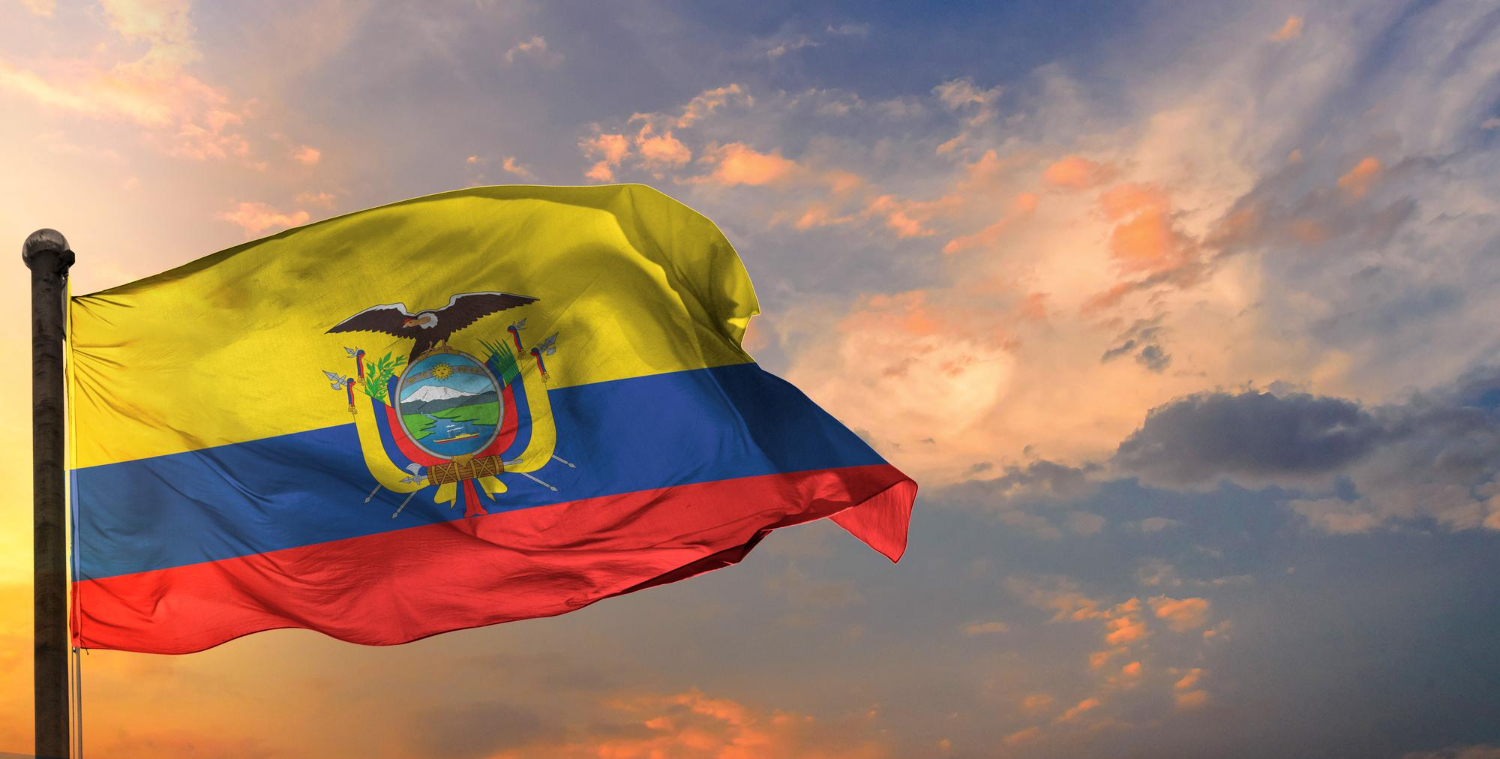
The newest and most alarming shift is in Ecuador. Long considered relatively safe, the country has seen a dramatic spike in violence as drug-trafficking organizations seek new routes to move cocaine. The coastal city of Durán has rocketed up the global rankings to become one of the deadliest places in the world, a tragic new entry driven by gangs exploiting the country’s ports. Ecuador’s experience is a sobering reminder that a city’s safety can deteriorate rapidly when international trafficking networks move in.
South Africa’s Crime Crisis
Outside Latin America, South Africa is the most represented country on danger lists. Several of its cities, including Cape Town and Durban, post high homicide rates, and on some broader crime-index measures South African cities top the global rankings entirely. The violence is rooted in deep, long-standing inequality, high unemployment, gang activity, and strained public services. Unlike the cartel-driven killings of Latin America, South Africa’s crime crisis reflects systemic socioeconomic pressures, making it a different kind of challenge with different roots.
The U.S. Cities That Make the List
This is the part that surprises people. A handful of American cities do appear on the global homicide ranking, typically including New Orleans, Baltimore, Detroit, Memphis, Cleveland, Milwaukee, and Philadelphia, with St. Louis, Washington, D.C., and Chicago also frequently cited for high murder counts. New Orleans has ranked among the global top ten in some years. These cities struggle with gang rivalries, gun violence, and economic decline. But it’s crucial to keep scale in mind: even the highest-homicide U.S. cities rank far below the Latin American leaders, often with rates a fraction of Colima’s or Tijuana’s.
Perception Versus Reality
One of the most important lessons in the data is the gap between fear and fact. The overall U.S. homicide rate, around 6 to 7 per 100,000, is close to the global average and a small fraction of the deadliest cities’ rates, while Canada’s is lower still. Yet North Americans often feel far less safe than the statistics justify, partly because viral videos, mass-shooting coverage, and high-visibility incidents amplify the sense of danger. Crime is real and serious in specific neighborhoods, but the perception of nationwide peril usually outruns the actual risk for the average person.
Why These Rankings Come With Caveats

No single danger ranking is definitive, and the numbers deserve scrutiny. Different organizations use different methods — homicide rate versus broad crime index versus resident surveys — and produce different lists. Reporting quality varies by country, some governments undercount, and active war zones are excluded entirely, which removes some of the world’s genuinely most dangerous places. City-wide averages also hide enormous variation between neighborhoods. The rankings are useful for spotting broad patterns, especially the concentration of violence in cartel and gang conflicts, but they shouldn’t be treated as precise or as a verdict on every resident’s daily experience.
What It Means for Travelers
For travelers, the practical message is calmer than the headlines suggest. The cities at the top of homicide lists are rarely major tourist destinations, and even within them, violence is usually concentrated in specific areas tied to organized crime rather than spread across the places visitors go. Standard precautions — researching neighborhoods, avoiding high-risk areas, staying aware at night, and heeding local and government travel advisories — handle the vast majority of risk. The data is a reason to plan thoughtfully, not to write off entire countries, many of which contain both dangerous districts and perfectly safe, welcoming ones.
The Bottom Line
The world’s most dangerous cities, measured by homicide, are overwhelmingly concentrated in Latin America, driven by cartel and gang violence, with South Africa and a small number of U.S. cities also represented. The numbers are real and the human toll is serious. But the data also corrects a common distortion: violence is highly concentrated, North American cities rank far lower than fear suggests, and the rankings themselves vary by method. The honest reading is to take the patterns seriously, keep the individual risk in perspective, and rely on current local information rather than headlines when making decisions about where to live or travel.
Like our content? Follow us for more.