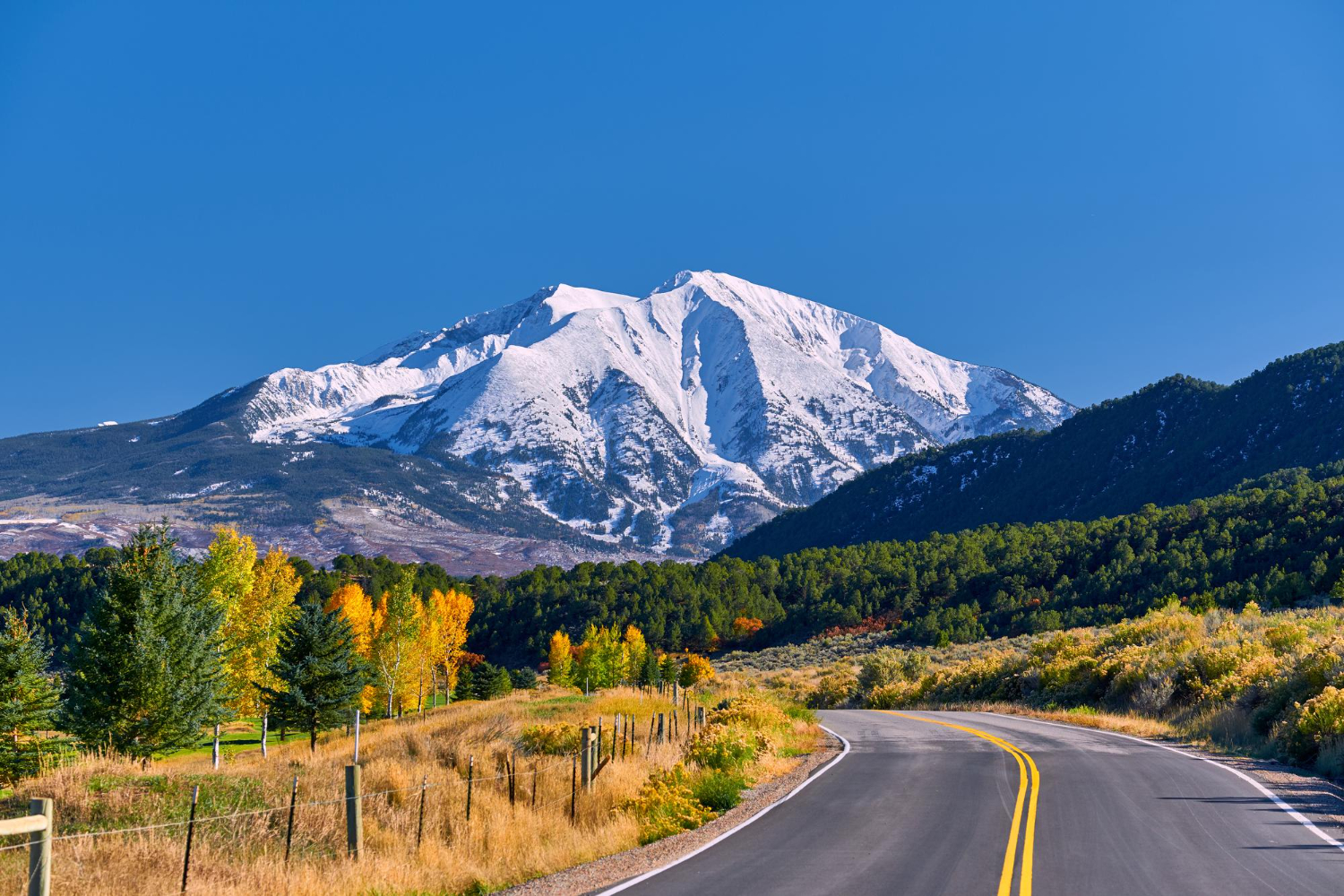
Ask most travelers to name America’s must-see states and they’ll reach for California, Florida, or New York. Colorado tends to get filed away as a ski destination and nothing more. That’s a mistake. Within a single state you’ll find four national parks, the tallest sand dunes on the continent, thousand-year-old cliff dwellings, a 14,000-foot peak you can ride a train to the top of, and some of the best Wild West towns left in the country, all stitched together by mountain roads built for the world’s great road trips. Colorado packs an astonishing range of landscapes into one place, and far fewer crowds than the headline states. Here’s why it deserves to be the next place you go, and exactly what to see when you do.
A quick orientation: Colorado sits in the heart of the Rocky Mountains, with Denver and Colorado Springs as the main gateways and a web of scenic highways connecting everything else. Here’s the case for it, region by region.
Four National Parks, One State
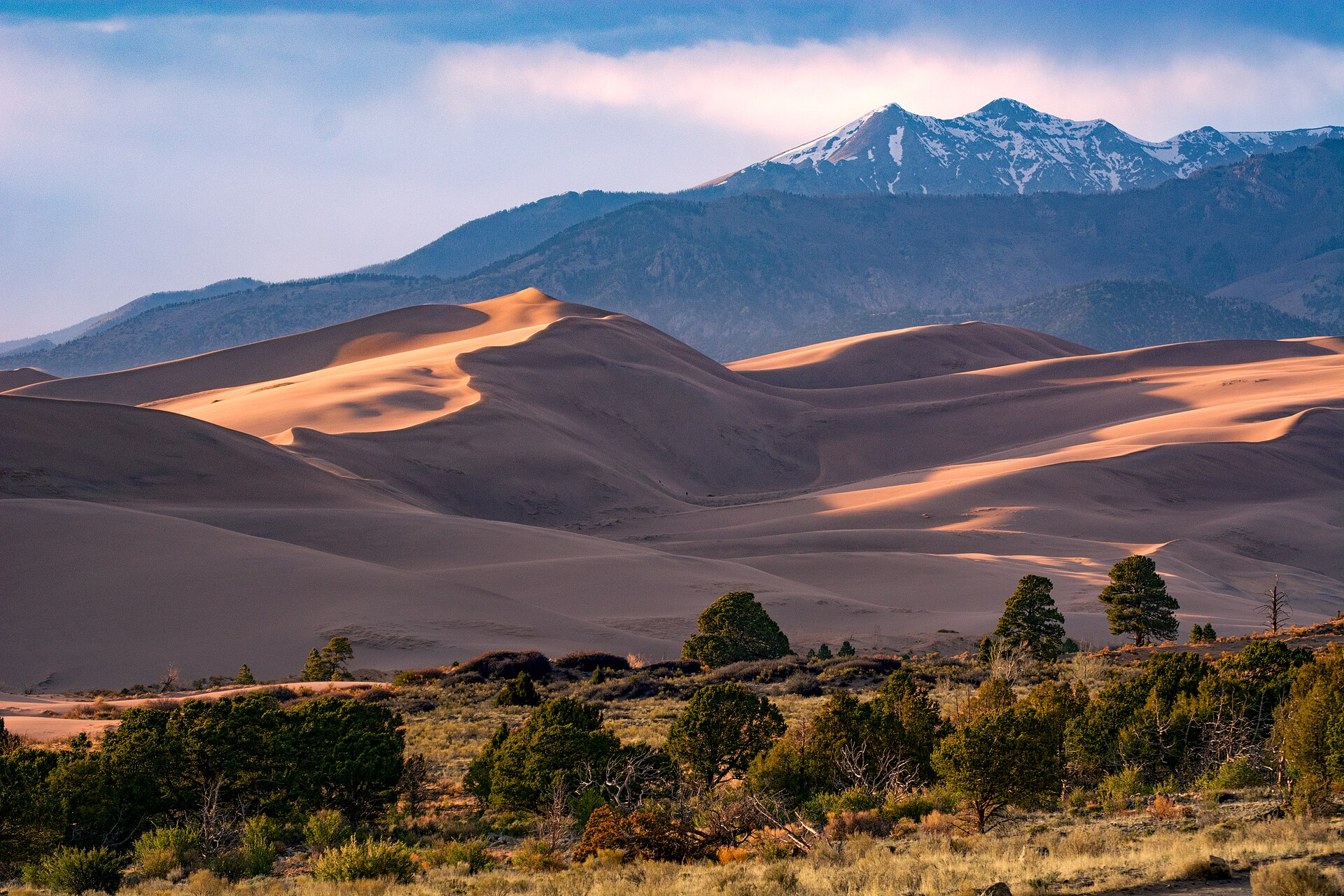
Colorado’s biggest underrated asset is that it holds four distinct national parks, each dramatically different from the next. Rocky Mountain delivers high-alpine peaks and lakes; Great Sand Dunes offers a desert of towering sand against a mountain backdrop; Mesa Verde preserves ancient cliff dwellings; and Black Canyon of the Gunnison plunges into one of the steepest gorges on the continent. You can string all four together on a single road trip, something almost no other state can offer. Add in numerous national forests, state parks, and a national monument or two, and Colorado becomes one of the most rewarding outdoor road-trip destinations in America, with terrain that shifts from tundra to dunes to canyon within a few hours’ drive.
Rocky Mountain National Park
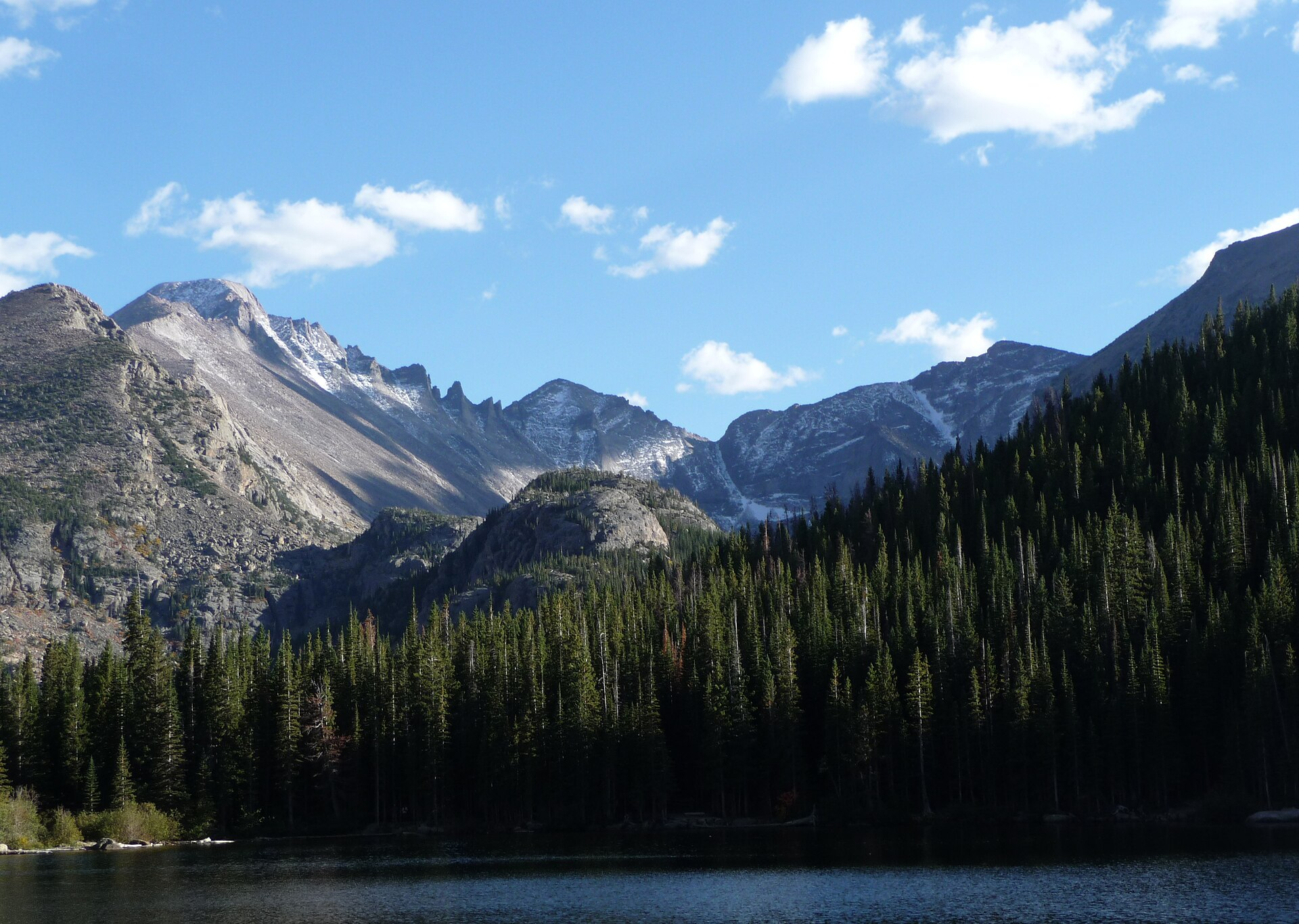
The crown jewel for most visitors is Rocky Mountain National Park, between the gateway towns of Estes Park and Grand Lake. It’s one of the highest national parks in the country, with peaks topping 14,000 feet, alpine lakes, waterfalls, and abundant wildlife including elk and bighorn sheep. The signature experience is driving Trail Ridge Road, one of the highest continuous paved roads in the United States, which carries you above the tree line and across the Continental Divide with pull-offs that frame the whole range. Hikers can spend days here chasing alpine lakes, and even in winter the park stays alive with snowshoeing and cross-country skiing. It’s the postcard Colorado most people picture, and it lives up to it.
Great Sand Dunes: The Surprise No One Expects
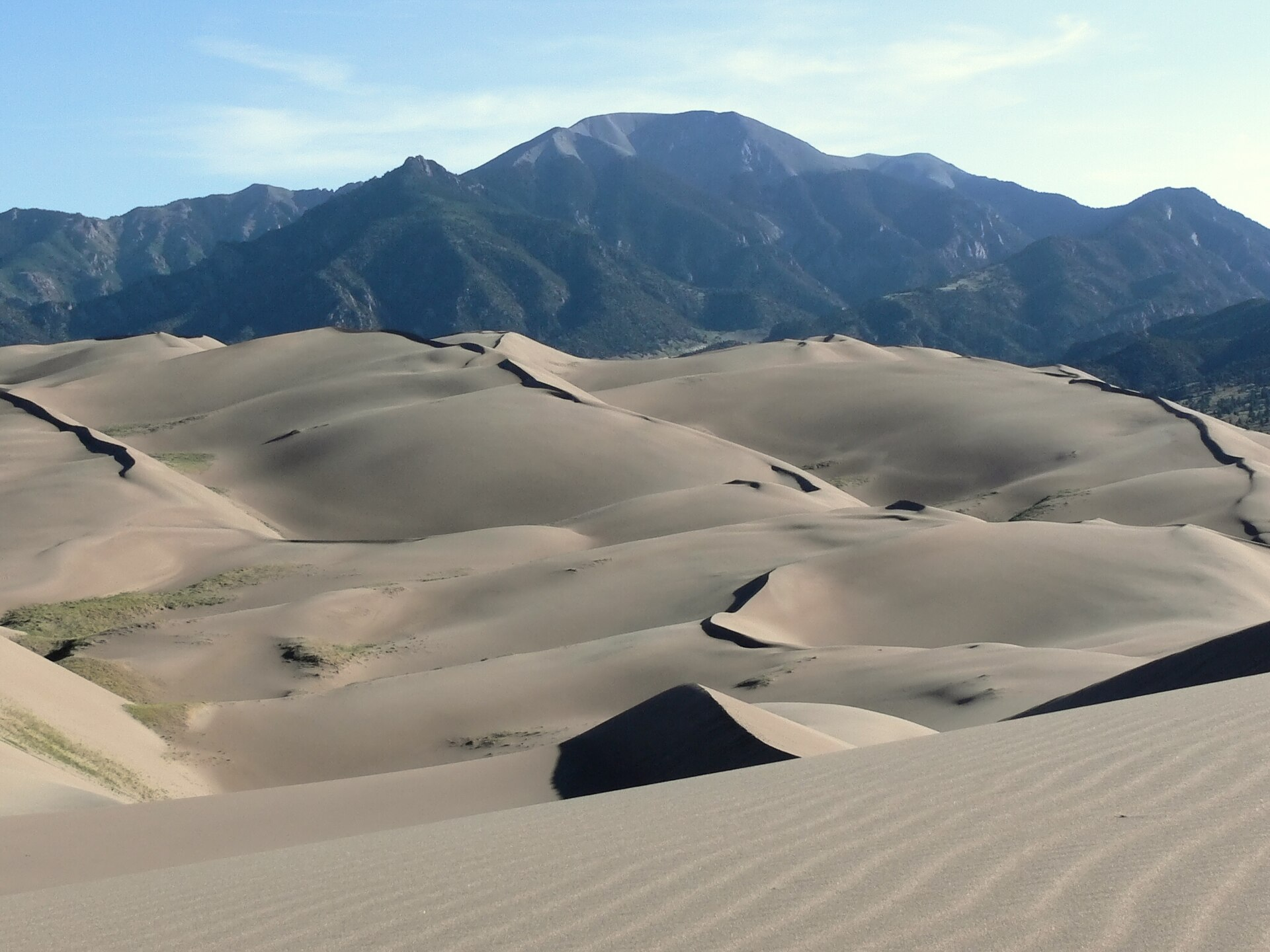
If one park converts skeptics, it’s Great Sand Dunes National Park and Preserve near Alamosa. Picture the Sahara dropped at the foot of the Rocky Mountains: this park contains the tallest sand dunes in North America, with the highest rising around 750 feet, set in a 30-square-mile dune field against snowcapped peaks. Visitors rent boards and sleds to surf down the sand, and in late spring Medano Creek flows along the base of the dunes, creating a seasonal beach where families cool off. It’s also an International Dark Sky Park, so the stargazing after sunset is extraordinary. The sheer improbability of the place, an ocean of sand high in the mountains, makes it one of the most memorable stops in the state.
Mesa Verde’s Ancient Cliff Dwellings
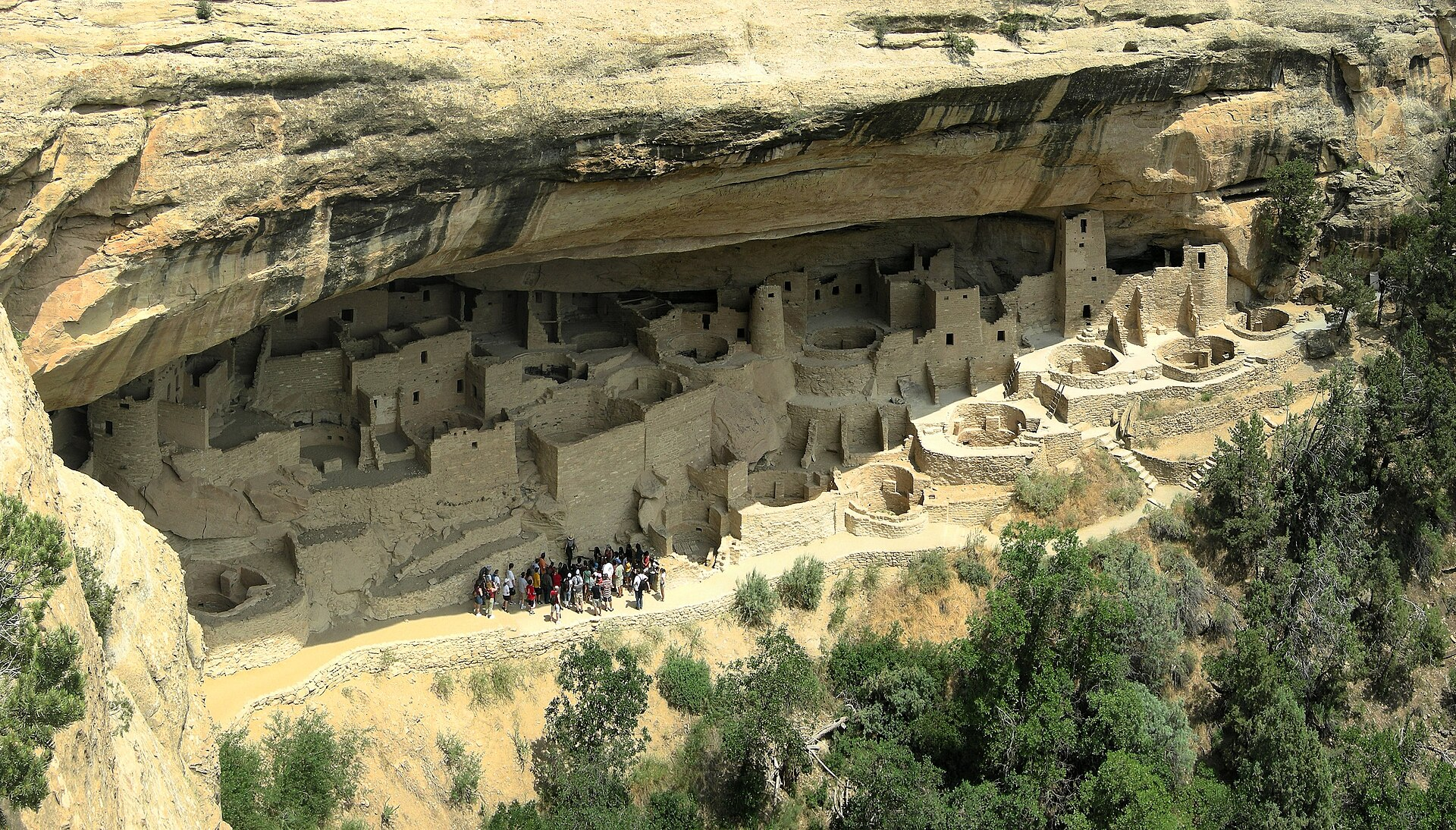
For something entirely different, Mesa Verde National Park in the southwest corner protects one of the most remarkable archaeological sites in the United States. Here, the cliff dwellings of the Ancestral Puebloan people are tucked into the canyon walls, stone villages built into alcoves hundreds of years ago and remarkably preserved. Ranger-led tours let you climb up to and into some of the dwellings, walking through rooms and plazas that were home to a sophisticated civilization long before European arrival. It’s both a national park and a UNESCO World Heritage Site, and it offers a depth of human history that the scenery-focused parks can’t match, anchoring a Colorado trip with a genuine sense of the deep past.
Black Canyon of the Gunnison: The One No One Talks About
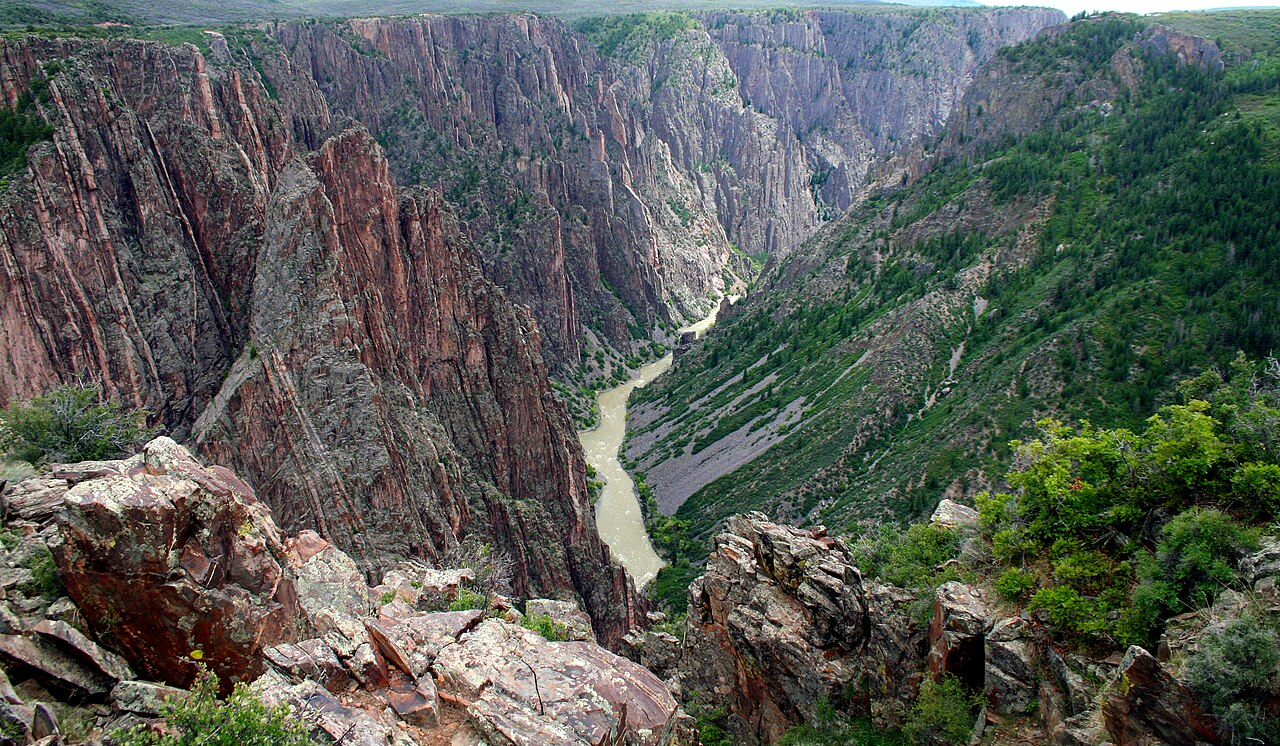
The least-known of Colorado’s four parks is also one of its most dramatic. Black Canyon of the Gunnison is among the narrowest and deepest canyons in North America, a sheer, shadowed gorge so steep that parts of it receive only a few minutes of sunlight a day, which is how it earned its name. It’s often compared to the Grand Canyon, just on a tighter, more vertigo-inducing scale and with a tiny fraction of the visitors. Both rims offer spectacular overlooks, and the remoteness means dark skies and genuine solitude. For travelers who want a marquee natural wonder without the crowds, the Black Canyon is exactly the kind of underrated gem that defines a Colorado trip.
Colorado Springs: Pikes Peak and Garden of the Gods
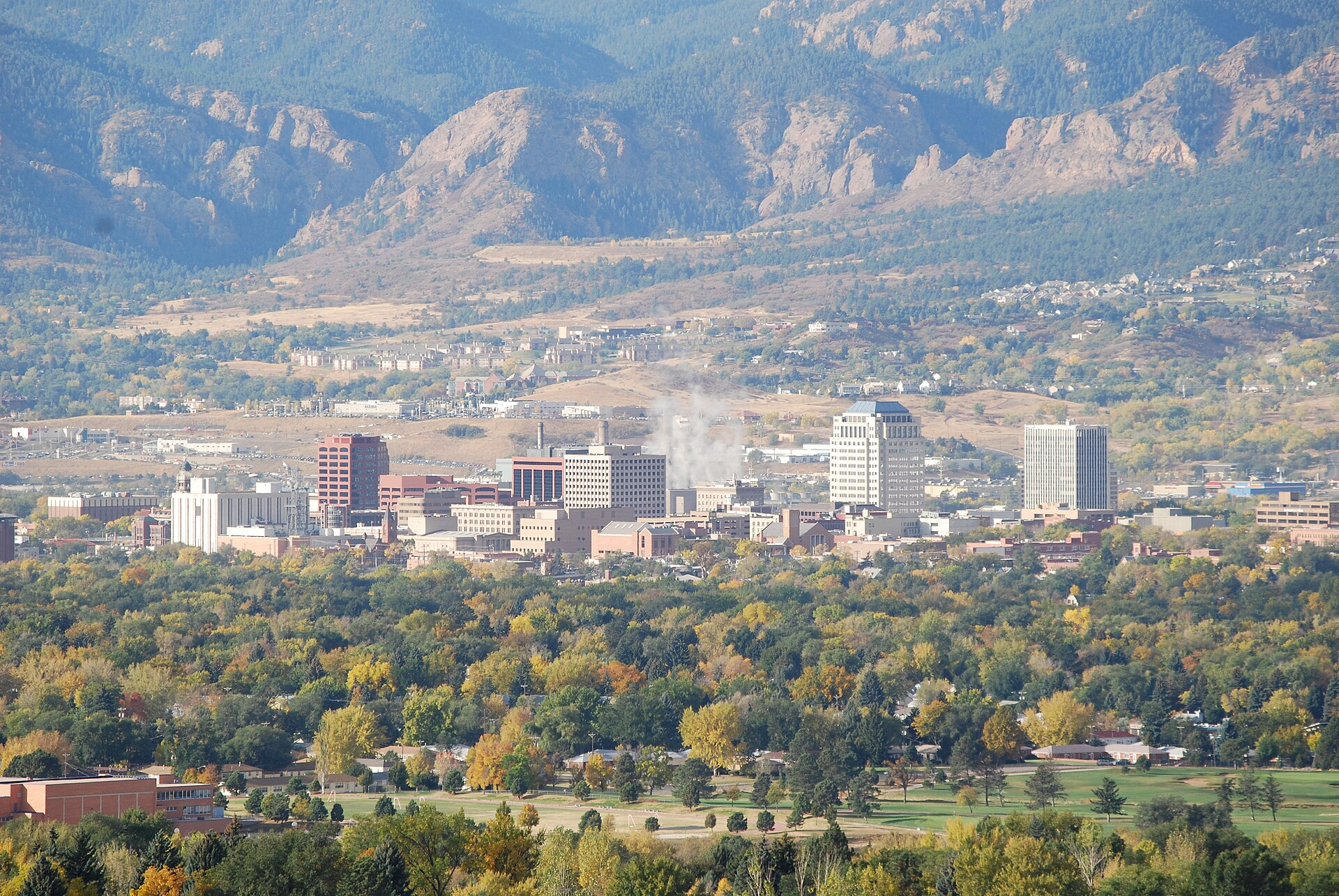
Beyond the parks, Colorado Springs is a destination in its own right. Towering over the city is Pikes Peak, a 14,115-foot summit you don’t even have to hike: the historic cog railway carries passengers to the top for sweeping views that helped inspire the song “America the Beautiful.” At the mountain’s base sits Garden of the Gods, a free city park where dramatic red sandstone formations jut hundreds of feet into the air against the backdrop of the peak. Nearby, the gutsy can tackle the punishing Manitou Incline, and the world’s highest suspension bridge spans the Royal Gorge a short drive away. Colorado Springs packs an unusual amount of scenery into one easily accessible area.
The Mountain Towns
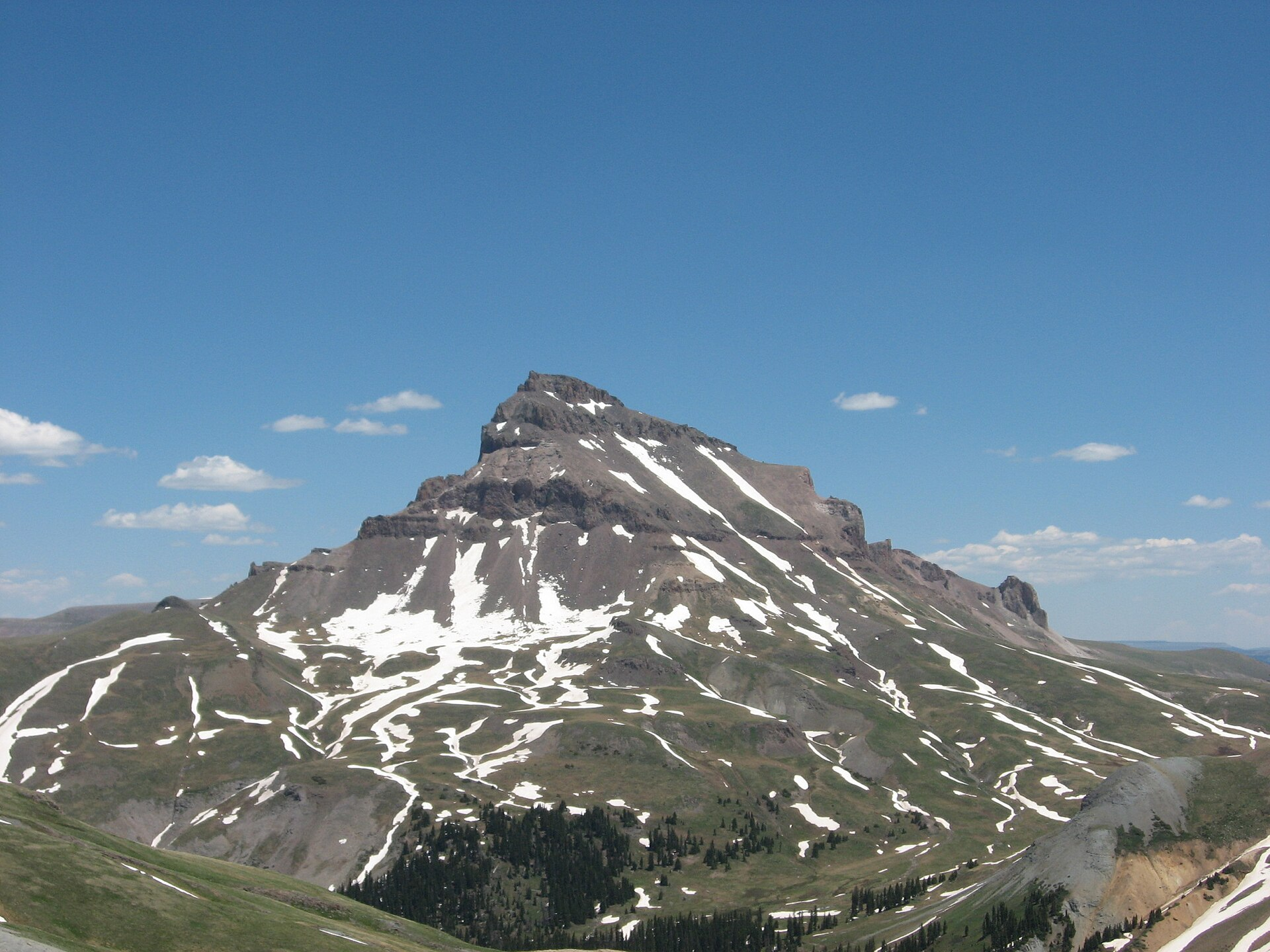
Colorado’s small towns are a huge part of its appeal, and they go far beyond the famous ski resorts. Telluride and Durango carry genuine Wild West and frontier history, with Durango serving as a base for the San Juan Mountains and Mesa Verde. Ouray, nicknamed the “Switzerland of America,” and neighboring Silverton bookend the spectacular Million Dollar Highway, one of the most jaw-dropping mountain drives in the country. Aspen and Breckenridge are world-class in winter but equally rewarding in summer for hiking and mountain biking, with the iconic Maroon Bells near Aspen often called the most photographed peaks in North America. These towns give a Colorado trip its character between the big natural landmarks.
Denver and the Front Range
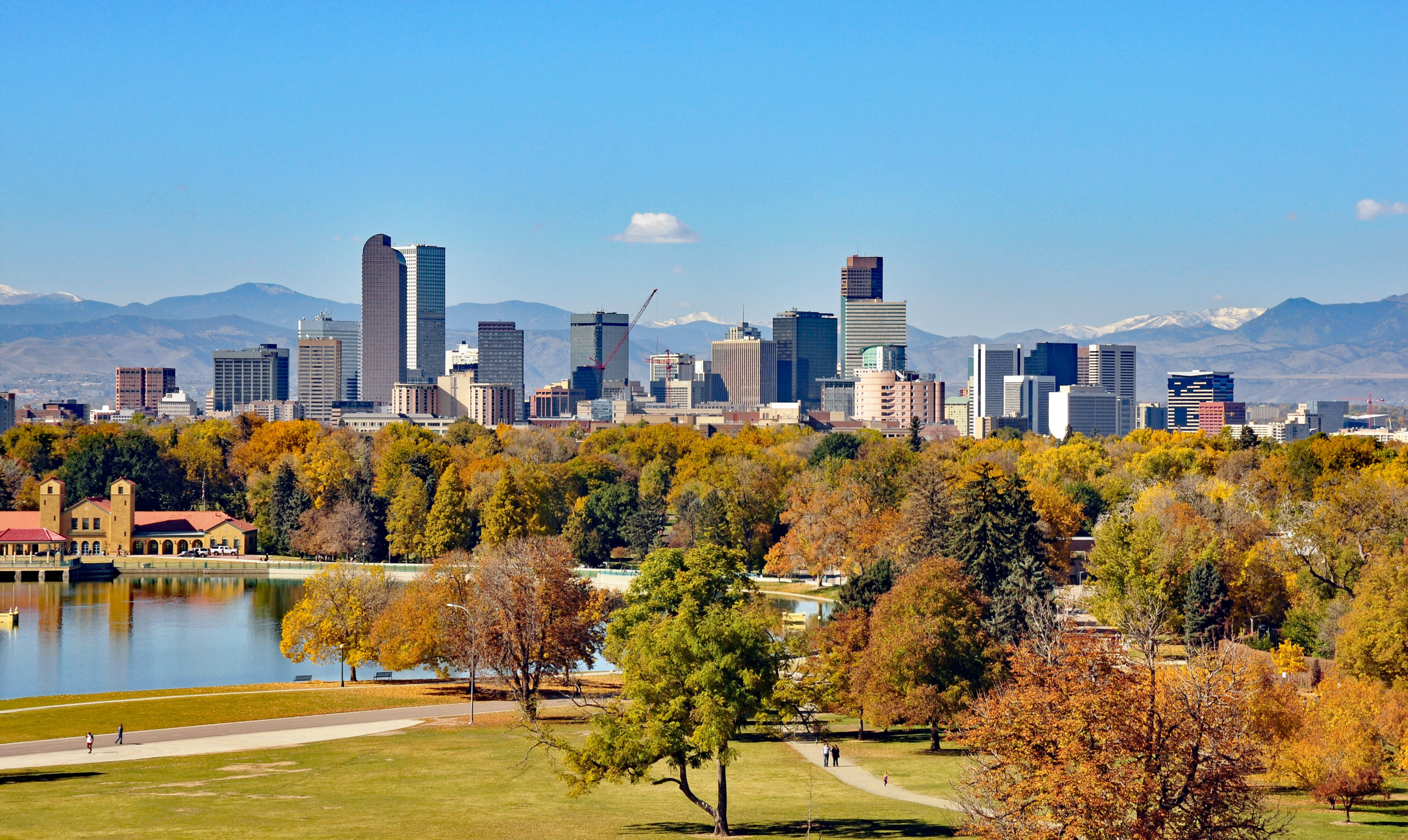
Most trips begin in Denver, the mile-high state capital, and it’s worth more than a quick stopover. The city has a thriving arts, museum, dining, and craft-beer scene, plus professional sports across every major league, making it a lively urban counterweight to all the wilderness. Just outside the city, the Front Range offers quick access to foothills, hot springs, and the legendary Red Rocks Amphitheatre, a concert venue carved into natural sandstone. Denver’s airport makes the whole state easy to reach, and its central location means you can be in the mountains within an hour or two of landing, which is a big part of why a Colorado trip is so easy to plan.
Scenic Drives and Hot Springs
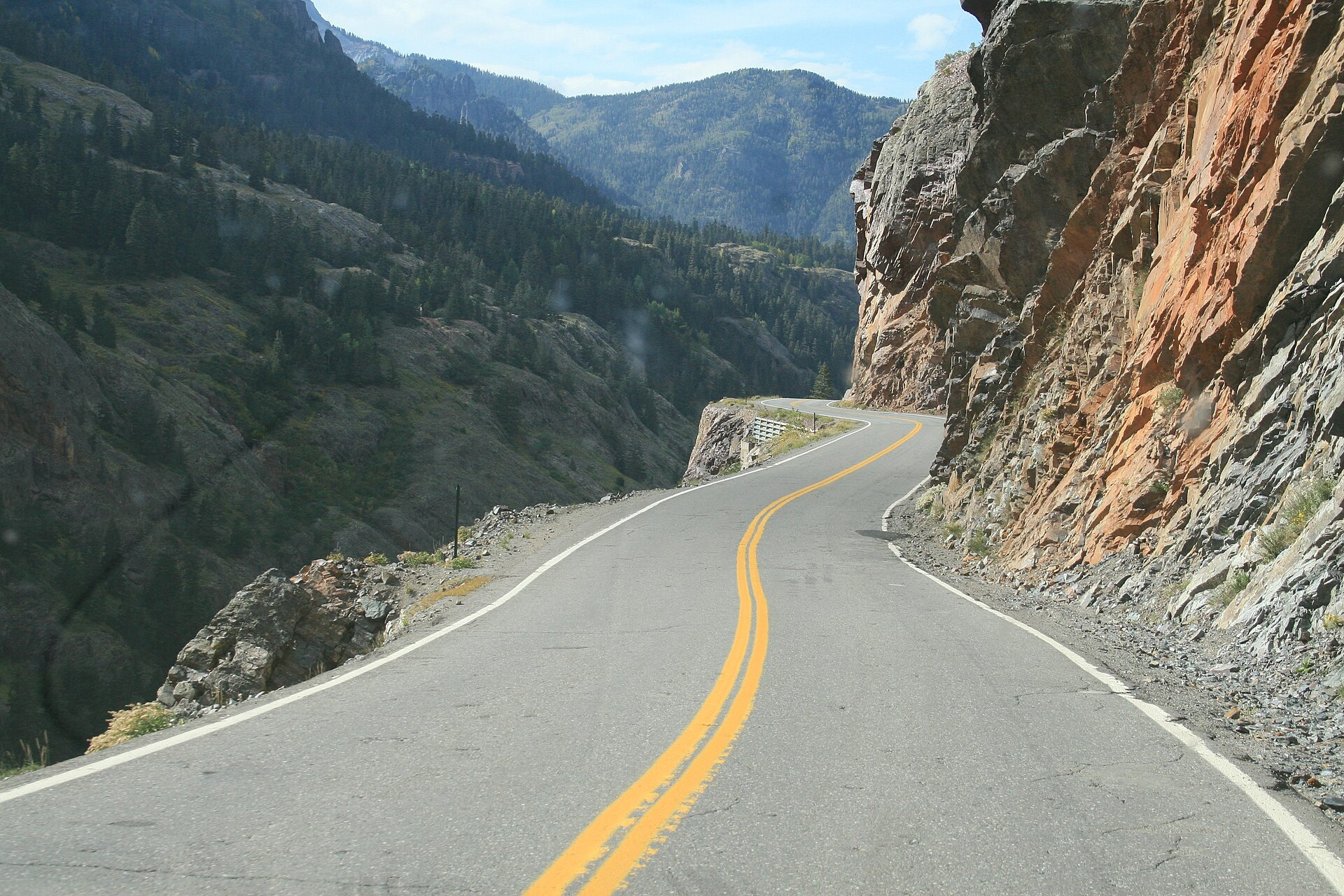
Part of Colorado’s appeal is what lies between the big-name stops. The state is laced with spectacular drives beyond the Million Dollar Highway, including the Trail Ridge Road through Rocky Mountain National Park and the San Juan Skyway looping through old mining country. Scattered along the way are natural hot springs, from the resort pools of Glenwood Springs and Pagosa Springs to rustic soaking spots tucked into the mountains, perfect for easing sore legs after a hike. Add in the red-rock landscapes of Colorado National Monument near Grand Junction and the alpine reflections of the Maroon Bells, and the drives themselves become as memorable as the destinations. In Colorado, the journey genuinely is part of the trip.
When to Go and How to Plan
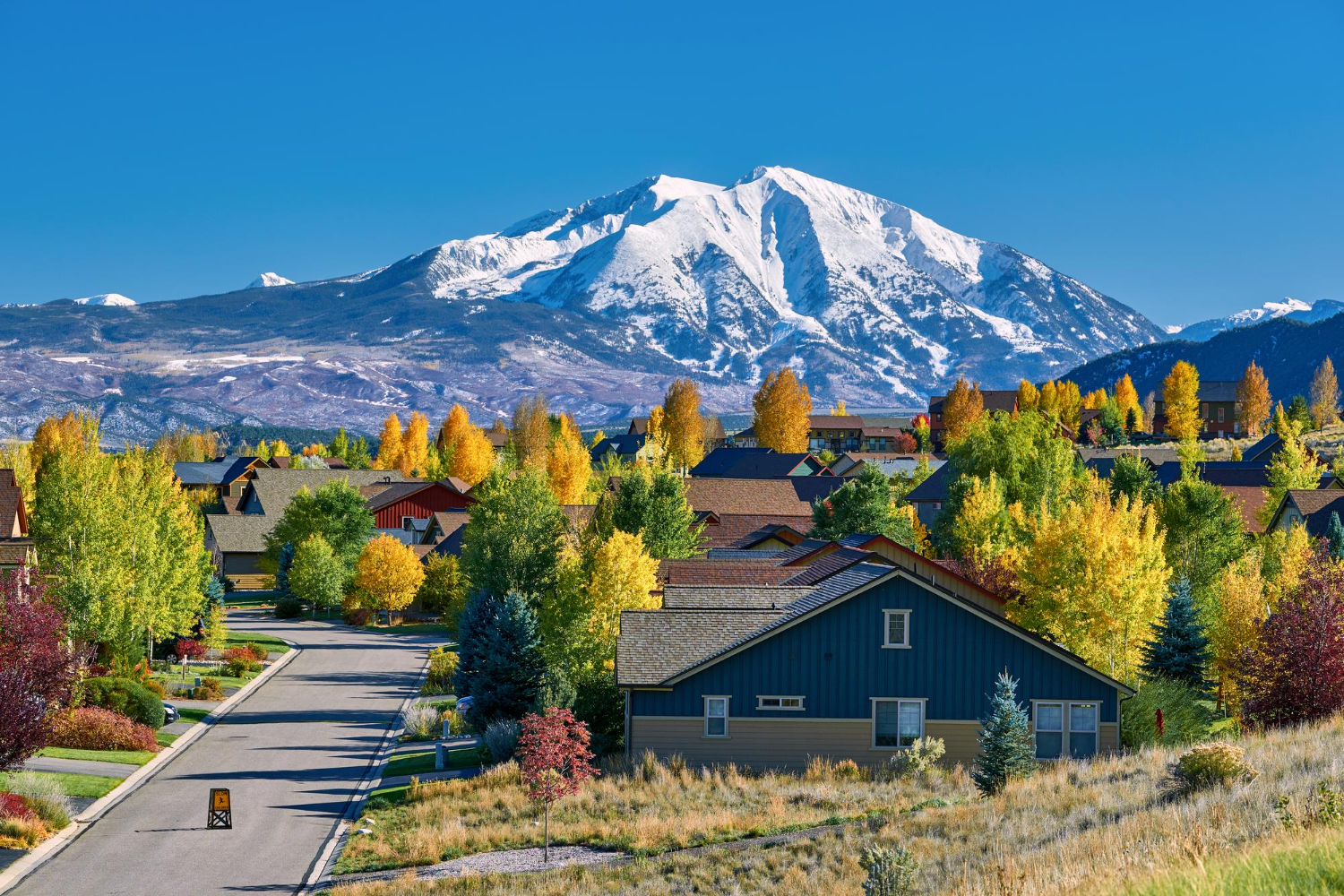
Colorado is genuinely a year-round destination, but the season shapes the trip. Summer and early fall are best for the national parks and high mountain roads, with Trail Ridge Road and most high-country routes fully open and aspens turning gold in late September. Winter belongs to the ski towns, though many parks stay open for snow activities. The main thing to respect is the altitude: much of the state sits well above a mile high, so giving yourself a day to acclimate, drinking plenty of water, and easing into strenuous hikes all matter more here than at sea level. With four national parks, a string of historic towns, and scenic highways linking them, Colorado rewards a road-trip approach more than a single-base stay.
A State That Overdelivers
The knock on Colorado, that it’s “just” a ski state, falls apart the moment you see the range of what’s actually here. Few places on Earth let you sandboard a desert dune, tour a thousand-year-old cliff city, drive above the clouds, and peer into a near-bottomless canyon all in the same week. And because so many travelers overlook it in favor of the obvious coastal states, you get all of that with thinner crowds and a strong sense of discovery. Colorado isn’t a one-note destination; it’s one of the most varied and rewarding states in the country. The only real mistake is continuing to underestimate it, which is exactly why it deserves to be your next trip.
Like our content? Follow us for more.