

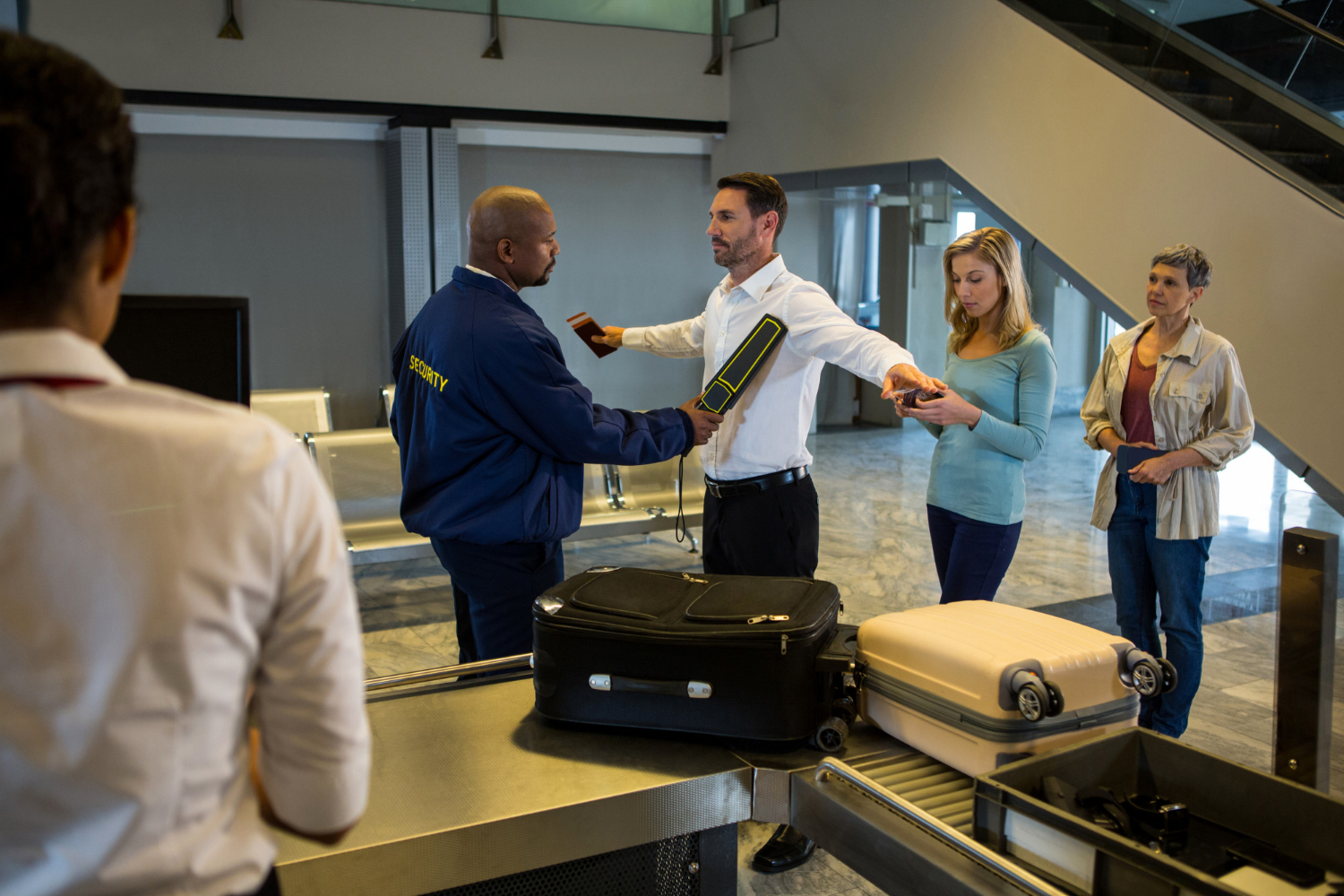
Most travelers know the frustrating basics: no full water bottles, no large liquids, no obvious weapons. But the list of things you actually can bring through airport security is longer and stranger than most people realize. The Transportation Security Administration’s official guidance green-lights a surprising range of items that sound like they’d be confiscated on sight, from craft supplies to live animals to baked goods. The important caveats: rules can change, airlines set their own carry-on limits, and the officer at the checkpoint always makes the final call. Still, knowing what’s allowed can save you from needlessly checking a bag or leaving something behind. Here are some surprising items TSA will generally let you carry on, according to its official list.
Knitting Needles and Crochet Hooks
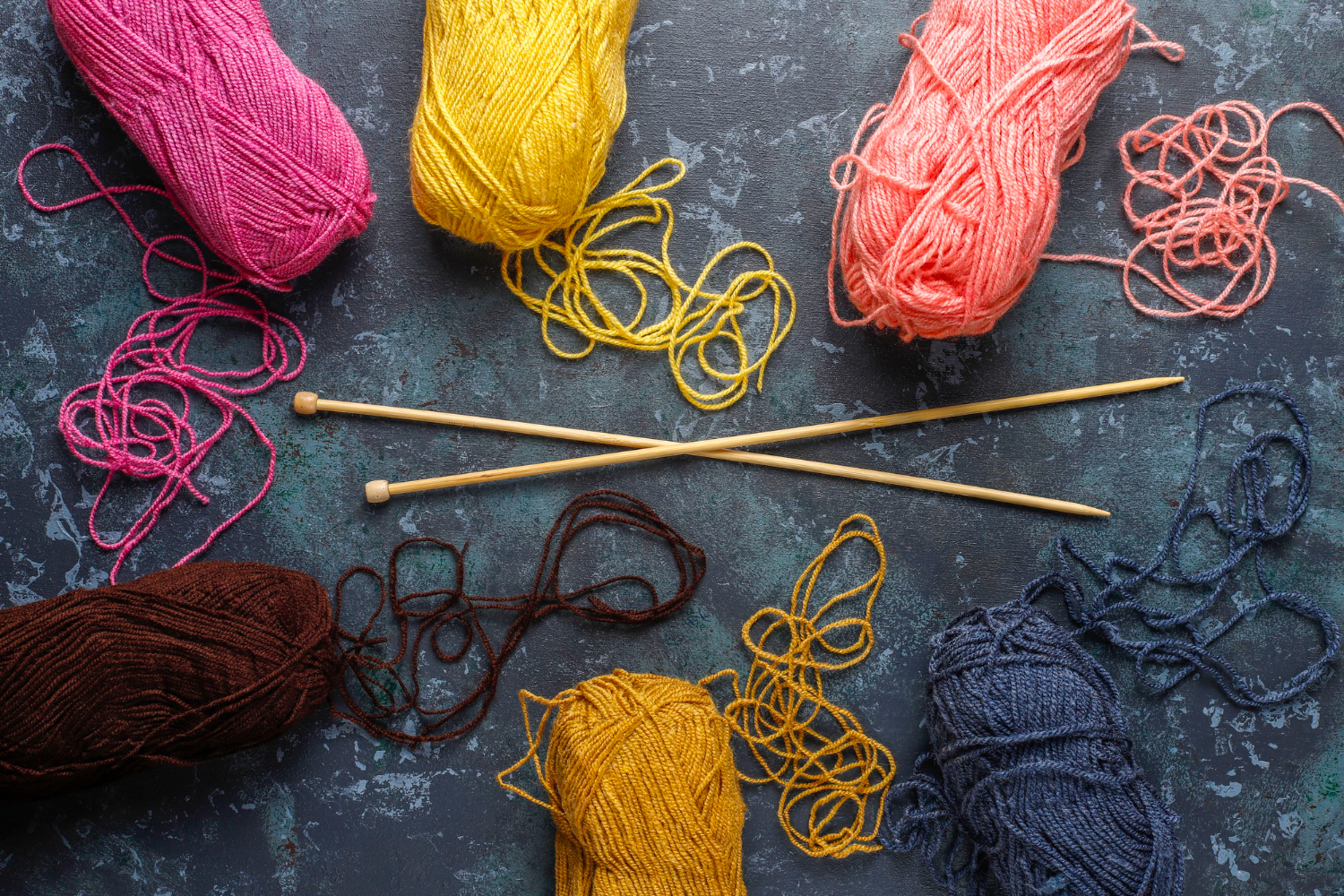
Crafters, rejoice: you can bring your knitting needles and crochet hooks through security in your carry-on. Despite being pointed, they’re permitted in both carry-on and checked bags, so you’re free to knit your way across the country at 30,000 feet. TSA does suggest wrapping any sharp or pointed ends securely, especially in checked luggage, to protect baggage handlers and inspectors. This is a notable shift from the years right after 2001, when sharp items of all kinds were broadly restricted and many craft tools got swept up in the bans. Today the rule is explicit and crafter-friendly. Just be aware that, as with anything, an officer could ask to take a closer look, so pack them where they’re easy to access.
Scissors (If They’re Small Enough)
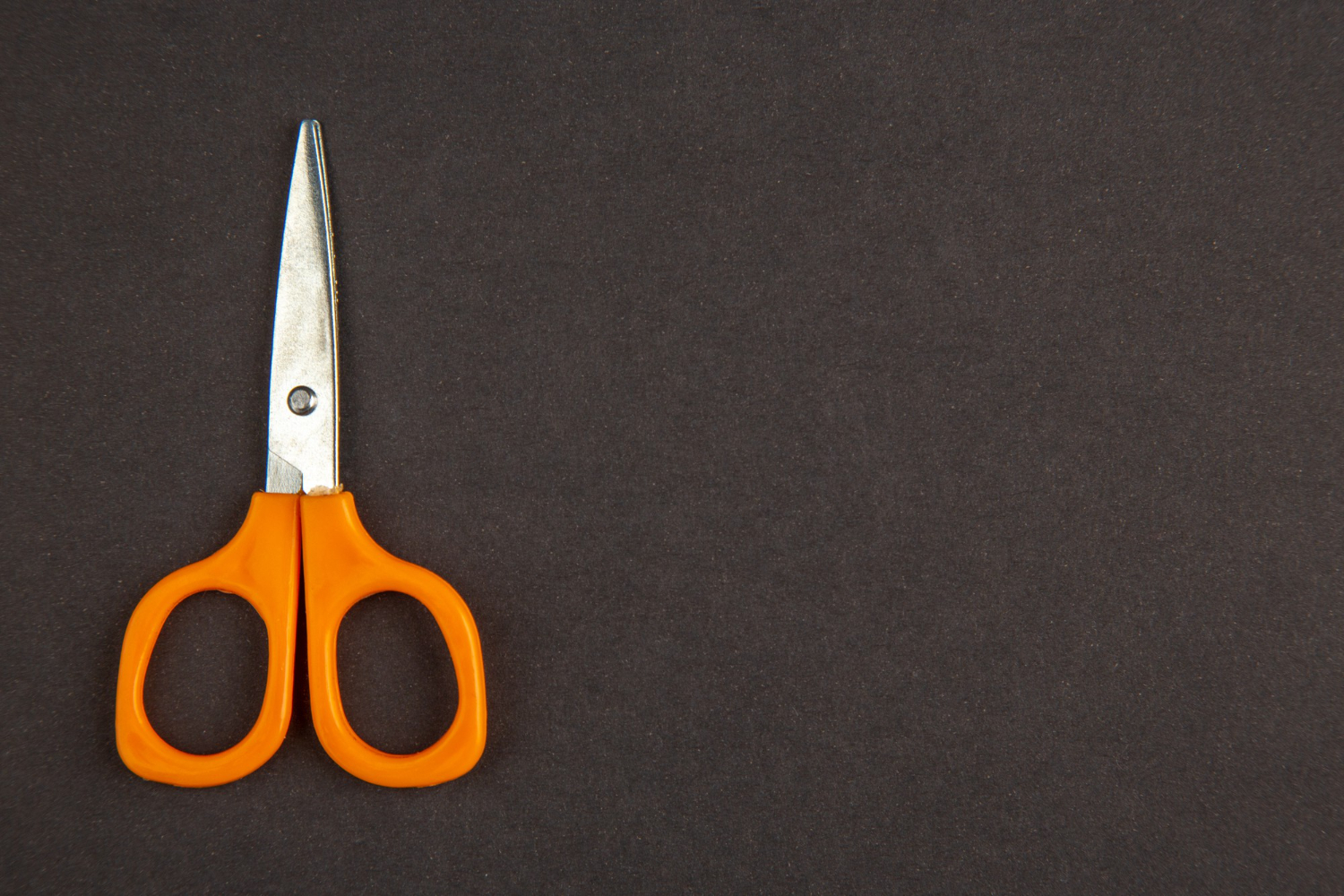
Scissors are allowed in carry-on bags, with one key condition: the blades must measure less than four inches from the pivot point. That covers most small sewing or craft scissors, nail scissors, and the like, which you can pack right in your bag. Anything with longer blades needs to go in checked luggage. It’s a rule that surprises many travelers, who assume all scissors are banned outright. As with knitting needles, this represents a relaxing of the stricter, more sweeping bans on sharp objects from the early 2000s, when rules shifted repeatedly and many people simply checked anything with a blade. Measure your scissors before you fly, and when in doubt, an officer’s judgment at the checkpoint is final.
Live Fish and Even Lobsters
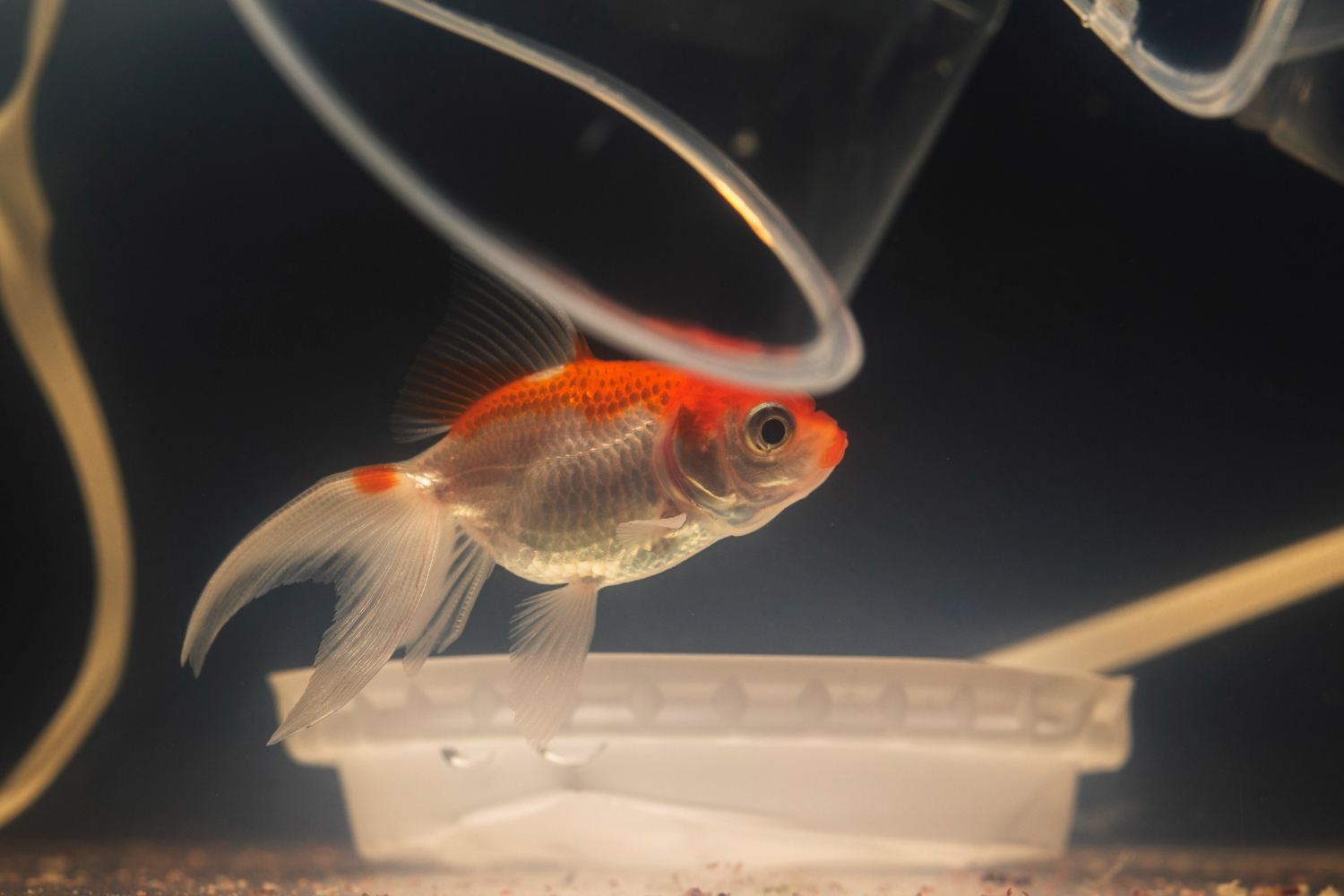
Yes, really, you can bring certain live animals through security. A small live fish in water inside a clear, transparent container is permitted through the checkpoint after a visual inspection by an officer. Notably, TSA specifies that live fish are not allowed in checked baggage, so they must travel with you in the cabin. Even a live lobster is allowed, provided it’s packed in a clear, spill-proof container so it can be visually inspected. In both cases, the airline may have its own rules about animals in the cabin, so confirming with your carrier before you fly is essential. It’s one of the more unexpected entries on the list, proof that TSA’s guidance covers far more scenarios than most travelers would ever guess.
Pies, Cakes, and Baked Goods

Heading to a holiday gathering with a homemade dessert? Good news: pies and cakes are allowed through security in your carry-on. Because they aren’t considered liquids, baked goods can come right along with you, no need to check that carefully made pie. TSA does ask travelers to separate foods, powders, and similar items from the rest of their bag, since they can clutter the X-ray image and may prompt a closer look. Other solid foods are generally fine too. It’s worth noting that spreadable or liquid-like foods, think gravy, jam, or anything you could pour or spoon, fall under the liquids rule and are limited. But a solid pie or cake? Pack it in your carry-on and travel with dessert in hand.
Plants

Your leafy companions are welcome to fly with you. Live plants are allowed through security in carry-on bags, so you can transport a houseplant, a cutting, or a small potted gift without checking it. TSA’s main guidance is practical: make sure the plant will fit in the overhead bin or under the seat in front of you, and check with your airline about any size limitations. As always, an officer may want to inspect it. Travelers moving across the country or bringing home a special plant are often surprised this is permitted. One extra note for certain destinations: some states and territories have agricultural rules about bringing in plants, so it’s worth checking those separately, but security itself won’t stop you.
Antlers

This one sounds made up, but it’s official: you can bring antlers through airport security. Whether you’re a hunter transporting a trophy or simply moving a decorative set, TSA permits antlers in both carry-on and checked bags, the main limitation being that they need to physically fit. For carry-on, that means fitting in the overhead bin or under the seat, which can be a challenge for a large rack. Many people choose to check larger antlers for practicality, but the rules don’t require it. It’s one of the most surprising entries on TSA’s list and a reminder that the agency’s guidance accounts for a huge range of unusual items. Expect some curious looks from fellow passengers if you carry them aboard.
Nail Files and Tweezers
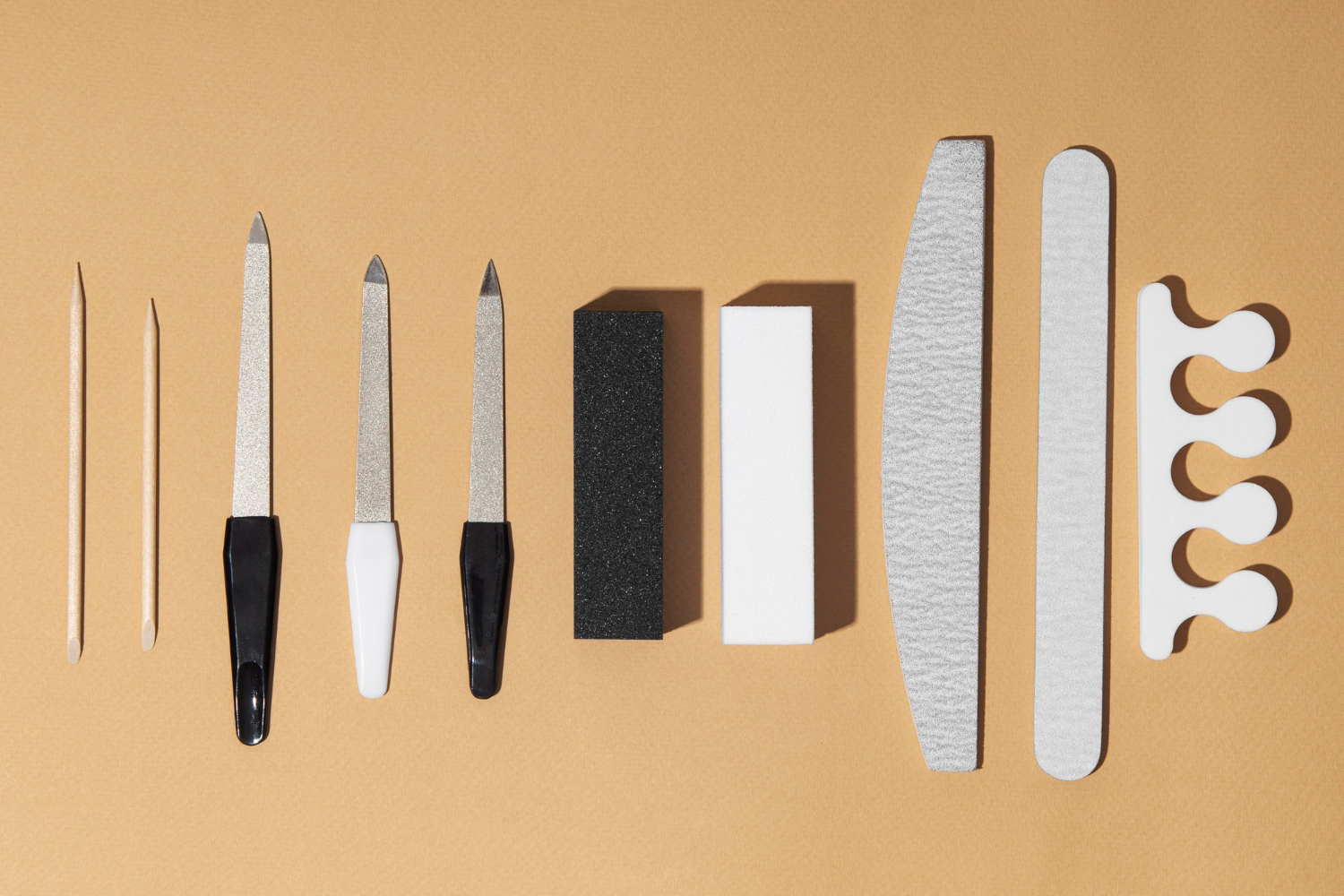
Personal grooming tools that you might assume would be flagged are generally fine. Metal nail files are allowed in carry-on bags, as are tweezers, despite both being pointed metal objects. TSA simply recommends sheathing or securely wrapping sharp items, particularly in checked bags, to prevent injury. This is another area that has eased considerably since the blanket restrictions on sharp objects in the early 2000s. Travelers often needlessly leave these small essentials at home or check a bag to bring them, when they could simply pack them in their carry-on. As with all these items, the checkpoint officer has discretion, but the default for standard grooming tools like nail files and tweezers is that they’re cleared to fly with you.
Tools (Up to a Certain Length)
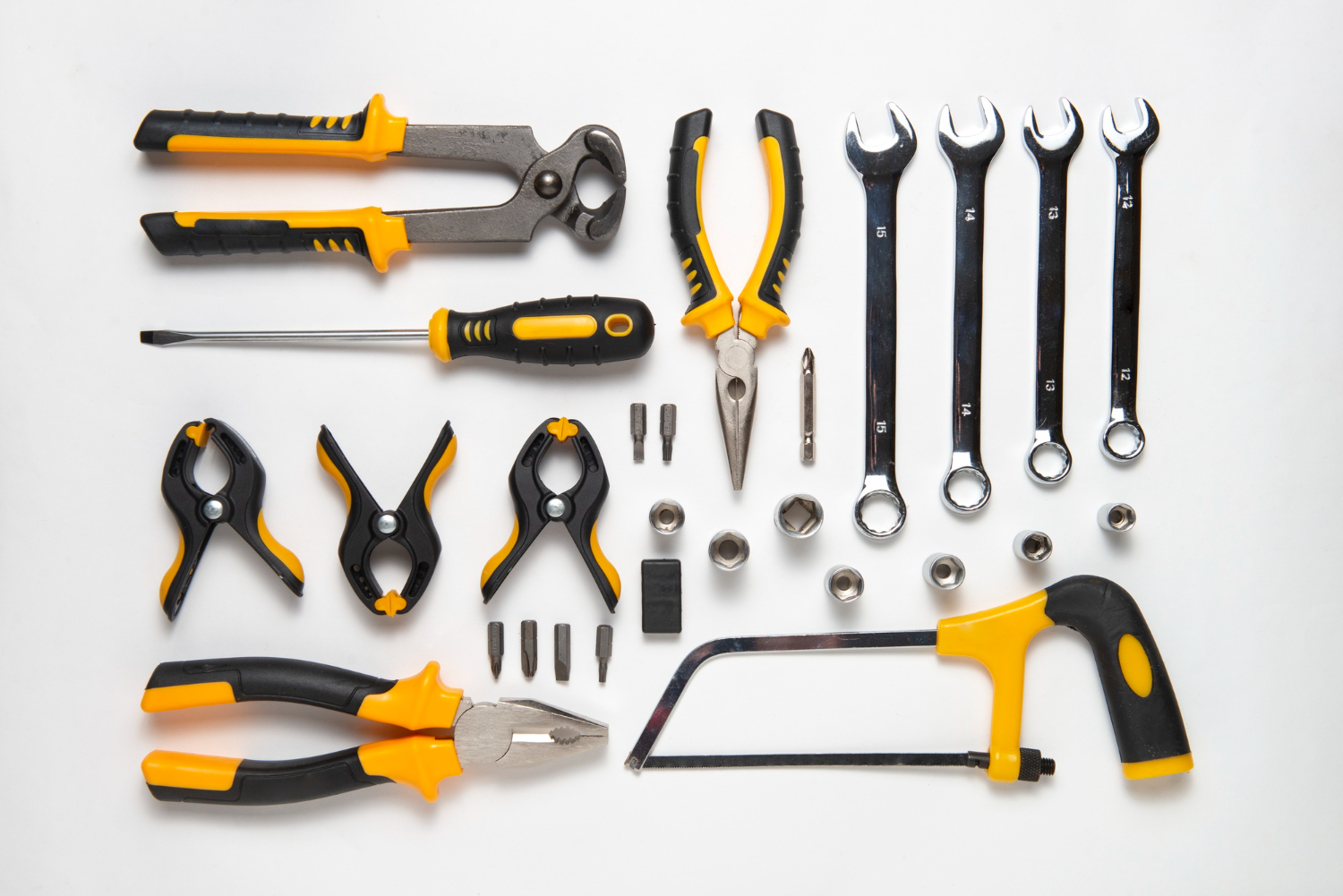
Handy travelers will appreciate this one: many tools are allowed in carry-on bags, as long as they’re under seven inches in length, measured from end to end. That covers a range of small screwdrivers, wrenches, and similar implements. Anything longer, or tools like hammers and large wrenches that could be used as a weapon, must be checked. The seven-inch rule is a specific, official guideline that surprises people who assume all tools are banned from the cabin. It’s especially useful for tradespeople or anyone traveling with a small repair kit. As always, sharp or pointed tools should be wrapped, airlines may have additional rules, and the final decision rests with the officer screening your bag, but small tools are widely permitted.
Snow Globes (Within the Liquid Limit)

Snow globes are a classic source of airport confusion, but the rule is clearer than many realize. A snow globe is allowed in your carry-on if it appears to hold less than 3.4 ounces of liquid, roughly the size of a tennis ball or smaller, and fits comfortably within your single quart-size liquids bag. Larger snow globes exceed the liquid limit and must go in checked luggage. In the late 2000s, when the liquids rule was newer and applied more strictly, these souvenirs were frequently confiscated. Today the guideline is spelled out, so a small snow globe can travel with you. If you’ve bought a larger one as a keepsake, the safest move is simply to pack it carefully in your checked bag to avoid any issue.
A Few Things Still Worth Checking
Even with this surprisingly permissive list, two rules of thumb matter. First, the checkpoint officer always has the final say; if something looks like it could pose a risk, it can be turned away regardless of the general guidance. Second, airlines set their own carry-on size and content rules on top of TSA’s, and certain destinations have their own restrictions, especially for plants, food, and animals. Rules also evolve over time, so the official “What Can I Bring?” tool is the place to confirm before you pack. The takeaway isn’t to push limits but to travel smarter: knowing what’s actually allowed can spare you from checking a bag, paying a fee, or abandoning something you didn’t need to leave behind.
Pack Smarter, Stress Less
Airport security has a reputation for being restrictive, and for good reason when it comes to genuine hazards. But as this list shows, TSA’s actual guidance is more accommodating than most travelers assume, covering everything from craft supplies and small tools to live lobsters, plants, and dessert. The smartest approach is to check the official “What Can I Bring?” resource for anything you’re unsure about, pack questionable items where they’re easy to access for inspection, and confirm your airline’s rules too. A little knowledge goes a long way toward a smoother trip through security, fewer surprises at the checkpoint, fewer abandoned belongings, and more confidence that what you’ve packed will actually make it on board with you.

