


There’s a certain quiet pride in walking into an adult’s home and spotting the small, sensible things that show they’ve got life handled. We’re not talking about expensive furniture or the latest gadgets, but the humble, practical essentials that tend to get passed down, or at least taught, by parents who emphasized preparedness and self-sufficiency. Having these items on hand doesn’t make you wealthy; it makes you ready, capable of handling a scraped knee, a blown fuse, a surprise guest, or a small household emergency without scrambling. They’re the unsung heroes of a well-run home. Here are some of the things that, if you have them as an adult, suggest your parents raised you right, the basics of a capable, grown-up household.
A Well-Stocked Pantry

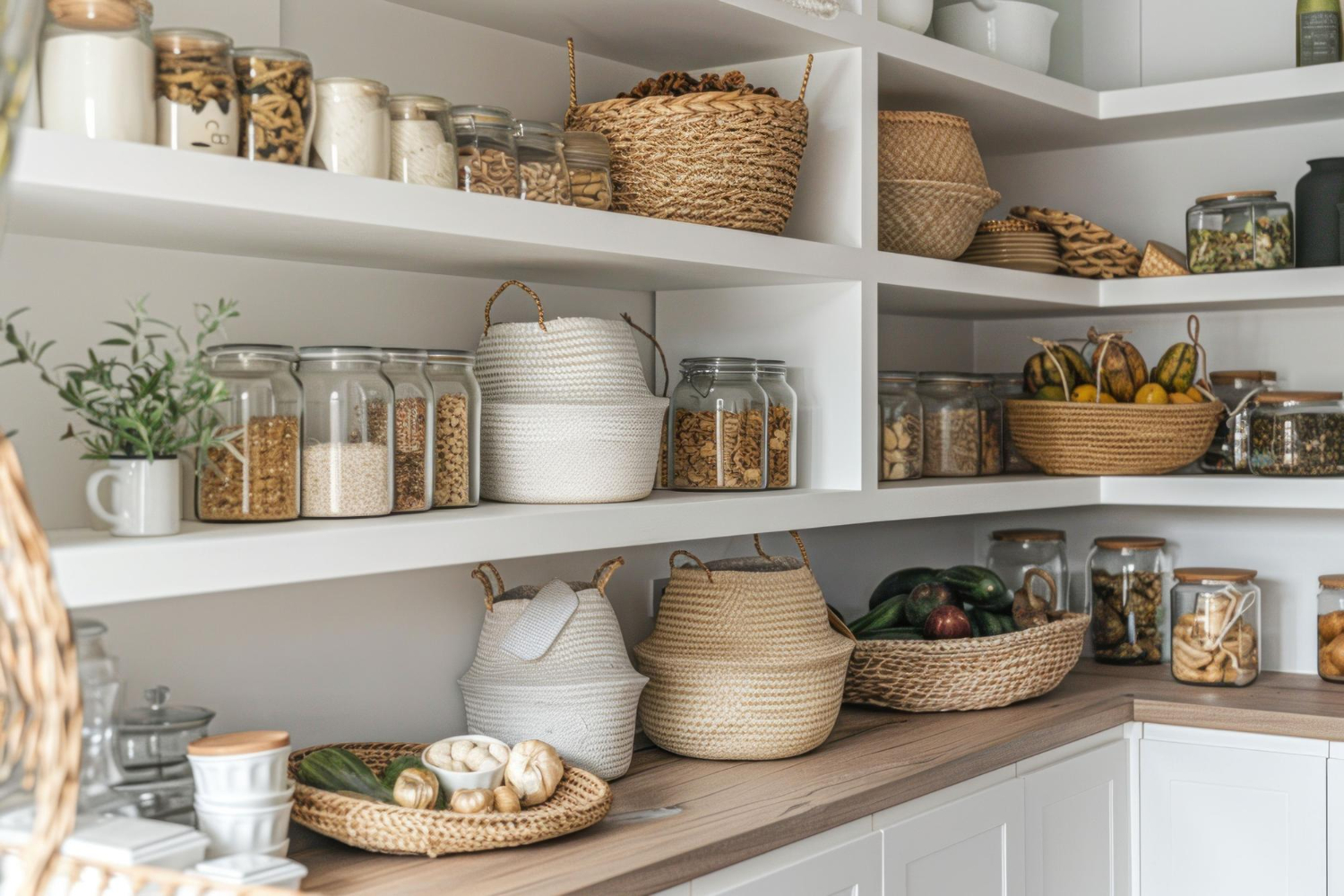
A pantry with the basics on hand is a hallmark of a capable adult home. We’re talking staples like rice, pasta, canned goods, flour, oil, spices, and other shelf-stable ingredients that let you put together a meal without an emergency grocery run. A thoughtfully stocked pantry means you can cook for yourself, improvise dinner when plans change, and feed an unexpected guest without panic. It reflects the kind of foresight and basic cooking knowledge that good parents instill, the understanding that you don’t want to be caught with an empty cupboard. Beyond convenience, it’s also more economical than relying on takeout. A pantry with the essentials is one of the clearest signs of a self-sufficient, well-run household.
A First-Aid Kit

Having a proper first-aid kit at home is a quiet marker of a responsible adult. Stocked with bandages, antiseptic, gauze, pain relievers, tweezers, and similar basics, it means you can handle minor injuries, cuts, scrapes, burns, splinters, calmly and competently instead of rushing out for supplies mid-crisis. Parents who prioritized preparedness tend to pass on the habit of keeping one accessible and knowing what’s in it. It’s the kind of thing you don’t think about until you need it, and then you’re deeply grateful it’s there. A well-maintained first-aid kit reflects an understanding that small emergencies happen and that being ready for them is simply part of running a household. Bonus points if you also know the basics of using it.
A Fire Extinguisher and Smoke Detectors
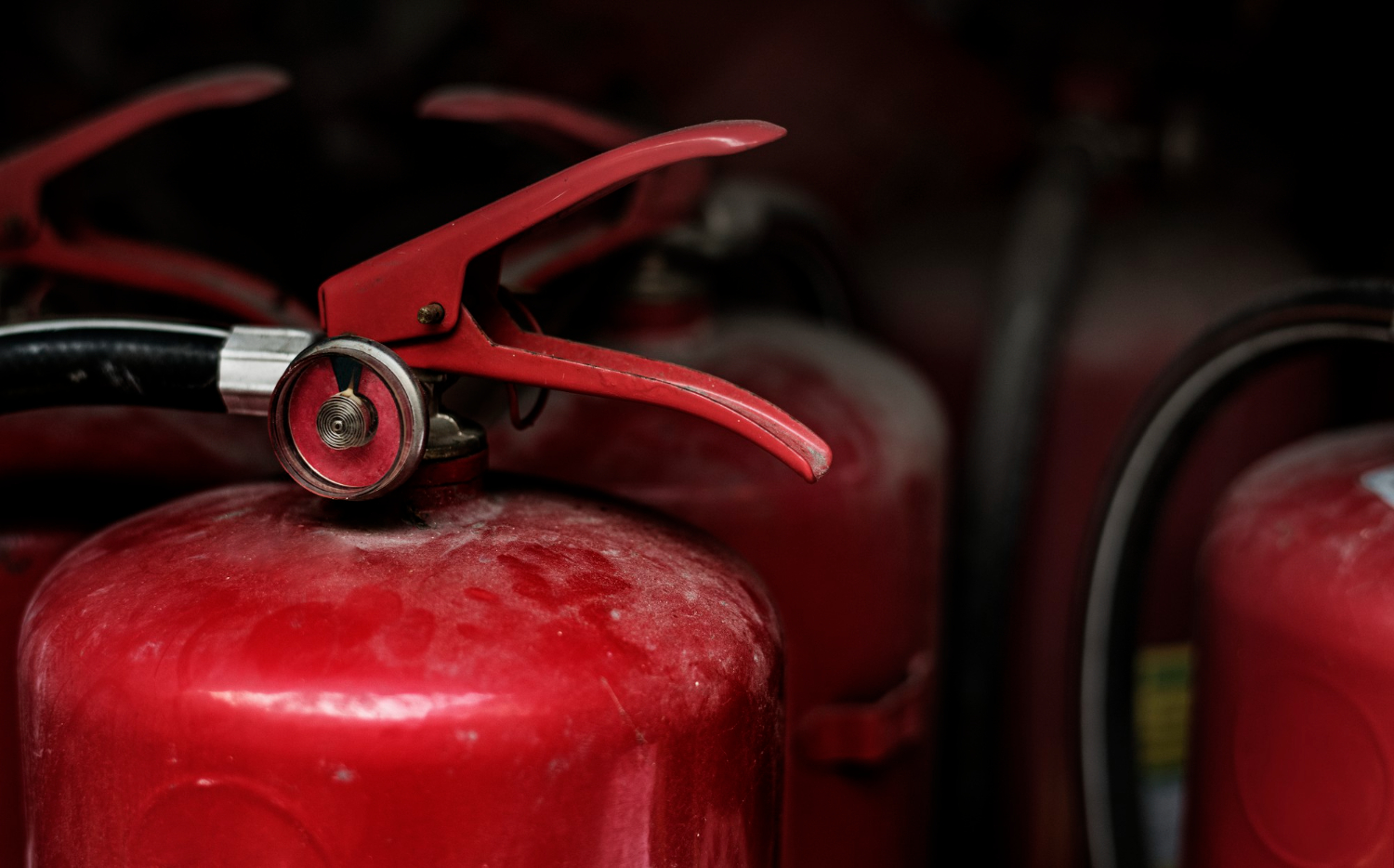
Few things signal a safety-conscious upbringing like having working smoke detectors and a fire extinguisher at home. These life-saving devices are easy to overlook, but a responsible adult keeps smoke alarms installed and tested, with fresh batteries, and has at least one fire extinguisher accessible in the kitchen or another sensible spot. Knowing how to use the extinguisher matters too. Parents who modeled good safety habits tend to raise adults who don’t cut corners on this. It’s not glamorous, and you hope to never need the extinguisher, but having these basics in place reflects a serious, grown-up attitude toward protecting your home and the people in it. Safety preparedness is one of the most important, and most overlooked, marks of a well-run household.
A Basic Toolkit
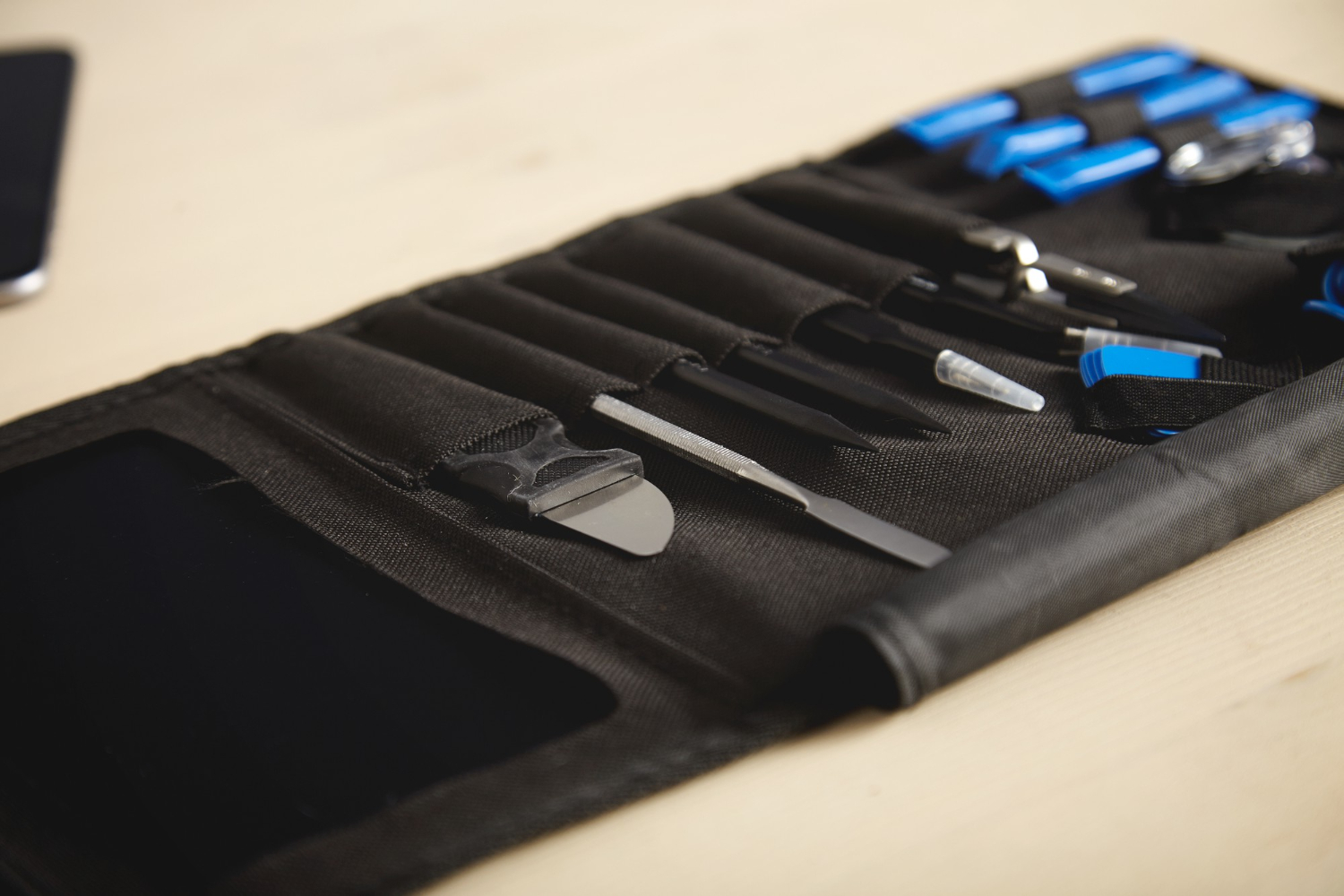
A simple toolkit is a rite of passage into capable adulthood. You don’t need a professional workshop, just the essentials: a hammer, a couple of screwdrivers, pliers, a tape measure, a level, an adjustable wrench, and an assortment of nails and screws. With these on hand, you can hang a picture, tighten a loose handle, assemble furniture, or handle countless small fixes without calling for help or running to the store. Parents who valued self-reliance often pass down both the tools and the know-how to use them. Having a toolkit, and knowing where it is, reflects a do-it-yourself competence that makes daily life smoother. It’s one of those genuinely satisfying signs that you can take care of your own space and solve everyday problems independently.
Cleaning Supplies That Actually Work
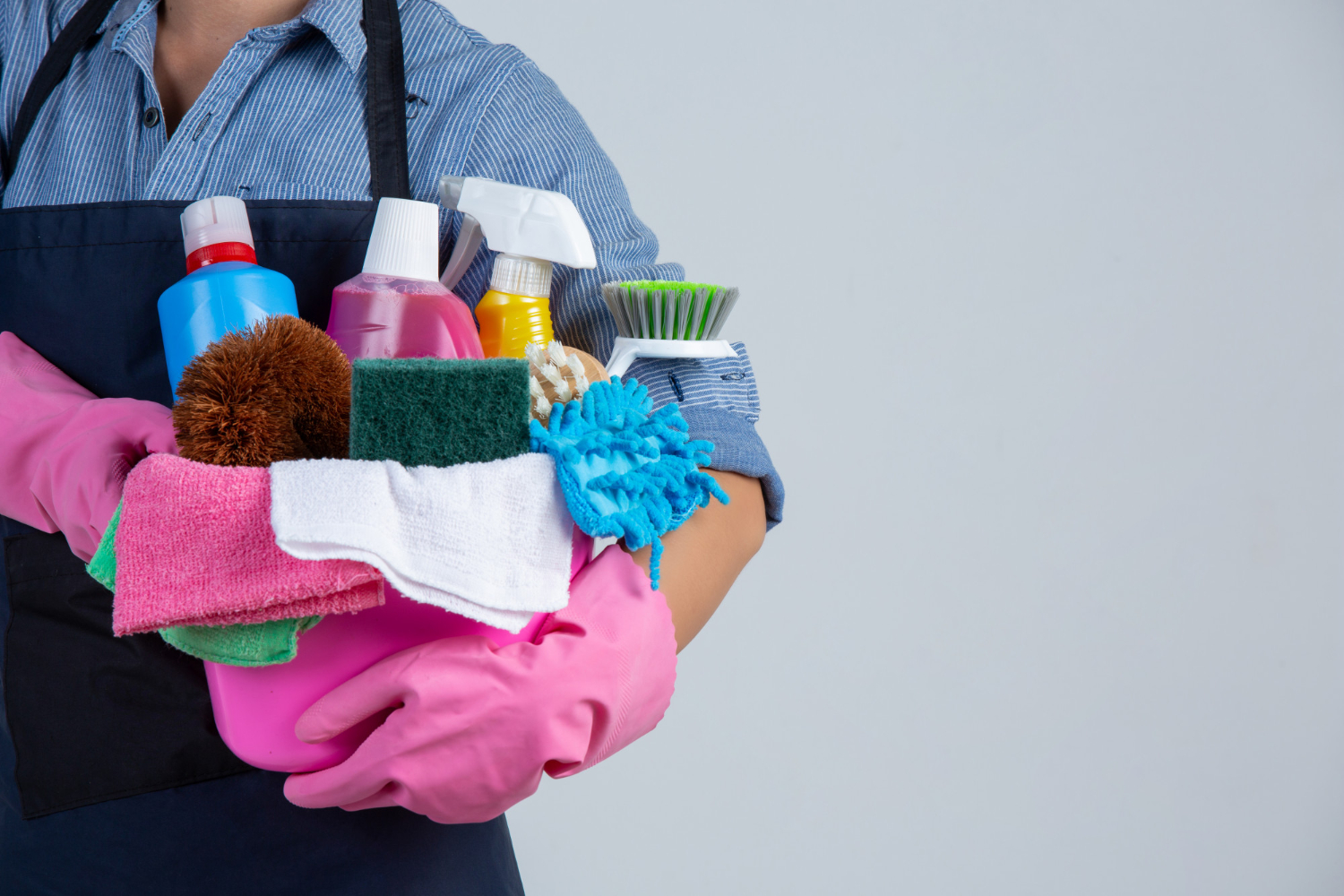
A home stocked with proper cleaning supplies says a lot about how someone was raised. We mean the real basics: an all-purpose cleaner, dish soap, sponges, a mop and broom, paper towels, trash bags, and the products needed to keep a kitchen and bathroom genuinely clean. Having these on hand, and using them regularly, reflects an understanding that a clean, hygienic home isn’t optional, it’s part of taking care of yourself and respecting your space. Parents who emphasized chores and cleanliness tend to raise adults who keep their homes tidy without being told. It’s not about perfection, but about having what you need to maintain a healthy living environment. A well-stocked cleaning cabinet is a subtle but telling sign of a responsible, well-run household.
Spare Essentials: Batteries, Bulbs, and More
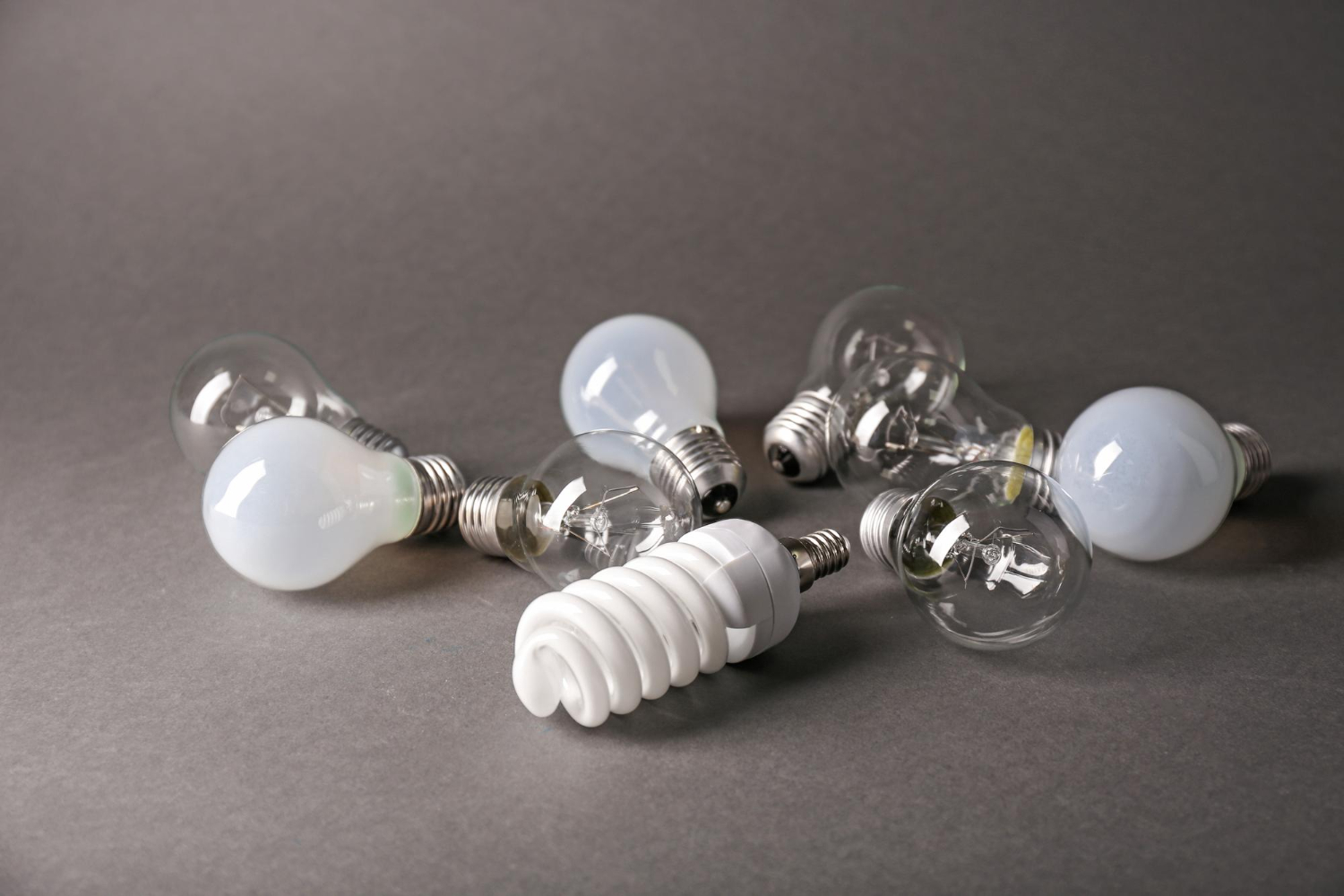
Keeping spare everyday essentials on hand is the mark of someone who plans ahead. Think extra batteries in common sizes, replacement light bulbs, spare phone chargers, and basics like toilet paper and other supplies bought before you run out. The hallmark here is foresight, not being caught in the dark when a bulb burns out at night, or scrambling when the smoke-detector battery starts chirping. Parents who modeled good planning tend to instill the habit of keeping reserves of the things you use regularly. It’s a small thing, but maintaining a modest stock of spares reflects an organized, prepared mindset that smooths out daily life. Running out of something essential at the worst possible moment is exactly the kind of avoidable stress a well-run home is designed to prevent.
A Sewing Kit
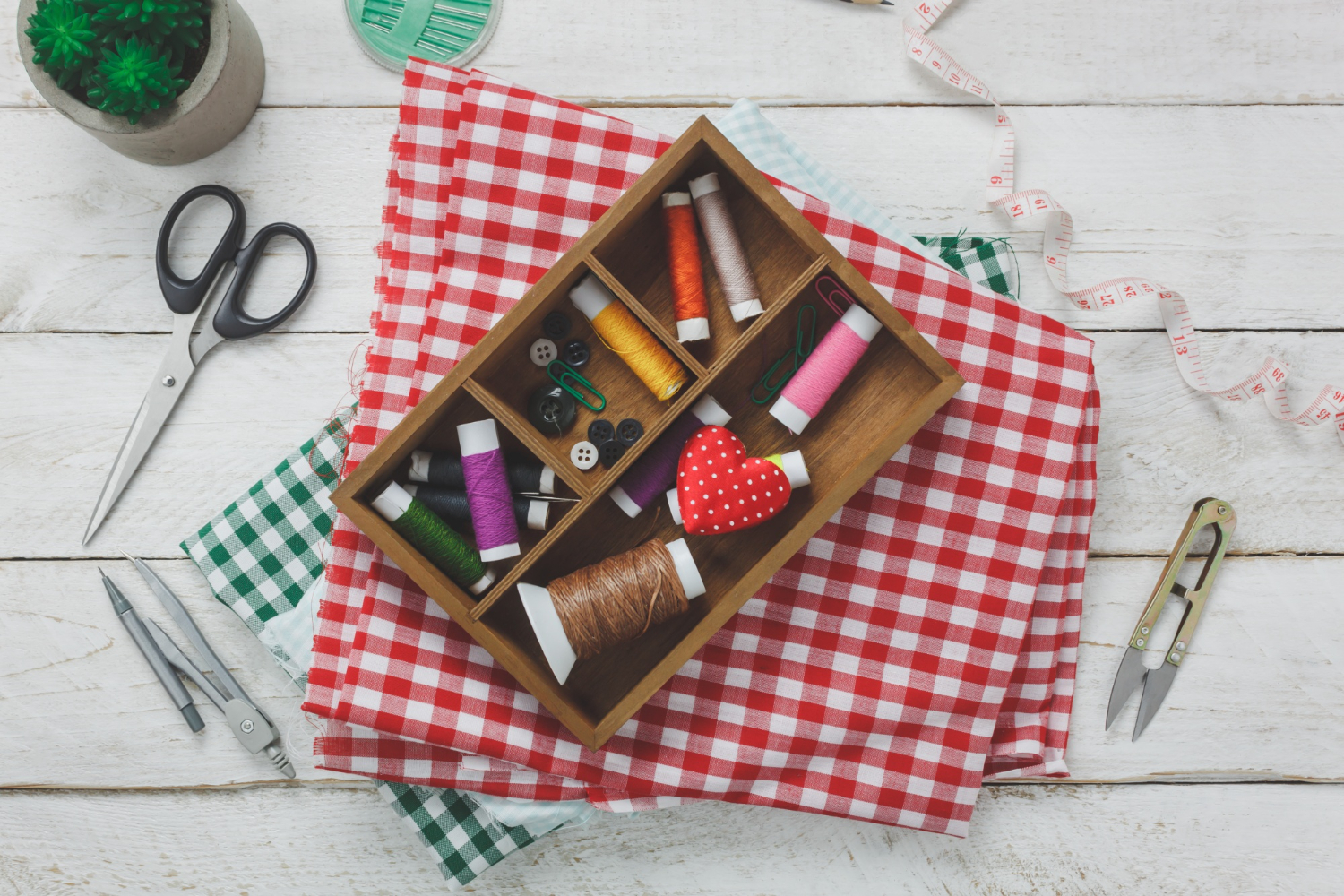
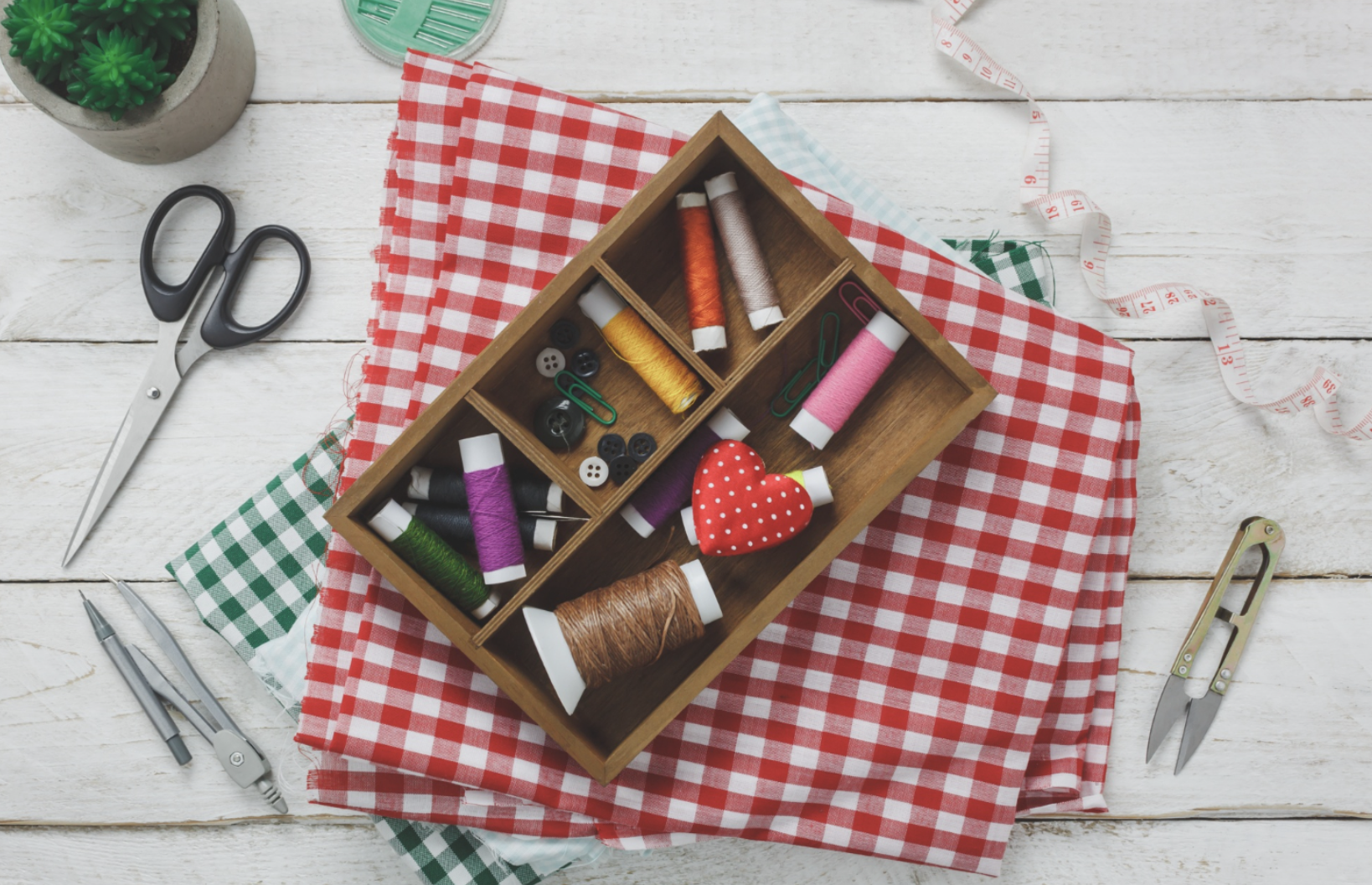
A basic sewing kit is a classic sign of practical home skills passed down through generations. With needles, thread in a few colors, a few buttons, and a pair of small scissors, you can handle minor clothing repairs yourself, reattaching a loose button, fixing a small tear, or hemming in a pinch, rather than discarding a garment or paying for repairs. It reflects a make-do-and-mend resourcefulness that thrifty, capable parents often pass on. In an age of fast fashion, knowing how to make a simple repair is both economical and increasingly rare. Having a sewing kit, even a tiny travel-sized one, and knowing the basics of using it, signals that you value taking care of your belongings and can handle small fixes with your own two hands.
Important Documents, Organized

A sign of true adulthood is having your important documents organized and accessible. This means keeping things like your birth certificate, Social Security card, passport, insurance papers, tax records, and other vital documents stored safely in one known place, ideally somewhere secure and protected. Being able to put your hands on a key document when you need it, rather than tearing the house apart in a panic, reflects a level of organization that makes adult life immeasurably easier. Parents who modeled good record-keeping tend to raise adults who don’t let crucial paperwork pile up in chaos. It’s an unglamorous habit, but a well-organized file of important documents is one of the clearest signs that someone has truly gotten their grown-up affairs in order.
A Little Emergency Preparedness
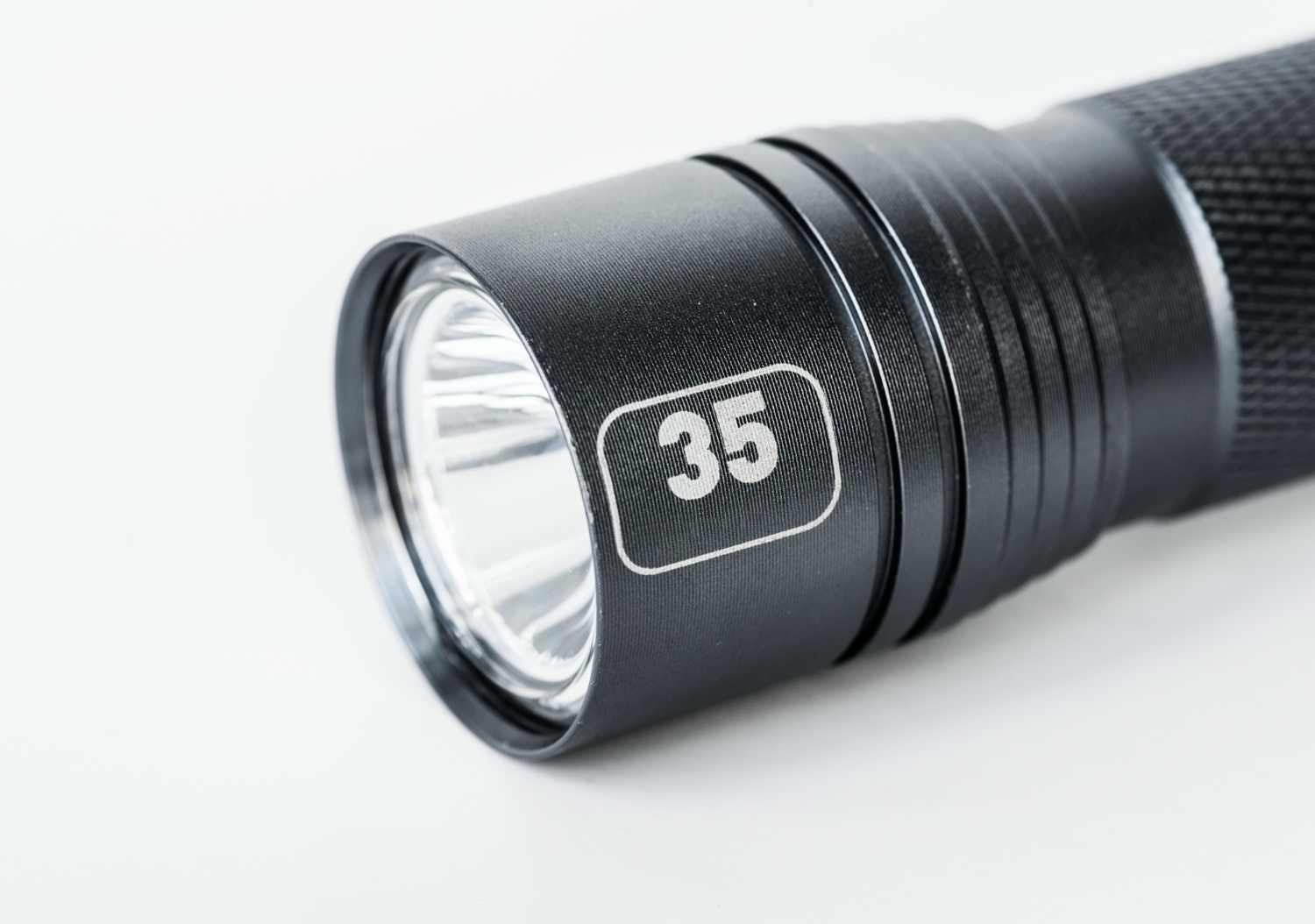
Rounding out the list is a general sense of being ready for the unexpected. This can include a small stash of emergency cash for when cards aren’t an option, a flashlight you can find in the dark, some bottled water and non-perishable food set aside, and perhaps a basic plan for what to do in a power outage or storm. The specifics vary by where you live, but the underlying mindset, a modest cushion of preparedness for life’s curveballs, is the same. Parents who emphasized planning and resilience tend to pass this on. You hope never to need any of it, but having a basic safety net reflects a mature, self-reliant approach to life. It’s the quiet confidence of knowing you can weather small emergencies on your own.
The Quiet Signs of a Capable Adult
None of these items is flashy, and that’s exactly the point. A stocked pantry, a first-aid kit, working smoke detectors, a toolkit, organized documents, the markers of a well-run home are practical, humble, and easy to overlook. Yet together they paint a picture of someone who learned, somewhere along the way, how to take care of themselves and their space. Whether your parents taught you directly or simply modeled these habits, having these basics on hand reflects a foundation of responsibility and self-sufficiency. If you’ve got most of this list covered, take it as a quiet compliment to how you were raised, and if you’re missing a few, consider this a friendly nudge toward an even more capable, prepared, grown-up home.

