

Early in the morning of June 30, 1908, over the basin of the Podkamennaya Tunguska River in central Siberia, the sky tore open. Witnesses dozens of miles away described a column of blue-white light nearly as bright as the Sun moving across the heavens, followed by a flash and a series of deafening booms. One man, sitting on his porch at a trading post some 40 miles from the epicenter, reported being thrown from his chair by a wave of heat so intense he thought his shirt had caught fire. Then came the shockwave, powerful enough to knock people off their feet and shatter windows in the nearest settlements.
What had happened, in the sparsely populated taiga where almost no one lived to see it up close, was the largest cosmic impact event in recorded human history. An object from space had exploded in the atmosphere with an energy that scientists estimate in the range of many megatons of TNT — commonly compared to hundreds or even a thousand of the atomic bombs later dropped on Hiroshima. It flattened an enormous swath of forest in an instant. And then it presented science with a real puzzle that took decades to even begin to unravel, because the one thing this colossal impact didn’t leave behind was an impact.
The Morning the Sky Exploded
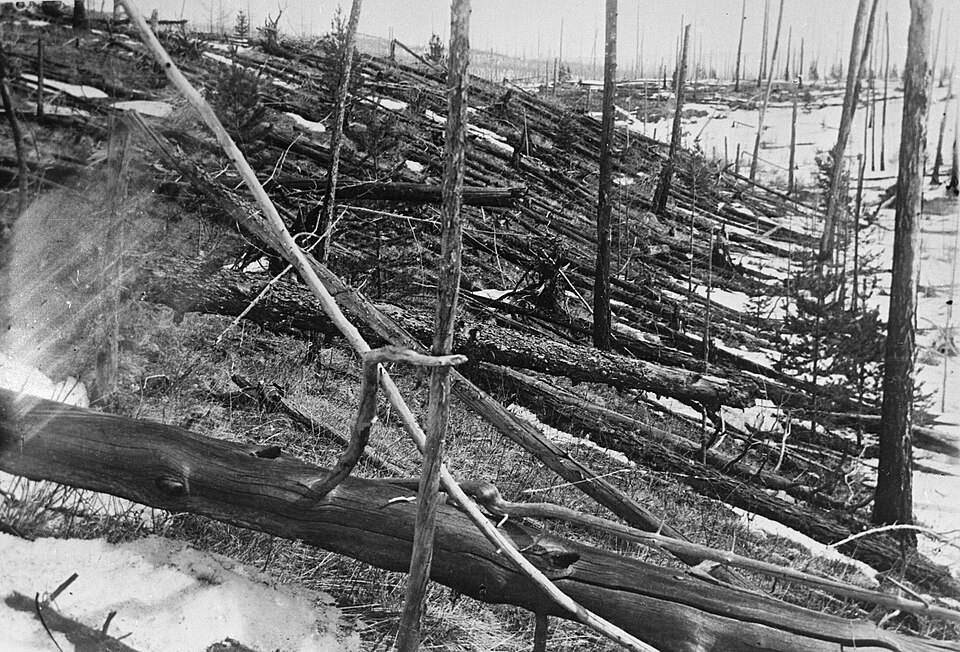
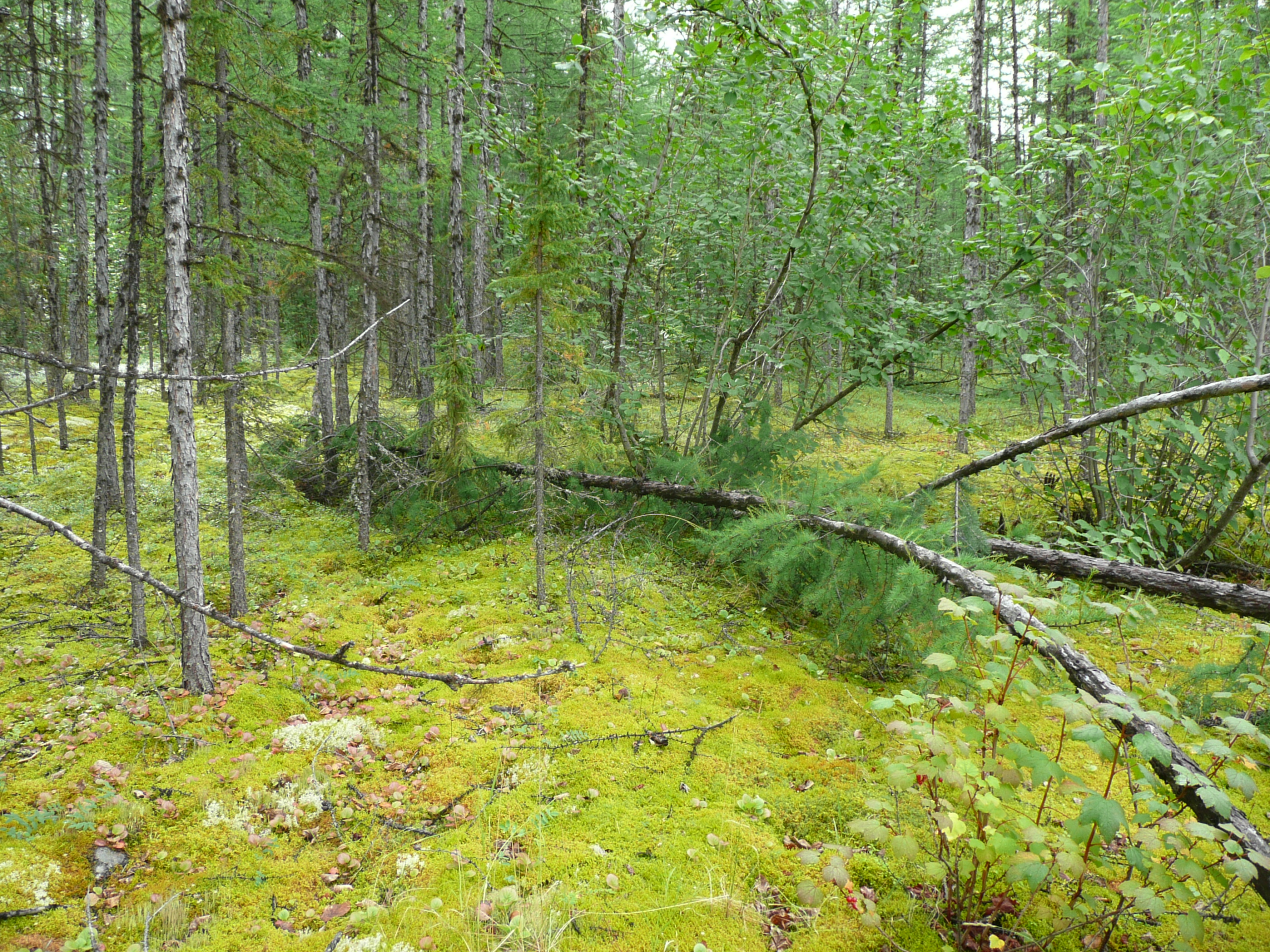
The scale of the destruction is difficult to overstate. The blast flattened an estimated 80 million trees across an area of roughly 830 square miles — a region larger than many major cities, laid out in a vast radial pattern with the trees knocked flat and pointing away from a central point, like spokes from a hub. Near the center, some trees were left standing but stripped bare of their branches and bark, scorched from above. The heat of the explosion started fires across the devastated zone.
The energy released was staggering. Estimates vary, but the explosion is commonly put in the range of 10 to 15 megatons of TNT, with some higher estimates, making it something on the order of a thousand times more powerful than the bomb that destroyed Hiroshima. The effects were felt across the planet. The shockwave was registered by barometers as far away as Britain. Seismic instruments picked up the tremor at great distances. And for several nights afterward, skies across Europe and Asia glowed strangely bright, light enough in places that people could reportedly read outdoors at midnight — an effect attributed to the vast quantity of dust and particles thrown high into the atmosphere.
Given all of this, the most astonishing fact of the whole event is how few people were directly harmed. The region was so remote and so thinly inhabited that the confirmed death toll is essentially negligible — a small number of possible fatalities at most. Had the same object arrived a few hours later, with the Earth’s rotation having carried a major city into its path, the death toll could have been catastrophic. As it was, an explosion capable of destroying a metropolis fell on empty forest.
Like our content? Follow us for more.
Nobody Came for Twenty Years
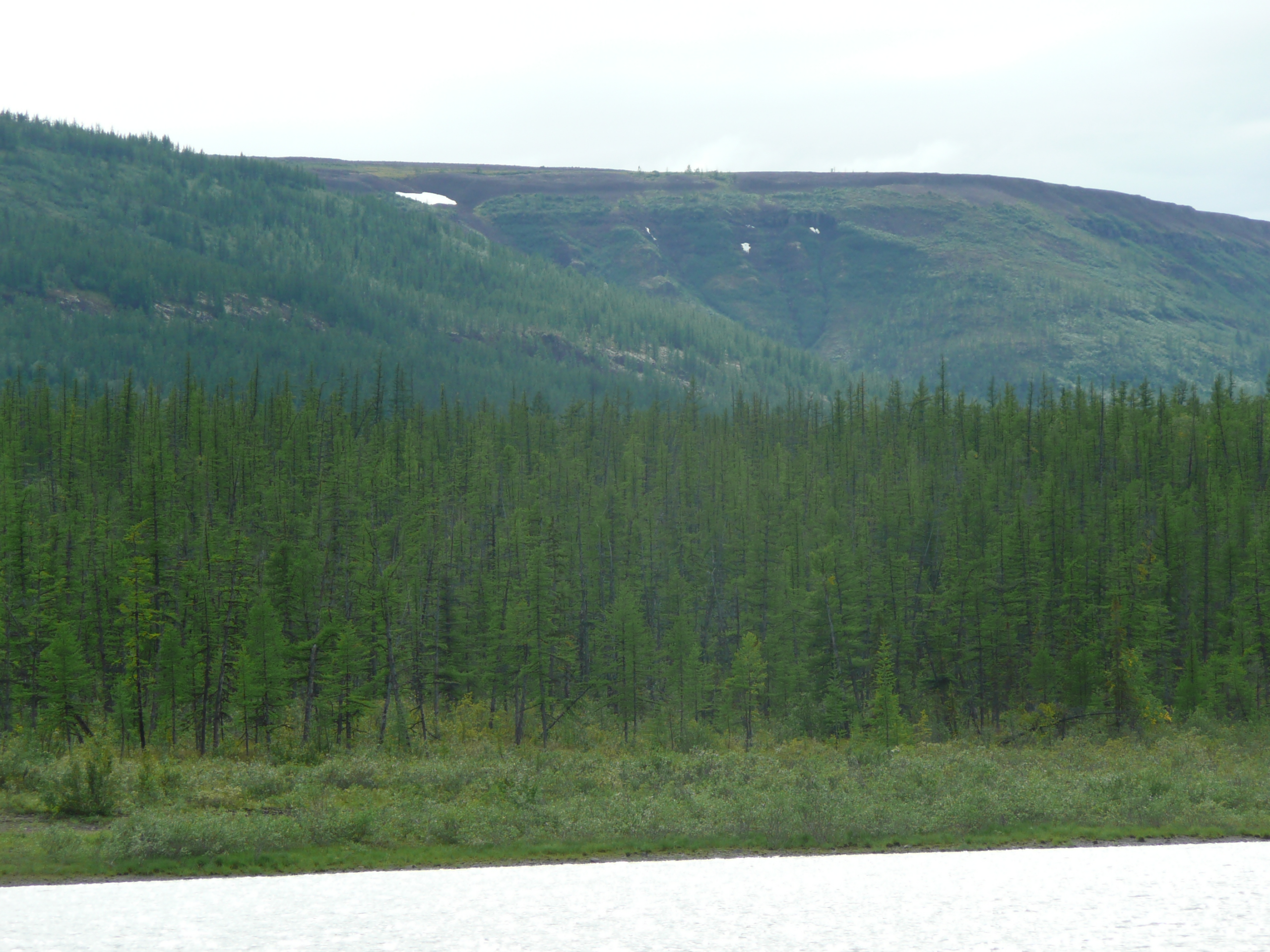
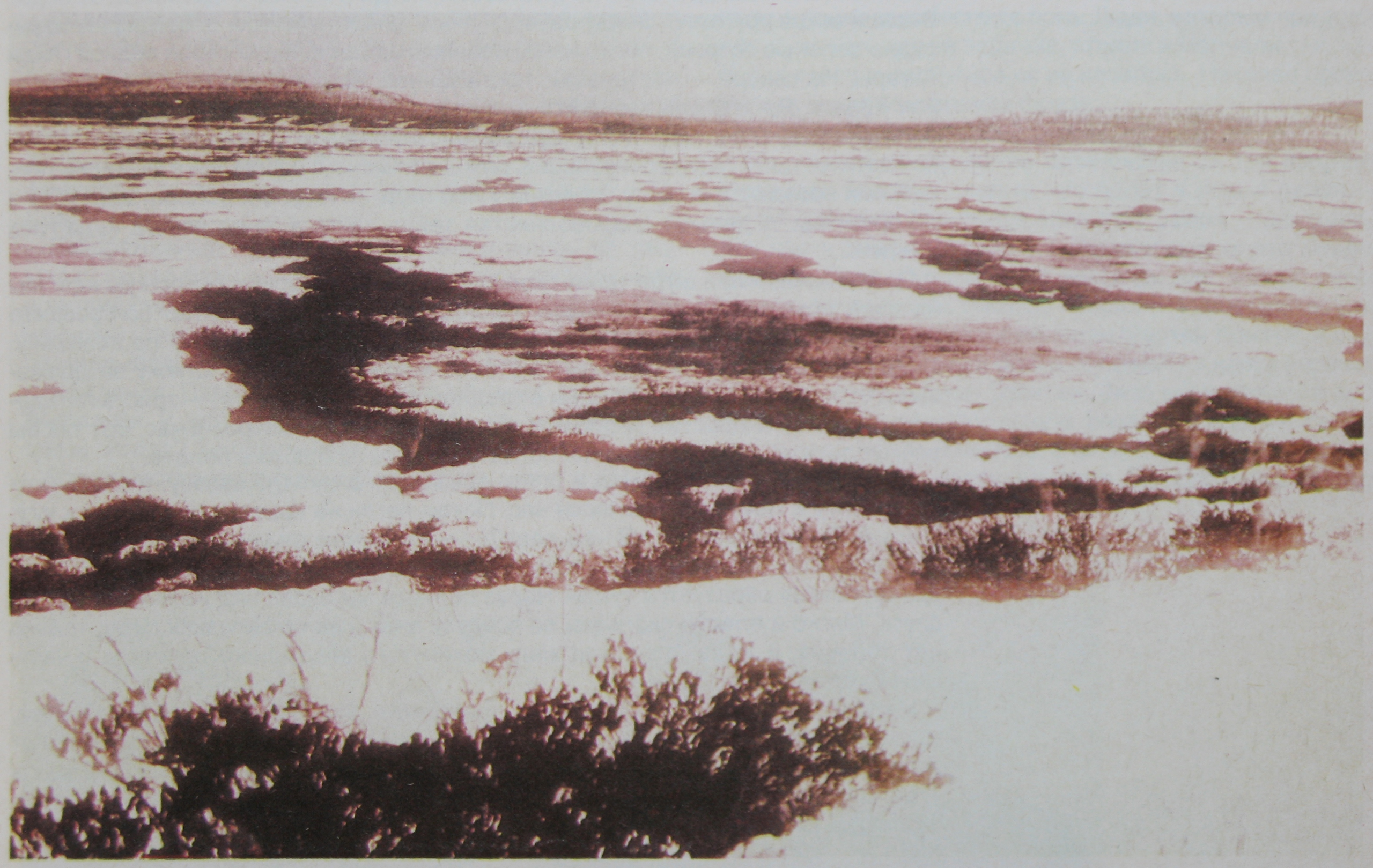
One of the strangest aspects of the Tunguska event is how long it took anyone to investigate it. The combination of the site’s extreme remoteness, the political turmoil that would soon engulf Russia, and the sheer difficulty of reaching the region meant that no scientific expedition made it to the impact zone for nearly two decades.
It wasn’t until 1927 that a Russian scientist named Leonid Kulik led the first expedition to actually reach the devastated area. What he found astonished him: mile after mile of forest flattened in that eerie radial pattern, the trees all pointing outward from a central zone. But Kulik was searching for something specific — a meteorite and the crater it should have made — and here the mystery deepened, because he couldn’t find one. There was no impact crater. There was no large meteorite. The center of the blast zone, where he expected a hole in the ground, instead held trees still standing upright, though stripped bare. The object that had flattened a forest the size of a city had, apparently, never actually hit the ground.
The Explanation: A Blast in the Sky
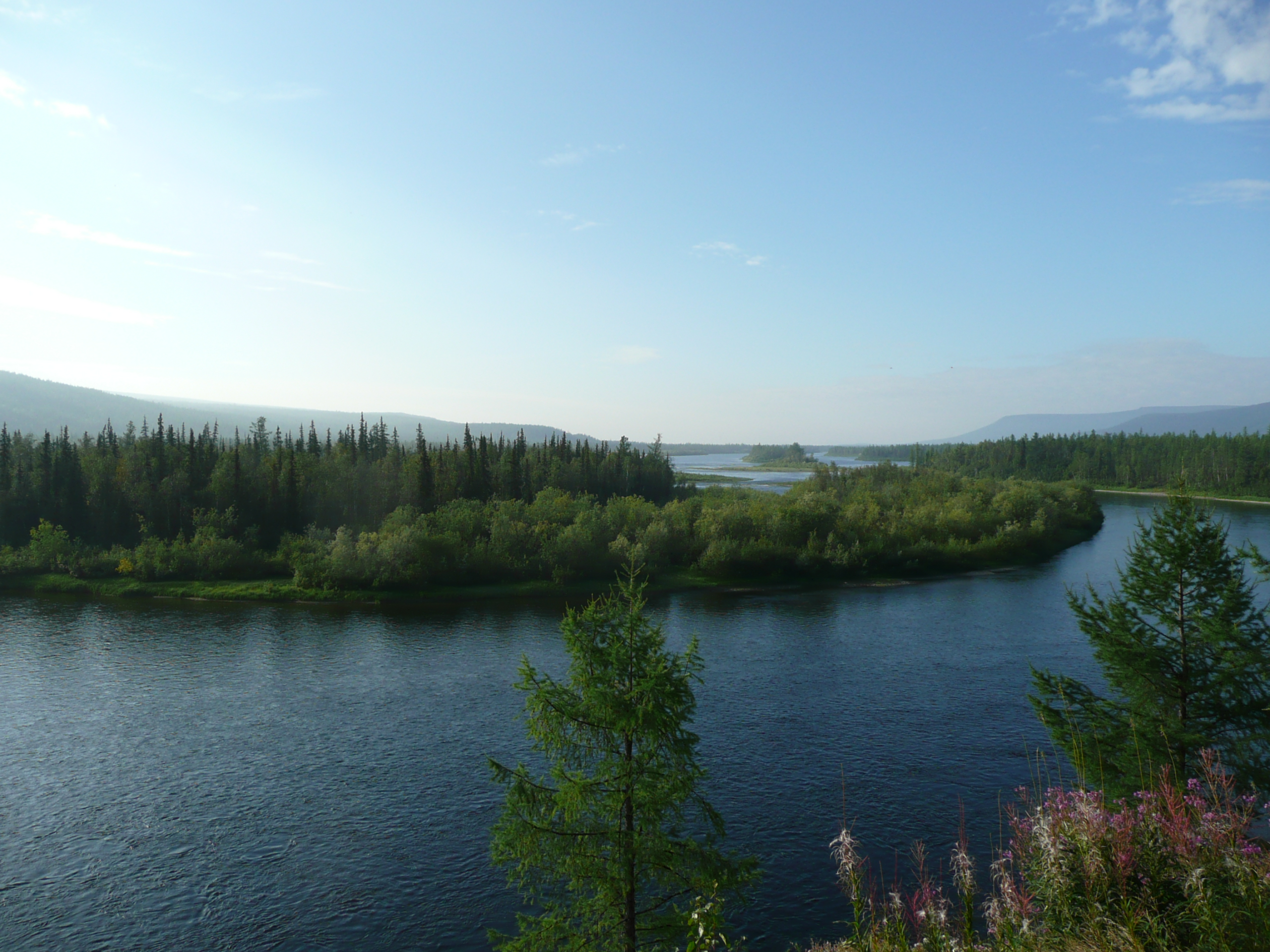
The absence of a crater is the key that unlocks what happened, and the modern understanding is now reasonably settled, even if details remain debated. The object — most scientists believe it was a stony asteroid, roughly 50 to 60 meters across, though a comet has also been proposed — entered the atmosphere at enormous speed, tens of thousands of miles per hour.
As it plunged downward, the intense pressure and heat of atmospheric entry caused it to break apart and explode in mid-air, several miles above the surface, in what’s called an airburst. Instead of striking the ground as a single mass and gouging a crater, the object detonated in the sky, releasing its colossal energy as a downward and outward blast wave. That explains everything the site showed Kulik: the radial flattening from a blast directly overhead, the trees left standing but stripped at the very center where the shockwave came straight down, the scorching from above, and the near-total absence of large fragments, because the object had largely vaporized in the explosion. Tiny particles later found in the area lent support to an extraterrestrial origin, though tying them conclusively to the blast proved difficult, which is part of why theories lingered for so long.
Why It Took So Long to Believe
For much of the twentieth century, the lack of a crater and recovered meteorite left room for an extraordinary range of alternative theories, some scientific and some decidedly not. Proposals over the years included a comet made largely of ice that would vaporize completely and leave no rocky trace, a chunk of antimatter annihilating in the atmosphere, a tiny black hole passing through the Earth, and — inevitably — the crash of an alien spacecraft. These exotic ideas flourished precisely because the event was so poorly documented at the time and so hard to study afterward.
The airburst explanation gained decisive support from an unexpected source: a much more recent event. In 2013, a smaller asteroid exploded in the atmosphere over the city of Chelyabinsk, in Russia, in a well-documented airburst captured on countless cameras. It injured over a thousand people, mostly from glass shattered by the shockwave, and it provided scientists with a real, observed, modern example of exactly the kind of atmospheric explosion that must have happened at Tunguska on a far larger scale. Chelyabinsk was, in effect, a small preview of Tunguska, and it confirmed that the basic mechanism was sound.
Why Tunguska Still Matters
The Tunguska event is not merely a historical curiosity. It stands as the most powerful reminder in modern history of a real hazard: the threat posed by relatively small objects from space. The Tunguska object was, in cosmic terms, small — a few dozen meters across, a size that is far more common in the solar system than the giant asteroids associated with mass extinctions, and far harder to detect in advance.
That’s the sobering lesson. An object too small to be easily spotted, arriving with no warning, released enough energy to obliterate a major metropolitan area, and it happened not in the distant geological past but within living memory of some people alive today. The remoteness of Siberia in 1908 was pure luck. Modern scientists take the threat seriously enough that space agencies now run dedicated programs to detect and track near-Earth objects, and have even begun testing methods to deflect a dangerous asteroid, precisely because a Tunguska-scale event over a populated area would be a catastrophe. Events of this size are estimated to occur somewhere on Earth on the order of once every century or few centuries, which is frequent enough to take seriously and rare enough that we’ve mostly been lucky.
The Largest Explosion Nobody Saw
More than a century later, Tunguska retains its grip on the imagination because it sits at the intersection of the enormous and the invisible. An explosion powerful enough to flatten a forest the size of a city, to circle the globe with its shockwave, and to light up the skies of a continent — and almost no one witnessed it, no one investigated it for twenty years, and it left behind no crater to mark where it happened.
The mystery, in the end, was solved not by finding what everyone expected but by understanding why it wasn’t there. The object never hit the ground; it died in the sky, and the flattened forest was the shadow of an explosion that happened overhead. It’s a story that manages to be both a satisfying piece of solved science and a real warning, still relevant, still a little frightening: the sky is not always empty, the objects that cross our path are not always detected, and once, within the last chapter of human history, one of them exploded over the Earth with the force of a thousand atomic bombs and simply flattened a forest where, by pure chance, almost no one was standing.
Like our content? Follow us for more.
