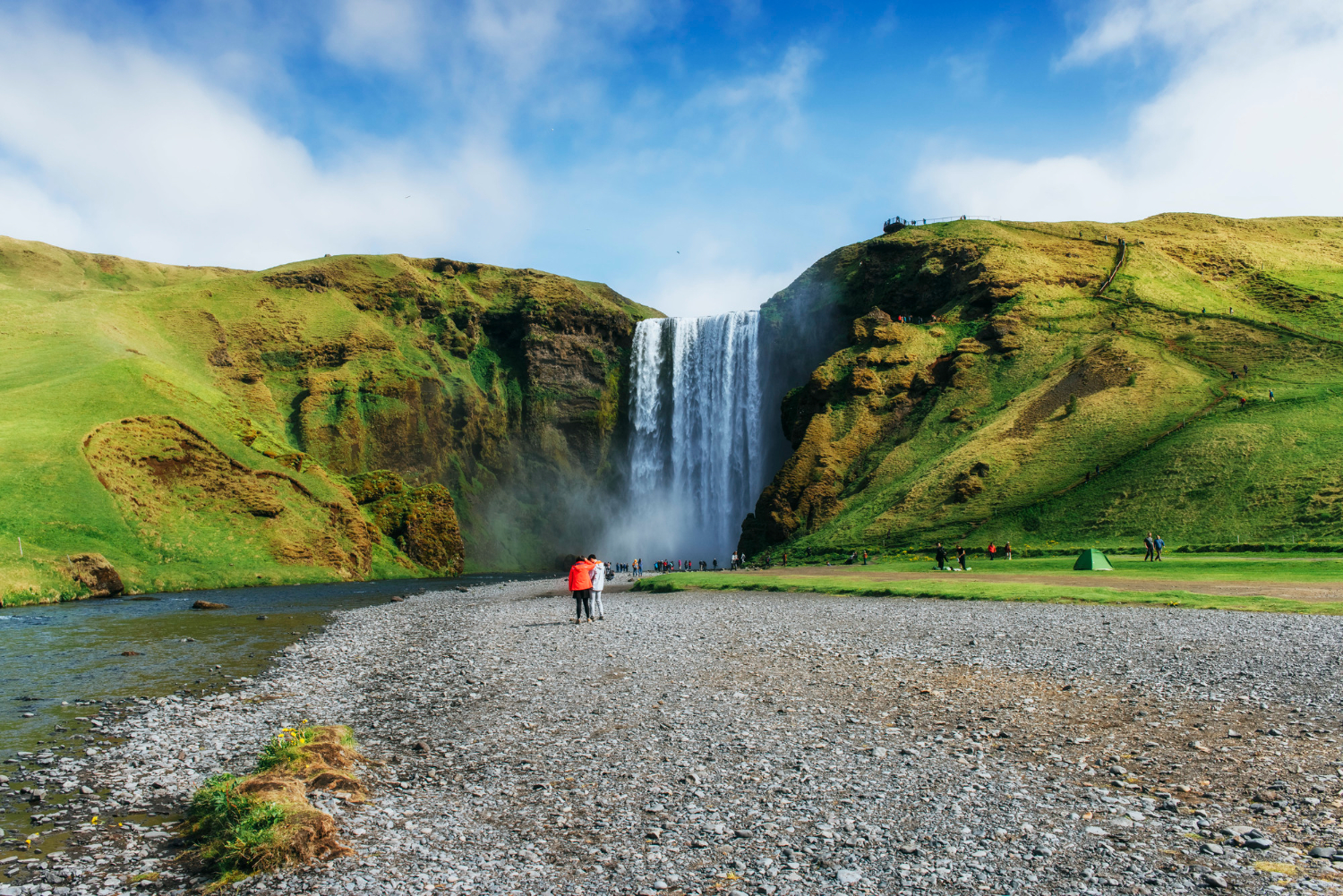
A decade ago, Iceland was the travel world’s runaway success story, and very nearly its cautionary tale. Visitors poured in to chase waterfalls, glaciers, and the Northern Lights, and the tiny island nation faced a question many beautiful places know all too well: how do you welcome the world without being trampled by it? Rather than let crowds overwhelm its fragile landscapes, Iceland made a deliberate choice to reshape its entire approach to tourism. The result is a country that now draws millions of visitors a year while protecting the very tranquillity that makes it special. Here’s how Iceland found that balance, what it did differently, and what other crowded destinations might learn from the land of fire and ice.
A note: figures below come from Iceland’s tourism authorities and recent reporting. Tourism numbers shift year to year, so treat specifics as a recent snapshot rather than fixed values. Here’s the story of a smart transformation.
From Niche to Phenomenon
Iceland’s rise as a destination was meteoric. Once a relatively under-the-radar stopover, the “land of fire and ice” became a bucket-list obsession, famous for its glaciers, geothermal hot springs, thundering waterfalls, volcanoes, and the elusive aurora. Thrill-seekers and nature lovers arrived in ever-growing numbers, and tourism rapidly became a cornerstone of the national economy. But explosive growth carries risks, especially for a small country with a population of under 400,000 people and landscapes that are as fragile as they are spectacular. Concentrated crowds can erode trails, strain infrastructure, and chip away at the sense of solitude that draws people to Iceland in the first place. The country faced a pivotal challenge: how to sustain the benefits of tourism without sacrificing the environment and the peace that are its greatest assets.
Like our content? Follow us for more.
The Key Move: Stretching the Calendar
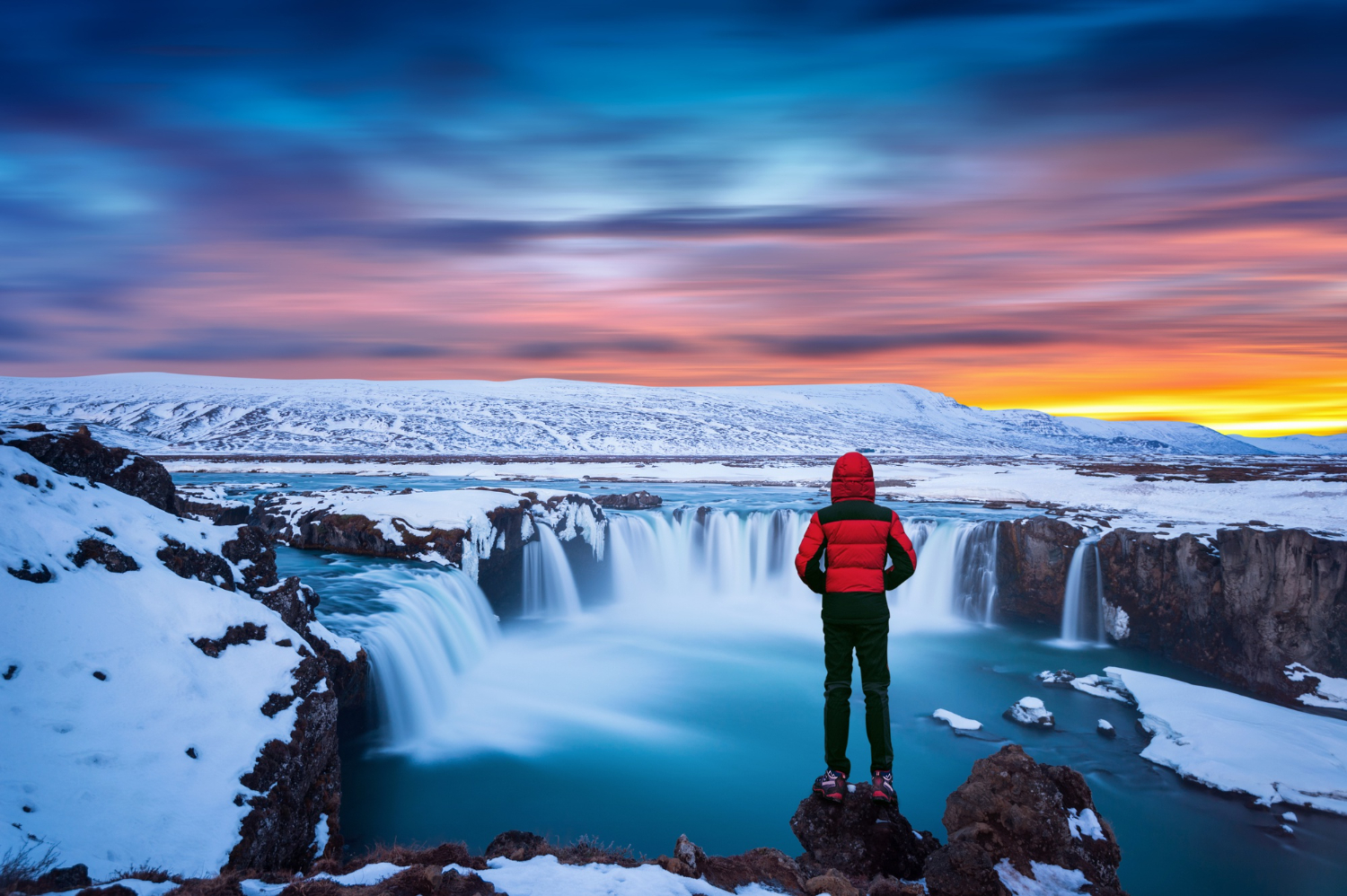
Iceland’s most important insight was about timing, not just numbers. For years, it had essentially been a three-month destination, with visitors crammed into the short summer season, leaving operators overwhelmed in peak months and idle the rest of the year. The transformation came from turning Iceland into a year-round destination. By promoting the distinct appeal of every season, summer’s midnight sun, autumn’s colors, winter’s Northern Lights and ice caves, and spring’s awakening, the country spread its visitors across the whole calendar. According to Iceland’s tourism leadership, a remarkable share of its growth came specifically in the off-season. That shift eased the unsustainable summer crush while keeping tourism businesses viable all year, a win for both the landscape and the local economy.
Stable Numbers, by Design
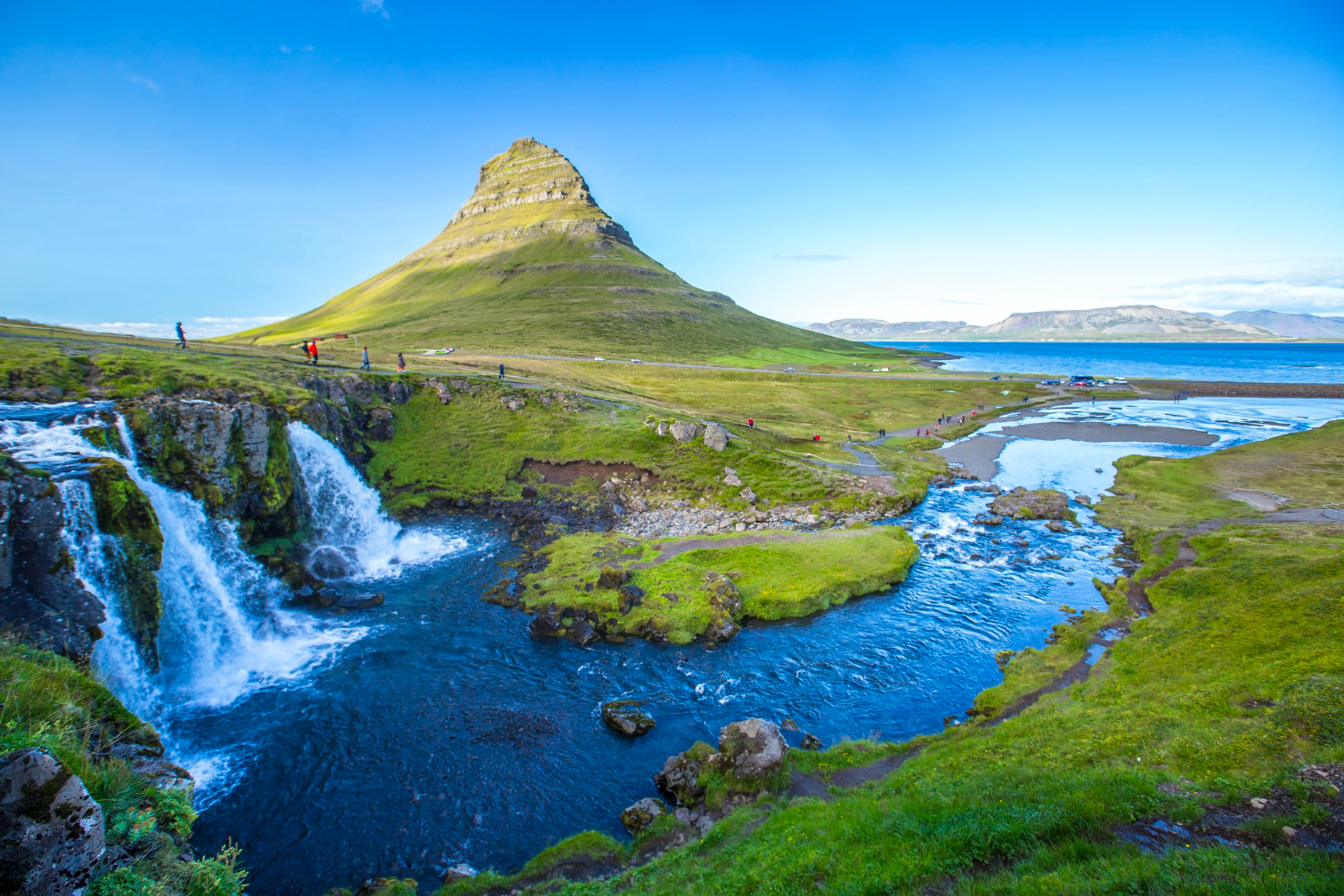
Crucially, Iceland’s strategy wasn’t about endlessly chasing more visitors. The head of Visit Iceland has noted that, since 2018, annual visitor numbers have stayed relatively stable, hovering between roughly 2.1 and 2.3 million people a year, aside from the pandemic disruption. In 2024, the country welcomed just under 2.3 million foreign visitors, nearly matching its pre-pandemic levels. This deliberate stability is itself a form of management: rather than pursuing unchecked growth that could overwhelm the country, Iceland has aimed to hold visitor numbers at a sustainable level while improving the quality and distribution of the experience. It’s a subtly radical idea in an industry often obsessed with year-over-year increases, prioritizing balance and longevity over sheer volume.
Spreading Visitors Beyond the Hotspots
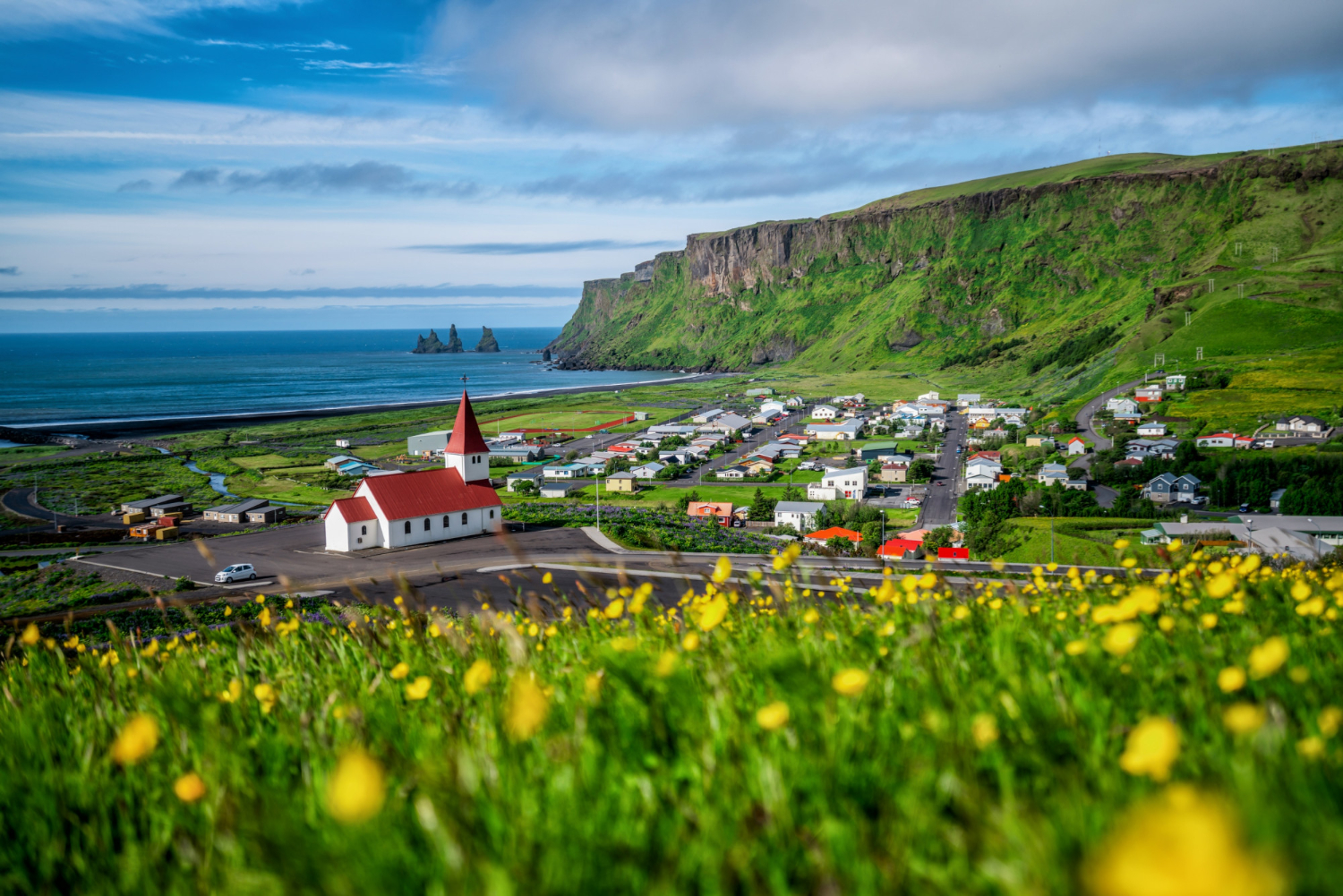
Timing was only half the equation; the other half was geography. Much of Iceland’s tourism had traditionally concentrated on a handful of famous sights near the capital, like the Golden Circle route, leaving those spots crowded while vast, beautiful regions saw few visitors. To ease the pressure, Iceland has worked to encourage travelers to explore beyond the usual routes, promoting lesser-known regions in the north, east, and west of the country. This redistribution accomplishes several goals at once: it relieves congestion at the most popular sites, helps preserve those fragile environments, and channels tourism income to smaller towns and rural communities that need it. For visitors, it also means a more authentic, less crowded experience, the chance to feel like you have Iceland’s astonishing nature to yourself, which is exactly what many travelers are seeking.
Longer Stays, Deeper Experiences
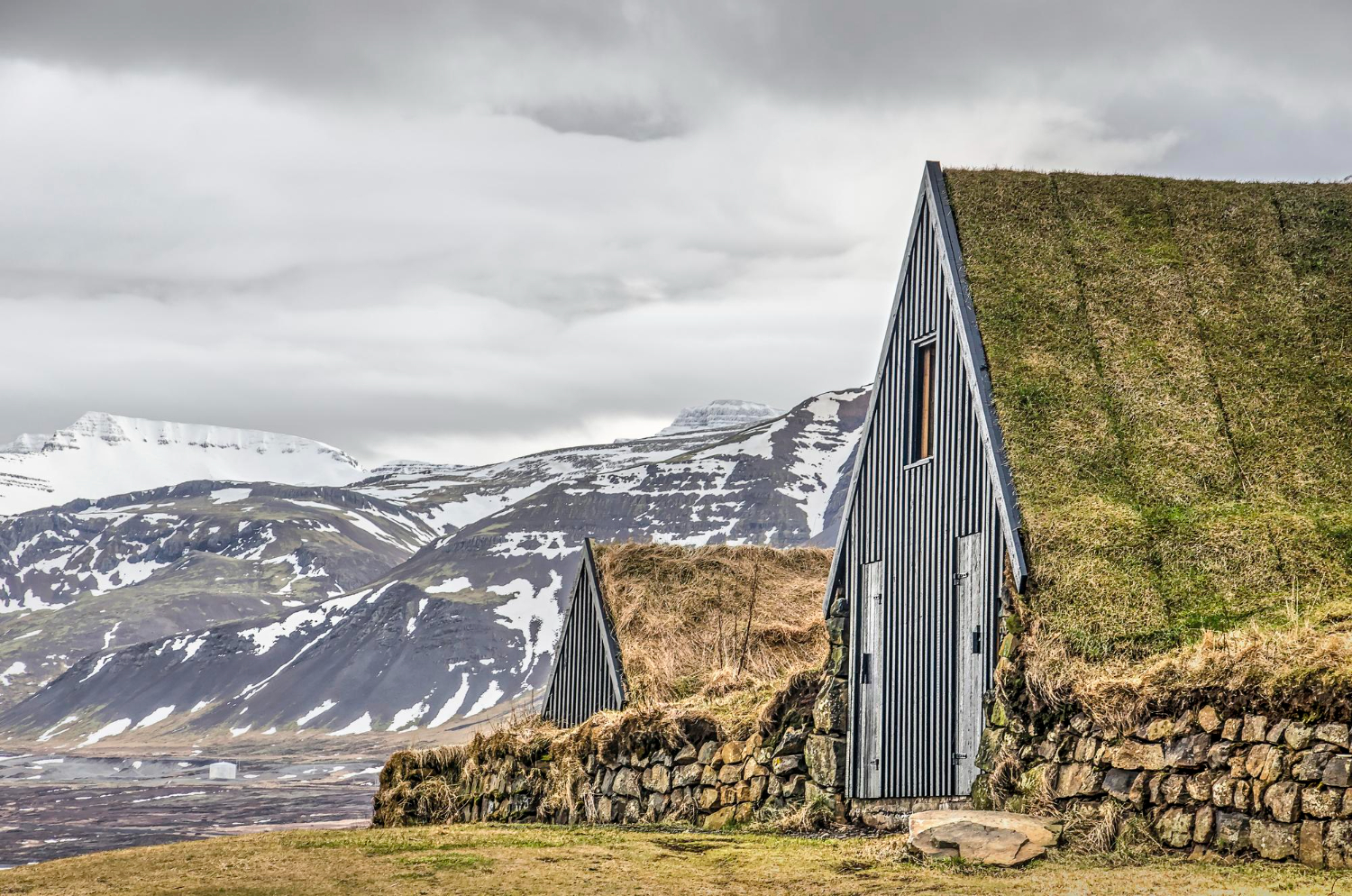
Another quiet success has been encouraging visitors to stay longer and engage more deeply. Reporting indicates the average length of stay has been rising, climbing from around 6.6 nights before the pandemic to roughly 7.4 nights more recently. Longer stays tend to be better for everyone: visitors get a richer, less rushed experience, and the economic benefits deepen as travelers venture further and spend more time in different parts of the country. It’s a shift away from the whirlwind, check-the-box visit toward something more immersive and relaxed. This aligns neatly with Iceland’s broader goal of being a place for genuine connection with nature, rather than a quick photo stop, and it reinforces the country’s image as a destination to savor slowly rather than rush through.
A Growing Focus on Food and Culture
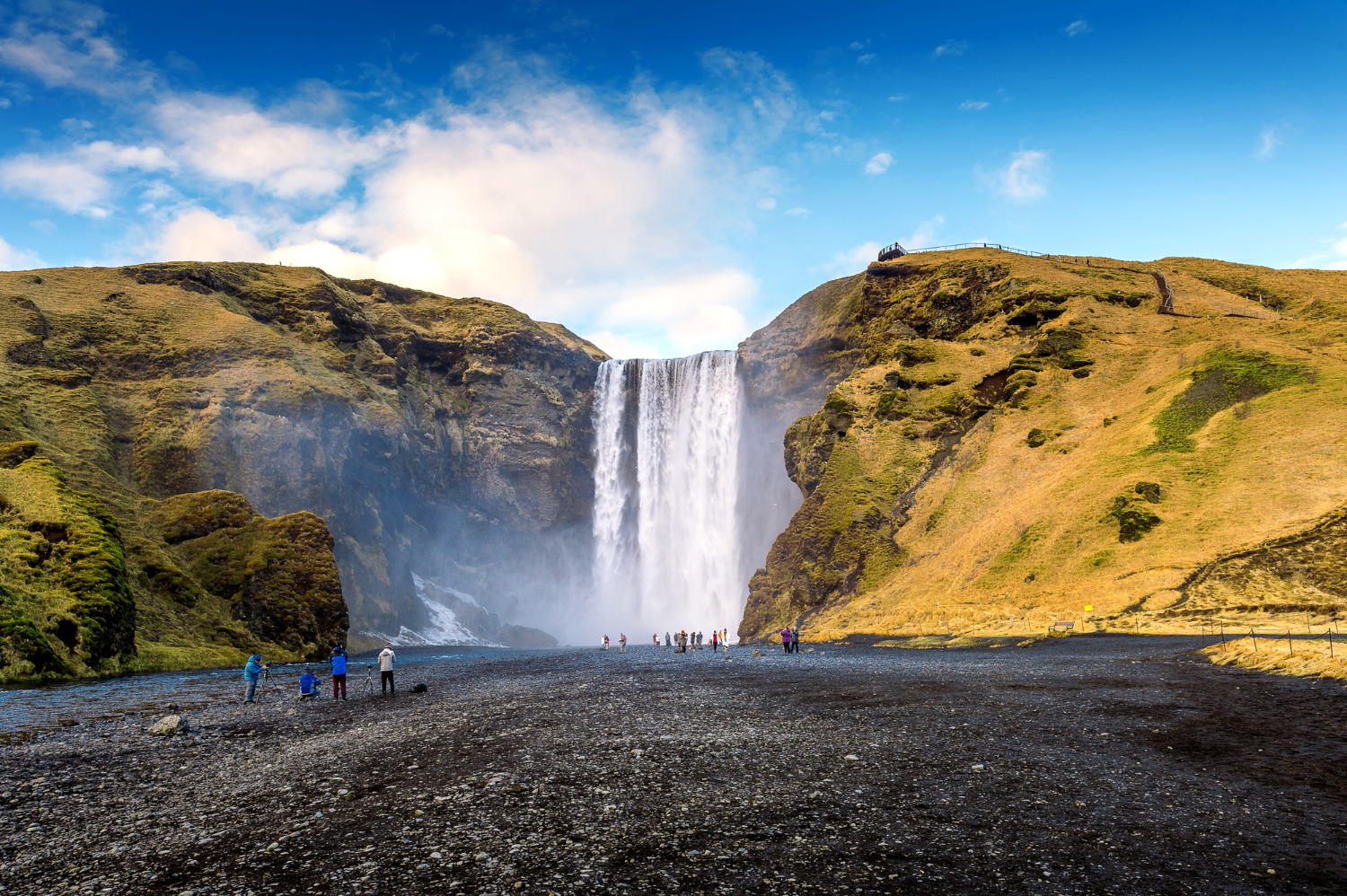
Iceland’s reinvention isn’t only about nature and logistics; it’s also about broadening what the country offers. Its tourism authorities have increasingly highlighted Iceland’s culinary scene as a key part of the experience, building on a heritage of fresh seafood, lamb, and sustainable farming. The country has earned a growing reputation for quality dining, including the arrival of celebrated, high-end restaurants. By developing food, culture, and other experiences alongside its natural attractions, Iceland gives visitors more reasons to come, more to do once they arrive, and more incentive to explore different regions and seasons. This diversification supports the year-round model and enriches the visitor experience, helping Iceland be seen as a multifaceted destination rather than simply a backdrop for landscape photos.
A Model for Sustainable Tourism
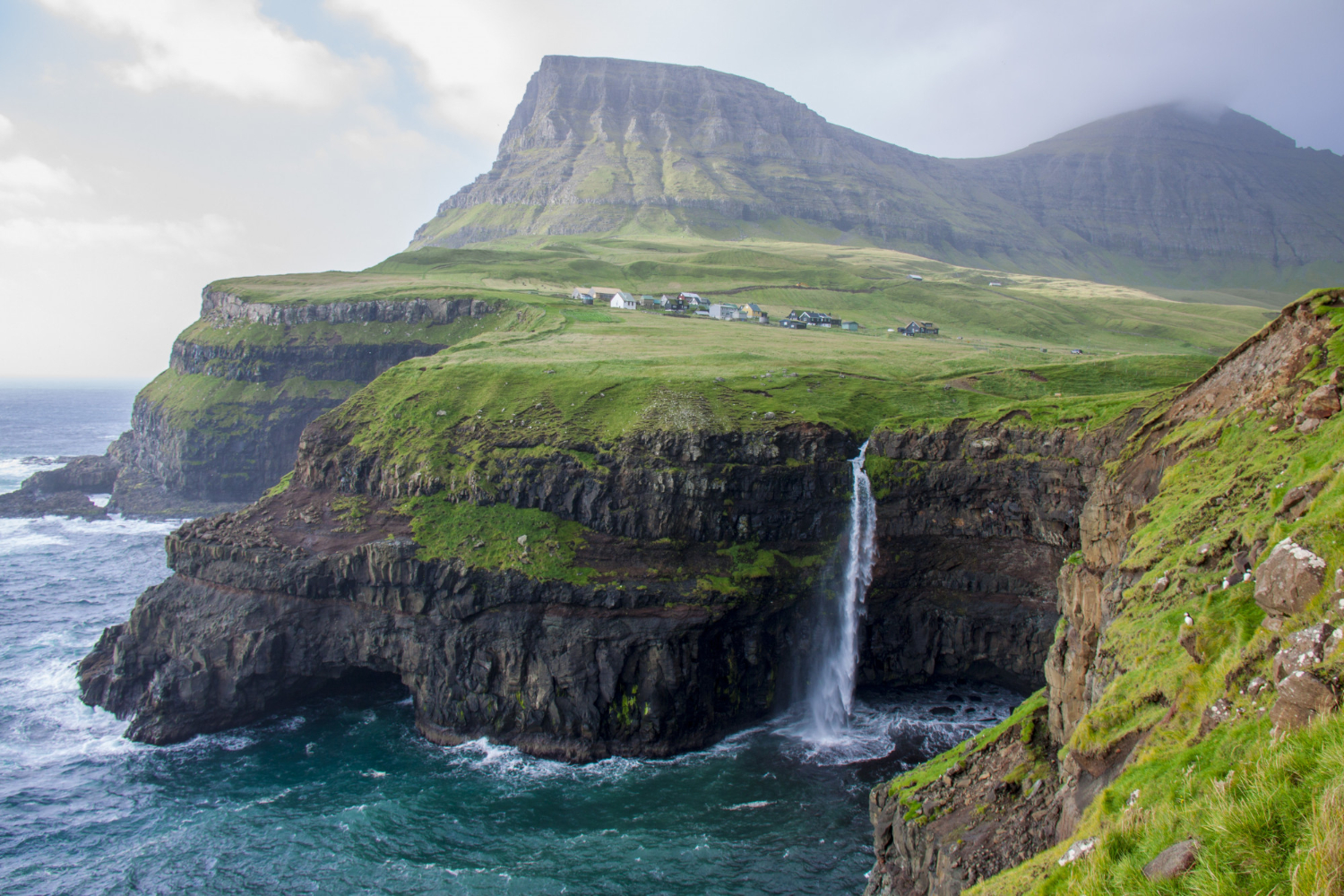
Taken together, Iceland’s approach has turned it into something of a case study for sustainable tourism worldwide. The combination of stabilizing visitor numbers, spreading them across all four seasons, distributing them across the whole country, encouraging longer stays, and broadening the experience adds up to a thoughtful, deliberate strategy, one explicitly aimed at protecting the environment and supporting communities while keeping tourism economically vital. It’s a notably different philosophy from the boom-and-bust, growth-at-all-costs model that has left some other beautiful destinations struggling with the downsides of overtourism. Iceland’s experience suggests that, with foresight and political will, a place can welcome the world and still safeguard the qualities that made it worth visiting in the first place.
Protecting Fragile Nature
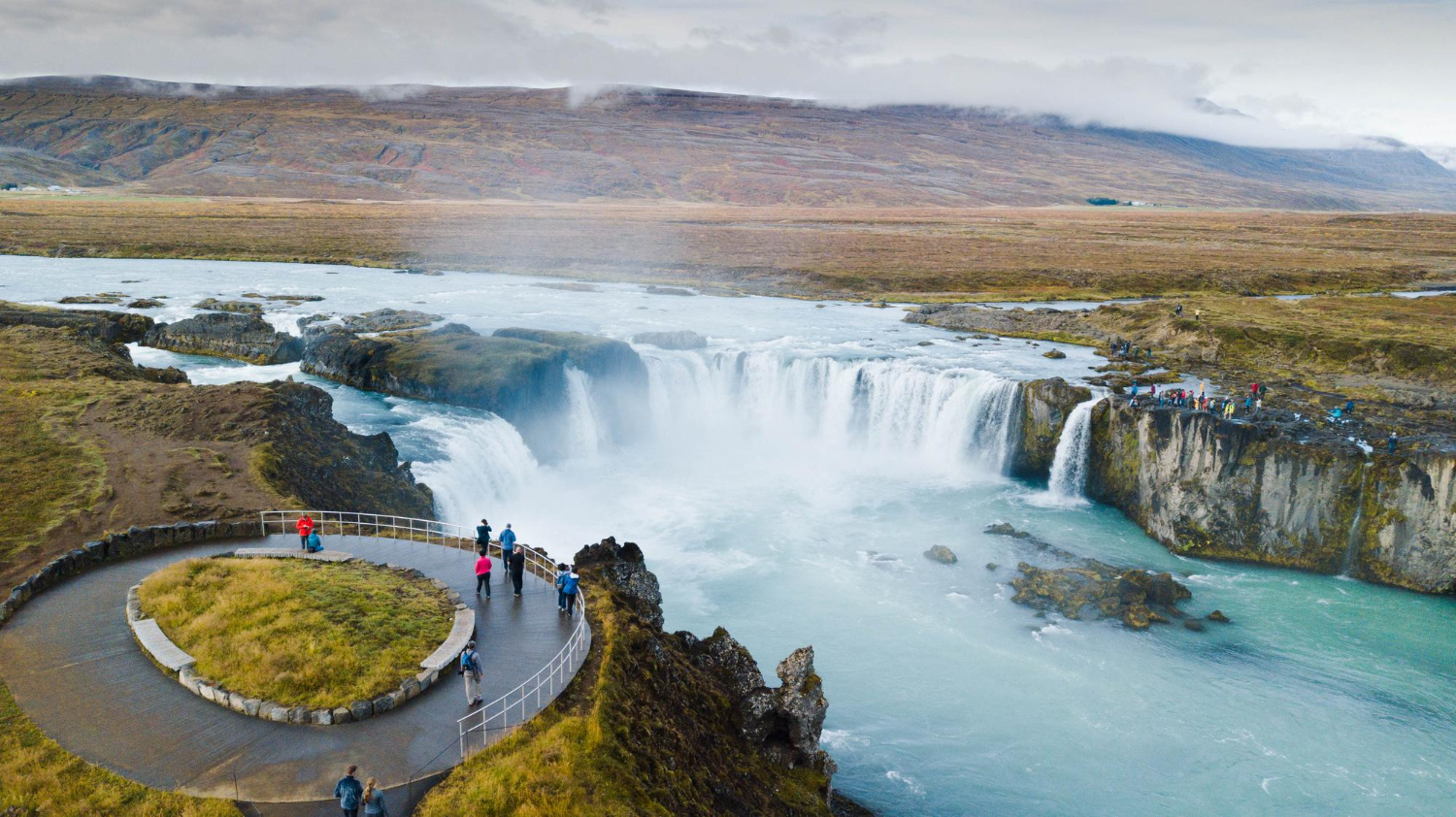
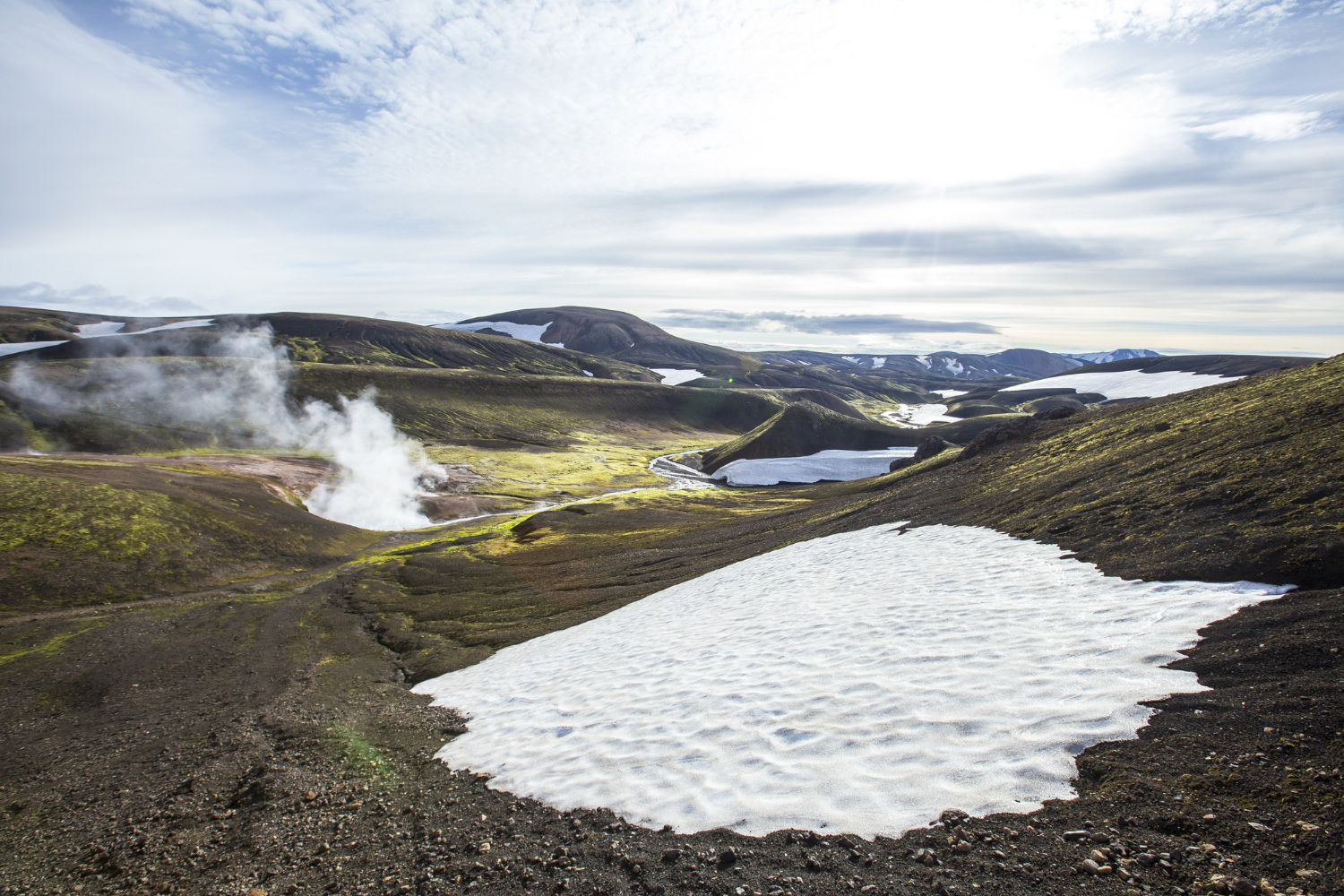
Underpinning all of it is a concern for Iceland’s environment, which is as delicate as it is dramatic. The island’s moss fields, geothermal areas, and volcanic landscapes can take decades or longer to recover from damage, and a single careless footstep off-trail can leave a scar visible for years. As visitor numbers grew, so did concerns about erosion, off-road driving, and pressure on sensitive sites. In response, Iceland has invested in infrastructure like boardwalks, marked paths, and improved facilities at popular destinations, alongside education campaigns urging visitors to tread lightly and respect the land. Spreading people across seasons and regions is itself a conservation tool, easing the concentrated wear that the busiest sites once endured. The goal throughout is to ensure that the nature drawing people to Iceland survives the very attention it attracts, intact for future generations.
Lessons for a Crowded World
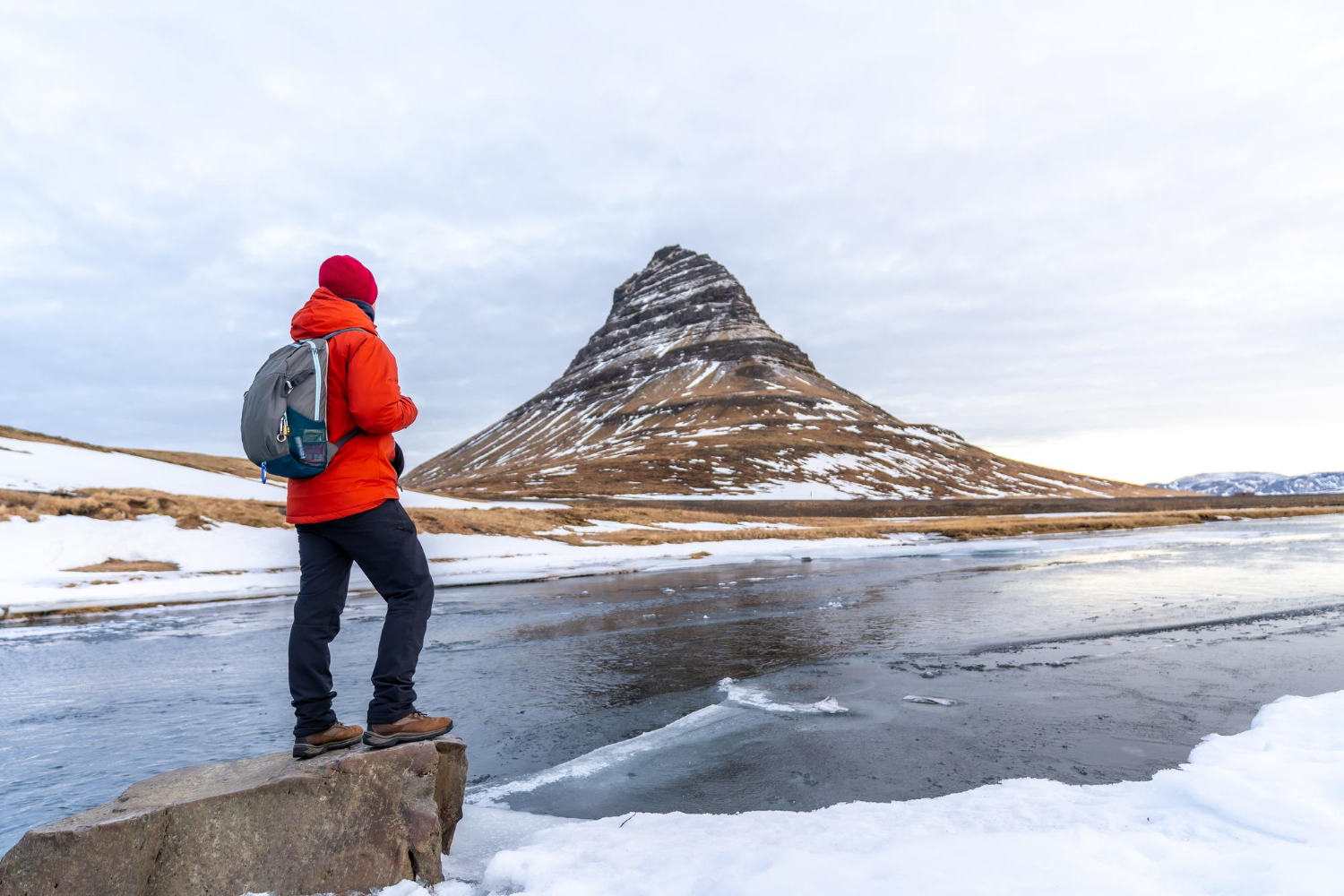
Iceland’s story arrives at a moment when overtourism has become a flashpoint from Venice to Barcelona, with some destinations imposing visitor caps, fees, and restrictions to cope with the crush. Against that backdrop, Iceland offers an instructive alternative: instead of simply limiting people, it focused on managing when, where, and how they visit. The lessons travel well. Encouraging off-season trips, steering visitors toward lesser-known regions, and promoting longer, deeper stays are strategies many places could adapt. None of it is a magic fix, and Iceland still navigates real pressures, from protecting delicate ecosystems to managing growth, but its example shows that smart planning can ease the tension between welcoming visitors and preserving a place’s soul.
The Takeaway for Travelers
For travelers, Iceland’s transformation carries a simple, appealing message: there’s never really a bad time to visit, and the best experiences may lie beyond the obvious. Consider going in the shoulder or off-season, when crowds thin and the landscapes take on a different kind of beauty. Venture past the famous circuit near the capital to discover the quieter fjords, valleys, and villages elsewhere on the island. Take your time, lingering longer and connecting more deeply with the nature and culture. In doing so, you’ll not only enjoy a richer, more peaceful trip, but also become part of the sustainable model that keeps Iceland magical. It’s proof that the most rewarding way to travel and the most responsible way can be one and the same. Iceland didn’t get there by accident, but by choosing, year after year, to value the long-term health of its land and communities over the short-term rush of ever-bigger crowds.
Like our content? Follow us for more.