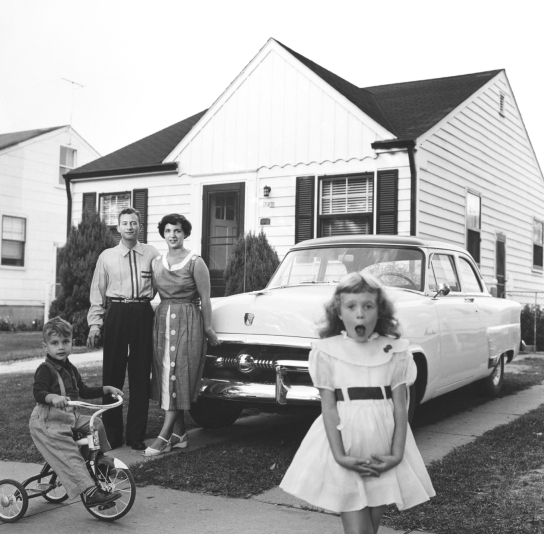
Childhood looked very different a few generations ago. Kids who grew up in the postwar decades enjoyed a level of freedom and exposure to everyday risk that would make many of today’s parents gasp. There were no bike helmets, no car seats, no constant supervision, and no smartphones tracking anyone’s location. Children roamed their neighborhoods, took their lumps, and figured things out on their own. Looking back, much of it seems wildly unsafe by modern standards, yet it was simply normal at the time. Here’s a nostalgic, slightly jaw-dropping look at the things boomers routinely did as kids that would be considered unthinkable, or at least eyebrow-raising, today. How many of these did you get away with?
Riding in Cars With No Seatbelts
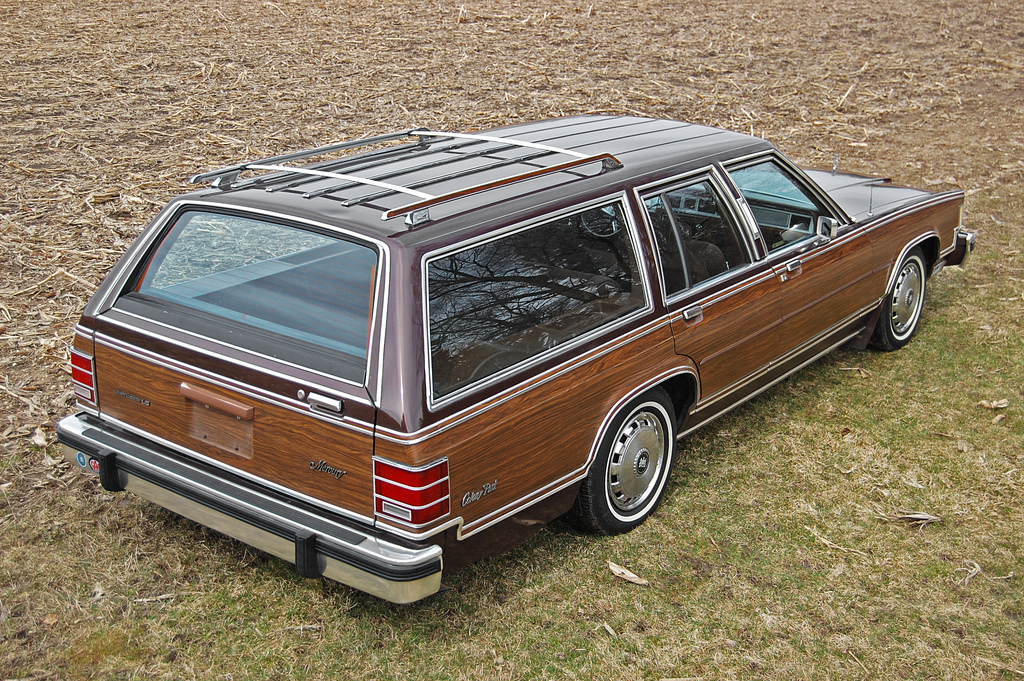
Before seatbelt laws and car seats, kids simply piled into the car however they liked. Children bounced around the back seat unbuckled, stood up to peer over the front, sprawled in the rear cargo area of the station wagon, or even rode in the open bed of a pickup truck down the highway. Babies were often held in a parent’s arms rather than strapped into any safety seat. The idea of securing every child in an approved, age-appropriate restraint simply wasn’t part of the culture. Today, with strict car-seat and seatbelt laws and a deep awareness of crash safety, the casual, buckle-free car rides of the past seem genuinely alarming, but back then, that was just how families got around.
Like our content? Follow us for more.
Drinking From the Garden Hose

On a hot summer day, a boomer kid didn’t go inside for a bottle of water, they grabbed the garden hose, gave it a moment to run, and drank straight from it. Slurping warm, rubbery-tasting water from the hose was a universal childhood experience, and nobody gave a second thought to where the water had been sitting or what the hose was made of. The same went for sharing drinks and generally not fussing over hydration or hygiene. Today, with widespread concern about water quality and what materials hoses contain, the casual hose-drinking of past summers would raise eyebrows. But for generations of kids, it was simply the quickest way to quench a thirst mid-play.
Disappearing Until the Streetlights Came On

Perhaps the defining feature of a boomer childhood was sheer unsupervised freedom. Kids would leave the house in the morning, roam the neighborhood, woods, and streets all day with friends, and only be expected home when the streetlights flickered on at dusk. Parents often had no idea exactly where their children were for hours at a time, and there were no cell phones to check in. This vast, trusting independence, exploring far from home with no adult oversight, shaped a generation. In today’s era of carefully scheduled playdates, constant communication, and close supervision, the notion of young children vanishing for an entire day with no way to be reached seems almost unthinkable.
Riding Bikes Without Helmets
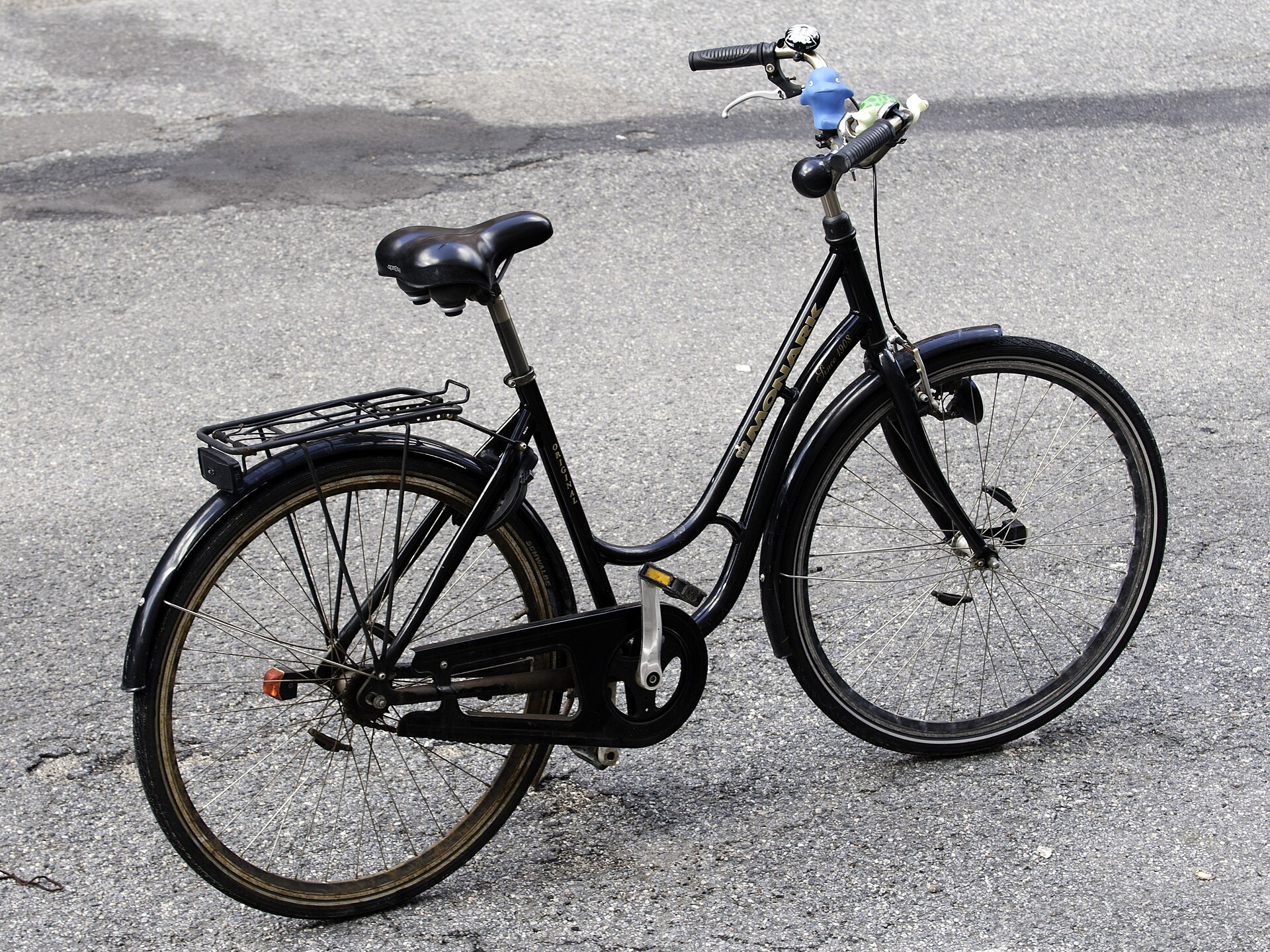
For boomer kids, bicycles meant freedom, and helmets simply weren’t part of the equation. Children pedaled all over town, raced down steep hills, popped wheelies, built makeshift ramps, and rode for miles, all with nothing protecting their heads but a head of hair. Knee pads and other protective gear were equally unheard of. Scrapes, bruises, and the occasional more serious tumble were just accepted parts of childhood. Today, with bike helmets strongly encouraged or legally required for kids in many places, and a much sharper awareness of head-injury risks, the sight of children barreling around helmetless on their bikes the way boomers did would strike many modern parents as needlessly dangerous.
Baking in the Sun With No Sunscreen
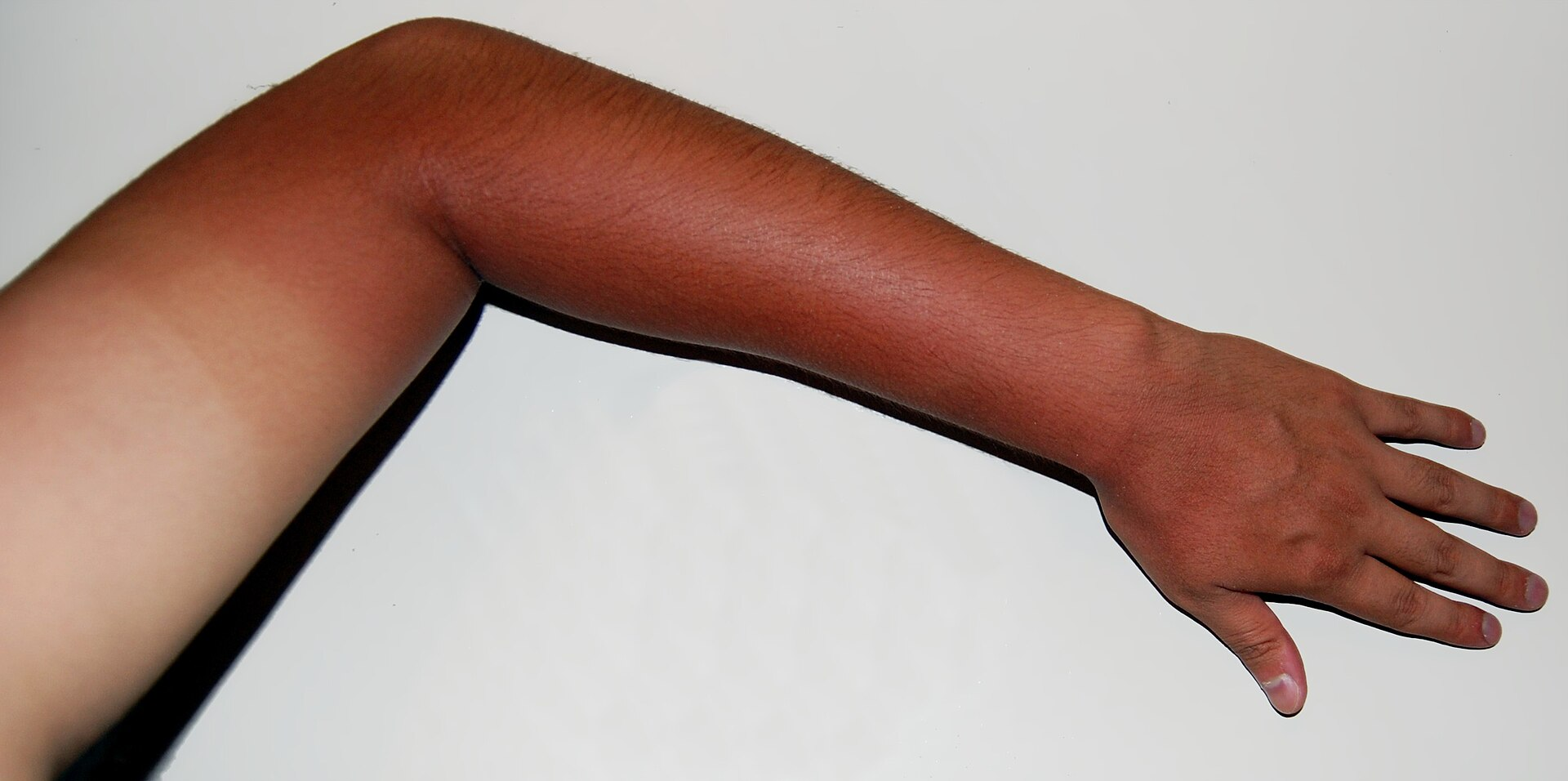
Sun protection was an afterthought, if it was a thought at all. Boomer kids spent entire summers outdoors with little or no sunscreen, often slathering on tanning oil or baby oil to deliberately deepen a tan rather than block the sun. Sunburns were shrugged off as a normal part of summer, and the long-term risks of sun exposure were far less understood or heeded. Hats and protective clothing for play were uncommon. Compared to today’s diligent culture of high-SPF sunscreen, protective clothing, and shade-seeking, the cavalier sun habits of past childhoods, actively trying to bake in the rays, would alarm modern parents who carefully shield their kids from overexposure.
Playing With Genuinely Dangerous Toys
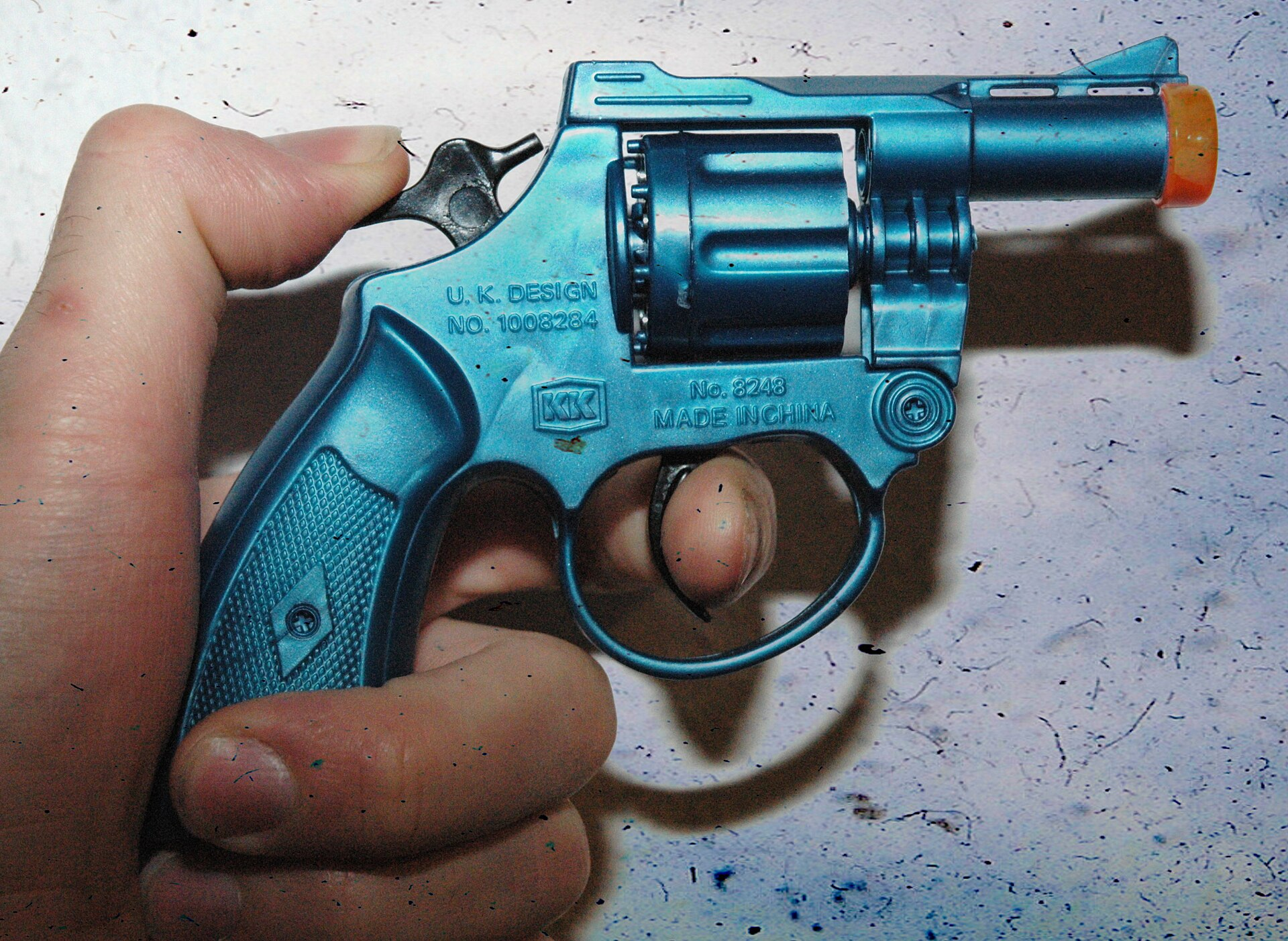
The toys of a boomer childhood could be startlingly hazardous by today’s standards. Kids played with metal lawn darts with sharp points that could cause real injury, BB guns and cap guns, chemistry sets containing genuinely risky substances, and toys with small parts, sharp edges, or toxic materials that would never pass modern safety regulations. Fireworks were often handled with minimal supervision. The prevailing attitude was that a few scrapes, or worse, were simply part of growing up. Today, with rigorous toy-safety standards, recalls, and a strong emphasis on childproofing, many of the playthings boomers enjoyed without a second thought have been banned or drastically redesigned, making them relics of a riskier era of play.
Walking and Biking Far From Home Alone
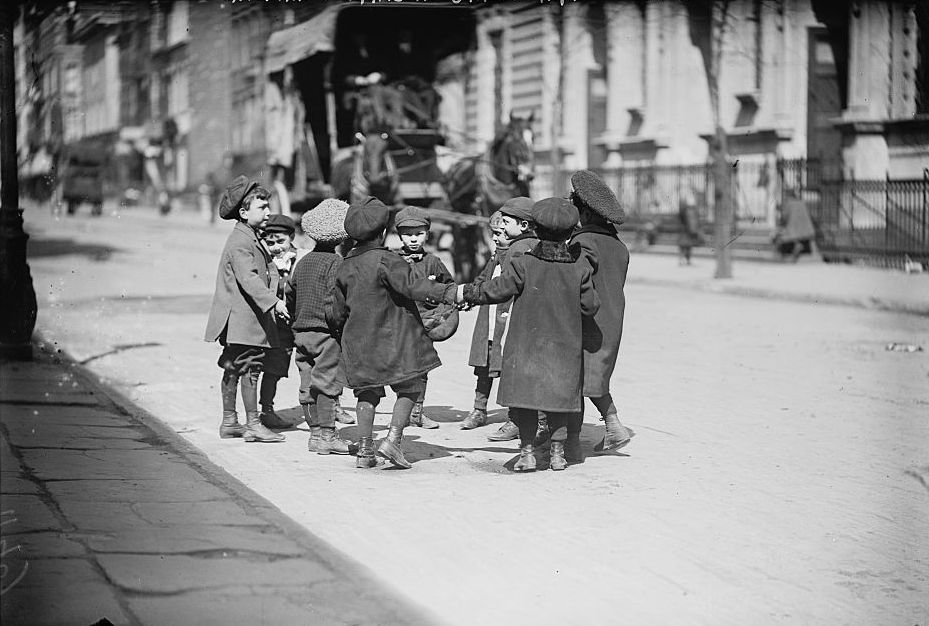
Independence extended to getting around entirely on their own. Boomer children routinely walked or biked to school, to friends’ houses, to the store, and around town by themselves from a surprisingly young age, often covering significant distances with no adult accompaniment. Sending a young child off alone to run errands or travel across the neighborhood was completely ordinary. There was a broad cultural trust that kids could handle themselves out in the world. In today’s climate of heightened caution about child safety, where unsupervised young children traveling alone can even draw concern or intervention, the routine solo journeys of past childhoods seem remarkably bold by comparison.
Rough-and-Tumble Playgrounds
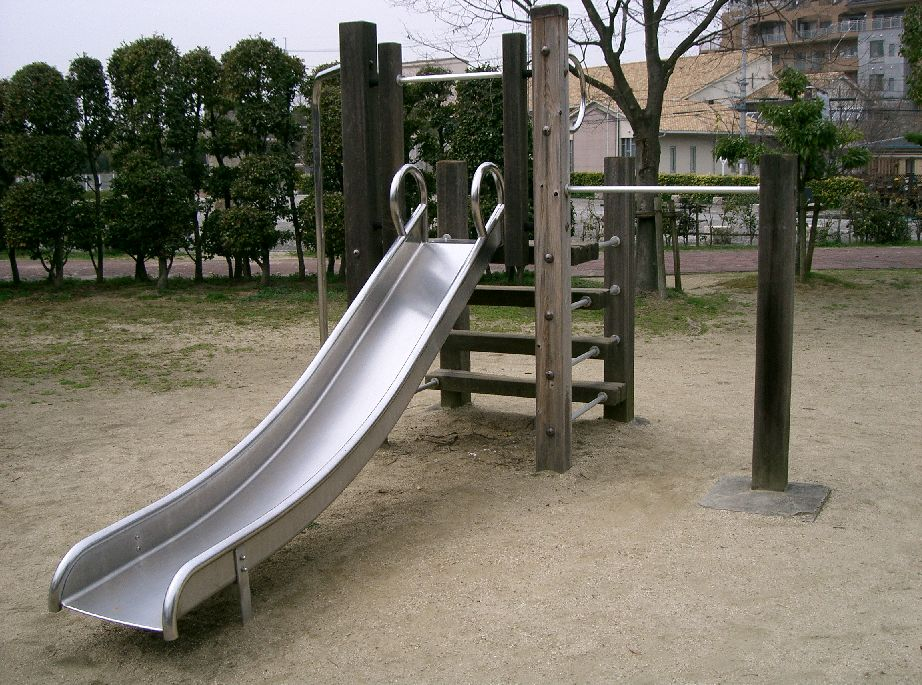
The playgrounds of the era were a far cry from today’s padded, safety-engineered play spaces. Boomer kids climbed tall metal jungle gyms, rode fast merry-go-rounds, and soared on high swings, all set over hard surfaces like asphalt, concrete, or packed dirt rather than today’s soft rubber or wood-chip padding. Equipment got scorching hot in the sun, and falls onto unforgiving ground were common. Splinters, scrapes, and spills were routine. Modern playgrounds, by contrast, are carefully designed with cushioned surfaces, lower heights, and rounded edges to minimize injury. The towering metal contraptions over hard ground that an earlier generation played on freely would never meet today’s stringent safety standards.
Being Latchkey Kids
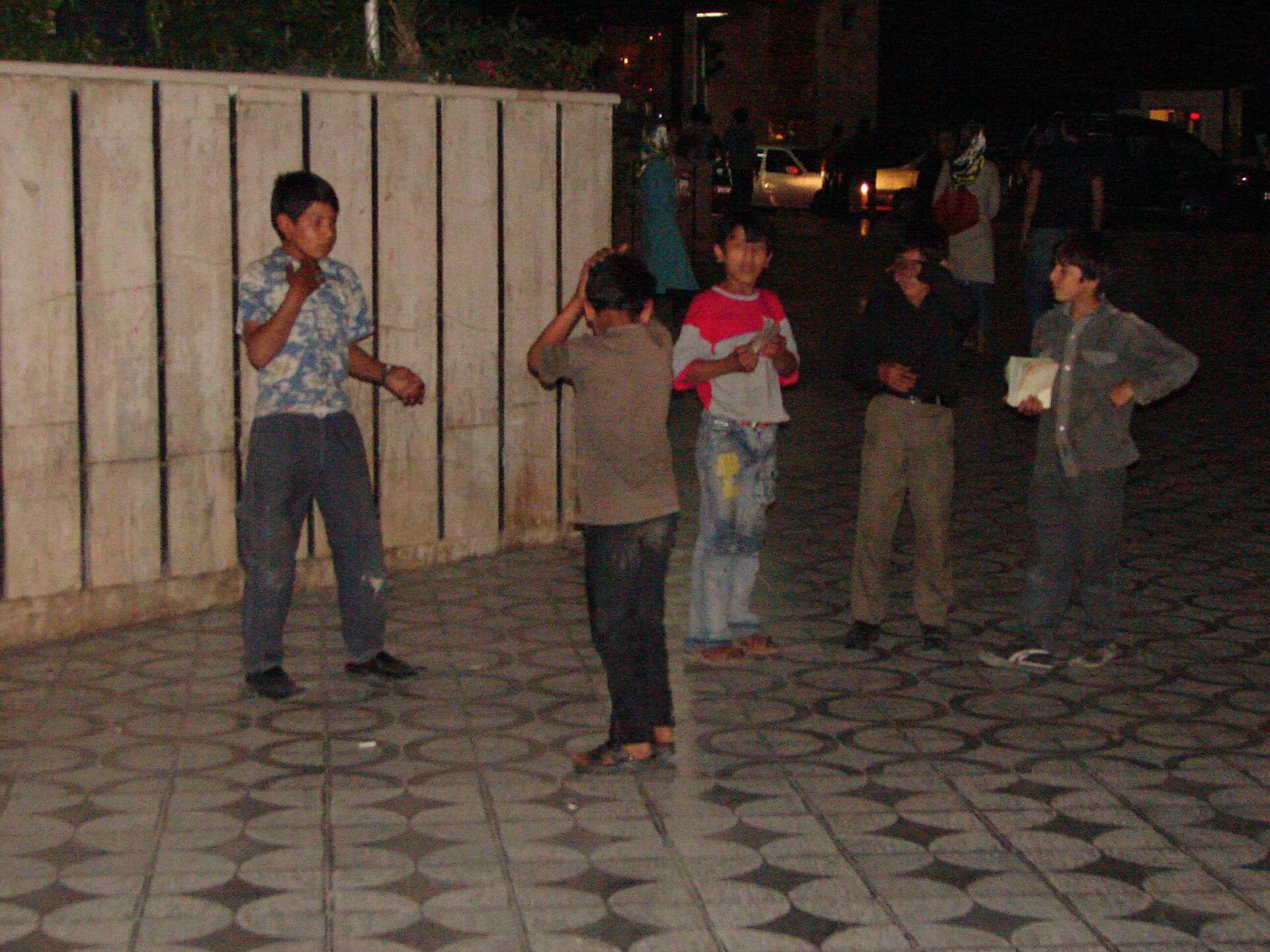
It was completely normal for boomer children to come home from school to an empty house, let themselves in, and look after themselves for hours until a parent returned from work. These “latchkey kids” made their own snacks, did their homework, and stayed home alone, sometimes also watching younger siblings, from a young age. It reflected both the practical realities of working families and a broader trust in children’s independence. Today, with differing norms and in some places even legal guidelines about the age at which children can be left alone, the routine expectation that fairly young kids would manage entirely on their own after school strikes many as surprising, though plenty of adults recall it fondly.
A Different Era of Childhood
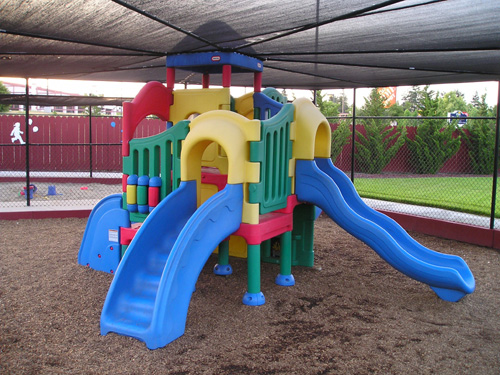
Looking back at how boomers grew up reveals a profoundly different philosophy of childhood, one built on independence, resilience, and a far higher tolerance for everyday risk. None of it was reckless by the standards of the time; it was simply normal, reflecting an era with less awareness of certain dangers and a stronger cultural emphasis on letting kids roam, explore, and toughen up on their own. Today’s far more safety-conscious, supervised approach to raising children has clear benefits, but many who grew up in the earlier era remember their free-range childhoods with deep fondness. It’s a reminder of how much our ideas about safety, parenting, and childhood itself have transformed in just a few decades.
Like our content? Follow us for more.