There are places you visit, and there are places that rearrange your sense of what human beings are capable of building. Italy’s Renaissance landmarks belong firmly in the second category. Born in the prosperous city-states of the 14th and 15th centuries, the Renaissance was a deliberate rediscovery of classical art and learning, fueled by wealthy patrons, brilliant architects, and artists whose names still echo five centuries later. The buildings and artworks they left behind are not just beautiful. They are turning points in the history of how we see the world.
You do not need to be an art historian to feel it. Standing beneath a soaring dome that was, in its day, the largest in the world, or in front of a fresco that has drawn pilgrims for centuries, the achievement speaks for itself. Here are the Renaissance masterpieces in Italy that reward the journey, along with what makes each one worth seeing in person rather than in a textbook.
Florence’s Duomo and Brunelleschi’s Impossible Dome
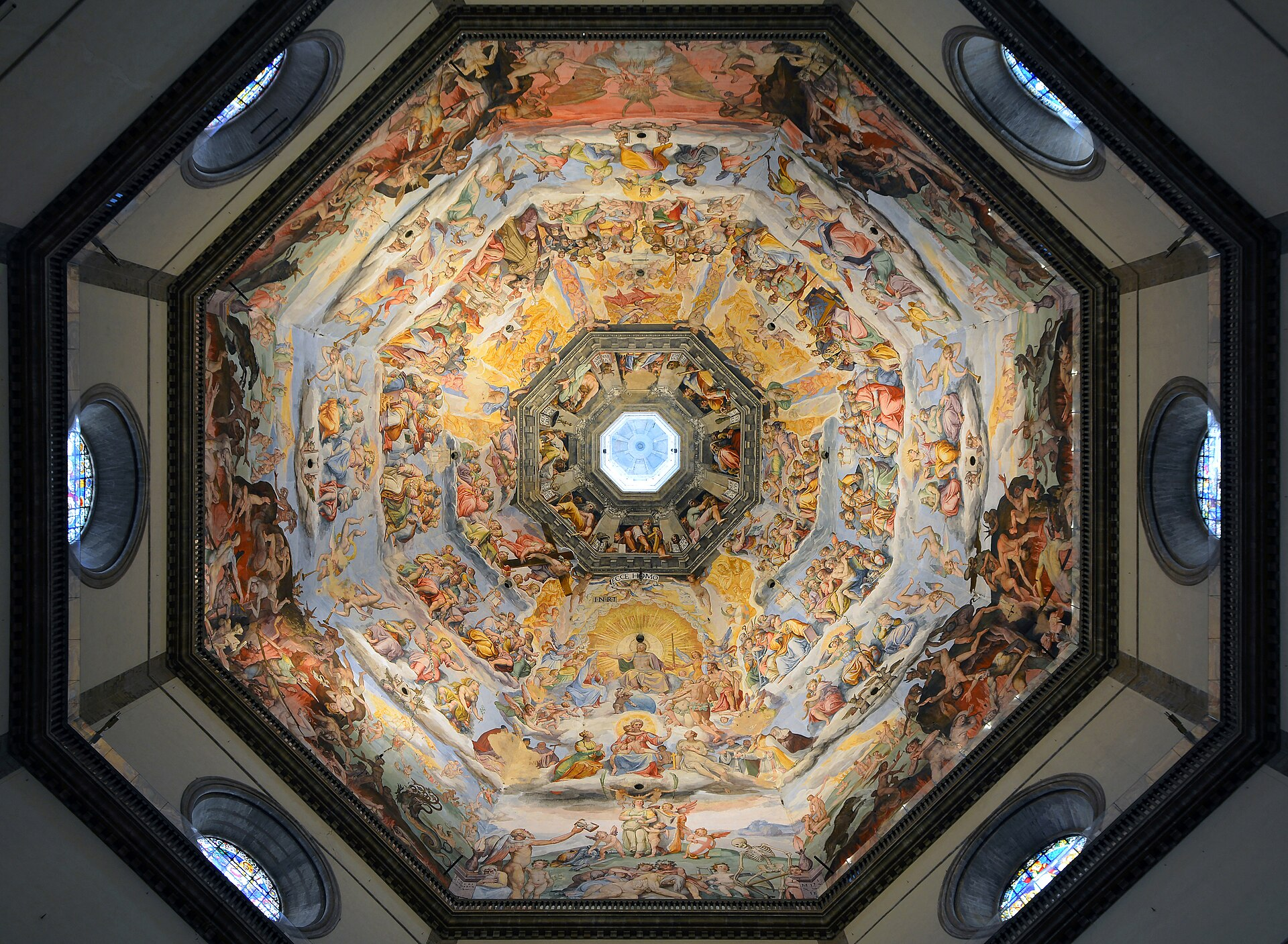
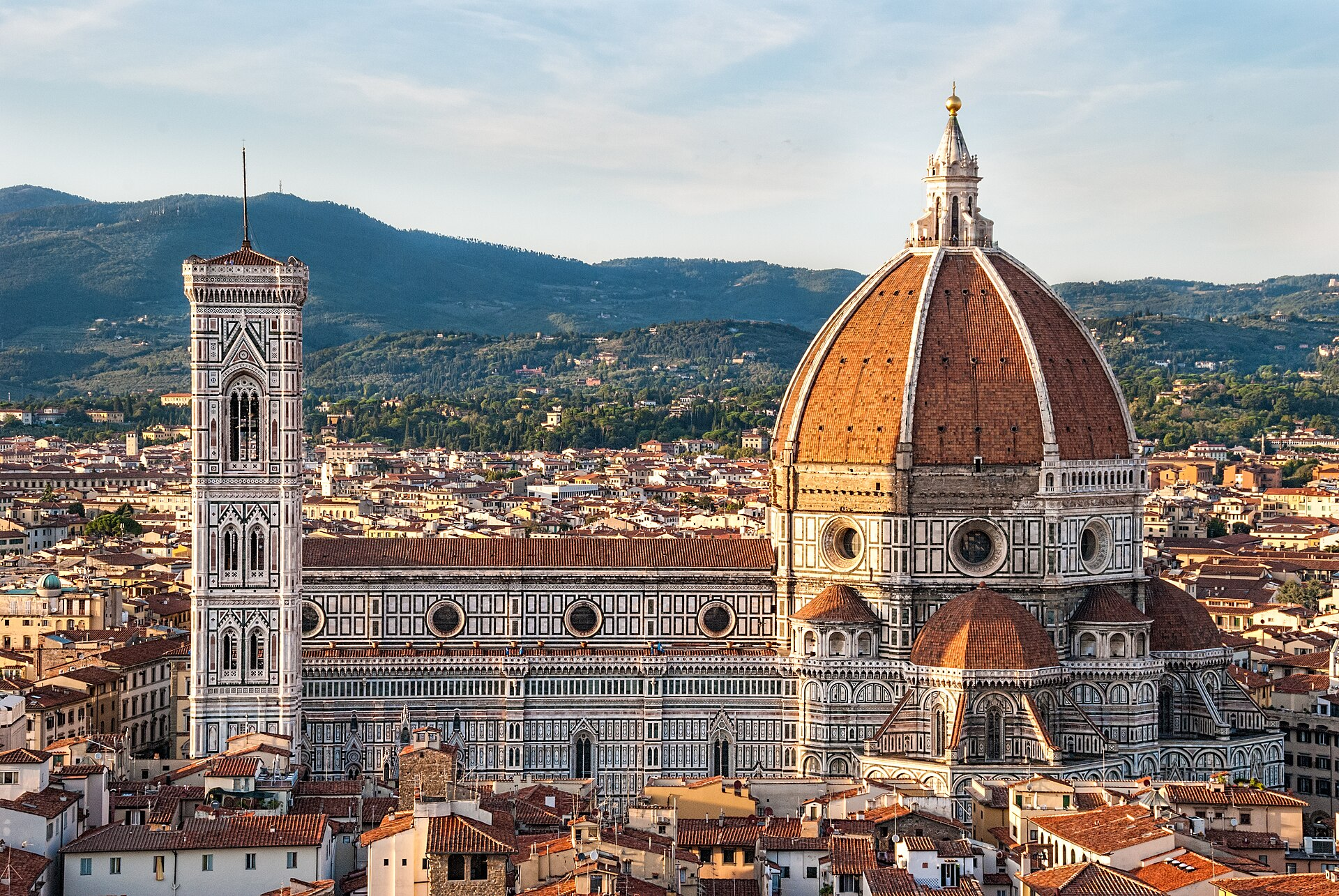
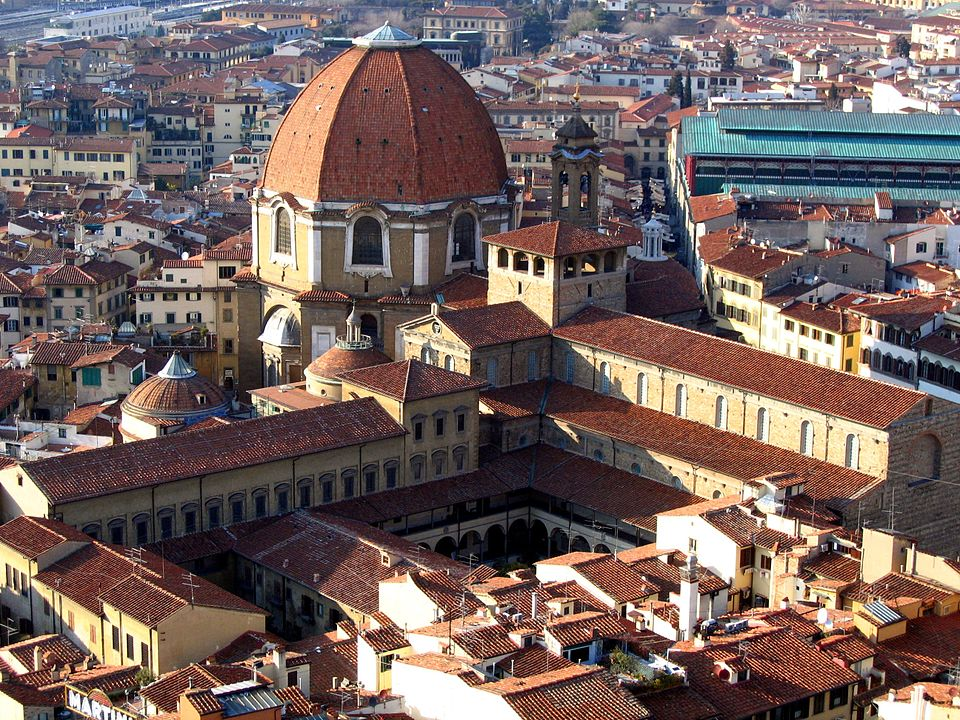
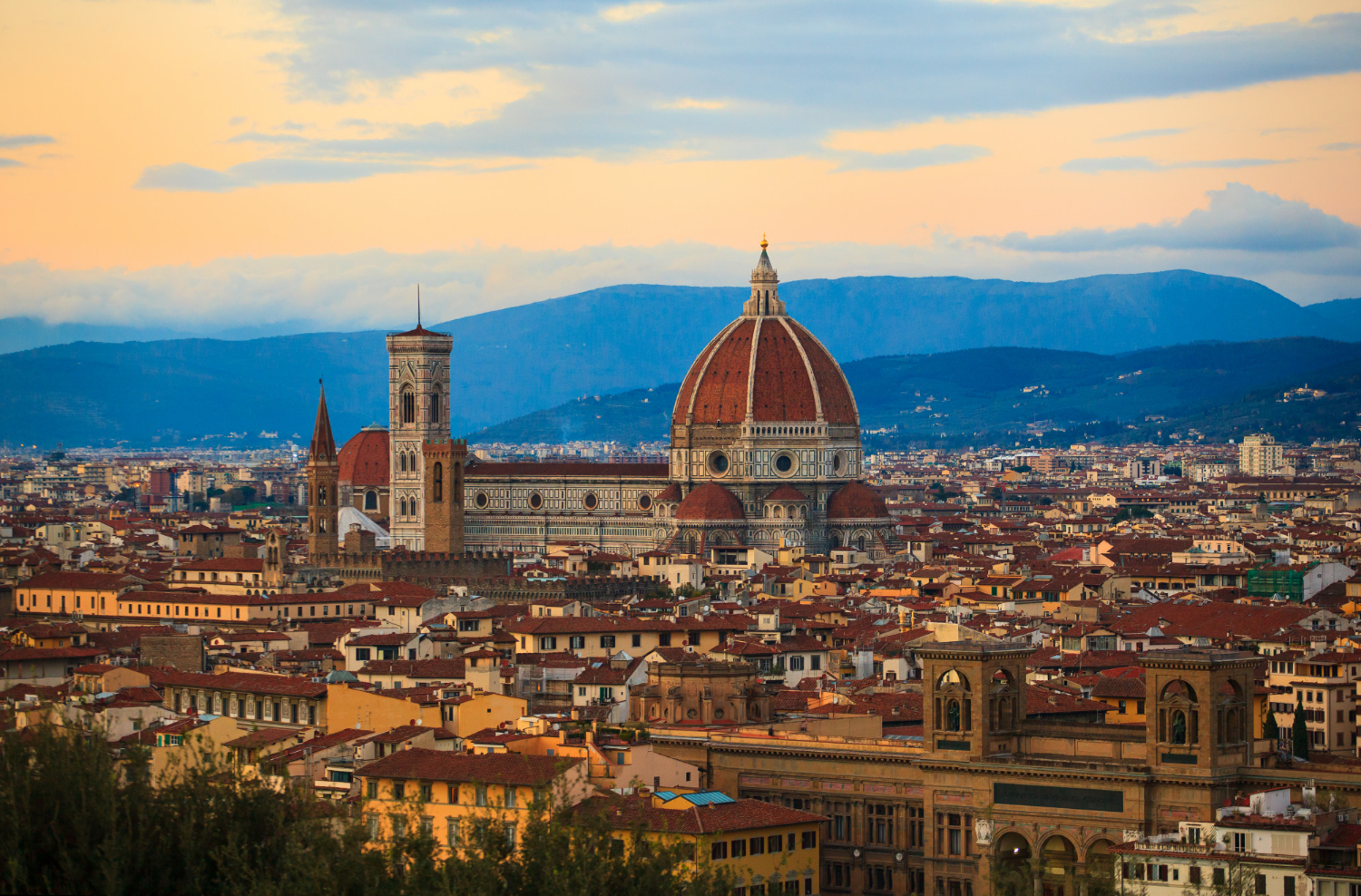
If the Renaissance has a single birthplace, it is Florence, and if Florence has a single symbol, it is the dome of its cathedral. When Filippo Brunelleschi won the commission to crown the Cathedral of Santa Maria del Fiore in the early 15th century, no one knew how to build a dome that wide without it collapsing under its own weight. His solution, a double-shell structure raised without traditional wooden centering, was so ingenious that engineers still study it today.
Climbing the hundreds of steps between the inner and outer shells to reach the lantern at the top is one of travel’s great rewards, offering a view across the terracotta rooftops of the city that produced more art per square mile than perhaps anywhere on earth. Even from the piazza below, the dome’s scale and elegance make clear why it announced a new age.
Like our content? Follow us for more.
The Uffizi Gallery: A Treasury of Renaissance Painting
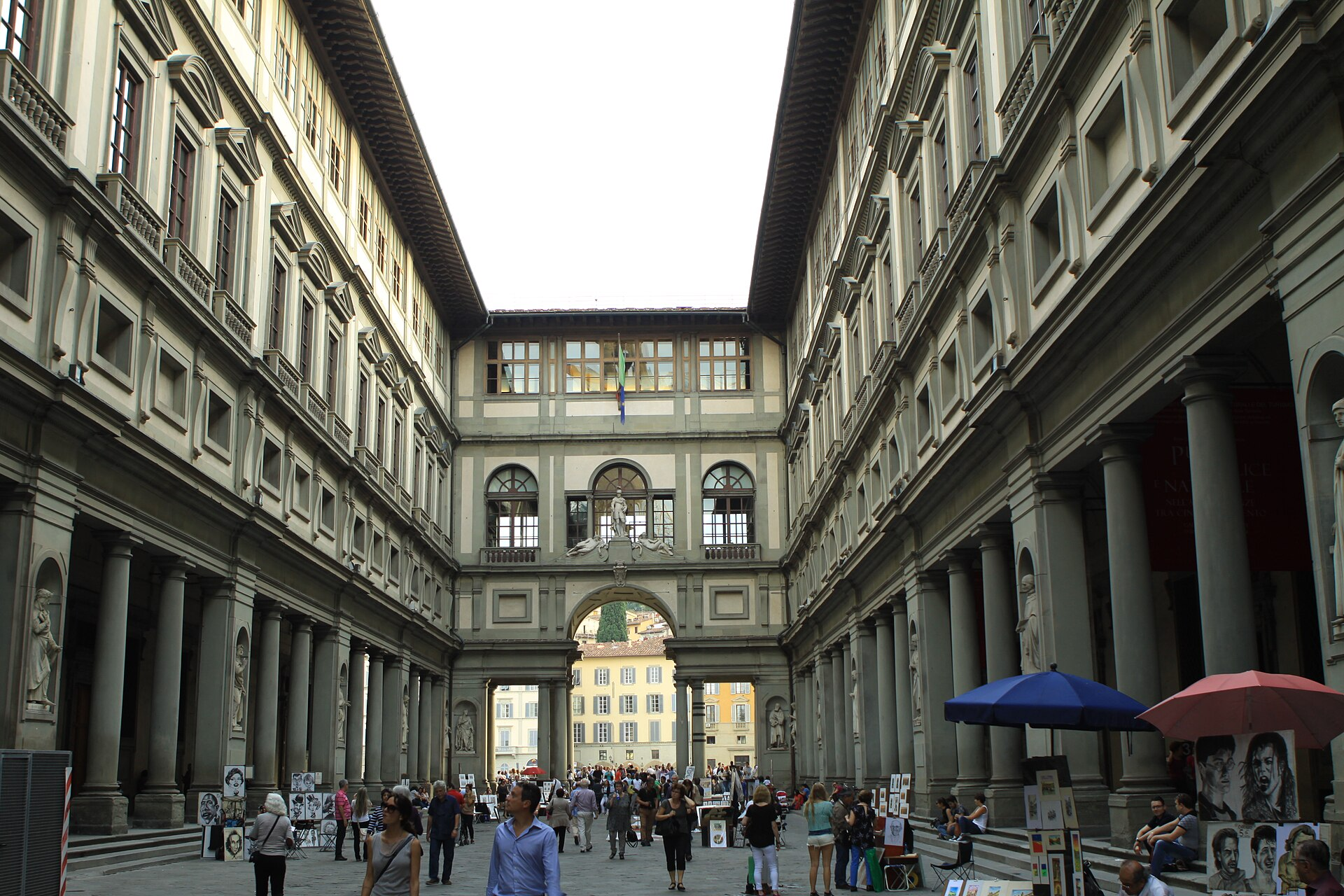
A short walk from the cathedral, the Uffizi Gallery holds one of the greatest concentrations of Renaissance painting in existence. Built originally as administrative offices for the powerful Medici family, who bankrolled much of Florentine art, the building was eventually filled with the masterpieces they and their successors collected.
Inside hang works that define the era: Botticelli’s mythological scenes, paintings by Leonardo da Vinci, Michelangelo, Raphael, and Titian, room after room of the artists who set the course of Western art. The crowds are real, and booking ahead is essential, but the experience of standing before paintings you have seen reproduced your whole life, now glowing in their original color and scale, is hard to match anywhere.
Michelangelo’s David and the Accademia
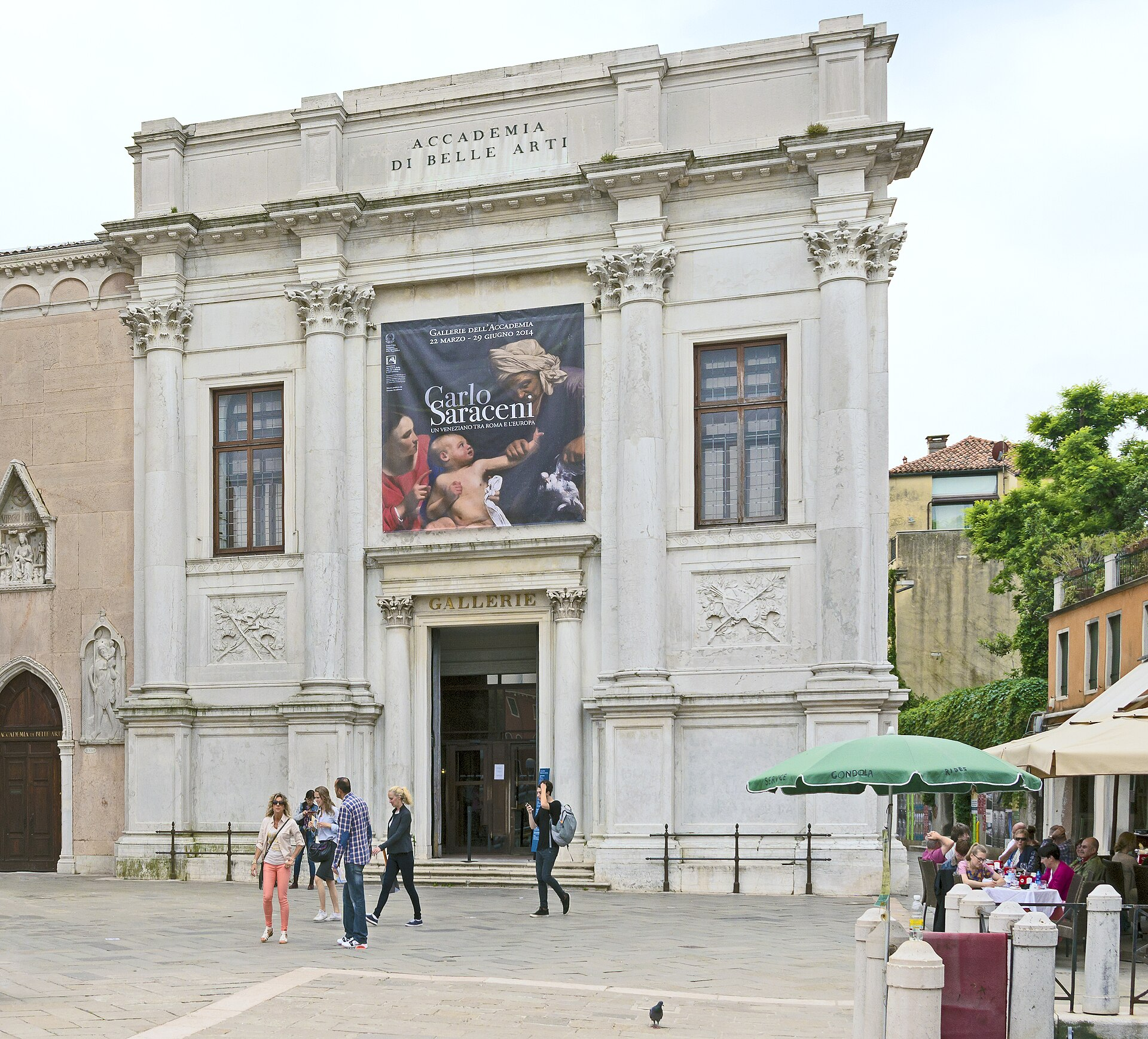
Also in Florence, the Galleria dell’Accademia exists in large part to house a single statue, and that statue earns the attention. Michelangelo’s David, carved from a single block of marble when the artist was in his twenties, is far larger and more commanding in person than photographs suggest, standing more than 17 feet tall.
What strikes most visitors is the detail: the tension in the hands, the veins, the concentrated expression on David’s face in the moment before battle. Carved at the turn of the 16th century, it became a symbol of the Florentine republic and remains one of the most recognized sculptures in the world. Seeing it at the end of the gallery’s corridor, framed beneath a dome of natural light, is a deeply moving experience for many.
Venice: St. Mark’s and the Palaces of the Grand Canal
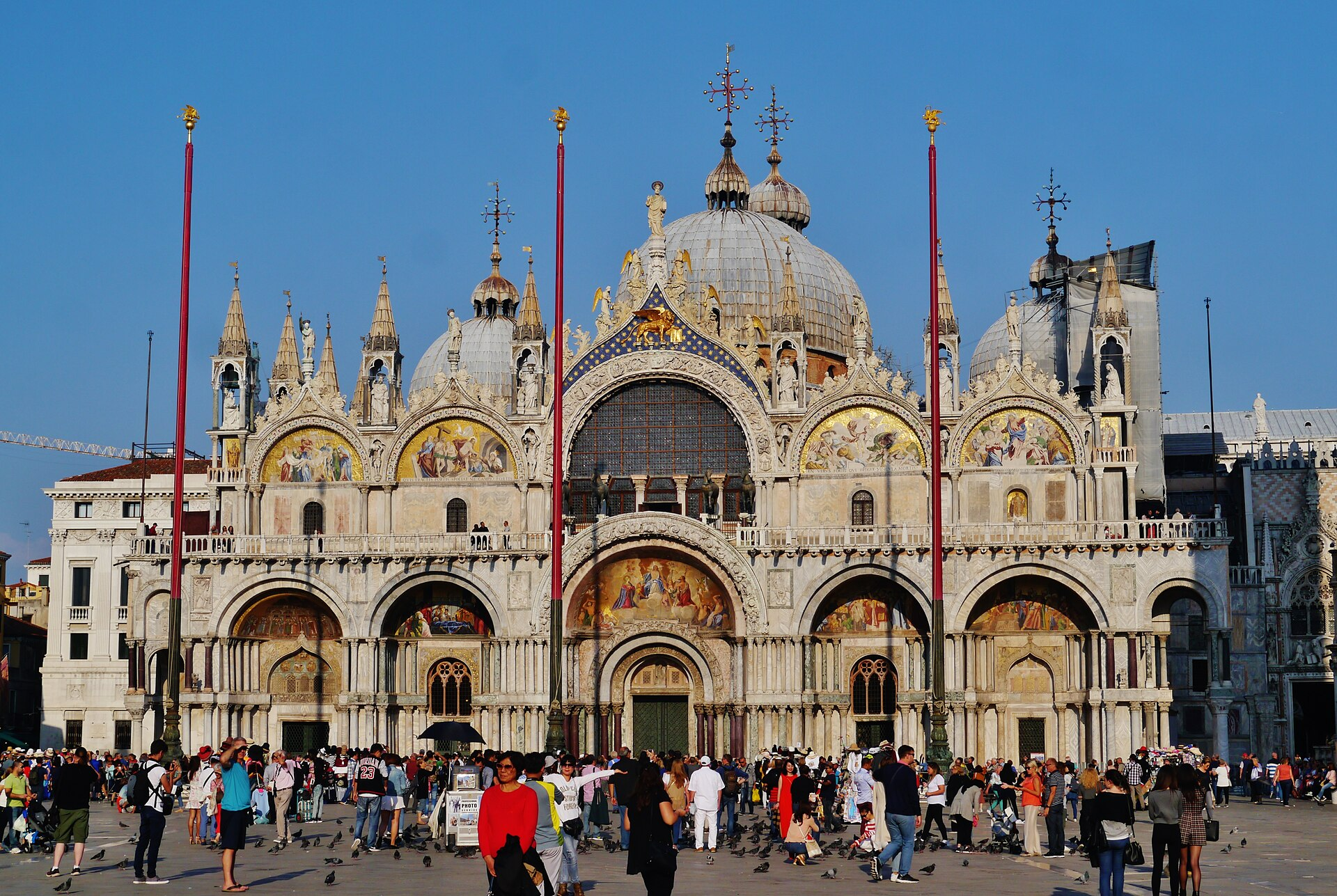
The Renaissance took a distinctive form in Venice, where wealth from trade produced a style all its own, blending classical proportions with the shimmer of a city built on water. St. Mark’s Square remains one of the most spectacular public spaces in Europe, anchored by the Byzantine domes of the basilica and the pink-and-white Gothic-Renaissance facade of the Doge’s Palace.
Drifting along the Grand Canal past the facades of merchant palaces, many built or remodeled during the Renaissance, you see how a republic of traders chose to display its prosperity through beauty. Venice’s particular contribution, the rich color and light of painters like Titian and Veronese, was shaped by this watery, luminous setting, and the city still feels like a living gallery.
Rome: St. Peter’s Basilica and the Vatican
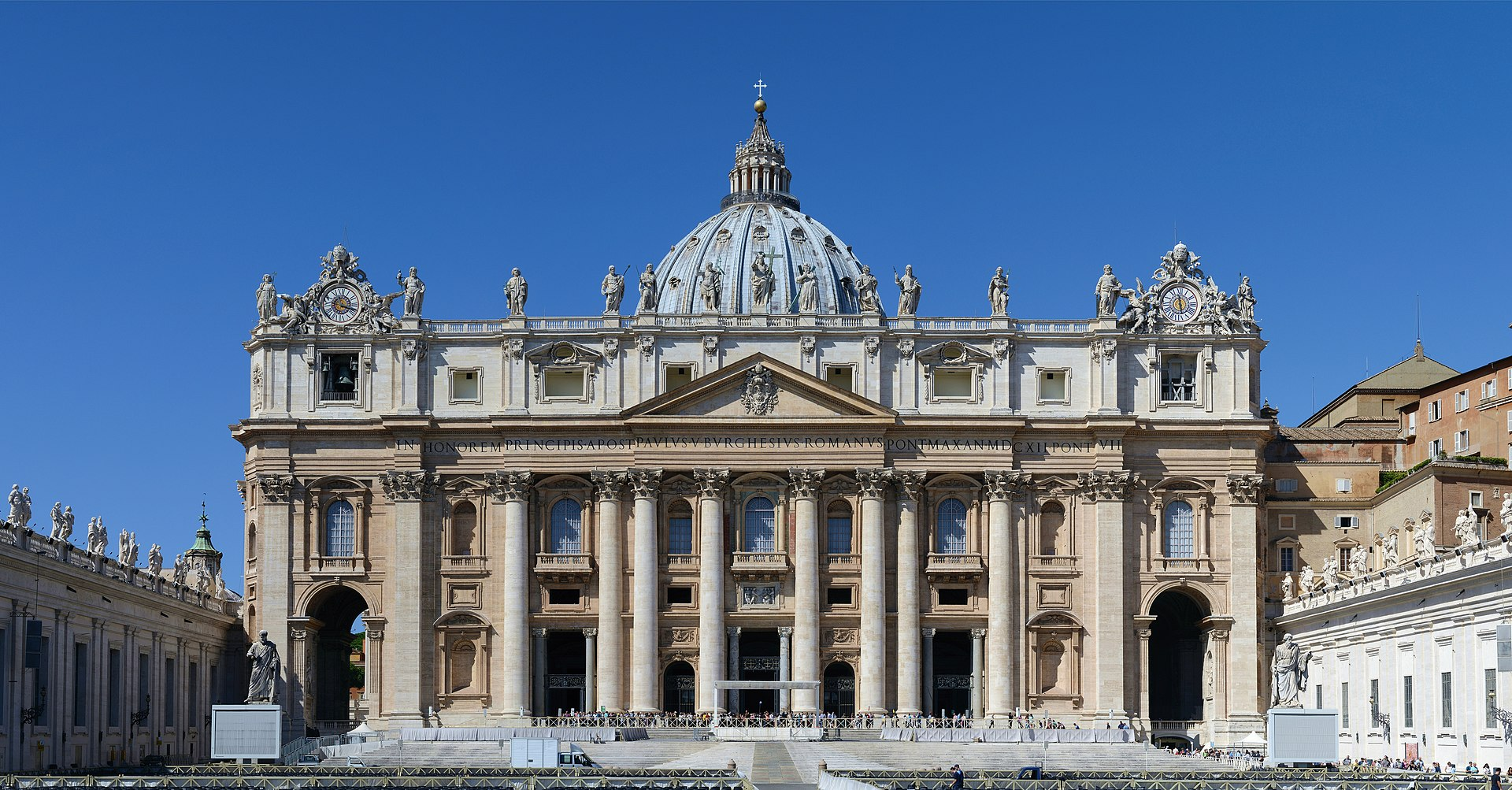
Rome holds the Renaissance at its most monumental. St. Peter’s Basilica, the largest church in the world, was a decades-long project that drew on the talents of Bramante, Michelangelo, and others, with Michelangelo designing the vast dome that still dominates the skyline. Standing inside, beneath that dome, the sense of scale is almost impossible to absorb.
Nearby, the Vatican Museums lead to the Sistine Chapel, where Michelangelo spent years on his back painting the ceiling. The scenes from Genesis, culminating in the famous image of the near-touching hands of God and Adam, represent one of the supreme achievements of Western art. Photography is not permitted inside, which has an unexpected benefit: visitors actually look up and take it in rather than viewing it through a screen.
The Patrons and Workshops Behind the Genius
It is tempting to imagine the Renaissance as the work of a handful of lone geniuses, but the reality was more collaborative and, in its way, more interesting. Behind nearly every masterpiece stood a patron willing to pay for it, and a busy workshop of apprentices who ground pigments, prepared panels, and learned their craft by assisting on major commissions. The Medici in Florence, the popes in Rome, and the merchant families of Venice competed to fund the finest art, and that competition drove the era’s astonishing output.
This system left visible traces a traveler can still appreciate. The same families’ coats of arms appear again and again on the buildings and altarpieces they funded, a reminder that art and power were closely linked. Understanding this background changes how you see the works themselves: the great paintings and buildings were not only acts of individual brilliance but products of a whole society that decided, for a few remarkable generations, to pour its wealth into beauty. Knowing that as you stand in front of a fresco or a facade adds a layer of meaning that pure admiration can miss.
A Note on the Lesser-Known Masters
The household names, Leonardo, Michelangelo, Raphael, Botticelli, dominate the guidebooks, but part of the joy of a Renaissance trip is discovering the artists who rarely make the highlight reels. Painters like Fra Angelico, whose serene frescoes still cover the walls of a former monastery in Florence, or the sculptors and architects whose names have faded while their work endures, reward travelers who slow down and look closely.
Some of the most affecting encounters happen in small churches and quiet chapels where a single remarkable work hangs in near-solitude, with none of the crowds that surround the famous pieces. Seeking these out turns a trip from a checklist into a genuine exploration, and often leaves a deeper impression than the blockbuster sights. The Renaissance was a broad and deep movement, and its full richness reveals itself to those willing to wander beyond the obvious.
Planning a Renaissance-Focused Trip
The practical reality is that Italy’s Renaissance treasures draw enormous crowds, so a little planning transforms the experience. Book tickets for the Uffizi, the Accademia, and the Vatican Museums well in advance, and consider early-morning or late-afternoon slots to avoid the worst of the lines. Many of the greatest works are concentrated in Florence, Rome, and Venice, which makes a rail-connected itinerary between the three a natural route.
It is also worth remembering that the Renaissance reached far beyond these three cities. Smaller centers like Urbino, Mantua, and Ferrara hold remarkable art with a fraction of the crowds, and the hill towns of Tuscany and Umbria are full of frescoed churches that never make the guidebook covers. Wherever you go, the lasting impression is the same: a few generations of patrons and artists, working in a cluster of Italian cities, created a body of work so extraordinary that the world has been traveling to see it ever since.