There is a special kind of memory that makes you smile and wince at the same time. It is the recollection of something you did as a child that seemed completely reasonable then and seems gloriously absurd now. The strange part is how universal these moments turn out to be. Swap stories with friends and you will discover that the private, peculiar things you were sure only you did were, in fact, shared by nearly everyone. Here is a celebration of those small, secret silly things, the ones we rarely admit to but almost all have in common.
Holding Your Breath Past Cemeteries

Somewhere along the way, a playground rule got passed down: you had to hold your breath when the car drove past a cemetery. No one could quite explain why, something about luck, or spirits, or simply not wanting to take the chance.
So you gulped a lungful of air and puffed out your cheeks, watching the headstones slide by and praying the cemetery would end before you ran out. It was a small, solemn ritual repeated by countless kids who never questioned it. Most of us still feel the faint urge today.
Believing the Floor Was Made of Lava
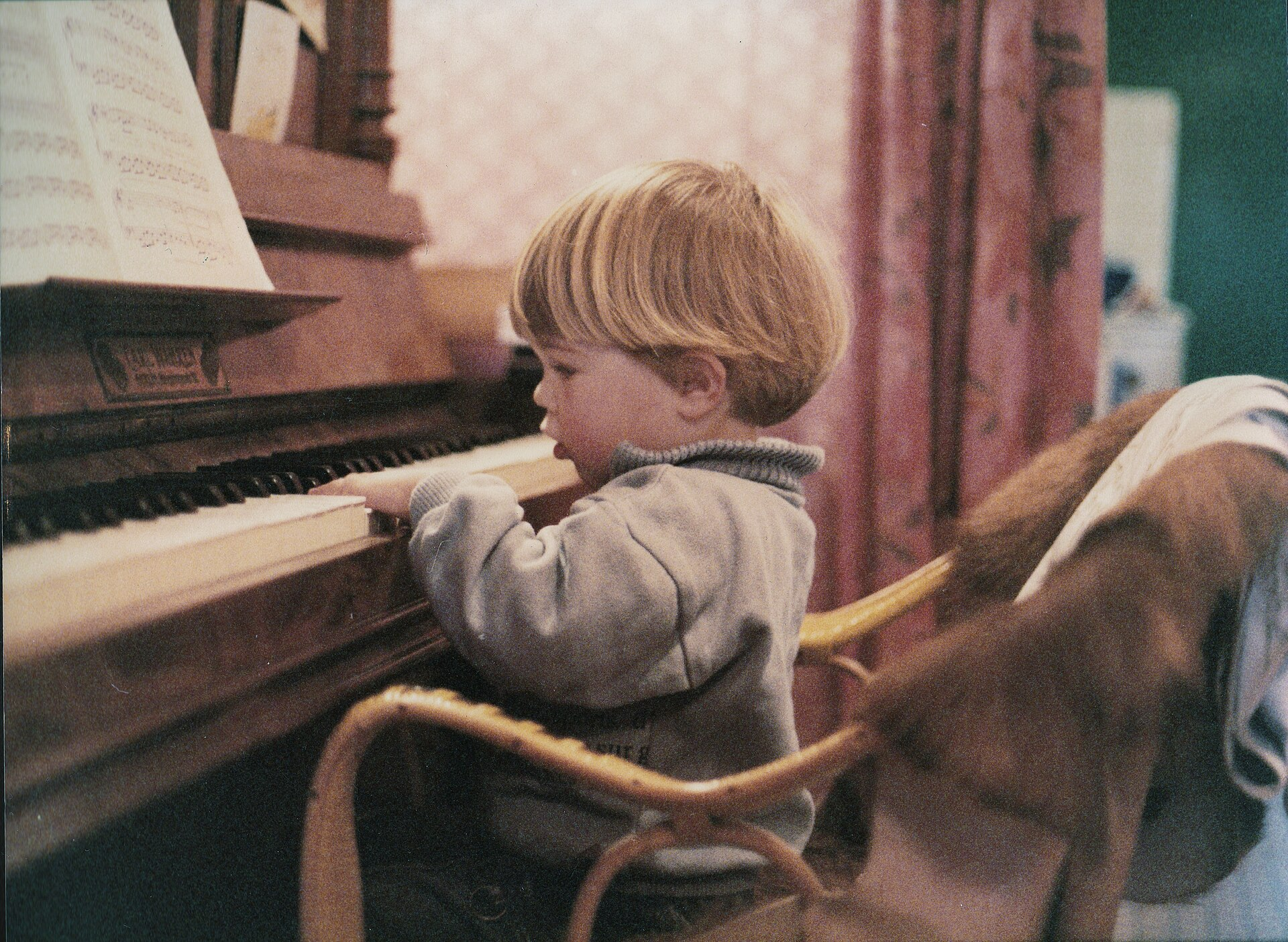
The rules were strict and the stakes were deadly. The moment someone shouted that the floor was lava, the living room transformed into a treacherous landscape where touching the carpet meant certain doom.
Couch cushions became islands, the coffee table a vital stepping stone, and a daring leap to the armchair the difference between survival and a fiery end. Parents despaired for their furniture. Children understood, with total seriousness, that the carpet had become molten rock, and that was simply how it was.
Assuming Adults Couldn’t See You If You Covered Your Eyes
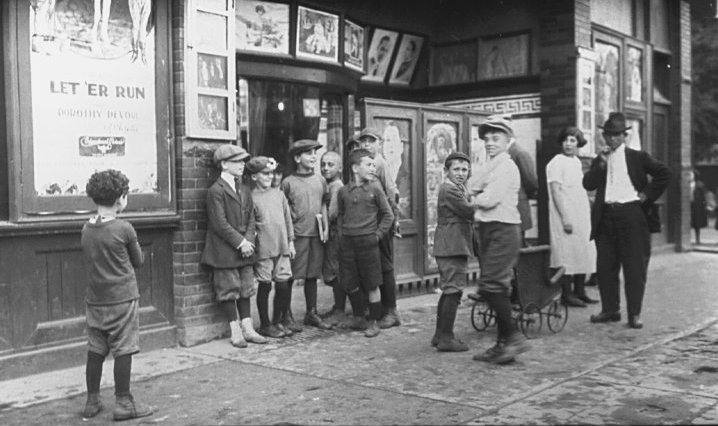
The logic was airtight, at least to a four-year-old. If you could not see them, surely they could not see you. Hiding meant clamping both hands over your own eyes and standing perfectly still in the middle of the room.
The triumphant feeling of being completely invisible, right up until a grown-up “found” you with theatrical surprise, was one of childhood’s great joys. We were certain we had mastered the art of disappearing.
Pretending the Bath Was a Vast Ocean
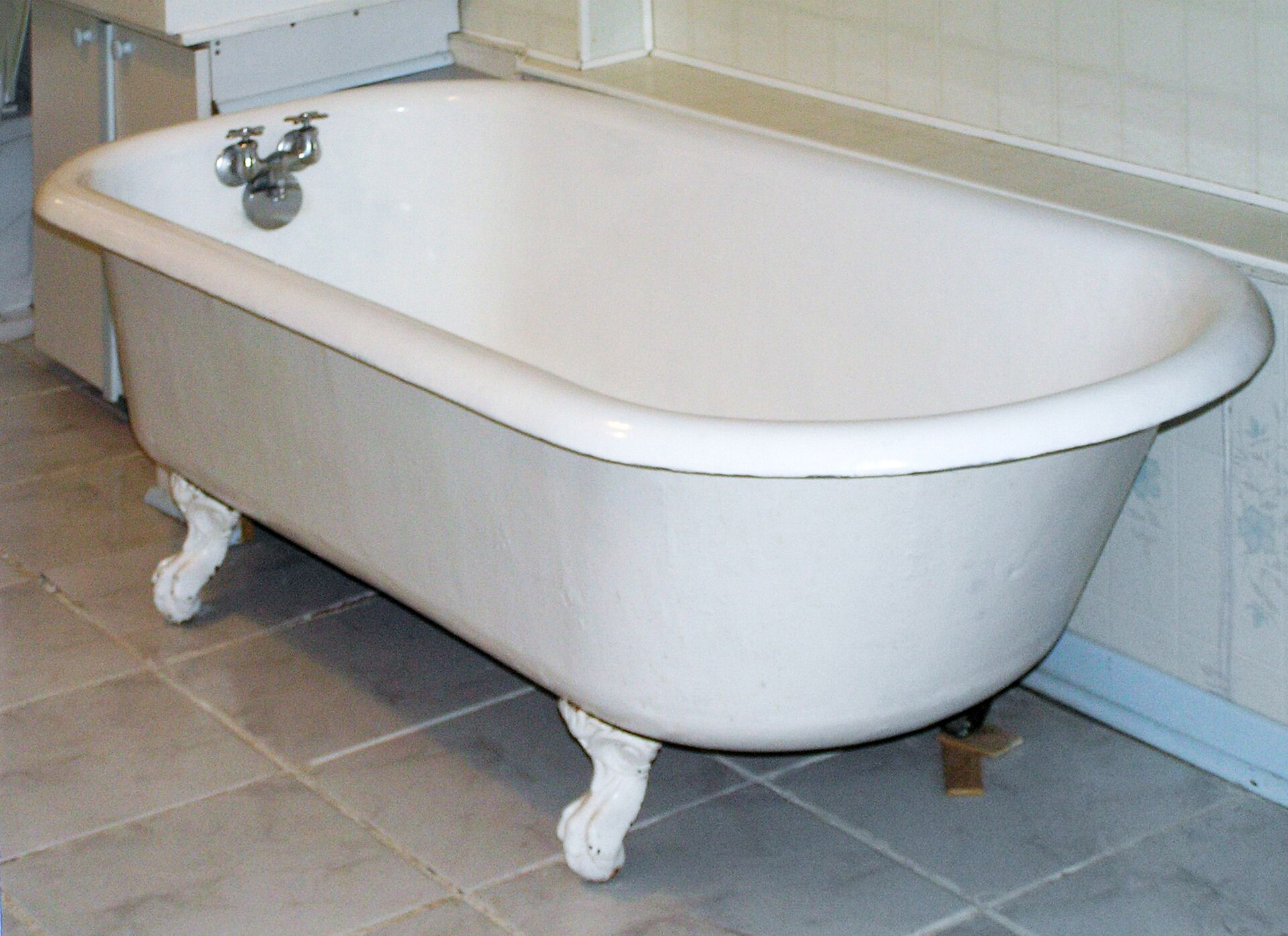
A standard bathtub, to a child, was never just a bathtub. It was a sea, a swimming pool, a habitat for plastic creatures and elaborate aquatic dramas that could stretch long past the point where the water had gone cold.
Whole storylines unfolded among the rubber ducks and washcloth icebergs, narrated under your breath, until a parent appeared to announce that you had turned into a prune and bath time was, regrettably, over.
Talking to Animals as if They Understood Every Word
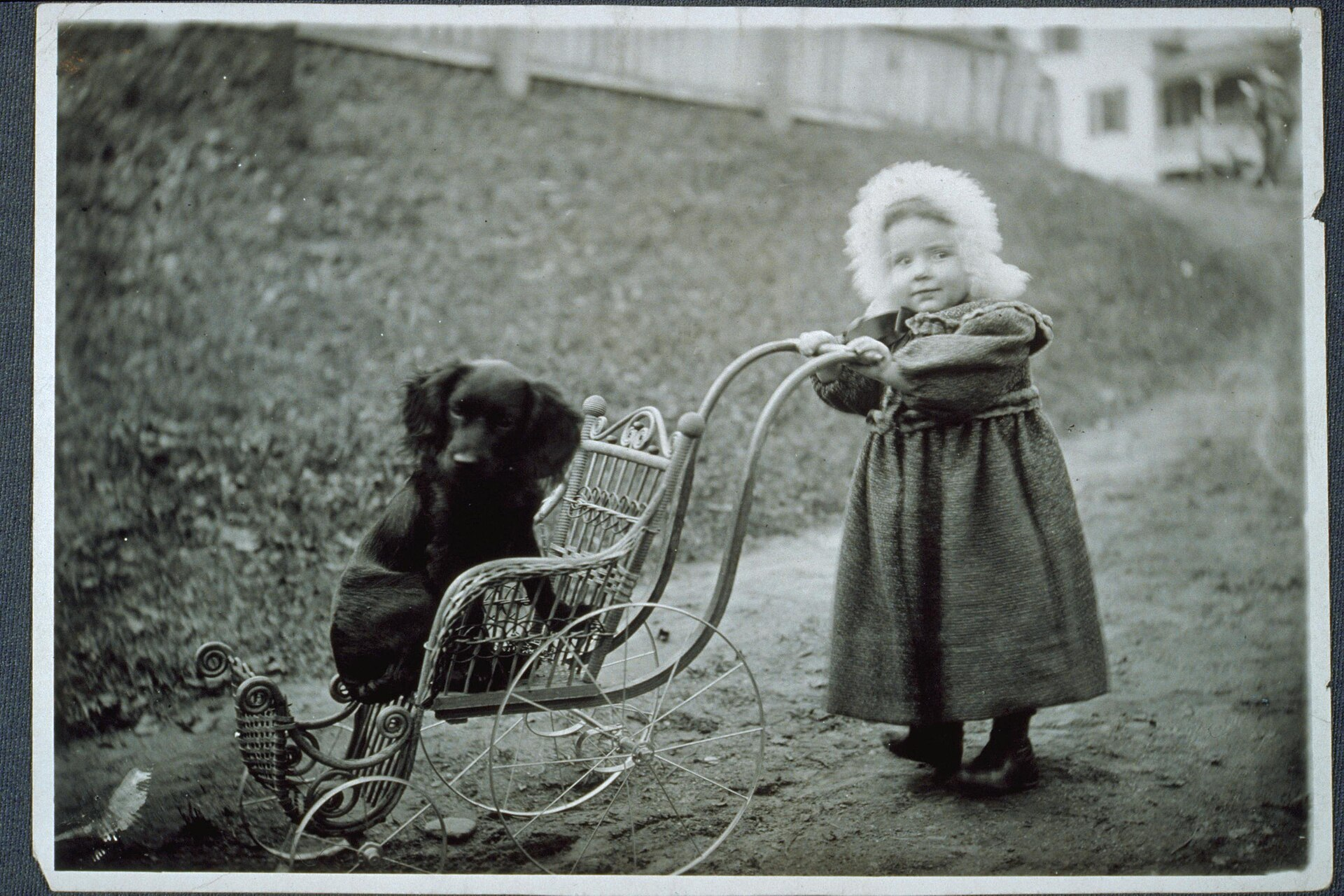
The family dog was a confidant. The cat received long explanations of your day. A bug on the windowsill might get a stern talking-to or a whispered secret, delivered with complete confidence that the message was getting through.
There was no doubt in your mind that animals understood you perfectly and simply chose not to reply. Honestly, plenty of adults still narrate their lives to their pets, so perhaps this one never really went away.
Refusing to Let Foods Touch on the Plate
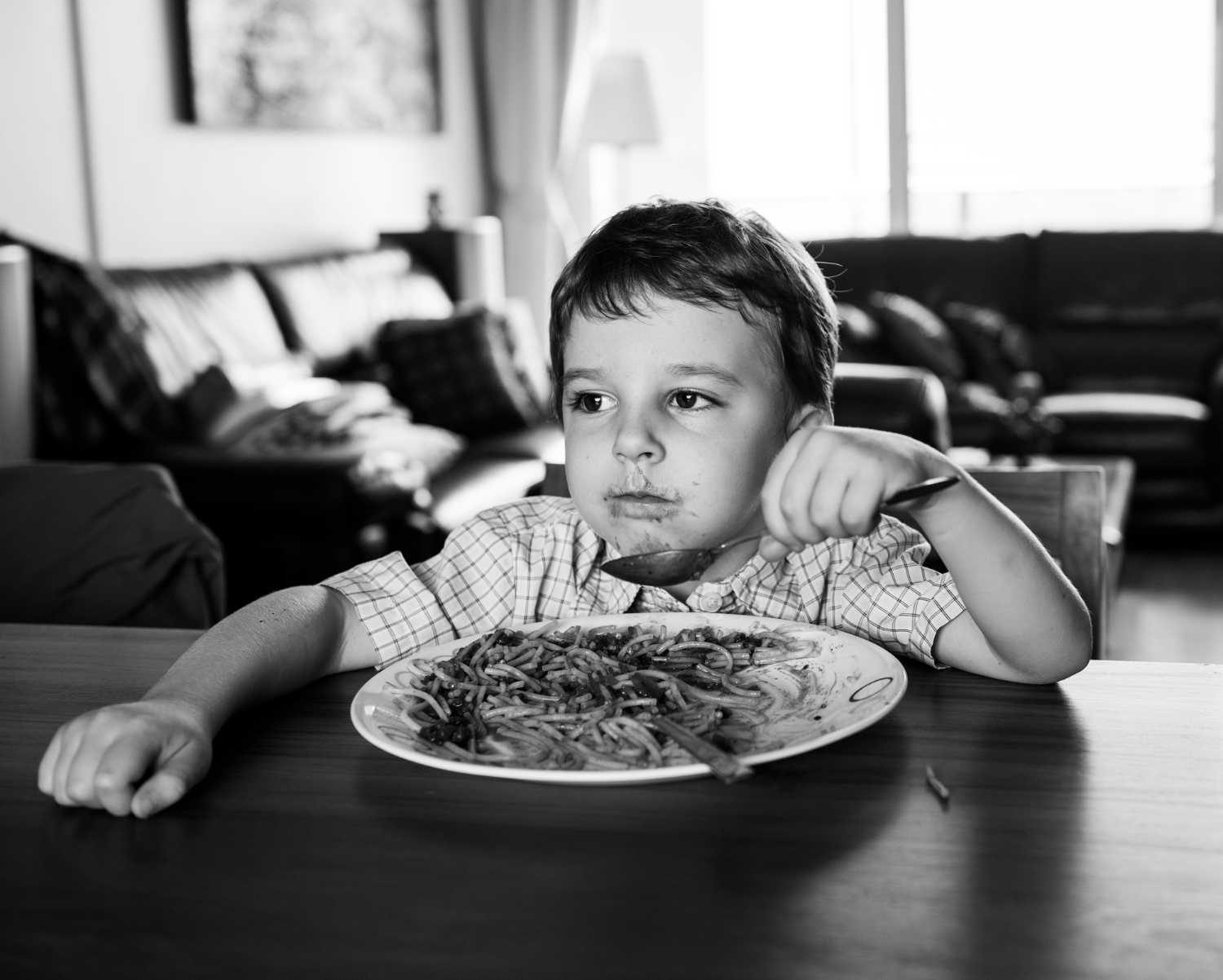
Peas were not to mingle with mashed potatoes. Sauce was a hostile invader to be contained at all costs. A plate where the foods touched was, frankly, ruined, and the only solution was careful diplomatic separation of every item.
Some children went so far as to eat all of one food before allowing themselves to start another. The rules were rigid, deeply felt, and completely non-negotiable, even if no one could explain the underlying principle.
Convincing Yourself the Toys Came Alive at Night
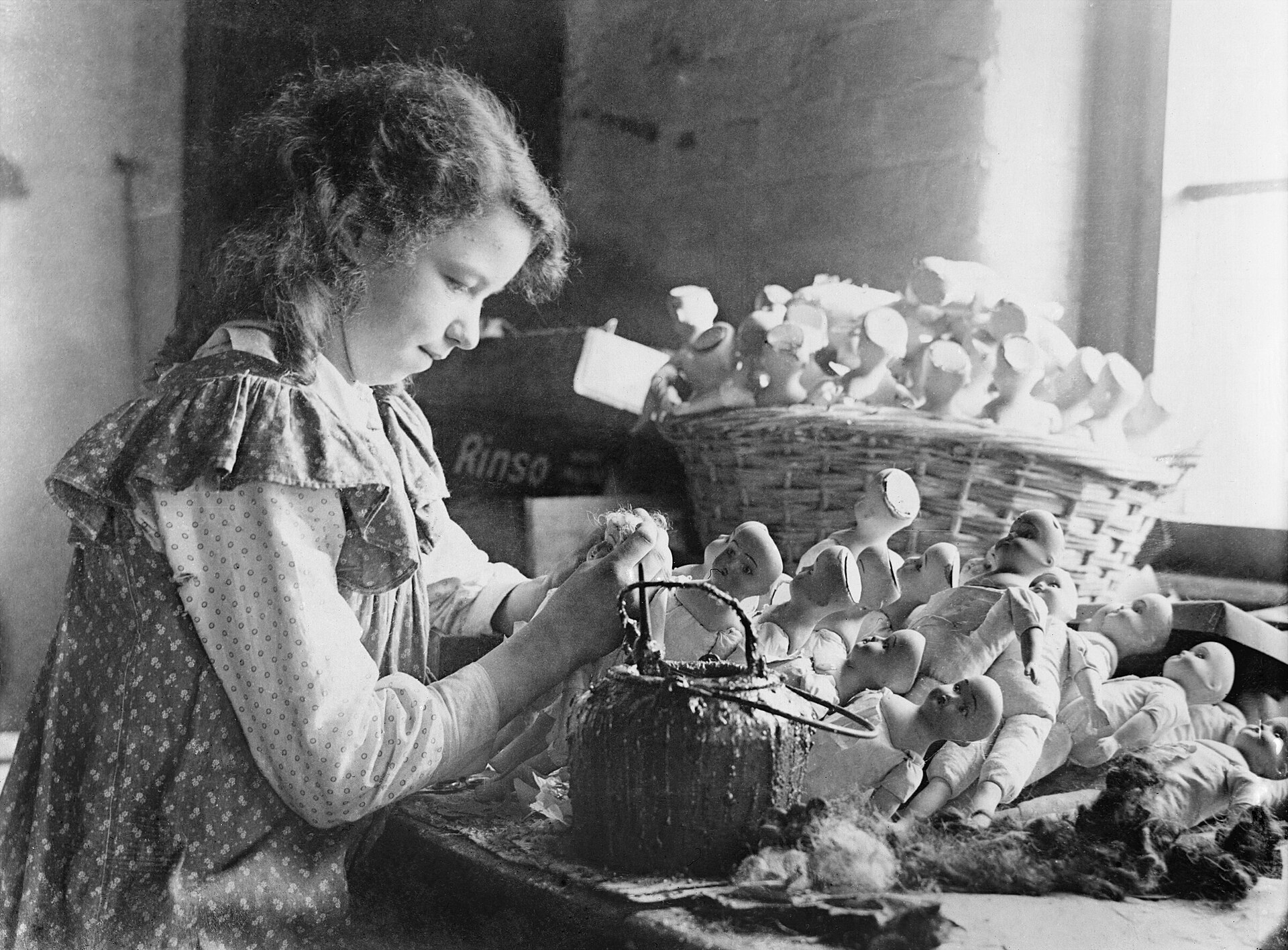
After the lights went out, the bedroom belonged to the toys. Surely the moment you fell asleep, the stuffed animals held meetings, the action figures went on adventures, and the dolls resumed conversations interrupted by your bedtime.
Some kids tried to stay awake to catch them in the act. Others arranged their toys carefully each night, half-expecting to find them moved by morning. The belief was equal parts thrilling and slightly unnerving, and it made the bedroom feel like a place of secret nighttime magic.
Avoiding the Cracks in the Sidewalk

The sidewalk was a minefield, and everyone knew the rules. Step on a crack and something terrible would happen, the old rhyme made the consequences clear, so you developed an elaborate hopping, stretching gait to land only on the safe squares.
Whole walks home became obstacle courses, with friends comparing techniques for the trickiest stretches of broken pavement. No one truly believed the consequences, and yet somehow no one was willing to test the theory either. It was easier just to hop.
Insisting Your Stuffed Animals Had Feelings
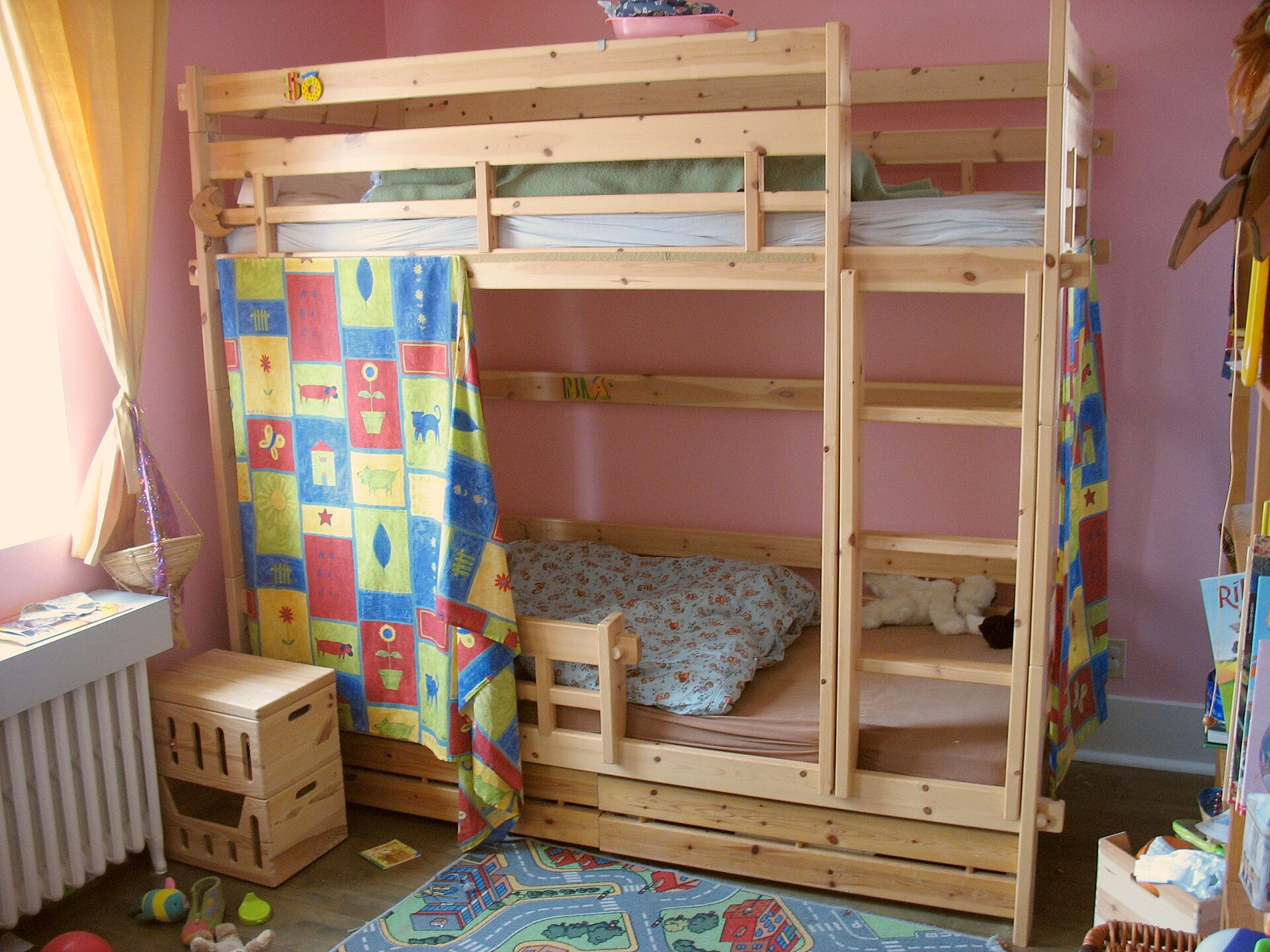
Choosing which stuffed animals got to sleep on the bed was a serious moral matter. Leaving one on the floor felt like a betrayal, and the thought of a toy feeling left out or unloved was genuinely troubling.
So you rotated them fairly, apologized when one fell behind the bed, and made sure no toy went too long without a turn being the favorite. The empathy was real, even if the recipients were filled with stuffing. Plenty of adults confess they still cannot quite bring themselves to throw an old toy away.
Making Deals With Yourself Over Tiny Stakes
Childhood was full of private bargains. If you could run to the end of the driveway and back before the screen door slammed shut, then today would be a good day. If you held your breath through the whole tunnel, your wish would come true. The rules were invented on the spot and taken completely seriously.
These little superstitions gave shape to an ordinary afternoon, turning a walk to the mailbox into a quest with real consequences. The stakes existed only in your own head, but that made them no less binding. Most of us still catch ourselves making the occasional silent deal of this kind, long after we stopped believing it could possibly work.
Why We Look Back and Smile
What ties all of these together is the particular logic of childhood, a world where imagination outranked physics and small rituals carried enormous weight. None of it needed to make sense to the adults around us, because it made perfect sense to us.
The reason these memories make us smile is that they remind us of a time when the ordinary world was endlessly enchantable, when a living room could become a lava field and a bathtub an ocean. We may not admit to these things often, but the fact that nearly everyone did them is its own small comfort. Growing up means letting most of this go, but the memory of believing it all is worth holding onto.