


For all the attention paid to the cities Americans are abandoning, the flip side is far more revealing: where are people actually choosing to go? The latest data paints a clear picture of a nation on the move, with a distinct set of fast-growing communities pulling in new residents while overall population growth slows. The winners share some telling traits, affordability, warm weather, job growth, and a particular appeal that early movers have spotted before the crowds. Here are the American cities people are flocking to in 2026, and what makes each one such a magnet.
Georgetown, Texas
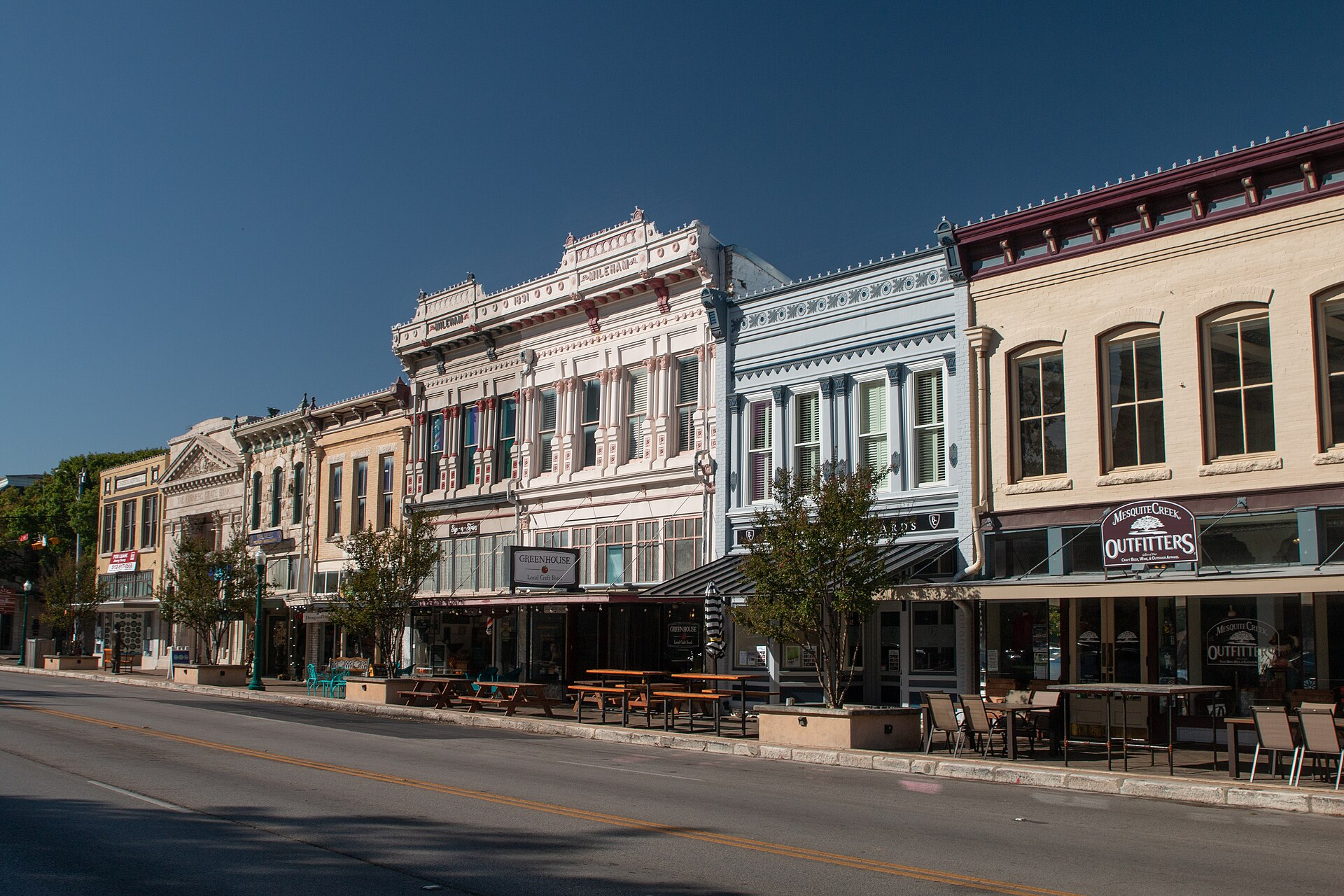
Just north of Austin, Georgetown has emerged as one of America’s premier boomtowns, topping at least one major 2026 ranking of the nation’s fastest-growing cities. Its housing stock and labor force have surged, and the surrounding county has posted some of the strongest economic growth anywhere in the country.
Georgetown offers what many new movers are seeking: proximity to a major job hub in Austin, more affordable housing than the urban core, and the charm of a historic town square. It exemplifies a broader trend of people choosing communities a short drive from big cities, where they get more space and value without sacrificing access to opportunity.
Like our content? Follow us for more.
The Texas Exurbs: New Braunfels, Fulshear, and Katy

Texas dominates the 2026 growth rankings, and much of that growth is concentrated in the exurbs ringing its major cities. Communities like New Braunfels, between Austin and San Antonio, and Fulshear and Katy outside Houston have been among the fastest-growing in the entire nation.
These places share a winning formula: master-planned communities with new housing, good schools, and reasonable commutes to major employment centers. Fulshear, in particular, has seen explosive growth, multiplying its population in just a few years. The Texas exurb has become the archetype of where Americans are choosing to live, balancing affordability, space, and access to thriving metro economies.
Wildwood and the Florida Boomtowns
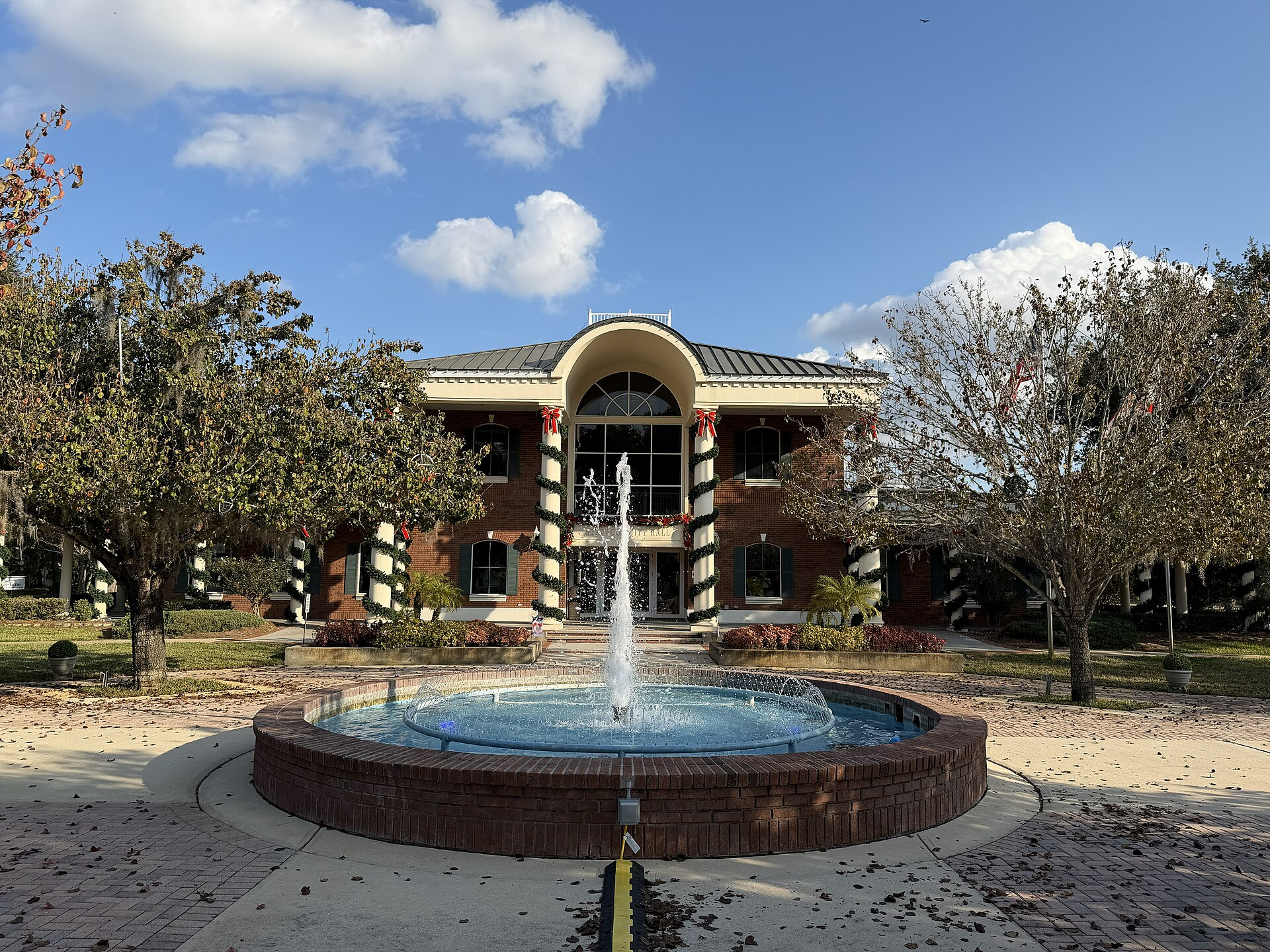
Florida continues to draw enormous numbers of new residents, and few places illustrate it better than Wildwood, which topped one ranking of the fastest-growing cities by net migration. The state’s warm climate, lack of state income tax, and lifestyle appeal keep the newcomers coming.
From retirement-friendly communities to family-oriented suburbs, Florida’s growth spans generations. Baby boomers continue to flock to the state’s warmth, while younger families and remote workers find affordability and sunshine. Wildwood and its peers represent the enduring pull of the Sun Belt, even as the broader migration picture grows more complex.
Naples and the Florida Coast
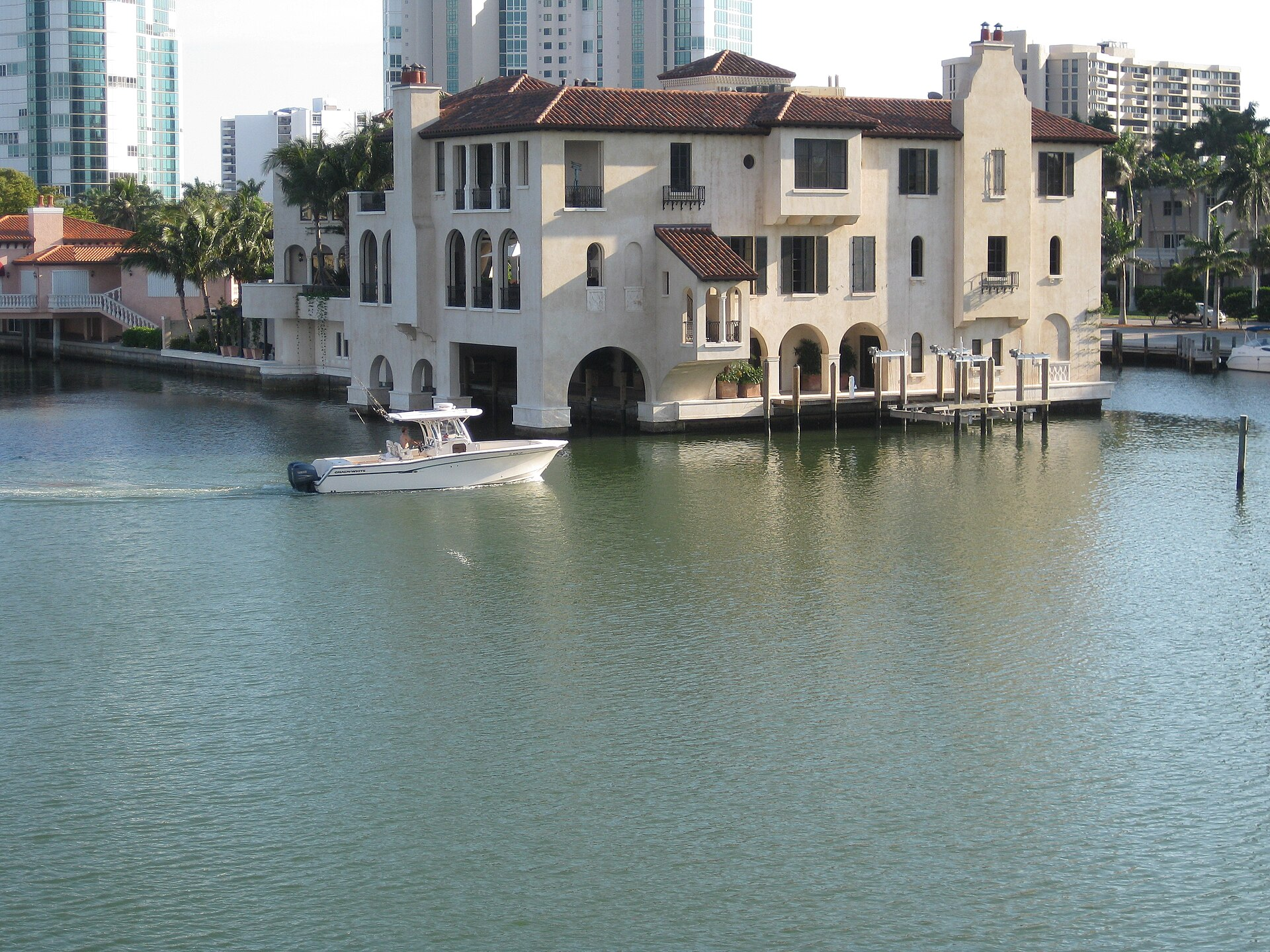
On Florida’s Gulf Coast, Naples exemplifies the appeal of warm, scenic, well-established communities that keep attracting new residents. Known for its beaches, golf, and upscale amenities, it draws retirees and affluent movers seeking a high quality of life in a sunny setting.
Naples reflects a particular slice of the migration story: people moving not for jobs but for lifestyle, climate, and comfort, often in retirement or with the flexibility of remote work. The continued growth of such destinations underscores how powerfully climate and quality of life drive American relocation decisions, especially for those with the means to choose.
Hilton Head and the Carolina Coast
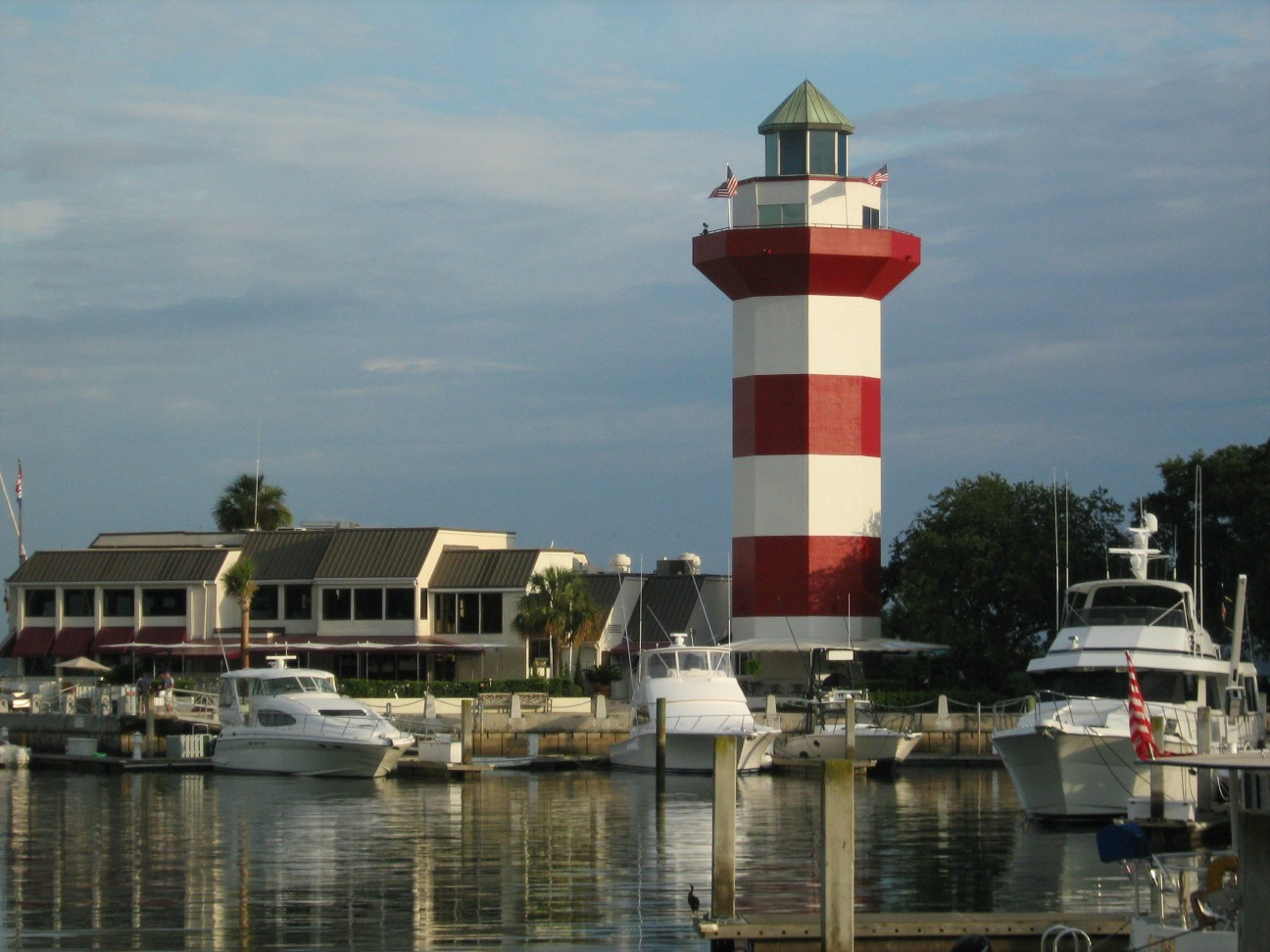
South Carolina has emerged as one of the fastest-growing states in the country, and coastal communities like Hilton Head Island showcase the appeal. Beaches, mild weather, golf, and a relaxed coastal lifestyle draw a steady stream of newcomers to the Carolina shore.
The Carolinas more broadly have become major migration destinations, offering a blend of affordability, natural beauty, and economic opportunity. The region’s growth reflects a shift in the Sun Belt story, with the Southeast coast drawing residents seeking warmth and value without the extreme costs of some other booming areas. It is a quieter, scenic alternative that is catching on fast.
The Carolinas’ Inland Boom
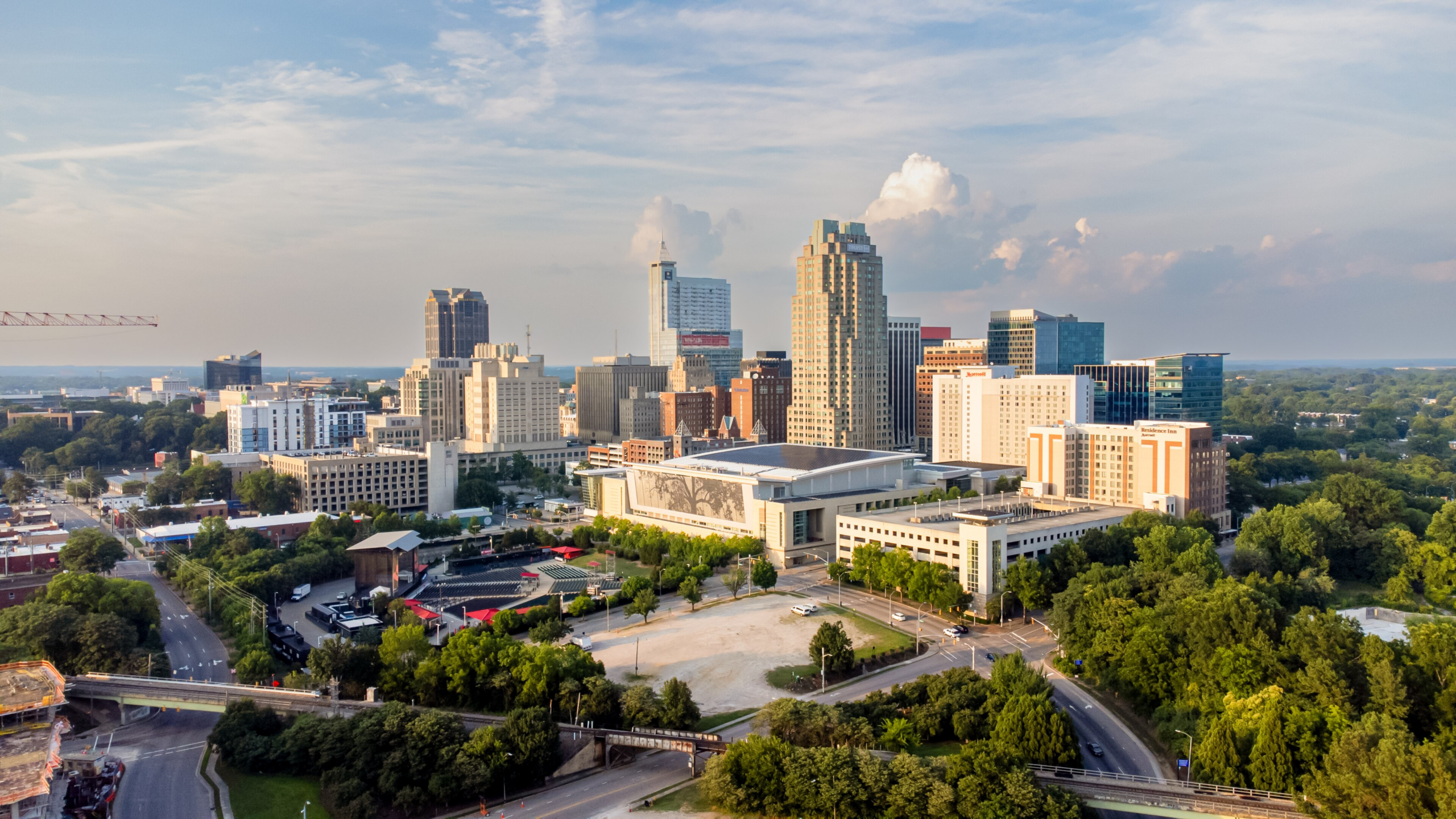
Beyond the coast, the inland Carolinas are booming too, with the broader Raleigh area and its surrounding towns among the fastest-growing in the nation. A cluster of communities has collectively added enormous numbers of residents, drawn by a strong job market, universities, and quality of life.
North Carolina has consistently ranked among the top states for new residents, powered by its mix of technology and research employment, relative affordability, and appealing communities. The inland Carolina boom shows that the migration story is not only about beaches and retirement; it is also about thriving regional economies pulling in workers and families.
The Rise of the Exurb
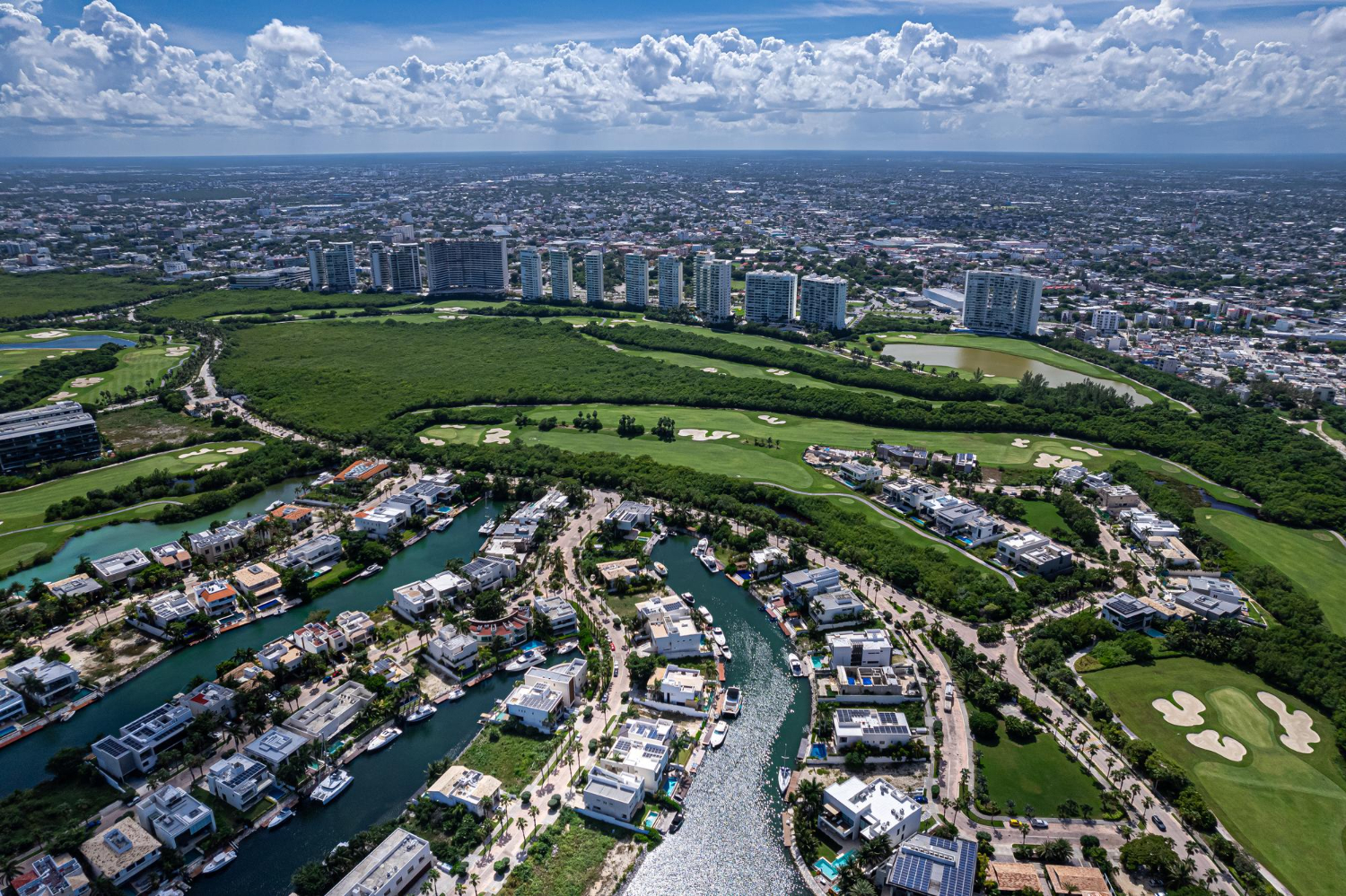
The single biggest pattern in the 2026 data is the rise of the exurb, master-planned communities an hour or two from major city centers, often feeling semirural while offering new housing and amenities. These places, not the urban cores or even the close-in suburbs, are where the fastest growth is happening.
This reflects how Americans are weighing their options: choosing space, affordability, and newness over the density and cost of city living, enabled in part by remote and hybrid work. The exurb boom is reshaping the map of American growth, turning once-small towns on the edges of metro areas into some of the most dynamic communities in the country. It is the defining migration trend of the moment.
The Decline of the Big-City Magnet
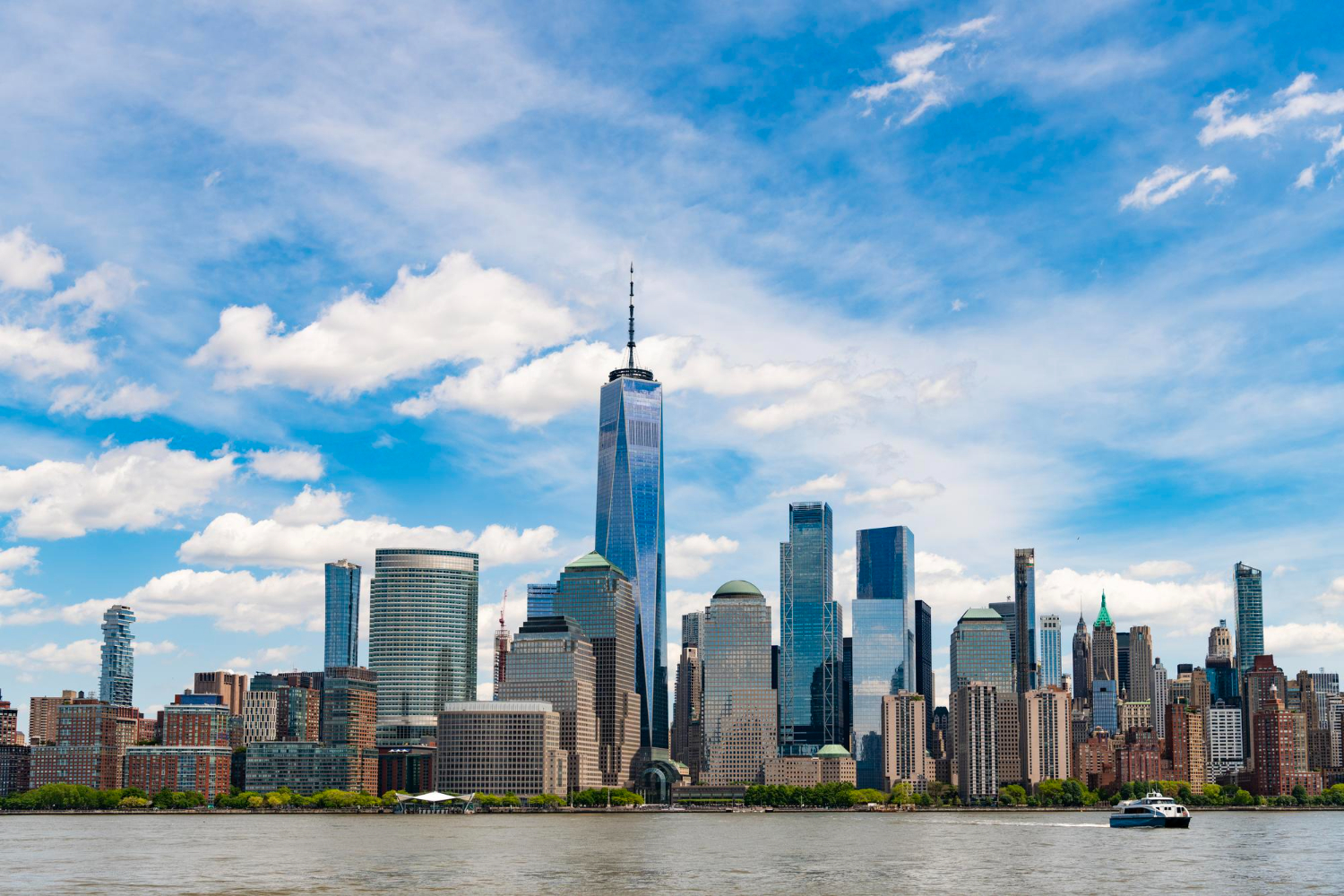
Perhaps the most telling part of the 2026 migration story is what is happening to the traditional urban magnets. For decades, ambitious Americans flowed into the largest, densest cities in search of opportunity. Now, the data shows that some of those same metros are losing residents even as the exurbs around them boom, a striking reversal of the historic pattern.
The drivers are familiar: the high cost of housing, the rise of remote work that untethered many jobs from any specific location, and a reassessment of what people want from where they live. Space, affordability, and quality of life have edged out the pull of the urban core for a large and growing share of movers. This does not mean big cities are emptying out, but the momentum has clearly shifted outward. The people flocking to the boomtowns are, in a sense, voting with their moving trucks on a different vision of the good life, one centered on space and value rather than density and prestige.
What the Movers Know

So what do the people flocking to these places understand that others are just beginning to grasp? A few clear themes emerge. They are prioritizing affordability and space at a time when housing costs in major cities have become prohibitive for many. They are following warmth and lifestyle, favoring the Sun Belt’s climate and amenities. And many are taking advantage of remote work to live where they want rather than where their job is located.
There is wisdom in their choices, but also worth noting that rapid growth brings challenges, rising prices, strained infrastructure, and the loss of the very small-town character that drew people in the first place. The early movers often get the best of a boomtown before it fills up. For anyone considering a move, these fast-growing communities offer real opportunity, but the smart approach is to look closely at whether a place can sustain its growth and retain what makes it appealing. The cities people are flocking to in 2026 reveal a nation rethinking where, and how, it wants to live, trading density and cost for space, sun, and a fresh start.
Like our content? Follow us for more.
