A cruise promises a carefree vacation, but the journey begins with a security screening that catches many first-time cruisers off guard. Your luggage is scanned much like at an airport, and cruise lines enforce their own distinct set of rules, many driven by the unique demands of fire safety and security aboard a ship carrying thousands of people in close quarters with limited escape routes. Items that are perfectly acceptable on an airplane or in a hotel can end up in a confiscation bin at the cruise terminal, held by security until the end of your voyage, or in some cases not allowed at all. Knowing what to leave home can save you time, hassle, and the frustration of losing a favorite item. Here is a rundown of the items cruise ships commonly confiscate, and smarter alternatives to pack instead. Policies vary by cruise line, so always check your specific line’s rules before you pack.
1. Clothing Irons and Garment Steamers
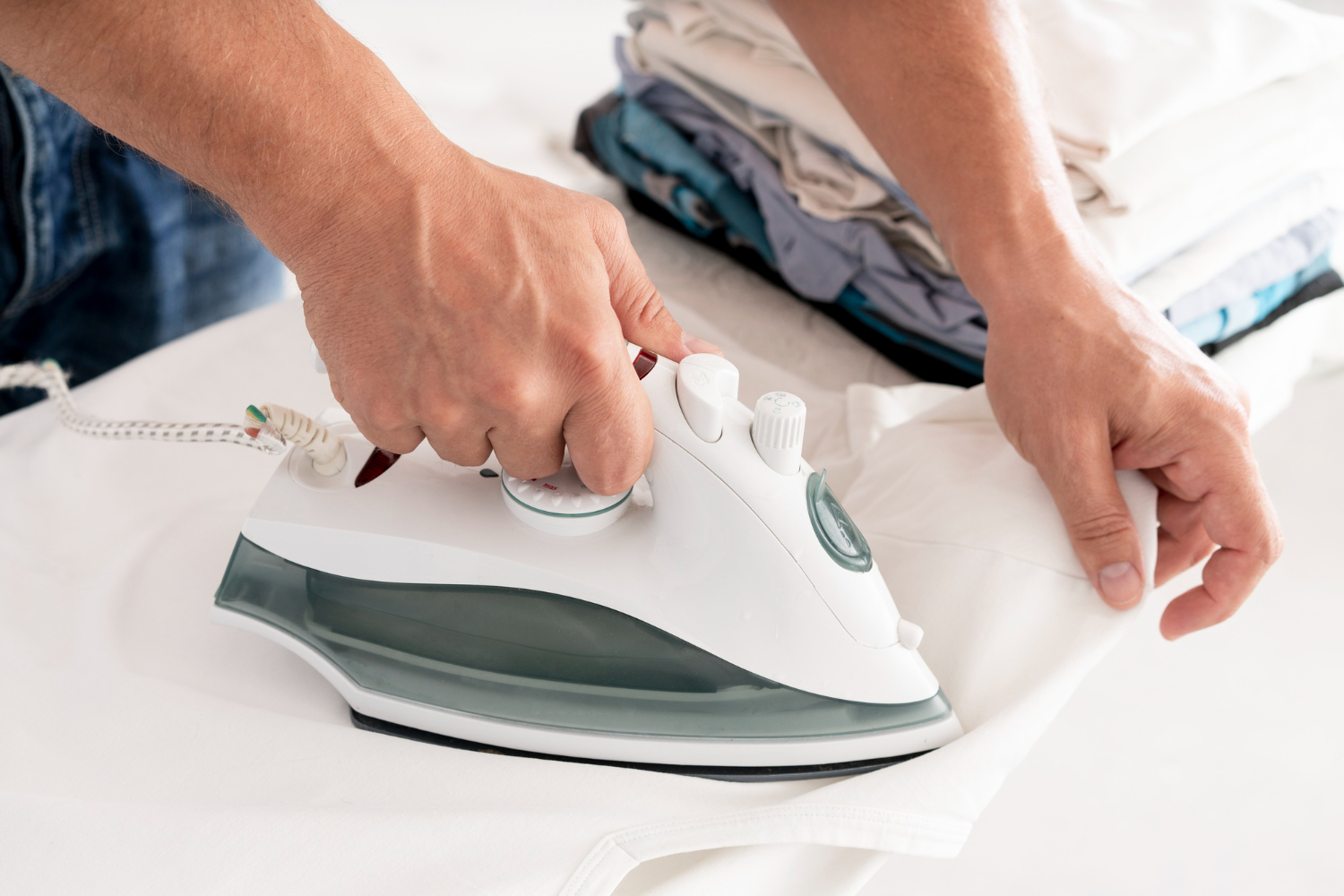
The single most commonly confiscated item at cruise embarkation is the humble clothing iron, along with garment steamers. Cruise cabins do not come with irons, and passengers are not permitted to bring their own, because anything that heats up significantly poses a serious fire risk aboard a ship, where fire is one of the gravest dangers at sea.
If security spots an iron or steamer in your luggage scan, it will be removed and held until the end of the cruise. Instead, pack a travel-size wrinkle-release spray, use packing techniques like rolling clothes or using packing cubes to minimize wrinkles, and take advantage of the ship’s services. Many ships offer self-service laundry rooms with irons, or a paid pressing and laundry service. Leaving the iron at home spares you the inconvenience of having it confiscated and saves valuable luggage space for things you can actually use.
Like our content? Follow us for more.
2. Surge-Protected Power Strips and Extension Cords
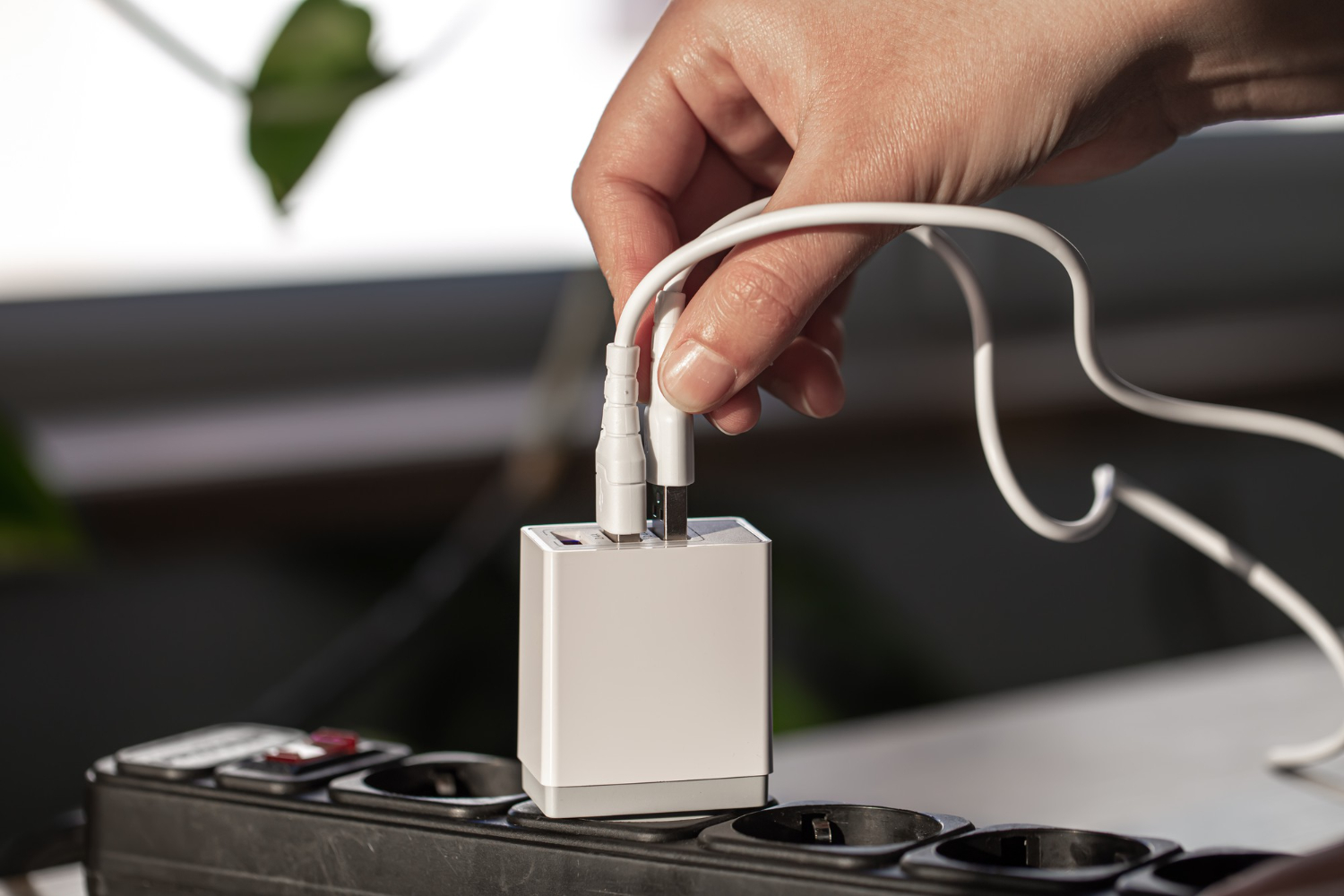
Right behind irons, power strips with surge protection are among the most frequently confiscated items. Cruise lines prohibit surge-protected power strips, extension cords, and multi-plug outlets because they can interfere with the ship’s electrical systems and pose a fire hazard, a rule that has been in place for years and has tightened recently.
With cabins often offering limited outlets, many travelers want to bring something to charge multiple devices, but a surge protector is the wrong choice and will likely be taken. Instead, look for cruise-compliant power strips without surge protection, or a USB charging hub or outlet adapter designed for travel. Standard device and USB chargers are generally fine. Checking your cruise line’s specific electrical rules before packing will help you stay charged without having your gear confiscated at the terminal.
3. Hard Liquor, Beer, and Spirits

One of the most disappointing confiscations for many cruisers involves alcohol. Cruise lines, which earn significant revenue from onboard beverage sales, generally prohibit passengers from bringing hard liquor, spirits, and beer aboard. If found in your luggage, these will typically be seized and held until the end of the cruise, returned to you only as you disembark.
Most lines do make an exception for wine, often allowing one or two bottles per stateroom, but these must usually be unopened and carried in your hand luggage on boarding day, and opening them in a dining venue may incur a corkage fee. The same rules apply when re-boarding at ports of call, so a souvenir bottle of spirits bought ashore will be held until the trip’s end. To avoid losing your alcohol, follow your line’s specific policy closely rather than trying to slip extra bottles past security.
4. Heating Appliances of All Kinds
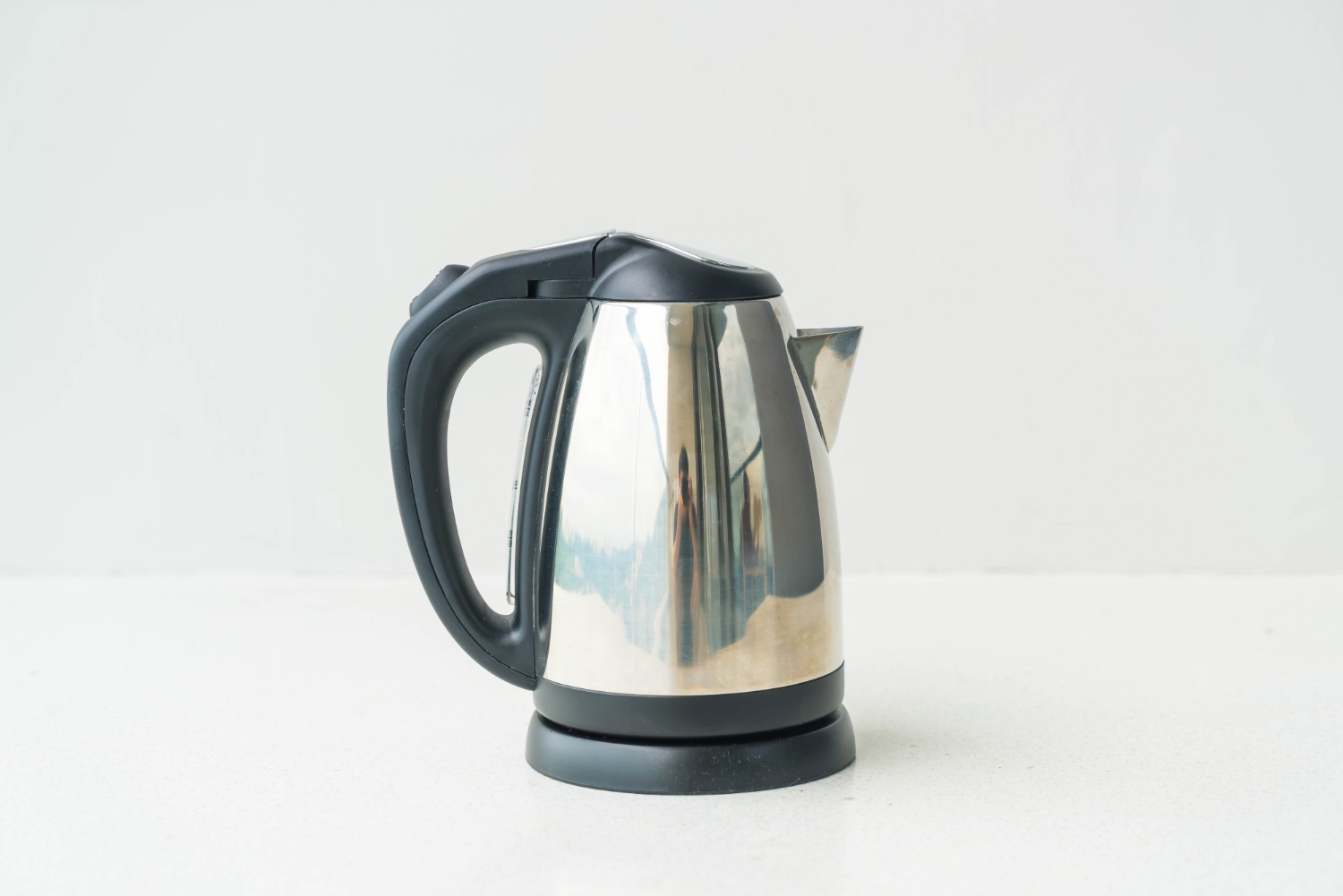
Beyond irons, a whole category of small appliances with heating elements is banned for fire-safety reasons. This includes electric kettles, coffee makers with hot plates, immersion heaters, hot plates, mug warmers, rice cookers, and similar devices. Heating blankets and heating pads are also typically prohibited for the same reason.
These items are almost never permitted, as anything capable of generating significant heat is considered too great a fire risk aboard a ship. Fortunately, cruise ships provide complimentary coffee, tea, and hot water around the clock in buffet areas and cafés, and many cabins include a coffee maker. If you have specific tea or coffee preferences, simply bring the tea bags or grounds and use the ship’s hot water, rather than packing an appliance that will be confiscated at security.
5. Candles and Incense

Romantic or relaxing as they may be, candles and incense are not allowed aboard cruise ships, again because of the open-flame fire hazard. Passengers hoping to set a cozy mood in their cabin with a few candles will find them removed at the security screening, as any open flame is strictly prohibited in the close quarters of a ship.
This rule extends to anything involving an open flame or significant fire risk. For cruisers who want to bring a favorite scent or create a relaxing atmosphere, flameless LED candles and other no-flame alternatives are a safe substitute that will not run afoul of the rules. Leaving real candles and incense at home is the simplest way to avoid having them confiscated and to help keep the ship safe for everyone aboard.
6. Hoverboards and Wheeled Devices
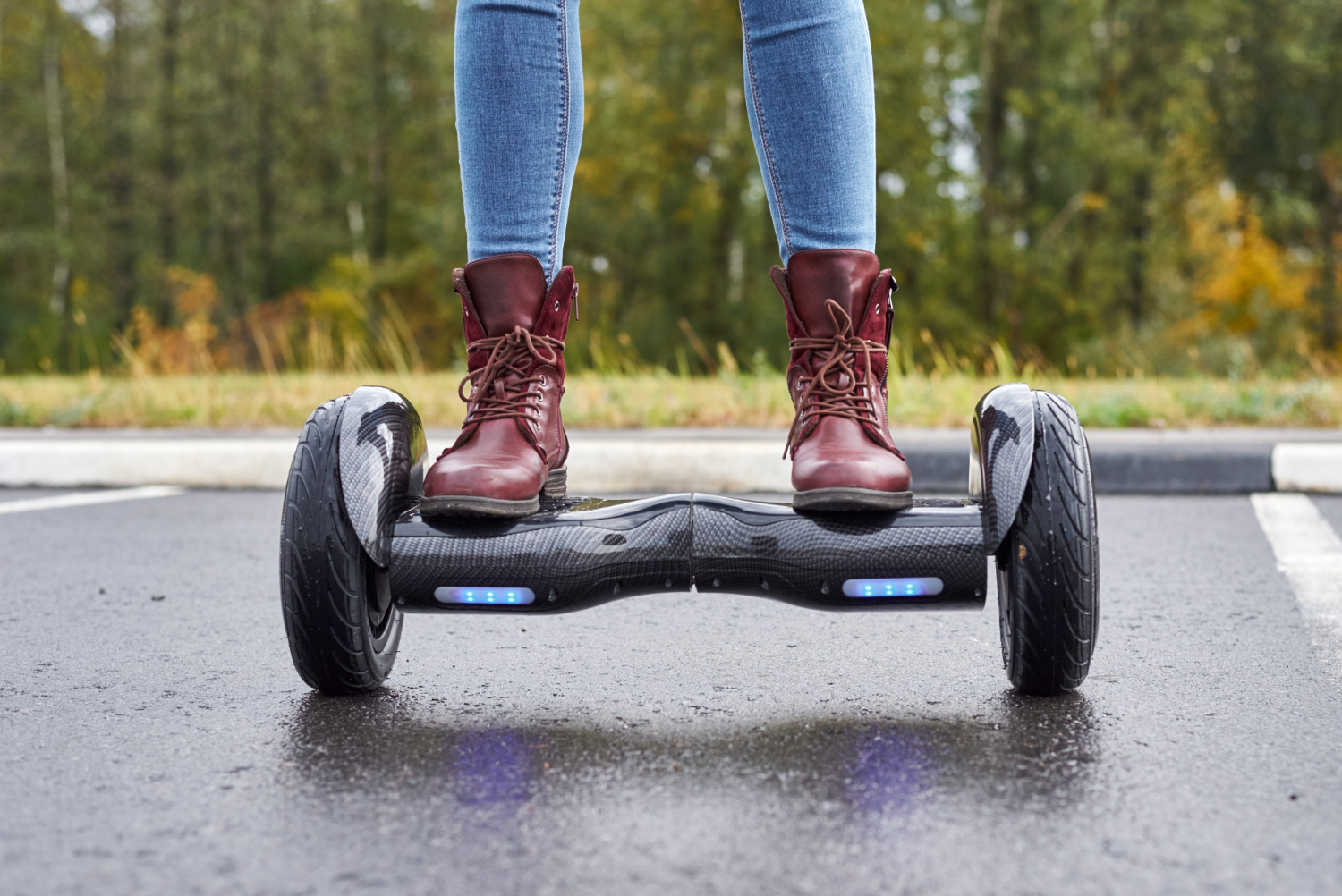
Hoverboards, self-balancing scooters, and similar wheeled devices are commonly prohibited on cruise ships, largely due to safety concerns surrounding their lithium-ion batteries, which have been associated with fire risks. Wheeled shoes, like those with retractable wheels in the heel, and skateboards are also typically not allowed.
These items combine fire-risk batteries with the hazards of riding wheeled devices in crowded ship corridors and public areas, making them an easy call for the prohibited list. Mobility devices like wheelchairs and scooters used for genuine mobility needs are, of course, accommodated. But recreational wheeled gadgets will generally be turned away at the terminal, so they are best left at home to avoid both confiscation and disappointment once you realize they could not come aboard.
7. Drones
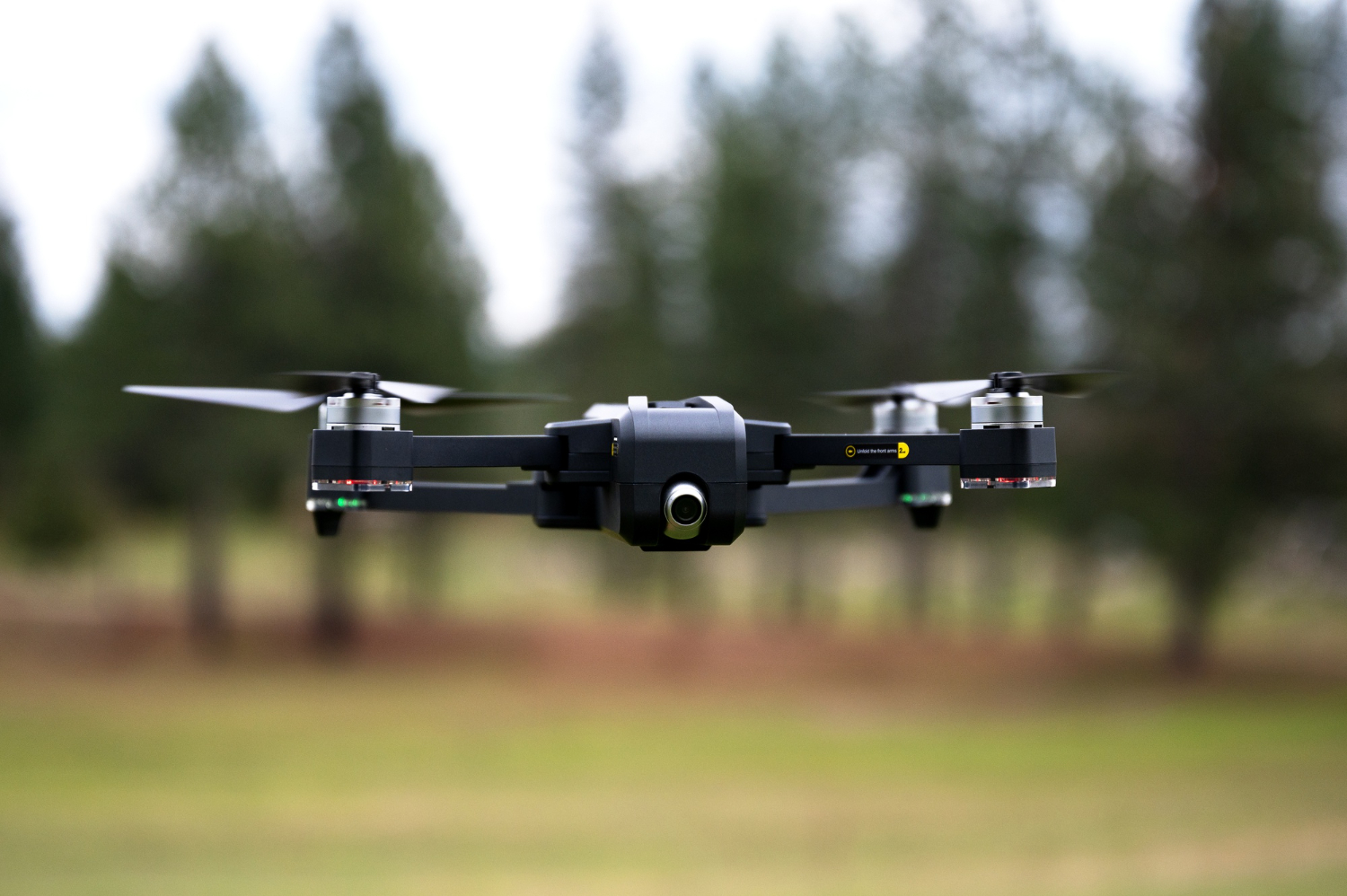
Drones occupy a tricky middle ground on cruises. While some travelers love capturing aerial footage of the ship and scenery, cruise lines and ports have strict and varied rules about drones, and they may be confiscated or held for the duration of the cruise. Flying a drone from the ship is generally not permitted, and many ports restrict their use as well.
Because the rules differ so much between cruise lines and the various destinations on an itinerary, bringing a drone can be more trouble than it is worth. Some lines allow drones to be stored and used only off the ship where local rules permit, while others restrict them more tightly. Checking your specific cruise line’s drone policy, and the rules of each port you will visit, is essential before packing one, or you may find it confiscated and held until your voyage ends.
8. CBD Products and Certain Substances

Even as attitudes and laws around certain products have shifted on land, cruise ships maintain strict prohibitions. CBD products are commonly on the banned list, along with marijuana, even in cases where such products might be legal in your home state or a port of call. Cruise lines operate under their own policies and a mix of jurisdictions, and they enforce these rules firmly.
Bringing prohibited substances aboard can lead to consequences far more serious than simple confiscation, including being denied boarding. The patchwork of laws across the various countries a cruise may visit makes these items especially risky to carry. Travelers should leave such products at home entirely and review their cruise line’s policies carefully, as the rules at sea are stricter than what they may be accustomed to on land, and the penalties for violations can be significant.
9. Weapons, Sharp Objects, and Tools
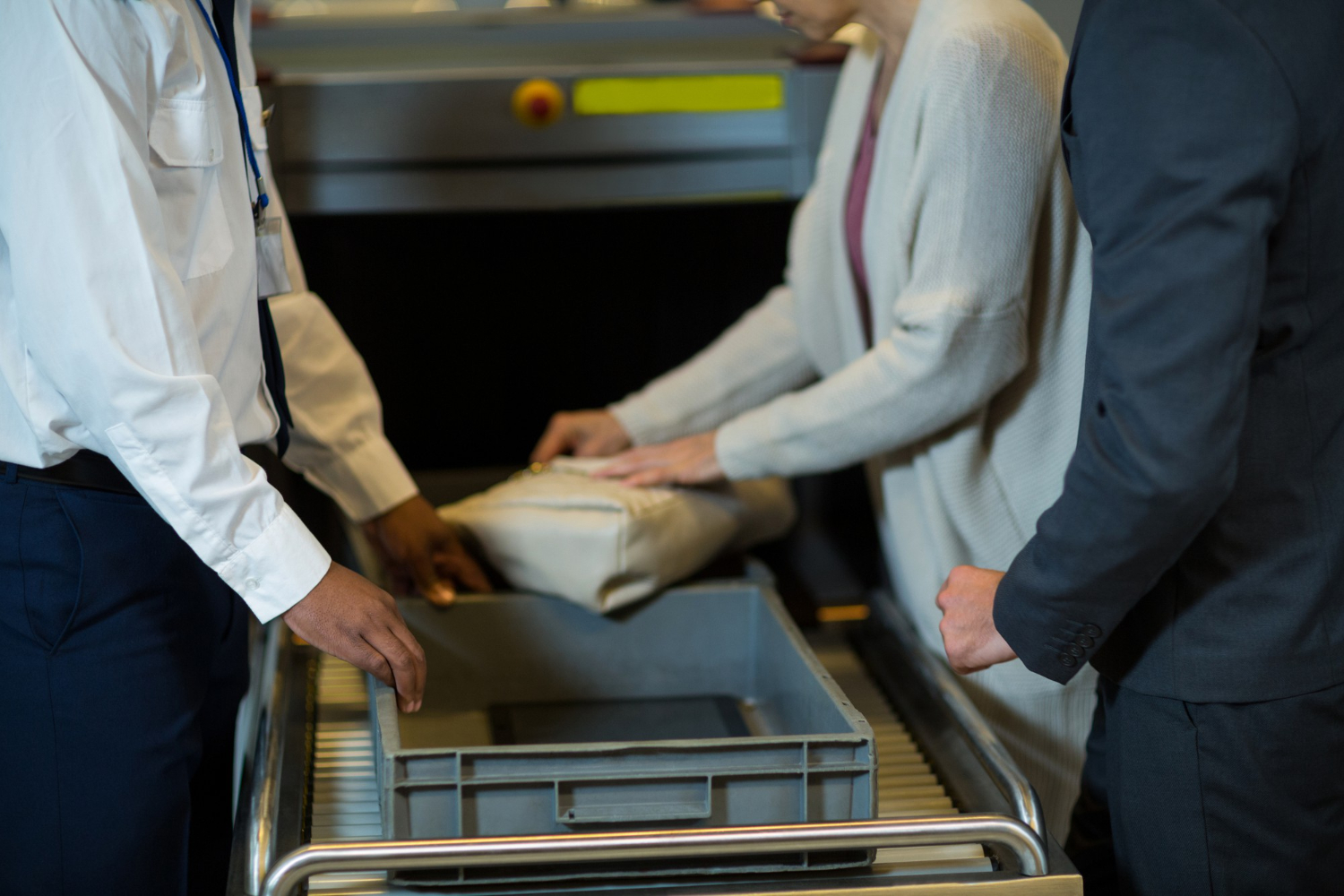
Unsurprisingly, weapons of any kind are strictly prohibited aboard cruise ships, including firearms, and even items that merely look like weapons, such as novelty lighters shaped like guns, are often confiscated. Sharp objects like large knives and scissors are restricted, as are many tools, particularly those exceeding a certain length.
There are limited exceptions for small personal items, and ordinary grooming items like safety razors are permitted, but anything that could be used as a weapon or poses a clear danger is removed at screening. Hardware tools, large blades, and similar implements have no place on a leisure cruise and will be confiscated. Leaving all weapons, weapon-like novelties, and unnecessary sharp objects and tools at home is the only sensible approach, both to comply with the rules and to avoid delays at the terminal.
10. Homemade and Certain Food Items
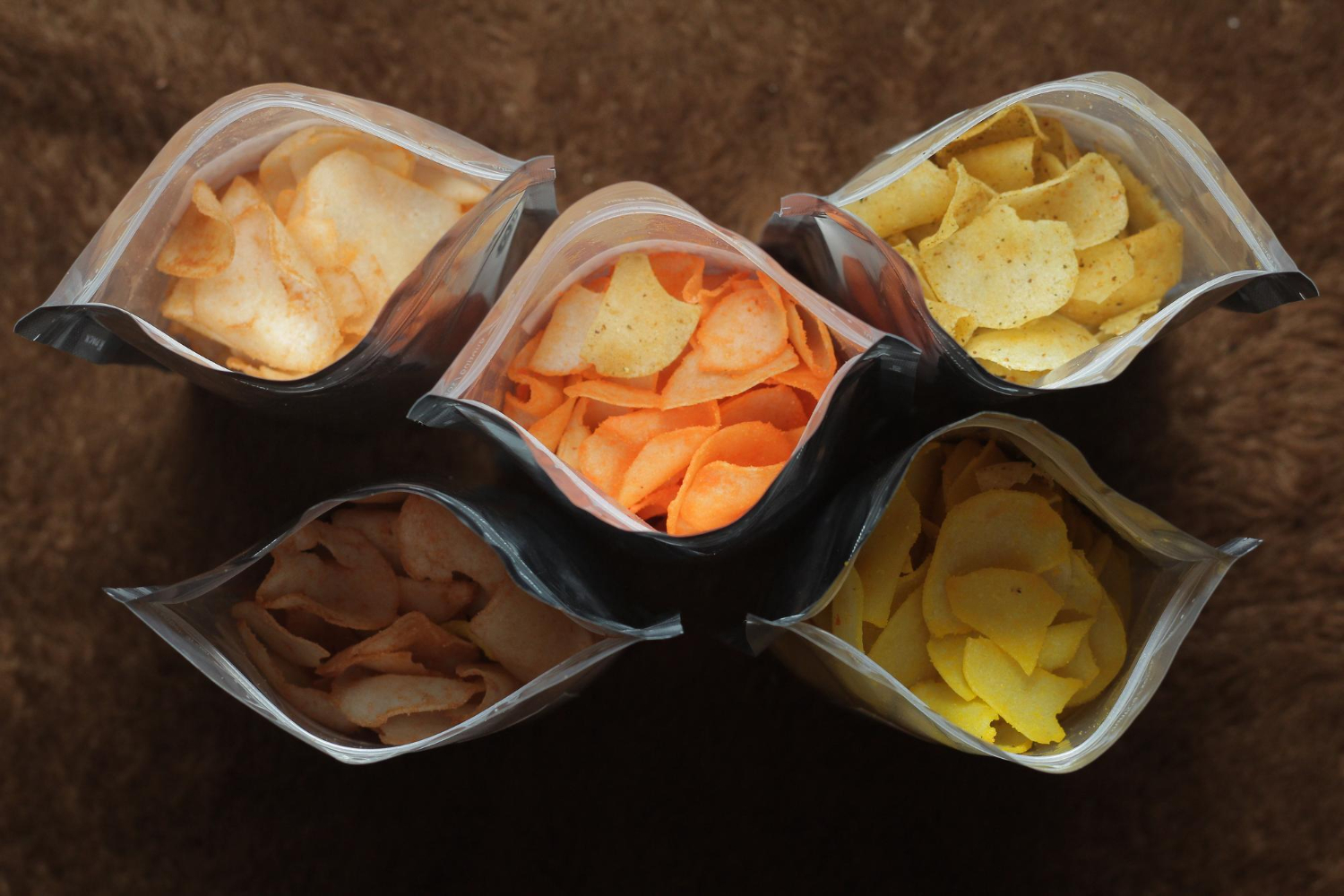
Food rules can surprise cruisers as well. While passengers are generally permitted to bring nonperishable, prepackaged, commercially sealed snacks aboard, homemade food is typically not allowed, as cruise lines have strict food-safety policies. That tempting batch of home-baked treats will likely be turned away at security.
Perishable foods and homemade items raise food-safety concerns aboard a ship serving thousands of meals daily, so they are generally prohibited. If you want to bring snacks, stick to sealed, commercially packaged items like chips, crackers, or candy. With the abundance of food included on most cruises, packing outside food is rarely necessary anyway. Understanding these food rules helps you avoid having items confiscated and ensures you are not relying on snacks that will not make it past the terminal.
Packing Smart for a Smooth Embarkation
The common thread running through these prohibited items is safety, especially fire prevention and security, aboard a vessel carrying thousands of people far from immediate help. Understanding the reasoning makes the rules easier to remember and follow. The consequences of ignoring them range from simple confiscation and delays to, in serious cases, denied boarding, so it pays to pack thoughtfully.
Before you pack, review your specific cruise line’s prohibited-items list, as policies vary from one company to another and do change over time. Pack approved alternatives, like wrinkle-release spray instead of an iron, a cruise-compliant power strip instead of a surge protector, and flameless candles instead of real ones. Carry any permitted wine in your hand luggage, and leave home anything that heats up, holds a flame, or could be considered a weapon. A little research before you zip up your suitcase ensures a smooth, hassle-free embarkation, so your carefree vacation can begin the moment you step aboard.
Like our content? Follow us for more.