Before dishwashers, dryers, and a gadget for nearly everything, growing up meant pitching in on a long list of household chores, many of which have since faded away. Children of past generations learned responsibility through hands-on work that modern conveniences have largely made unnecessary. From hanging the wash on the line to shelling peas on the porch, these tasks were simply part of family life. Looking back at them offers a nostalgic glimpse of a more hands-on era, and a reminder of how much daily life has changed. Here are thirty chores that were part of growing up decades ago, counted down one by one.
1. Hanging Laundry on the Clothesline
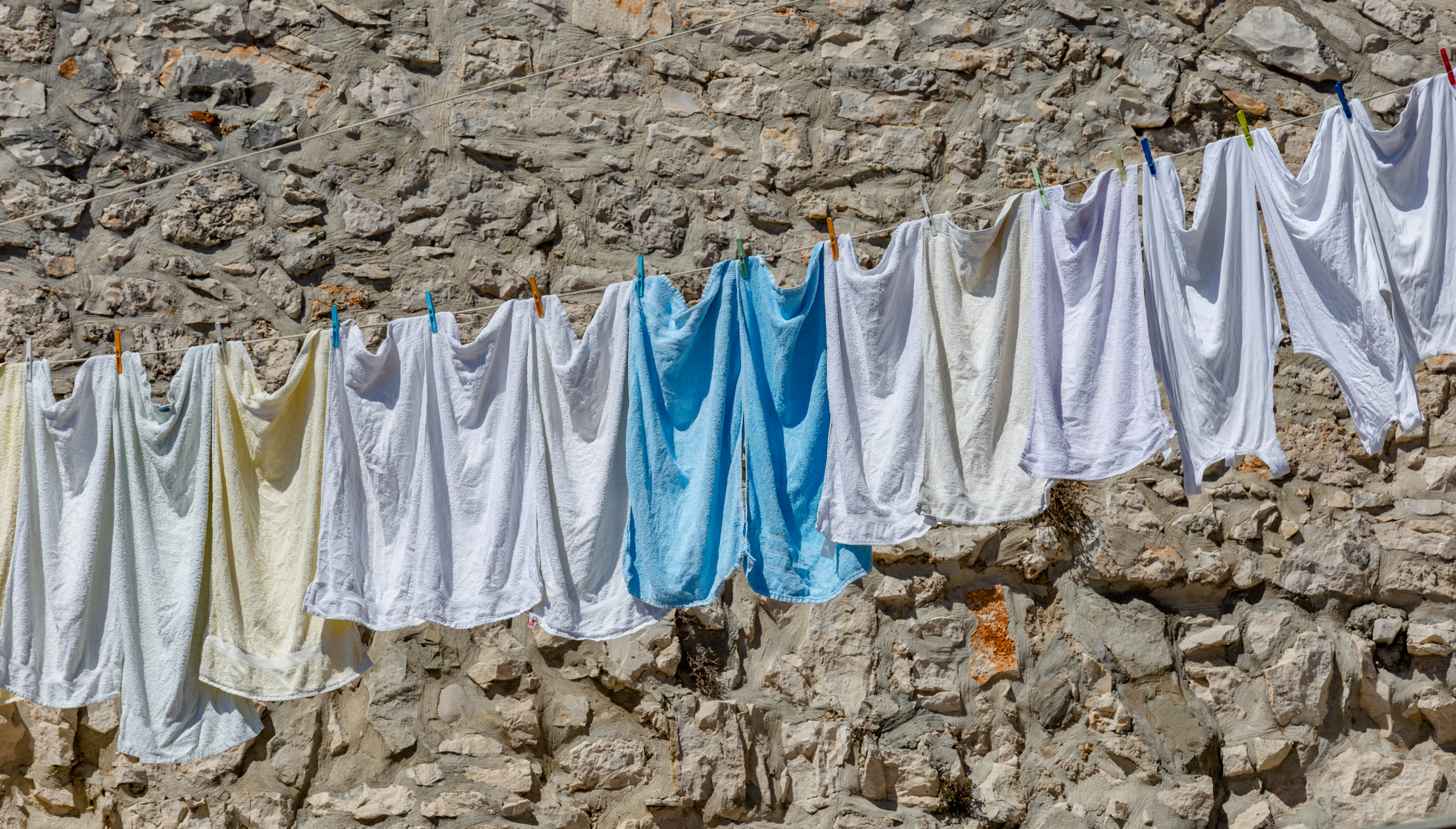
Before dryers were in every home, the wash was hung outside to dry on a clothesline. Pinning up sheets and clothes, and racing to bring them in before the rain, was a familiar chore for kids of past generations.
Hanging laundry was a regular task, with baskets of wet clothes pinned to the line and left to dry in the sun and breeze. Kids learned to peg sheets, shirts, and socks neatly, and to dash outside at the first sign of rain. The fresh smell of line-dried laundry was a small reward. With dryers now standard, the clothesline chore has largely disappeared, making it a nostalgic memory of a more weather-dependent way of doing the wash.
Like our content? Follow us for more.
2. Beating the Rugs
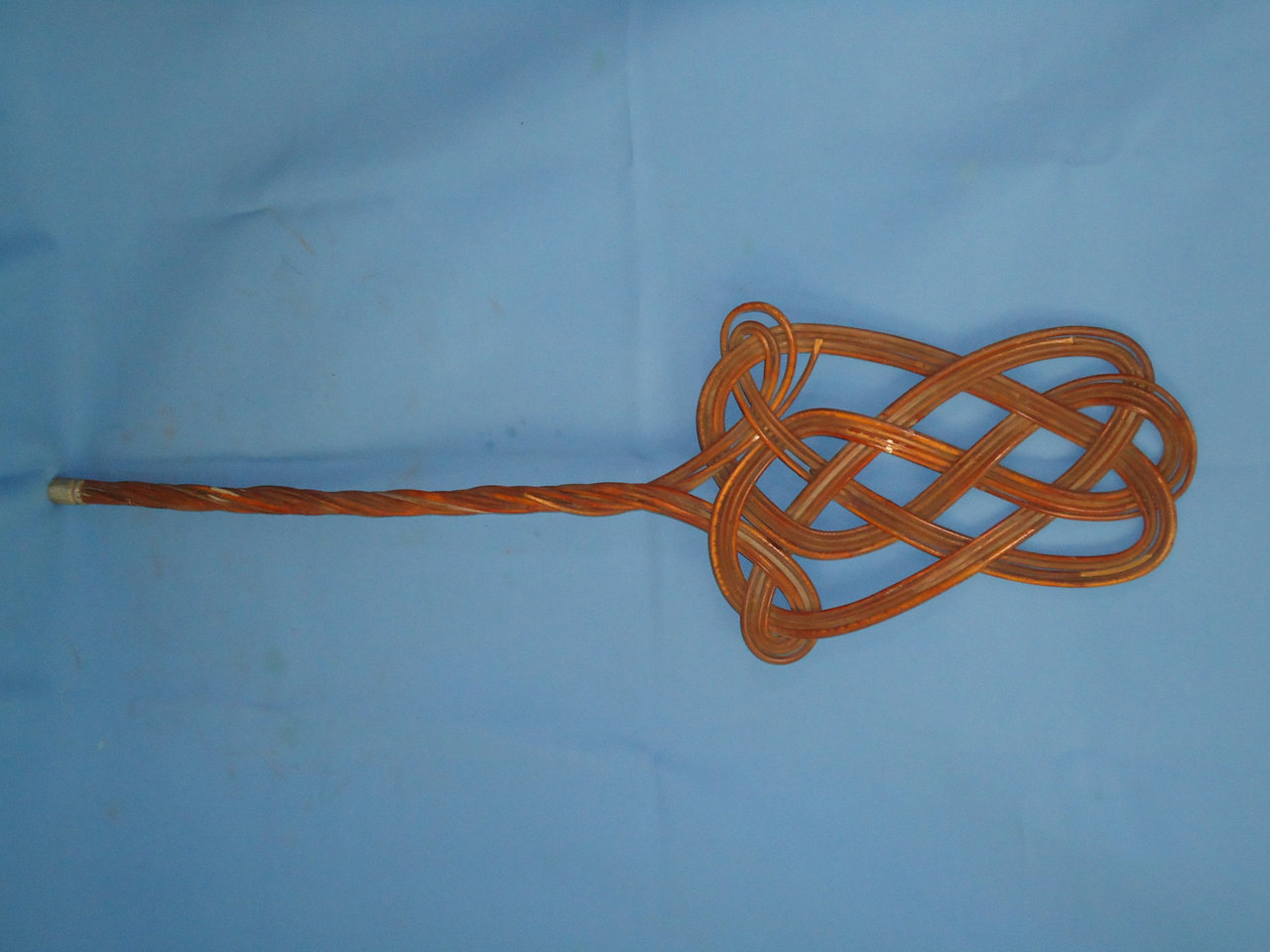
Rugs and carpets were taken outside, hung over a line or railing, and beaten with a paddle to knock out the dust. It was dusty, tiring work that fell to many a child decades ago.
Before powerful vacuums, beating the rugs was how households got the dust out, with rugs draped over a line and struck repeatedly with a wicker or wire beater. The clouds of dust that flew out showed just how necessary the chore was. It was hard, sneeze-inducing work, often handed to the kids. Modern vacuums have made rug-beating obsolete, turning it into a nostalgic relic of the labor that once went into keeping a home clean.
3. Hand-Cranking the Ice Cream Maker
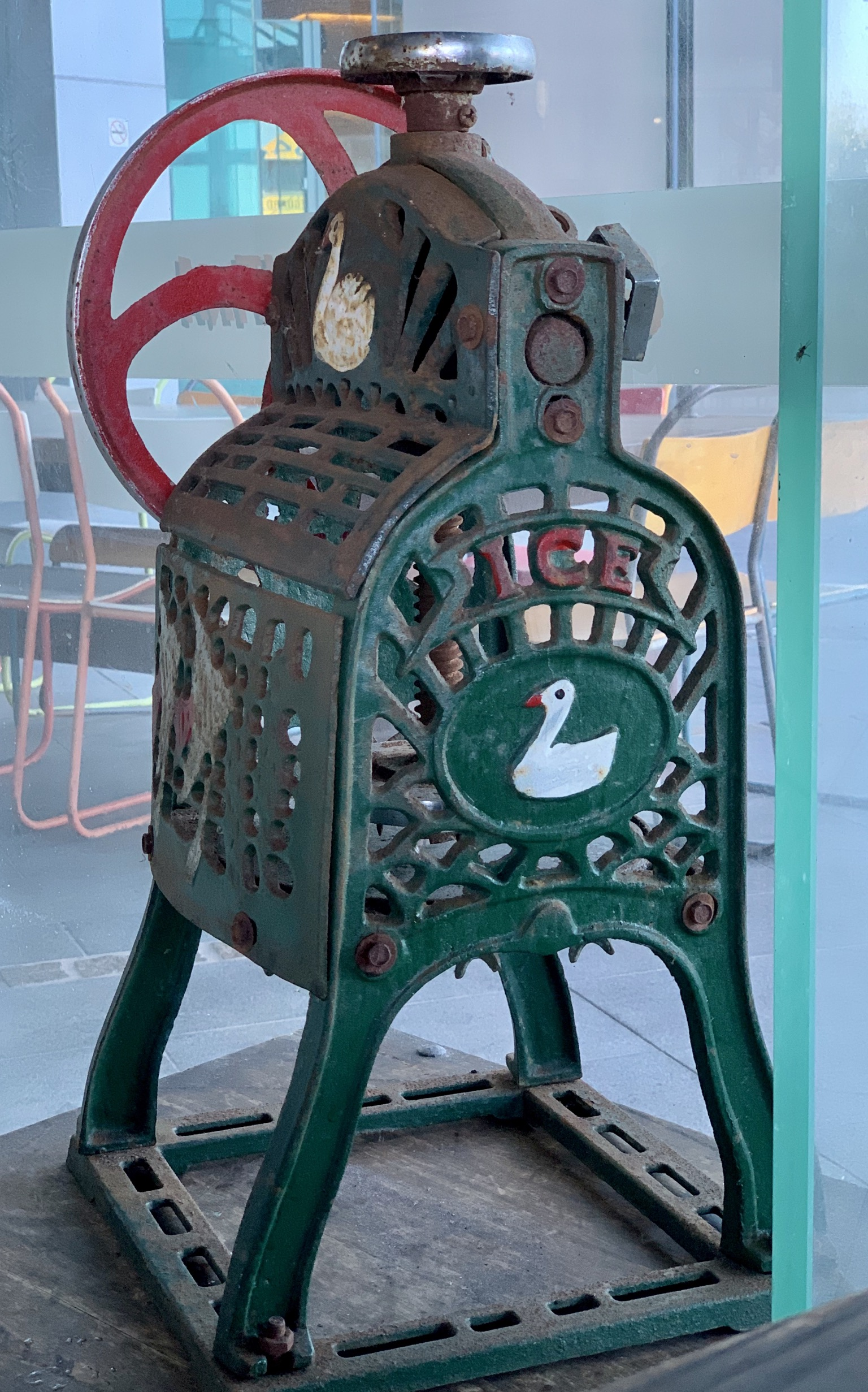
Making ice cream at home meant taking turns cranking a hand-operated churn packed with ice and salt. The hard, arm-tiring work was a beloved warm-weather chore with a delicious reward.
The hand-cranked ice cream maker turned a summer treat into a family effort, with everyone taking turns at the crank as the mixture slowly froze in its bucket of ice and salt. The work grew harder as the ice cream thickened, but the homemade result was worth every turn. Kids both dreaded and loved the task. Electric machines and store-bought tubs have made hand-cranking a rarity, leaving it a cherished, sweet memory of summers past.
4. Shelling Peas and Snapping Beans
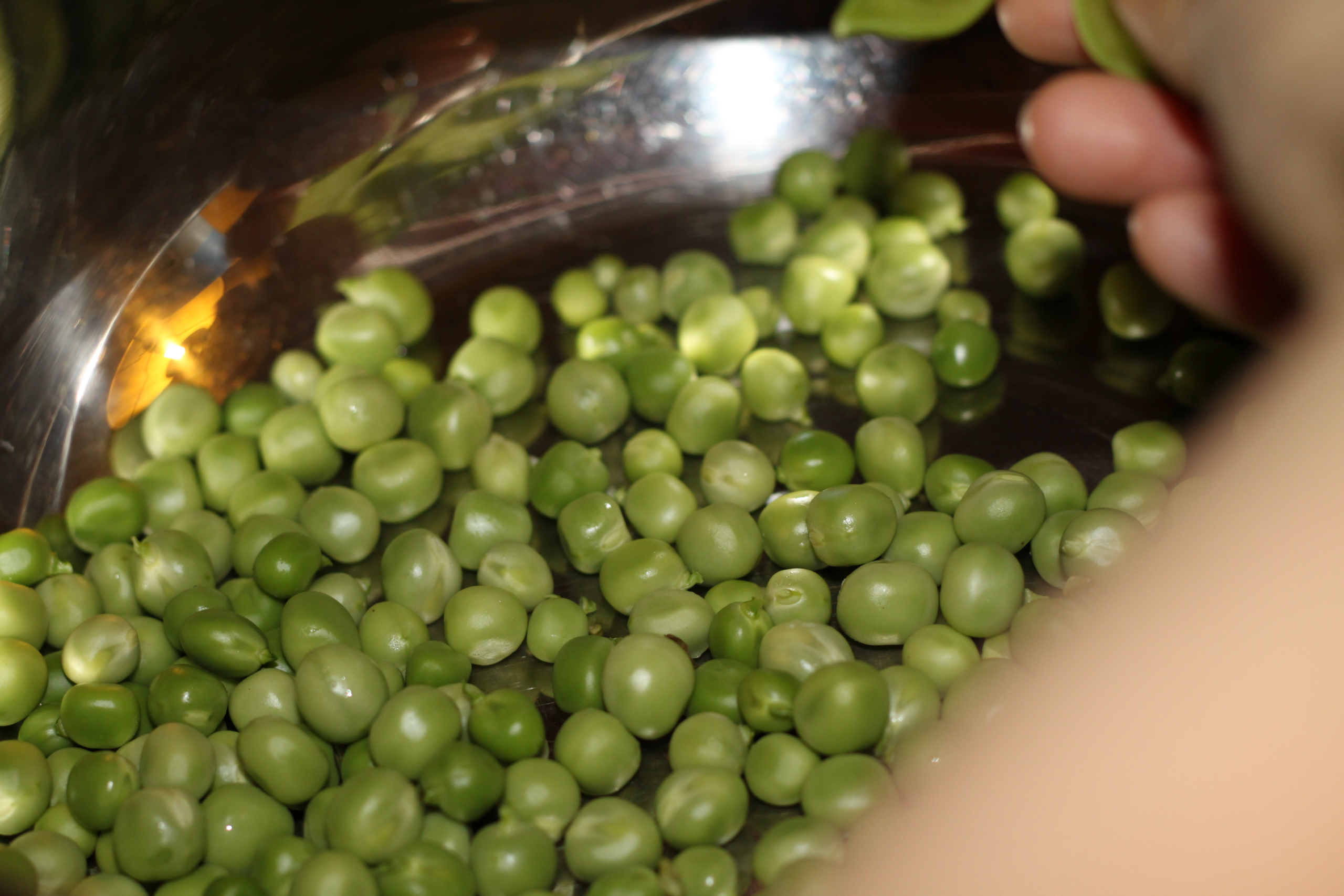
Preparing fresh vegetables from the garden meant sitting down to shell peas and snap beans by hand. The repetitive task was a common chore, often done together on the porch.
Shelling peas and snapping beans was a familiar summer chore, with families gathering bowls of fresh produce to prepare for cooking or canning. Kids popped open pods and snapped beans into pieces, the work made lighter by chatting together. It connected children to the food they ate. With more produce now bought ready to cook, this hands-on chore has faded, becoming a nostalgic image of slower, garden-to-table days.
5. Wringing Laundry by Hand or Wringer
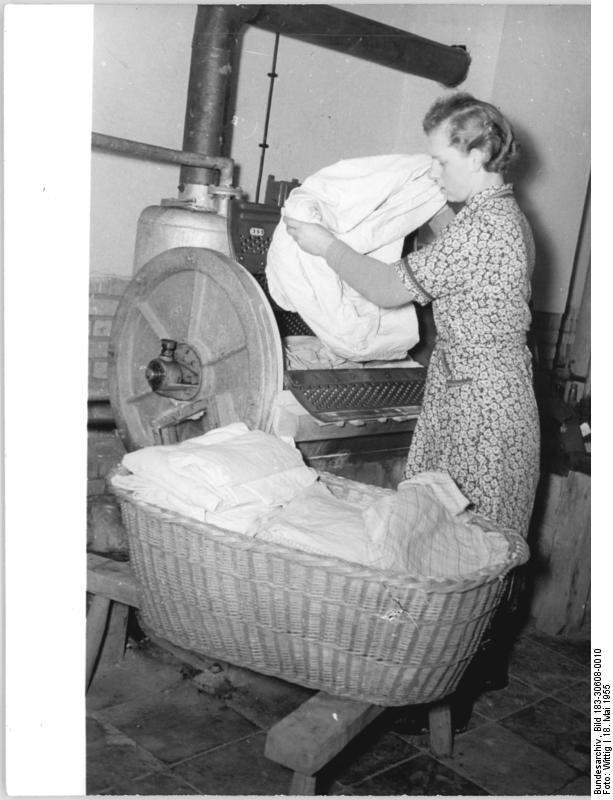
Before automatic washers, wet laundry was wrung out by hand or fed through a wringer to squeeze out the water. It was a strenuous, sometimes finger-pinching chore.
Getting the water out of washed clothes once meant twisting them by hand or feeding them through a hand-cranked wringer, a task that required care to avoid pinched fingers. The heavy, sodden laundry made it real work. Kids who helped learned to mind the wringer’s rollers. Automatic spin cycles have erased this chore entirely, making the hand wringer a nostalgic symbol of how much effort laundry once demanded.
6. Rolling Coins From the Change Jar
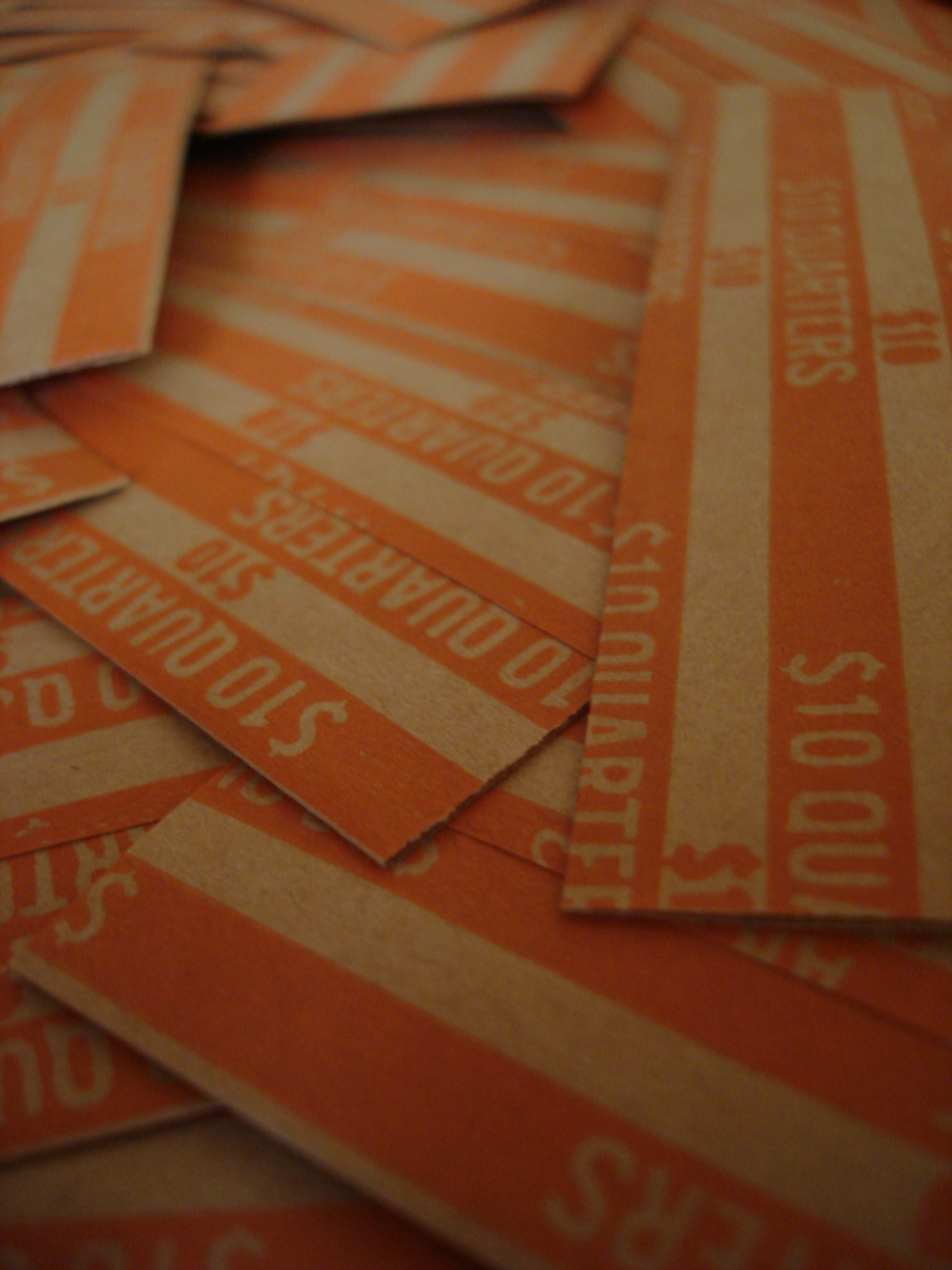
Saved-up coins were sorted and rolled into paper wrappers by hand before a trip to the bank. Counting and rolling the change jar was a tedious but oddly satisfying chore.
Rolling coins meant sorting a jar of accumulated change into pennies, nickels, dimes, and quarters, then packing them into paper wrappers to exchange at the bank. Kids often did the counting and rolling, learning a bit about money along the way. The satisfying weight of a full roll was its own reward. Coin-counting machines and digital payments have made this chore rare, turning it into a nostalgic memory of the household change jar.
7. Polishing the Silverware
Good silverware was kept gleaming through regular hand-polishing, a careful chore often saved for before holidays and special occasions. It was slow, detailed work.
Polishing the family silver involved rubbing each piece with polish and a cloth to remove tarnish and restore its shine, often in preparation for a holiday meal or guests. Kids were enlisted to buff spoons and forks until they gleamed. The task taught patience and care for nice things. With everyday stainless steel and less formal dining, silver-polishing has become an occasional task at most, a nostalgic nod to more formal times.
8. Burning the Trash
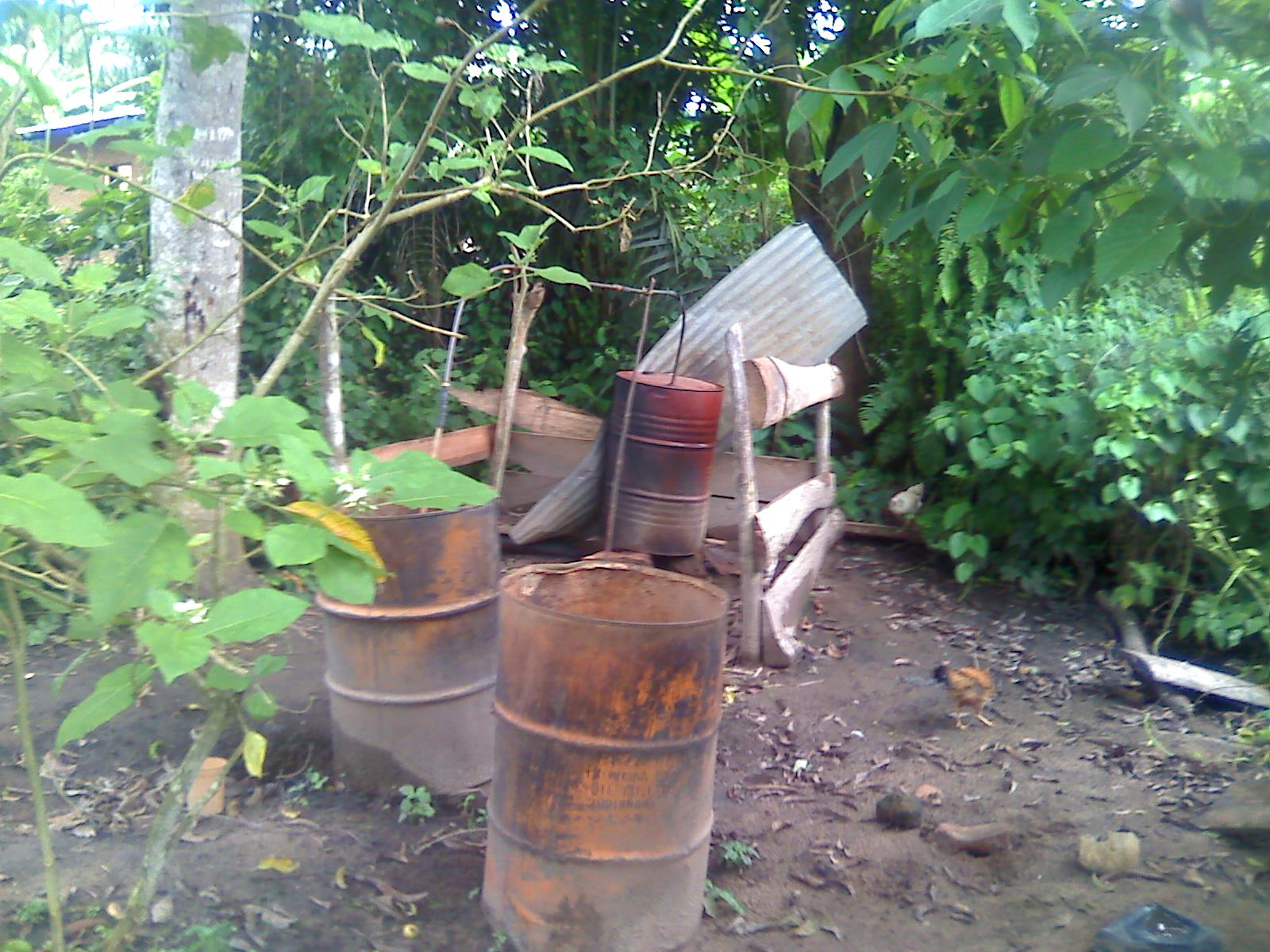
In many rural and small-town homes, household trash was burned in a backyard barrel or pit. Tending the burn barrel was a regular, if smoky, chore decades ago.
Before widespread trash collection, many families disposed of burnable waste in a backyard barrel or pit, and keeping the fire contained was a household responsibility. Older kids might be trusted to tend it under supervision. It was a routine part of managing the home’s waste. With modern trash and recycling services, and environmental rules, backyard trash-burning has largely disappeared, making it a distinctly dated chore of the past.
9. Filling the Wood Box or Coal Scuttle
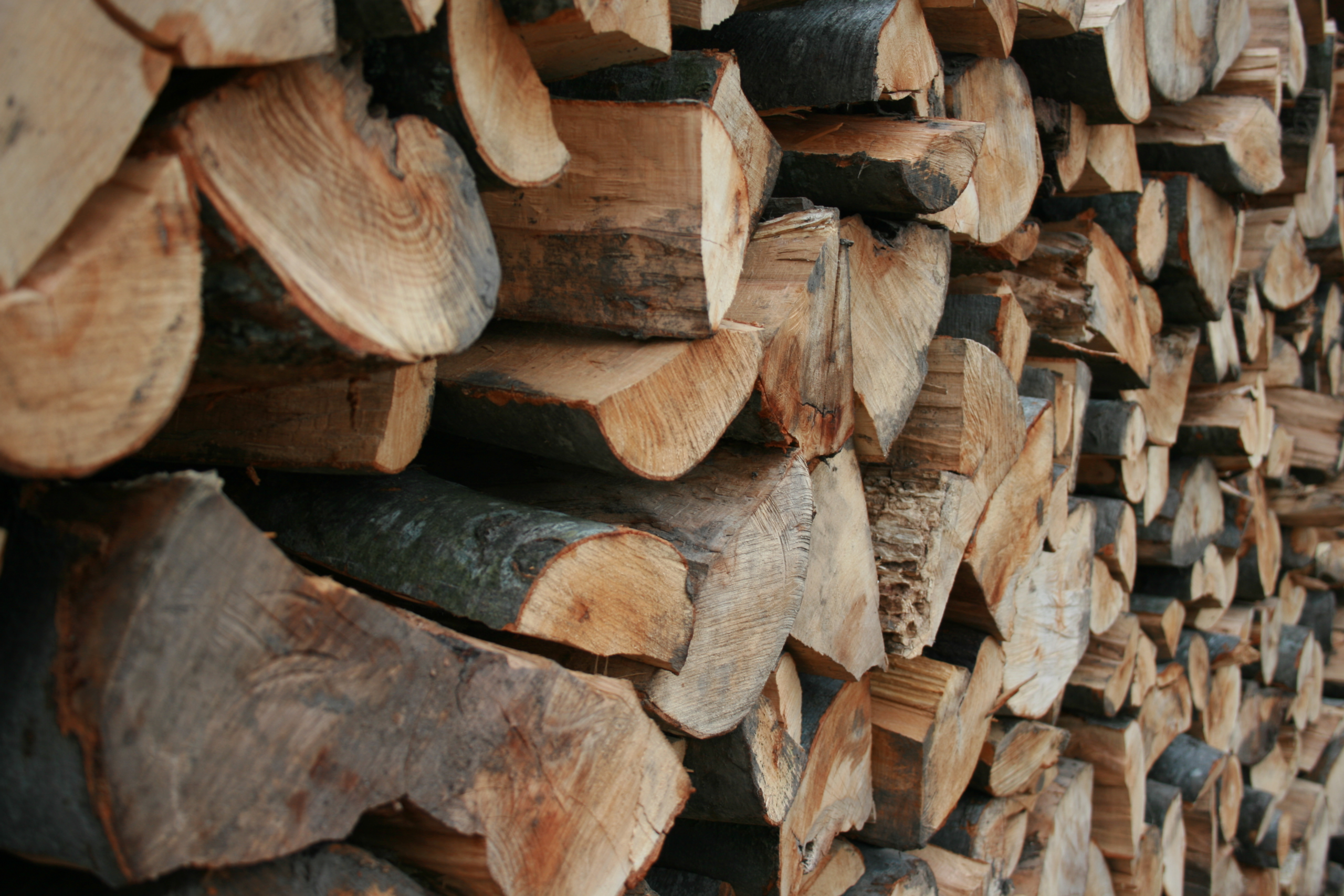
Homes heated by wood or coal needed a steady supply hauled in from outside. Keeping the wood box or coal scuttle full was a constant cold-weather chore.
In homes with wood stoves or coal furnaces, someone had to keep fuel coming in, and that job often fell to the children, who hauled armloads of wood or buckets of coal to keep the home warm. The chore was endless in winter and built strong arms. It connected kids directly to the work of staying warm. Central heating has made this once-essential chore obsolete, a nostalgic reminder of labor-intensive winters.
10. Hand-Washing the Dishes Every Night
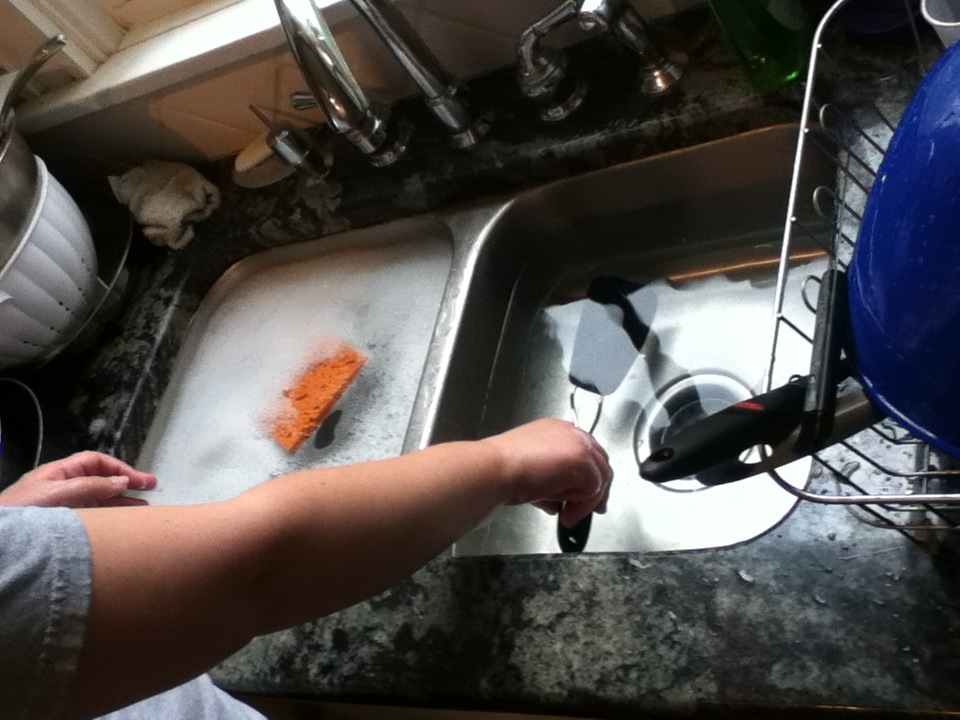
Before dishwashers were common, every meal’s dishes were washed, dried, and put away by hand. The nightly dish duty was a near-universal chore for kids.
Hand-washing dishes after every meal was a daily ritual, with one person washing, another drying, and the dishes stacked away by hand. Siblings often shared, and sometimes argued over, the task. The routine taught responsibility and teamwork. While dishwashers haven’t eliminated dishwashing entirely, the nightly chore of doing every dish by hand has eased for many, making the old routine a familiar memory of family kitchens.
11. Mending and Darning Clothes
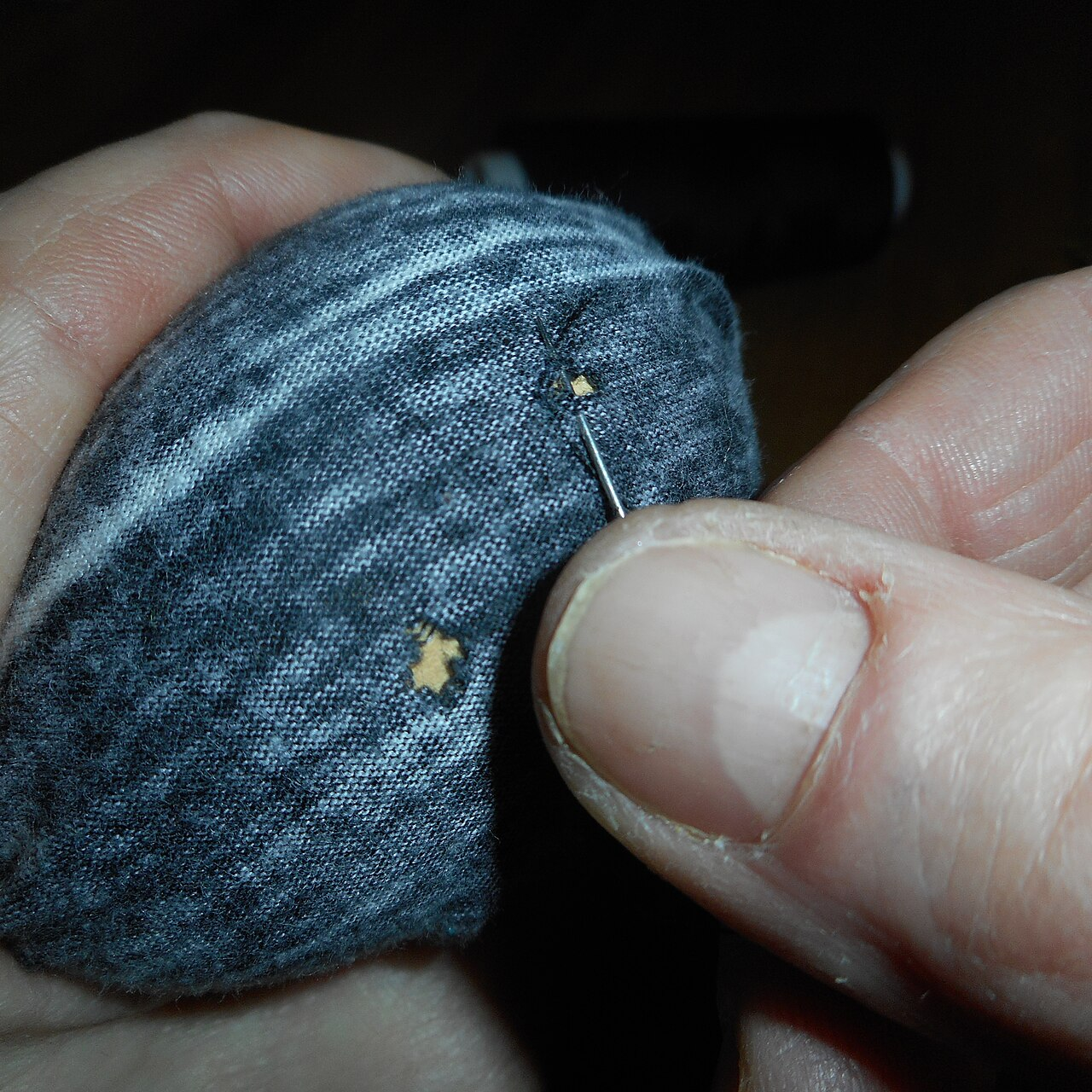
Worn clothes and socks were repaired rather than replaced, with holes darned and seams stitched by hand. Learning to mend was a practical chore and skill.
Mending clothes meant patching tears, sewing on buttons, and darning the holes in socks, often using a darning egg to hold the shape. Children learned basic stitching to keep garments in service longer. In a make-do-and-mend culture, repairing clothes was simply expected. With inexpensive, readily replaced clothing today, mending has become far less common, a nostalgic skill from a more thrifty era.
12. Pumping or Hauling Water
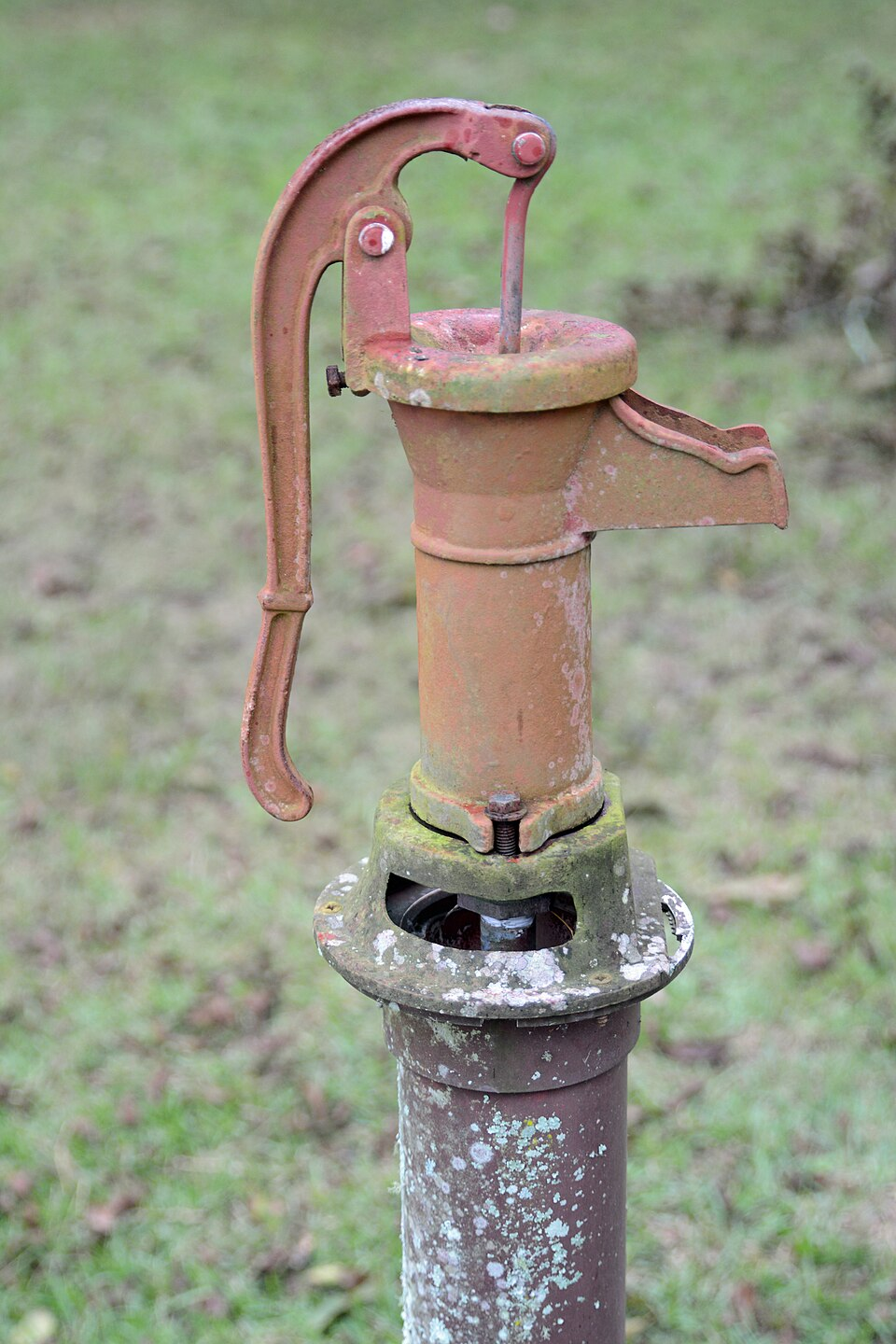
In homes without indoor plumbing, water was pumped or carried in from a well or outdoor source. Hauling water was a heavy, essential daily chore.
Where indoor plumbing was limited, fetching water meant working a hand pump or carrying buckets from a well, a physically demanding chore done multiple times a day. Children pitched in to keep water on hand for cooking, cleaning, and washing. The effort made every drop feel valuable. Modern plumbing has made this chore unimaginable to many today, marking it as one of the most dramatically changed tasks of daily life.
13. Emptying and Cleaning the Ashtrays
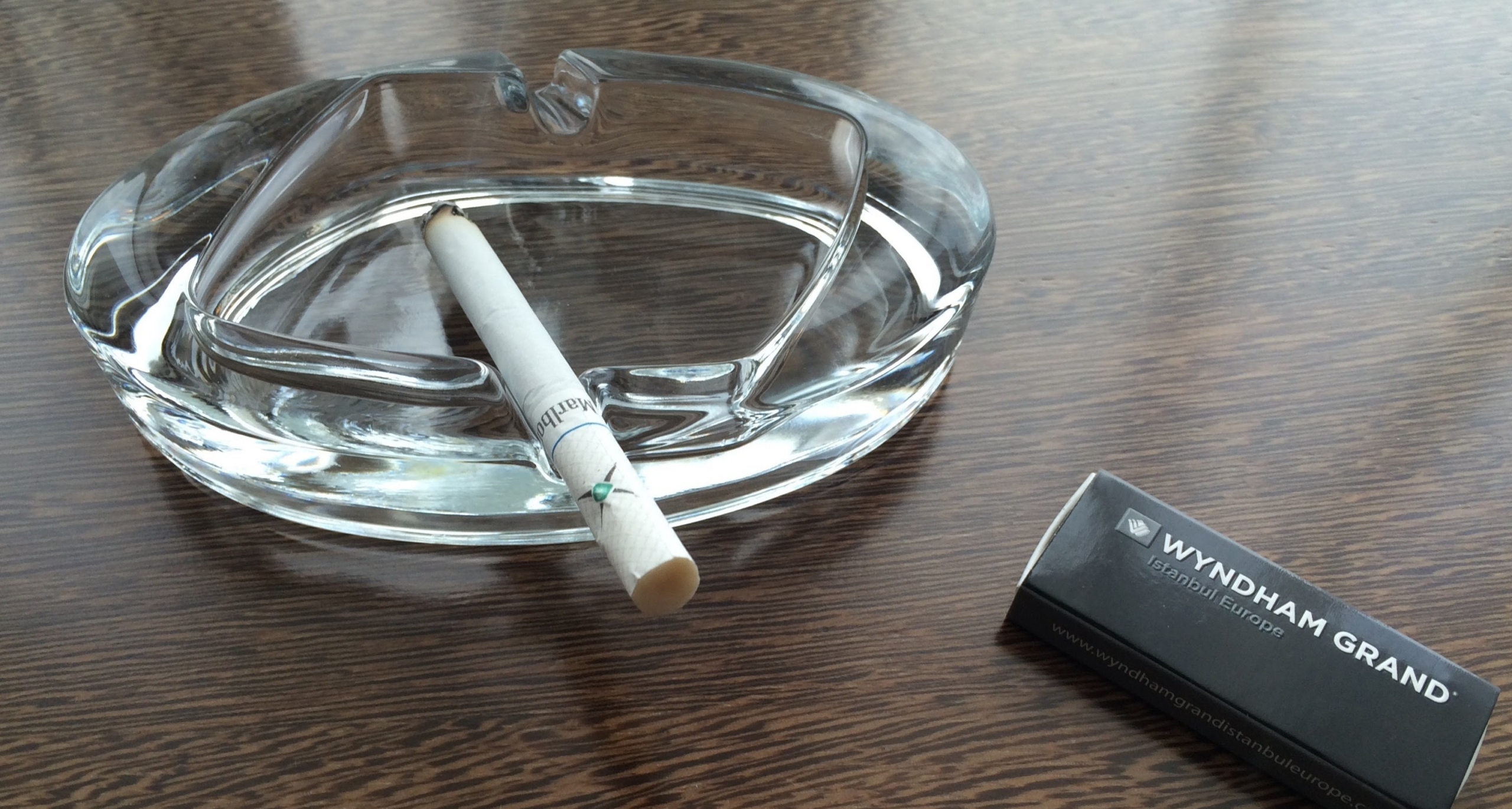
In an era when smoking indoors was common, emptying and washing ashtrays around the house was a routine chore. It’s a task that has nearly vanished from homes.
When indoor smoking was widespread, ashtrays sat in living rooms and kitchens and needed regular emptying and cleaning, a small chore often handed to the kids. It was simply part of tidying up the house. As smoking indoors has declined dramatically, the chore of cleaning ashtrays has all but disappeared from family homes, making it a clear marker of how much household habits have changed over the decades.
14. Sweeping the Porch and Walk
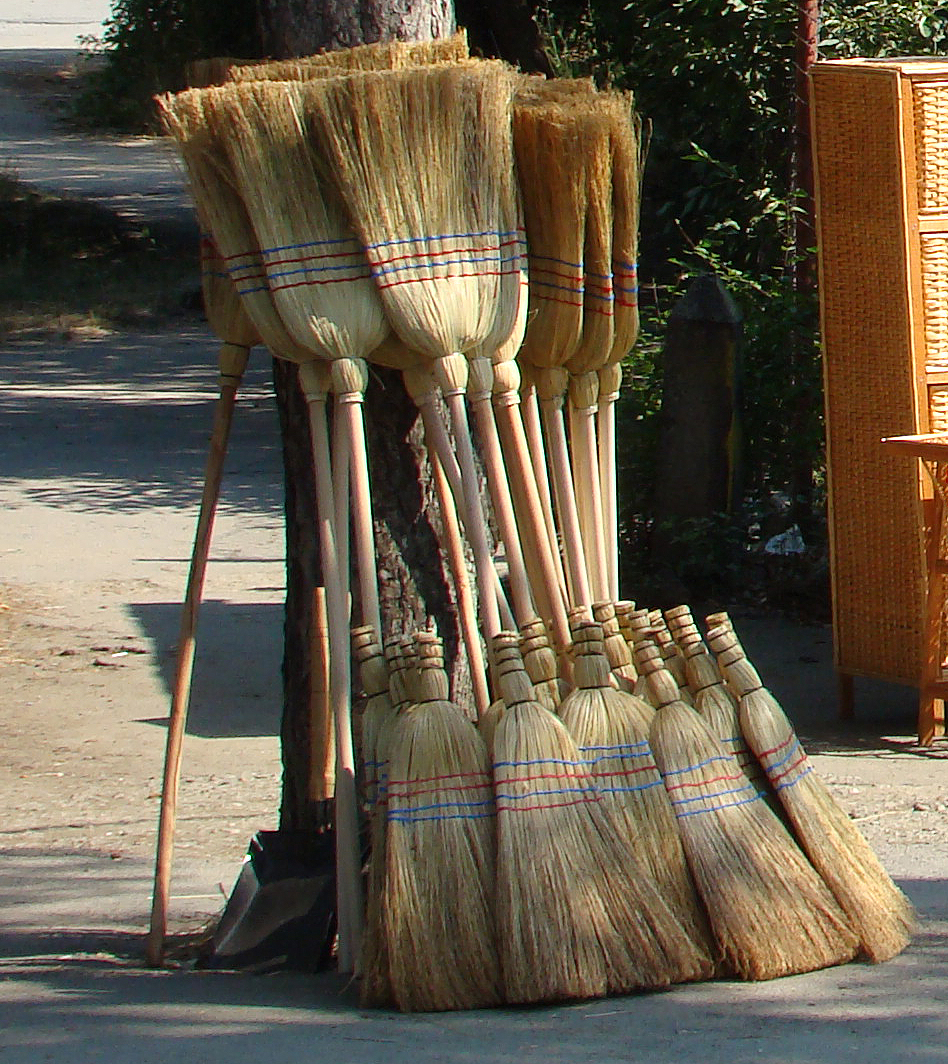
Keeping the front porch, steps, and walkway swept clean was a regular outdoor chore. A broom and a bit of effort kept the home’s entrance tidy.
Sweeping the porch, steps, and front walk was a familiar chore that kept leaves, dirt, and debris from the home’s entrance, often done daily or whenever things looked untidy. Kids took up the broom to keep the approach presentable for visitors. It was simple, satisfying work. While still done today, the daily diligence of porch-sweeping has relaxed for many, recalling a time of greater attention to a tidy front entrance.
15. Beating Eggs and Batter by Hand
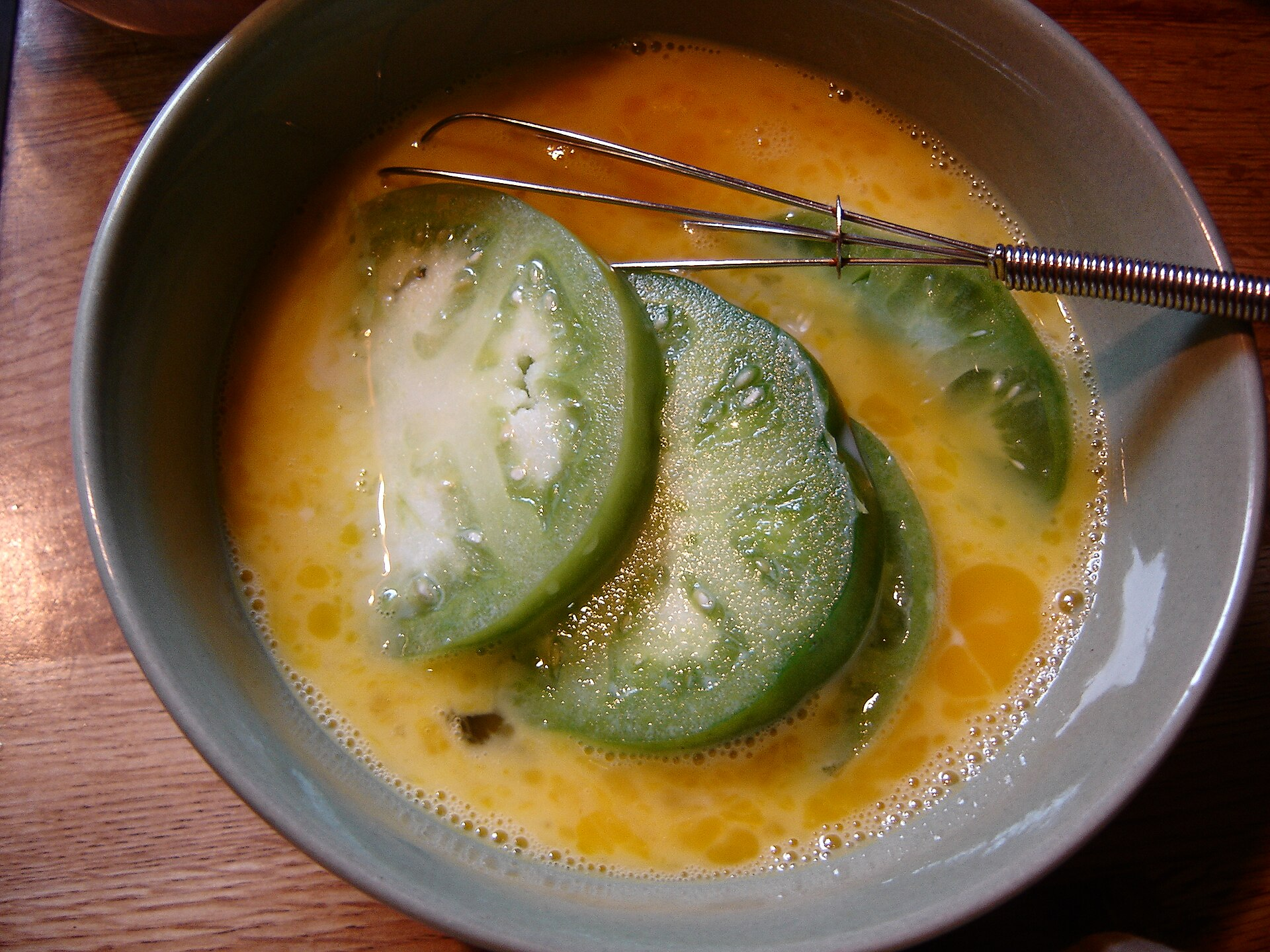
Baking and cooking meant beating eggs, whipping cream, and mixing batter by hand with a whisk or rotary beater. It was arm-tiring kitchen work.
Before electric mixers were in every kitchen, beating eggs, whipping cream, and mixing batter was done by hand with a whisk or a hand-cranked rotary beater, taking real effort and stamina. Kids were often recruited to take a turn at the beater for cakes and cookies. The work made the treats feel earned. Electric and stand mixers have made hand-beating optional, turning it into a nostalgic memory of more laborious home baking.
16. Bringing in Coal or Kindling and Starting the Fire
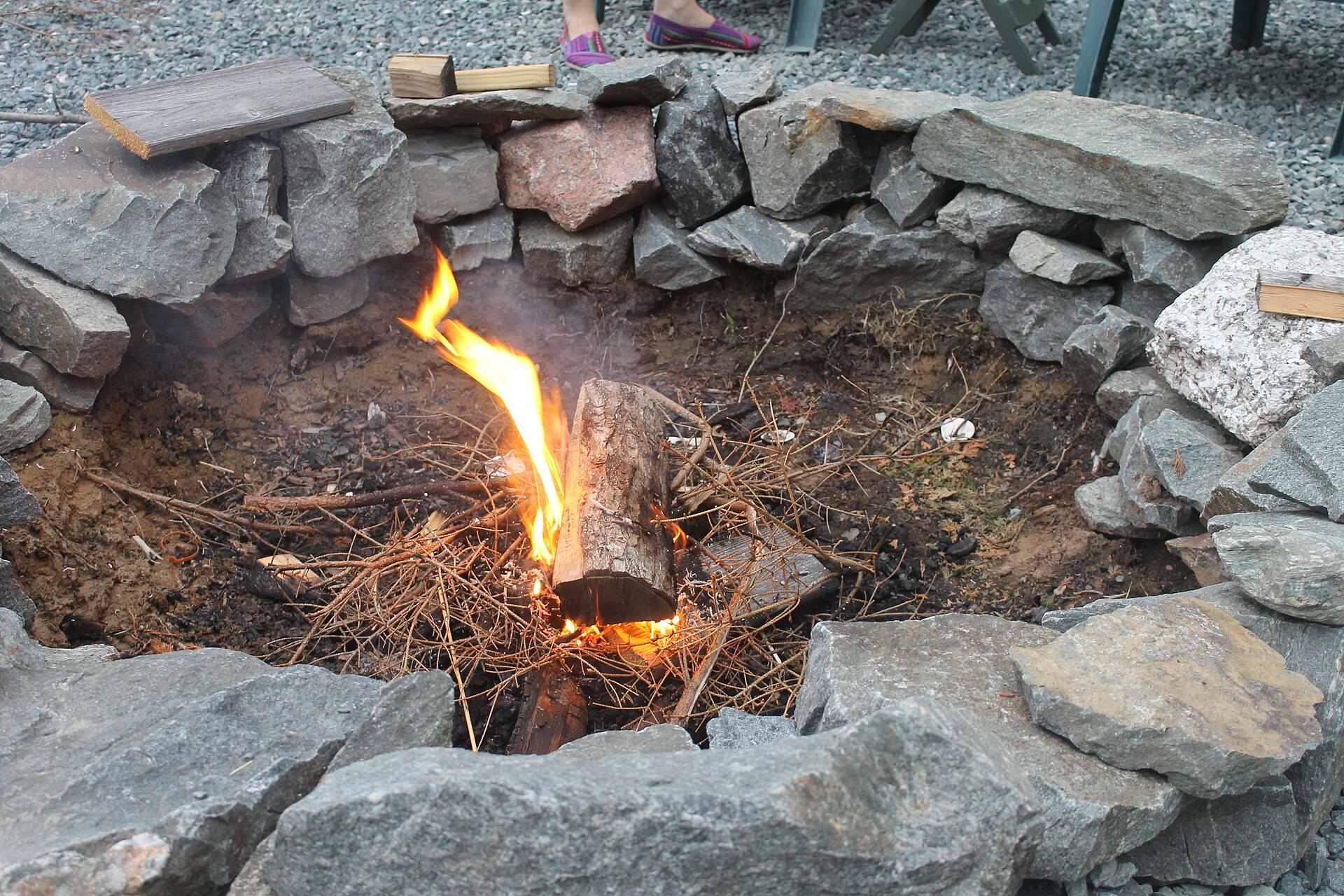
Lighting the morning fire in a stove or hearth meant gathering kindling and getting the flames going. Building the fire was an early-morning chore in many homes.
In homes that relied on a fire or wood stove for heat and cooking, someone had to gather kindling and coax the morning fire to life, often before the rest of the house was warm. Older children learned to lay and light a fire properly. It was a chore that quite literally warmed the home. Central heating and modern appliances have removed the need, making fire-starting a vanished daily duty for most.
17. Hand-Cranking the Laundry Mangle or Ironing With Heavy Irons
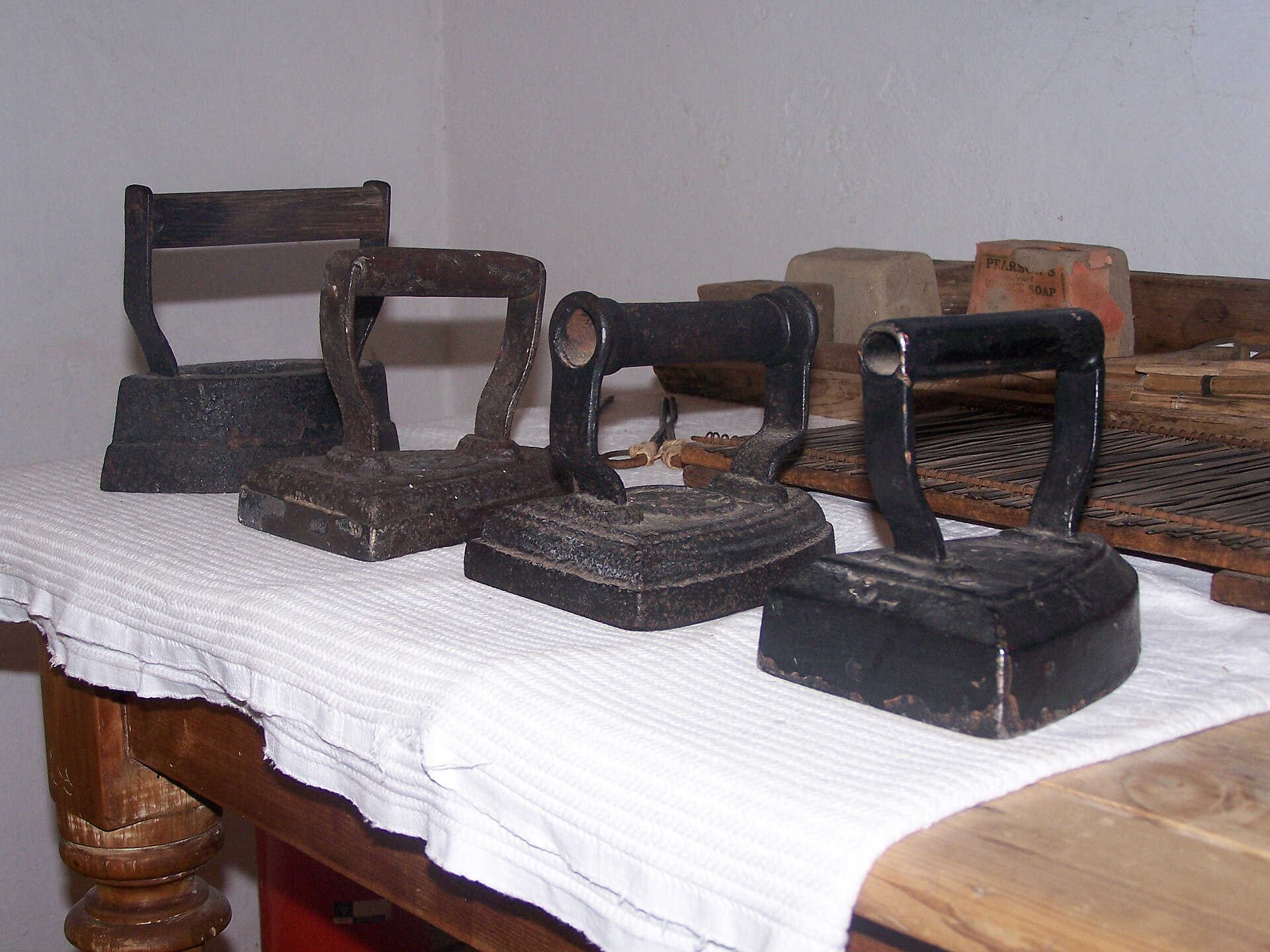
Smooth, pressed linens once required heavy flat irons heated on the stove or a hand-cranked mangle. Ironing was hot, careful, time-consuming work.
Before lightweight electric irons, pressing clothes and linens meant using heavy flat irons heated on the stove, swapping them out as they cooled, or feeding sheets through a hand-cranked mangle. The work demanded care to avoid scorching and burns. Older kids helped with the endless pressing. Modern irons and wrinkle-resistant fabrics have eased the chore, making the heavy old irons a nostalgic emblem of laundry day’s hard labor.
18. Scrubbing Floors on Hands and Knees
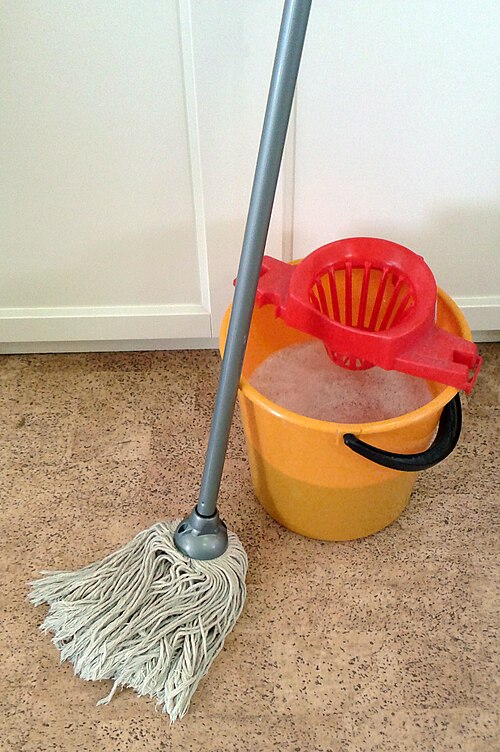
Floors were scrubbed clean by hand with a brush and bucket, a demanding chore done on hands and knees. It was some of the hardest household work.
Keeping floors clean once meant getting down on hands and knees with a scrub brush, soap, and a bucket of water, working over the surface by hand. It was tiring, knee-aching labor that fell to family members including children. The gleaming result reflected the effort. Mops, steam cleaners, and modern flooring have made hands-and-knees scrubbing largely unnecessary, marking it as one of the more grueling chores left behind.
19. Plucking and Cleaning Poultry
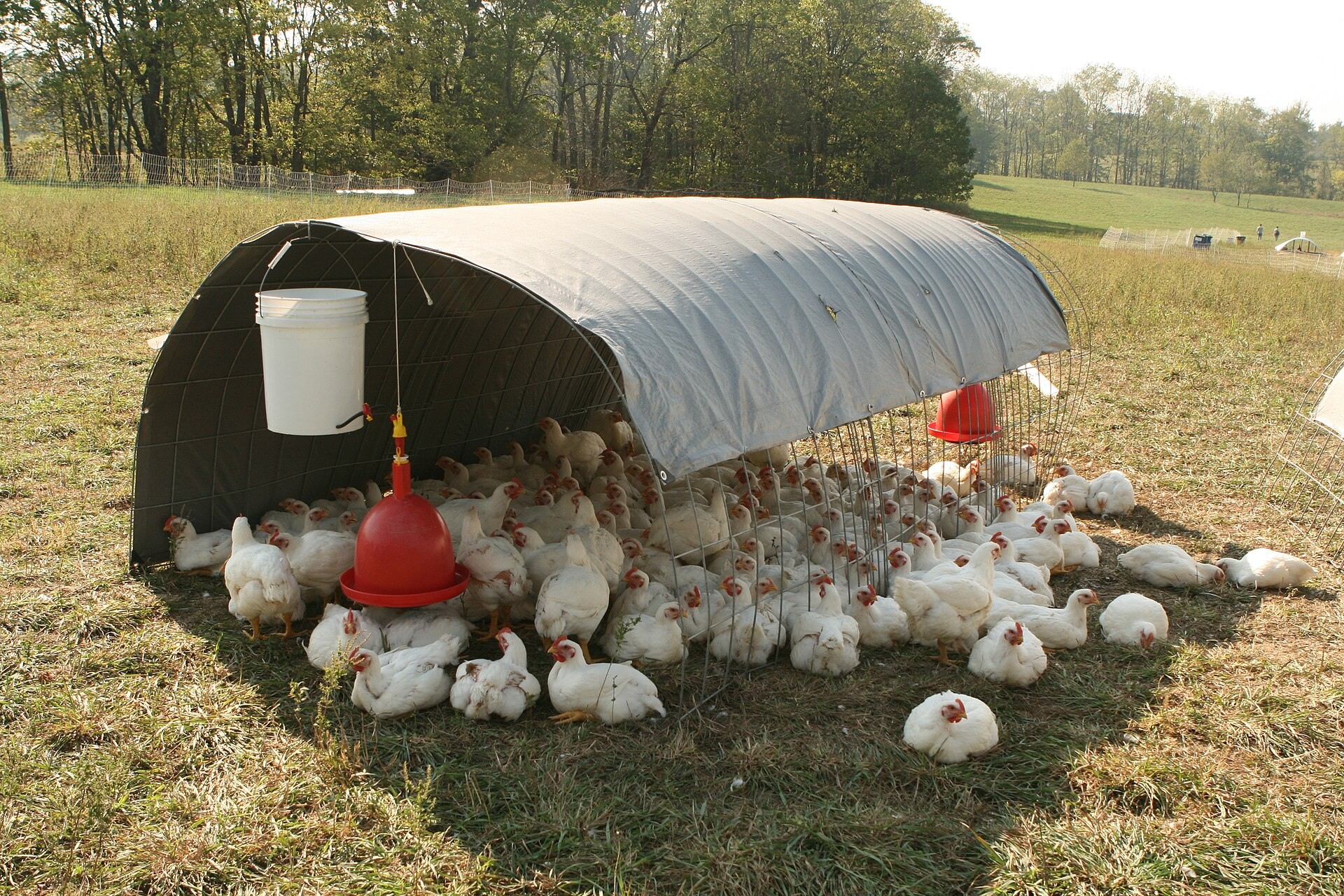
Families who raised or bought whole birds had to pluck the feathers and clean the bird before cooking. It was messy, unglamorous kitchen work.
Preparing a chicken or other bird for the table once meant plucking the feathers and cleaning it by hand, a messy chore on farms and in many households. Children sometimes helped with the plucking, learning where dinner really came from. The hands-on task connected families to their food. With poultry now sold cleaned and packaged, this chore has vanished from most homes, a reminder of more self-sufficient kitchens.
20. Churning Butter
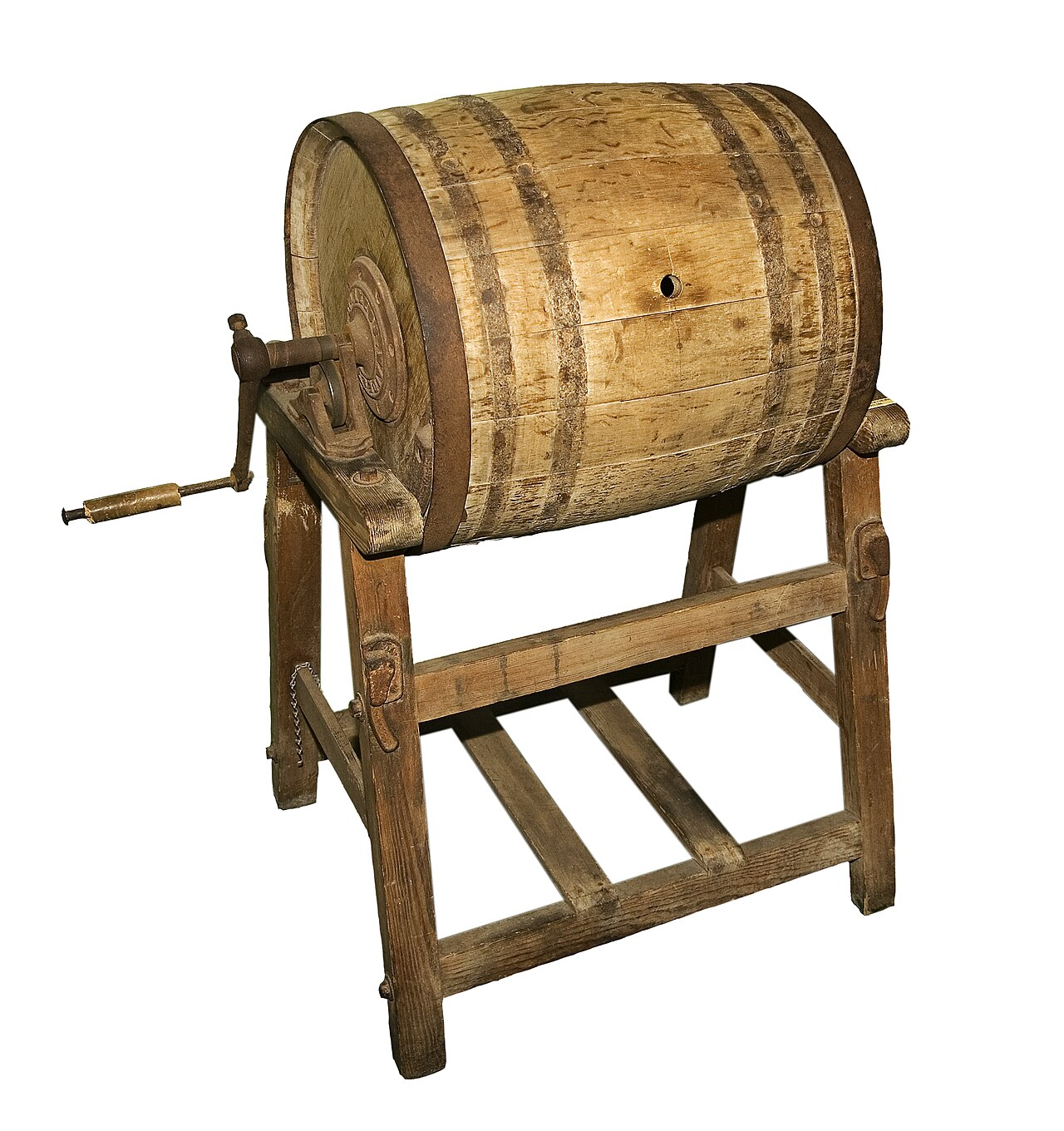
Making butter at home meant churning cream by hand until it thickened, a slow and tiring chore. The reward was fresh, homemade butter.
Churning butter required working cream in a churn, by plunger or crank, until it separated into butter and buttermilk, a process that took patience and steady effort. Kids often took turns at the churn, the monotony broken by the promise of fresh butter. It was a staple chore on farms and in rural homes. Store-bought butter has made churning a rarity, leaving it a quaint, nostalgic image of homestead life.
21. Cleaning Out the Fireplace or Stove
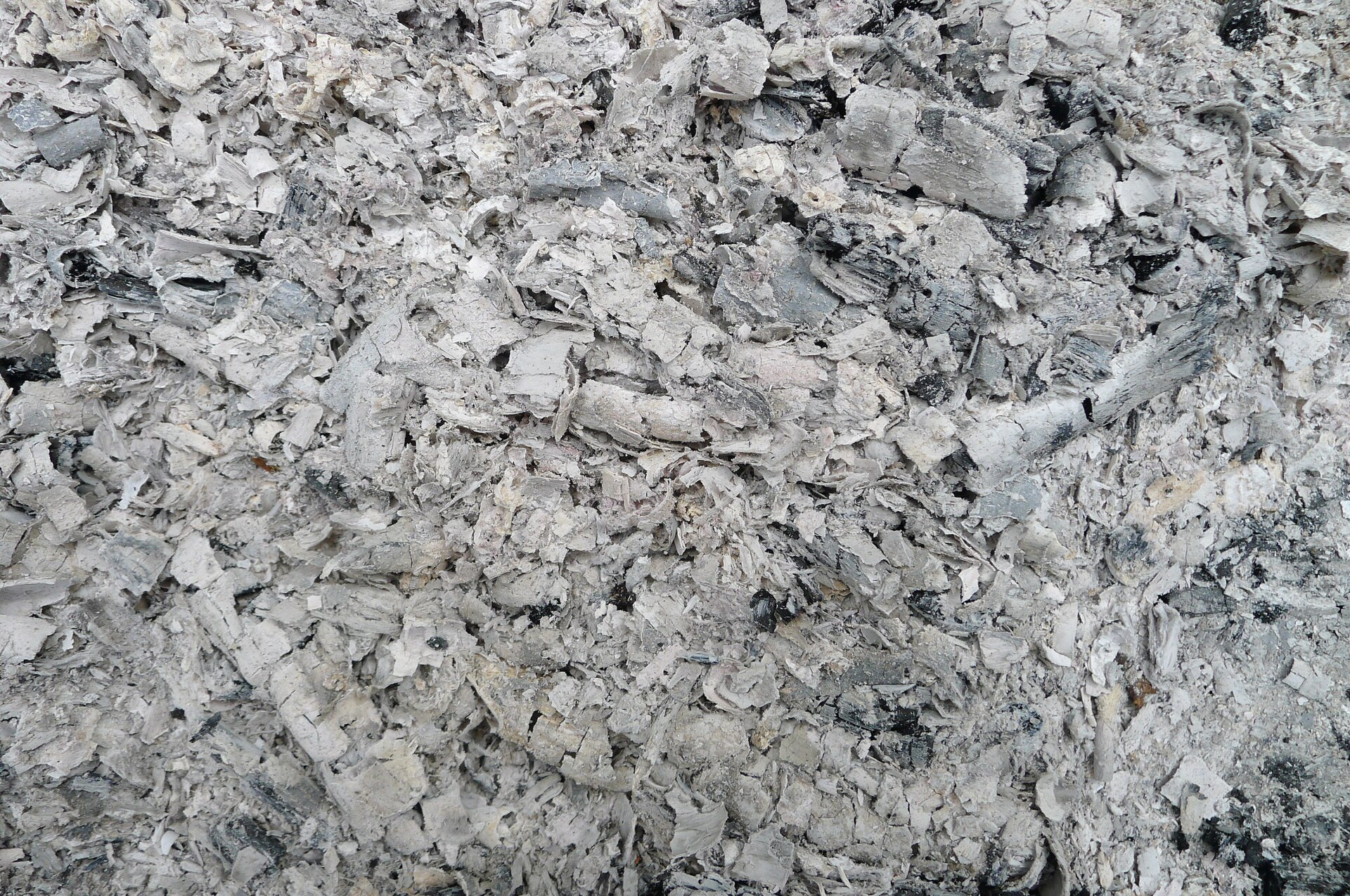
Ash from the fireplace or wood stove had to be cleaned out regularly to keep the fire burning well. Shoveling ashes was a sooty, recurring chore.
Homes that burned wood or coal needed their fireplaces and stoves cleaned of ash regularly, a dusty chore of shoveling out the cold ashes and hauling them away. Children helped keep the hearth clear so the next fire would draw properly. It was a grubby but necessary task in colder months. Central heating has eliminated the need for most, making ash-cleaning a forgotten part of keeping warm.
22. Hand-Sweeping With a Broom Instead of Vacuuming
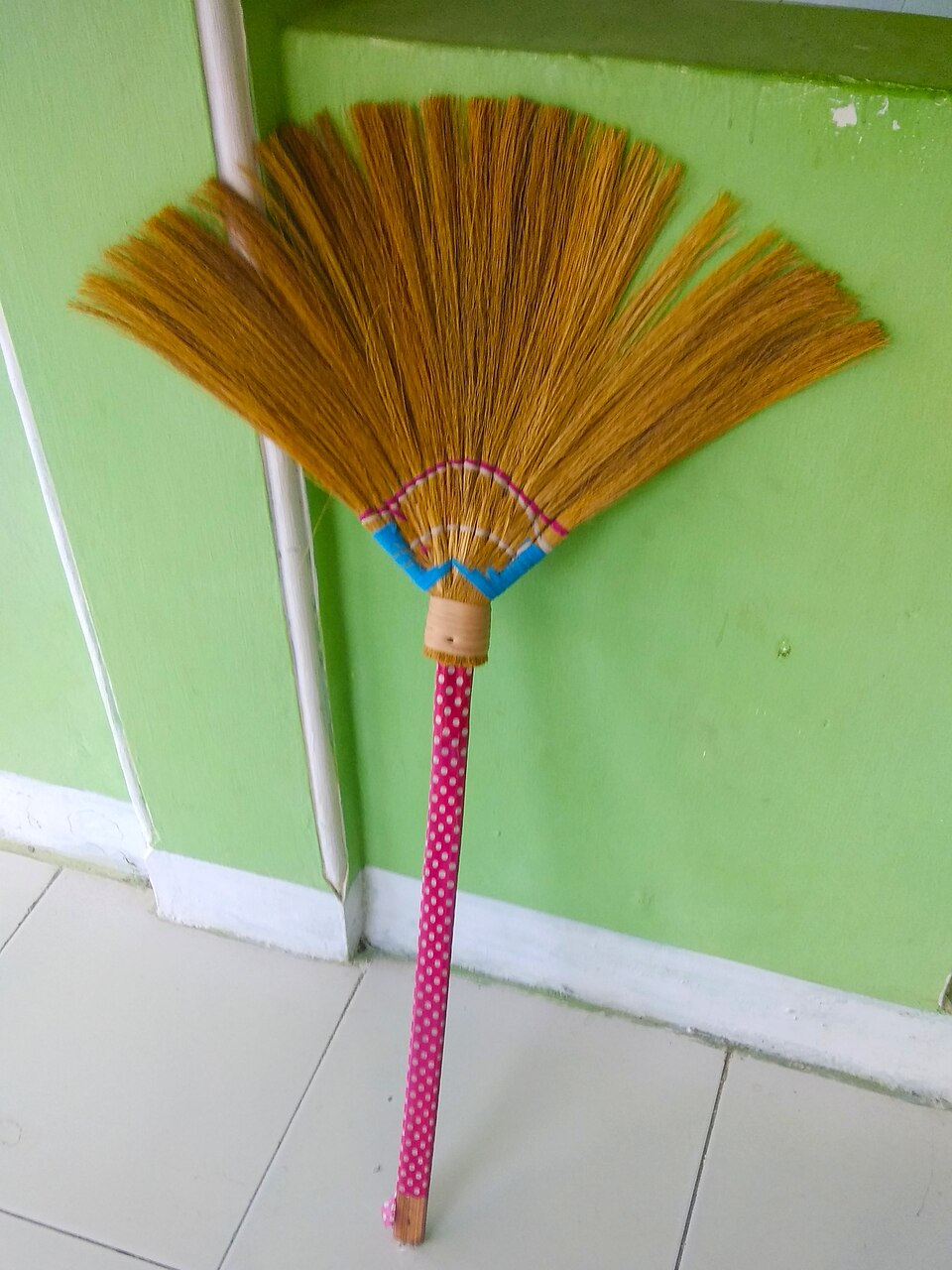
Floors and carpets were kept clean with a broom and dustpan or a manual carpet sweeper, taking more time and effort than modern vacuums. Sweeping was constant work.
Before powerful, affordable vacuums, floors and rugs were kept clean with a broom and dustpan or a push-along carpet sweeper, requiring frequent, thorough effort to get up crumbs and dirt. Kids were regularly handed the broom. The manual work meant tidying took real time. Modern vacuums have made quick work of the job, turning daily broom-and-dustpan duty into a more occasional task and a nostalgic memory.
23. Beating and Fluffing Mattresses or Featherbeds

Mattresses and featherbeds were aired, beaten, and fluffed to keep them fresh and comfortable. It was a periodic, physical household chore.
Keeping mattresses and featherbeds comfortable once involved hauling them out to air, beating out the dust, and fluffing them back into shape, a chore that took muscle. Children helped turn and pound the heavy bedding. The fresh, plumped result made for a better night’s sleep. Modern mattresses and bedding require far less upkeep, making this once-routine task a forgotten piece of household labor.
24. Filling and Trimming Oil Lamps

Before reliable electric lighting, oil lamps had to be filled, their wicks trimmed, and their glass chimneys cleaned. Lamp care was a regular evening chore.
In homes lit by oil or kerosene lamps, keeping them working meant refilling the fuel, trimming the wicks for a clean flame, and washing the sooty glass chimneys, tasks often handed to careful older children. The chore kept the household in light after dark. It was delicate, routine work. Electric lighting has made lamp-tending obsolete, a nostalgic reminder of evenings lit by flame.
25. Hand-Mowing the Lawn With a Push Reel Mower
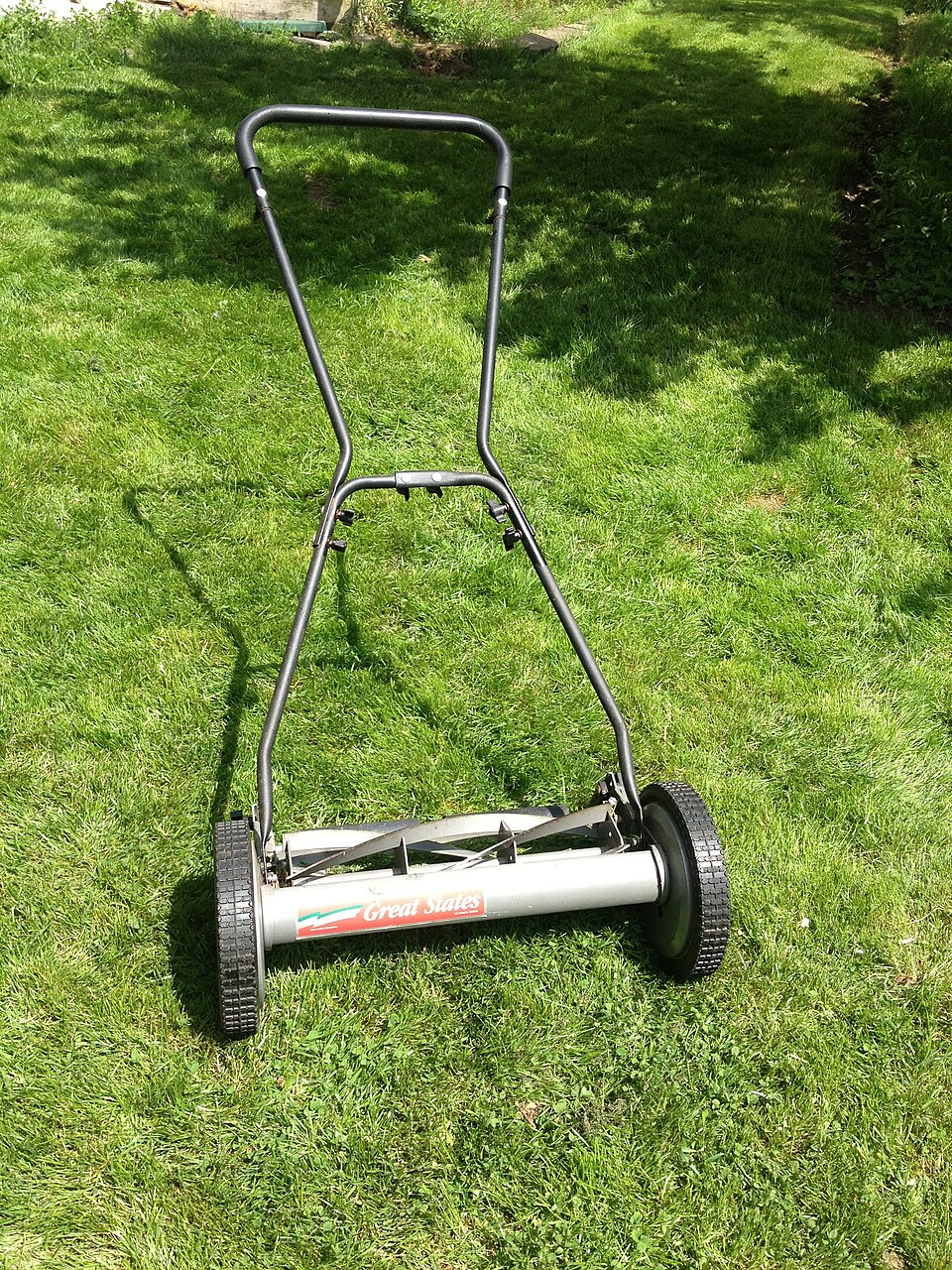
Lawns were once cut with a manual push reel mower that took muscle to operate. Mowing the grass by hand was sweaty, effortful yard work.
Before powered mowers were common, cutting the grass meant pushing a manual reel mower whose blades spun as the wheels turned, taking real effort, especially on a large or overgrown lawn. The chore often fell to kids and teens earning their keep. The clack of the spinning blades was the sound of a summer Saturday. Gas and electric mowers have eased the work, making the push reel mower a nostalgic symbol of yard chores past.
26. Canning and Preserving Food
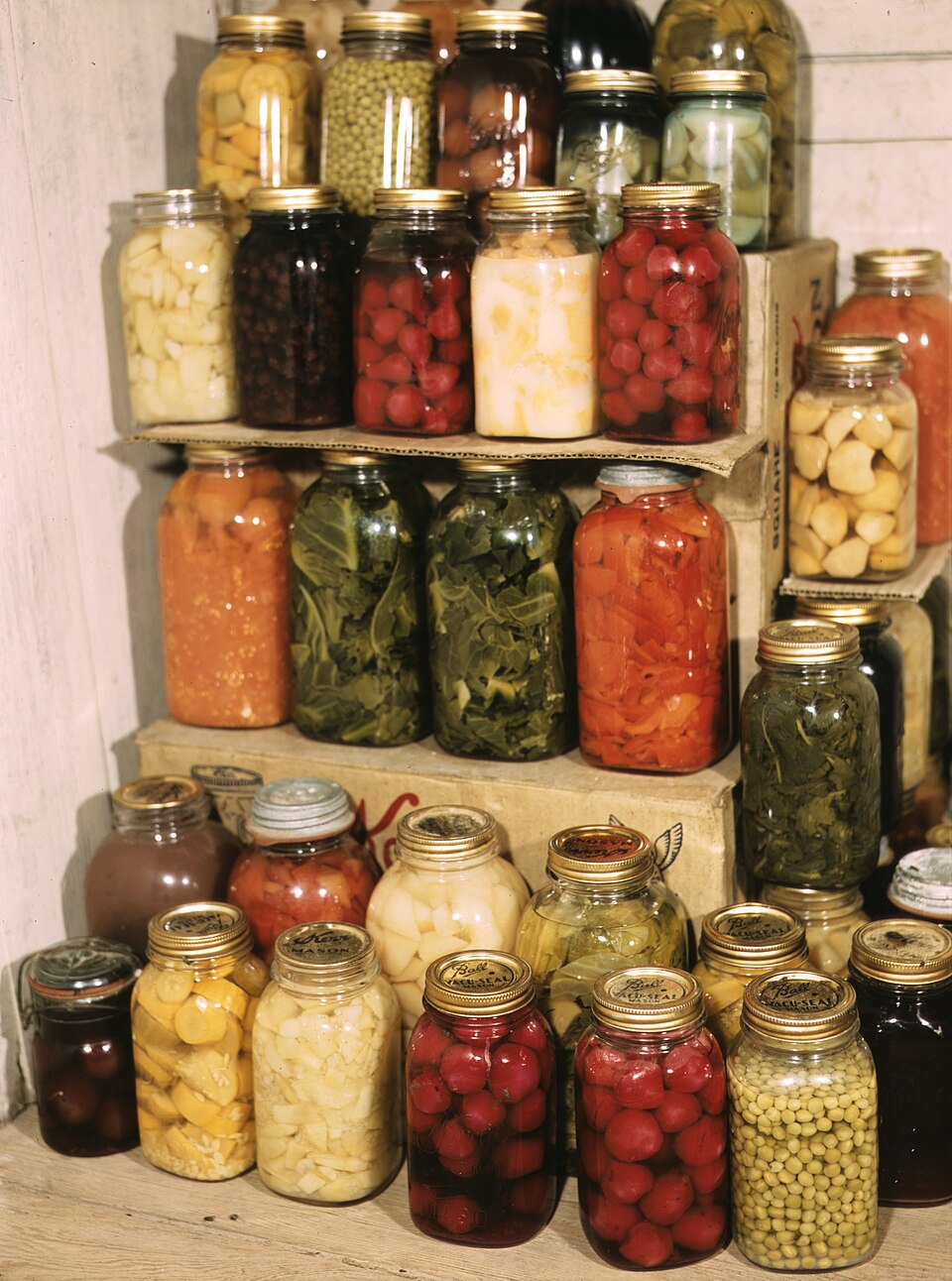
Preserving the harvest meant long days of canning fruits and vegetables in jars to last through winter. It was hot, busy, all-hands kitchen work.
Canning and preserving turned a garden’s bounty into jars of food for the colder months, an involved process of washing, cutting, cooking, and sealing that took the whole family. Kids helped prepare produce and tend the steaming jars. The pantry full of preserves was a point of pride. With year-round grocery availability and freezers, large-scale home canning has become a hobby rather than a necessity, a nostalgic ritual of self-reliant households.
27. Sharpening Knives and Tools by Hand
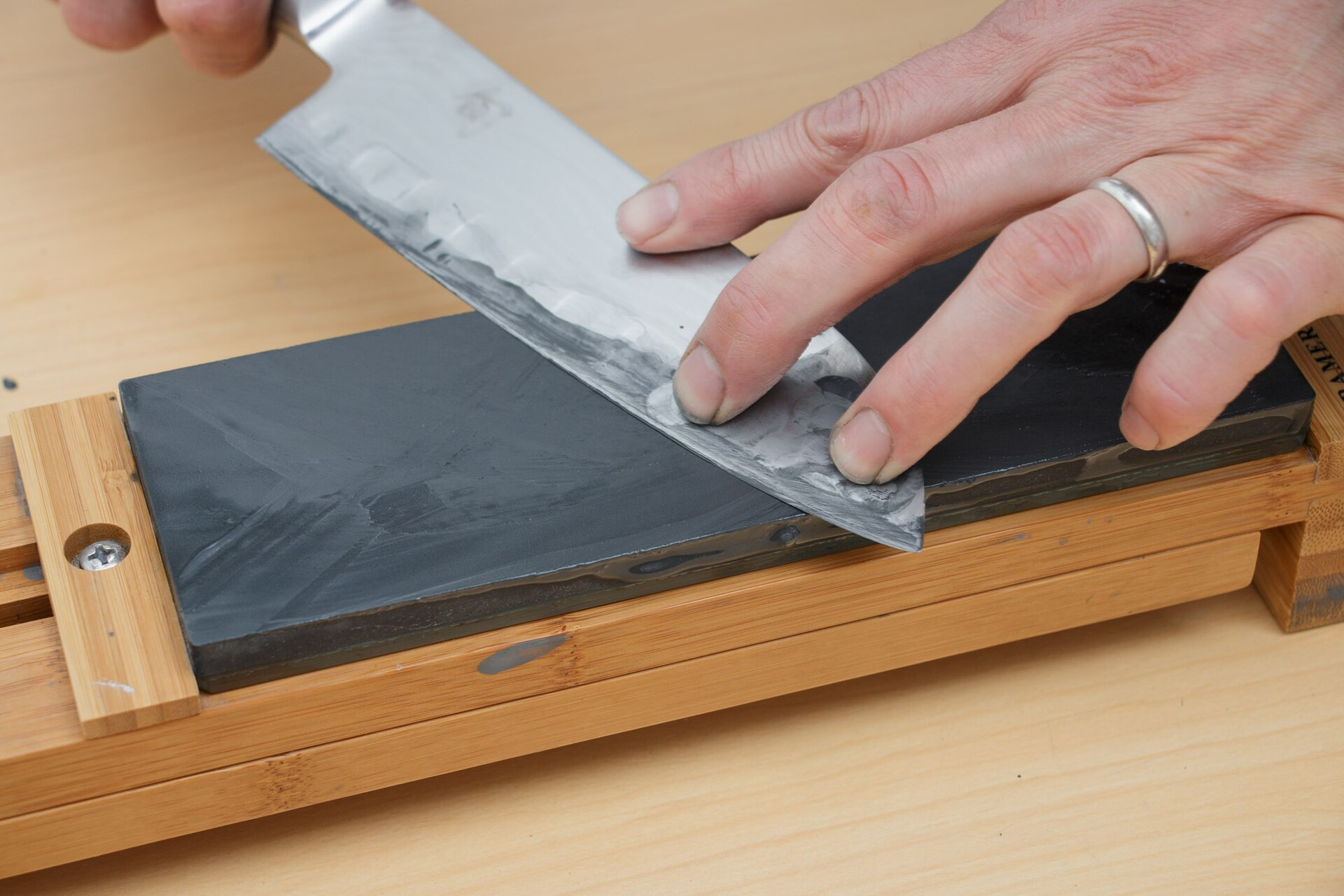
Dull knives and tools were sharpened at home on a whetstone or hand-cranked grinding wheel. Keeping the household’s blades keen was a regular chore.
Maintaining sharp knives, scissors, and tools once meant working them against a whetstone or a hand-cranked grinding wheel, a skill that took practice to do well. Older children learned the careful technique. A sharp blade made every kitchen and yard task easier. Modern sharpeners and inexpensive replacements have made hand-sharpening less common, turning a once-essential skill into a fading household chore.
28. Defrosting the Freezer by Hand
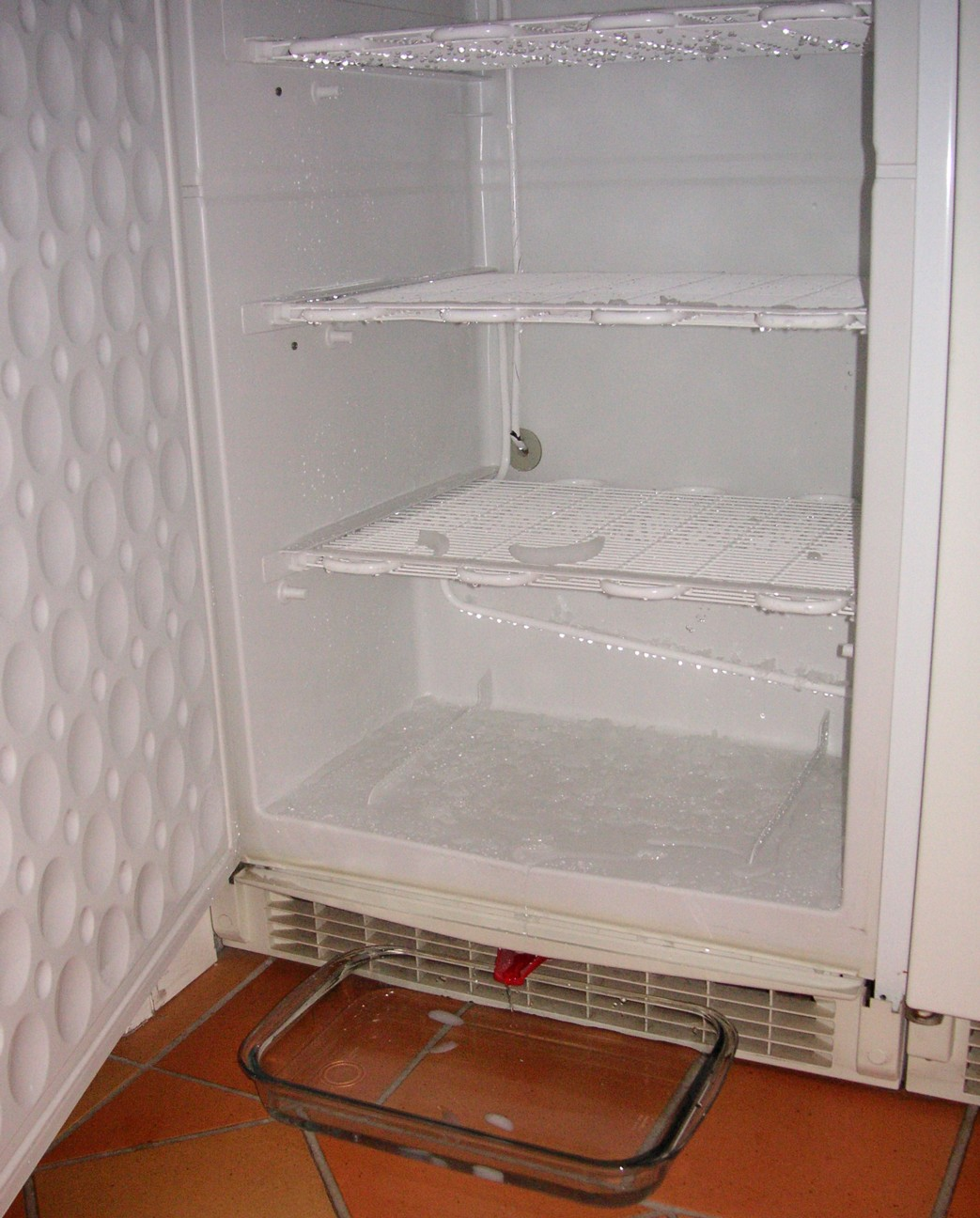
Older freezers built up thick ice that had to be melted and chipped away by hand. Defrosting the freezer was a wet, chilly, occasional chore.
Before frost-free models, freezers accumulated heavy ice that had to be removed by unplugging the appliance and letting it melt, then mopping up the water, a damp and tedious chore done every so often. Kids helped empty the freezer and soak up the meltwater. It was a job nobody relished. Self-defrosting freezers have eliminated the task, making manual defrosting a nostalgic memory of older kitchens.
29. Cleaning the Chalkboard or Knocking Out Erasers
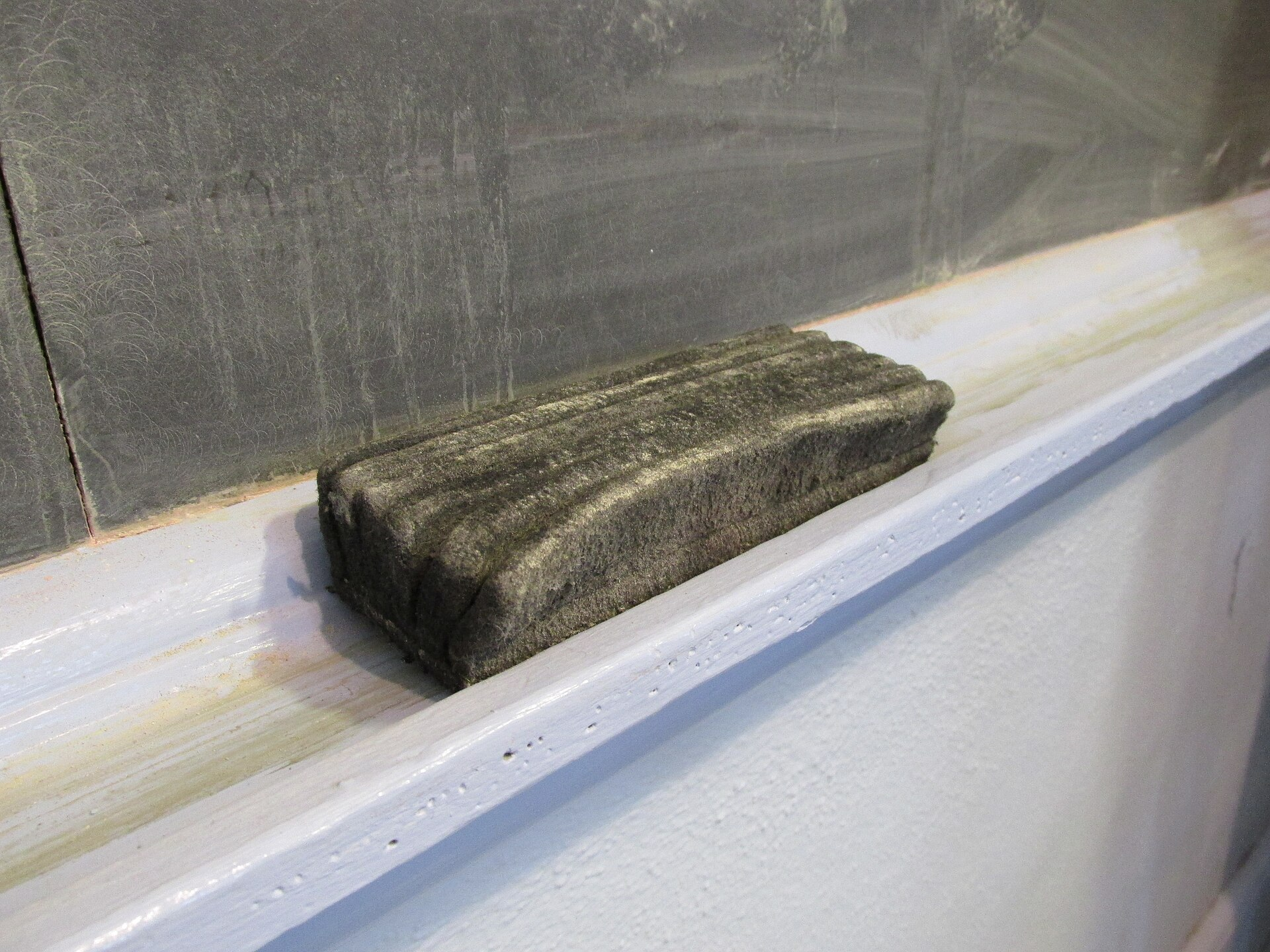
For kids, school chores included washing the chalkboard and clapping the dusty erasers clean. Being chosen for the task was oddly coveted.
In classrooms of the past, students were tasked with cleaning the chalkboard and beating the chalk dust out of the felt erasers, often by clapping them together outside in a cloud of dust. Being picked for the job was a small honor for many kids. It was a hands-on part of the school day. Whiteboards and digital screens have made chalk duties obsolete, leaving dusty erasers a fond nostalgic memory of the classroom.
30. Returning Glass Bottles for the Deposit

Empty glass soda and milk bottles were rinsed and returned to the store for a small deposit refund. Gathering and returning bottles was a chore kids actually liked.
Returning glass bottles meant collecting, rinsing, and hauling empties back to the store to reclaim the deposit, a chore that came with the bonus of a little pocket money. Kids happily rounded up bottles, since the refund was theirs to keep or spend. It taught a bit about thrift and reuse. With modern packaging and recycling systems, the bottle-return chore has faded in much of the country, a nostalgic memory of the deposit-and-return era.
Looking Back at a Hands-On Era
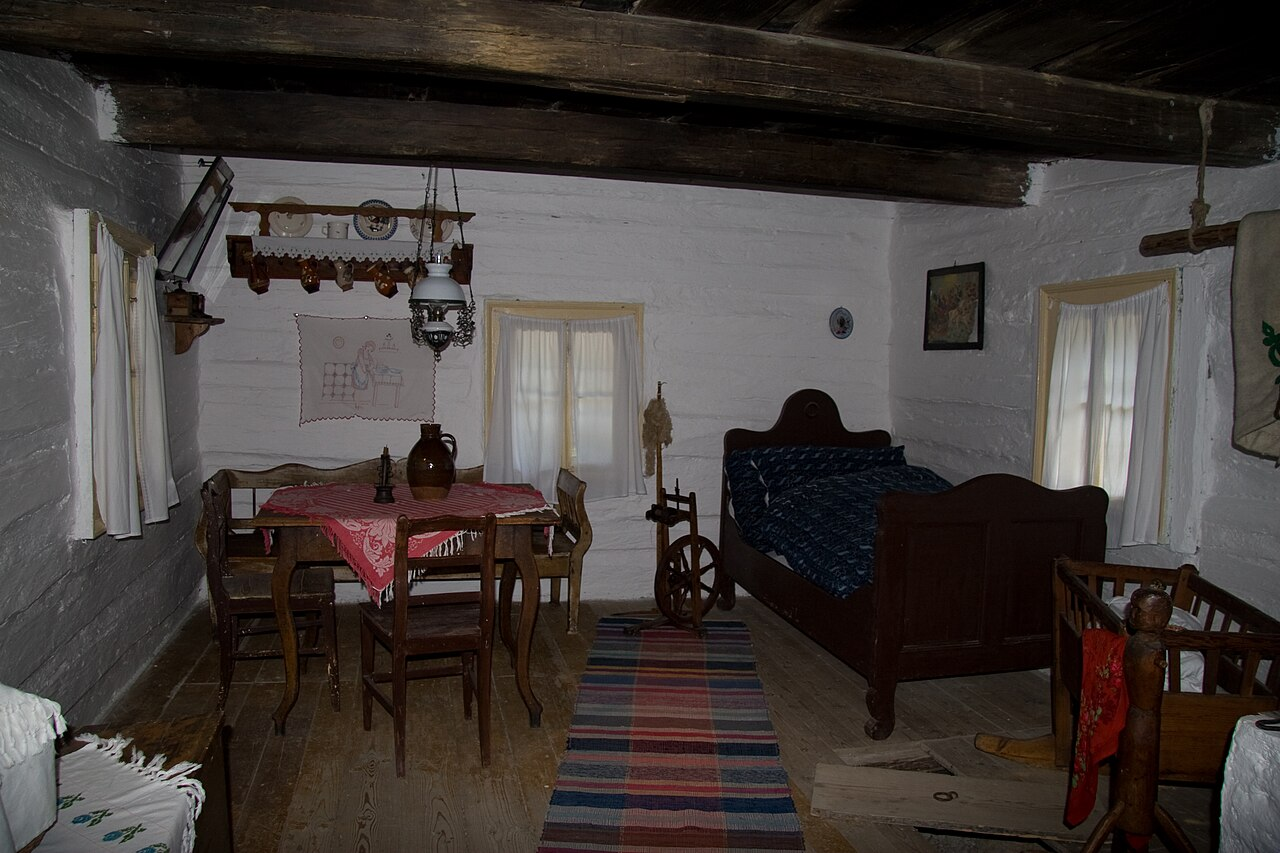
Taken together, these thirty chores capture how hands-on daily life once was, before modern appliances and conveniences took over so many household tasks. From hauling water and beating rugs to churning butter and rolling coins, growing up decades ago meant pitching in on work that has since largely vanished. These chores taught responsibility, patience, and self-reliance.
While few would trade away the conveniences of modern life, there’s a real fondness in remembering the effort that daily living once required, and the skills and habits those chores instilled. The clothesline, the butter churn, and the change jar belong to a slower, more labor-intensive era that shaped the generations who lived it. For those who grew up doing these tasks, this list stirs warm nostalgia for simpler, busier days, and for younger readers, it offers a fascinating glimpse of just how much daily life has changed.
Like our content? Follow us for more.