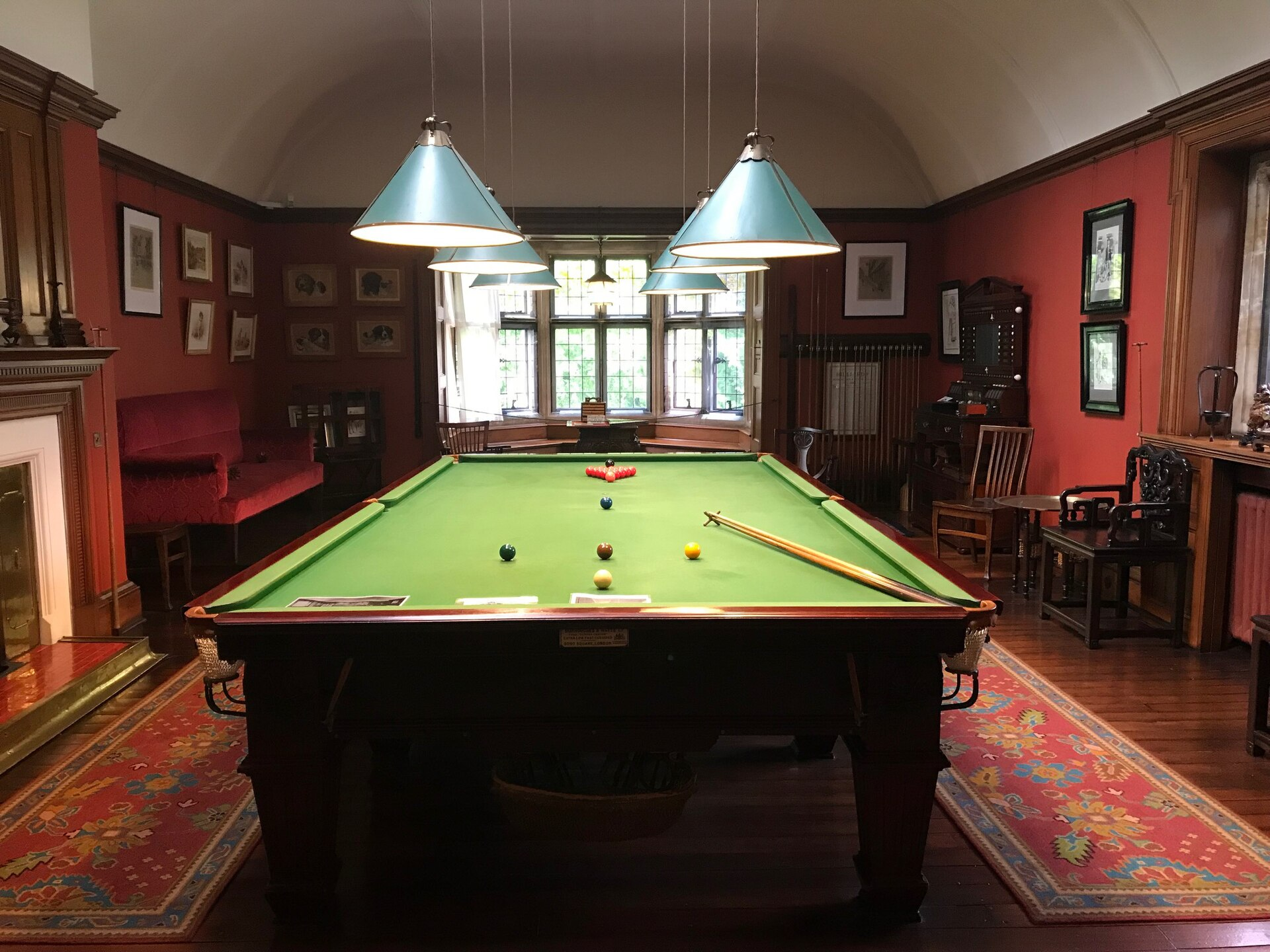
The neighborhood pool hall of 1970 occupied a distinctive place in American social life, part game room, part hangout, part informal social club, drawing a regular crowd that ranged from serious competitive players to teenagers looking for a place to spend an evening. Here are eleven things every American pool hall had in 1970, counted down one by one.
1. A Haze of Cigarette Smoke Hanging Over Every Table
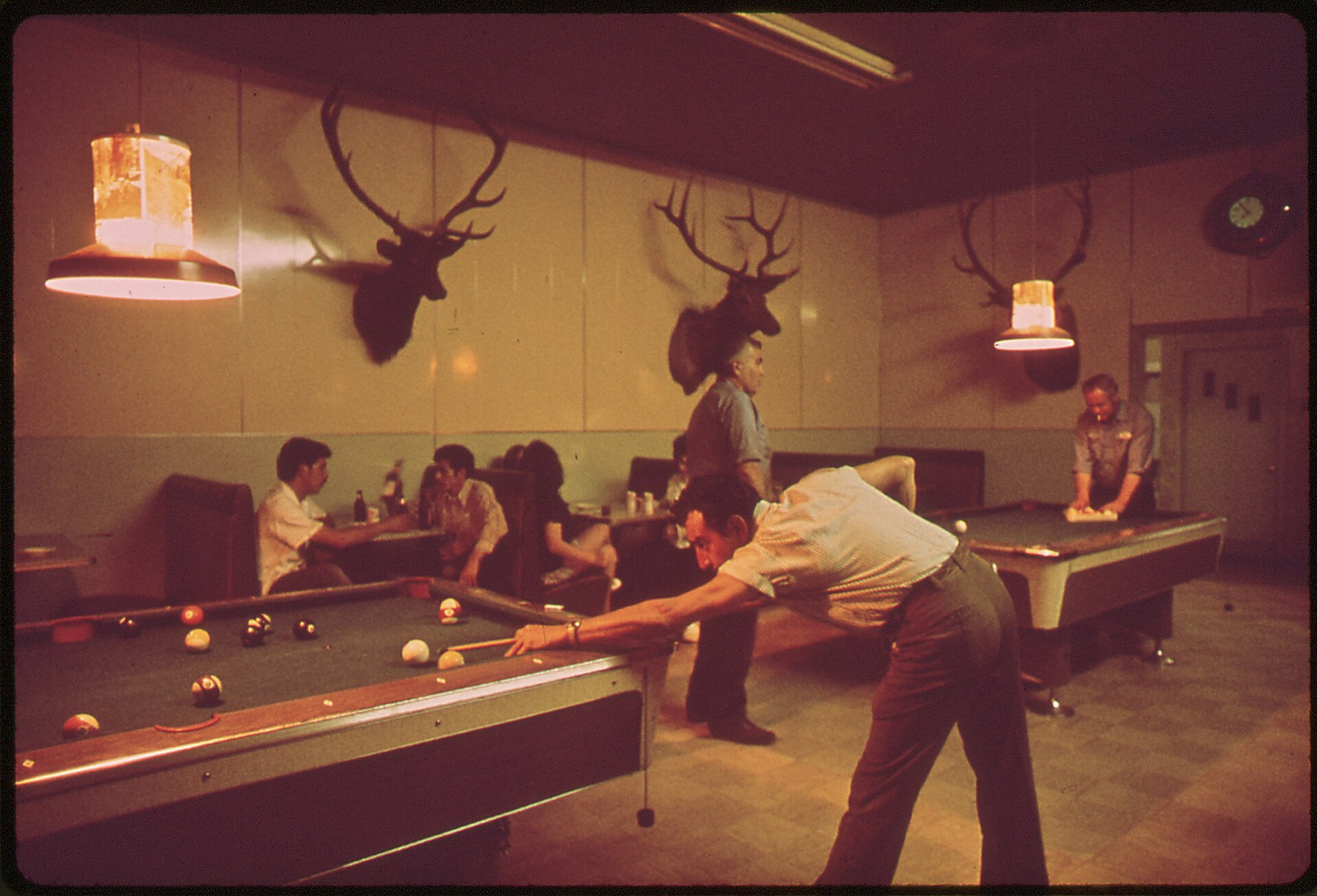
Indoor smoking was constant and unrestricted. The air itself carried a distinctive, unmistakable quality.
Cigarette smoking happened constantly and without any restriction throughout the pool hall, creating a genuinely visible haze that hung over the tables and gave the entire room a distinctive, smoky atmosphere that longtime patrons associate strongly with the whole experience. A haze of cigarette smoke hanging over every table reflects the era’s completely unrestricted approach to indoor smoking, an atmospheric detail that comprehensive indoor smoking bans have since eliminated entirely from modern pool halls and billiards venues.
Like our content? Follow us for more.
2. A House Cue Rack With Warped, Mismatched Sticks
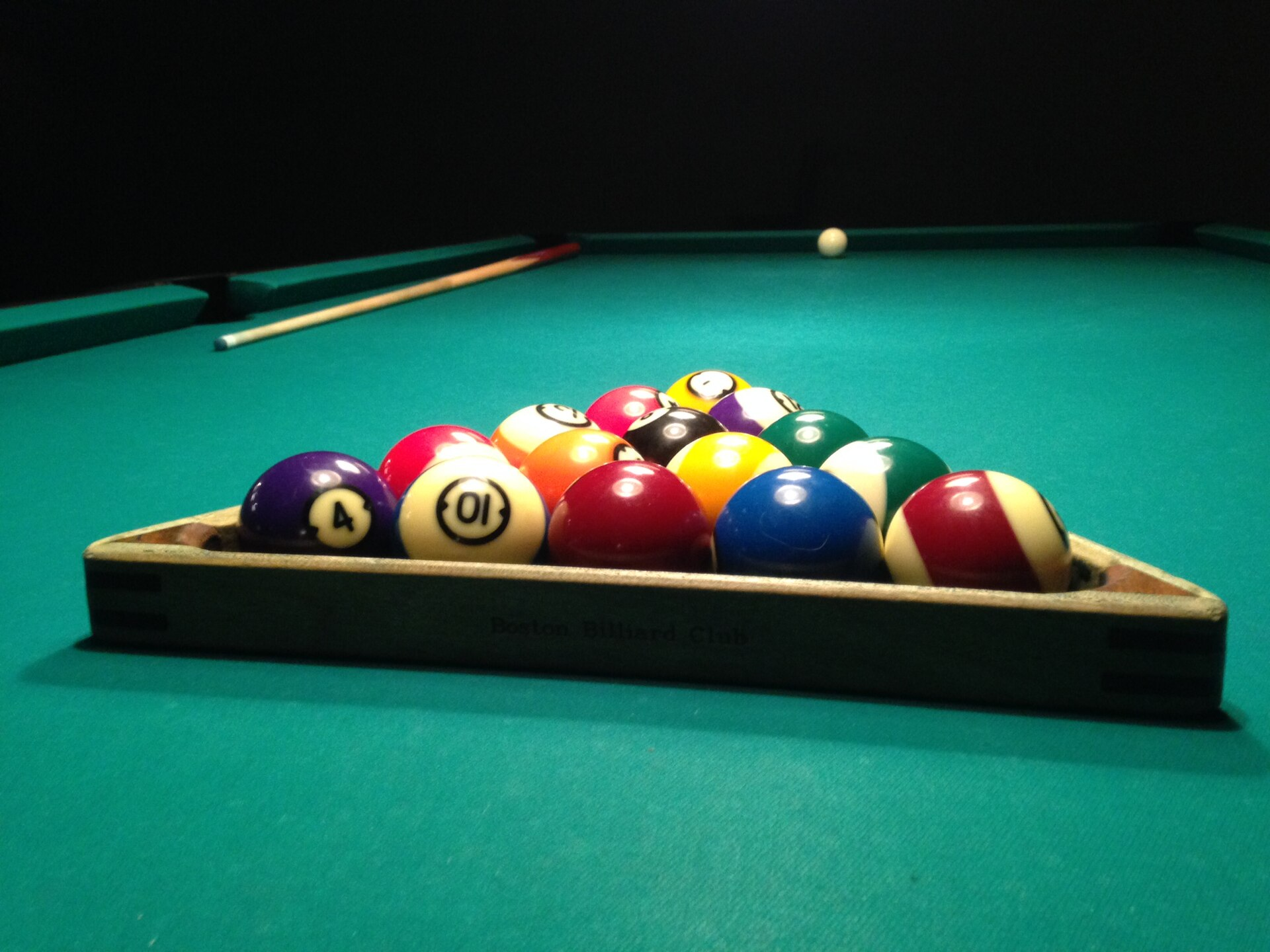
Communal cues were available for casual players. Serious regulars often brought and guarded their own.
A wall-mounted rack held the house’s communal cue sticks, a mismatched collection that varied considerably in straightness and quality, available for casual players while serious regulars typically brought, and carefully guarded, their own personal cue instead. A house cue rack with warped, mismatched sticks reflects the genuinely democratic, come-as-you-are nature of the pool hall, equipment that let anyone walk in and play regardless of whether they owned their own gear.
3. A Genuine Hierarchy of Players Who’d Earned the Best Table
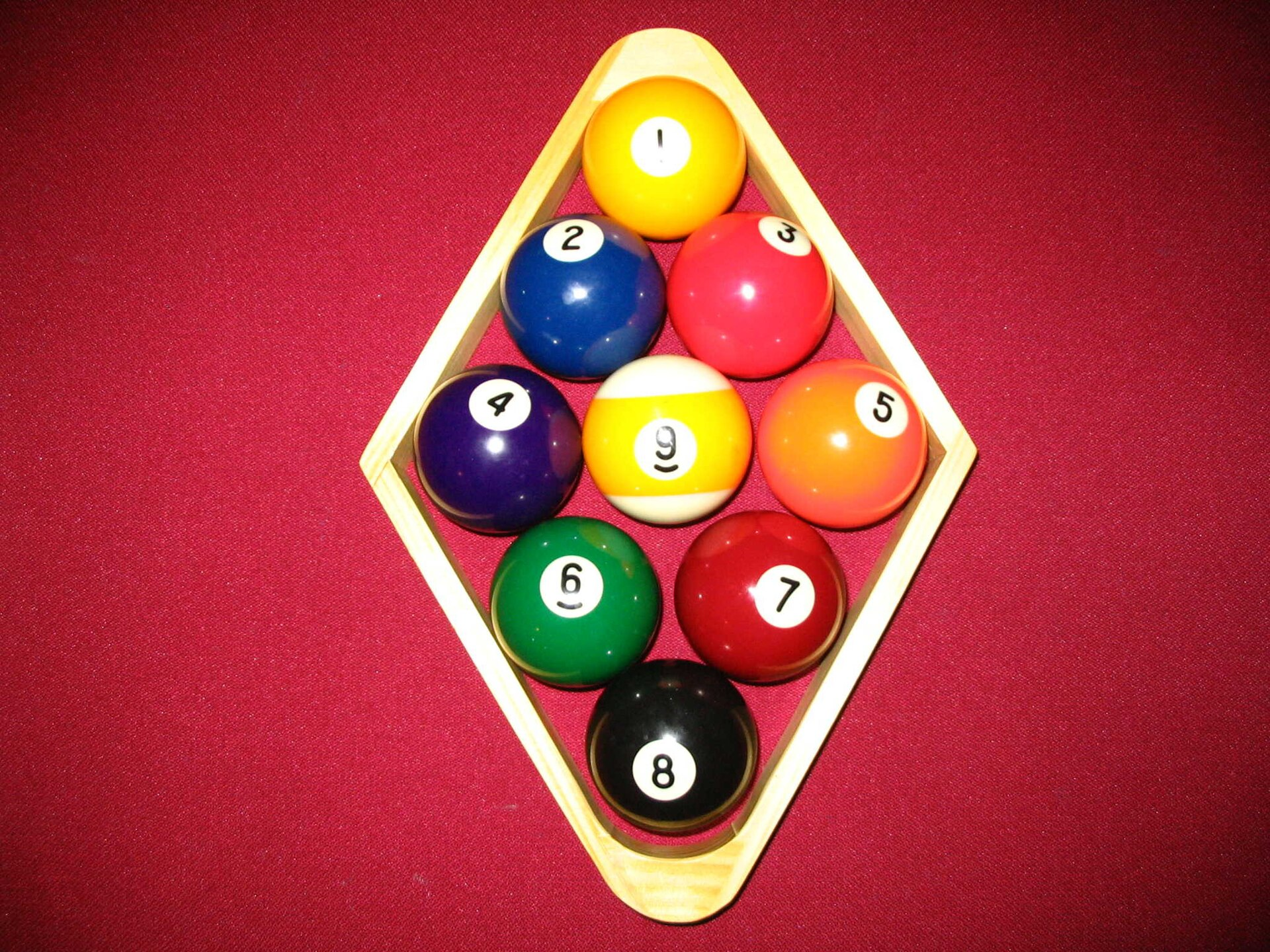
Certain tables and time slots were unofficially reserved. Respected regulars held real, if unspoken, priority.
An unspoken but genuinely real hierarchy governed which tables and time slots belonged to which regulars, with the most skilled or longest-standing players holding unofficial priority over the best-maintained table in the house. A genuine hierarchy of players who’d earned the best table reflects the pool hall’s own internal social order, a system of respect and seniority that newcomers learned to recognize and navigate carefully during their first few visits.
4. A Jukebox Playing in the Background All Night
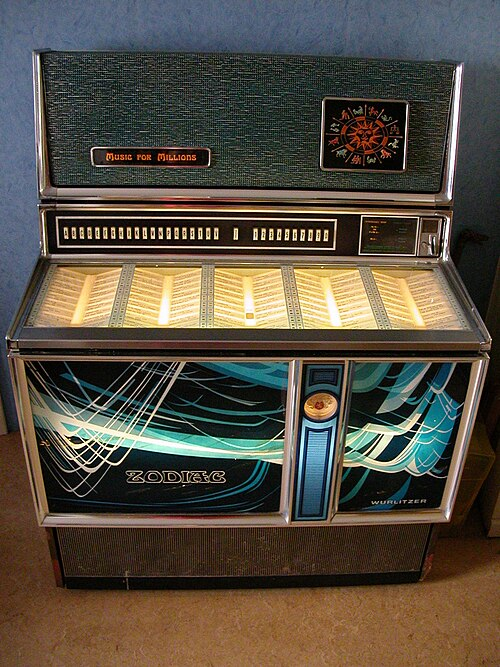
Music filled the room continuously throughout business hours. Regulars had strong, often competing opinions about the song selection.
A jukebox played continuously in the background throughout the evening, its song selection a frequent source of friendly debate among regulars with strong, often conflicting musical preferences about what should be playing next. A jukebox playing in the background all night reflects the pool hall’s genuine social atmosphere, background music that shaped the room’s overall mood and gave patrons something else to bond, or good-naturedly argue, over besides the games themselves.
5. A Wall Clock That Regulars Watched Closely for Table Time
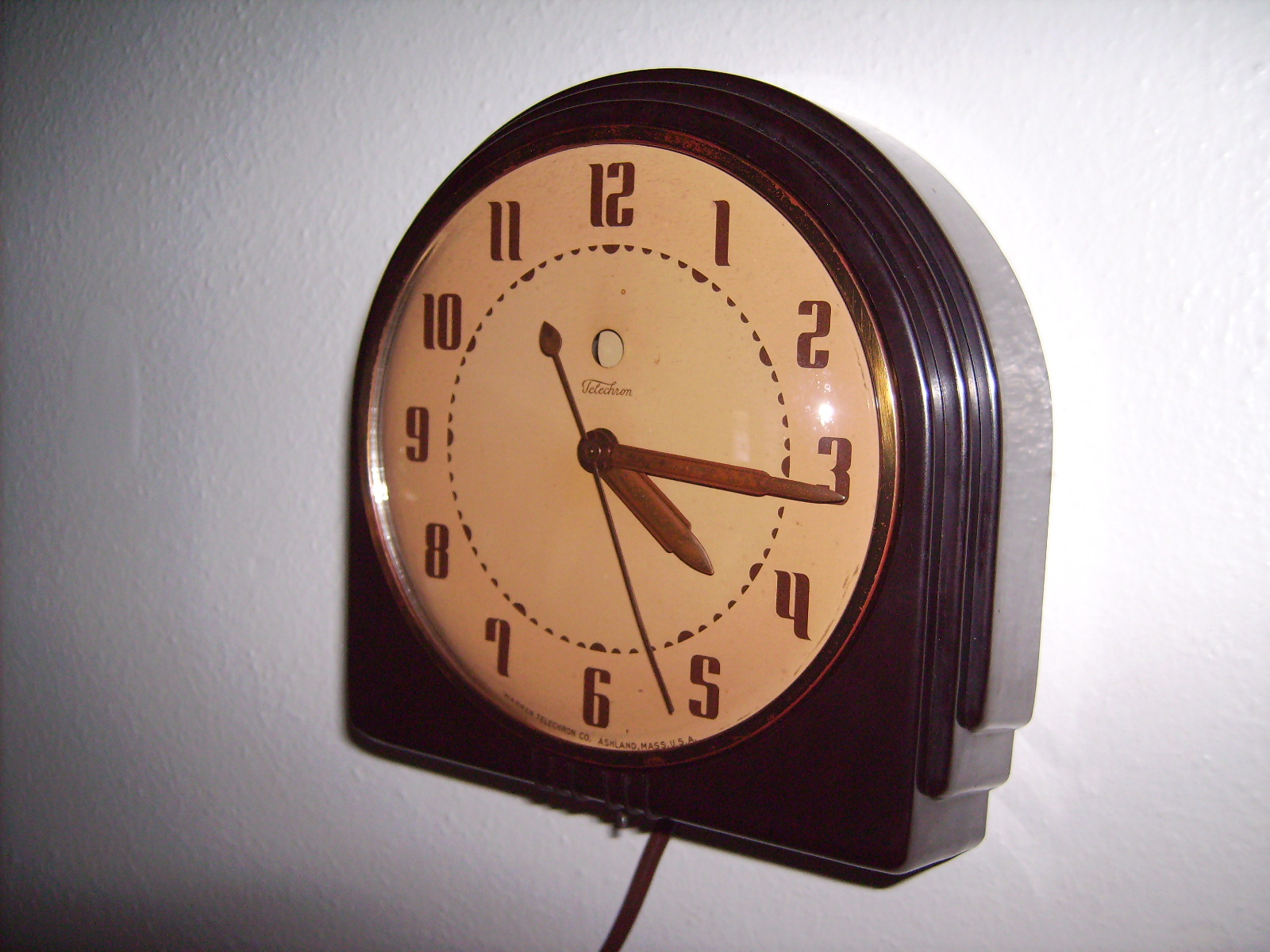
Games were often rented by the hour. Keeping track of time mattered for managing the actual cost.
Since table time was typically rented by the hour, a prominently placed wall clock got watched closely by players managing their budget, timing games carefully to avoid unexpectedly running up a larger tab than intended. A wall clock that regulars watched closely for table time reflects the genuine financial practicality behind an evening at the pool hall, a simple fixture that shaped the pace and length of games throughout the entire venue.
6. A Coin-Operated Table That Required Feeding Quarters
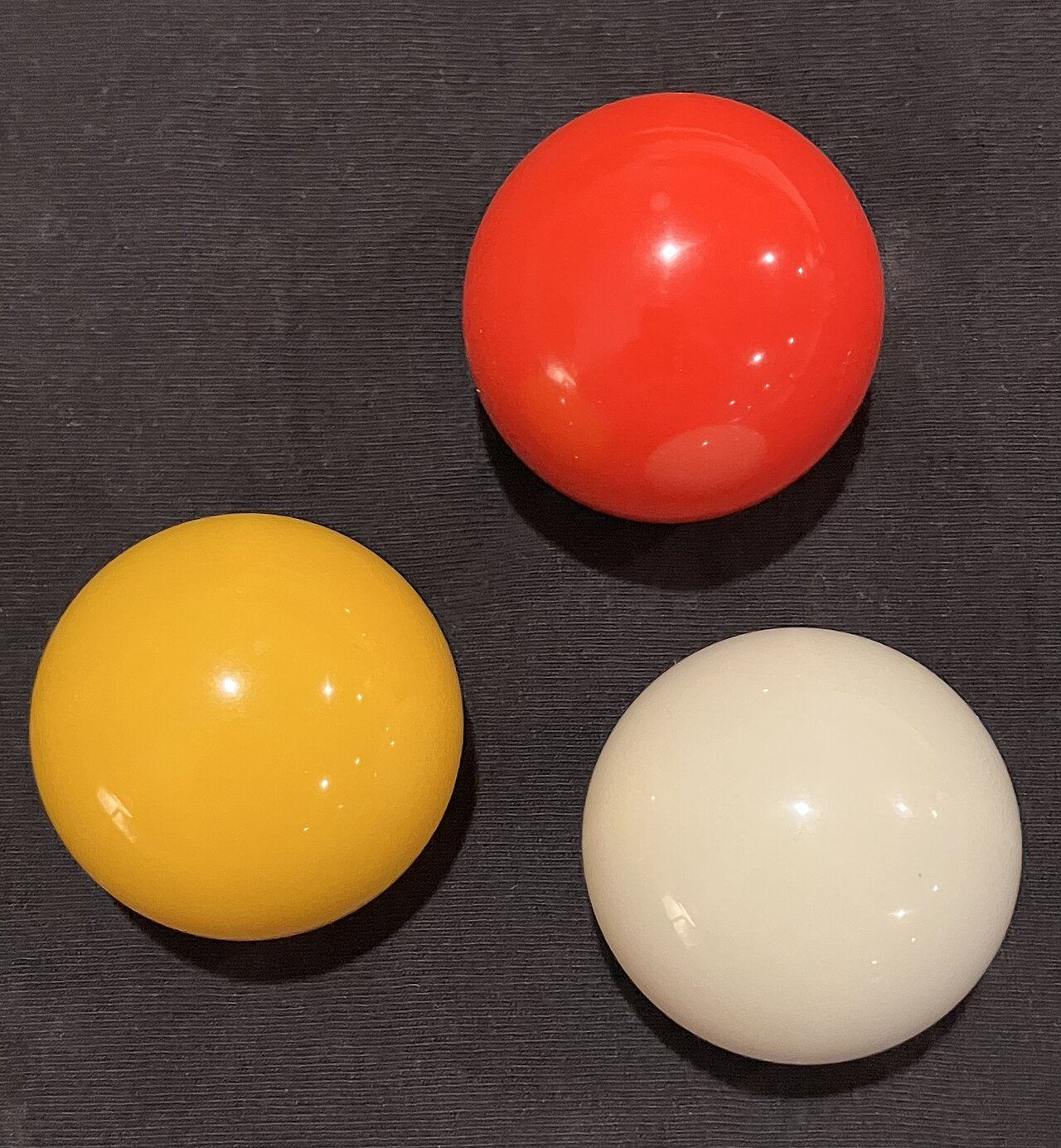
Some tables ran on a pay-per-game coin mechanism. Feeding the slot became part of the game’s own rhythm.
Many pool halls featured coin-operated tables, requiring players to feed quarters into a built-in mechanism to release the balls for a fresh game, a small mechanical ritual that became a familiar part of the overall rhythm of an evening spent playing. A coin-operated table that required feeding quarters reflects the practical, self-service business model many smaller pool halls relied on, a system that let the venue operate efficiently without needing staff to manage every single table transaction directly.
7. A Genuine Reputation as a Slightly Disreputable Hangout
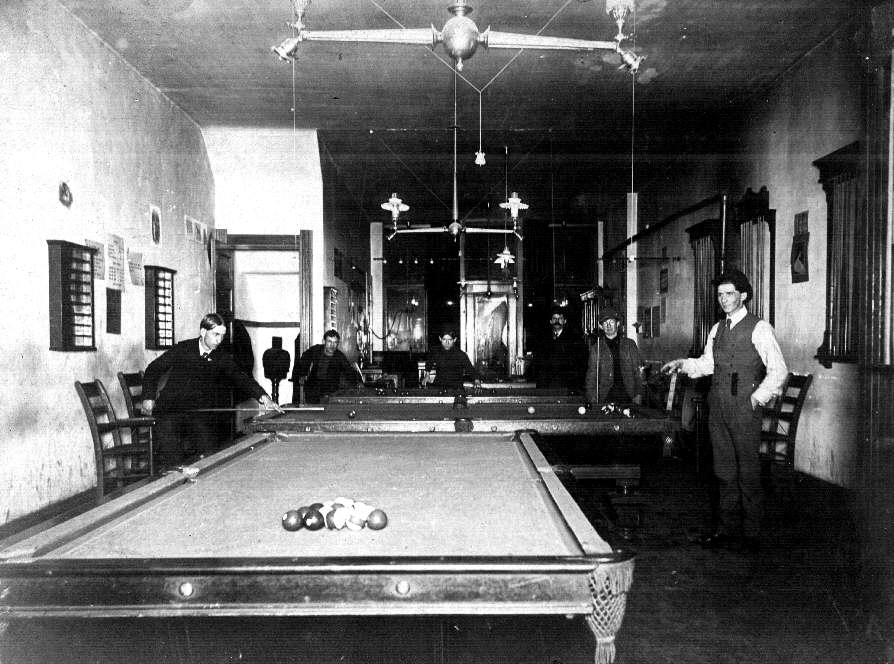
Pool halls carried a mild social stigma in many communities. Parents often viewed them with real, if sometimes exaggerated, suspicion.
Pool halls carried a mild, if often somewhat exaggerated, social reputation as slightly disreputable hangouts, associated in popular culture with gambling and idle troublemaking, a perception that made many parents genuinely wary of their teenagers spending too much time there. A genuine reputation as a slightly disreputable hangout reflects the pool hall’s distinctive cultural position during this era, a reputation that gave the venue a certain rebellious appeal to younger patrons even as it earned real suspicion from more cautious adults.
8. A Genuine Skill Passed Down Through Real Mentorship
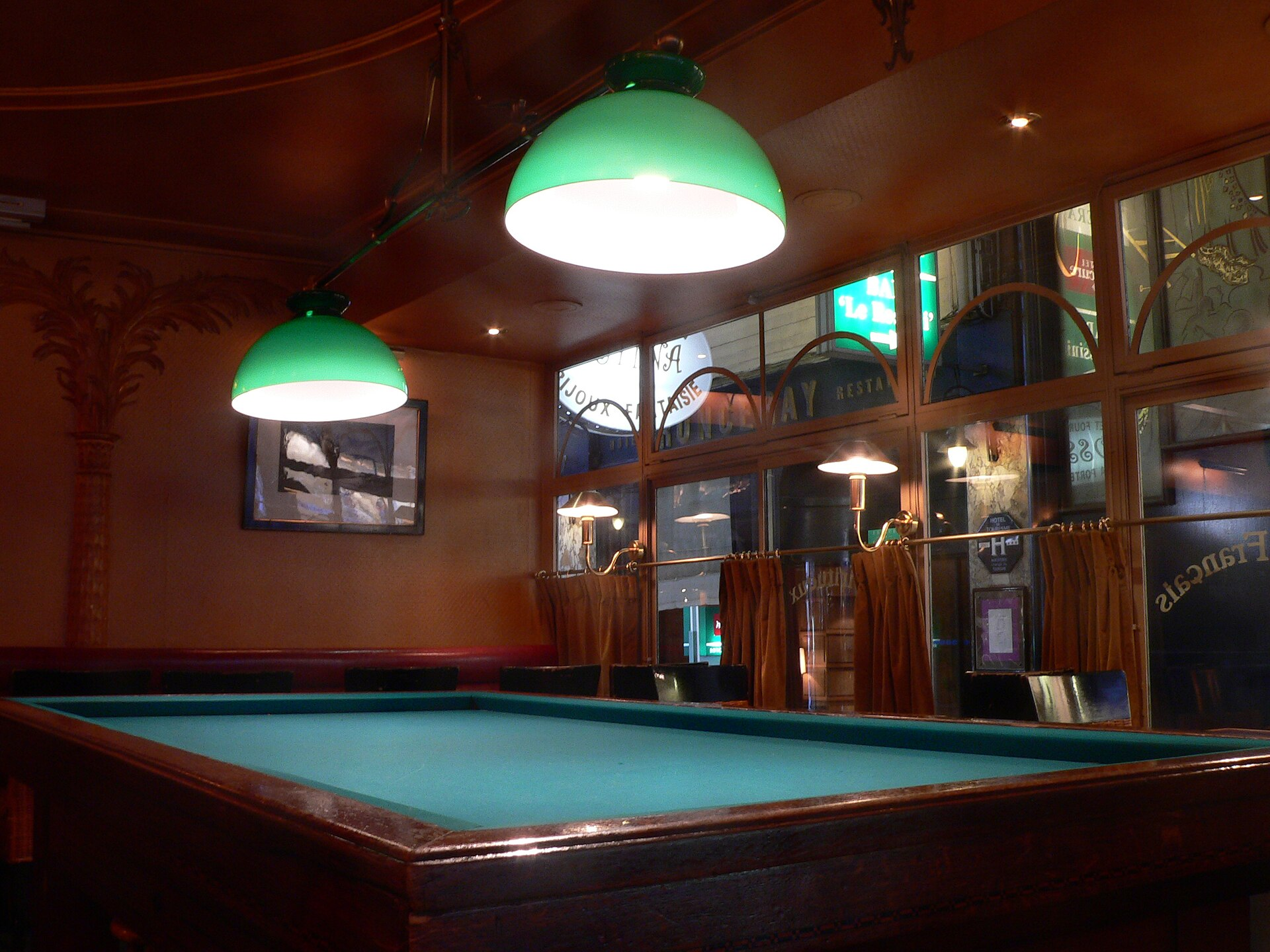
Experienced players taught technique to newcomers directly. Learning happened through hands-on practice and observation.
Skilled, experienced players frequently took newcomers under their wing, offering genuine hands-on instruction in proper technique, strategy, and etiquette, a mentorship tradition that passed real skill down through the pool hall’s regular community rather than any formal lesson structure. A genuine skill passed down through real mentorship reflects the pool hall’s function as an informal school for the game, a community-based learning system built entirely on the willingness of better players to teach those still developing their craft.
9. A Snack Counter Selling Simple, Inexpensive Food
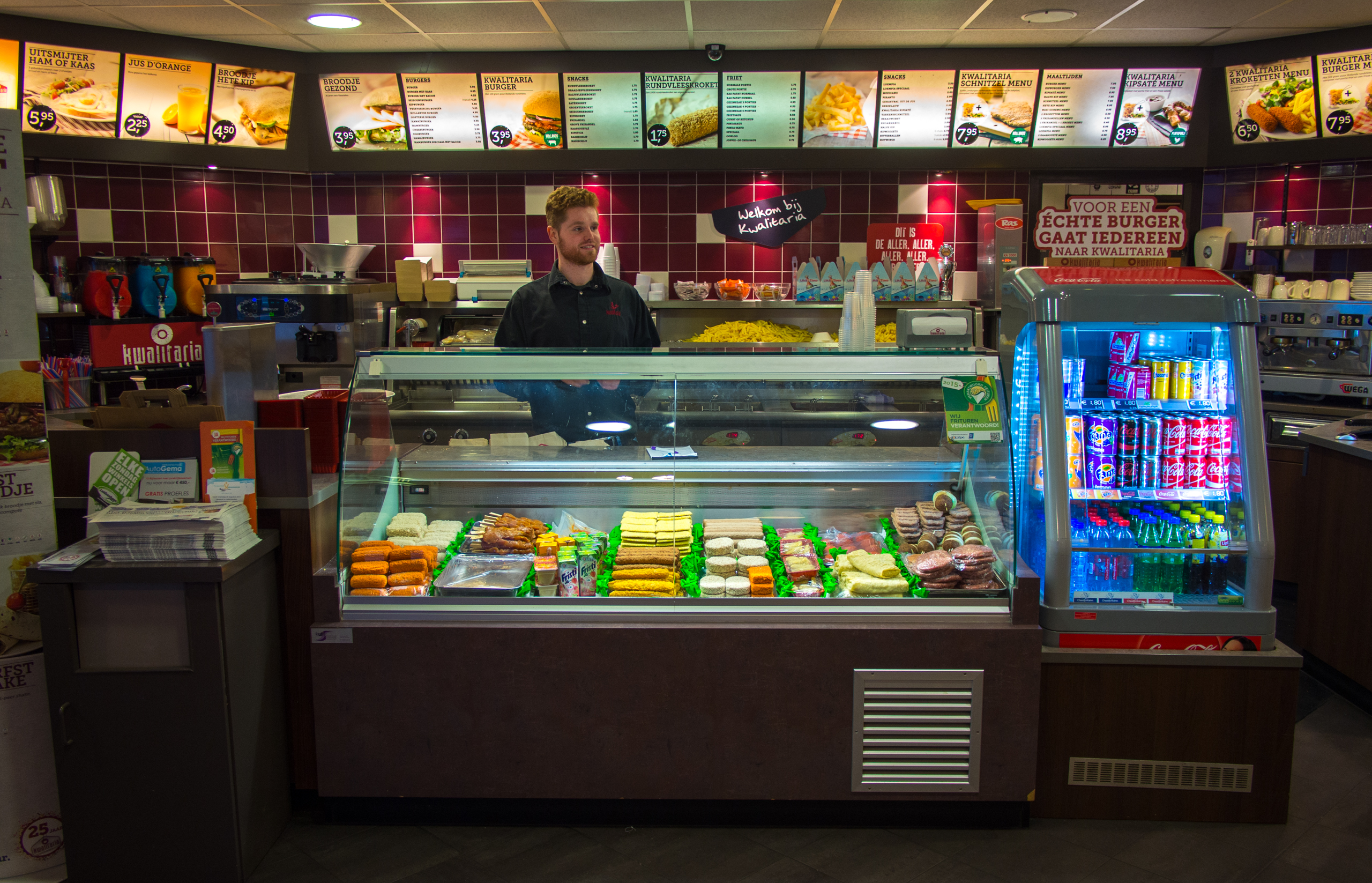
A modest food counter offered basic snacks and drinks. It kept players fueled through long evenings without needing to leave.
A modest snack counter offered simple, inexpensive food, sandwiches, chips, sodas, letting players stay fueled through a long evening of games without ever needing to leave the building. A snack counter selling simple, inexpensive food reflects the pool hall’s genuine function as a full evening destination, a practical amenity that let regulars settle in for hours at a stretch rather than treating the venue as a brief stop.
10. Real Money Games Played Discreetly in the Back
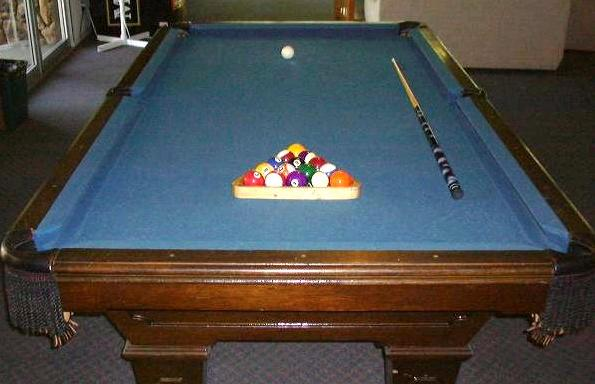
Wagering happened, though typically kept low-key and out of plain view. It added genuine stakes to certain matches.
Small-stakes money games happened at many pool halls, typically kept relatively discreet and often confined to specific tables or players known for taking that kind of match seriously, adding genuine competitive stakes beyond simple recreational play. Real money games played discreetly in the back reflect the pool hall’s dual character, part casual social space, part venue for genuinely serious, occasionally wagered competition among the most skilled and dedicated regulars.
11. A Genuine Sense of Camaraderie Among Regular Faces
Repeat visitors formed real friendships built around a shared pastime. The pool hall became a genuine second home for many.
Beyond the games themselves, the pool hall fostered genuine camaraderie among its regular faces, friendships built entirely around a shared pastime that, for many patrons, made the venue feel like a real second home and a dependable social anchor. A genuine sense of camaraderie among regular faces is the lasting emotional core of the pool hall experience, community connection that many former regulars remember as meaningfully as any individual game actually played there.
A Distinctive Social Institution
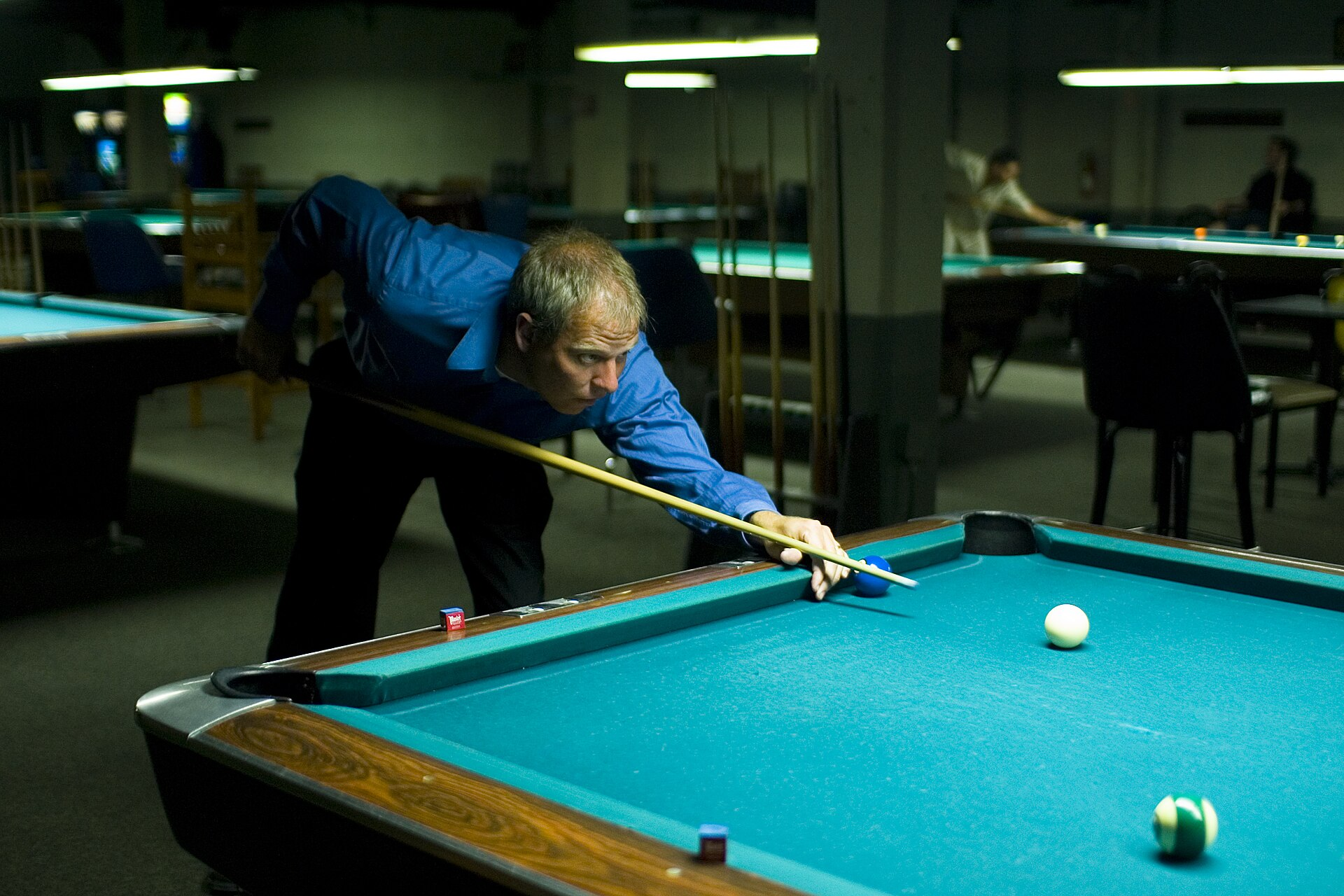
Taken together, these eleven things capture the world of the American pool hall in 1970, from the smoky haze and the coin-operated tables to the informal mentorship and the genuine camaraderie built among regulars. It was a distinctive social institution, part game room and part neighborhood clubhouse, that shaped countless evenings for its dedicated regular crowd.
Comprehensive indoor smoking bans, changing social habits, and the rise of alternative entertainment options have transformed the traditional pool hall considerably in the decades since, with many venues rebranding as family-friendly billiards lounges considerably different from the smoky, informally hierarchical rooms of 1970. The change reflects broader shifts in public health regulation and social entertainment more generally. Yet for those who remember the specific atmosphere of that era’s pool hall, these details bring it all back: the smoky haze, the jukebox playing, the genuine camaraderie built among familiar faces. Looking back at the pool hall of 1970 is a nostalgic tribute to a genuinely distinctive American social institution.
Like our content? Follow us for more.